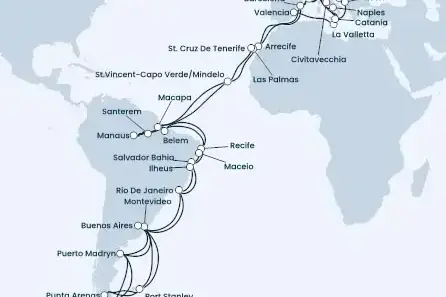
| Cruise Region : Mediterranean Sea, Transatlantic cruises |
| Company : Costa Cruises |
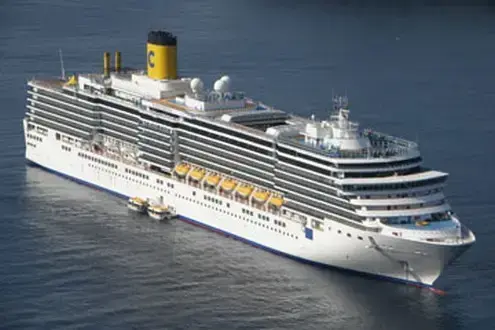
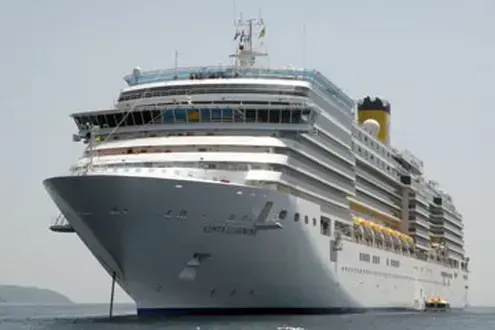
| Ship : Costa Luminosa |
| Journey Start : Fri 29 Dec 2023 |
| Journey End : Sat 20 Apr 2024 |
| Count Nights : 113 nights |
| Day | Date | Port | Arrival | Departure |
|---|---|---|---|---|
| 1 | 29.12 Fri | Genoa / Italy | 18:00 | |
| 2 | 30.12 Sat | Marseille / France | 08:00 | 18:00 |
| 3 | 31.12 Sun | Barcelona / Spain | 08:00 | 18:00 |
| 4 | 1.01 Mon | Valencia / Spain | 08:00 | 18:00 |
| 5 | 2.01 Tue | Day at sea / Sea | ||
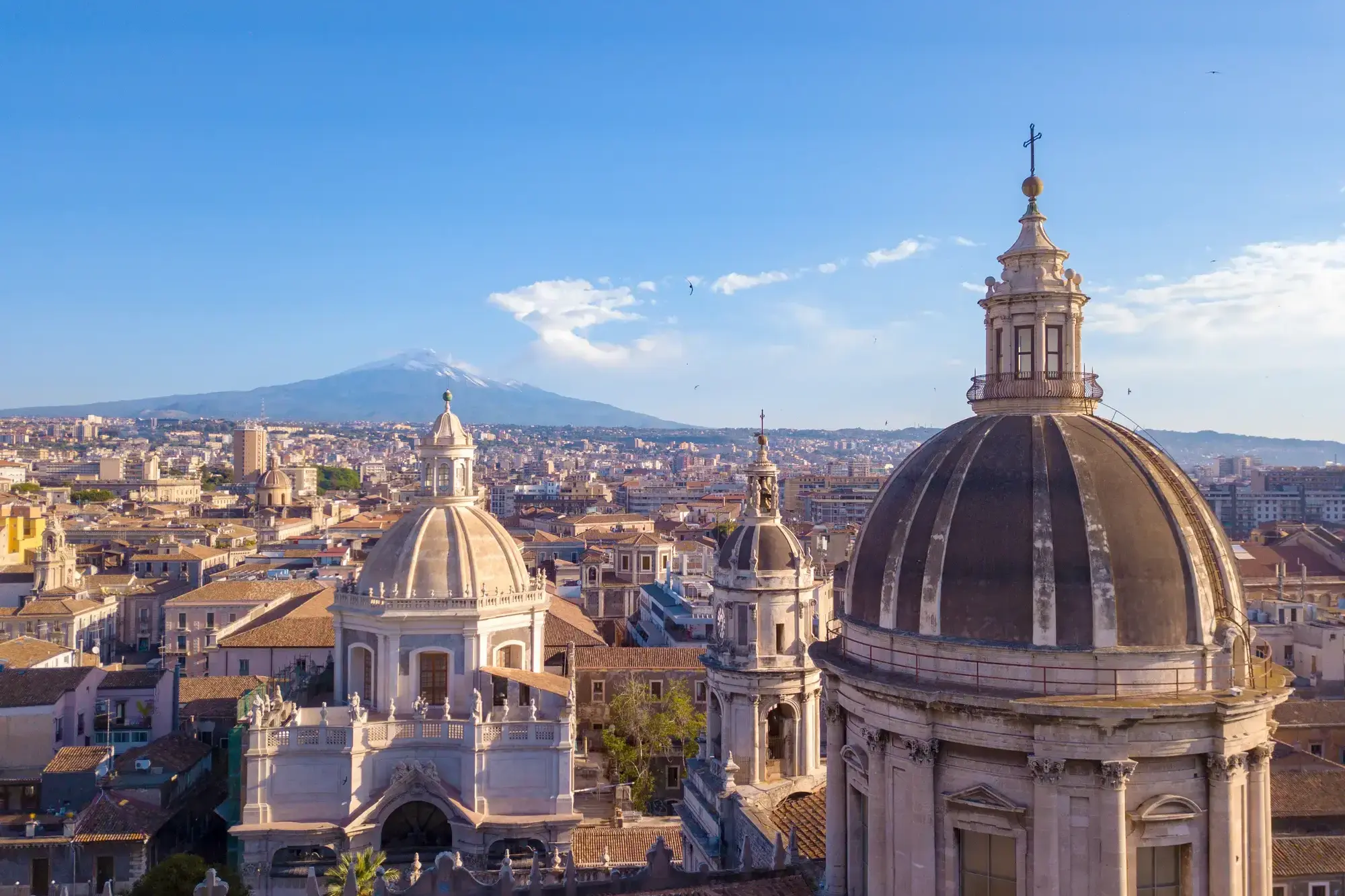
| 6 | 3.01 Wed | Valletta / Malta | 09:00 | 18:00 |
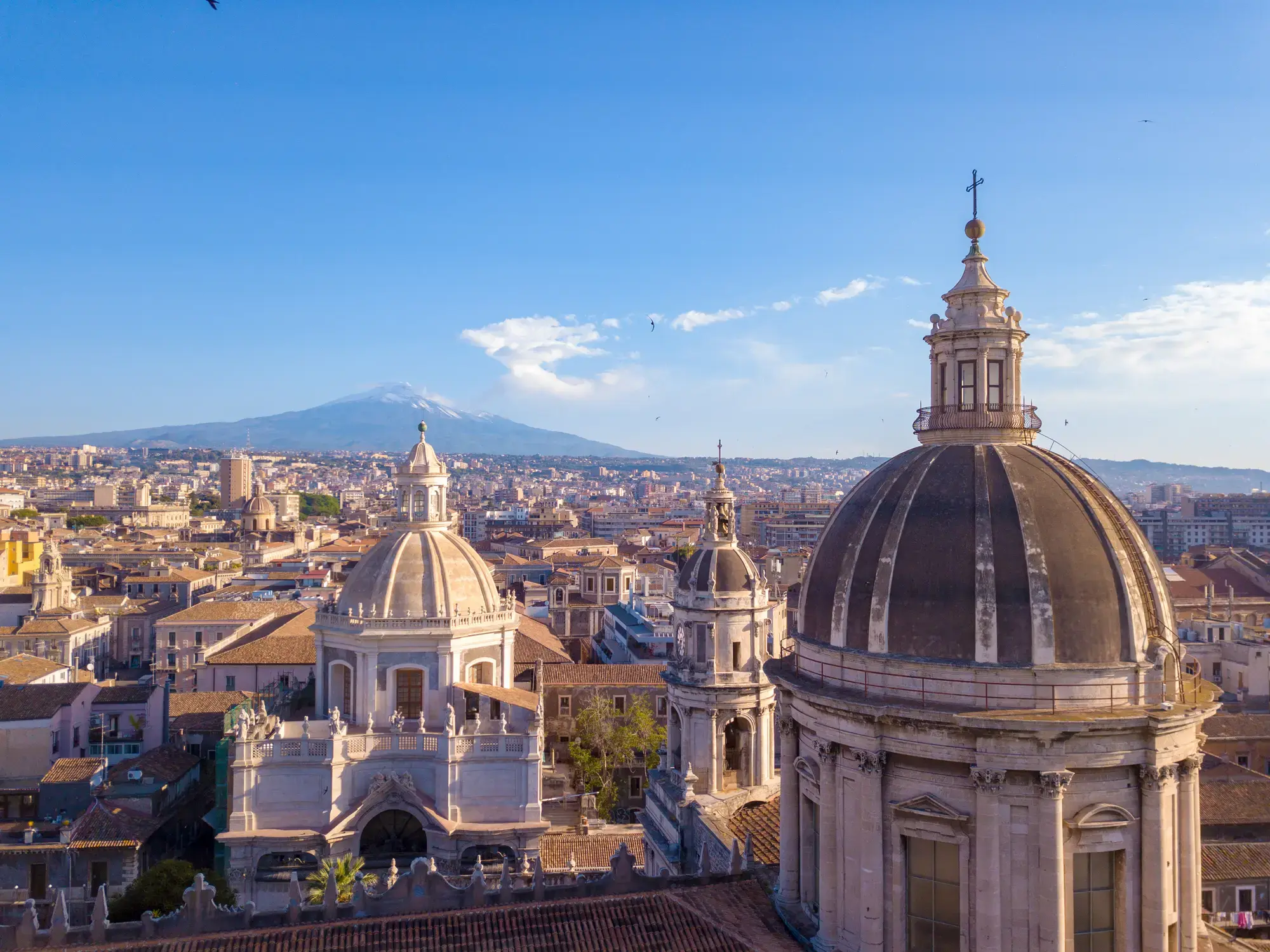
| 7 | 4.01 Thu | Catania / Italy | 07:00 | 17:00 |
| 8 | 5.01 Fri | Naples / Italy | 07:00 | 13:00 |
| 9 | 6.01 Sat | Genoa / Italy | 09:00 | 18:00 |
| 10 | 7.01 Sun | Marseille / France | 08:00 | 18:00 |
| 11 | 8.01 Mon | Barcelona / Spain | 08:00 | 14:00 |
| 12 | 9.01 Tue | Day at sea / Sea | ||
| 13 | 10.01 Wed | Day at sea / Sea | ||
| 14 | 11.01 Thu | Arrecife de Lanzarote / Canary Islands | 08:00 | 20:00 |
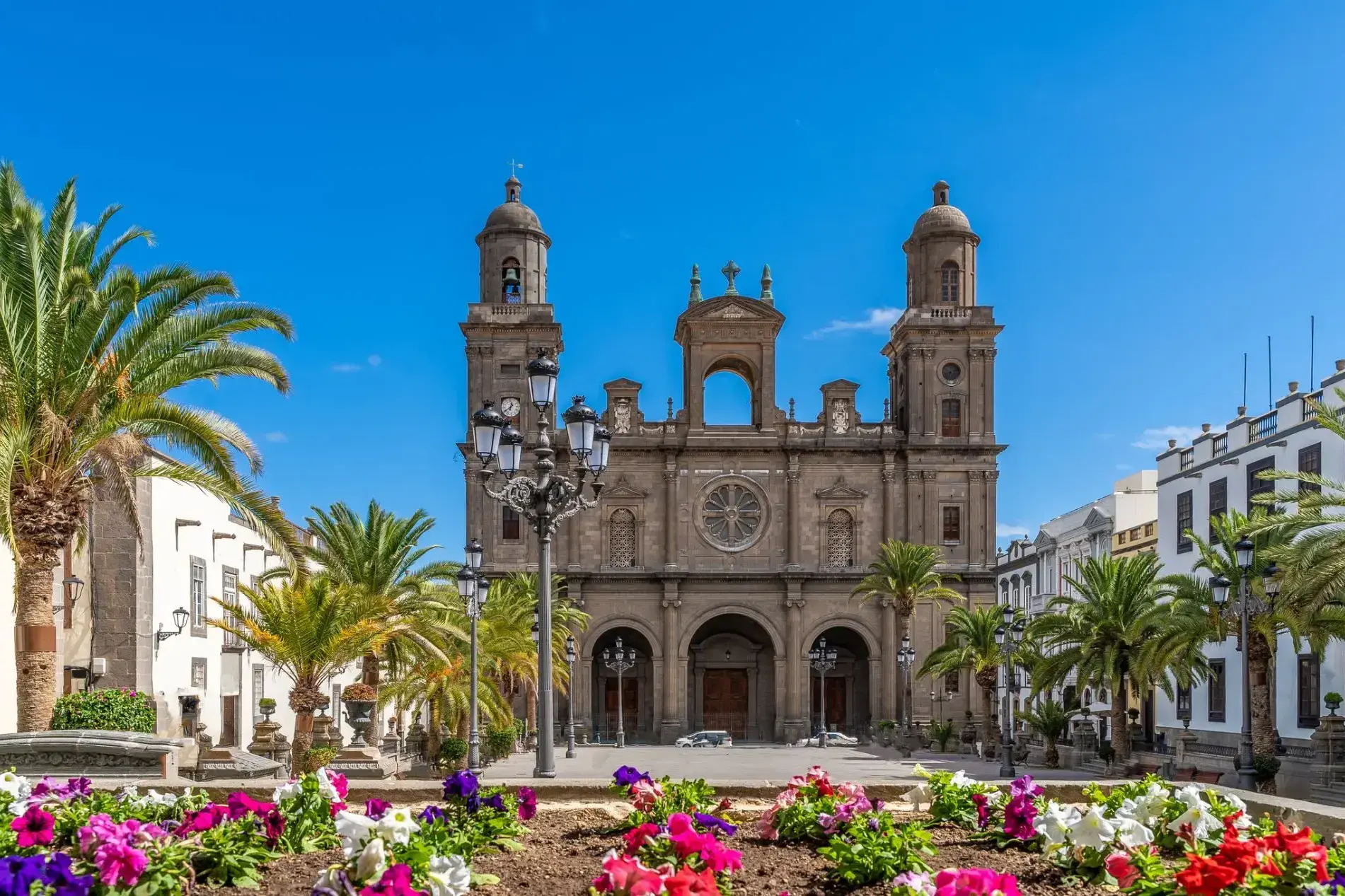
| 15 | 12.01 Fri | Las Palmas (Gran Canaria) / Spain | 08:00 | 20:00 |
| 16 | 13.01 Sat | Day at sea / Sea | ||
| 17 | 14.01 Sun | Day at sea / Sea | ||
| 18 | 15.01 Mon | Mindelo / Cape Verde | 08:00 | 19:00 |
| 19 | 16.01 Tue | Day at sea / Sea | ||
| 20 | 17.01 Wed | Day at sea / Sea | ||
| 21 | 18.01 Thu | Day at sea / Sea | ||
| 22 | 19.01 Fri | Day at sea / Sea | ||
| 23 | 20.01 Sat | Macapa / Brazil | 08:00 | 12:00 |
| 24 | 21.01 Sun | Day at sea / Sea | ||
| 25 | 22.01 Mon | Manaus / Brazil | 09:00 | |
| 26 | 23.01 Tue | Manaus / Brazil | 22:00 | |
| 27 | 24.01 Wed | Day at sea / Sea | ||
| 28 | 25.01 Thu | Santarem / Brazil | 08:00 | 18:00 |
| 29 | 26.01 Fri | Macapa / Brazil | 17:00 | 17:15 |
| 30 | 27.01 Sat | Day at sea / Sea | ||
| 31 | 28.01 Sun | Belen / Brazil | 07:00 | 19:00 |
| 32 | 29.01 Mon | Day at sea / Sea | ||
| 33 | 30.01 Tue | Day at sea / Sea | ||
| 34 | 31.01 Wed | Recife / Brazil | 14:00 | 20:00 |
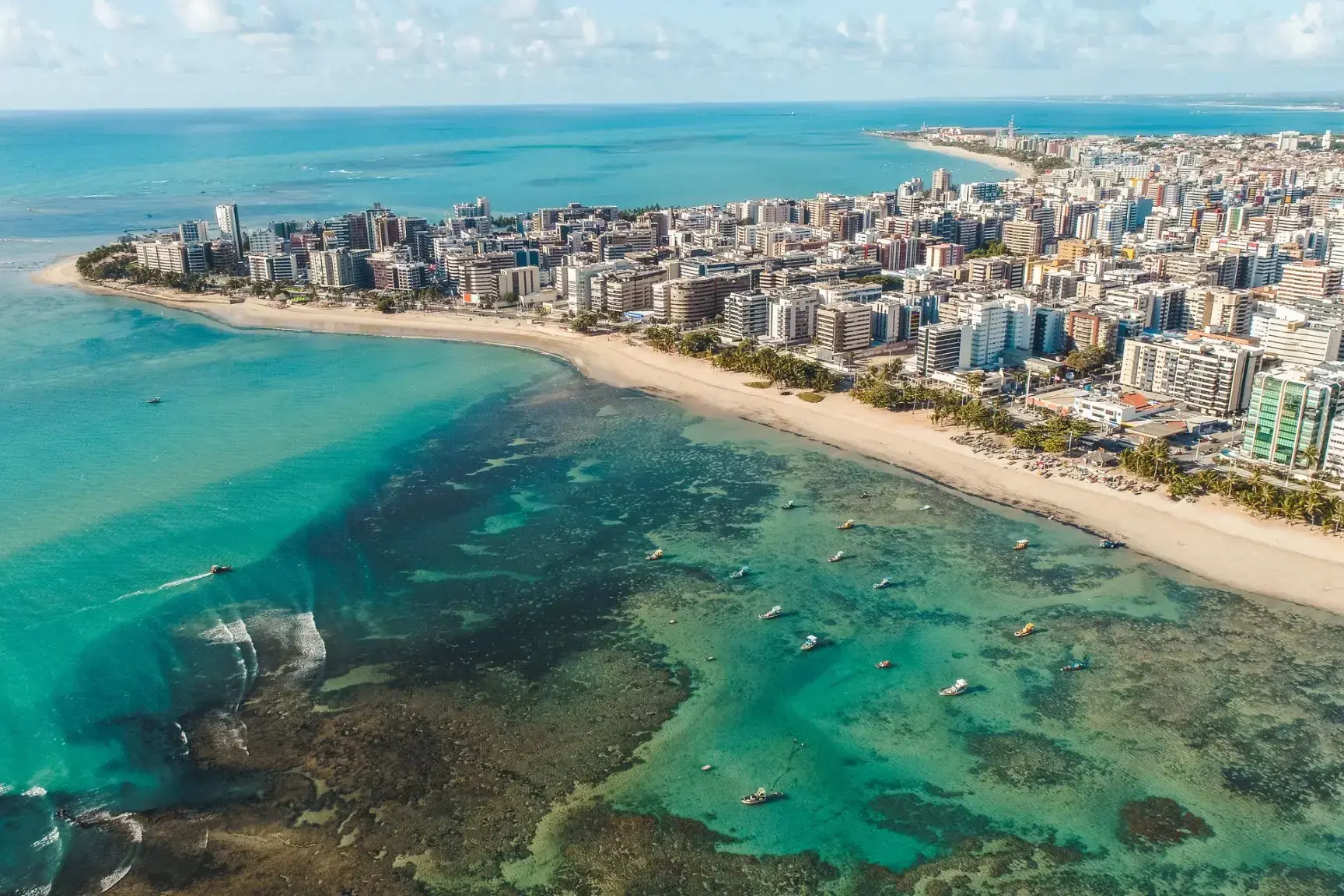
| 35 | 1.02 Thu | Maceio / Brazil | 08:00 | 14:00 |
| 36 | 2.02 Fri | Salvador / Brazil | 09:00 | 18:00 |
| 37 | 3.02 Sat | Day at sea / Sea | ||
| 38 | 4.02 Sun | Day at sea / Sea | ||
| 39 | 5.02 Mon | Rio de Janeiro / Brazil | 08:00 | |
| 40 | 6.02 Tue | Rio de Janeiro / Brazil | 17:00 | |
| 41 | 7.02 Wed | Day at sea / Sea | ||
| 42 | 8.02 Thu | Day at sea / Sea | ||
| 43 | 9.02 Fri | Montevideo / Uruguay | 10:00 | 19:00 |
| 44 | 10.02 Sat | Day at sea / Sea | ||
| 45 | 11.02 Sun | Day at sea / Sea | ||
| 46 | 12.02 Mon | Port Stanley / Falkland islands | 08:00 | 18:00 |
| 47 | 13.02 Tue | Day at sea / Sea | ||
| 48 | 14.02 Wed | Punta Arenas / Chile | 08:00 | |
| 49 | 15.02 Thu | Punta Arenas / Chile | 18:00 | |
| 50 | 16.02 Fri | Day at sea / Sea | ||
| 51 | 17.02 Sat | Ushuaia / Argentina | 08:00 | |
| 52 | 18.02 Sun | Ushuaia / Argentina | 18:00 | |
| 53 | 19.02 Mon | Day at sea / Sea | ||
| 54 | 20.02 Tue | Day at sea / Sea | ||
| 55 | 21.02 Wed | Puerto Madryn / Argentina | 08:00 | 20:00 |
| 56 | 22.02 Thu | Day at sea / Sea | ||
| 57 | 23.02 Fri | Day at sea / Sea | ||
| 58 | 24.02 Sat | Buenos Aires / Argentina | 08:00 | |
| 59 | 25.02 Sun | Buenos Aires / Argentina | ||
| 60 | 26.02 Mon | Buenos Aires / Argentina | 18:00 | |
| 61 | 27.02 Tue | Day at sea / Sea | ||
| 62 | 28.02 Wed | Day at sea / Sea | ||
| 63 | 29.02 Thu | Puerto Madryn / Argentina | 08:00 | 20:00 |
| 64 | 1.03 Fri | Day at sea / Sea | ||
| 65 | 2.03 Sat | Day at sea / Sea | ||
| 66 | 3.03 Sun | Ushuaia / Argentina | 08:00 | |
| 67 | 4.03 Mon | Ushuaia / Argentina | ||
| 68 | 5.03 Tue | Ushuaia / Argentina | 07:00 | |
| 69 | 6.03 Wed | Punta Arenas / Chile | 08:00 | |
| 70 | 7.03 Thu | Punta Arenas / Chile | 18:00 | |
| 71 | 8.03 Fri | Day at sea / Sea | ||
| 72 | 9.03 Sat | Port Stanley / Falkland islands | 08:00 | 18:00 |
| 73 | 10.03 Sun | Day at sea / Sea | ||
| 74 | 11.03 Mon | Day at sea / Sea | ||
| 75 | 12.03 Tue | Montevideo / Uruguay | 08:00 | 16:00 |
| 76 | 13.03 Wed | Day at sea / Sea | ||
| 77 | 14.03 Thu | Day at sea / Sea | ||
| 78 | 15.03 Fri | Rio de Janeiro / Brazil | 08:00 | |
| 79 | 16.03 Sat | Rio de Janeiro / Brazil | 16:00 | |
| 80 | 17.03 Sun | Day at sea / Sea | ||
| 81 | 18.03 Mon | Ilheus / Brazil | 09:00 | 20:00 |
| 82 | 19.03 Tue | Salvador / Brazil | 07:00 | 20:00 |
| 83 | 20.03 Wed | Day at sea / Sea | ||
| 84 | 21.03 Thu | Recife / Brazil | 08:00 | 14:00 |
| 85 | 22.03 Fri | Day at sea / Sea | ||
| 86 | 23.03 Sat | Day at sea / Sea | ||
| 87 | 24.03 Sun | Belen / Brazil | 09:00 | 20:00 |
| 88 | 25.03 Mon | Day at sea / Sea | ||
| 89 | 26.03 Tue | Macapa / Brazil | 08:00 | 12:00 |
| 90 | 27.03 Wed | Santarem / Brazil | 08:00 | 22:00 |
| 91 | 28.03 Thu | Day at sea / Sea | ||
| 92 | 29.03 Fri | Manaus / Brazil | 07:00 | |
| 93 | 30.03 Sat | Manaus / Brazil | 18:00 | |
| 94 | 31.03 Sun | Day at sea / Sea | ||
| 95 | 1.04 Mon | Macapa / Brazil | 17:00 | 17:15 |
| 96 | 2.04 Tue | Day at sea / Sea | ||
| 97 | 3.04 Wed | Day at sea / Sea | ||
| 98 | 4.04 Thu | Day at sea / Sea | ||
| 99 | 5.04 Fri | Day at sea / Sea | ||
| 100 | 6.04 Sat | Mindelo / Cape Verde | 08:00 | 18:00 |
| 101 | 7.04 Sun | Day at sea / Sea | ||
| 102 | 8.04 Mon | Day at sea / Sea | ||
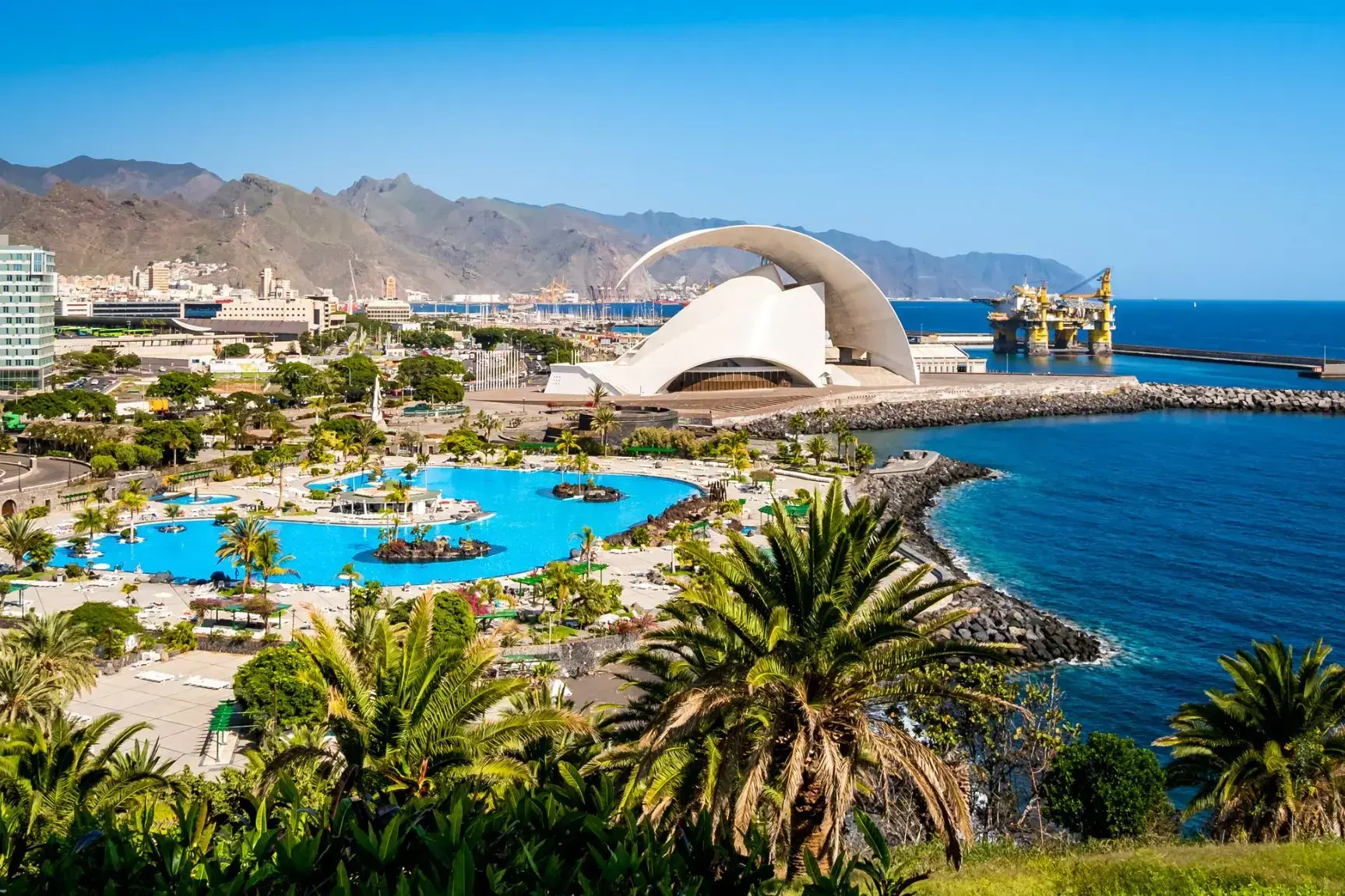
| 103 | 9.04 Tue | Santa Cruz de Tenerife(Canary Islands) / Spain | 07:00 | 18:00 |
| 104 | 10.04 Wed | Arrecife de Lanzarote / Canary Islands | 08:00 | 16:00 |
| 105 | 11.04 Thu | Day at sea / Sea | ||
| 106 | 12.04 Fri | Day at sea / Sea | ||
| 107 | 13.04 Sat | Barcelona / Spain | 12:00 | 20:00 |
| 108 | 14.04 Sun | Marseille / France | 09:00 | 18:00 |
| 109 | 15.04 Mon | Genoa / Italy | 08:00 | 18:00 |
| 110 | 16.04 Tue | Rome (Civitavecchia) / Italy | 08:00 | 18:00 |
| 111 | 17.04 Wed | Day at sea / Sea | ||
| 112 | 18.04 Thu | Kotor / Montenegro | 09:00 | 18:00 |
| 113 | 19.04 Fri | Split / Croatia | 08:00 | 17:00 |
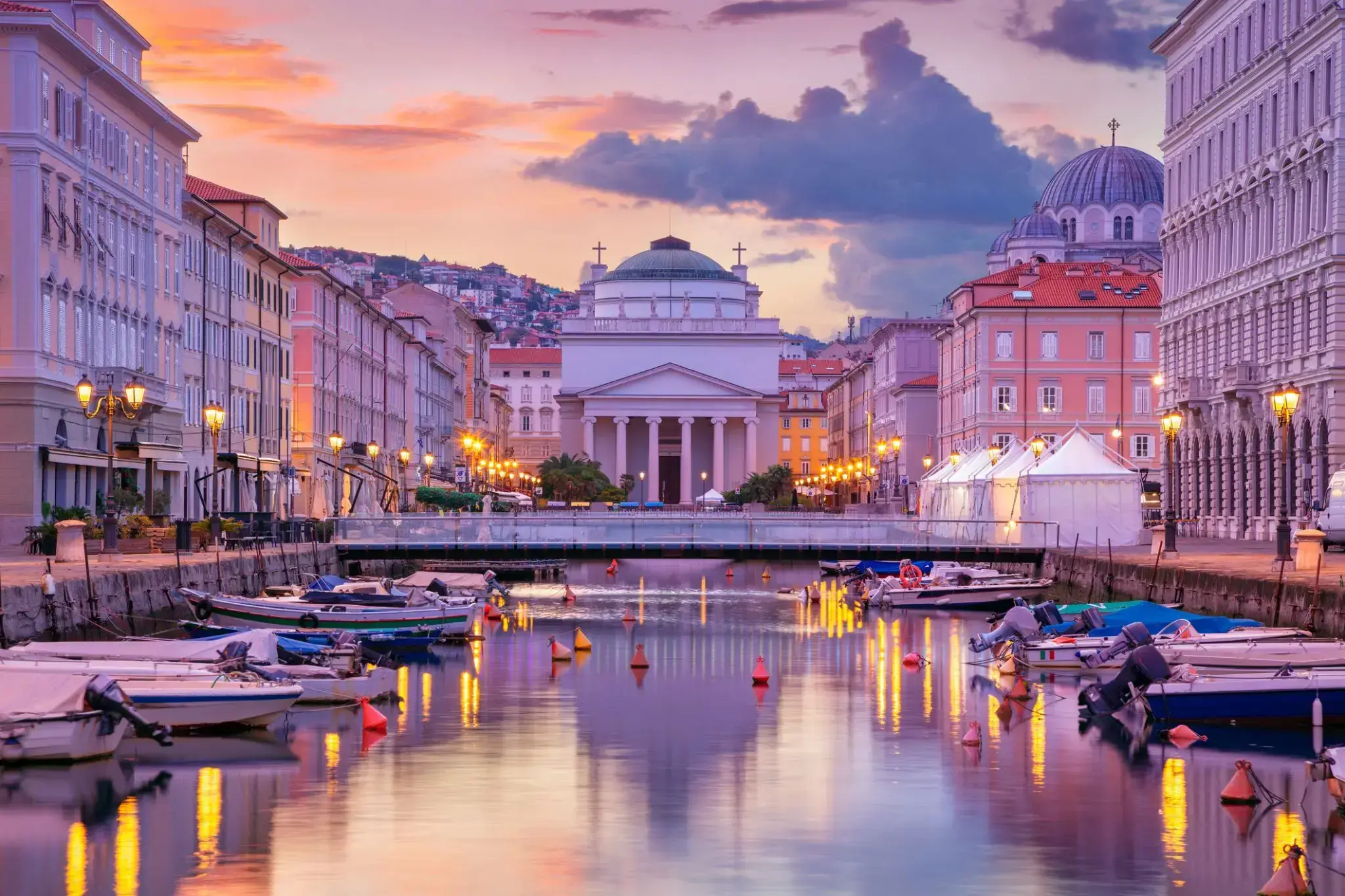
| 114 | 20.04 Sat | Trieste / Italy | 08:00 |
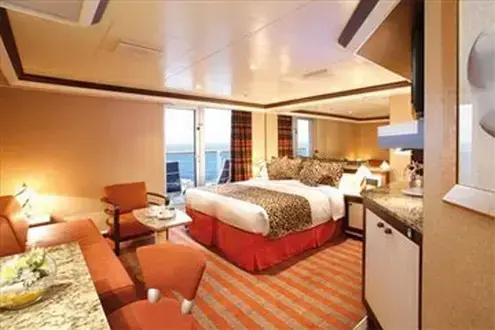
Accommodation in a cabin of the selected category
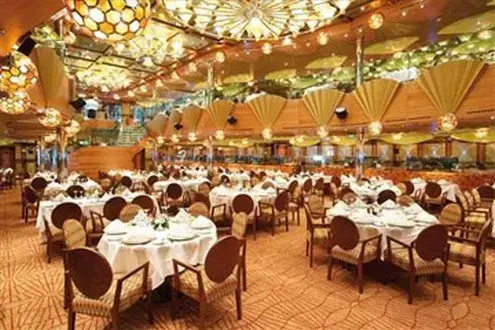
Meals in the restaurant (buffet) on the "buffet" system, including breakfast, lunch and dinner, as well as snacks in the cafe and pizzeria throughout the day. Water, juices, tea, coffee from machines are available in the buffet free of charge 24 hours.
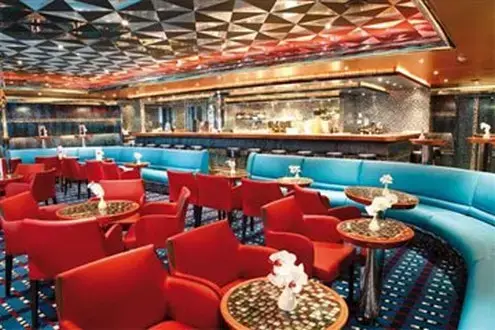
Meals in the main restaurant "a la carte". As a rule, all liners have two or three main restaurants with menu service. The dishes in such restaurants are more refined and varied than in the buffet. Drinks are ordered for an additional fee.
Entertainment on board, such as animation, master classes, aerobics, evening performances in the theatre, live music in bars, discos.
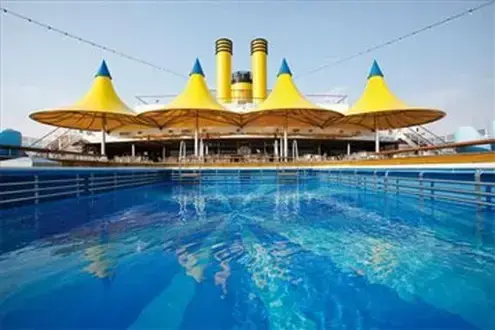
Access to all public areas of the liner: fitness center (gym), swimming pools, jacuzzis by the pools, water park, library, mini-clubs for children.
Services of educators in mini-clubs for children from 6 months to 17 years
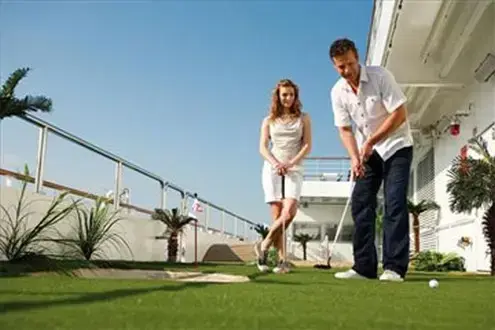
Games on sports grounds, including tennis, mini-football, basketball, badminton, mini-golf and others.
Use of watercraft during embarkation or disembarkation in ports if the liner does not enter the port.
Luggage transportation at the beginning and end of the cruise.
Depending on the cabin category, you may be provided with additional services free of charge. For example, ALL INCLUSIVE drinks in bars and restaurants, cabin service with free delivery 24 hours, use of the spa center.
Important: Costa reserves the right to change the cabin to the same category or higher. However, Costa will do everything possible to avoid changing the cabin.
Additional costs:
insurance (medical insurance, travel cancellation insurance)
airfare, rail transport (transportation costs to the port of departure and from the port of arrival of the ship)
transfers (from the airport/train station to the sea port and back)
excursions
pre- and post-cruise hotel reservations if you want to extend your holiday on land.
Additionally paid on the liner:
visiting alternative bars and restaurants
services of spa centers, hairdressers, beauty salons
medical services
laundry, ironing
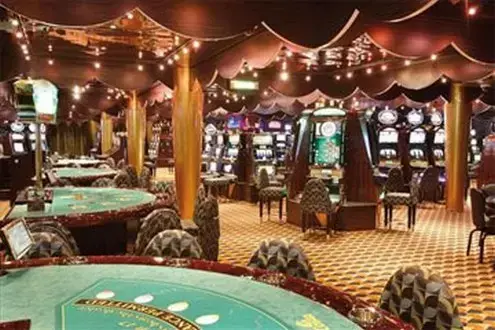
casino
slot machines, etc. depending on the specific liner.
For any purchase of goods on the liner in bars, restaurants, shops and services in the spa center, hairdresser, etc. you will be additionally charged a service fee, which will average 15% of the purchase price.
Costa Cruises Fare Plans
Costa offers three fare options, allowing every guest to choose the right level of comfort and included services:
My Cruise — Basic Fare (Currently, only the My Cruise is available for booking on the website.
Other fare options (All-Inclusive and Super All-Inclusive) are available upon individual request through your travel agent.
Ideal for travelers who value flexibility and want to select only the services they need.
What’s included:
Accommodation in the chosen cabin
Full board: breakfast, lunch, dinner, and snacks
Costa Club points accumulation
All-Inclusive — Everything Included
A comfortable fare that includes the My Drinks package. Perfect for those who want to know all their expenses in advance.
What’s included:
Accommodation in the chosen cabin
Full board: breakfast, lunch, dinner, and snacks
My Drinks package: unlimited beverages by the glass — wine, beer, whiskey, cocktails, hot drinks, juices, and soft drinks
1 bottle of 0.5L water per day per person
Choice of dinner time
Costa Club points + discount on the next cruise
If your client chooses a Suite, the following are also included:
My Drinks Plus package (includes premium beverages and minibar)
24/7 personal butler service
Super All-Inclusive — Maximum Comfort
The most complete fare including drinks, meals, and multilingual guided excursions.
What’s included:
Accommodation in the chosen cabin
Full board: breakfast, lunch, dinner, and snacks
My Drinks package: a wide selection of alcoholic and non-alcoholic beverages
1 bottle of 0.5L water per day per person
My Explorations package: a set of excursions + discounts on additional tours
Flexible cancellation terms
Choice of dinner time
Costa Club points + discount on the next cruise
If your client chooses a Suite, the following are also included:
My Drinks Plus package (includes premium beverages and minibar)
24/7 personal butler service
Costa Cruises Beverage Packages
Choose the Best Package
My Soft Drinks
Enjoy coffee, juices, soft drinks, and alcohol-free cocktails.
Included:
Non-Alcoholic Drinks at the Bar: Soda, juices (various flavors), tonic, lemonade, iced tea, syrup with water per glass, mineral water (still or sparkling).
Hot Drinks: Espresso, decaffeinated coffee, iced coffee, coffee shaker, cappuccino, coffee with liqueur, selection of teas and herbal infusions.
From Chocolate Bar (if available on the ship): Hot or cold chocolate (various flavors).
Alcohol-Free Cocktails: All from the onboard menu.
Not Included: Cocktails, premium drinks, minibar drinks.
My Drinks
If you want more, add a wide selection of cocktails.
Included:
Drinks with Meals.
Drinks at the Bar.
Cocktails.
Aperitifs and Vermouths: All from the onboard menu.
Beer: Draft beer, non-alcoholic beer.
Non-Alcoholic Drinks and Mineral Water: Soda, juices (various flavors), tonic, lemonade, iced tea, syrup with water per glass, mineral water (still or sparkling), one 0.5L bottle of mineral water per adult per day in the restaurant and all bars.
Hot Drinks: Espresso, decaffeinated coffee, iced coffee, coffee shaker, cappuccino, coffee with liqueur, selection of teas and herbal infusions.
From Chocolate Bar (if available): Hot or cold chocolate (various flavors).
Wines by the Glass: White wines (Pinot Grigio, Chardonnay, Trebbiano); red wines (Merlot, Cabernet, Nero d’Avola); rosé wines (Rosato Puglia).
Whiskies: Ballantines, J&B, Johnnie Walker Red, Jim Beam, Canadian Club, Jameson, Dewar’s White Label, Crown Royal.
Other Distillates: Grappa (Grappa Moscato, Sènjana Gentile); cognac (Cognac VS); gin (Beefeater, Gordon’s); vodka (Skyy, Stolichnaya); rum (Bacardi Silver, Bacardi Gold, Bacardi Limón); brandy (Vecchia Romagna E.N., Fundador); tequila (Jose Cuervo).
Liqueur Wines: Harveys Bristol Cream, Sandeman Ruby Port.
Bitters and Liqueurs: All from the onboard menu.
Bacardi Breezer: All from the onboard menu.
Cocktails: Whisky Cream Banana Colada, Piña Colada, Kiwi Colada, Strawberry Daiquiri, Banana Daiquiri, Planter’s Punch, Mai Tai, Bahama Mama, Frozen Margarita, Mojito, Caipirinha, Caipiroska, Caipirissima, Sidecar, Between the Sheets, Martini, Negroni, Americano, Campari shakerato, Aperol Spritz, Black Russian, White Russian, Pink Lady, Rossini, Bellini, Costa Dream, Costa Sea, Costa Wind, Costa Sky, Ginger Mojito, Mango Caipirinha.
Alcohol-Free Cocktails: Colibrì, Fruit Punch, Pink Panther, Squok, Cosmopolitan Long Virgin, Mojito Zero, Strawberry Caipiroska Zero, Sex on the Beach Zero, Passion Fruit Caipiroska Zero.
Mixed Drinks: Gin and tonic, vodka and tonic, whisky with cola, vodka with lemon, Cuba Libre.
Not Included: Premium drinks, minibar drinks.
My Drinks Plus
If you want the ultimate experience, add prestigious labels, plus soft drinks, bottled water and beer, and all minibar drinks.
Included:
Drinks with Meals.
Drinks at the Bar.
Cocktails.
Premium Drinks.
Drinks from the Minibar.
Unlimited consumption of all drinks from the bar menu up to 9 euros/10 dollars.
Molecular cocktails, solid cocktails, and premium drinks.
Assortment of beers, aperitifs, and distillates.
Special coffees for sweet lovers.
Drinks from the minibar or served in the cabin, plus the finest labels, bottled water, and beer.
My Drinks Young (for Children)
A wide selection of drinks per glass: from soda to smoothies and chocolate.
Included:
Juices: Pear, peach, apricot, pineapple, orange, grapefruit.
Non-Alcoholic Drinks and Mineral Water: Soda, juices (various flavors), tonic, lemonade, iced tea, syrup with water per glass, mineral water (still or sparkling).
Alcohol-Free Cocktails: Colibrì, Fruit Punch, Pink Panther, Squok, Cosmopolitan Long Virgin, Mojito Zero, Strawberry Caipiroska Zero, Sex on the Beach Zero, Passion Fruit Caipiroska Zero.
Hot Drinks: Espresso, decaffeinated coffee, iced coffee, coffee shaker, cappuccino, selection of teas and herbal infusions.
From Chocolate Bar (if available): Hot or cold chocolate (various flavors).
*Available only for children aged 4 to 17. Free for children under 4. **Cocktails available only in combination with the My Drinks package.
Beverage Package Conditions
Beverage packages are personal, non-transferable, and cannot be shared. They must be purchased by all guests in the same cabin or with the same booking number and/or traveling together. Packages including alcoholic drinks are intended only for guests aged 18+ (21 in the USA). They include a selection of alcoholic and non-alcoholic drinks served by the glass. Whole bottles of wine or spirits are not served. Excluded are minibar products, in-cabin service, and prestigious brands (except for My Drinks Plus). Service will be denied to intoxicated guests. If guests abuse the beverage package by sharing it with those who haven’t purchased it, Costa will revoke the privilege. Beverage packages are valid on embarkation and disembarkation days. My Drinks Young: Available only in combination with another adult beverage package. Intended for children and teens aged 4 to 17. Free for children under 4. Includes a selection of non-alcoholic drinks per glass. Excluded are minibar products and in-cabin service (except in combination with My Drinks Plus).
To confirm your booking, a minimum deposit of 30% of the cruise fare is required.
The final payment must be made no later than 60 days before the cruise departure.
After the deposit or full payment is received (depending on the booking date), you will receive confirmation.
Boarding passes are sent 14 days before departure upon completion of online check-in.
Payment methods:
By invoice
By credit/debit card
Cancellation Penalties
Rates MyCruise, All Inclusive, Super All Inclusive:
60 days or more before the cruise – €100 per person retained
59–40 days before the cruise – 30% of the total cost
39–25 days before the cruise – 55% of the total cost
24–16 days before the cruise – 80% of the total cost
15 days or less before the cruise – 100% of the total cost
Last Minute Rate:
100% of the total cruise cost charged from the moment of booking
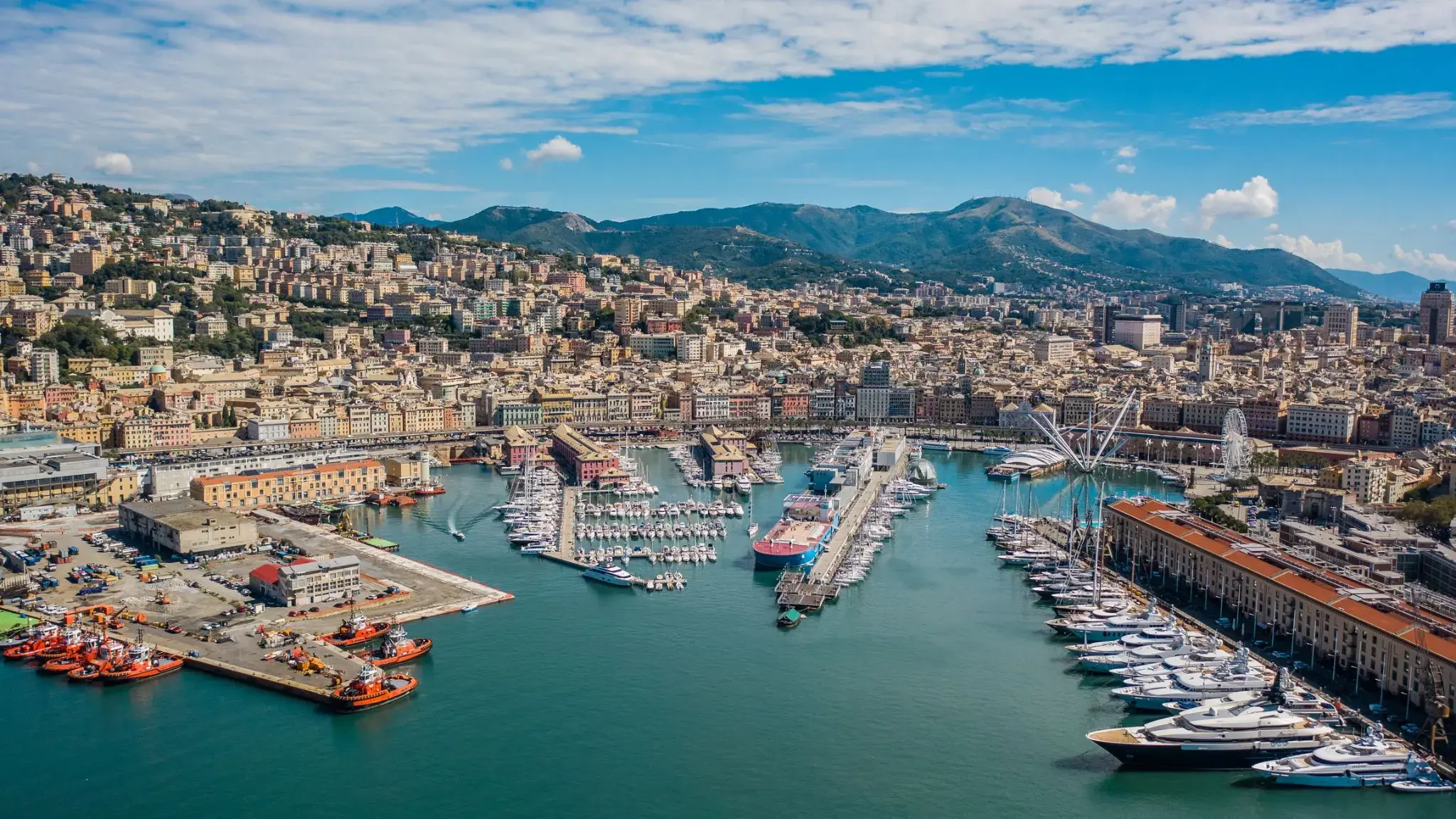
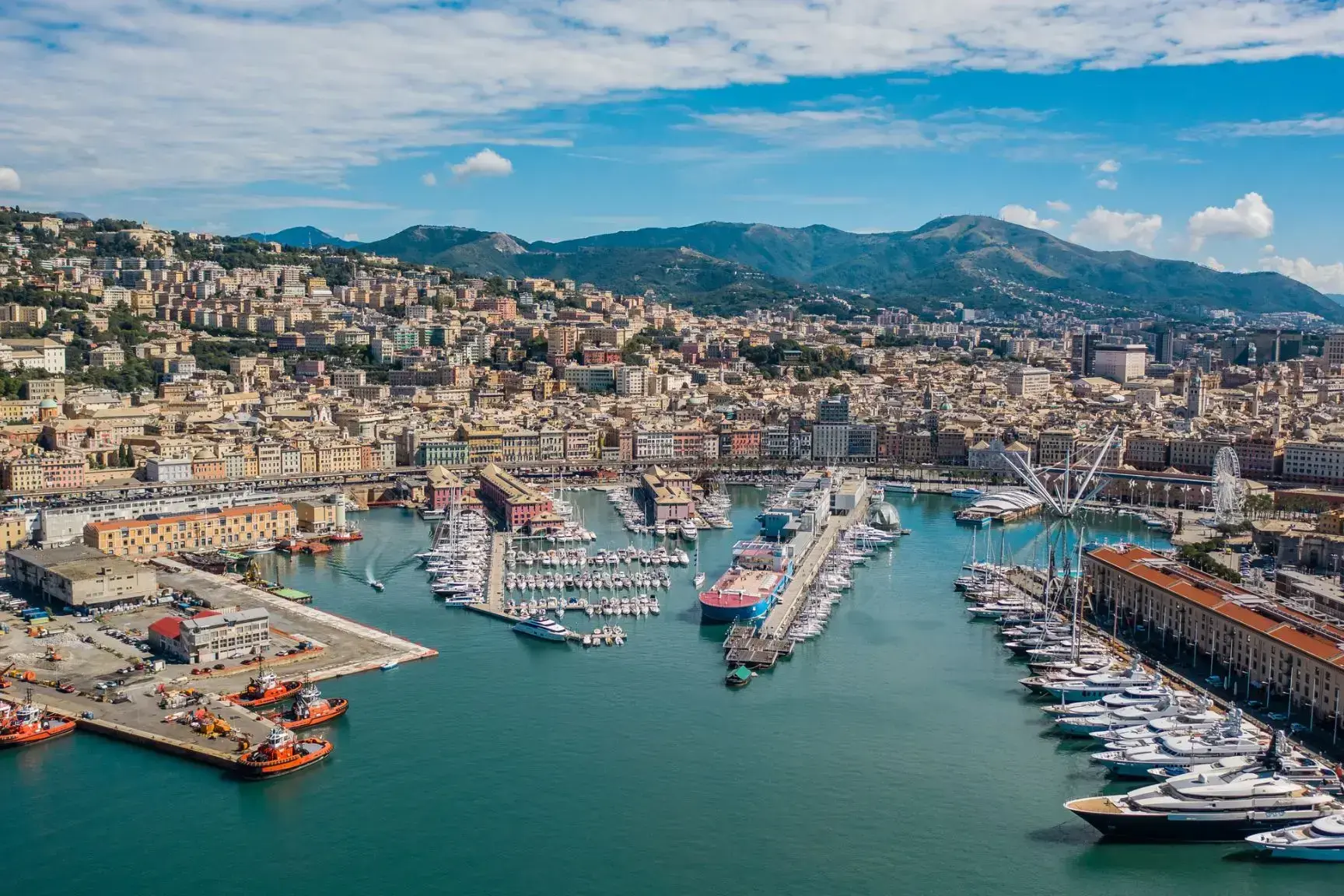
Genoa is the capital of the Italian region of Liguria and the sixth-largest city in Italy. In 2015, 594,733 people lived within the city's administrative limits. As of the 2011 Italian census, the Province of Genoa, which in 2015 became the Metropolitan City of Genoa, counted 855,834 resident persons. Over 1.5 million people live in the wider metropolitan area stretching along the Italian Riviera.
Located on the Gulf of Genoa in the Ligurian Sea, Genoa has historically been one of the most important ports on the Mediterranean: it is currently the busiest in Italy and in the Mediterranean Sea and twelfth-busiest in the European Union. Genoa has been nicknamed la Superba ("the proud one") due to its glorious past and impressive landmarks. Part of the old town of Genoa was inscribed on the World Heritage List (UNESCO) in 2006 as Genoa: Le Strade Nuove and the system of the Palazzi dei Rolli. The city's rich cultural history in art, music and cuisine allowed it to become the 2004 European Capital of Culture. It is the birthplace of Christopher Columbus, Andrea Doria, Niccolò Paganini, Giuseppe Mazzini, Renzo Piano and Grimaldo Canella, founder of the House of Grimaldi, among others.
Genoa, which forms the southern corner of the Milan-Turin-Genoa industrial triangle of Northwest Italy, is one of the country's major economic centers. The city has hosted massive shipyards and steelworks since the 19th century, and its solid financial sector dates back to the Middle Ages. The Bank of Saint George, founded in 1407, is among the oldest in the world and has played an important role in the city's prosperity since the middle of the 15th century. Today a number of leading Italian companies are based in the city, including Fincantieri, Selex ES, Ansaldo Energia, Ansaldo STS, Edoardo Raffinerie Garrone, Piaggio Aerospace, Mediterranean Shipping Company and Costa Cruises.
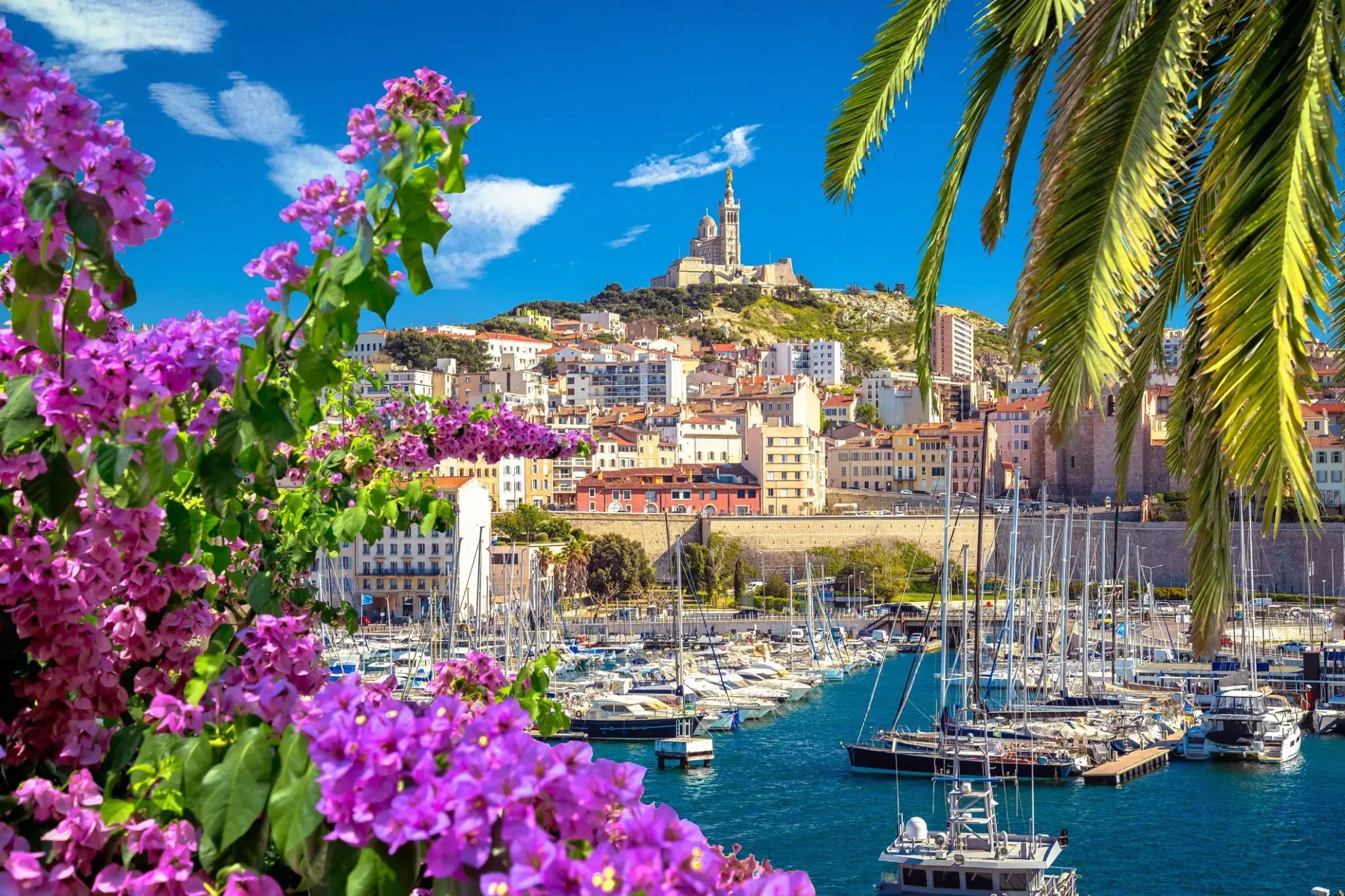
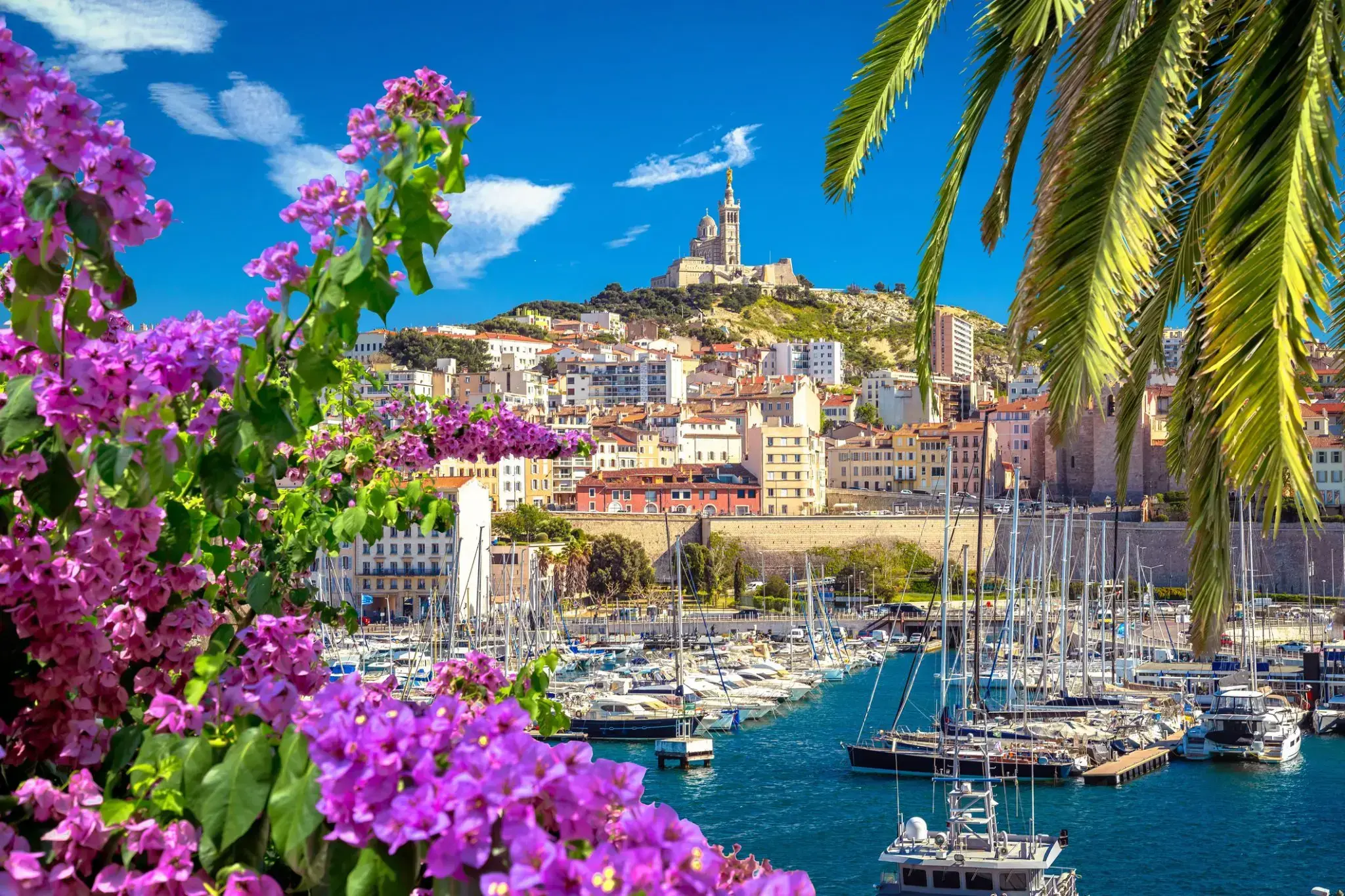
Marseille is the second-largest city of France. The main city of the historical province of Provence, it nowadays is the prefecture of the department of Bouches-du-Rhône and region of Provence-Alpes-Côte d'Azur. It is located on France's south coast near the mouth of the Rhône river. The city covers an area of 241 km2 (93 sq mi) and had a population of 852,516 in 2012. Its metropolitan area, which extends over 3,173 km2 (1,225 sq mi) is the third-largest in France after Paris and Lyon, with a population of 1,831,500 as of 2010.
Known to the ancient Greeks and Romans as Massalia, Marseille was an important European trading centre and remains the main commercial port of the French Republic. Marseille is now France's largest city on the Mediterranean coast and the largest port for commerce, freight and cruise ships. The city was European Capital of Culture in 2013 and European Capital of Sport in 2017; it hosted matches at the 1998 World Cup and Euro 2016. It is home to Aix-Marseille University.
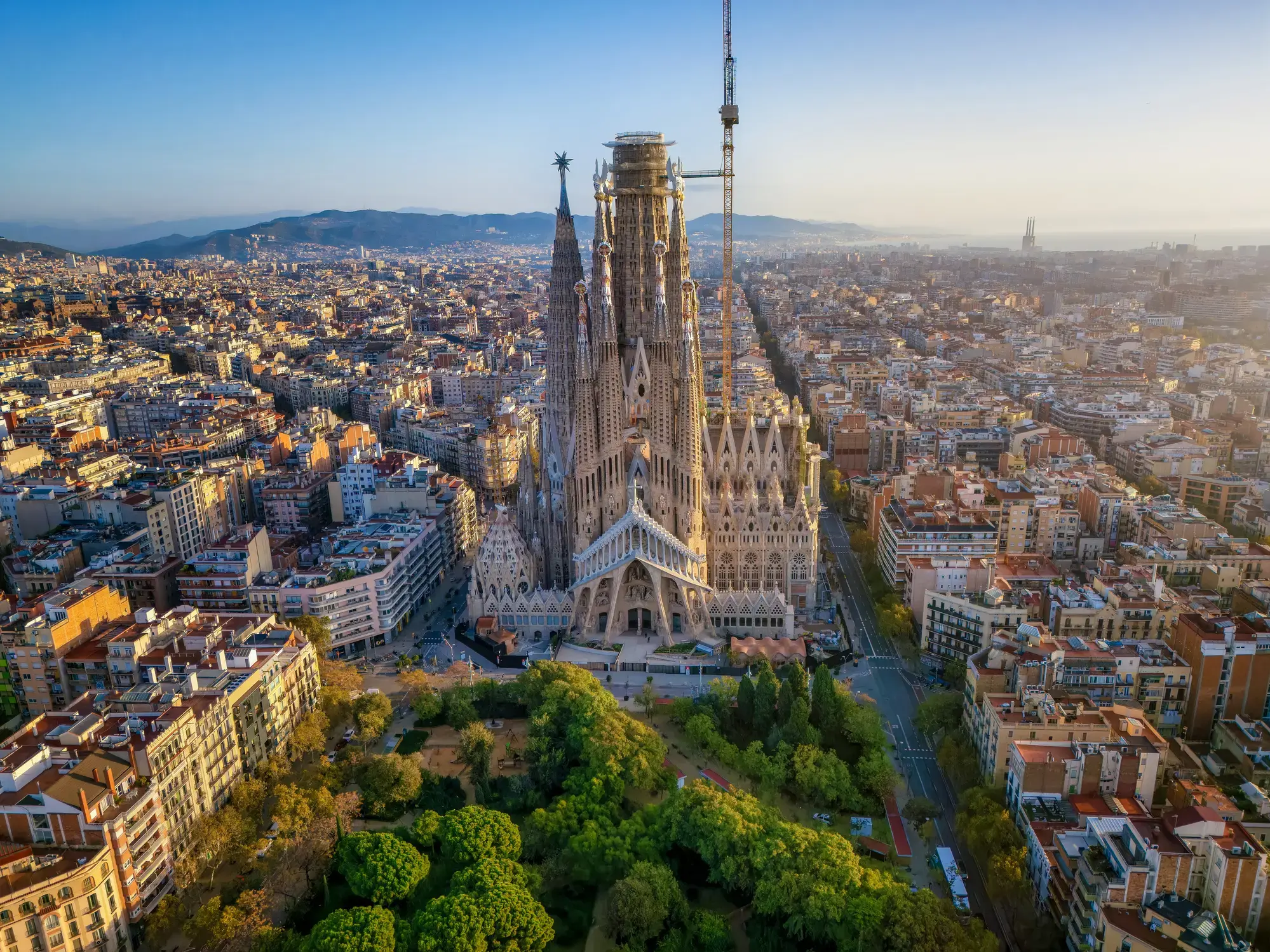
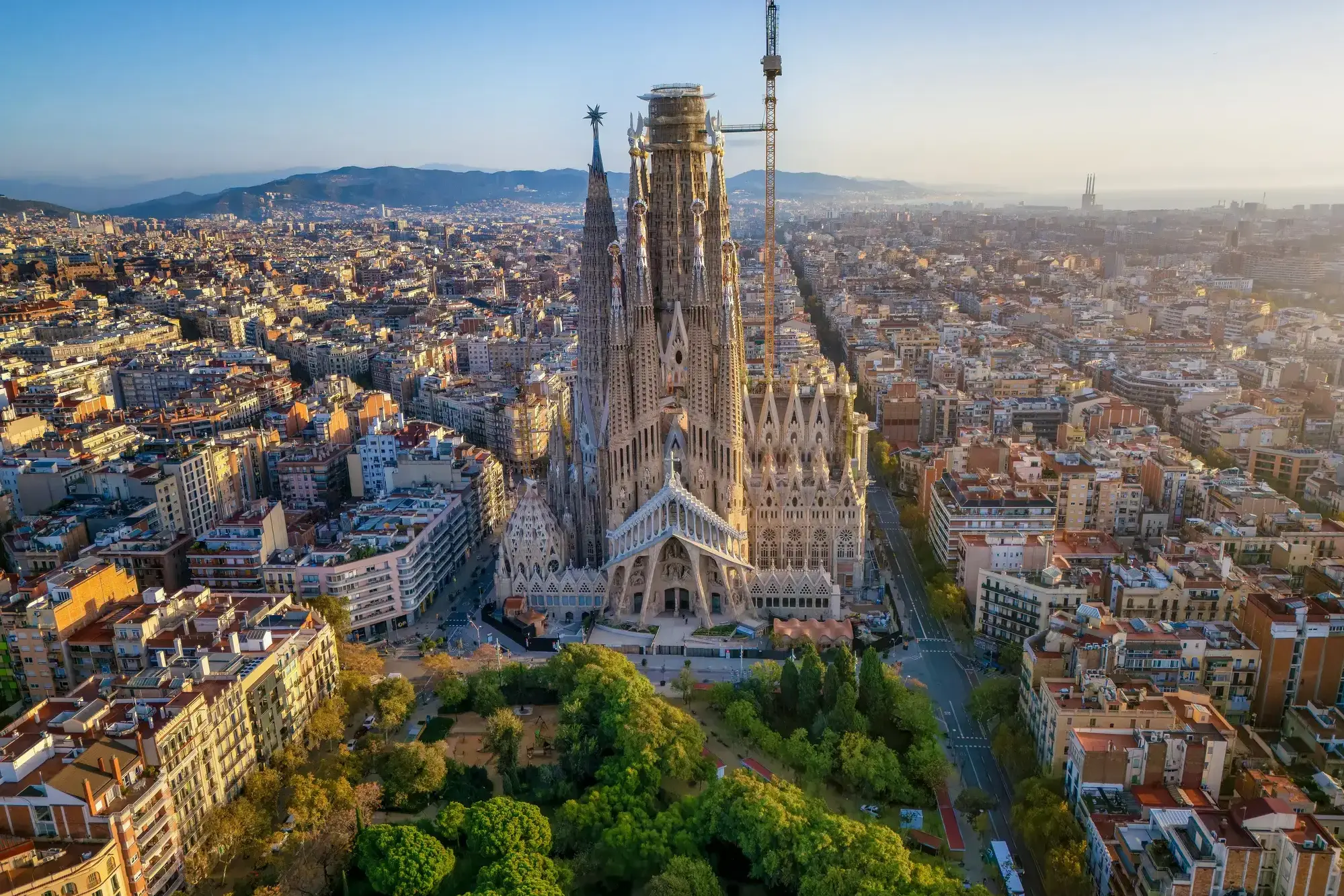
Barcelona is a city in Spain. It is the capital and largest city of Catalonia, as well as the second most populous municipality of Spain. With a population of 1.6 million within city limits, its urban area extends to numerous neighbouring municipalities within the Province of Barcelona and is home to around 4.8 million people, making it the sixth most populous urban area in the European Union after Paris, London, Madrid, the Ruhr area and Milan. It is one of the largest metropolises on the Mediterranean Sea, located on the coast between the mouths of the rivers Llobregat and Besòs, and bounded to the west by the Serra de Collserola mountain range, the tallest peak of which is 512 metres (1,680 feet) high.
Founded as a Roman city, in the Middle Ages Barcelona became the capital of the County of Barcelona. After merging with the Kingdom of Aragon, Barcelona continued to be an important city in the Crown of Aragon as an economic and administrative centre of this Crown and the capital of the Principality of Catalonia. Barcelona has a rich cultural heritage and is today an important cultural centre and a major tourist destination. Particularly renowned are the architectural works of Antoni Gaudí and Lluís Domènech i Montaner, which have been designated UNESCO World Heritage Sites. The headquarters of the Union for the Mediterranean are located in Barcelona. The city is known for hosting the 1992 Summer Olympics as well as world-class conferences and expositions and also many international sport tournaments.
Barcelona is one of the world's leading tourist, economic, trade fair and cultural centres, and its influence in commerce, education, entertainment, media, fashion, science, and the arts all contribute to its status as one of the world's major global cities. It is a major cultural and economic centre in southwestern Europe, 24th in the world (before Zürich, after Frankfurt) and a financial centre. In 2008 it was the fourth most economically powerful city by GDP in the European Union and 35th in the world with GDP amounting to €177 billion. In 2012 Barcelona had a GDP of $170 billion; and it was leading Spain in employment rate in that moment.
In 2009 the city was ranked Europe's third and one of the world's most successful as a city brand. In the same year the city was ranked Europe's fourth best city for business and fastest improving European city, with growth improved by 17% per year, and the city has been experiencing strong and renewed growth for the past three years. Since 2011 Barcelona has been a leading smart city in Europe. Barcelona is a transport hub, with the Port of Barcelona being one of Europe's principal seaports and busiest European passenger port, an international airport, Barcelona–El Prat Airport, which handles over 50 million passengers per year, an extensive motorway network, and a high-speed rail line with a link to France and the rest of Europe.
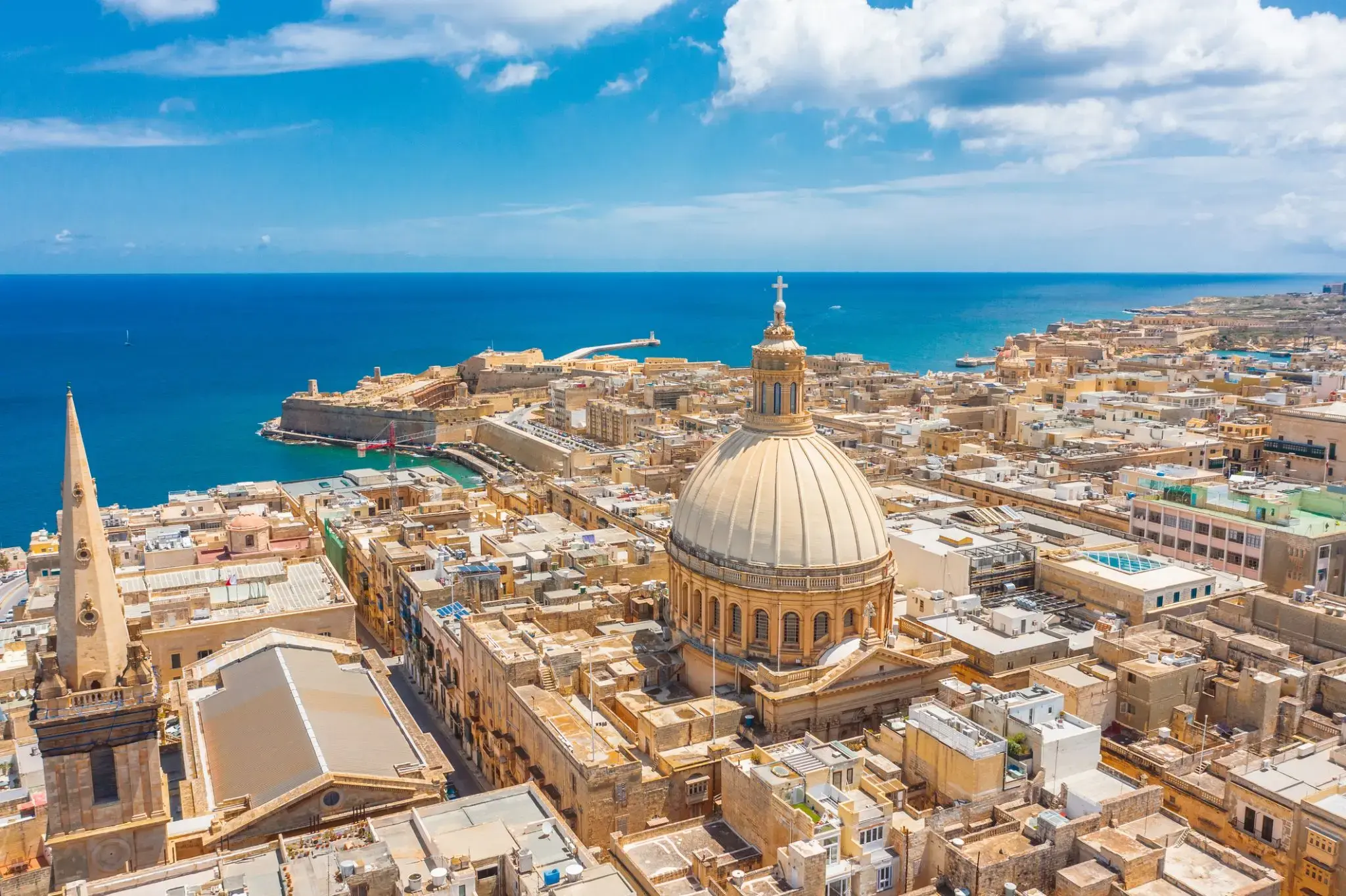
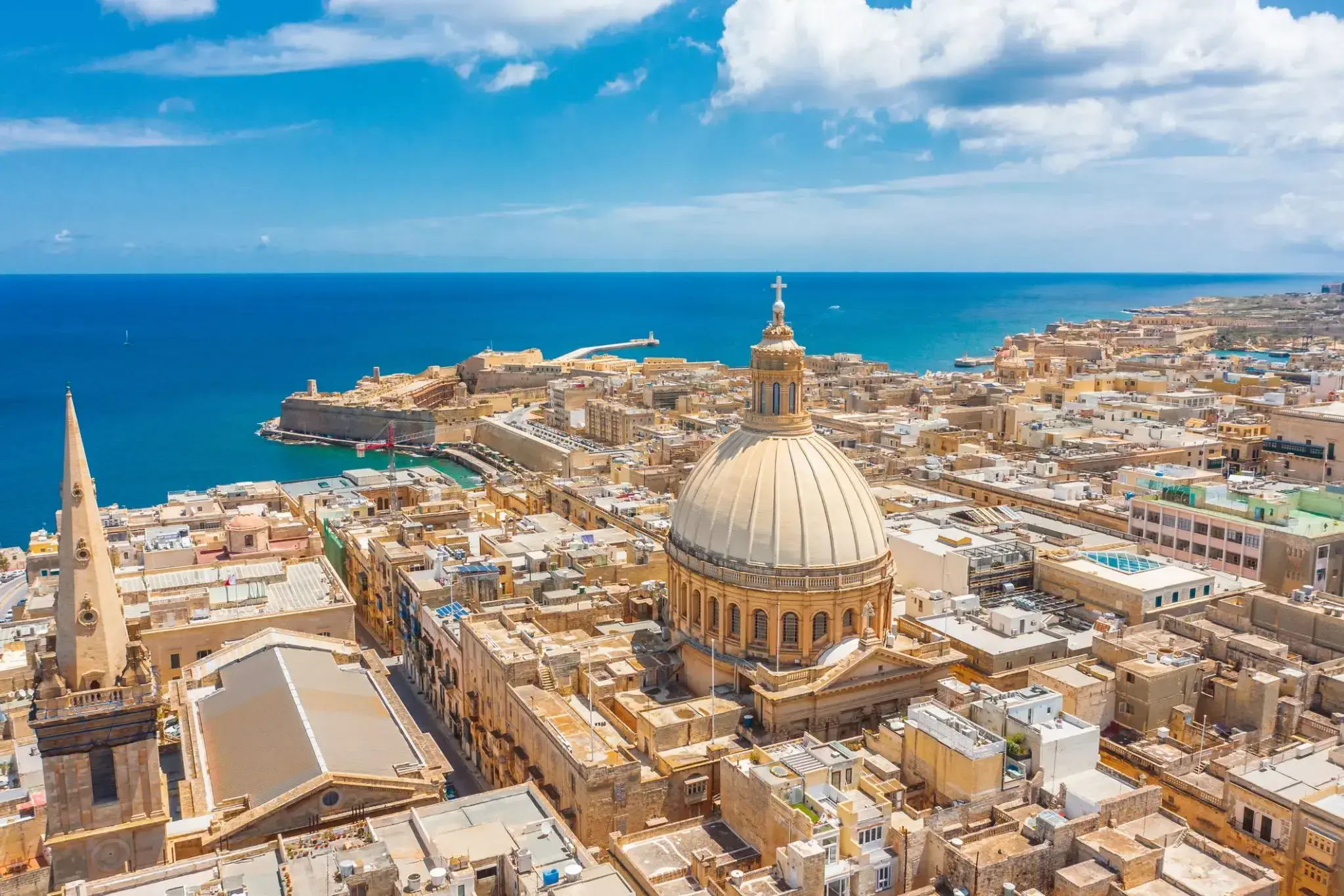
The capital of Malta - Valletta , is the first and almost the only city in Europe, which was once designed by architects and built according to all the rules and norms of construction. Valletta is considered to be one of the most beautiful cities on the Mediterranean. Klaipeda is on the list of the few remaining fortified towns. The center of the city is the Palace of the Grand Master of the Order of Malta, and today the residence of the President of the country, here is the seat of the Maltese Parliament. The list of places to visit in Valletta includes the Castilla Palace, the Admiralty (where the National Museum of Fine Arts is now located, with the largest painting collection in the country), a charming place in the city - the beautiful Hastings Gardens, and this is not the whole list of the riches of the capital of Malta .
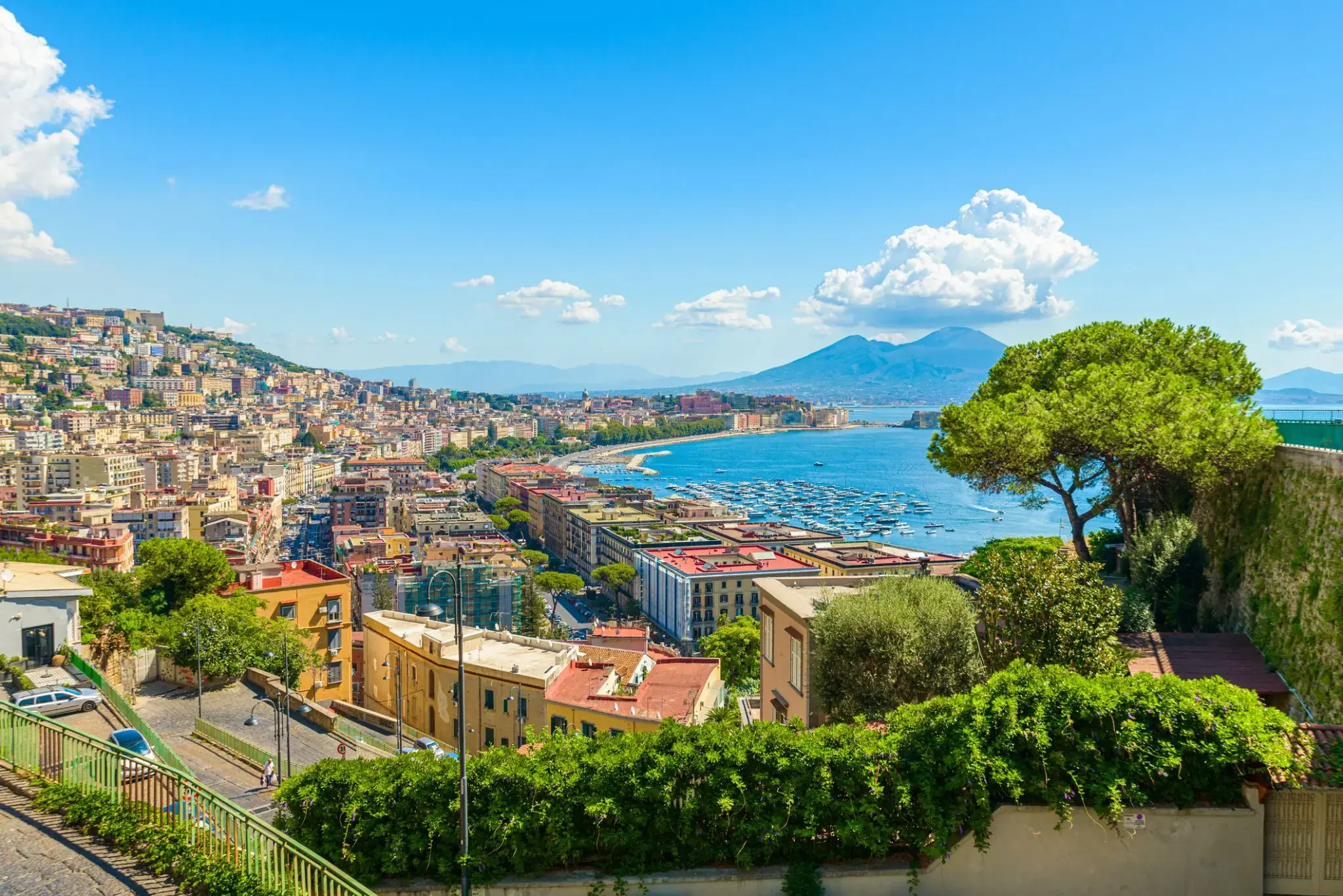
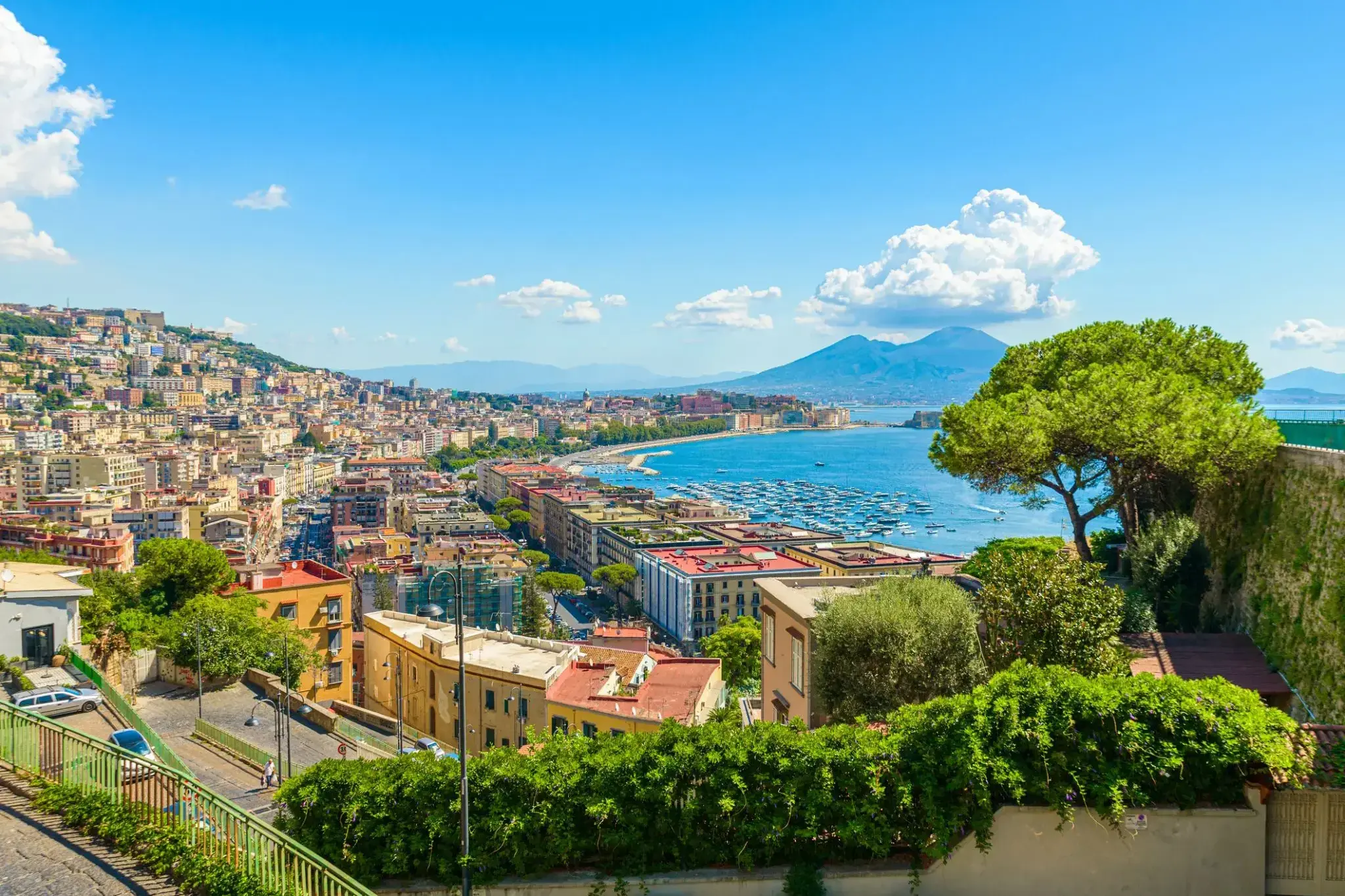
Naples is the regional capital of Campania and the third-largest municipality in Italyafter Rome and Milan. In 2017, around 967,069 people lived within the city's administrative limits while its province-level municipality has a population of 3,115,320 residents. Its continuously built-up metropolitan area (that stretches beyond the boundaries of the Metropolitan City of Naples) is the second or third largest metropolitan area in Italy and one of the most densely populated cities in Europe.
First settled by Greeks in the second millennium BC, Naples is one of the oldest continuously inhabited urban areas in the world. In the ninth century BC, a colony known as Parthenope or Παρθενόπη was established on the Island of Megaride, later refounded as Neápolis in the sixth century BC. The city was an important part of Magna Graecia, played a major role in the merging of Greek and Roman society and a significant cultural centre under the Romans. It served as the capital of the Duchy of Naples (661–1139), then of the Kingdom of Naples (1282–1816) and finally of the Two Sicilies until the unification of Italy in 1861.
Between 1925 and 1936, Naples was expanded and upgraded by Benito Mussolini's government but subsequently sustained severe damage from Allied bombing during World War II, which led to extensive post-1945 reconstruction work. Naples has experienced significant economic growth in recent decades, helped by the construction of the Centro Direzionale business district and an advanced transportation network, which includes the Alta Velocità high-speed rail link to Rome and Salerno and an expanded subway network. Naples is the third-largest urban economy in Italy, after Milan and Rome. The Port of Naples is one of the most important in Europe and home of the Allied Joint Force Command Naples, the NATO body that oversees North Africa, the Sahel and Middle East.
Naples' historic city centre is the largest in Europe and a UNESCO World Heritage Site, with a wide range of culturally and historically significant sites nearby, including the Palace of Caserta and the Roman ruins of Pompeii and Herculaneum. Naples is also known for its natural beauties such as Posillipo, Phlegraean Fields, Nisida, and Vesuvius.
Neapolitan cuisine is synonymous with pizza – which originated in the city – but it also includes many lesser-known dishes; Naples has the greatest number of accredited stars from the Michelin Guide of any Italian city.
The best-known sports team in Naples is the Serie A club S.S.C. Napoli, two-time Italian champions who play at the San Paolo Stadium in the southwest of the city, in the Fuorigrotta quarter.
Genoa is the capital of the Italian region of Liguria and the sixth-largest city in Italy. In 2015, 594,733 people lived within the city's administrative limits. As of the 2011 Italian census, the Province of Genoa, which in 2015 became the Metropolitan City of Genoa, counted 855,834 resident persons. Over 1.5 million people live in the wider metropolitan area stretching along the Italian Riviera.
Located on the Gulf of Genoa in the Ligurian Sea, Genoa has historically been one of the most important ports on the Mediterranean: it is currently the busiest in Italy and in the Mediterranean Sea and twelfth-busiest in the European Union. Genoa has been nicknamed la Superba ("the proud one") due to its glorious past and impressive landmarks. Part of the old town of Genoa was inscribed on the World Heritage List (UNESCO) in 2006 as Genoa: Le Strade Nuove and the system of the Palazzi dei Rolli. The city's rich cultural history in art, music and cuisine allowed it to become the 2004 European Capital of Culture. It is the birthplace of Christopher Columbus, Andrea Doria, Niccolò Paganini, Giuseppe Mazzini, Renzo Piano and Grimaldo Canella, founder of the House of Grimaldi, among others.
Genoa, which forms the southern corner of the Milan-Turin-Genoa industrial triangle of Northwest Italy, is one of the country's major economic centers. The city has hosted massive shipyards and steelworks since the 19th century, and its solid financial sector dates back to the Middle Ages. The Bank of Saint George, founded in 1407, is among the oldest in the world and has played an important role in the city's prosperity since the middle of the 15th century. Today a number of leading Italian companies are based in the city, including Fincantieri, Selex ES, Ansaldo Energia, Ansaldo STS, Edoardo Raffinerie Garrone, Piaggio Aerospace, Mediterranean Shipping Company and Costa Cruises.
Marseille is the second-largest city of France. The main city of the historical province of Provence, it nowadays is the prefecture of the department of Bouches-du-Rhône and region of Provence-Alpes-Côte d'Azur. It is located on France's south coast near the mouth of the Rhône river. The city covers an area of 241 km2 (93 sq mi) and had a population of 852,516 in 2012. Its metropolitan area, which extends over 3,173 km2 (1,225 sq mi) is the third-largest in France after Paris and Lyon, with a population of 1,831,500 as of 2010.
Known to the ancient Greeks and Romans as Massalia, Marseille was an important European trading centre and remains the main commercial port of the French Republic. Marseille is now France's largest city on the Mediterranean coast and the largest port for commerce, freight and cruise ships. The city was European Capital of Culture in 2013 and European Capital of Sport in 2017; it hosted matches at the 1998 World Cup and Euro 2016. It is home to Aix-Marseille University.
Barcelona is a city in Spain. It is the capital and largest city of Catalonia, as well as the second most populous municipality of Spain. With a population of 1.6 million within city limits, its urban area extends to numerous neighbouring municipalities within the Province of Barcelona and is home to around 4.8 million people, making it the sixth most populous urban area in the European Union after Paris, London, Madrid, the Ruhr area and Milan. It is one of the largest metropolises on the Mediterranean Sea, located on the coast between the mouths of the rivers Llobregat and Besòs, and bounded to the west by the Serra de Collserola mountain range, the tallest peak of which is 512 metres (1,680 feet) high.
Founded as a Roman city, in the Middle Ages Barcelona became the capital of the County of Barcelona. After merging with the Kingdom of Aragon, Barcelona continued to be an important city in the Crown of Aragon as an economic and administrative centre of this Crown and the capital of the Principality of Catalonia. Barcelona has a rich cultural heritage and is today an important cultural centre and a major tourist destination. Particularly renowned are the architectural works of Antoni Gaudí and Lluís Domènech i Montaner, which have been designated UNESCO World Heritage Sites. The headquarters of the Union for the Mediterranean are located in Barcelona. The city is known for hosting the 1992 Summer Olympics as well as world-class conferences and expositions and also many international sport tournaments.
Barcelona is one of the world's leading tourist, economic, trade fair and cultural centres, and its influence in commerce, education, entertainment, media, fashion, science, and the arts all contribute to its status as one of the world's major global cities. It is a major cultural and economic centre in southwestern Europe, 24th in the world (before Zürich, after Frankfurt) and a financial centre. In 2008 it was the fourth most economically powerful city by GDP in the European Union and 35th in the world with GDP amounting to €177 billion. In 2012 Barcelona had a GDP of $170 billion; and it was leading Spain in employment rate in that moment.
In 2009 the city was ranked Europe's third and one of the world's most successful as a city brand. In the same year the city was ranked Europe's fourth best city for business and fastest improving European city, with growth improved by 17% per year, and the city has been experiencing strong and renewed growth for the past three years. Since 2011 Barcelona has been a leading smart city in Europe. Barcelona is a transport hub, with the Port of Barcelona being one of Europe's principal seaports and busiest European passenger port, an international airport, Barcelona–El Prat Airport, which handles over 50 million passengers per year, an extensive motorway network, and a high-speed rail line with a link to France and the rest of Europe.
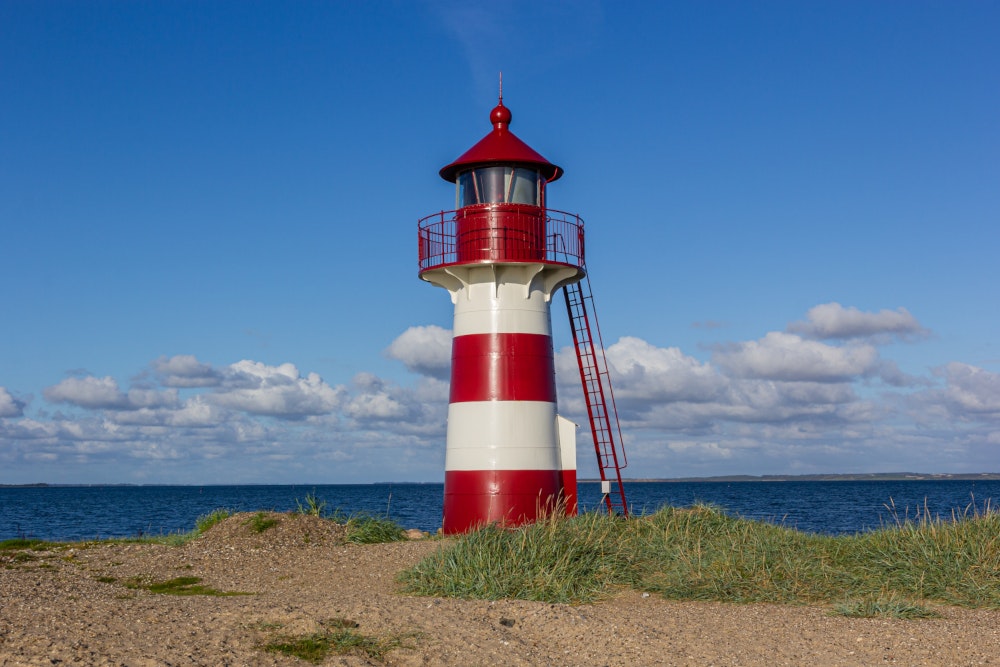
The turquoise waters of the Atlantic and the volcanic landscapes of the island create a unique atmosphere in Arrecife de Lanzarote, the capital of one of the most extraordinary Canary Islands. The city attracts travelers with its cozy harbor, whitewashed houses in traditional style, and the artistic legacy of César Manrique – the architect who gave life to Lanzarote by blending nature with creativity.
In Arrecife de Lanzarote, you can stroll along the promenade to the historic San Gabriel Castle, visit the La Recova market, and enjoy the freshest seafood overlooking the bay. This destination is ideal both for a peaceful beach holiday and for discovering the volcanic scenery of Timanfaya National Park, just a 30-minute drive away.
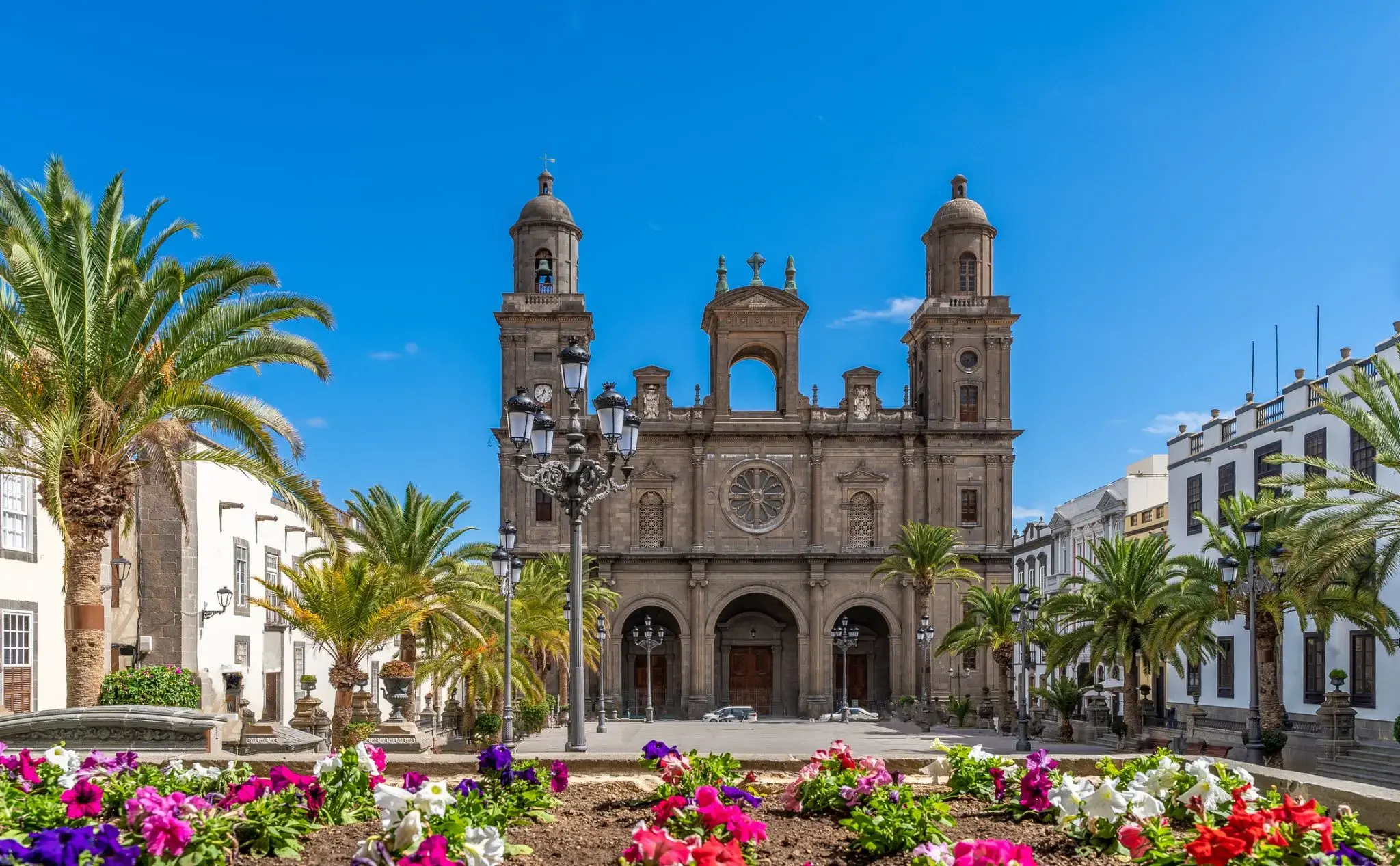
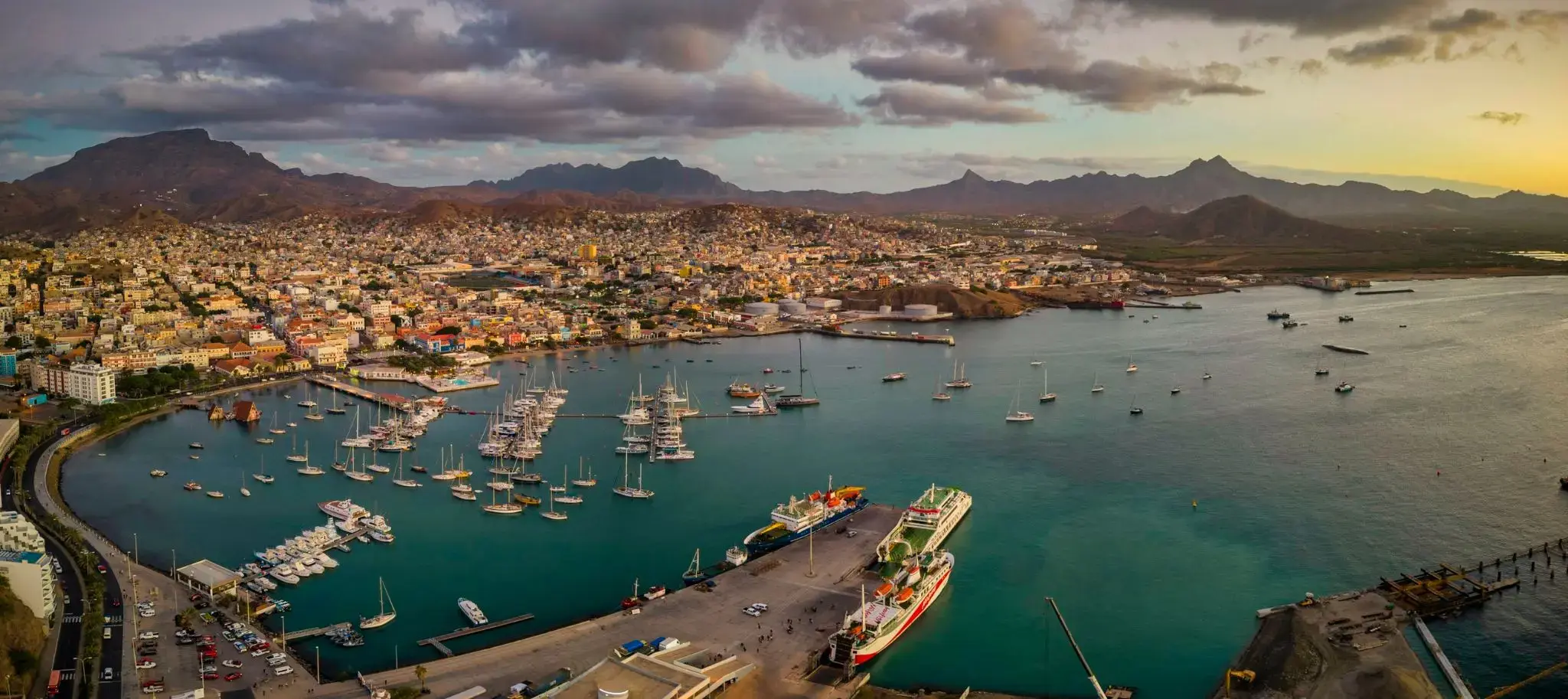
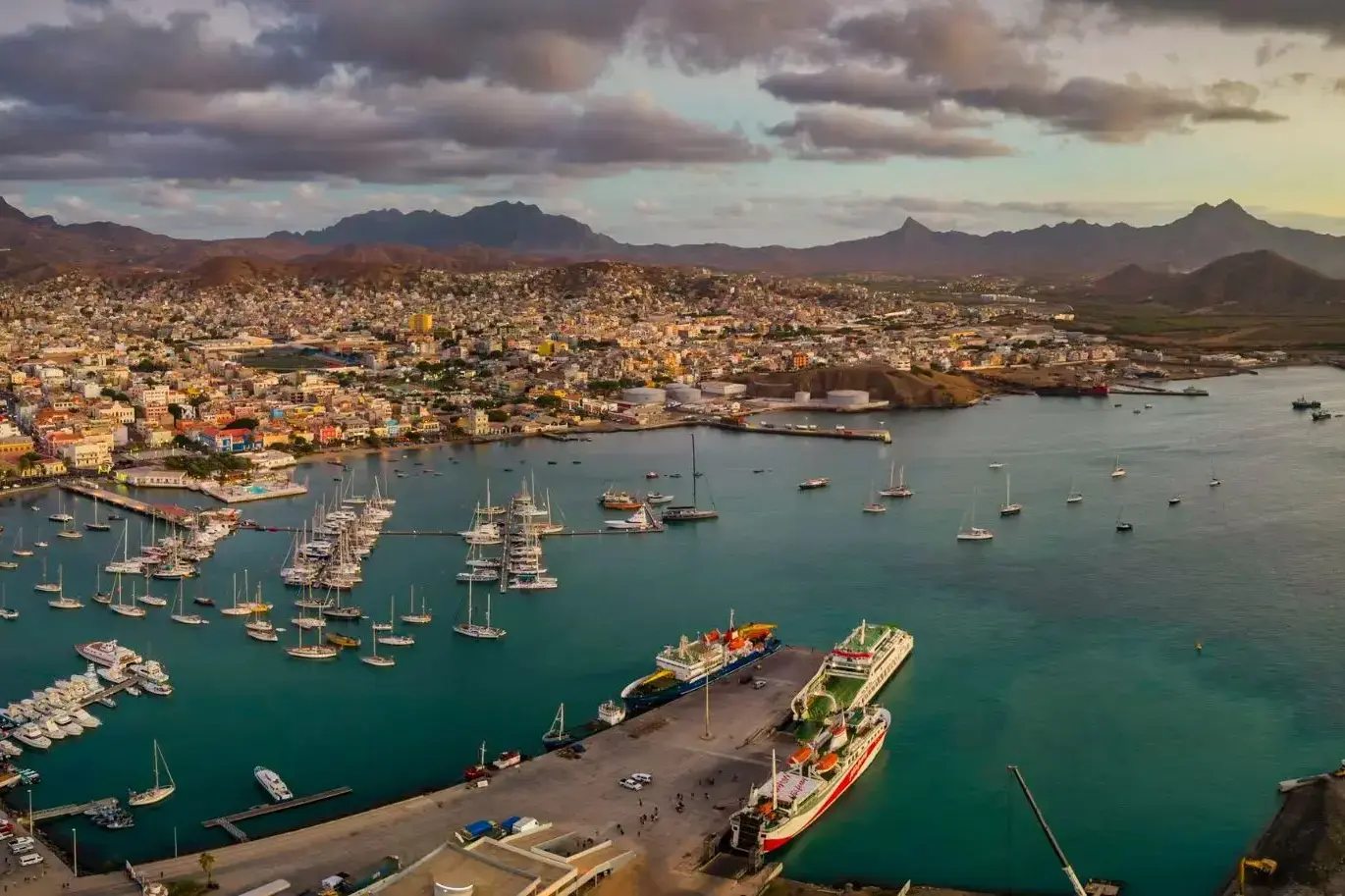
The turquoise waves of the Atlantic embrace the bay of Mindelo on the island of São Vicente, inviting travelers to dive into the rhythms of Cape Verdean music and its warm atmosphere. Known as the cultural capital of Cape Verde, this city enchants with its colorful colonial buildings, the live sounds of morna and coladeira, and street cafés where you can taste fresh seafood to the sound of guitars.
In Mindelo, visitors can stroll along the waterfront with views of the mountains and port, discover cozy shops with local crafts, and relax on sandy beaches where the soft breeze carries the scent of the ocean. This city offers a chance to feel the slow pace of island life, immerse yourself in music that plays on every corner, and take home memories of true Cape Verde, full of smiles and warm sunshine.
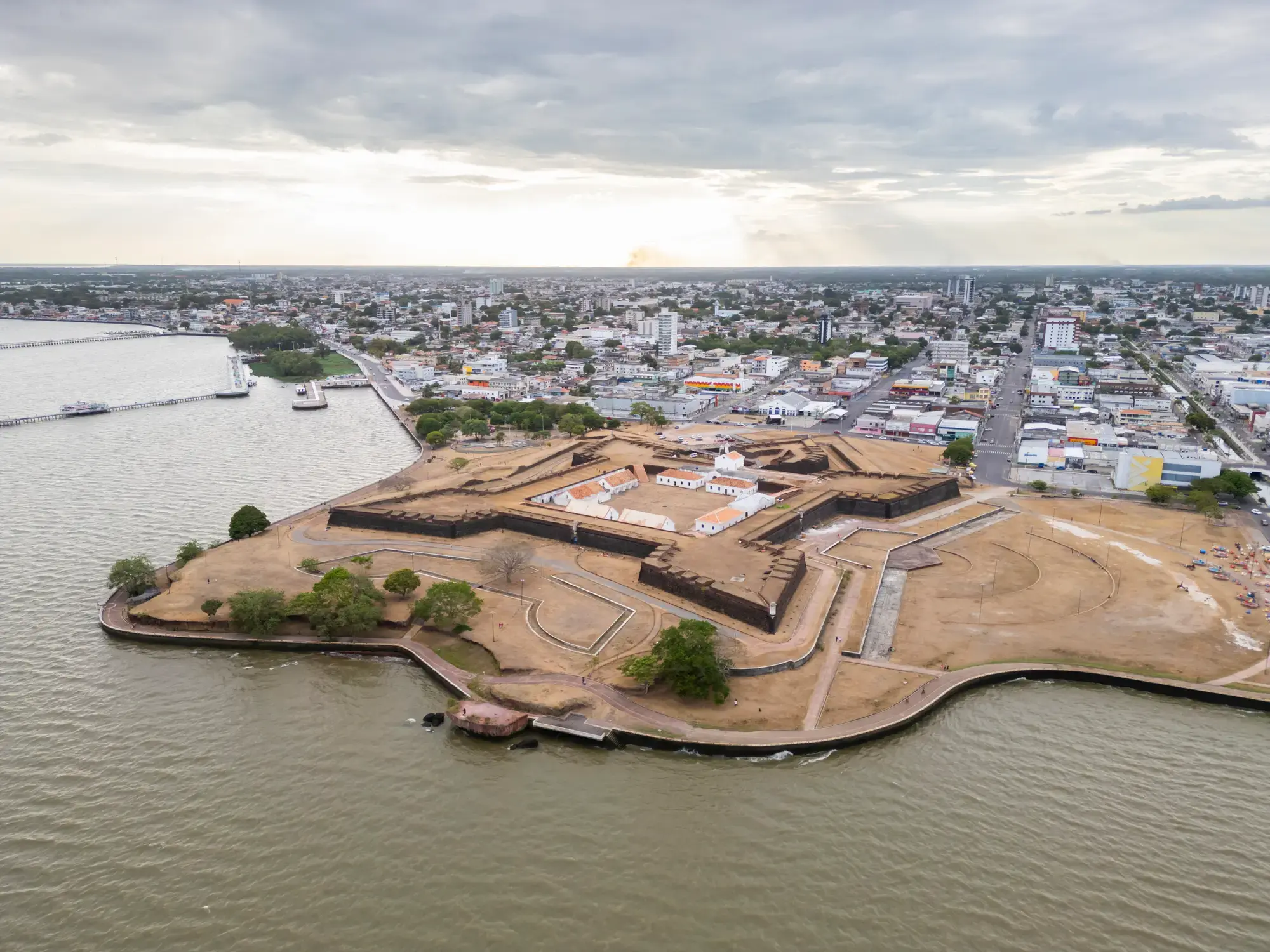
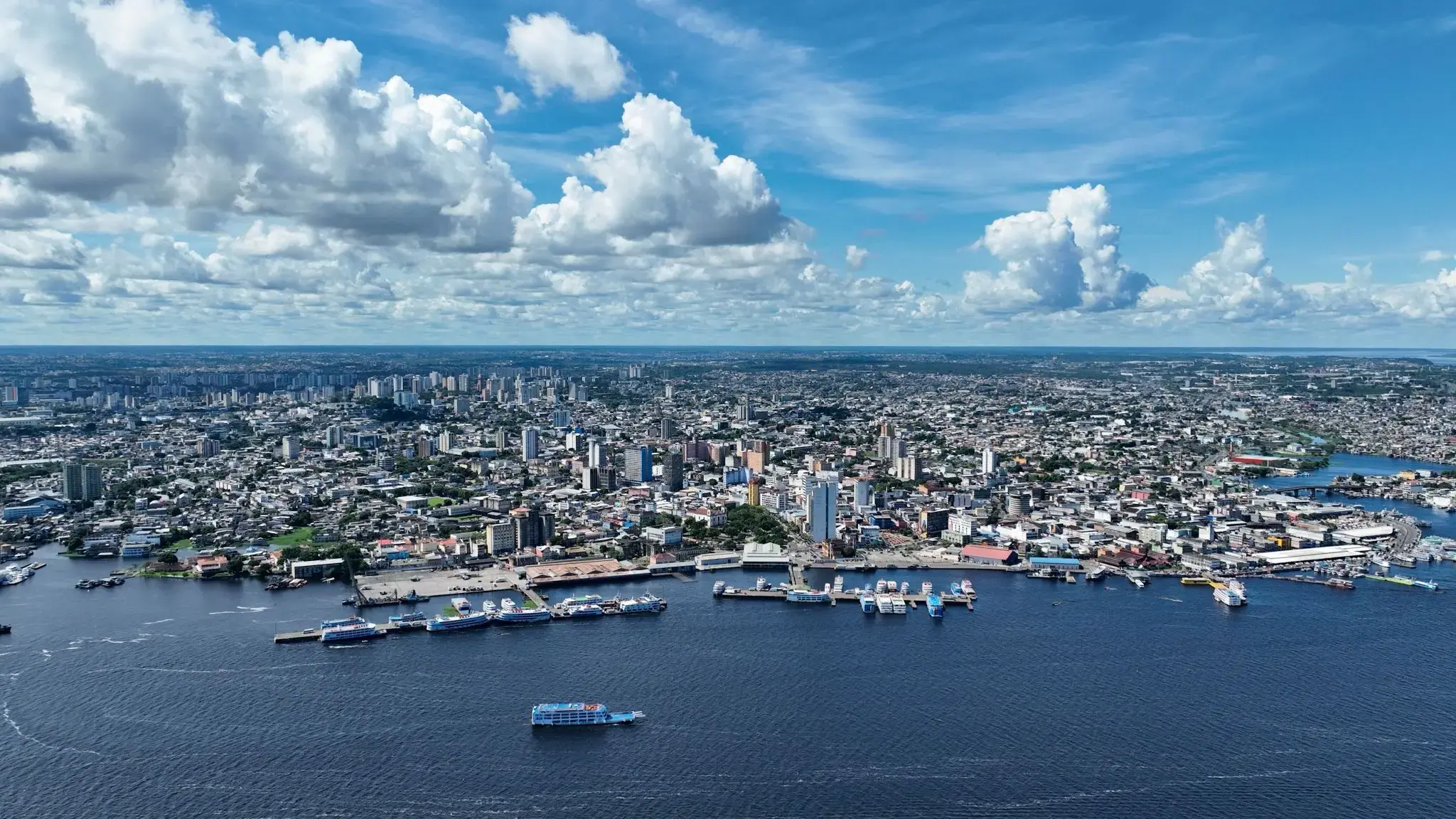
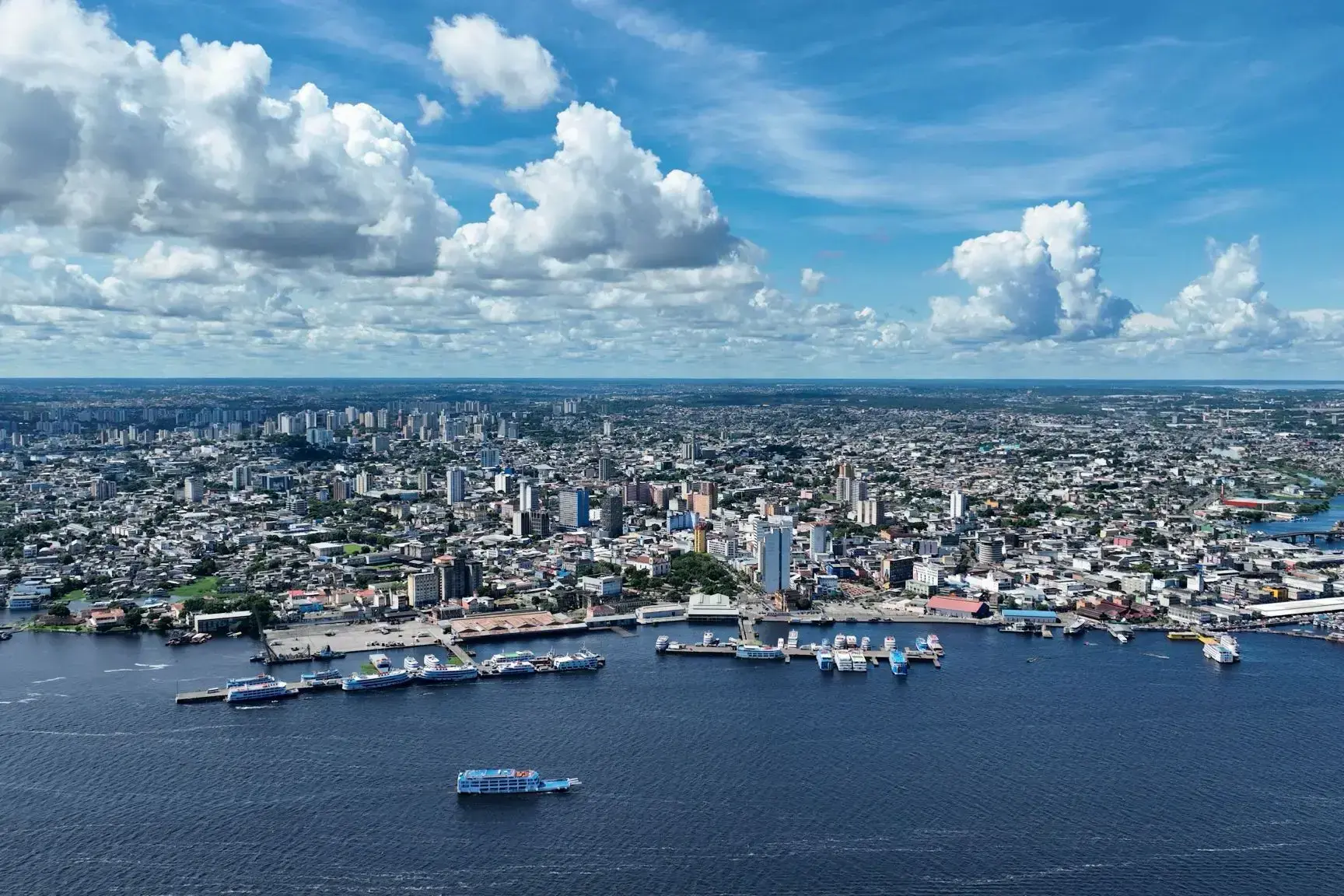
In the heart of the Amazon, where nature and history blend uniquely, lies the city of Manaus — the capital of the Amazonas state and the largest city in the region with over a million inhabitants. It gained fame during the rubber boom of the last century, when the luxurious Opera House was built in 1896 using materials imported from Europe despite the high costs. Surrounded by jungle on three sides, Manaus stands apart from European cities with its shaded streets, small parks, and traditional boot cleaners. Just a ten-minute walk from the city center, you can find palm-thatched stilt houses inhabited by indigenous families, offering a genuine Amazonian experience.
One of the city’s natural wonders is the "Meeting of the Waters." Here, the dark mineral-rich waters of the Rio Negro merge with the yellowish waters of the Solimões River to form the mighty Amazon. For about two kilometers, these waters flow side by side without mixing due to their temperature difference, creating a stunning natural spectacle. Manaus is considered one of the cleanest ecological cities in the world and is located just five hours by plane from Rio de Janeiro — a perfect starting point for exploring the amazing Amazon rainforest.
In the heart of the Amazon, where nature and history blend uniquely, lies the city of Manaus — the capital of the Amazonas state and the largest city in the region with over a million inhabitants. It gained fame during the rubber boom of the last century, when the luxurious Opera House was built in 1896 using materials imported from Europe despite the high costs. Surrounded by jungle on three sides, Manaus stands apart from European cities with its shaded streets, small parks, and traditional boot cleaners. Just a ten-minute walk from the city center, you can find palm-thatched stilt houses inhabited by indigenous families, offering a genuine Amazonian experience.
One of the city’s natural wonders is the "Meeting of the Waters." Here, the dark mineral-rich waters of the Rio Negro merge with the yellowish waters of the Solimões River to form the mighty Amazon. For about two kilometers, these waters flow side by side without mixing due to their temperature difference, creating a stunning natural spectacle. Manaus is considered one of the cleanest ecological cities in the world and is located just five hours by plane from Rio de Janeiro — a perfect starting point for exploring the amazing Amazon rainforest.
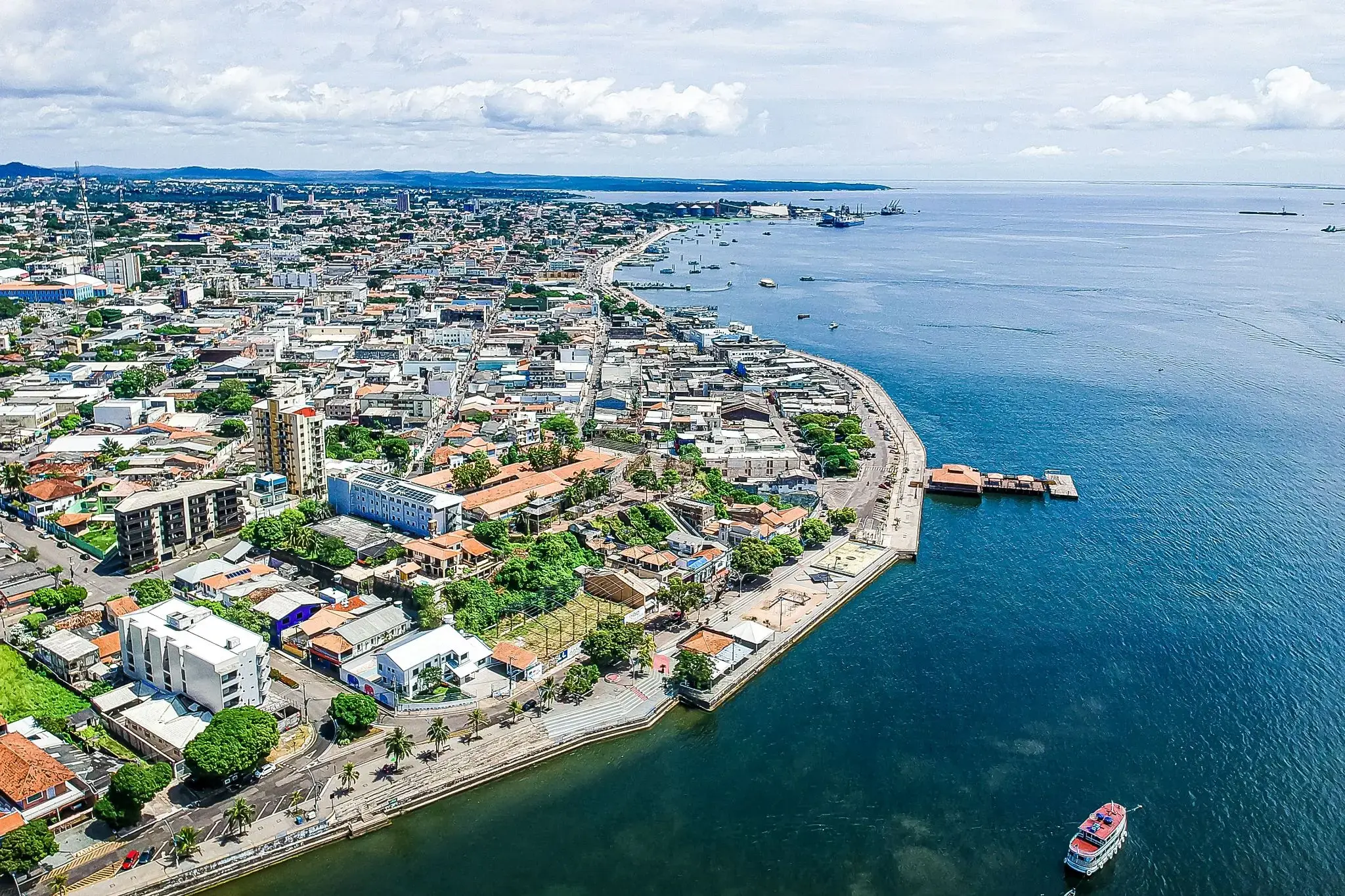
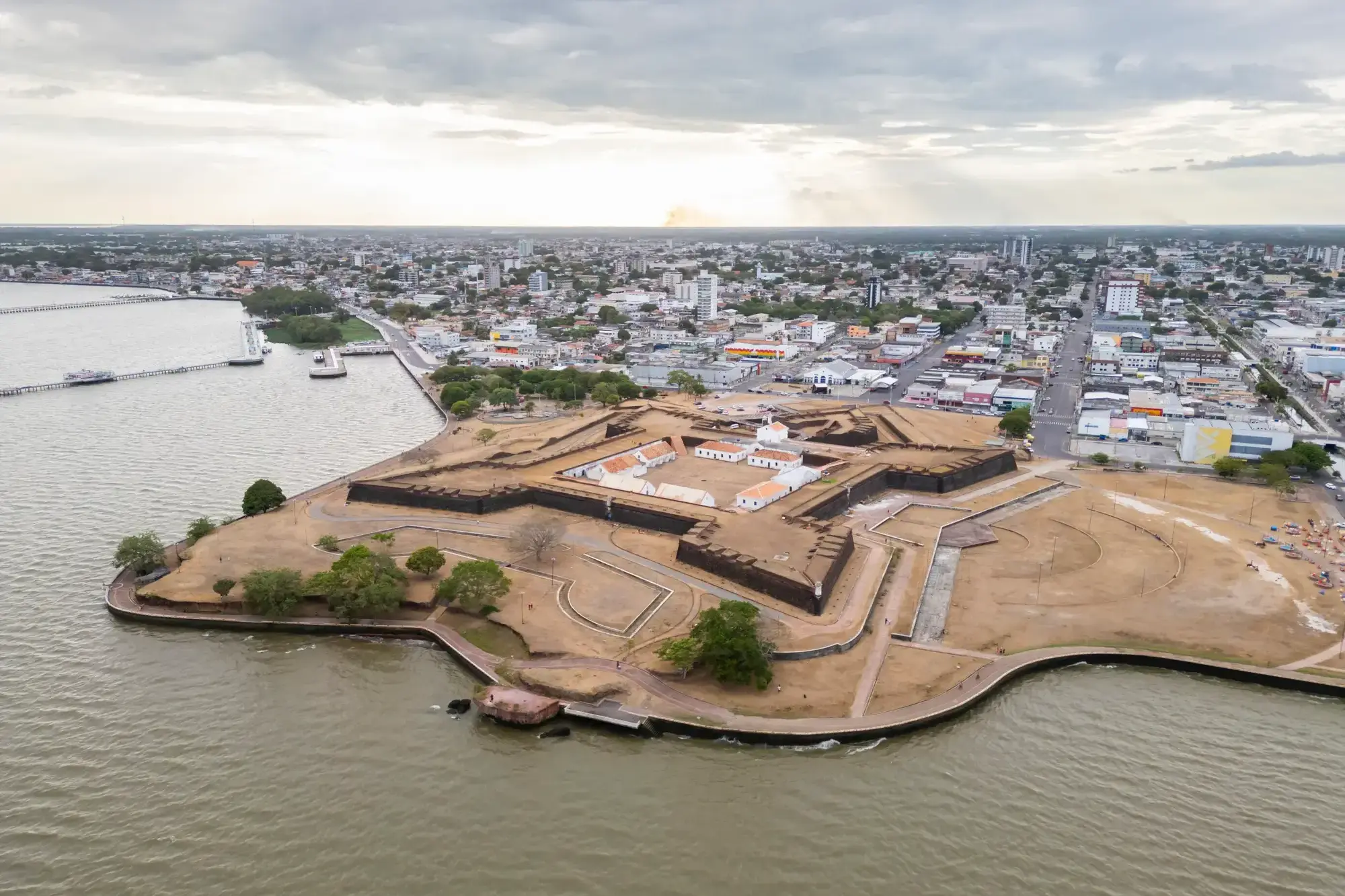
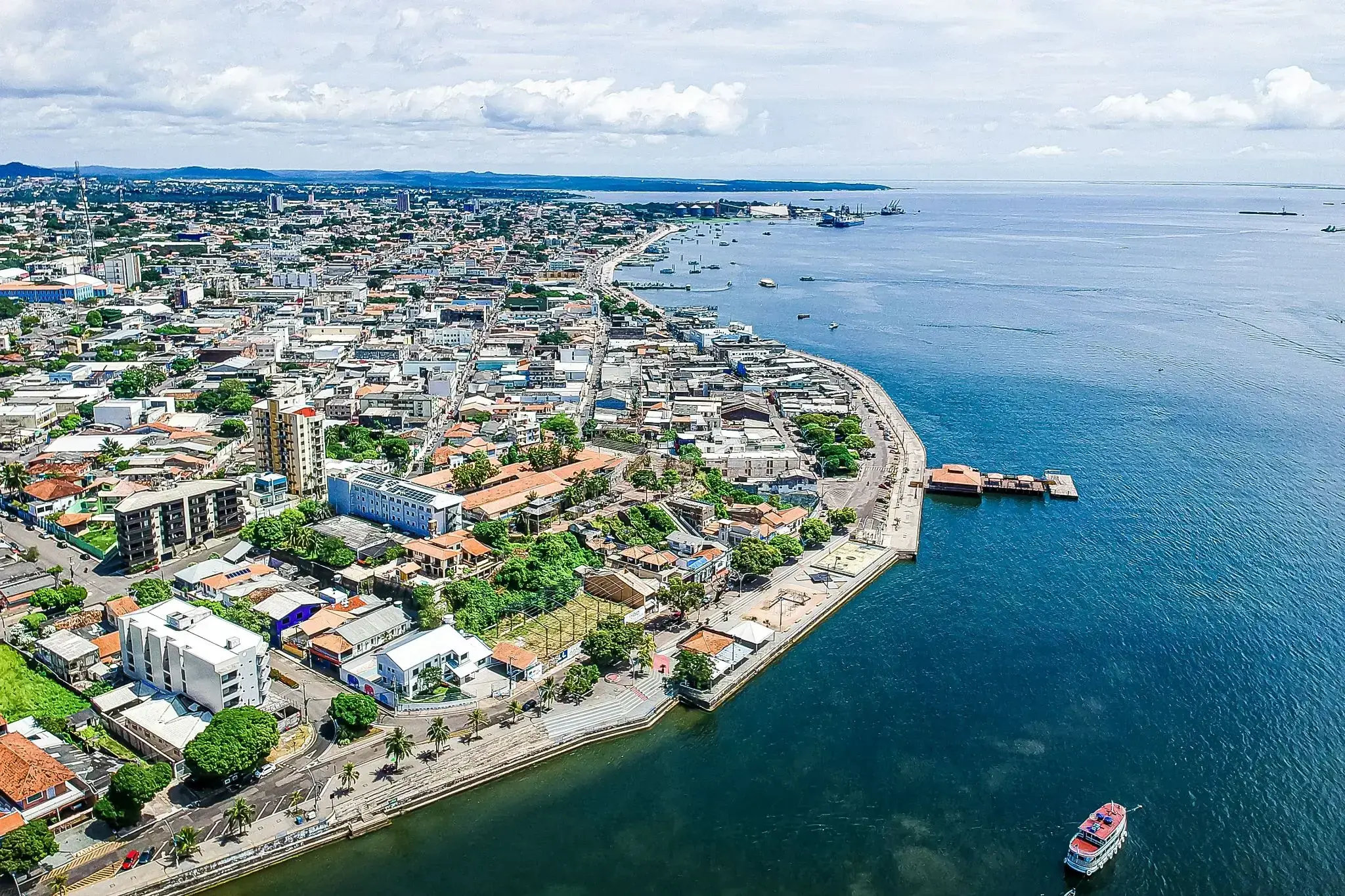
Amidst the lush landscapes of Brazil, Santarem reveals to travelers a fascinating blend of tropical nature and cultural heritage. This city is famous for being the meeting point of the mighty Amazon and Tapajós rivers, where turquoise and greenish waters merge, creating one of the world’s most spectacular natural sights. Here, visitors can explore the Amazon rainforest, stroll along the waterfront with views of the confluence, and sample local delicacies at the vibrant market.
Santarem also boasts a rich history dating back to Portuguese colonization. In the historic city center, tourists can admire colonial architecture, visit the cathedral, and relax in cozy cafés where traditional Brazilian coffee is served. This city is perfect for those who wish to immerse themselves in the authentic Amazon atmosphere and discover an unexplored side of Brazil.
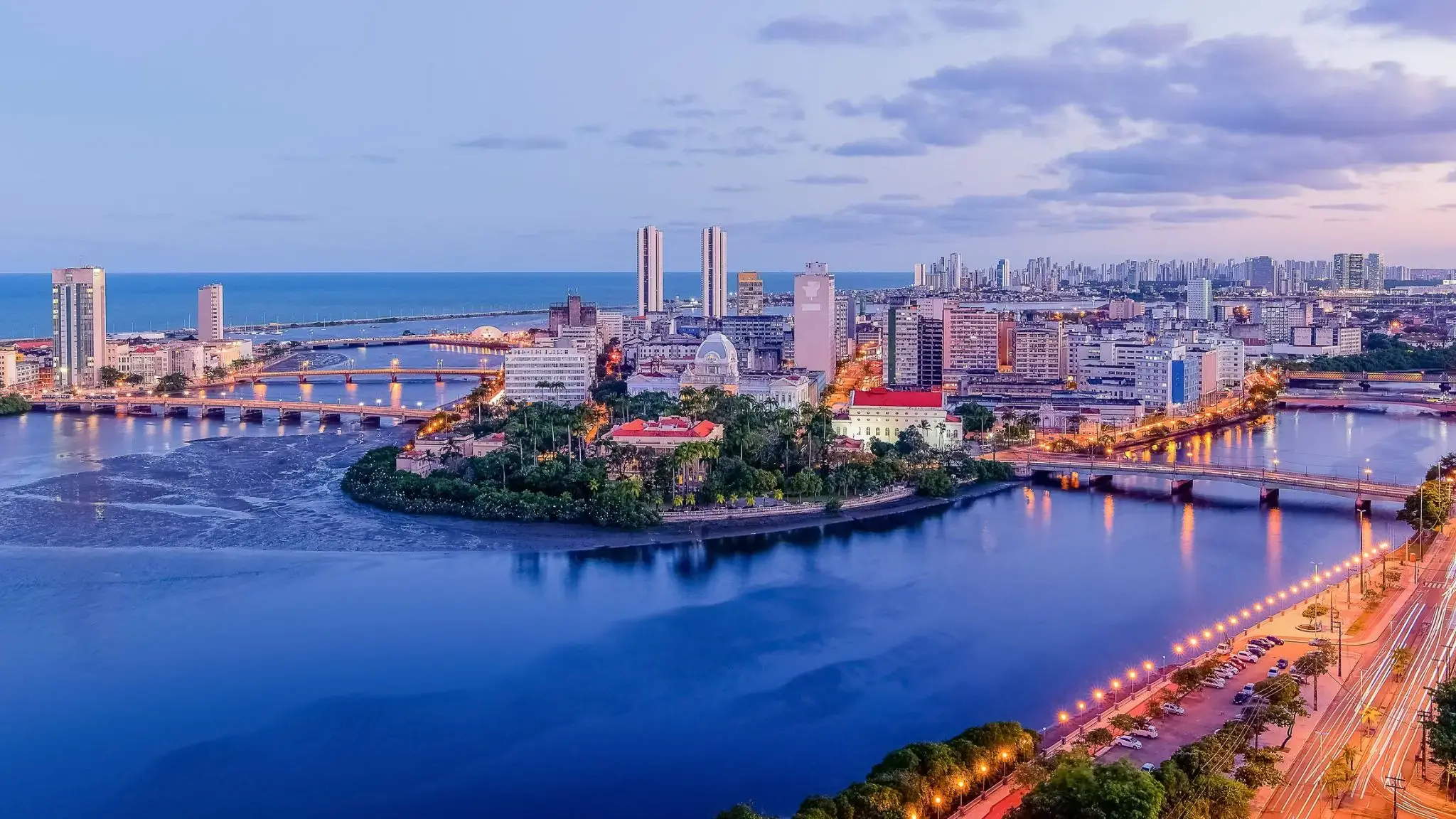
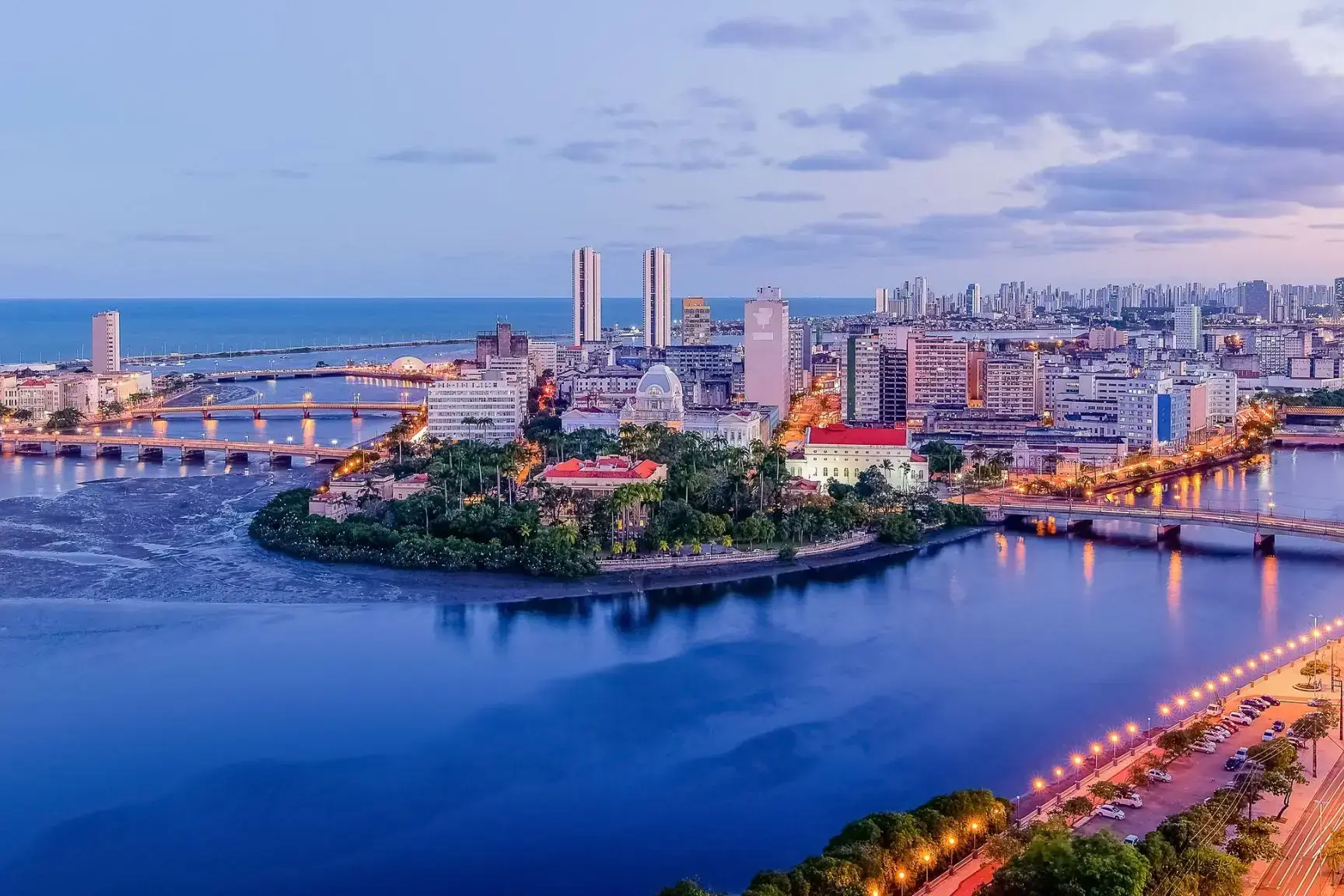
Recife: The Tropical Venice of Brazil
Recife, the capital of Pernambuco in northeastern Brazil, is known for its network of canals, bridges, and rivers, earning it the nickname “Brazilian Venice.” The city blends colonial architecture, modern skyscrapers, and vibrant culture, reflected in its carnival, frevo music, and maracatu rhythms. The historic district, Recife Antigo, preserves the city's Portuguese heritage through narrow streets, churches, and old buildings.
Recife is also famous for its beaches, especially Boa Viagem, where white sand and palm trees contrast with the urban skyline. Visitors can explore museums like the Ricardo Brennand Institute, with its collection of weapons and art, or visit the nearby colonial town of Olinda, a UNESCO World Heritage Site. It’s the perfect destination for those seeking cultural immersion, seaside relaxation, and the rhythm of vibrant Brazil.
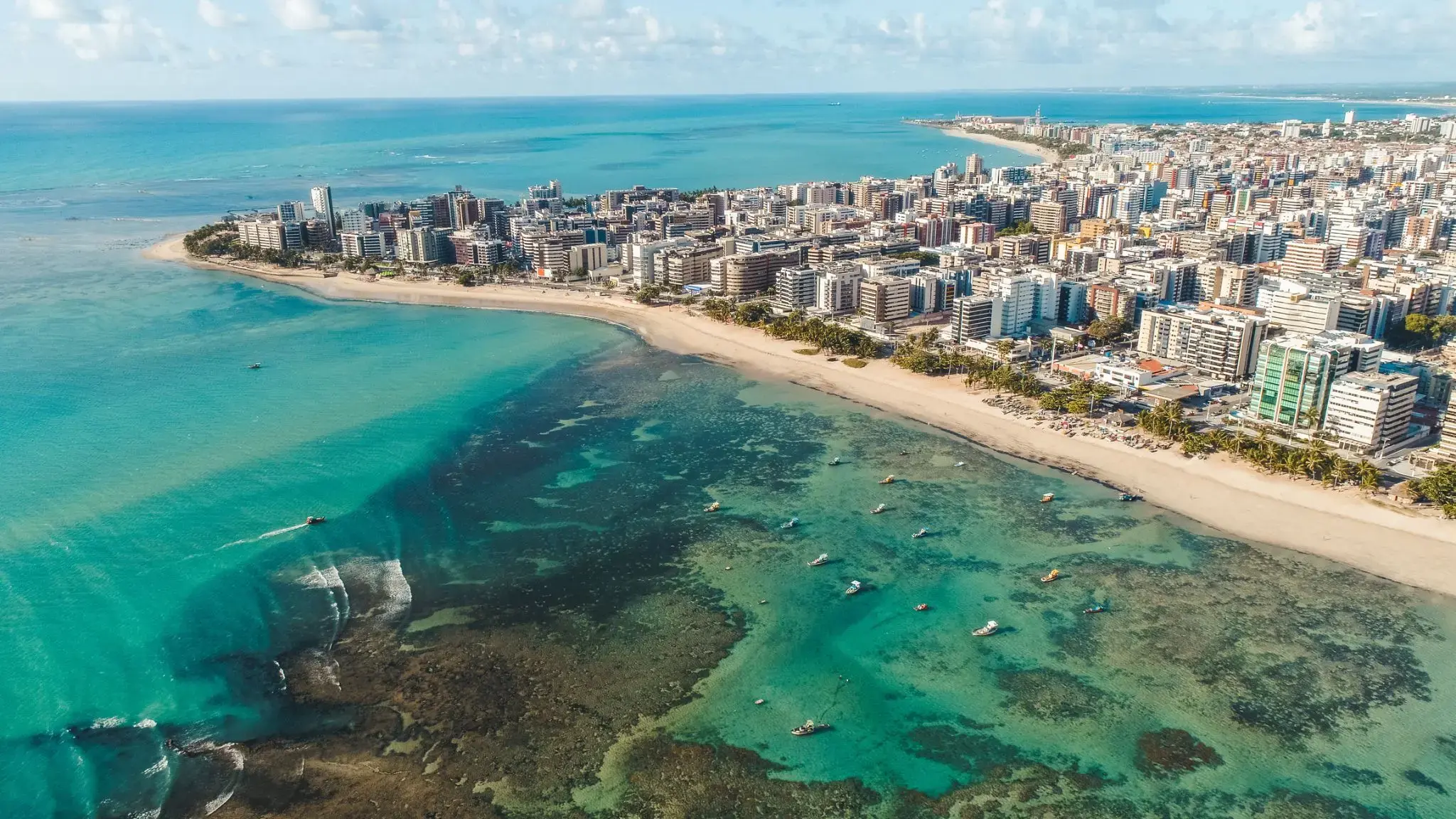
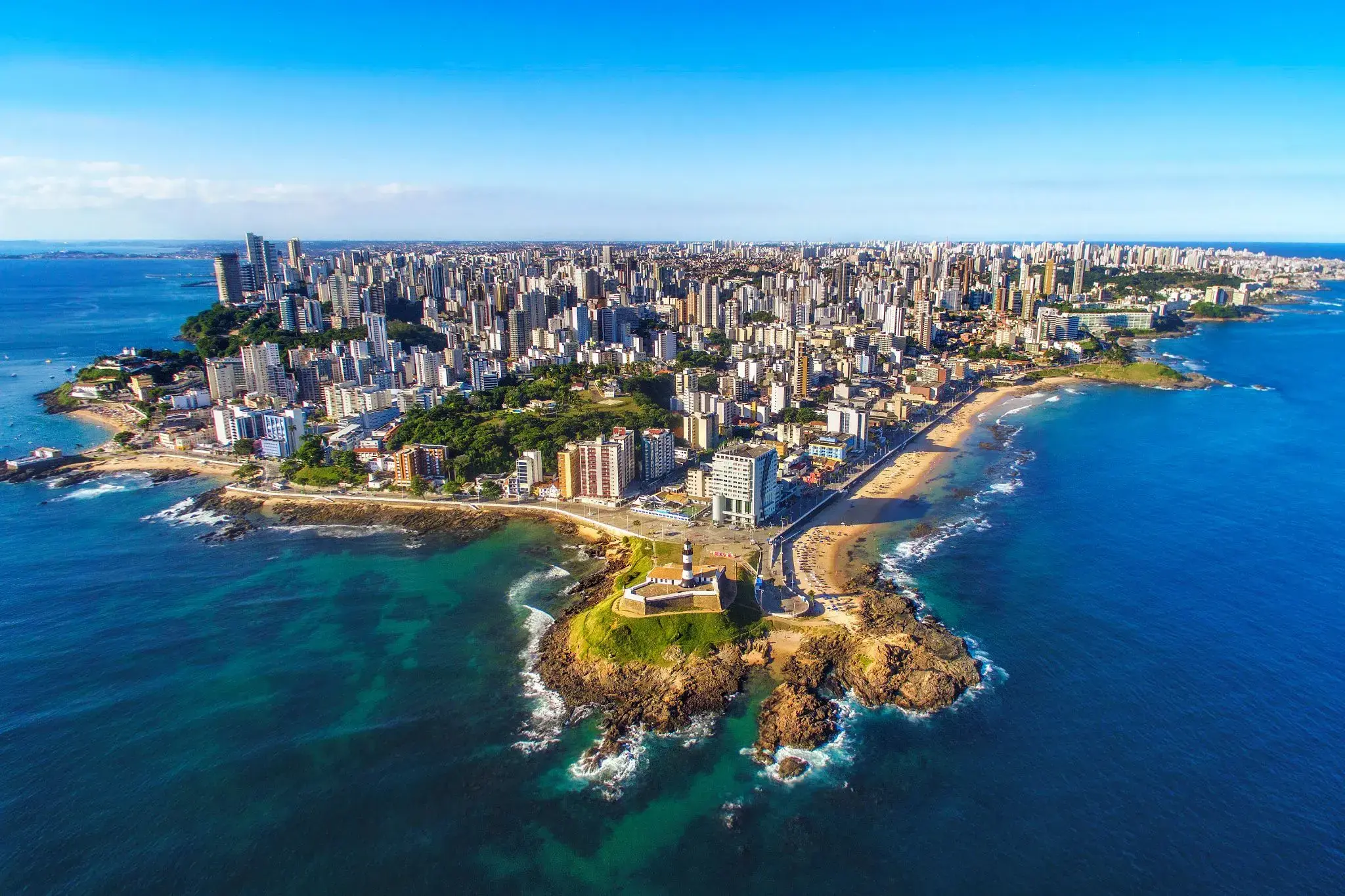
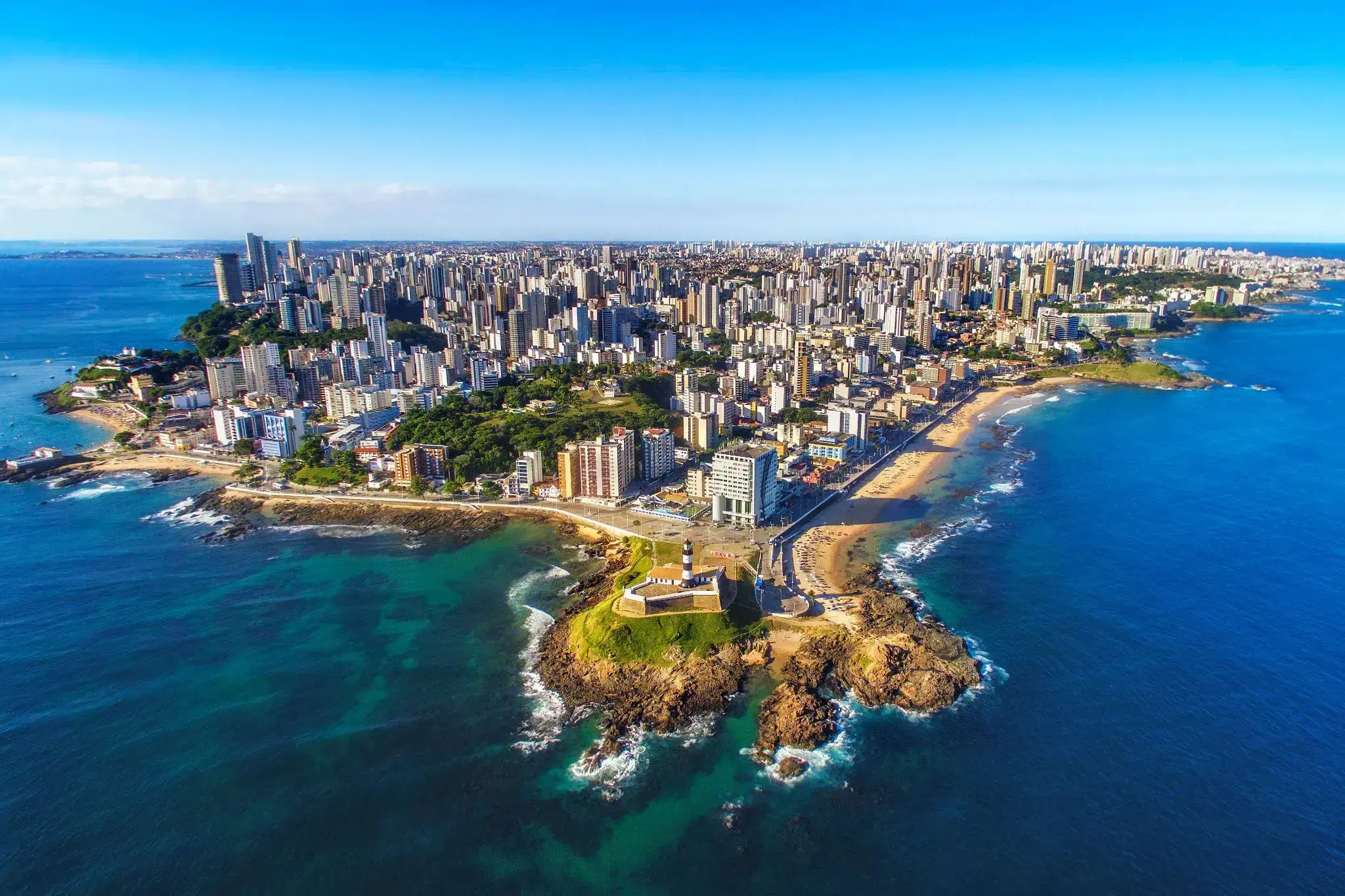
Salvador is the capital of Bahia state and was formerly the first capital of Brazil. Salvador is known for its endless number of churches, as well as for being a land of majestic fortresses. After visiting these places, it is also worth taking a look at the Chapada Diamantina National Park – the most interesting natural park in Brazil. In Salvador, there reigns an atmosphere of joy, revelry, and holidays – this is due to the fact that the local population was influenced by Africa. In Salvador, you can always admire the natural beauty of this area. You will be enchanted by the sensuality of this land, and you will be able to discover a piece of its mysterious power.
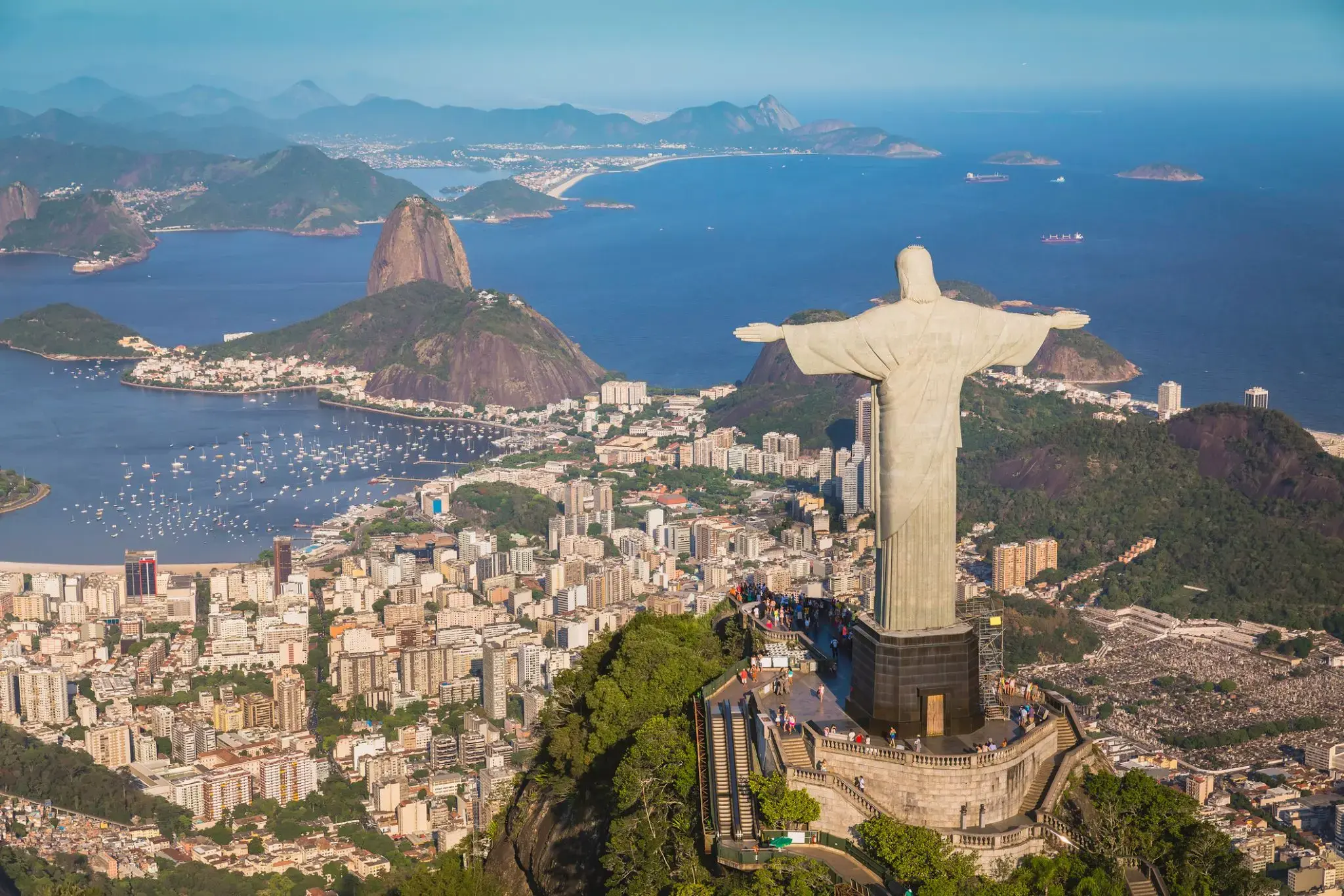
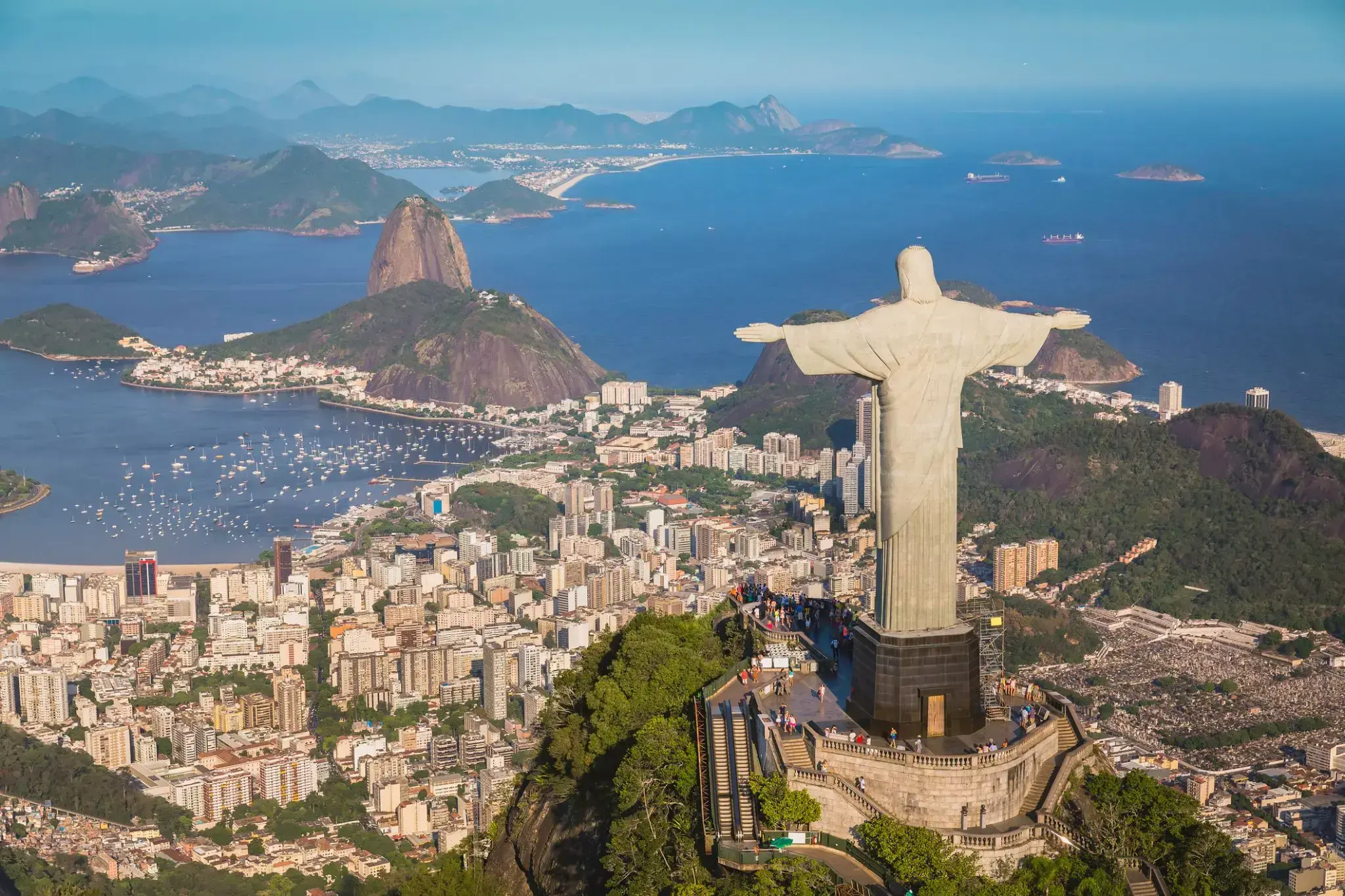
Rio de Janeiro is the second-most populous municipality in Brazil and the sixth-most populous in the Americas. The metropolis is anchor to the Rio de Janeiro metropolitan area, the second-most populous metropolitan area in Brazil and sixth-most populous in the Americas. Rio de Janeiro is the capital of the state of Rio de Janeiro, Brazil's third-most populous state. Part of the city has been designated as a World Heritage Site, named "Rio de Janeiro: CariocaLandscapes between the Mountain and the Sea", by UNESCO on 1 July 2012 as a Cultural Landscape.
Founded in 1565 by the Portuguese, the city was initially the seat of the Captaincy of Rio de Janeiro, a domain of the Portuguese Empire. Later, in 1763, it became the capital of the State of Brazil, a state of the Portuguese Empire. In 1808, when the Portuguese Royal Court transferred itself from Portugal to Brazil, Rio de Janeiro became the chosen seat of the court of Queen Maria I of Portugal, who subsequently, in 1815, under the leadership of her son, the Prince Regent, and future King João VI of Portugal, raised Brazil to the dignity of a kingdom, within the United Kingdom of Portugal, Brazil, and Algarves. Rio stayed the capital of the pluricontinental Lusitanian monarchy until 1822, when the War of Brazilian Independence began. This is one of the few instances in history that the capital of a colonising country officially shifted to a city in one of its colonies. Rio de Janeiro subsequently served as the capital of the independent monarchy, the Empire of Brazil, until 1889, and then the capital of a republican Brazil until 1960 when the capital was transferred to Brasília.
Rio de Janeiro is the second-most populous municipality in Brazil and the sixth-most populous in the Americas. The metropolis is anchor to the Rio de Janeiro metropolitan area, the second-most populous metropolitan area in Brazil and sixth-most populous in the Americas. Rio de Janeiro is the capital of the state of Rio de Janeiro, Brazil's third-most populous state. Part of the city has been designated as a World Heritage Site, named "Rio de Janeiro: CariocaLandscapes between the Mountain and the Sea", by UNESCO on 1 July 2012 as a Cultural Landscape.
Founded in 1565 by the Portuguese, the city was initially the seat of the Captaincy of Rio de Janeiro, a domain of the Portuguese Empire. Later, in 1763, it became the capital of the State of Brazil, a state of the Portuguese Empire. In 1808, when the Portuguese Royal Court transferred itself from Portugal to Brazil, Rio de Janeiro became the chosen seat of the court of Queen Maria I of Portugal, who subsequently, in 1815, under the leadership of her son, the Prince Regent, and future King João VI of Portugal, raised Brazil to the dignity of a kingdom, within the United Kingdom of Portugal, Brazil, and Algarves. Rio stayed the capital of the pluricontinental Lusitanian monarchy until 1822, when the War of Brazilian Independence began. This is one of the few instances in history that the capital of a colonising country officially shifted to a city in one of its colonies. Rio de Janeiro subsequently served as the capital of the independent monarchy, the Empire of Brazil, until 1889, and then the capital of a republican Brazil until 1960 when the capital was transferred to Brasília.
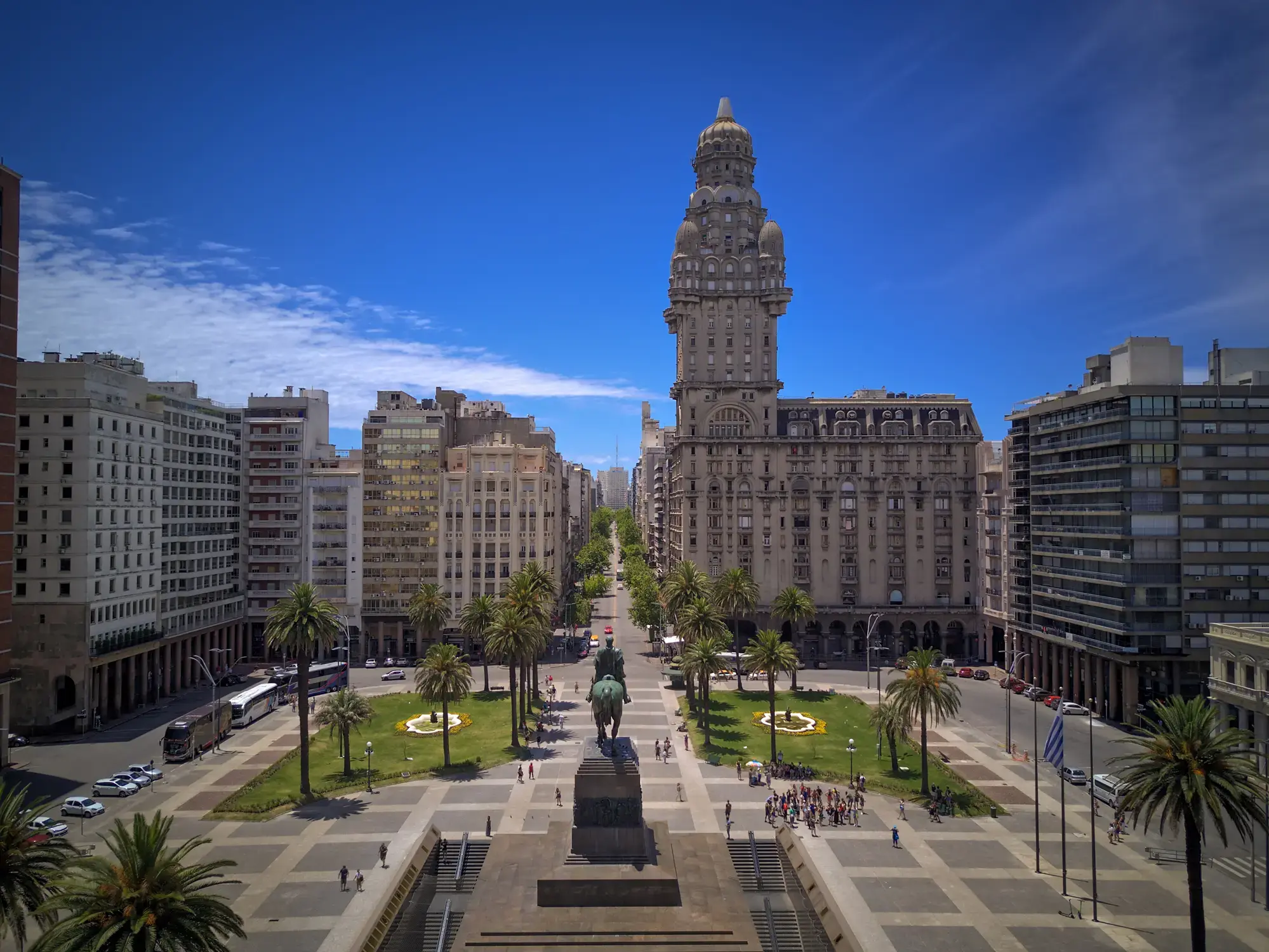
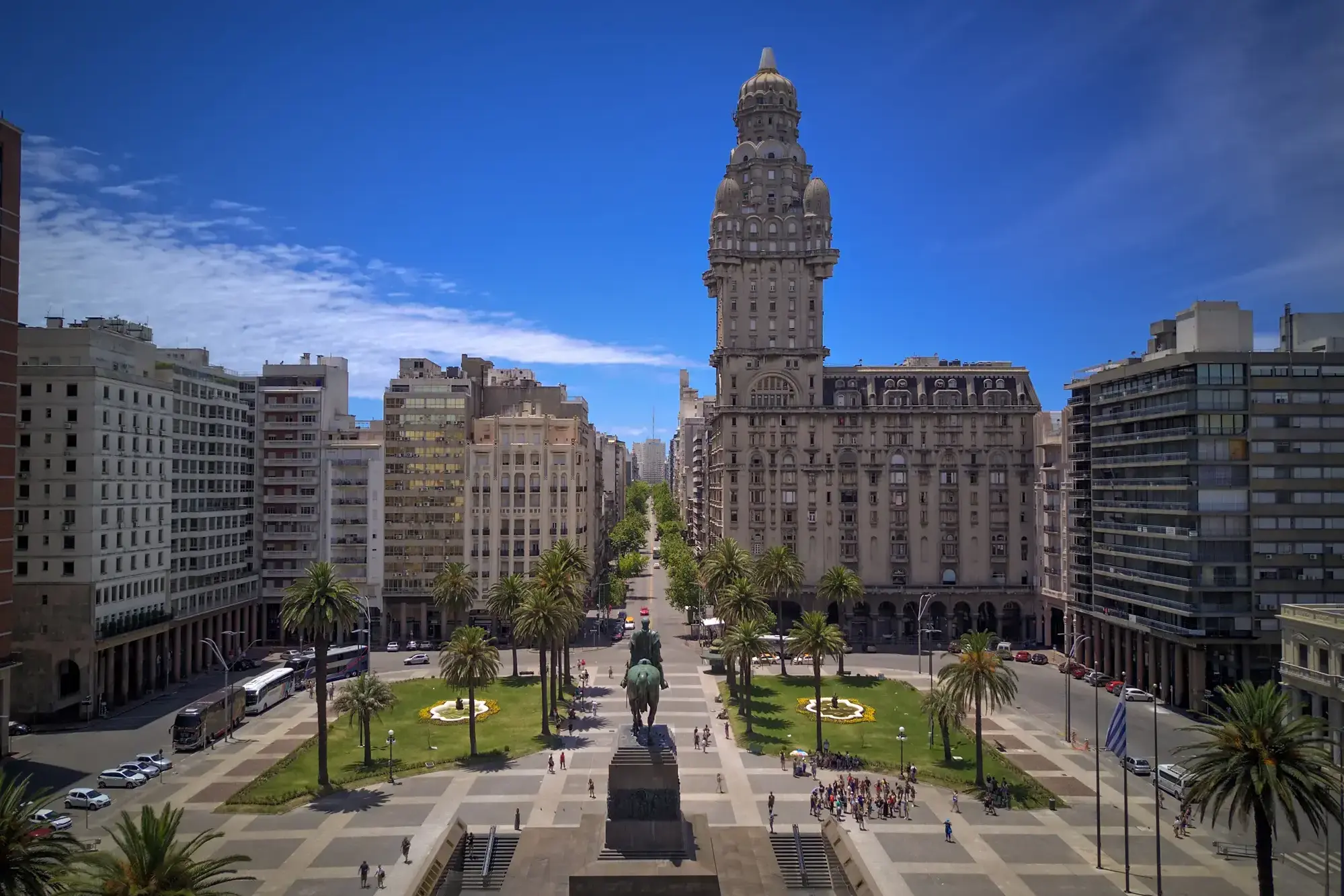
Montevideo is the capital and largest city of Uruguay. According to the 2011 census, the city proper has a population of 1,319,108 (about one-third of the country's total population) in an area of 201 square kilometres (78 sq mi). The southernmost capital city in the Americas, Montevideo is situated on the southern coast of the country, on the northeastern bank of the Río de la Plata.
The city was established in 1724 by a Spanish soldier, Bruno Mauricio de Zabala, as a strategic move amidst the Spanish-Portuguese dispute over the platine region. It was also under brief British rule in 1807. Montevideo is the seat of the administrative headquarters of Mercosur and ALADI, Latin America’s leading trade blocs, a position that entailed comparisons to the role of Brussels in Europe.
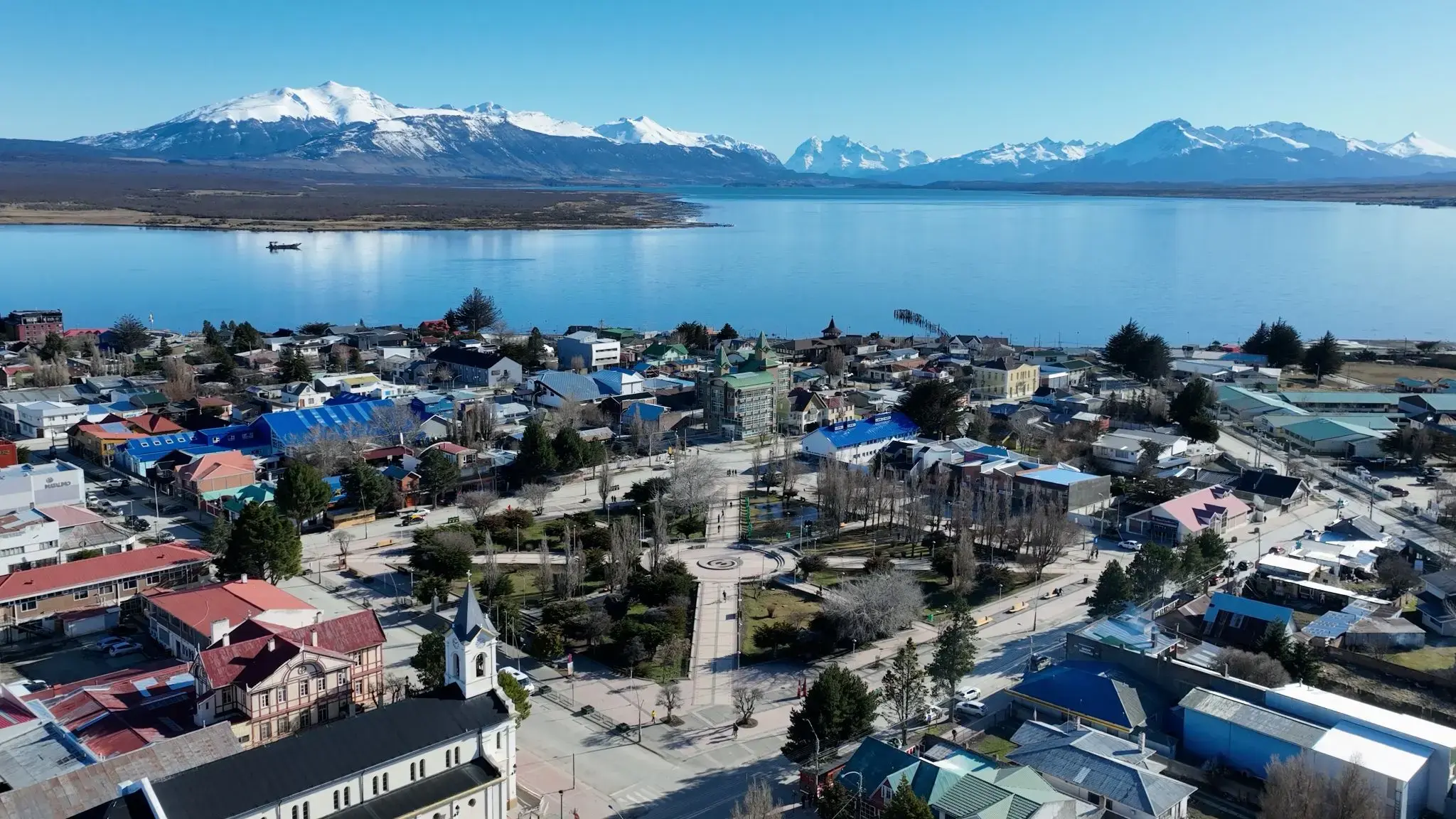
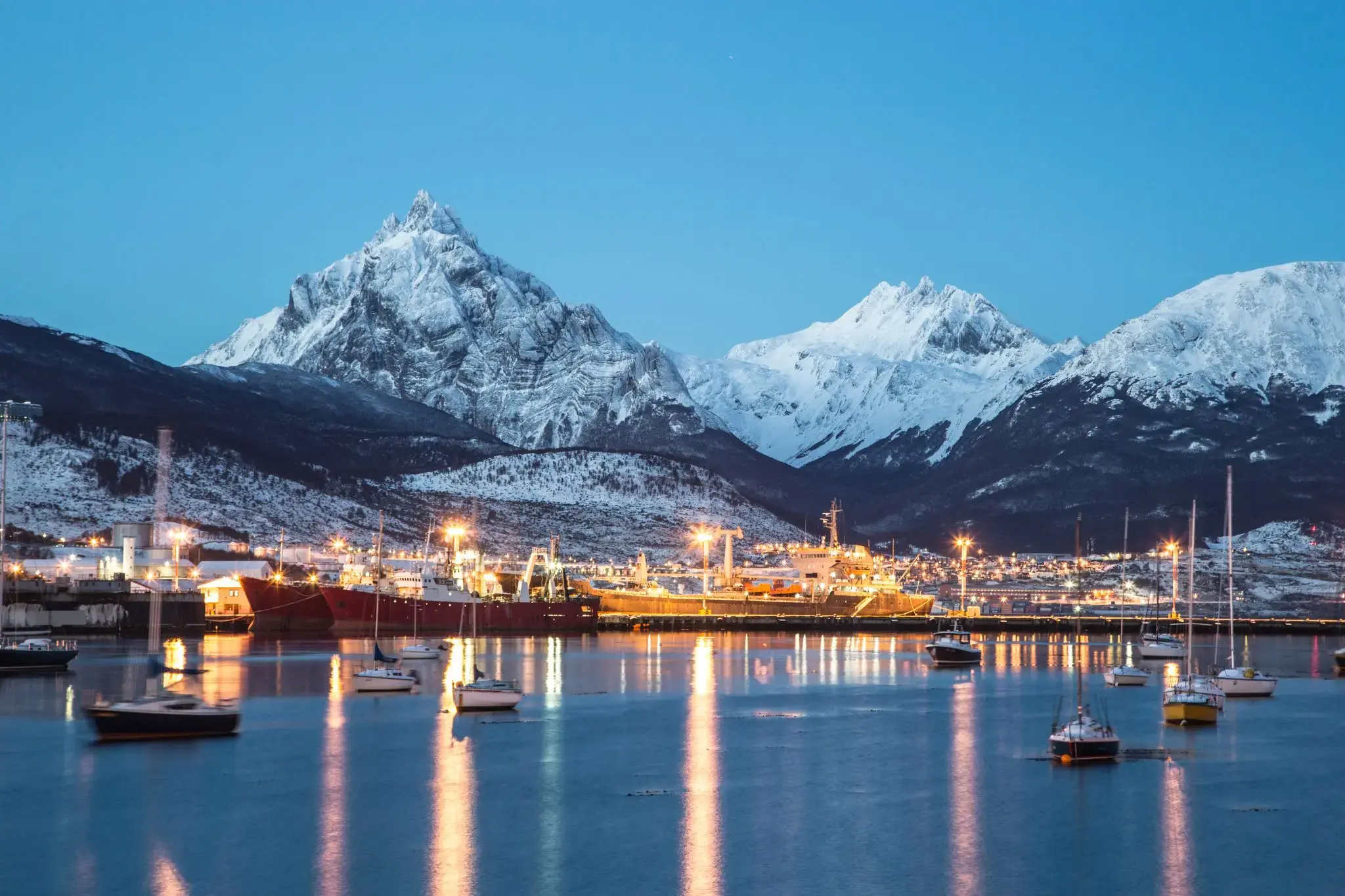
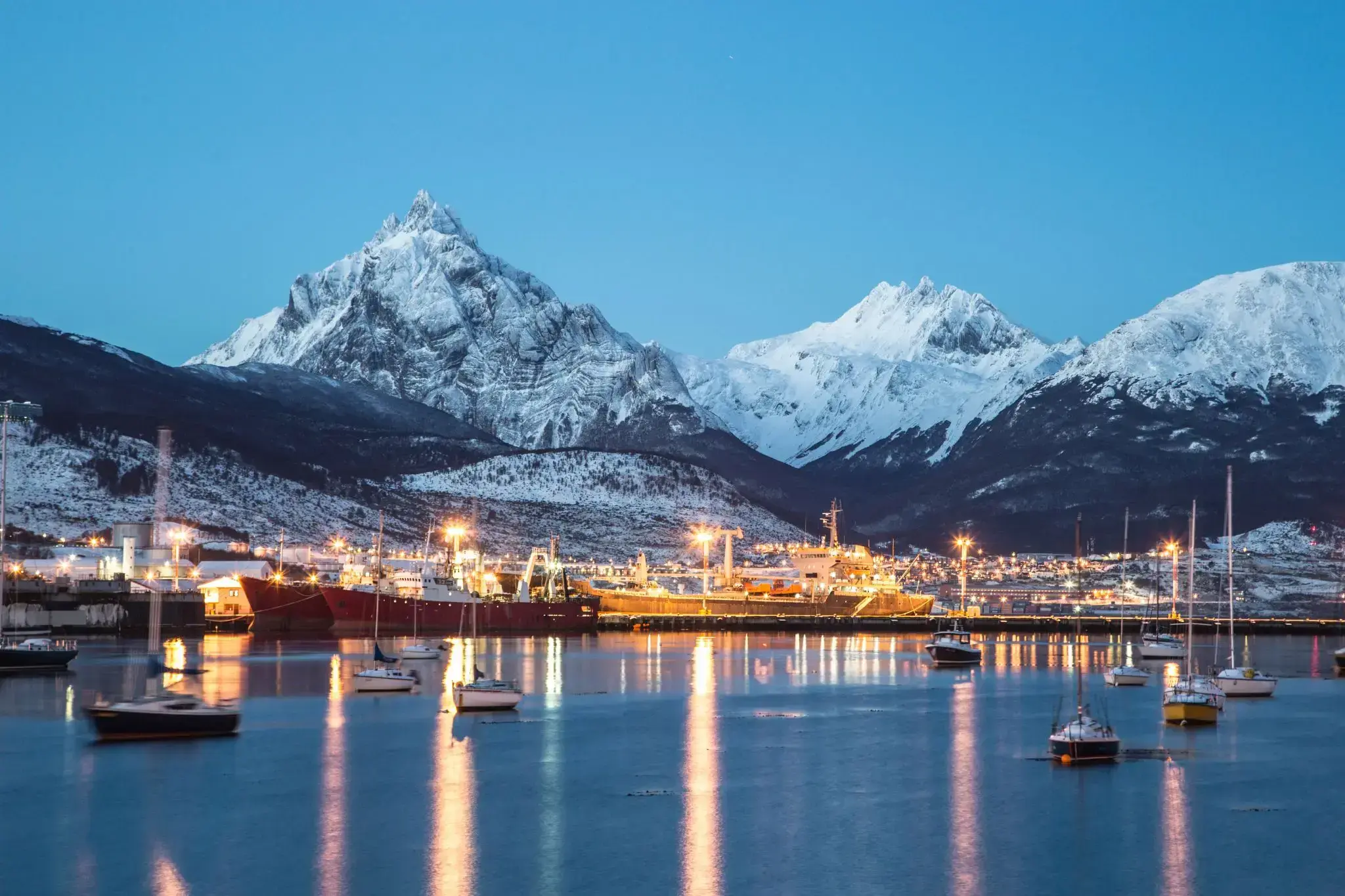
Ushuaia is the capital of Tierra del Fuego, Antártida e Islas del Atlántico Sur Province, Argentina. It is commonly regarded as the southernmost city in the world. Ushuaia is located in a wide bay on the southern coast of Isla Grande de Tierra del Fuego, bounded on the north by the Martial mountain range, and on the south by the Beagle Channel. It is the only municipality in the Department of Ushuaia, which has an area of 9,390 km2 (3,625 sq mi). It was founded October 12 of 1884 by Augusto Lasserreand is located on the shores of the Beagle Channel surrounded by the mountain range of the Martial Glacier, in the Bay of Ushuaia. Besides being an administrative center, it is a light industrial port and tourist hub.
Ushuaia is the capital of Tierra del Fuego, Antártida e Islas del Atlántico Sur Province, Argentina. It is commonly regarded as the southernmost city in the world. Ushuaia is located in a wide bay on the southern coast of Isla Grande de Tierra del Fuego, bounded on the north by the Martial mountain range, and on the south by the Beagle Channel. It is the only municipality in the Department of Ushuaia, which has an area of 9,390 km2 (3,625 sq mi). It was founded October 12 of 1884 by Augusto Lasserreand is located on the shores of the Beagle Channel surrounded by the mountain range of the Martial Glacier, in the Bay of Ushuaia. Besides being an administrative center, it is a light industrial port and tourist hub.
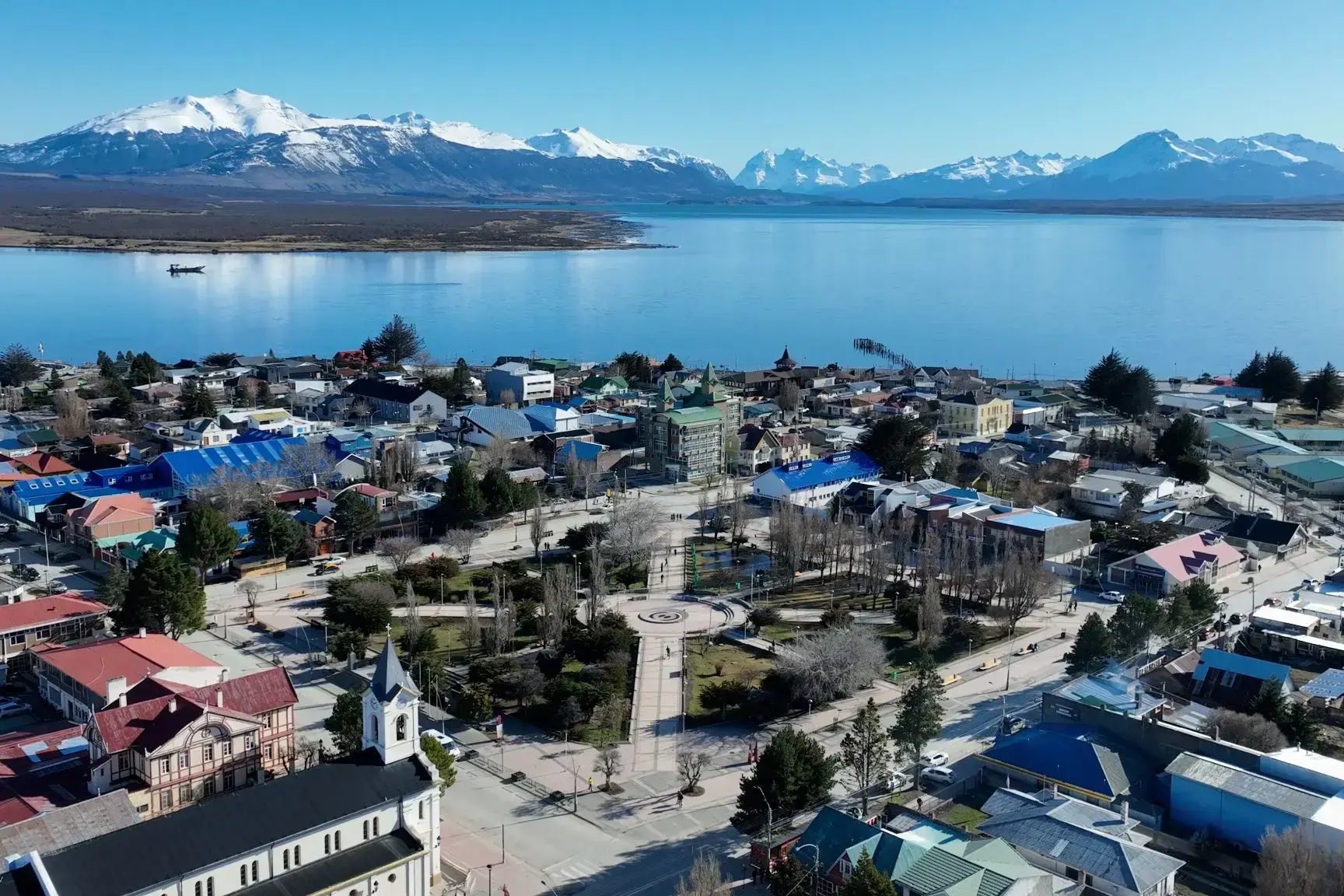
Nestled on the shores of the Golfo Nuevo, Puerto Madryn invites travelers to witness some of the most unforgettable wildlife encounters in South America. Renowned as the gateway to the Valdés Peninsula—a UNESCO World Heritage Site—this coastal town offers the chance to spot Southern Right Whales from the beach, a truly unique spectacle that few places on Earth can match.
Beyond its marine wonders, Puerto Madryn boasts charming streets lined with artisan shops, cafes, and welcoming locals eager to share the region’s Patagonian traditions. With opportunities for snorkeling with sea lions, exploring rugged landscapes, and enjoying fresh seafood, it’s no wonder this destination continues to captivate nature lovers and adventurers alike.
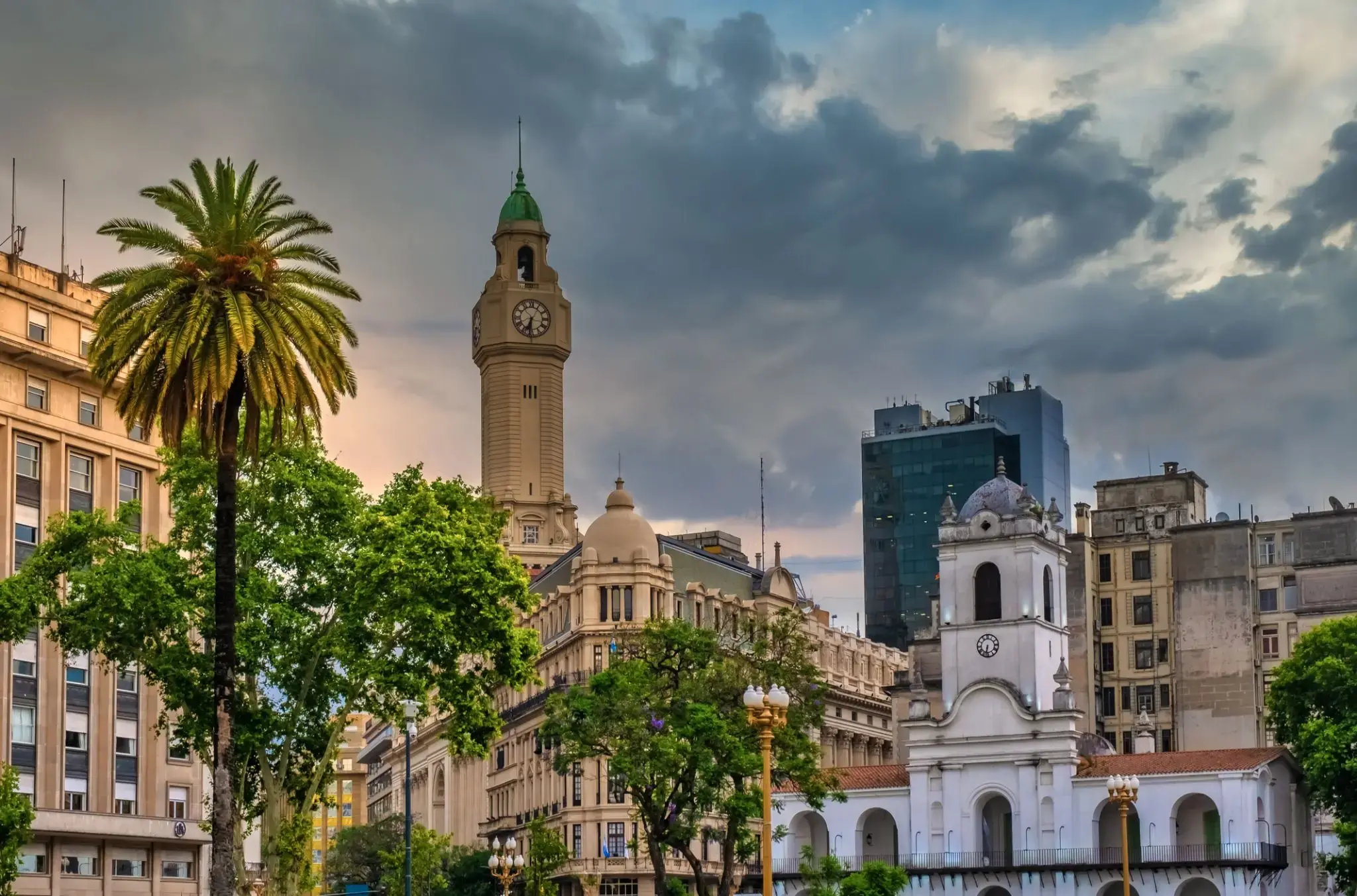
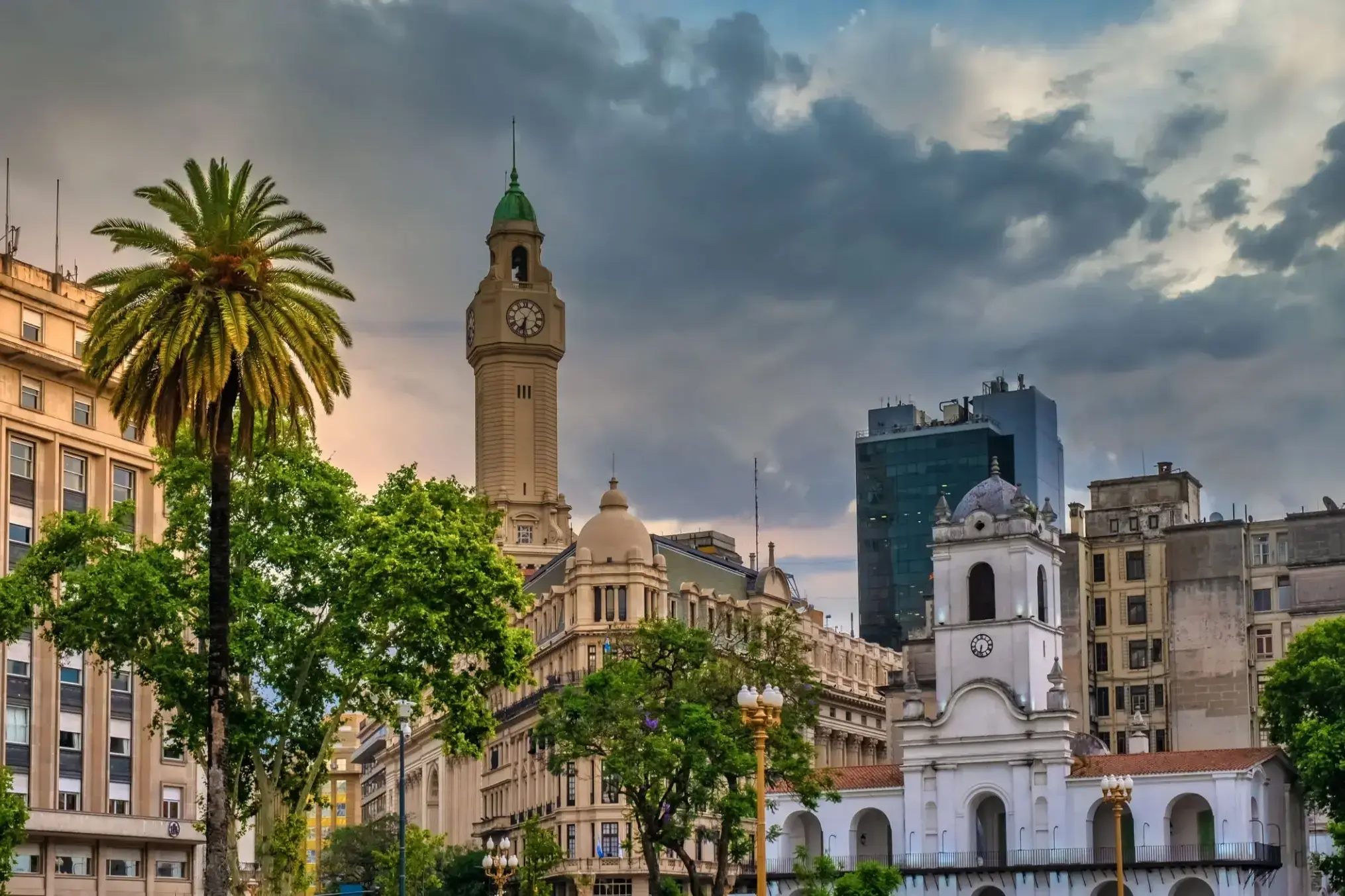
the capital city and chief port of Argentina, in the eastern central part of the country, on the Plata River; population 3,042,600 (est. 2008).
the capital city and chief port of Argentina, in the eastern central part of the country, on the Plata River; population 3,042,600 (est. 2008).
the capital city and chief port of Argentina, in the eastern central part of the country, on the Plata River; population 3,042,600 (est. 2008).
Nestled on the shores of the Golfo Nuevo, Puerto Madryn invites travelers to witness some of the most unforgettable wildlife encounters in South America. Renowned as the gateway to the Valdés Peninsula—a UNESCO World Heritage Site—this coastal town offers the chance to spot Southern Right Whales from the beach, a truly unique spectacle that few places on Earth can match.
Beyond its marine wonders, Puerto Madryn boasts charming streets lined with artisan shops, cafes, and welcoming locals eager to share the region’s Patagonian traditions. With opportunities for snorkeling with sea lions, exploring rugged landscapes, and enjoying fresh seafood, it’s no wonder this destination continues to captivate nature lovers and adventurers alike.
Ushuaia is the capital of Tierra del Fuego, Antártida e Islas del Atlántico Sur Province, Argentina. It is commonly regarded as the southernmost city in the world. Ushuaia is located in a wide bay on the southern coast of Isla Grande de Tierra del Fuego, bounded on the north by the Martial mountain range, and on the south by the Beagle Channel. It is the only municipality in the Department of Ushuaia, which has an area of 9,390 km2 (3,625 sq mi). It was founded October 12 of 1884 by Augusto Lasserreand is located on the shores of the Beagle Channel surrounded by the mountain range of the Martial Glacier, in the Bay of Ushuaia. Besides being an administrative center, it is a light industrial port and tourist hub.
Ushuaia is the capital of Tierra del Fuego, Antártida e Islas del Atlántico Sur Province, Argentina. It is commonly regarded as the southernmost city in the world. Ushuaia is located in a wide bay on the southern coast of Isla Grande de Tierra del Fuego, bounded on the north by the Martial mountain range, and on the south by the Beagle Channel. It is the only municipality in the Department of Ushuaia, which has an area of 9,390 km2 (3,625 sq mi). It was founded October 12 of 1884 by Augusto Lasserreand is located on the shores of the Beagle Channel surrounded by the mountain range of the Martial Glacier, in the Bay of Ushuaia. Besides being an administrative center, it is a light industrial port and tourist hub.
Ushuaia is the capital of Tierra del Fuego, Antártida e Islas del Atlántico Sur Province, Argentina. It is commonly regarded as the southernmost city in the world. Ushuaia is located in a wide bay on the southern coast of Isla Grande de Tierra del Fuego, bounded on the north by the Martial mountain range, and on the south by the Beagle Channel. It is the only municipality in the Department of Ushuaia, which has an area of 9,390 km2 (3,625 sq mi). It was founded October 12 of 1884 by Augusto Lasserreand is located on the shores of the Beagle Channel surrounded by the mountain range of the Martial Glacier, in the Bay of Ushuaia. Besides being an administrative center, it is a light industrial port and tourist hub.
Montevideo is the capital and largest city of Uruguay. According to the 2011 census, the city proper has a population of 1,319,108 (about one-third of the country's total population) in an area of 201 square kilometres (78 sq mi). The southernmost capital city in the Americas, Montevideo is situated on the southern coast of the country, on the northeastern bank of the Río de la Plata.
The city was established in 1724 by a Spanish soldier, Bruno Mauricio de Zabala, as a strategic move amidst the Spanish-Portuguese dispute over the platine region. It was also under brief British rule in 1807. Montevideo is the seat of the administrative headquarters of Mercosur and ALADI, Latin America’s leading trade blocs, a position that entailed comparisons to the role of Brussels in Europe.
Rio de Janeiro is the second-most populous municipality in Brazil and the sixth-most populous in the Americas. The metropolis is anchor to the Rio de Janeiro metropolitan area, the second-most populous metropolitan area in Brazil and sixth-most populous in the Americas. Rio de Janeiro is the capital of the state of Rio de Janeiro, Brazil's third-most populous state. Part of the city has been designated as a World Heritage Site, named "Rio de Janeiro: CariocaLandscapes between the Mountain and the Sea", by UNESCO on 1 July 2012 as a Cultural Landscape.
Founded in 1565 by the Portuguese, the city was initially the seat of the Captaincy of Rio de Janeiro, a domain of the Portuguese Empire. Later, in 1763, it became the capital of the State of Brazil, a state of the Portuguese Empire. In 1808, when the Portuguese Royal Court transferred itself from Portugal to Brazil, Rio de Janeiro became the chosen seat of the court of Queen Maria I of Portugal, who subsequently, in 1815, under the leadership of her son, the Prince Regent, and future King João VI of Portugal, raised Brazil to the dignity of a kingdom, within the United Kingdom of Portugal, Brazil, and Algarves. Rio stayed the capital of the pluricontinental Lusitanian monarchy until 1822, when the War of Brazilian Independence began. This is one of the few instances in history that the capital of a colonising country officially shifted to a city in one of its colonies. Rio de Janeiro subsequently served as the capital of the independent monarchy, the Empire of Brazil, until 1889, and then the capital of a republican Brazil until 1960 when the capital was transferred to Brasília.
Rio de Janeiro is the second-most populous municipality in Brazil and the sixth-most populous in the Americas. The metropolis is anchor to the Rio de Janeiro metropolitan area, the second-most populous metropolitan area in Brazil and sixth-most populous in the Americas. Rio de Janeiro is the capital of the state of Rio de Janeiro, Brazil's third-most populous state. Part of the city has been designated as a World Heritage Site, named "Rio de Janeiro: CariocaLandscapes between the Mountain and the Sea", by UNESCO on 1 July 2012 as a Cultural Landscape.
Founded in 1565 by the Portuguese, the city was initially the seat of the Captaincy of Rio de Janeiro, a domain of the Portuguese Empire. Later, in 1763, it became the capital of the State of Brazil, a state of the Portuguese Empire. In 1808, when the Portuguese Royal Court transferred itself from Portugal to Brazil, Rio de Janeiro became the chosen seat of the court of Queen Maria I of Portugal, who subsequently, in 1815, under the leadership of her son, the Prince Regent, and future King João VI of Portugal, raised Brazil to the dignity of a kingdom, within the United Kingdom of Portugal, Brazil, and Algarves. Rio stayed the capital of the pluricontinental Lusitanian monarchy until 1822, when the War of Brazilian Independence began. This is one of the few instances in history that the capital of a colonising country officially shifted to a city in one of its colonies. Rio de Janeiro subsequently served as the capital of the independent monarchy, the Empire of Brazil, until 1889, and then the capital of a republican Brazil until 1960 when the capital was transferred to Brasília.
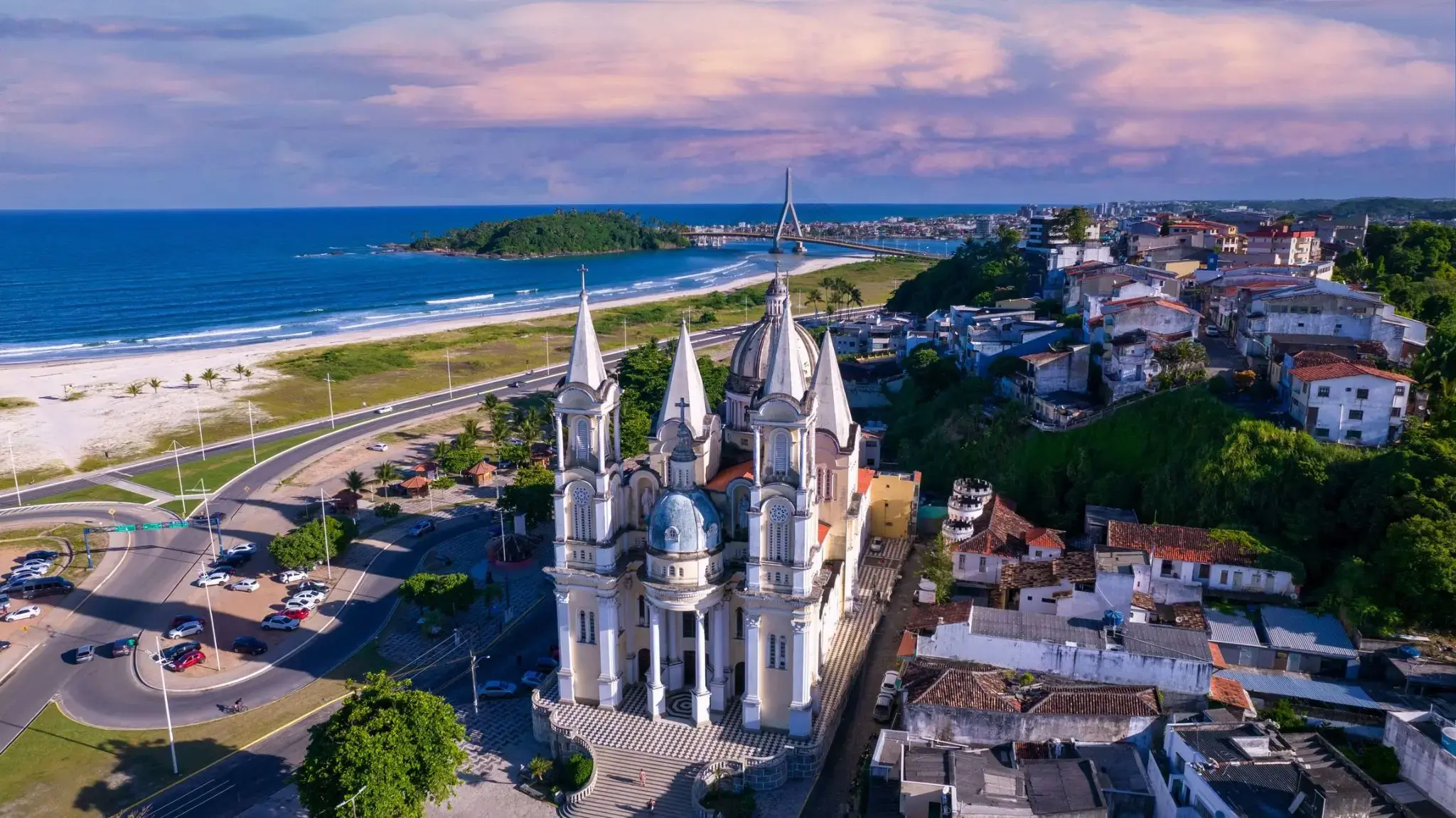
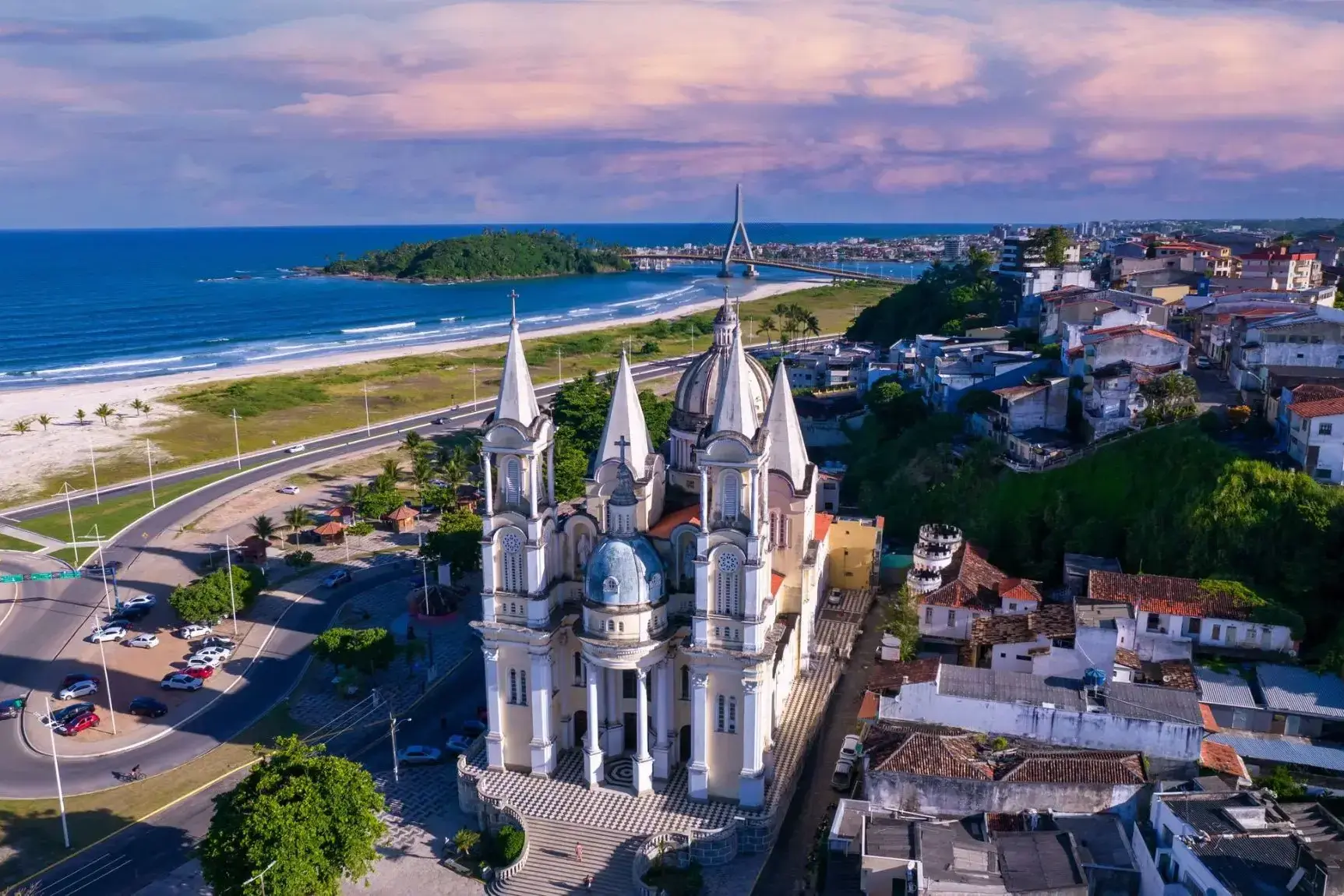
Ilheus – the heart of Brazil's cocoa region. Located on the coast of Bahia, Ilheus is a colorful city with a rich history, renowned as the center of Brazil's cocoa industry. Founded in 1534, it became an important economic and cultural hub of the region in the 19th and 20th centuries. Surrounded by tropical forests and long sandy beaches, the city offers a unique blend of nature and history. Colonial-era architecture, including the Church of Saint Sebastian and old mansions of cocoa barons, adds charm to the city.
Ilheus is also famous as the birthplace of Jorge Amado, one of Brazil's most celebrated writers, who immortalized the city in his novels. At the Amado House Museum, visitors can learn more about his life and literature, which is closely tied to the city's history. Tourists come to Ilheus not only for its beaches but also to experience the region's culture, from traditional cuisine to festivals. Nearby is the Una Reserve, home to rare animal species, including the endangered golden lion tamarin monkeys.
Salvador is the capital of Bahia state and was formerly the first capital of Brazil. Salvador is known for its endless number of churches, as well as for being a land of majestic fortresses. After visiting these places, it is also worth taking a look at the Chapada Diamantina National Park – the most interesting natural park in Brazil. In Salvador, there reigns an atmosphere of joy, revelry, and holidays – this is due to the fact that the local population was influenced by Africa. In Salvador, you can always admire the natural beauty of this area. You will be enchanted by the sensuality of this land, and you will be able to discover a piece of its mysterious power.
Recife: The Tropical Venice of Brazil
Recife, the capital of Pernambuco in northeastern Brazil, is known for its network of canals, bridges, and rivers, earning it the nickname “Brazilian Venice.” The city blends colonial architecture, modern skyscrapers, and vibrant culture, reflected in its carnival, frevo music, and maracatu rhythms. The historic district, Recife Antigo, preserves the city's Portuguese heritage through narrow streets, churches, and old buildings.
Recife is also famous for its beaches, especially Boa Viagem, where white sand and palm trees contrast with the urban skyline. Visitors can explore museums like the Ricardo Brennand Institute, with its collection of weapons and art, or visit the nearby colonial town of Olinda, a UNESCO World Heritage Site. It’s the perfect destination for those seeking cultural immersion, seaside relaxation, and the rhythm of vibrant Brazil.
Amidst the lush landscapes of Brazil, Santarem reveals to travelers a fascinating blend of tropical nature and cultural heritage. This city is famous for being the meeting point of the mighty Amazon and Tapajós rivers, where turquoise and greenish waters merge, creating one of the world’s most spectacular natural sights. Here, visitors can explore the Amazon rainforest, stroll along the waterfront with views of the confluence, and sample local delicacies at the vibrant market.
Santarem also boasts a rich history dating back to Portuguese colonization. In the historic city center, tourists can admire colonial architecture, visit the cathedral, and relax in cozy cafés where traditional Brazilian coffee is served. This city is perfect for those who wish to immerse themselves in the authentic Amazon atmosphere and discover an unexplored side of Brazil.
In the heart of the Amazon, where nature and history blend uniquely, lies the city of Manaus — the capital of the Amazonas state and the largest city in the region with over a million inhabitants. It gained fame during the rubber boom of the last century, when the luxurious Opera House was built in 1896 using materials imported from Europe despite the high costs. Surrounded by jungle on three sides, Manaus stands apart from European cities with its shaded streets, small parks, and traditional boot cleaners. Just a ten-minute walk from the city center, you can find palm-thatched stilt houses inhabited by indigenous families, offering a genuine Amazonian experience.
One of the city’s natural wonders is the "Meeting of the Waters." Here, the dark mineral-rich waters of the Rio Negro merge with the yellowish waters of the Solimões River to form the mighty Amazon. For about two kilometers, these waters flow side by side without mixing due to their temperature difference, creating a stunning natural spectacle. Manaus is considered one of the cleanest ecological cities in the world and is located just five hours by plane from Rio de Janeiro — a perfect starting point for exploring the amazing Amazon rainforest.
In the heart of the Amazon, where nature and history blend uniquely, lies the city of Manaus — the capital of the Amazonas state and the largest city in the region with over a million inhabitants. It gained fame during the rubber boom of the last century, when the luxurious Opera House was built in 1896 using materials imported from Europe despite the high costs. Surrounded by jungle on three sides, Manaus stands apart from European cities with its shaded streets, small parks, and traditional boot cleaners. Just a ten-minute walk from the city center, you can find palm-thatched stilt houses inhabited by indigenous families, offering a genuine Amazonian experience.
One of the city’s natural wonders is the "Meeting of the Waters." Here, the dark mineral-rich waters of the Rio Negro merge with the yellowish waters of the Solimões River to form the mighty Amazon. For about two kilometers, these waters flow side by side without mixing due to their temperature difference, creating a stunning natural spectacle. Manaus is considered one of the cleanest ecological cities in the world and is located just five hours by plane from Rio de Janeiro — a perfect starting point for exploring the amazing Amazon rainforest.
The turquoise waves of the Atlantic embrace the bay of Mindelo on the island of São Vicente, inviting travelers to dive into the rhythms of Cape Verdean music and its warm atmosphere. Known as the cultural capital of Cape Verde, this city enchants with its colorful colonial buildings, the live sounds of morna and coladeira, and street cafés where you can taste fresh seafood to the sound of guitars.
In Mindelo, visitors can stroll along the waterfront with views of the mountains and port, discover cozy shops with local crafts, and relax on sandy beaches where the soft breeze carries the scent of the ocean. This city offers a chance to feel the slow pace of island life, immerse yourself in music that plays on every corner, and take home memories of true Cape Verde, full of smiles and warm sunshine.
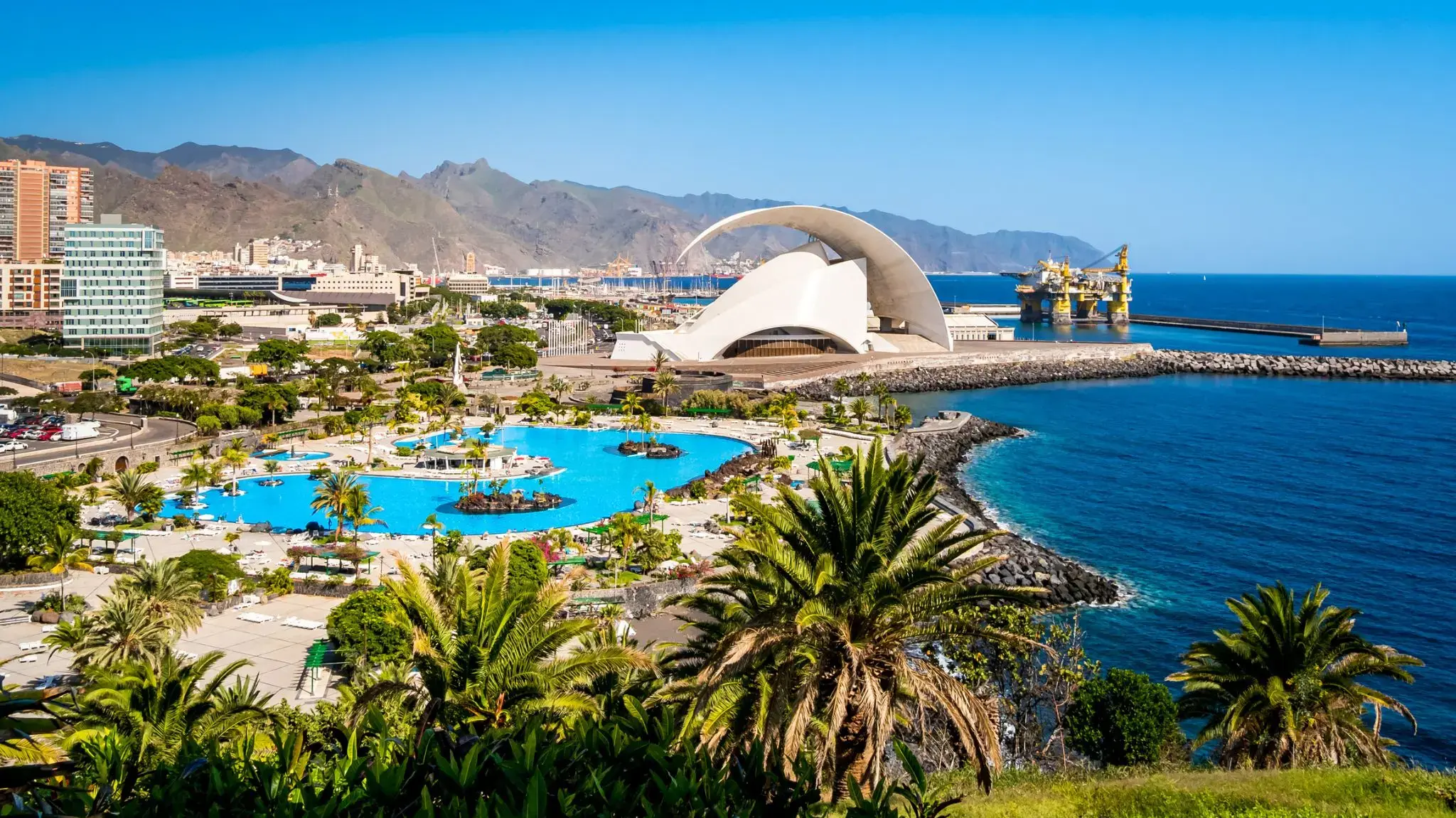
The turquoise waters of the Atlantic and the volcanic landscapes of the island create a unique atmosphere in Arrecife de Lanzarote, the capital of one of the most extraordinary Canary Islands. The city attracts travelers with its cozy harbor, whitewashed houses in traditional style, and the artistic legacy of César Manrique – the architect who gave life to Lanzarote by blending nature with creativity.
In Arrecife de Lanzarote, you can stroll along the promenade to the historic San Gabriel Castle, visit the La Recova market, and enjoy the freshest seafood overlooking the bay. This destination is ideal both for a peaceful beach holiday and for discovering the volcanic scenery of Timanfaya National Park, just a 30-minute drive away.
Barcelona is a city in Spain. It is the capital and largest city of Catalonia, as well as the second most populous municipality of Spain. With a population of 1.6 million within city limits, its urban area extends to numerous neighbouring municipalities within the Province of Barcelona and is home to around 4.8 million people, making it the sixth most populous urban area in the European Union after Paris, London, Madrid, the Ruhr area and Milan. It is one of the largest metropolises on the Mediterranean Sea, located on the coast between the mouths of the rivers Llobregat and Besòs, and bounded to the west by the Serra de Collserola mountain range, the tallest peak of which is 512 metres (1,680 feet) high.
Founded as a Roman city, in the Middle Ages Barcelona became the capital of the County of Barcelona. After merging with the Kingdom of Aragon, Barcelona continued to be an important city in the Crown of Aragon as an economic and administrative centre of this Crown and the capital of the Principality of Catalonia. Barcelona has a rich cultural heritage and is today an important cultural centre and a major tourist destination. Particularly renowned are the architectural works of Antoni Gaudí and Lluís Domènech i Montaner, which have been designated UNESCO World Heritage Sites. The headquarters of the Union for the Mediterranean are located in Barcelona. The city is known for hosting the 1992 Summer Olympics as well as world-class conferences and expositions and also many international sport tournaments.
Barcelona is one of the world's leading tourist, economic, trade fair and cultural centres, and its influence in commerce, education, entertainment, media, fashion, science, and the arts all contribute to its status as one of the world's major global cities. It is a major cultural and economic centre in southwestern Europe, 24th in the world (before Zürich, after Frankfurt) and a financial centre. In 2008 it was the fourth most economically powerful city by GDP in the European Union and 35th in the world with GDP amounting to €177 billion. In 2012 Barcelona had a GDP of $170 billion; and it was leading Spain in employment rate in that moment.
In 2009 the city was ranked Europe's third and one of the world's most successful as a city brand. In the same year the city was ranked Europe's fourth best city for business and fastest improving European city, with growth improved by 17% per year, and the city has been experiencing strong and renewed growth for the past three years. Since 2011 Barcelona has been a leading smart city in Europe. Barcelona is a transport hub, with the Port of Barcelona being one of Europe's principal seaports and busiest European passenger port, an international airport, Barcelona–El Prat Airport, which handles over 50 million passengers per year, an extensive motorway network, and a high-speed rail line with a link to France and the rest of Europe.
Marseille is the second-largest city of France. The main city of the historical province of Provence, it nowadays is the prefecture of the department of Bouches-du-Rhône and region of Provence-Alpes-Côte d'Azur. It is located on France's south coast near the mouth of the Rhône river. The city covers an area of 241 km2 (93 sq mi) and had a population of 852,516 in 2012. Its metropolitan area, which extends over 3,173 km2 (1,225 sq mi) is the third-largest in France after Paris and Lyon, with a population of 1,831,500 as of 2010.
Known to the ancient Greeks and Romans as Massalia, Marseille was an important European trading centre and remains the main commercial port of the French Republic. Marseille is now France's largest city on the Mediterranean coast and the largest port for commerce, freight and cruise ships. The city was European Capital of Culture in 2013 and European Capital of Sport in 2017; it hosted matches at the 1998 World Cup and Euro 2016. It is home to Aix-Marseille University.
Genoa is the capital of the Italian region of Liguria and the sixth-largest city in Italy. In 2015, 594,733 people lived within the city's administrative limits. As of the 2011 Italian census, the Province of Genoa, which in 2015 became the Metropolitan City of Genoa, counted 855,834 resident persons. Over 1.5 million people live in the wider metropolitan area stretching along the Italian Riviera.
Located on the Gulf of Genoa in the Ligurian Sea, Genoa has historically been one of the most important ports on the Mediterranean: it is currently the busiest in Italy and in the Mediterranean Sea and twelfth-busiest in the European Union. Genoa has been nicknamed la Superba ("the proud one") due to its glorious past and impressive landmarks. Part of the old town of Genoa was inscribed on the World Heritage List (UNESCO) in 2006 as Genoa: Le Strade Nuove and the system of the Palazzi dei Rolli. The city's rich cultural history in art, music and cuisine allowed it to become the 2004 European Capital of Culture. It is the birthplace of Christopher Columbus, Andrea Doria, Niccolò Paganini, Giuseppe Mazzini, Renzo Piano and Grimaldo Canella, founder of the House of Grimaldi, among others.
Genoa, which forms the southern corner of the Milan-Turin-Genoa industrial triangle of Northwest Italy, is one of the country's major economic centers. The city has hosted massive shipyards and steelworks since the 19th century, and its solid financial sector dates back to the Middle Ages. The Bank of Saint George, founded in 1407, is among the oldest in the world and has played an important role in the city's prosperity since the middle of the 15th century. Today a number of leading Italian companies are based in the city, including Fincantieri, Selex ES, Ansaldo Energia, Ansaldo STS, Edoardo Raffinerie Garrone, Piaggio Aerospace, Mediterranean Shipping Company and Costa Cruises.
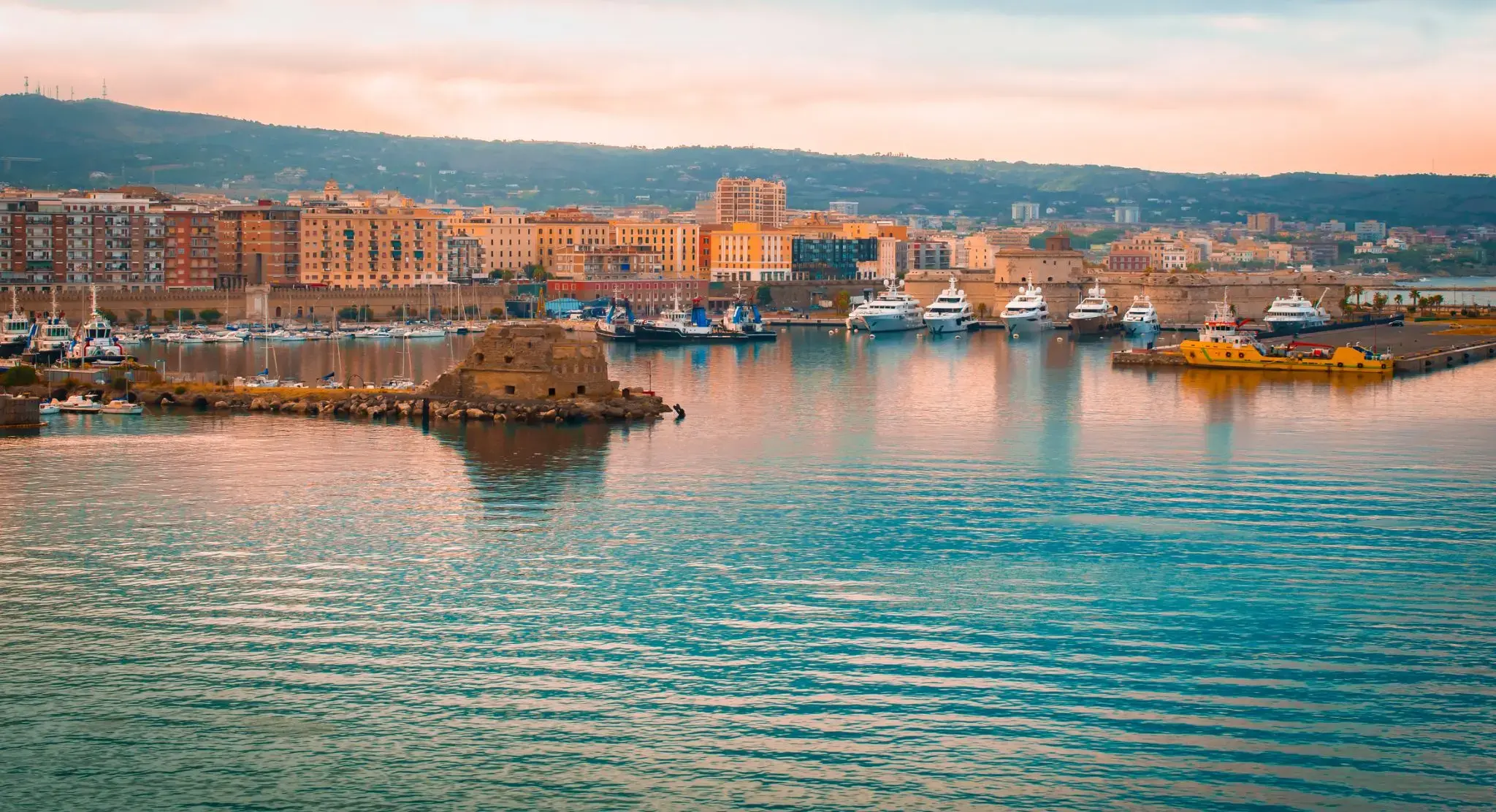
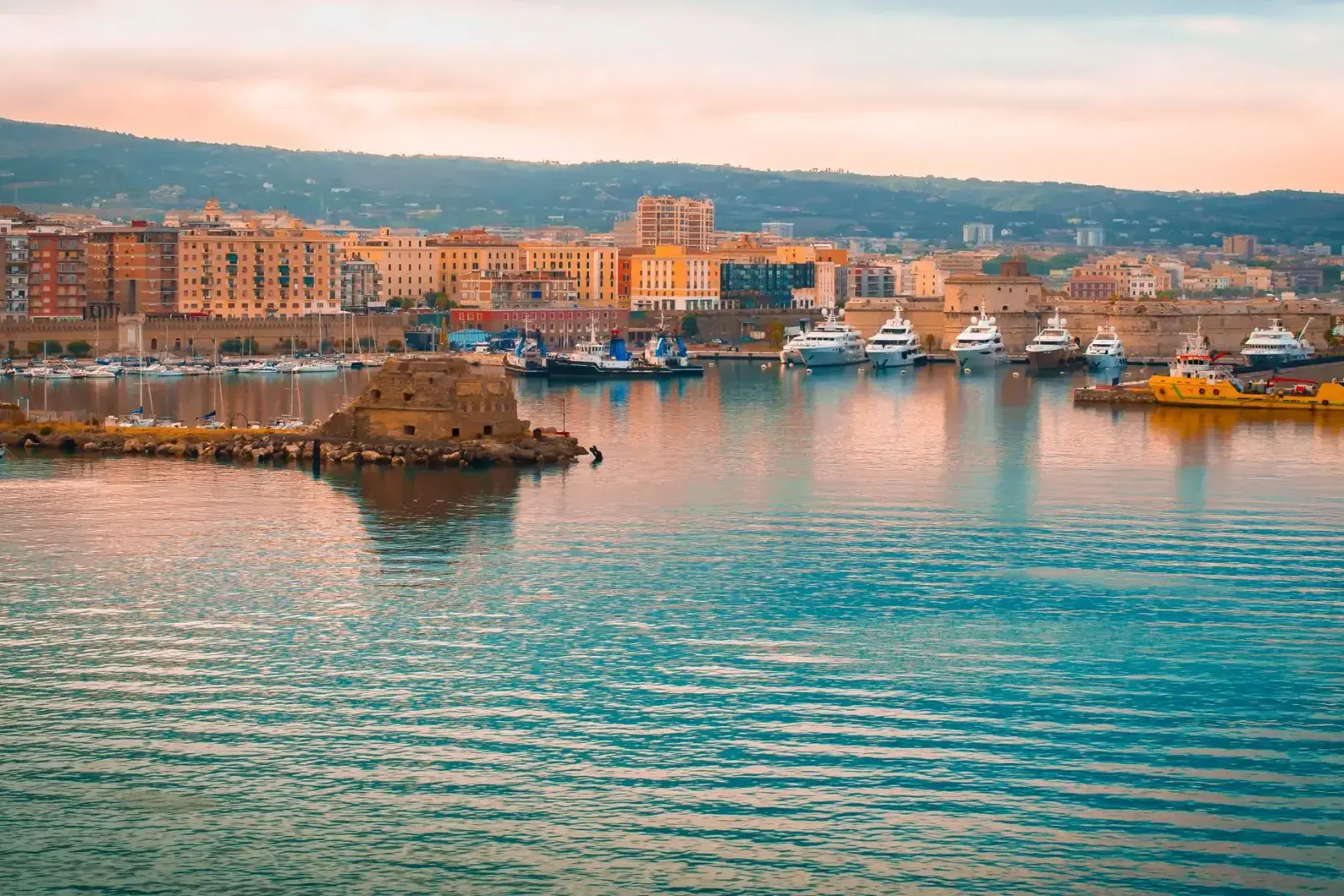
Rome is the capital city and a special comune of Italy (named Comune di Roma Capitale). Rome also serves as the capital of the Lazio region. With 2,872,800 residents in 1,285 km2(496.1 sq mi), it is also the country's most populated comune. It is the fourth-most populous city in the European Union by population within city limits. It is the centre of the Metropolitan City of Rome, which has a population of 4,355,725 residents, thus making it the most populous metropolitan city in Italy. Rome is located in the central-western portion of the Italian Peninsula, within Lazio (Latium), along the shores of the Tiber. The Vatican City (the smallest country in the world) is an independent country inside the city boundaries of Rome, the only existing example of a country within a city: for this reason Rome has been often defined as capital of two states.
Rome's history spans 28 centuries. While Roman mythology dates the founding of Rome at around 753 BC, the site has been inhabited for much longer, making it one of the oldest continuously occupied sites in Europe. The city's early population originated from a mix of Latins, Etruscans, and Sabines. Eventually, the city successively became the capital of the Roman Kingdom, the Roman Republic and the Roman Empire, and is regarded as the birthplace of Western civilization and by some as the first ever metropolis. It was first called The Eternal City (Latin: Urbs Aeterna; Italian: La Città Eterna) by the Roman poet Tibullus in the 1st century BC, and the expression was also taken up by Ovid, Virgil, and Livy. Rome is also called the "Caput Mundi" (Capital of the World). After the fall of the Western Empire, which marked the beginning of the Middle Ages, Rome slowly fell under the political control of the Papacy, which had settled in the city since the 1st century AD, until in the 8th century it became the capital of the Papal States, which lasted until 1870. Beginning with the Renaissance, almost all the popes since Nicholas V (1447–1455) pursued over four hundred years a coherent architectural and urban programme aimed at making the city the artistic and cultural centre of the world. In this way, Rome became first one of the major centres of the Italian Renaissance, and then the birthplace of both the Baroque style and Neoclassicism. Famous artists, painters, sculptors and architects made Rome the centre of their activity, creating masterpieces throughout the city. In 1871, Rome became the capital of the Kingdom of Italy, which, in 1946, became the Italian Republic.
Rome has the status of a global city. In 2016, Rome ranked as the 14th-most-visited city in the world, 3rd most visited in the European Union, and the most popular tourist attraction in Italy. Its historic centre is listed by UNESCO as a World Heritage Site. The famous Vatican Museums are among the world's most visited museums while the Colosseum was the most popular tourist attraction in world with 7.4 million visitors in 2018. Host city for the 1960 Summer Olympics, Rome is the seat of several specialized agencies of the United Nations, such as the Food and Agriculture Organization (FAO), the World Food Programme (WFP) and the International Fund for Agricultural Development (IFAD). The city also hosts the Secretariat of the Parliamentary Assembly of the Union for the Mediterranean (UfM) as well as the headquarters of many international business companies such as Eni, Enel, TIM, Leonardo S.p.A., and national and international banks such as Unicredit and BNL. Its business district, called EUR, is the base of many companies involved in the oil industry, the pharmaceutical industry, and financial services. Rome is also an important fashion and design centre thanks to renowned international brands centered in the city. Rome's Cinecittà Studios have been the set of many Academy Award–winning movies.
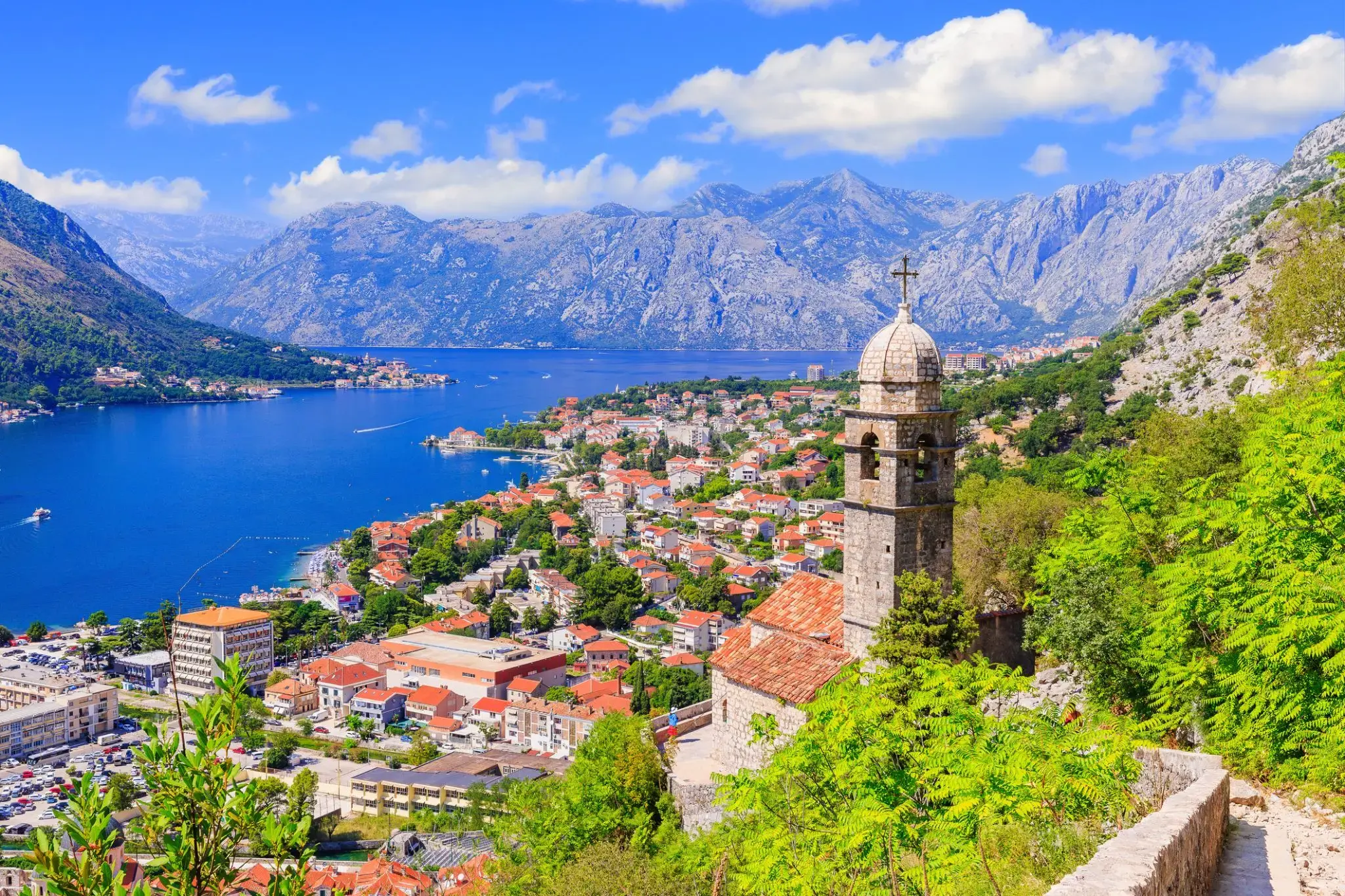
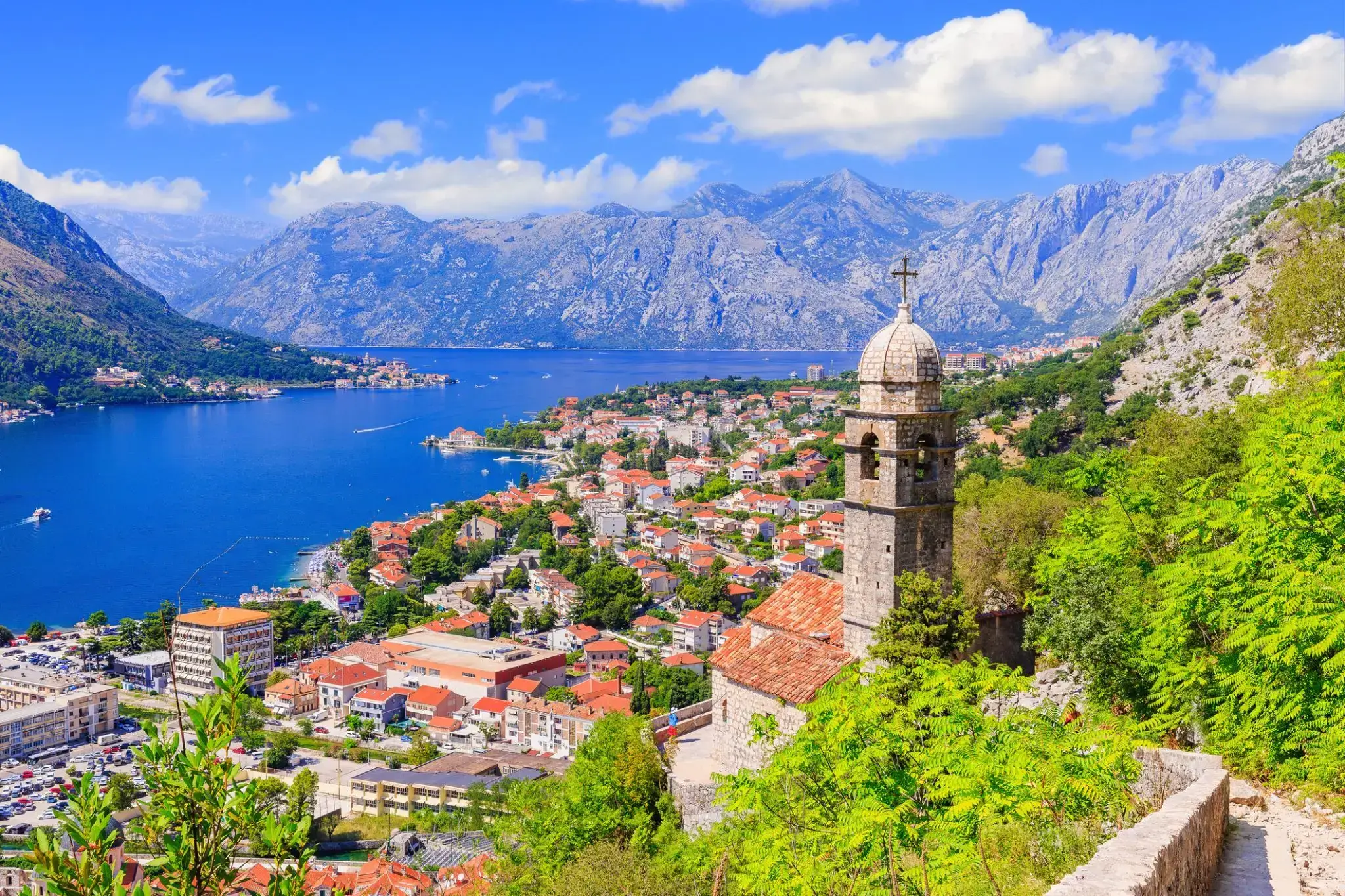
Kotor is a coastal town in Montenegro. It is located in a secluded part of the Gulf of Kotor. The city has a population of 13,510 and is the administrative center of Kotor Municipality.
The old Mediterranean port of Kotor is surrounded by fortifications built during the Venetian period. It is located on the Bay of Kotor (Boka Kotorska), one of the most indented parts of the Adriatic Sea. Some have called it the southern-most fjord in Europe, but it is a ria, a submerged river canyon. Together with the nearly overhanging limestone cliffs of Orjen and Lovćen, Kotor and its surrounding area form an impressive landscape.
Since the early 2000s Kotor has seen an increase in tourists , many of them coming by cruise ship. Visitors are attracted by the natural environment of the Gulf of Kotor and by the old town of Kotor. Kotor is part of the World Heritage Site dubbed the Natural and Culturo-Historical Region of Kotor.
The fortified city of Kotor was also included in UNESCO's World Heritage Site list as part of Venetian Works of Defence between 15th and 17th centuries: Stato da Terra – western Stato da Mar in 201
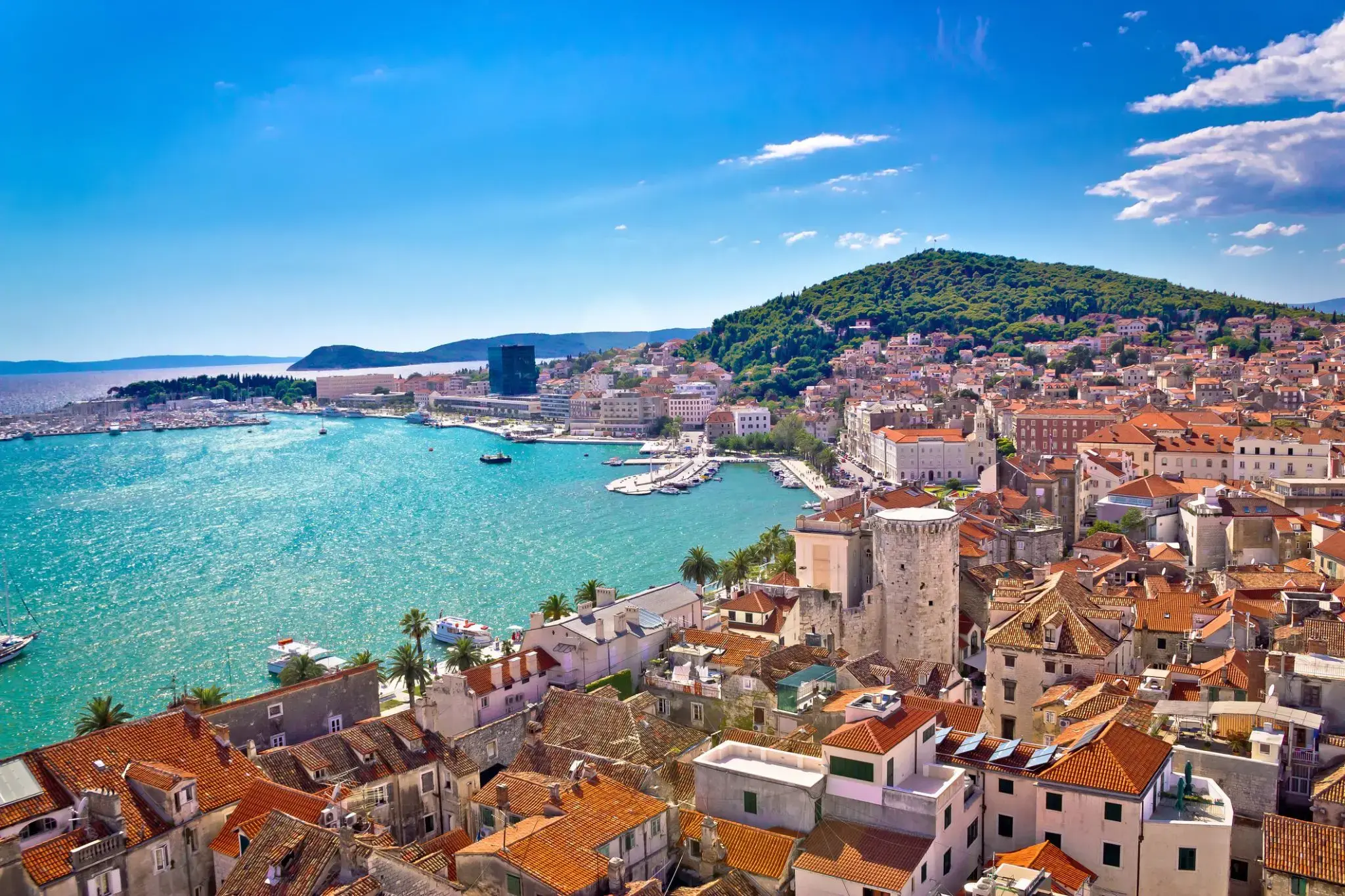
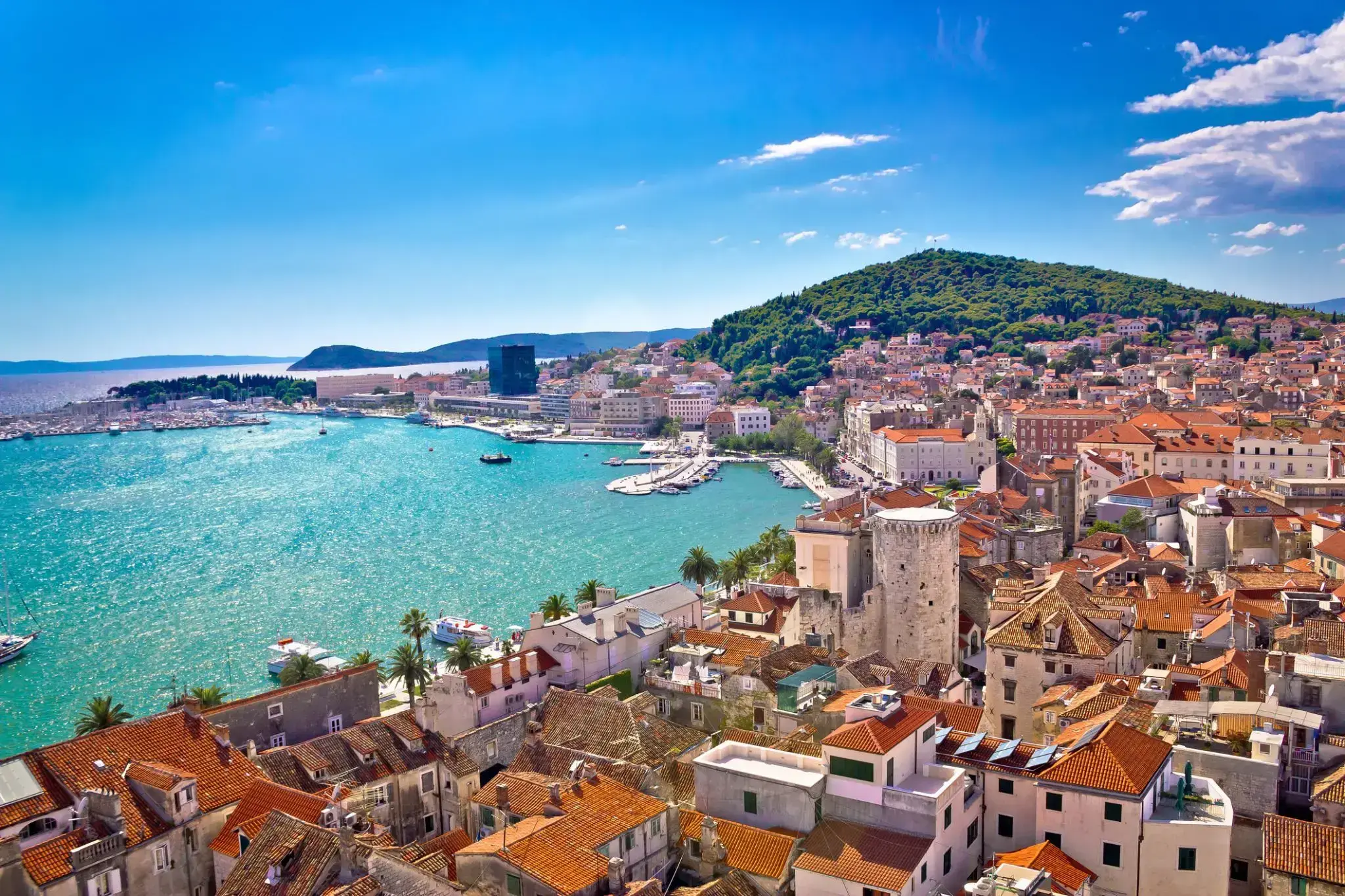
Split – the Pearl of Dalmatia
Split is Croatia’s second-largest city on the Adriatic coast. Its landmark is the Diocletian’s Palace, a UNESCO site, surrounded by narrow streets and the Cathedral of St. Domnius.
Life pulses along the Riva promenade, lined with cafés and restaurants. Nearby are beaches, including the famous Bacvice.
Split is also an important port, offering easy access to Croatian islands such as Hvar, Brač and Korčula. Its Mediterranean atmosphere and Dalmatian cuisine make it a perfect holiday destination.