| Cruise Region : Mediterranean Sea, Aegean Sea, Europe, Europe South |
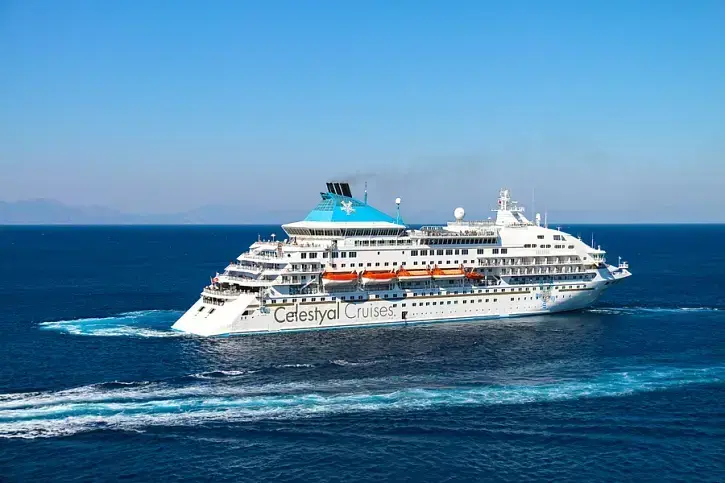
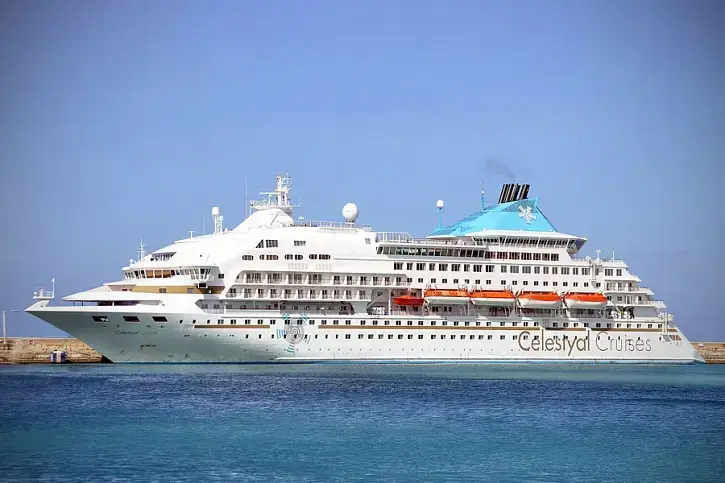
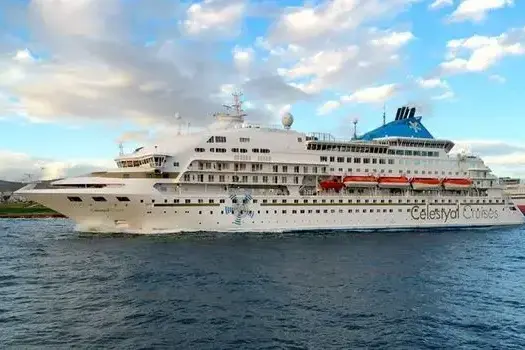
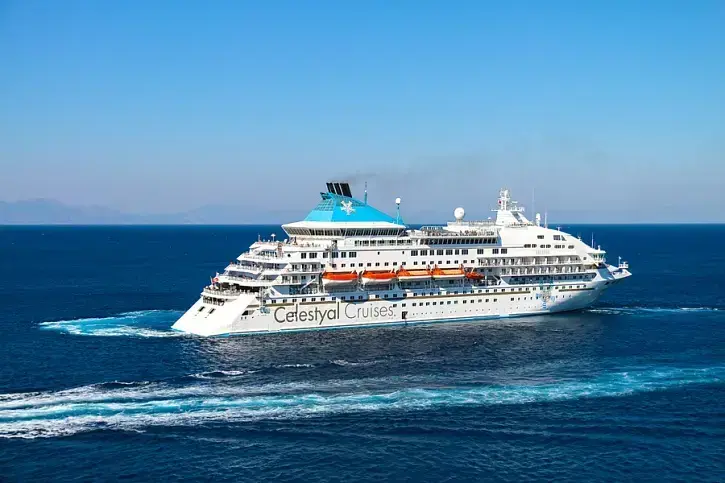
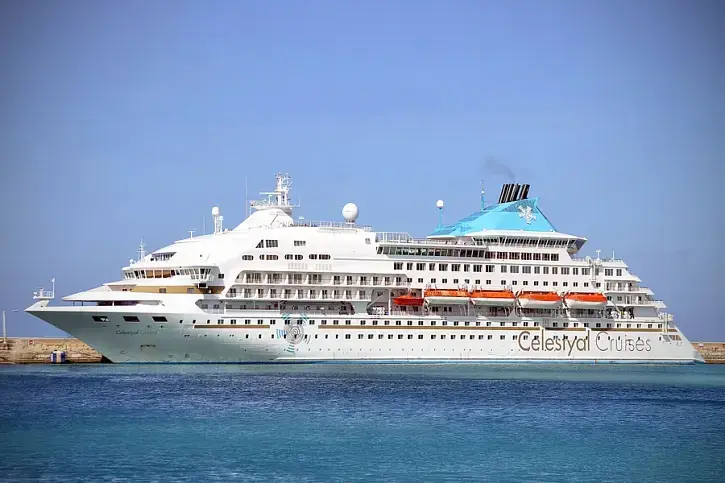
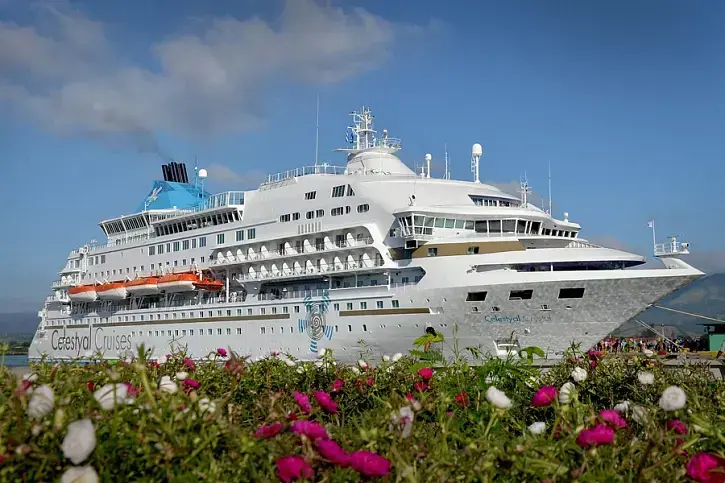
| Company : Celestyal Cruises |
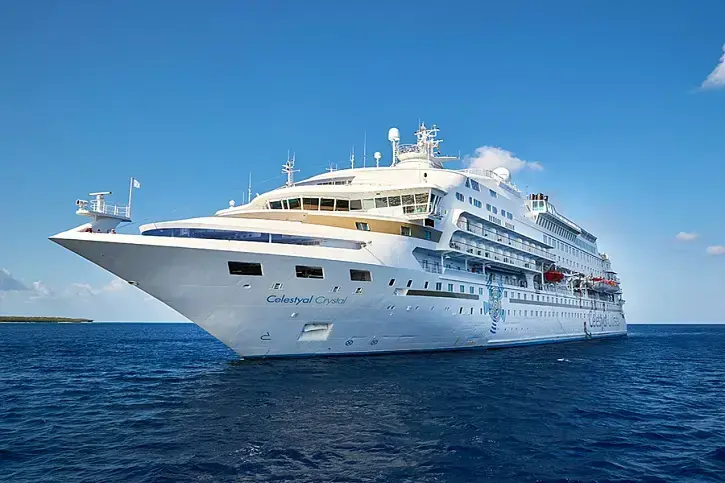
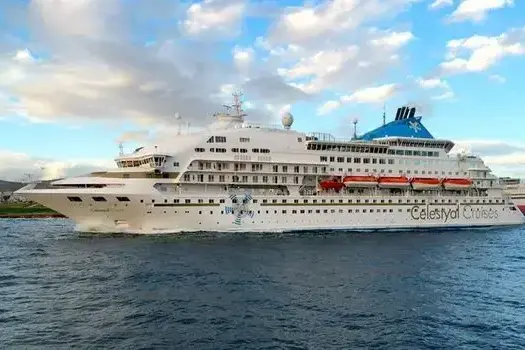
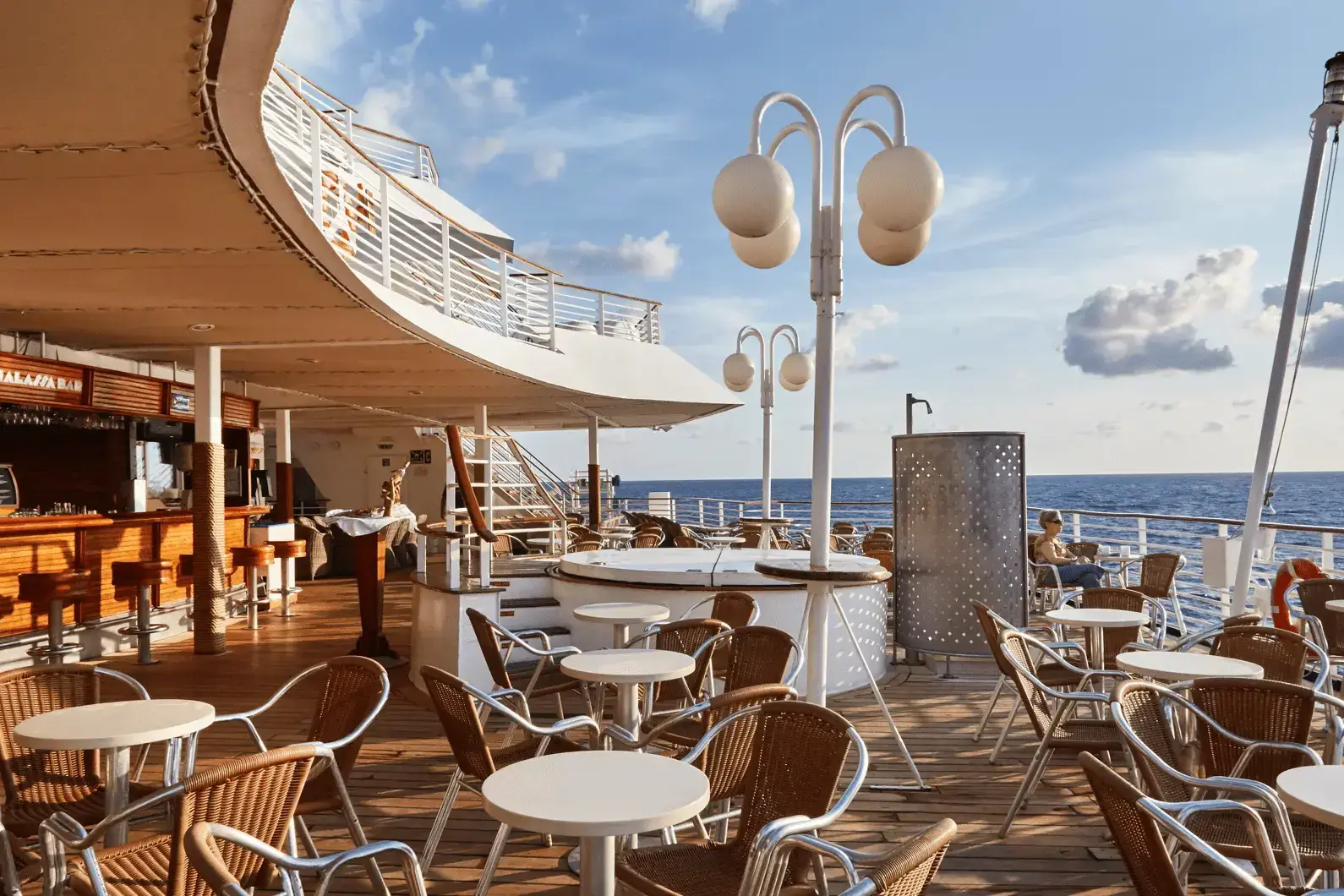
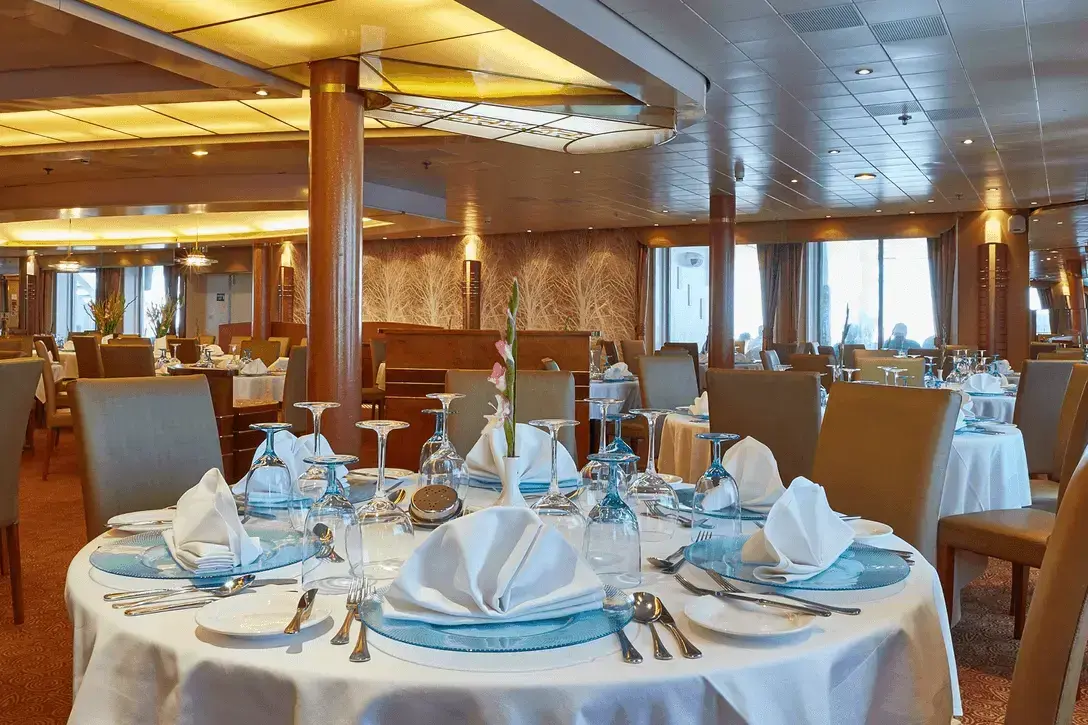
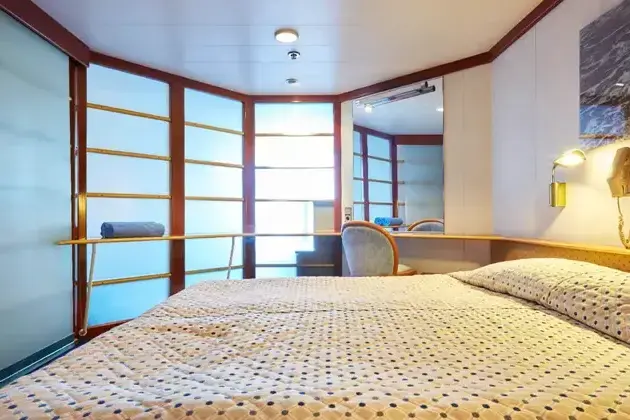
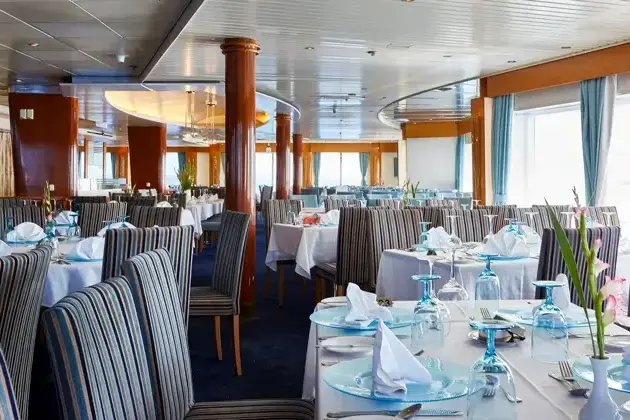
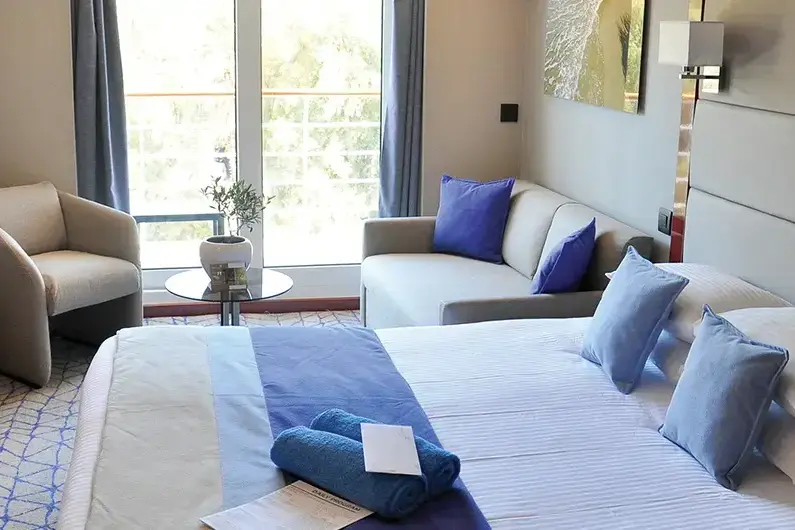
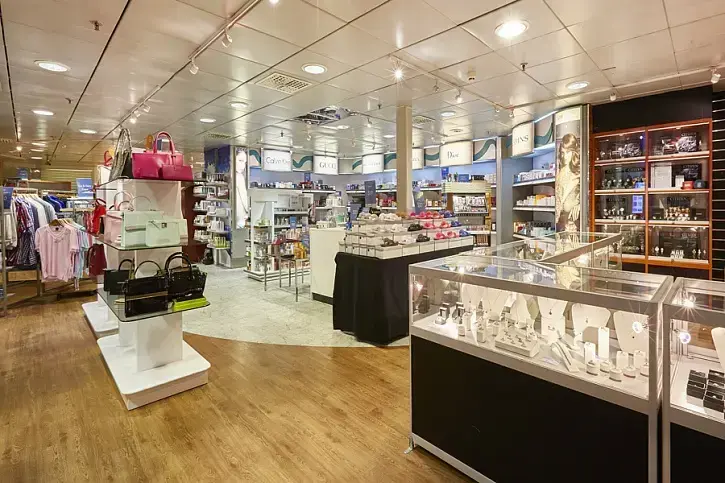
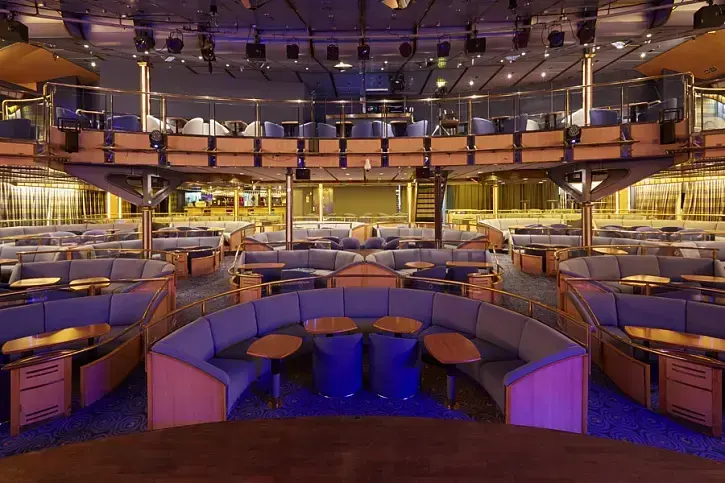
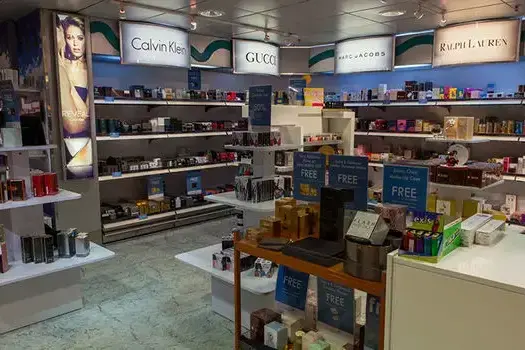
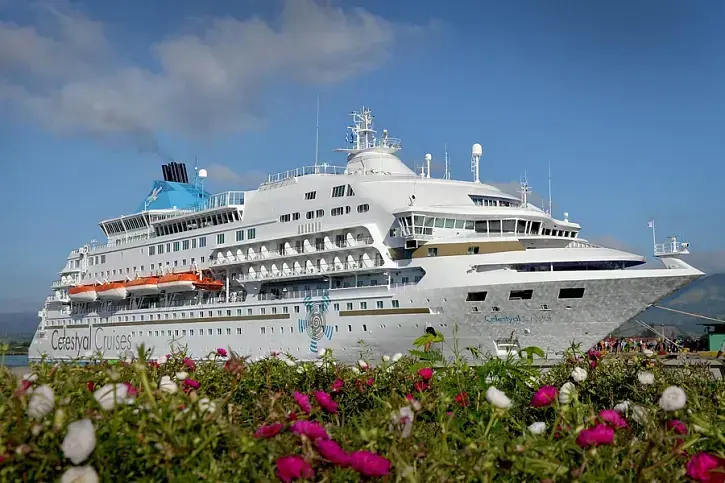
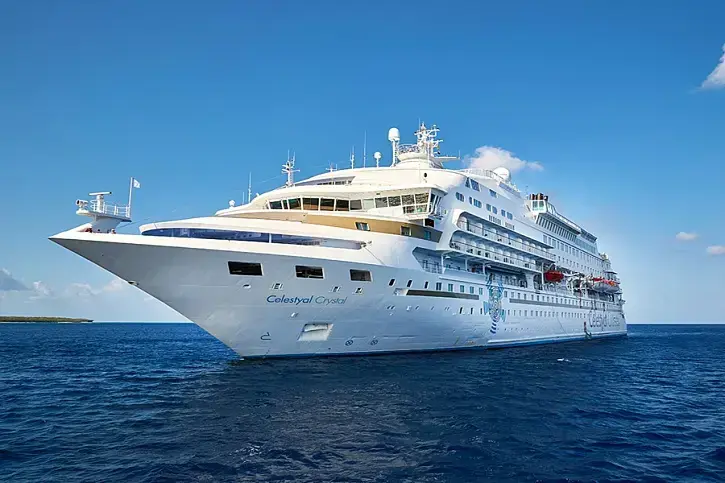
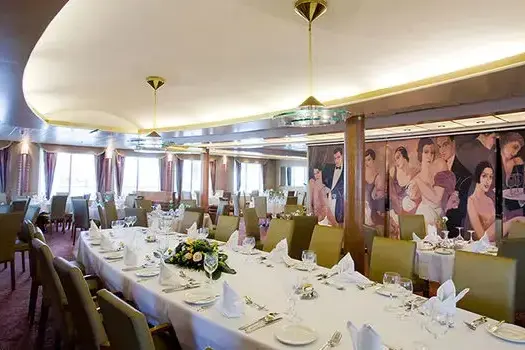
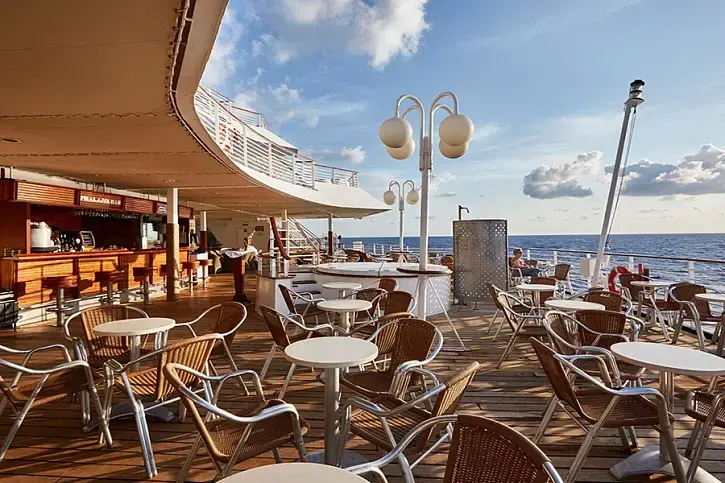
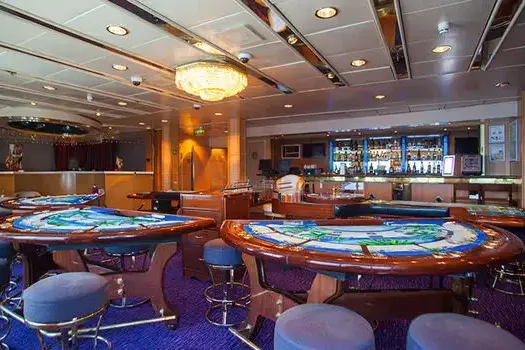
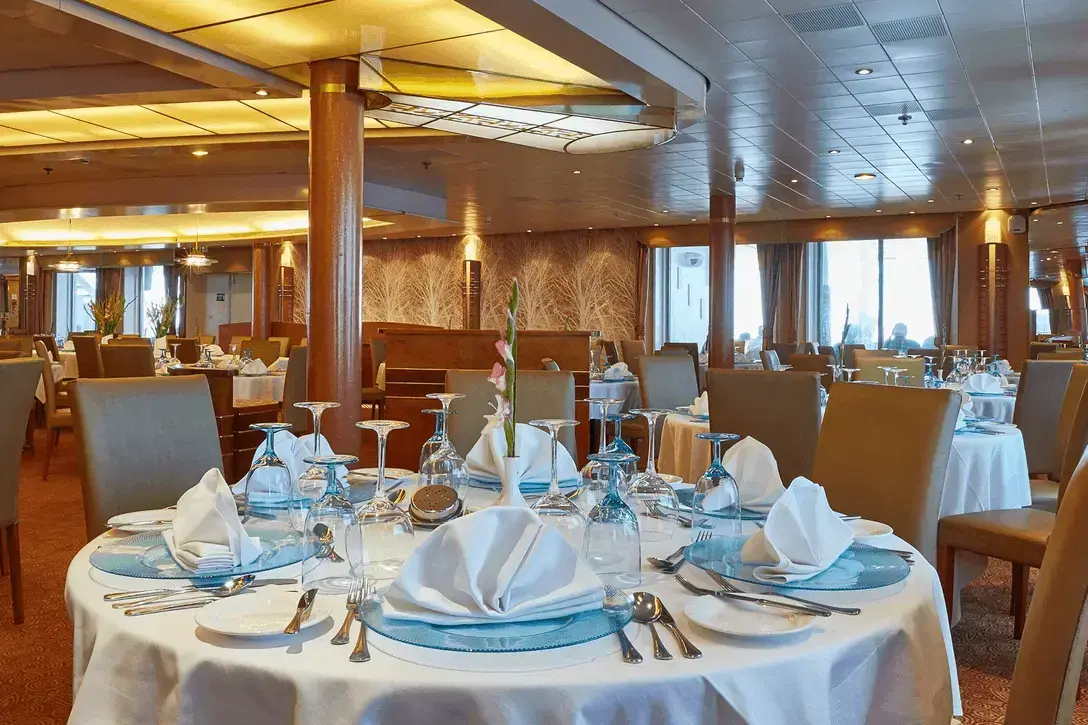
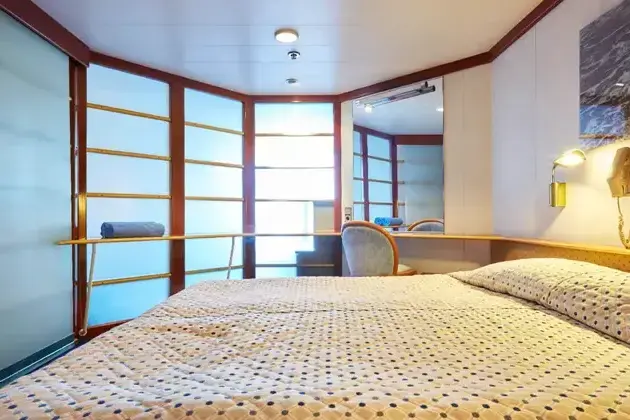
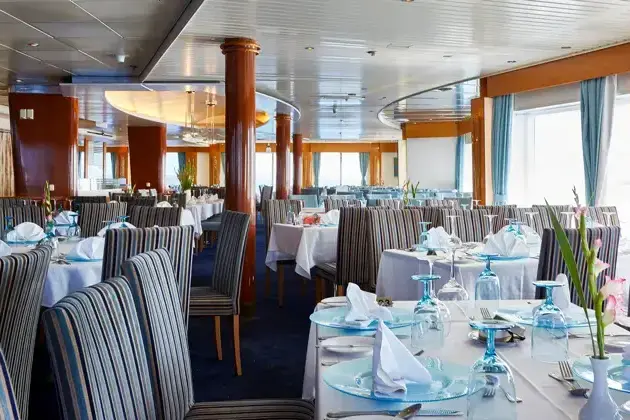
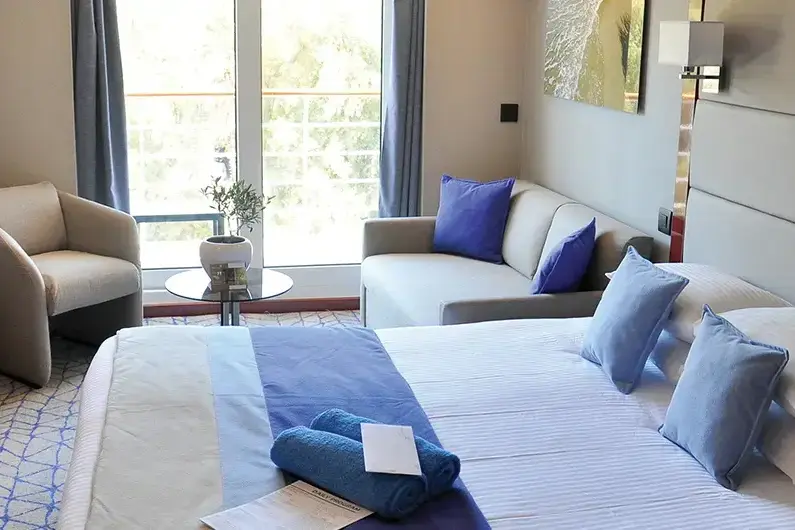
| Ship : Celestyal Crystal |
| Journey Start : Sat 04 Mar 2023 |
| Journey End : Sat 11 Mar 2023 |
| Count Nights : 7 nights |
| Day | Date | Port | Arrival | Departure |
|---|---|---|---|---|
| 1 | 4.03 Sat | Athens (Lavrion) / Greece | 15:00 | |
| 2 | 5.03 Sun | Istanbul / Turkey | 15:00 | |
| 3 | 6.03 Mon | Istanbul / Turkey | 18:00 | |
| 4 | 7.03 Tue | Kepez (Canakkale) / Turkey | 08:00 | 18:00 |
| 4 | 7.03 Tue | Kavala / Greece | 09:30 | 18:00 |
| 5 | 8.03 Wed | Thessaloniki / Greece | 09:00 | 18:30 |
| 6 | 9.03 Thu | Volos / Greece | 08:00 | 18:30 |
| 7 | 10.03 Fri | Santorini, Cyclades / Greece | 09:00 | 21:30 |
| 8 | 11.03 Sat | Athens (Lavrion) / Greece | 07:00 |
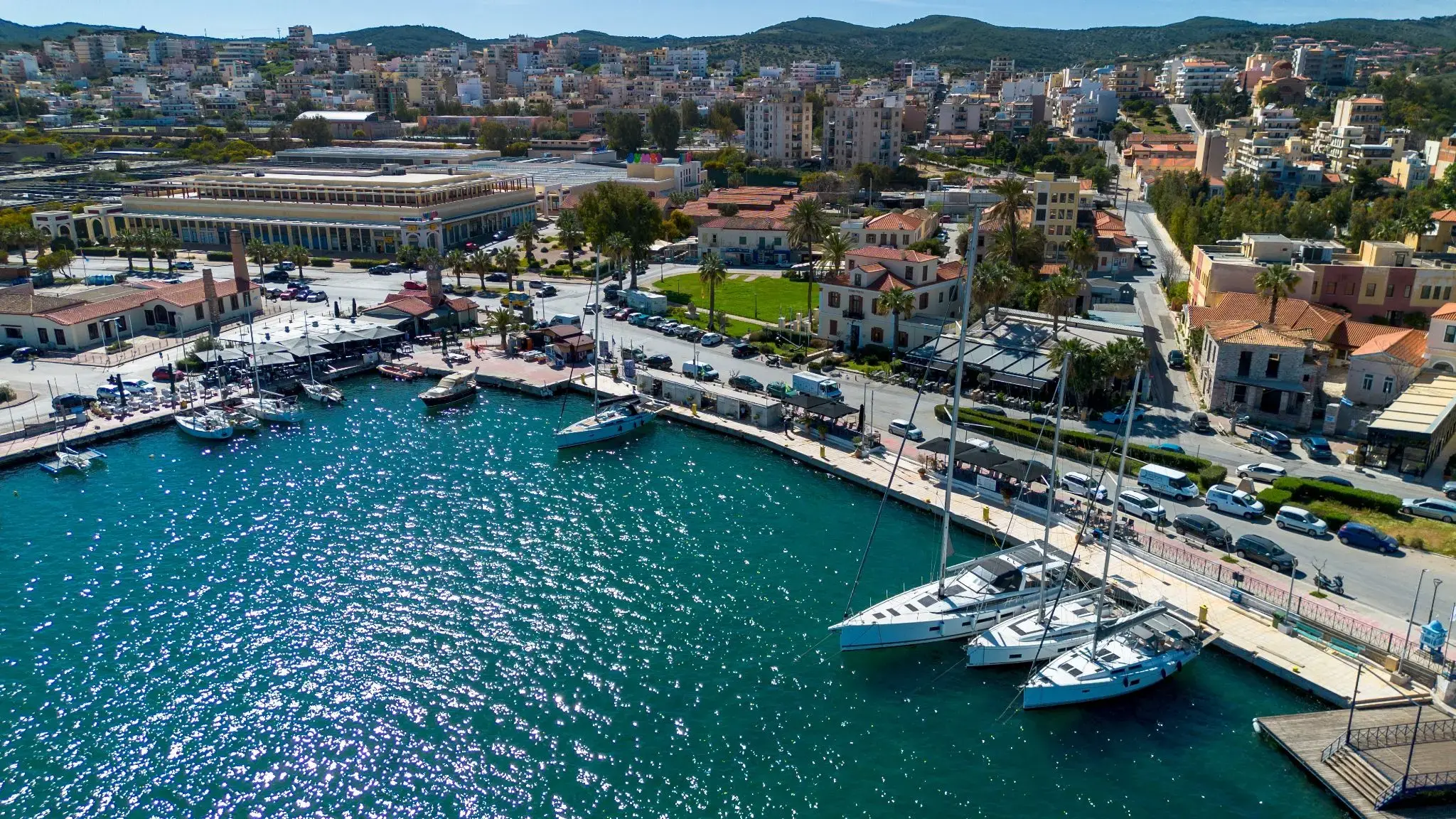
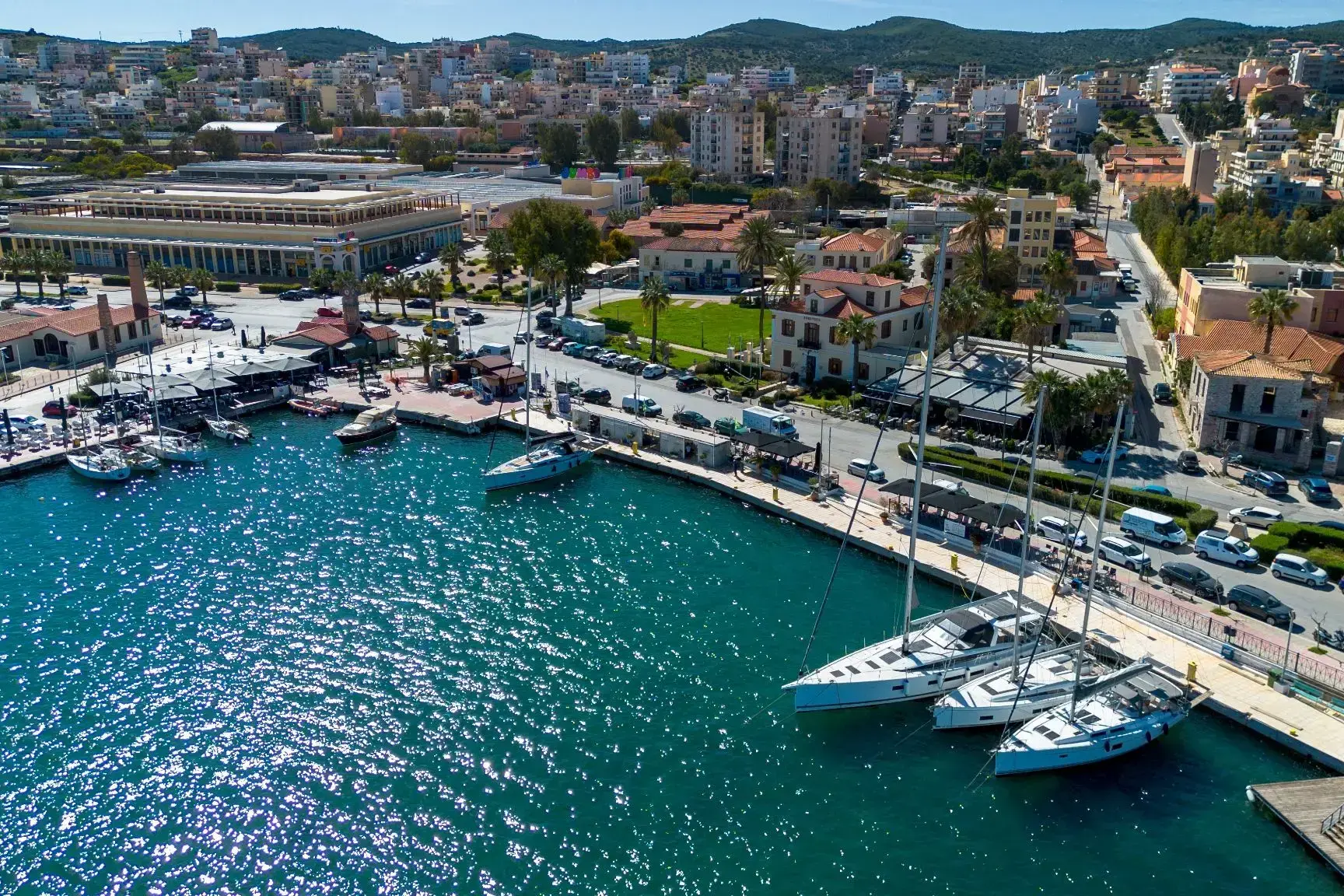
Lavrio is the prettiest of the three ports and feels like a small Greek island all its own. While port towns are often raced through by visitors heading elsewhere, if you do have to spend a day at a port, Lavrion may be the way to go. It has a small Archaeological Museum and an interesting Mineralogical Museum, where the local mining heritage is shown off. Just for good measure, it also boasts a giant "Mystery Hole", a geological feature which seems like a giant bubble formed at the top of a hill and then popped, leaving a two-hundred-foot deep, somewhat rounded pit.Its origins are still being debated; some believe it was the result of a meteorite impact.
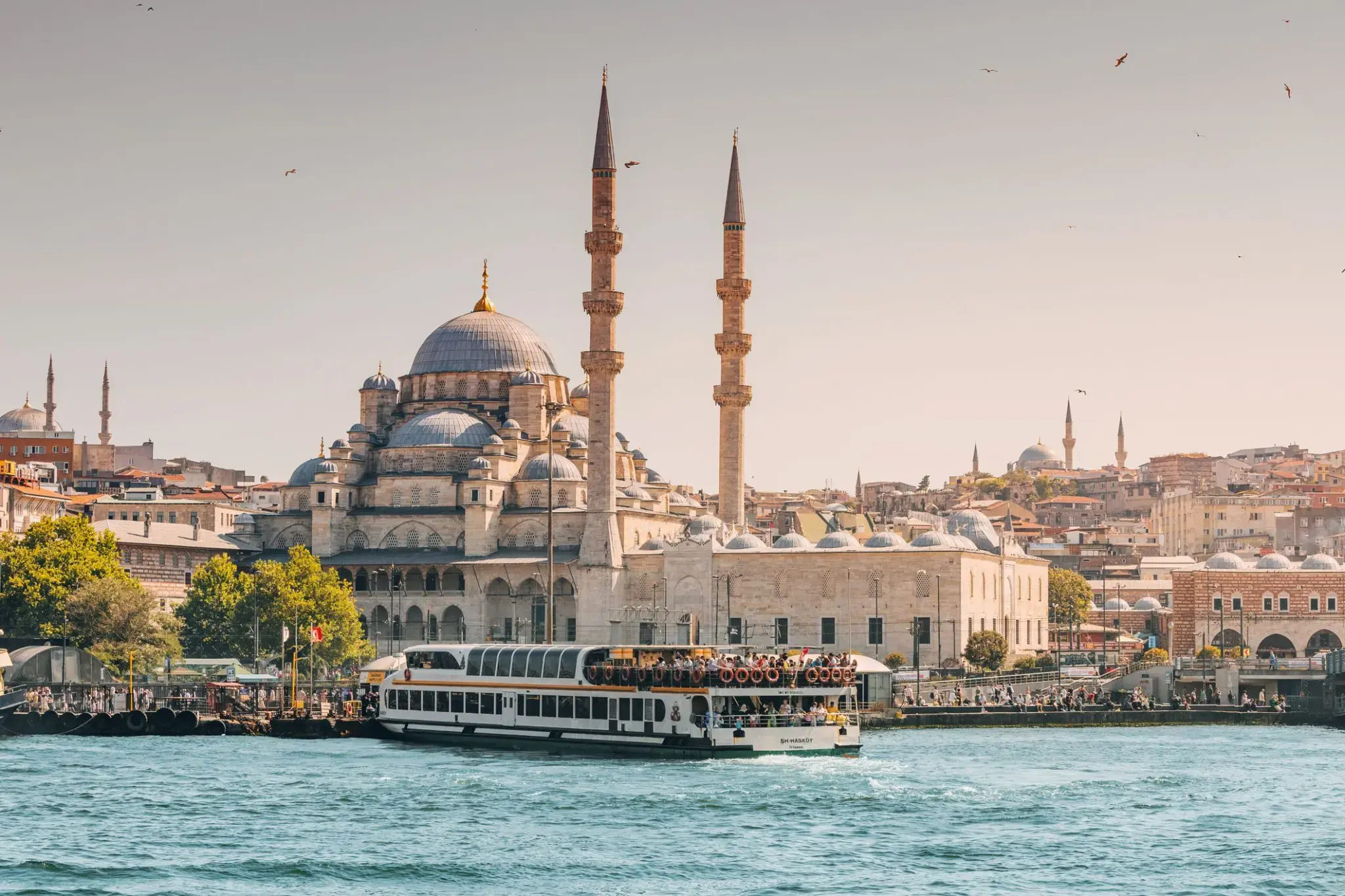
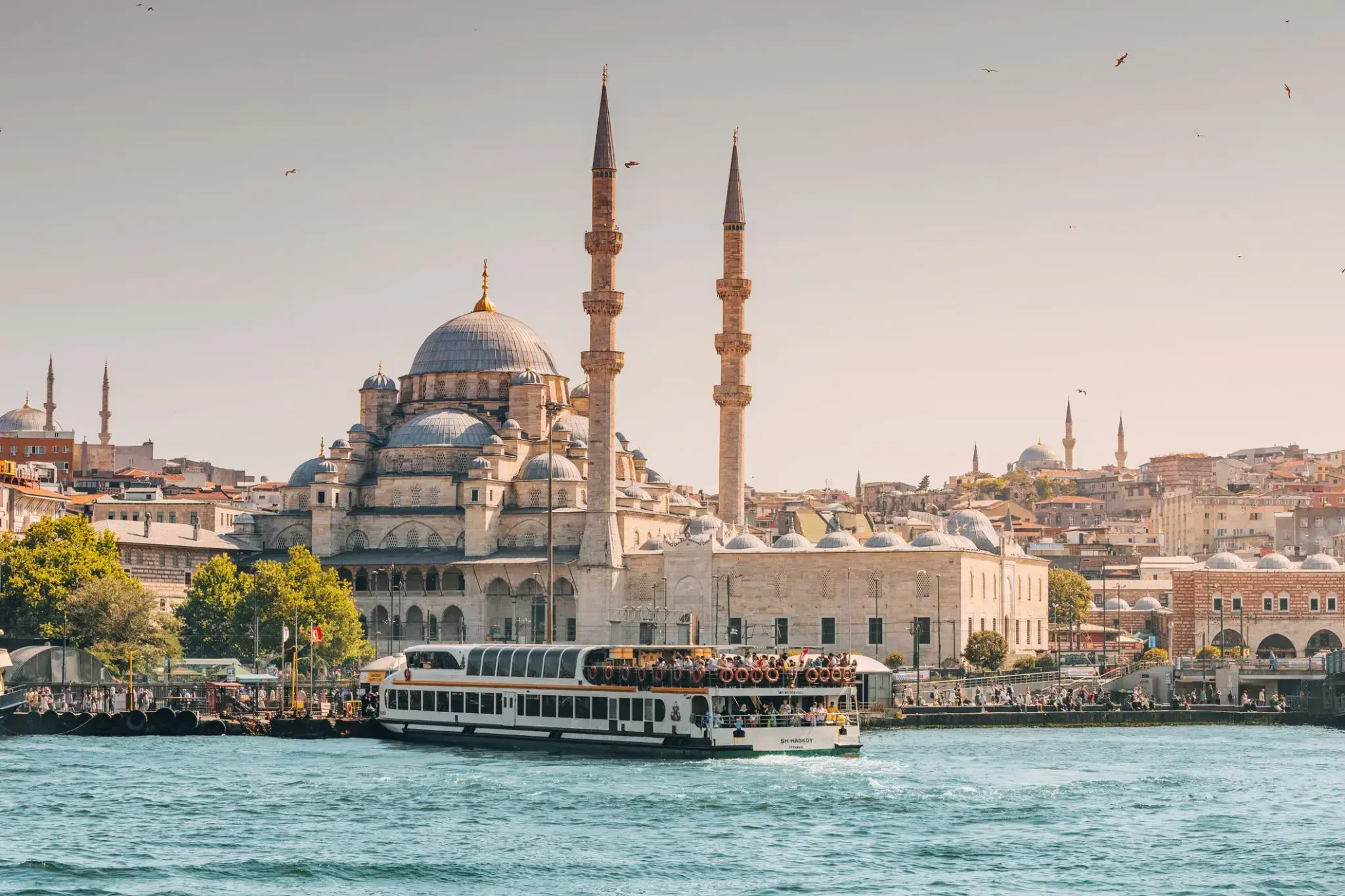
Istanbul – the largest city in Turkey, located on the Bosphorus. Until 1930 it was known as Constantinople and served as the capital of the Roman, Byzantine, Latin and Ottoman Empires. The city and its surroundings preserve monuments of ancient civilizations, including temples, palaces and fortifications. Today Istanbul is an important cultural, commercial and industrial hub. Tourists come not only to admire its historic landmarks, but also to shop at world-famous Turkish bazaars, where you can buy spices, jewelry, antiques, colorful hookahs and bargain like a local.
Istanbul – the largest city in Turkey, located on the Bosphorus. Until 1930 it was known as Constantinople and served as the capital of the Roman, Byzantine, Latin and Ottoman Empires. The city and its surroundings preserve monuments of ancient civilizations, including temples, palaces and fortifications. Today Istanbul is an important cultural, commercial and industrial hub. Tourists come not only to admire its historic landmarks, but also to shop at world-famous Turkish bazaars, where you can buy spices, jewelry, antiques, colorful hookahs and bargain like a local.
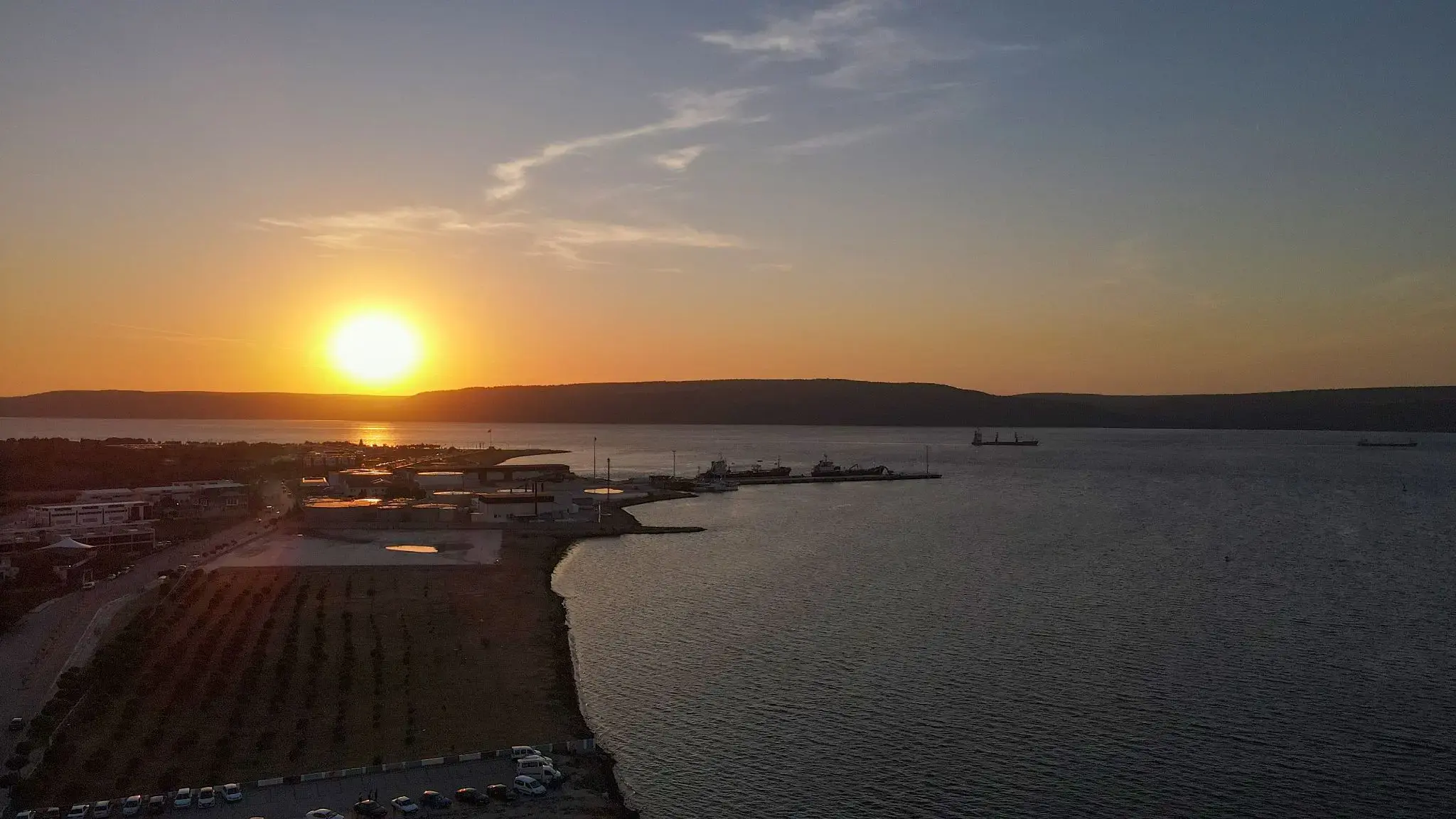
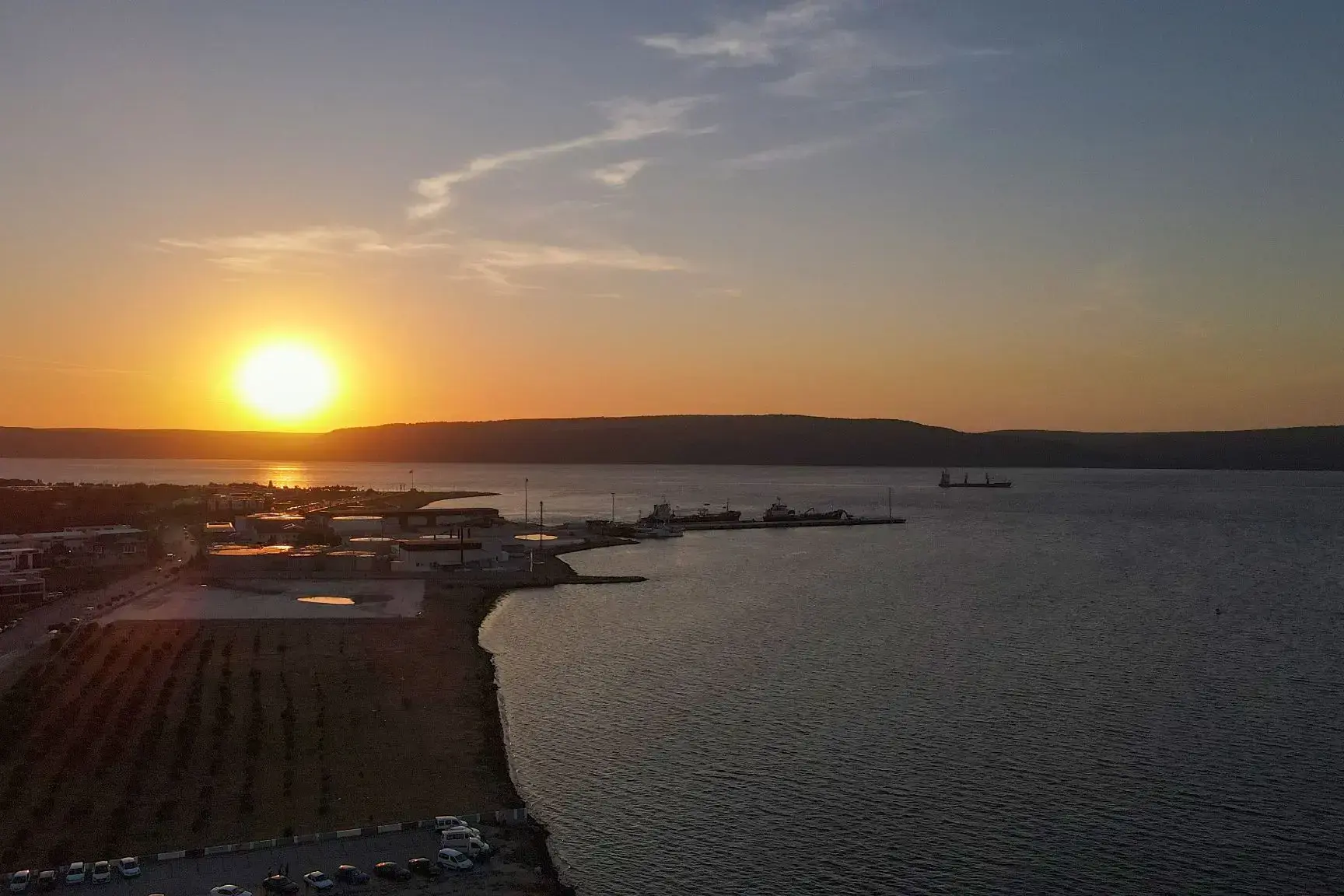
Kepez is a coastal town in the province of Çanakkale, Turkey, located 3 km from the city center of Çanakkale. As of 2010, the town had a population of 11,744. To the south of Kepez was the ancient city of Dardanos. North of Dardanos lies the Dardanos Tumulus, where in late 1959, an entrance to a monumental tomb was accidentally discovered and excavated. The tomb, built from finely carved stone blocks, consists of a 5.20-meter-long covered dromos, an antechamber, and a burial chamber.
Çanakkale, which translates as "fortress of potters," became known for its pottery craft. Its strategic location on the shore of the Dardanelles Strait earned it the name "Gateway to the Aegean Coast" — according to legend, this is where Alexander the Great crossed, followed centuries later by the conquering army of the Ottomans.
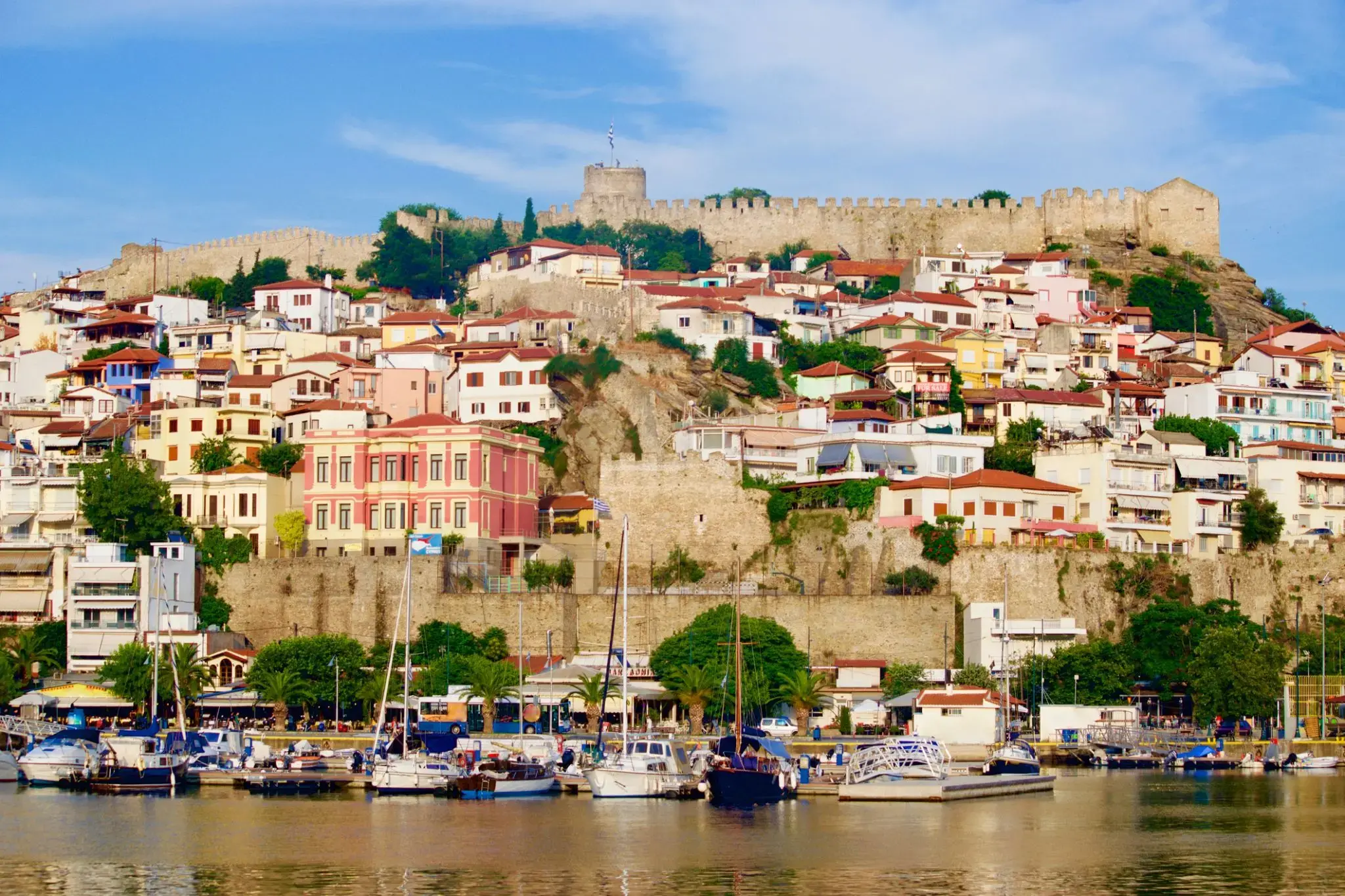
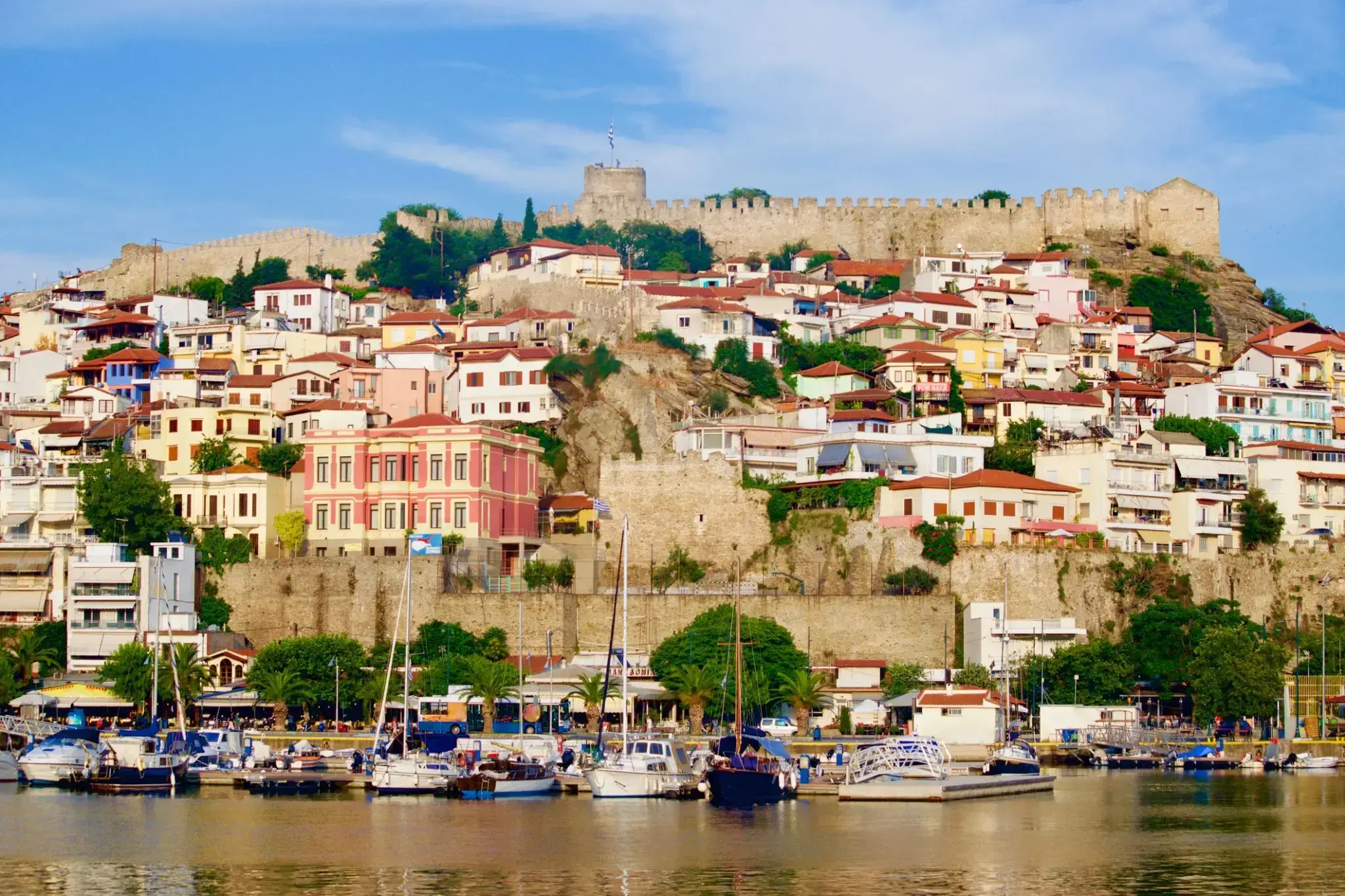
Kavala is a large, picturesque Greek city on the shores of the Aegean Sea. From a bird's-eye view, it appears as if the blue waters are framed by a marble amphitheater – that's how the cozy houses of Kavala's residents are situated. Natural beauty and architectural elegance – all this awaits you in this amazing corner of the birthplace of the Olympic Games.
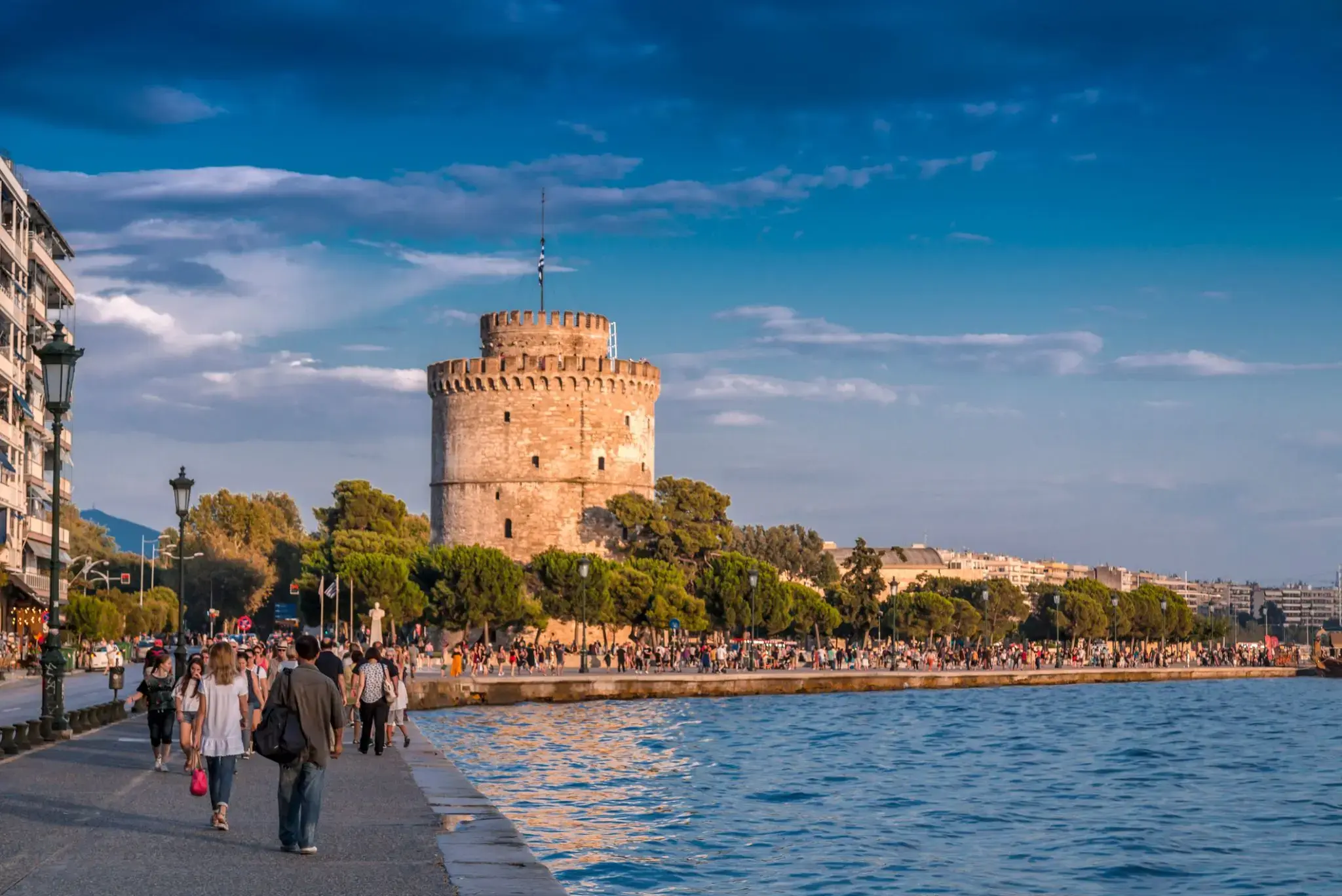
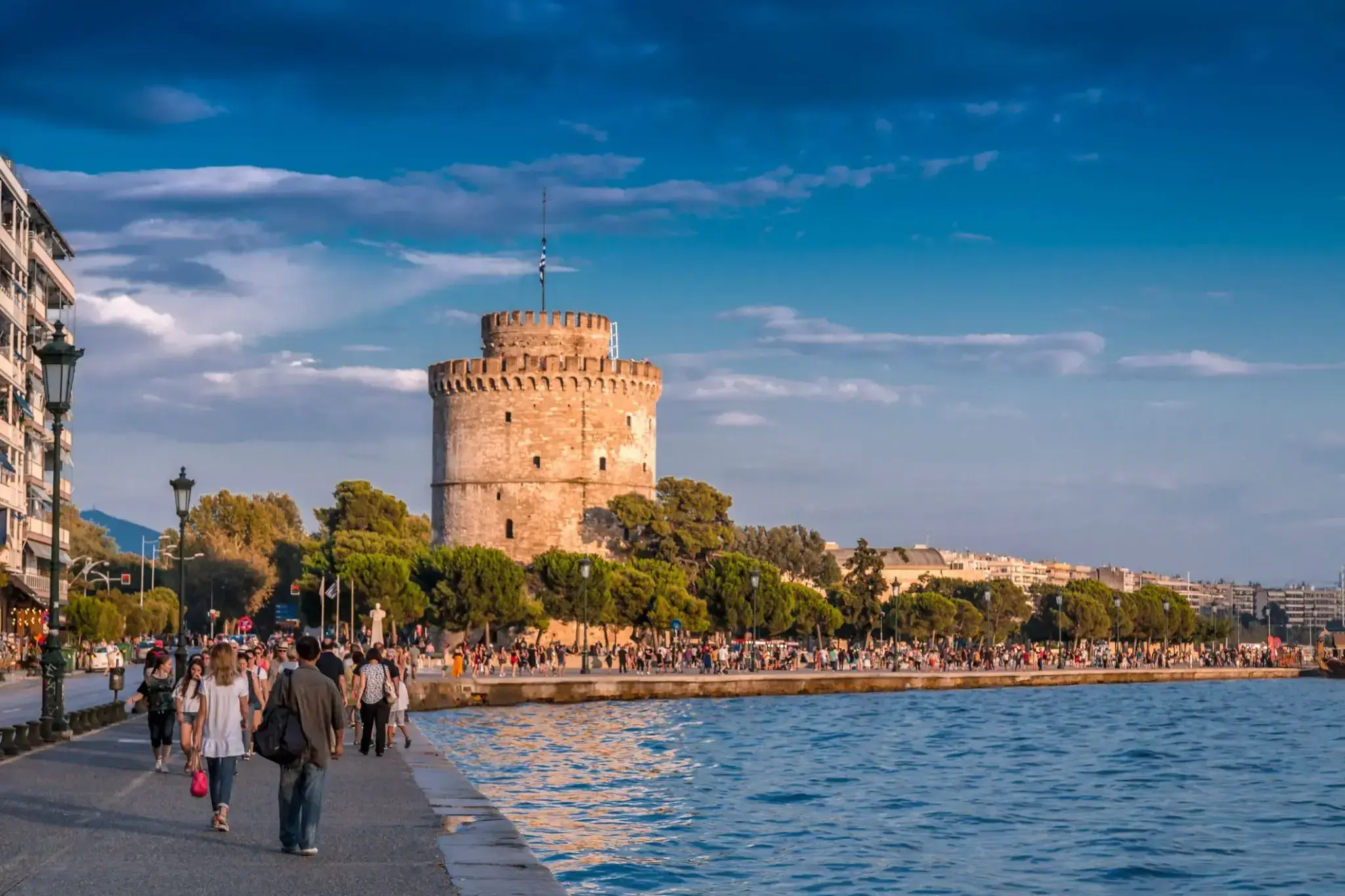
The second-largest city in Greece and the capital of Central Macedonia, Thessaloniki (more correctly in Greek, "Thessaloniki"), is today the cultural capital of the country: the city is known for its festivals and events. Moreover, it is also a city with over 3,000 years of history, where traces of the Roman, Byzantine, and Ottoman empires, as well as the once-dominant Jewish population, have been preserved. The old city center, located north of the modern center, miraculously 1 survived the great fire of 1917. 2 It is now a UNESCO World Heritage.
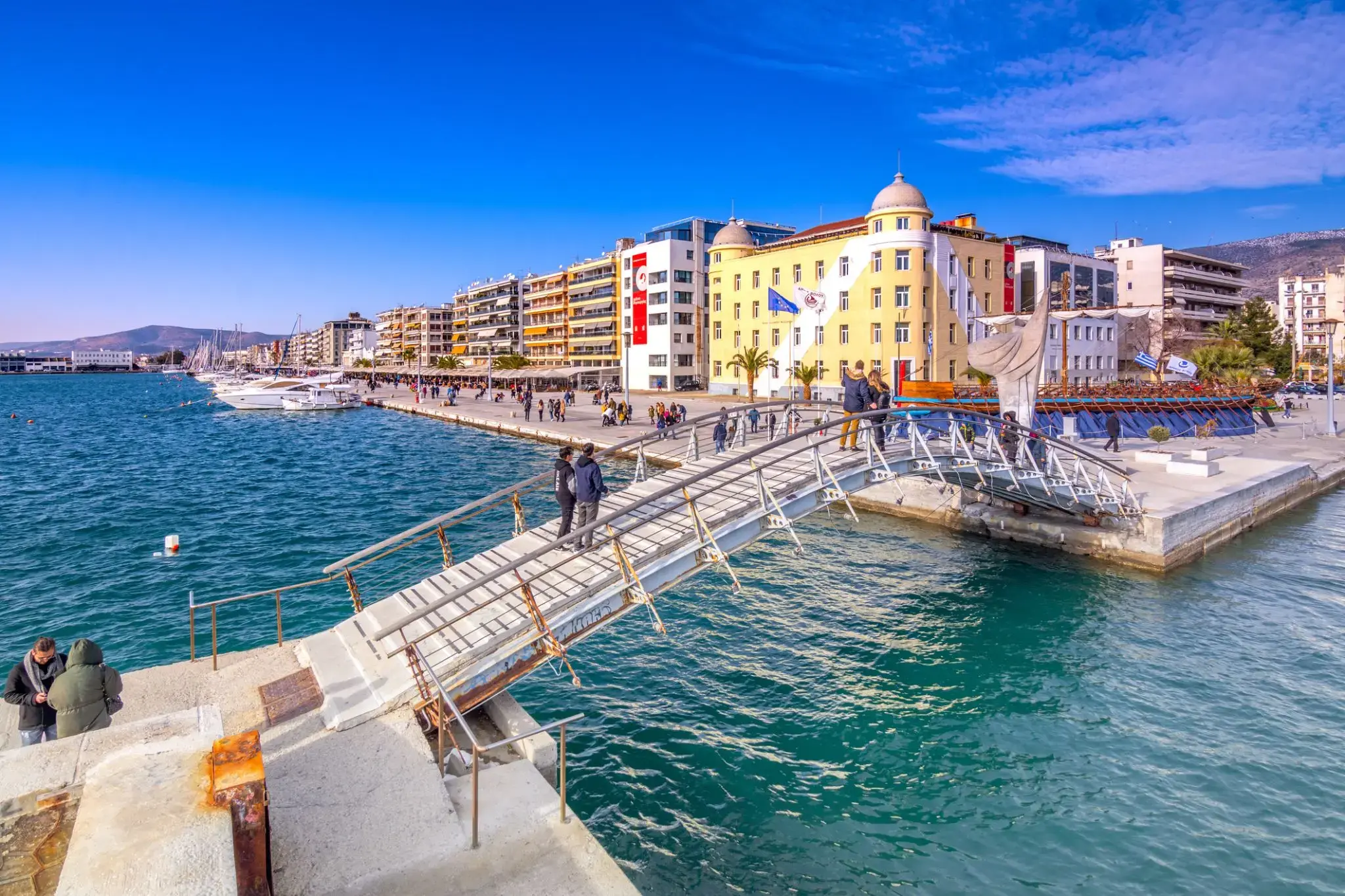
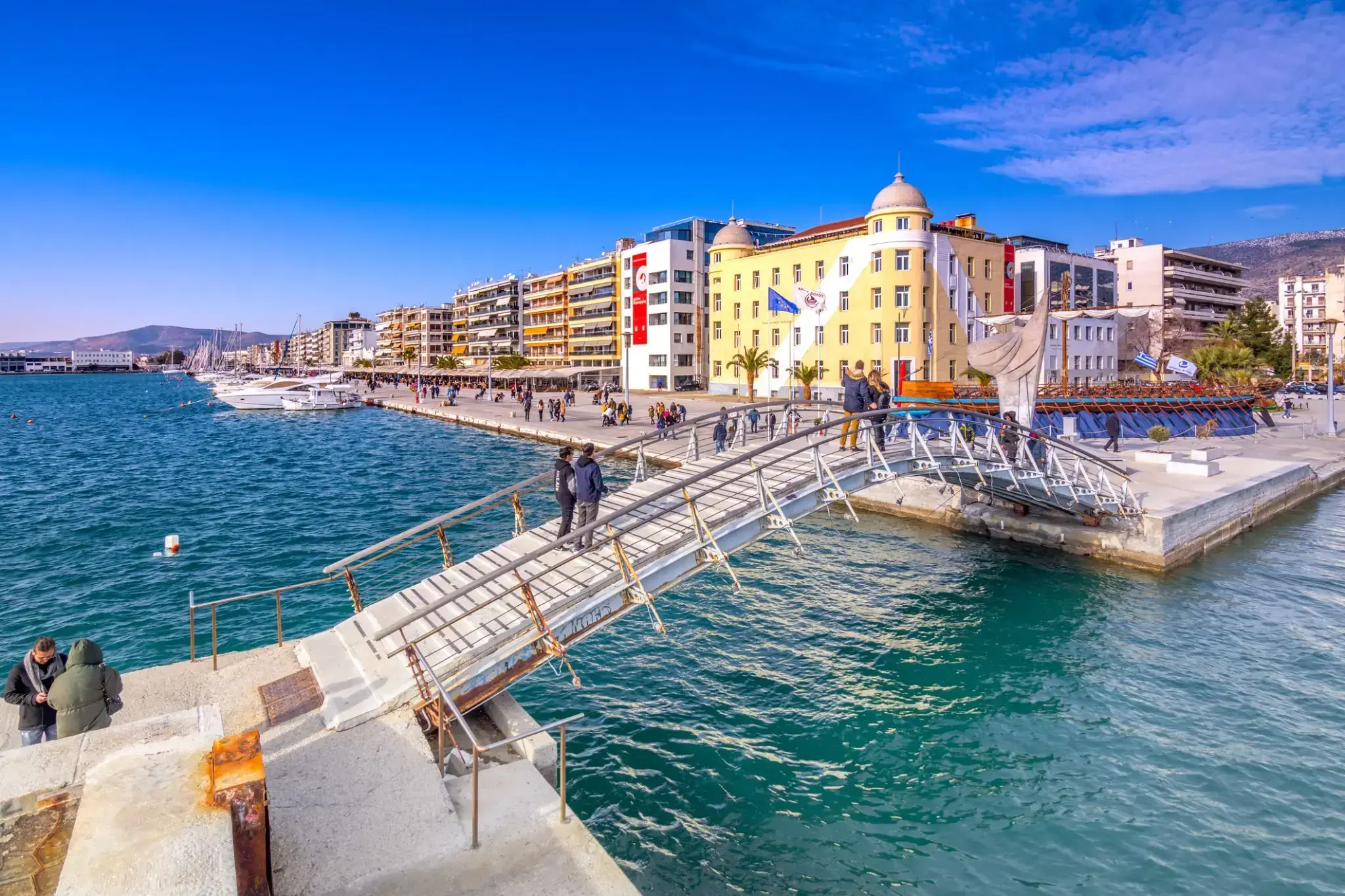
Volos (Greek: Βόλος) is a coastal port city in Thessaly situated midway on the Greek mainland, about 330 kilometres (205 miles) north of Athens and 220 kilometres (137 miles) south of Thessaloniki. It is the capital of the Magnesiaregional unit. Volos is the only outlet to the sea from Thessaly, the country's largest agricultural region. With a population of 144,449 (2011), it is an important industrial centre, while its port provides a bridge between Europe, the Middle East and Asia.
Volos is the newest of the Greek port cities, with a large proportion of modern buildings erected following the catastrophic earthquakes of 1955. It includes the municipal units of Volos, Nea Ionia and Iolkos, as well as smaller suburban communities. The economy of the city is based on manufacturing, trade, services and tourism. Home to the University of Thessaly, the city also offers facilities for conferences, exhibitions and major sporting, cultural and scientific events. Volos participated in the 2004 Olympic Games, and the city has since played host to other athletic events, such as the European Athletic Championships. Volos hosted the 7th International Olympiad on Astronomy and Astrophysics from 27 July to 5 August 2013.
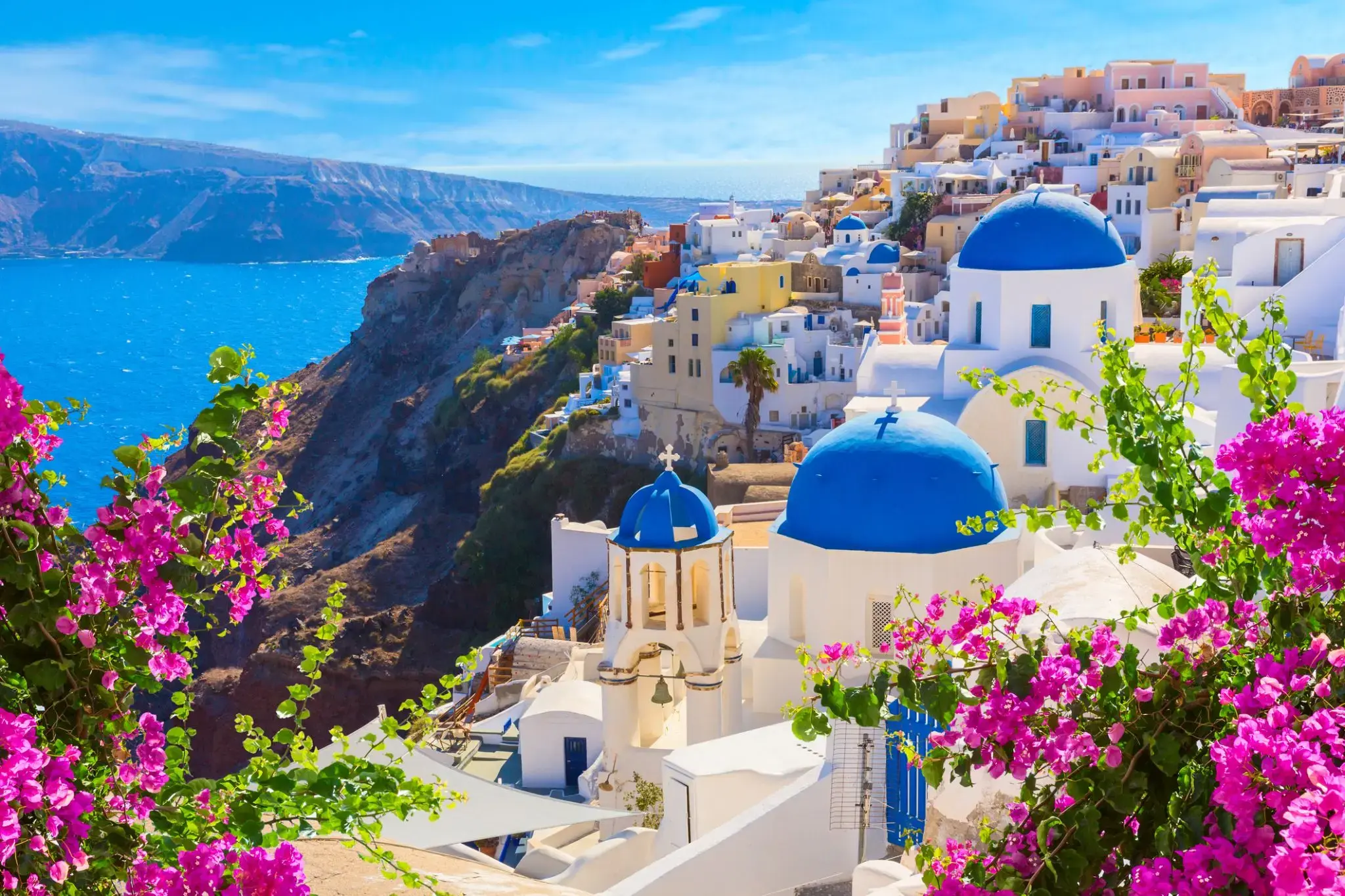
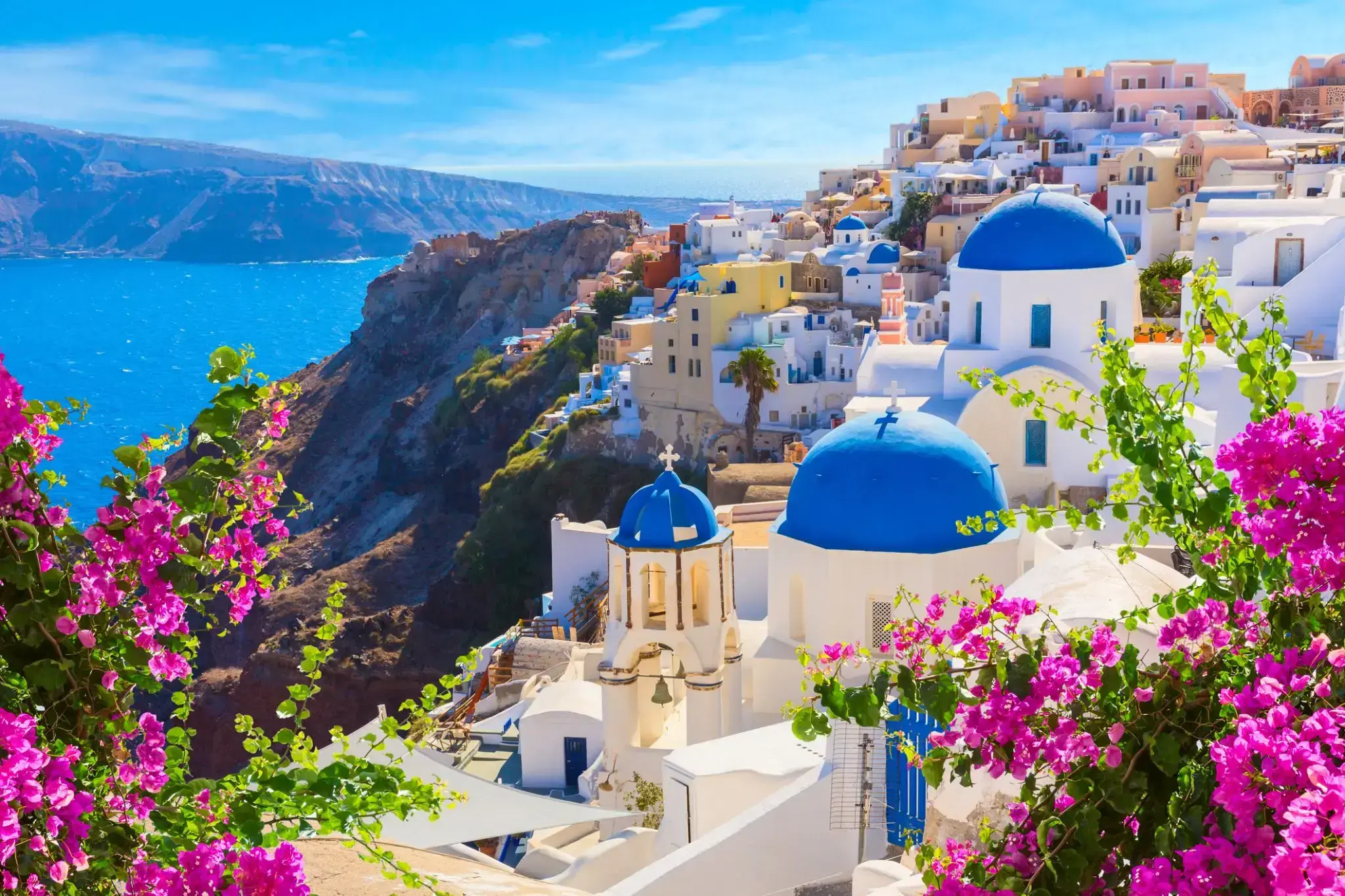
Santorini, classically Thera, and officially Thira, is an island in the southern Aegean Sea, about 200 km (120 mi) southeast of Greece's mainland. It is the largest island of a small, circular archipelago, which bears the same name and is the remnant of a volcanic caldera. It forms the southernmost member of the Cyclades group of islands, with an area of approximately 73 km2 (28 sq mi) and a 2011 census population of 15,550. The municipality of Santorini includes the inhabited islands of Santorini and Therasia and the uninhabited islands of Nea Kameni, Palaia Kameni, Aspronisi, and Christiana. The total land area is 90.623 km2 (34.990 sq mi).Santorini is part of the Thira regional unit.
The island was the site of one of the largest volcanic eruptions in recorded history: the Minoan eruption(sometimes called the Thera eruption), which occurred about 3,600 years ago at the height of the Minoan civilization. The eruption left a large caldera surrounded by volcanic ash deposits hundreds of metres deep. It may have led indirectly to the collapse of the Minoan civilization on the island of Crete, 110 km (68 mi) to the south, through a gigantic tsunami. Another popular theory holds that the Thera eruption is the source of the legend of Atlantis.
It is the most active volcanic centre in the South Aegean Volcanic Arc, though what remains today is chiefly a water-filled caldera. The volcanic arc is approximately 500 km (310 mi) long and 20 to 40 km (12 to 25 mi) wide. The region first became volcanically active around 3–4 million years ago[citation needed], though volcanism on Thera began around 2 million years ago with the extrusion of dacitic lavas from vents around the Akrotiri.
Lavrio is the prettiest of the three ports and feels like a small Greek island all its own. While port towns are often raced through by visitors heading elsewhere, if you do have to spend a day at a port, Lavrion may be the way to go. It has a small Archaeological Museum and an interesting Mineralogical Museum, where the local mining heritage is shown off. Just for good measure, it also boasts a giant "Mystery Hole", a geological feature which seems like a giant bubble formed at the top of a hill and then popped, leaving a two-hundred-foot deep, somewhat rounded pit.Its origins are still being debated; some believe it was the result of a meteorite impact.