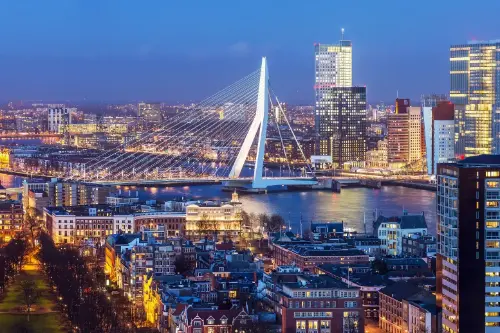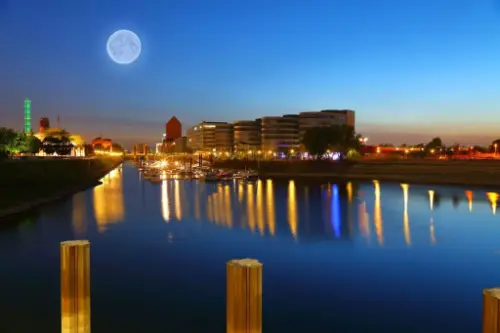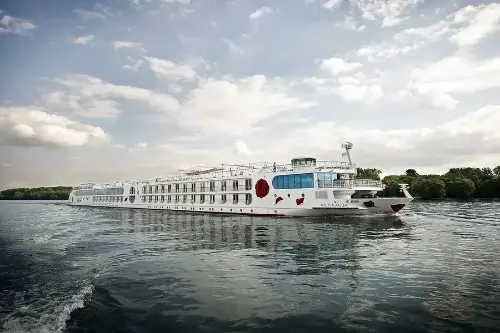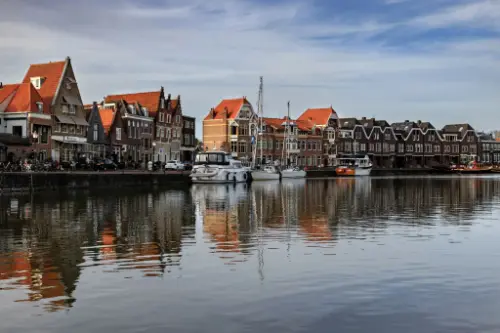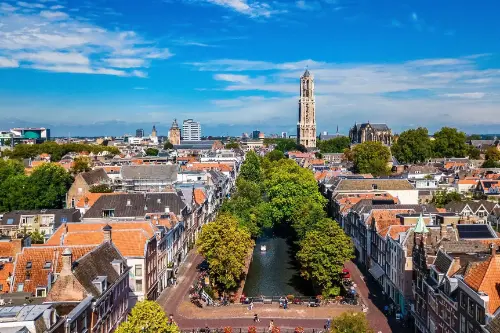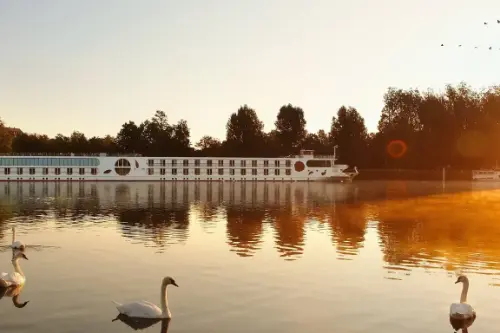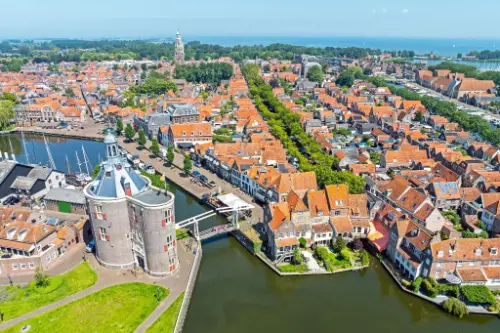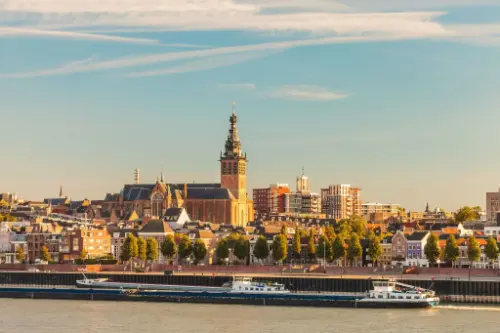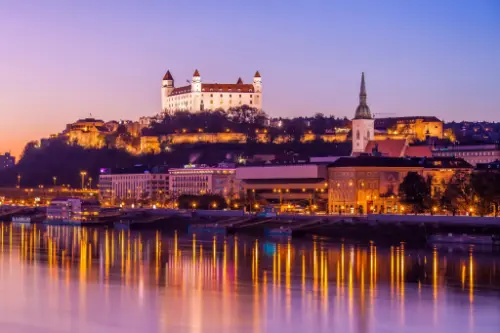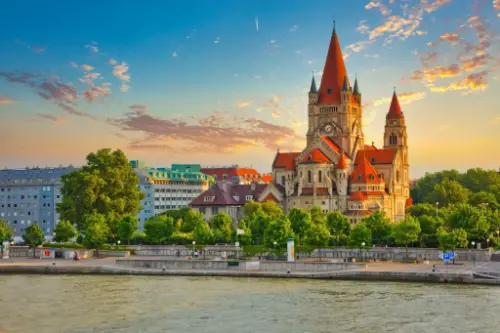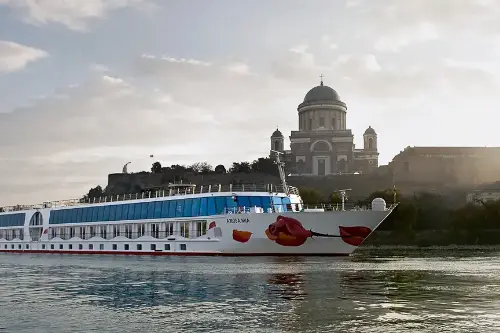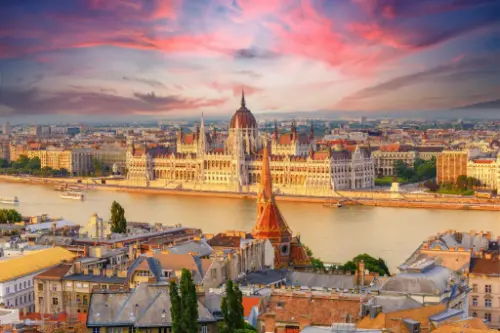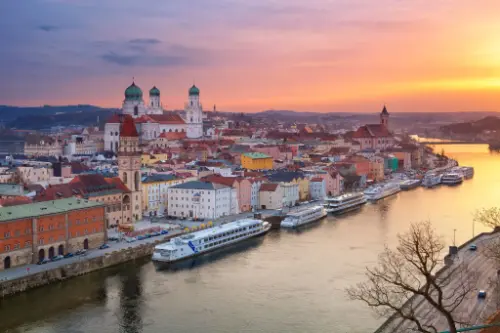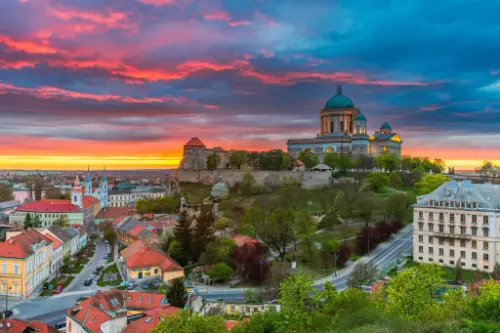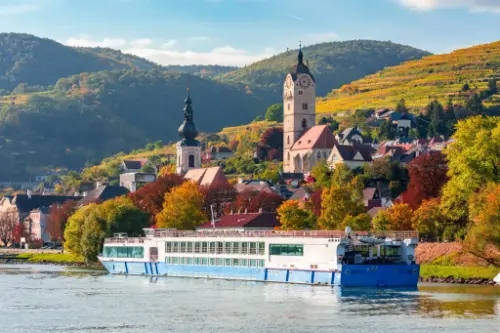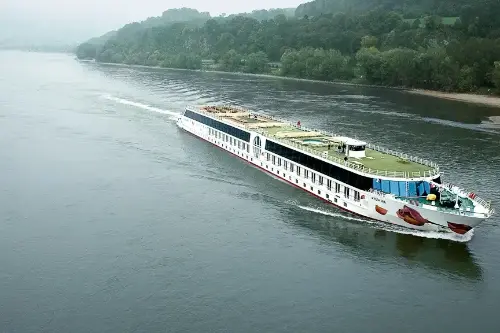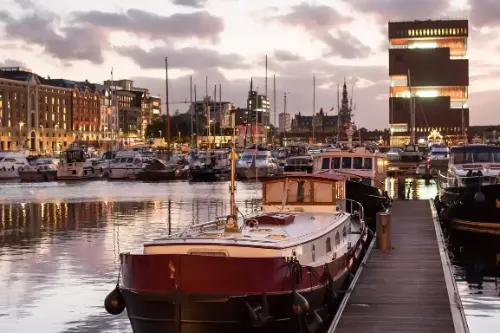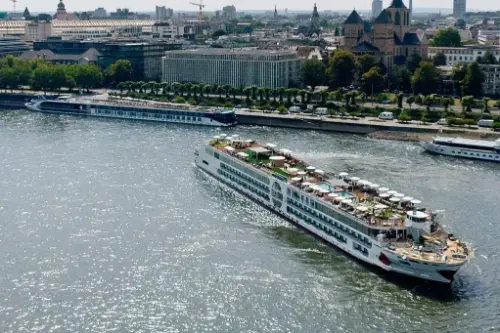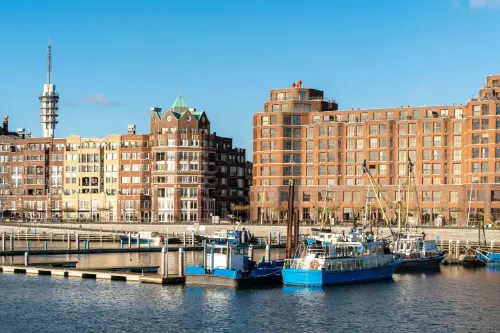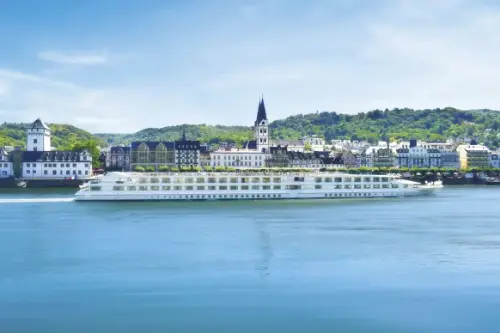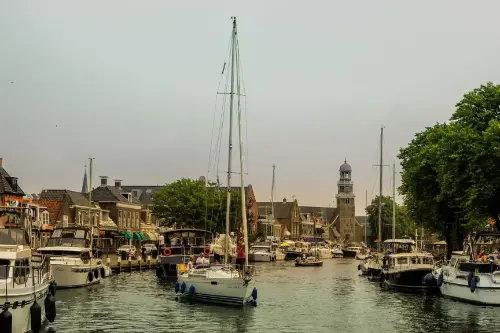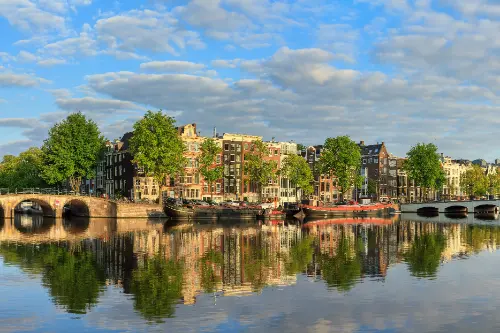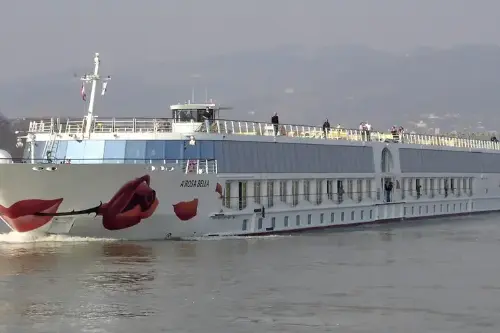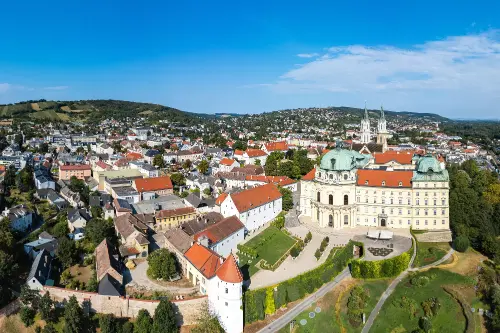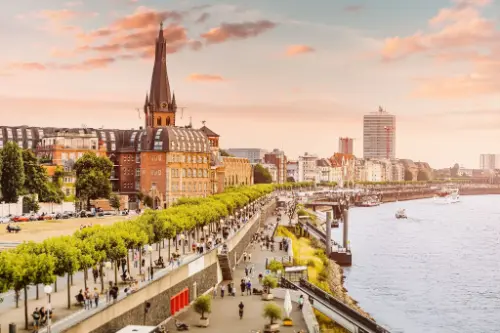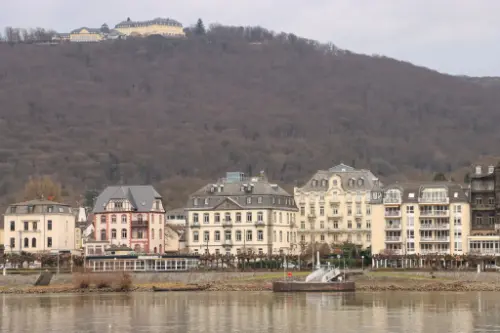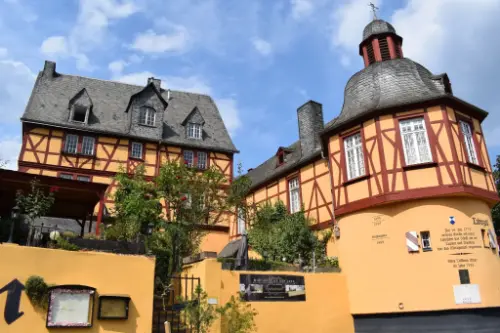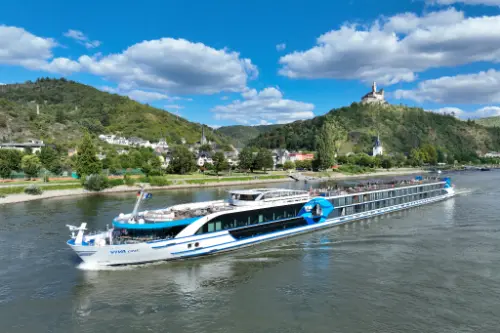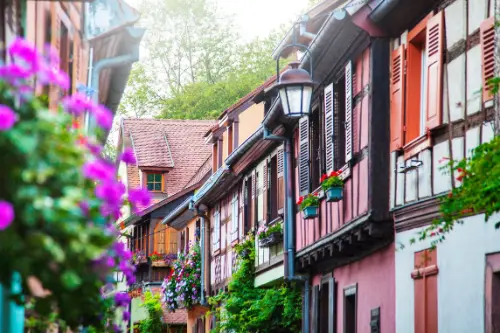
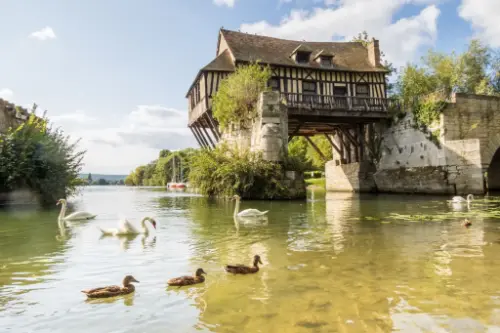
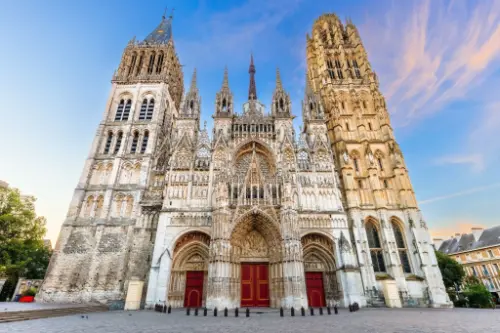
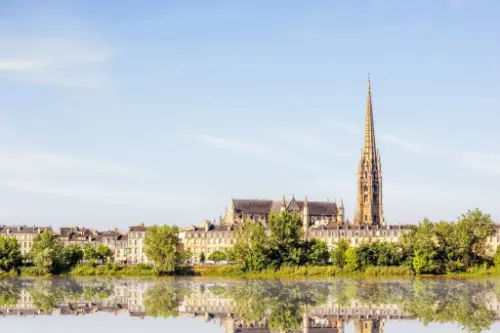
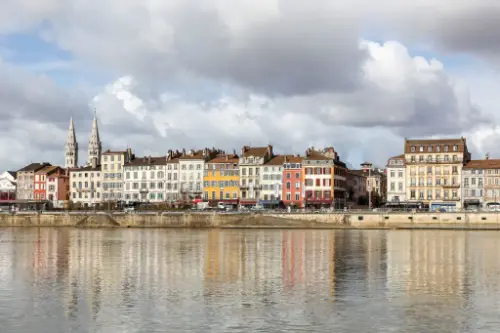
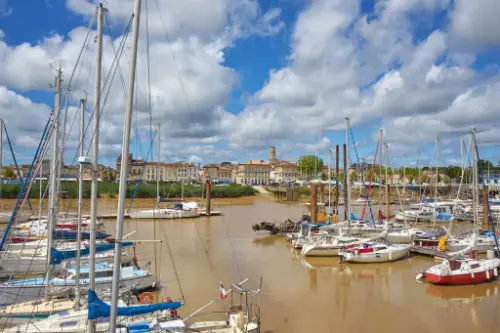
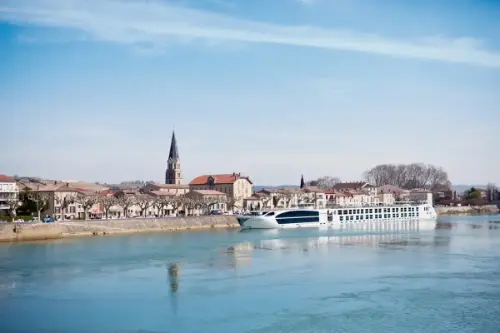



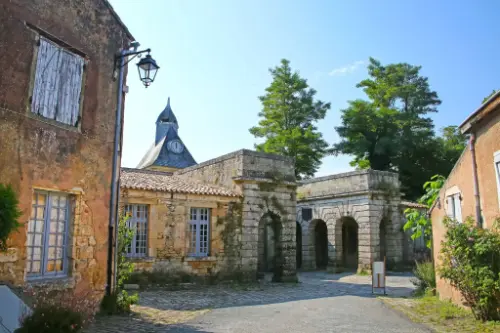
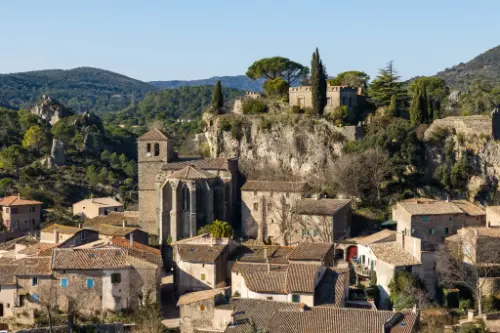
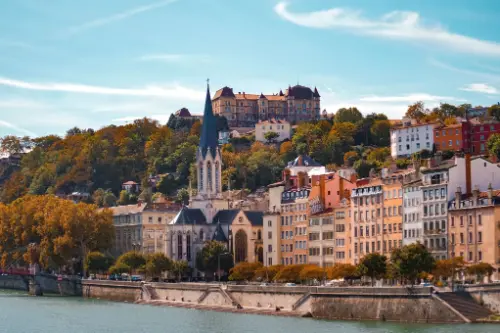
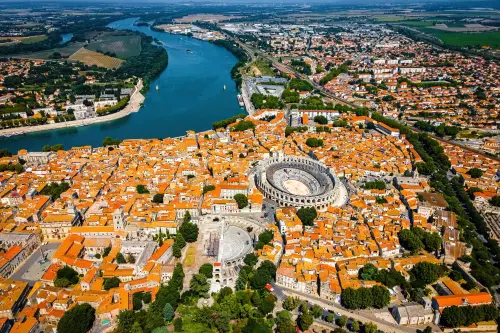
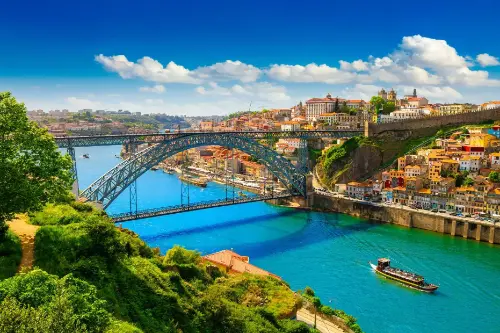

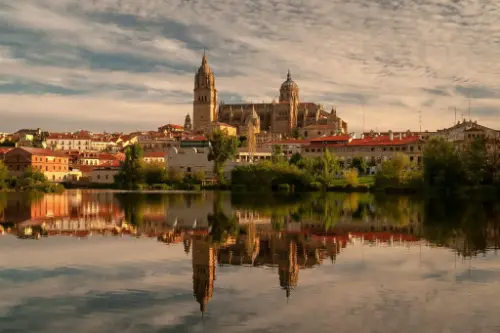
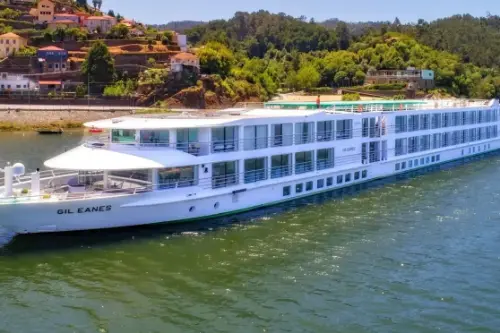
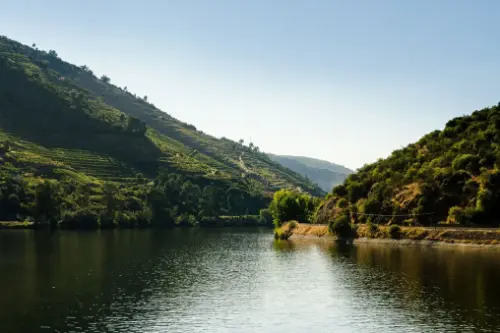

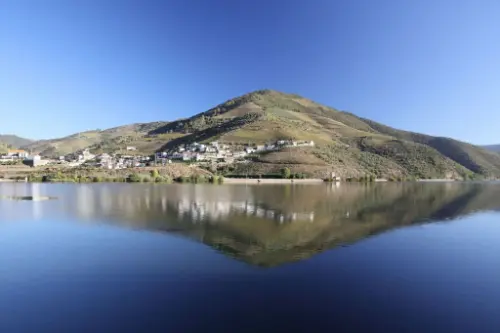

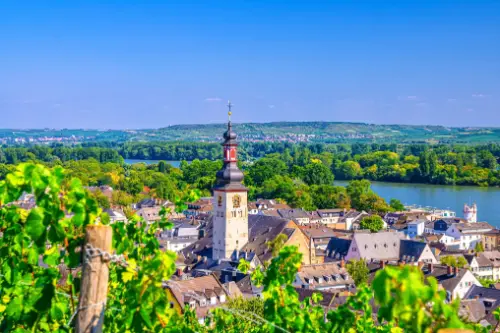
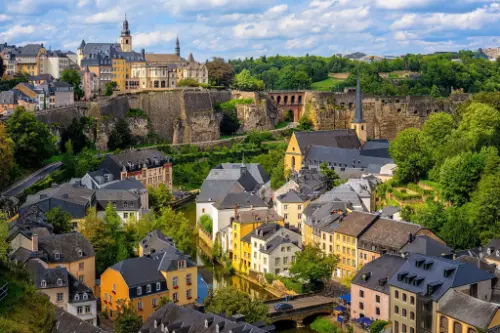
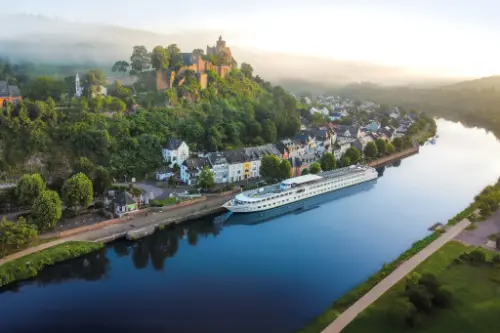
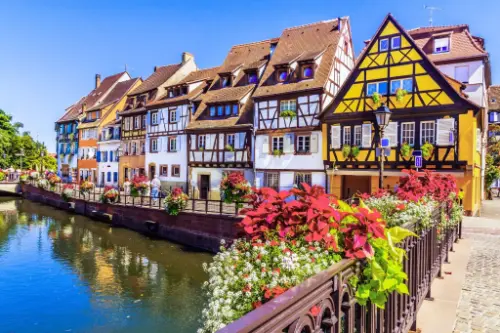
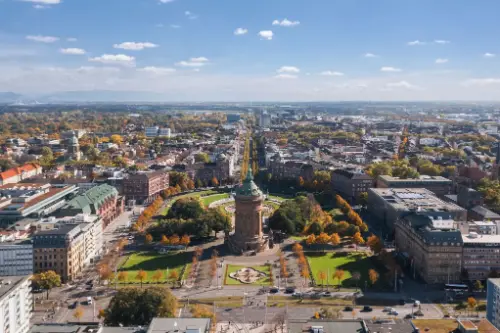
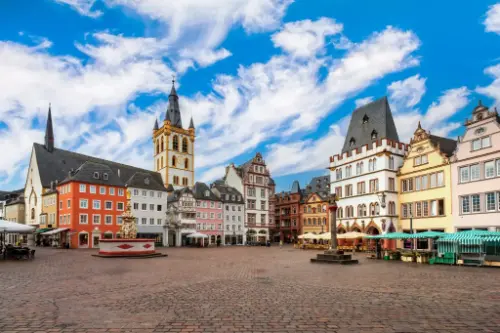
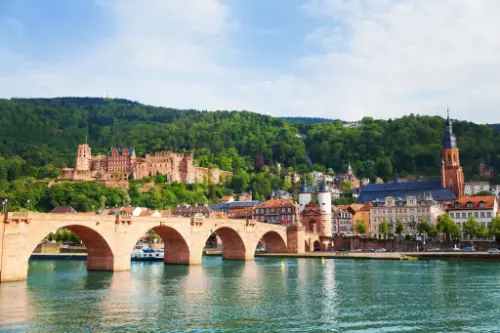
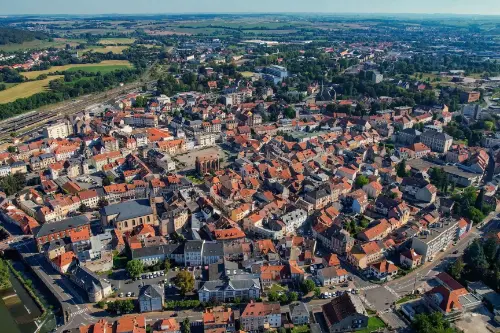
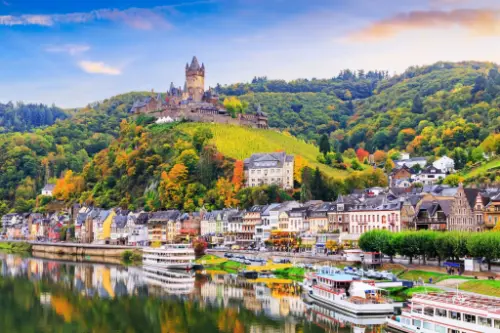
An ocean liner arrives at a port; a river ship arrives in a town. The difference is not the size of the vessel but what you see at the bottom of the gangway: not a terminal in an industrial zone but a historic centre a couple of hundred metres from the cathedral. The ship ties up where an ocean cruise would deliver you by coach an hour later. Everything else follows: a new town each day, no motion at sea, one or two hundred passengers instead of three thousand, and a programme closer to a touring holiday than to a week afloat.
Both formats are good, and they suit different people. Confusing them is expensive.
| Aspect | River cruise | Ocean cruise |
|---|---|---|
| Berth | In the historic centre, often within walking distance of the sights | A port, with a transfer into town |
| Passengers | 100–200, rarely more than 250 | From 2,000 to 7,000 |
| Motion | None | Possible, depending on the waters |
| Programme | Excursions almost daily; culture and food | On-board entertainment, pools, theatres, shows |
| Children | Little for them; the first ships with family cabins are only now appearing | Kids' clubs, water parks, activity teams |
| Best for | Those who like touring and quiet without crowds | Those for whom the ship is part of the holiday |
The core audience is couples aged 45 and over, travellers who have done ocean cruises and want a new format, and those who value a calm holiday without crowds. But the mix is shifting: younger couples increasingly choose river cruising for the wine regions of Europe, the Christmas markets and the small historic towns. The lines have noticed — the first river ships with family cabins and children's entertainment have appeared.
The great misconception is that river cruises are dull. In fact this is one of the most intensive touring formats there is: a town every day, and almost always on foot.
An ocean cruise remains better for those who value entertainment on board, pools, theatres and shows, and for families with children: river ships still offer them little. The river suits those who want to walk a new town each day and dislike crowded ships.
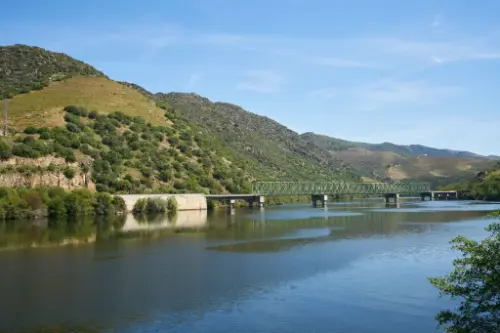
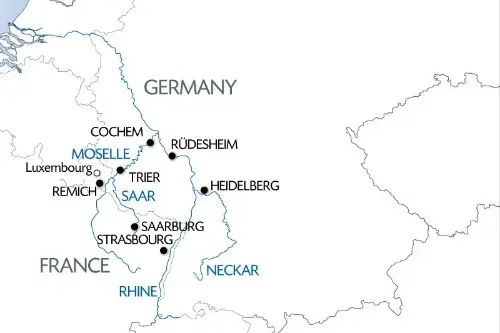
The platform carries itineraries on the best-known rivers in the world: the Danube, Rhine, Main, Moselle, Seine, Rhône, Douro, Elbe and Po, and beyond Europe the Nile and the Mekong.
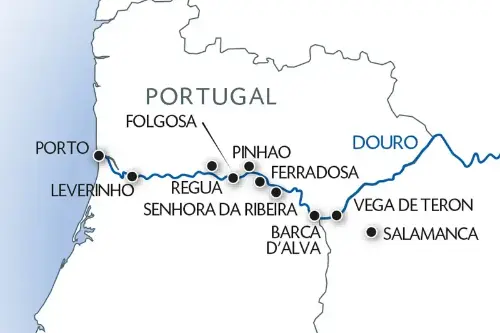
The most popular are Danube cruises, Rhine cruises, Seine cruises, Rhône cruises and Douro cruises. The routes pass through towns otherwise reachable only by car — the ship removes that problem entirely.
With many lines the fare covers meals, drinks with meals, some alcohol, daily excursions, Wi-Fi and gratuities. But the statement 'river cruises are all-inclusive' is wrong: what the fare contains varies fundamentally, and it must be checked before booking rather than on board.
| Line | What is included |
|---|---|
| Uniworld, Scenic, Emerald Cruises | As close to full all-inclusive as the market offers |
| AmaWaterways | Full inclusion on selected fares |
| CroisiEurope | Drinks and a substantial part of the services are often included |
| A-ROSA | Fares exist without drinks and with drinks partially included |
| Avalon Waterways, Viva Cruises | Depends on the fare; confirm separately |
The main season runs from April to October. But a second, distinct window exists: late November and December, when the celebrated Christmas markets of Germany, Austria, France and other European countries are open. The ship berths in the centre, the market is five minutes away, and there is no travelling between towns.
New Year cruises on the Danube, the Rhine and the Seine are popular in their own right, and demand for the format has grown markedly in recent years.
Typical lengths are 5, 7, 11, 14 or 16 nights. Most river ships carry 100 to 200 passengers and rarely more than 250. It is precisely that small number of guests that creates the intimate atmosphere people come for.
| Itinerary type | Length | Indicative price per person |
|---|---|---|
| Short itineraries | 4–5 nights | from €500–800 |
| Classic cruises | 7–8 nights | from €900–2,000 |
| Premium itineraries | from 10 nights | from €2,500–6,000 and above |
European river itineraries run through the Schengen area. Ukrainian citizens with a biometric passport need no visa: visa-free travel applies, 90 days within any 180. Travel insurance with at least €30,000 of cover is mandatory and the passport must be valid for a minimum of six months on the date of entry. Polish citizens, as EU nationals, need no visa.
For itineraries outside Europe — on the Nile and the Mekong — entry conditions are checked country by country.
A river cruise is the most comfortable way to see several towns and countries without transfers, daily hotel changes or complicated arrangements. Unlike an ocean cruise, the ship arrives in the historic centre itself, and the itinerary is built around touring, culture and food.
The format suits those who value a calm atmosphere, a high standard of service, a small passenger complement and a full programme. No visa is required for European rivers, and the routes pass through towns that would otherwise require a car.
How does a river cruise differ from an ocean cruise?
The ship ties up in the historic centre of the town, often within walking distance of the sights, whereas an ocean liner arrives at a port. There are 100 to 200 passengers rather than several thousand, there is no motion at sea, and the programme is built around daily excursions. An ocean cruise offers more on board and suits families with children better.
How many river cruises are listed on center.cruises?
The category holds 6 217 sailings (snapshot of 9 July 2026). The itineraries cover the Danube, Rhine, Main, Moselle, Seine, Rhône, Douro, Elbe and Po, and beyond Europe the Nile and the Mekong.
Are river cruises boring?
That is the great misconception. A river cruise is one of the most intensive touring formats there is: a new town practically every day, a berth in the centre, and a programme built around culture and food. It disappoints only those expecting the entertainment of an ocean liner.
What is included in a river cruise fare?
With many lines: meals, drinks with meals, some alcohol, daily excursions, Wi-Fi and gratuities. Uniworld, Scenic and Emerald Cruises come closest to full all-inclusive, as do selected AmaWaterways fares. CroisiEurope often includes drinks and much of the service. A-ROSA offers fares without drinks and with drinks partially included.
When is the best time for a river cruise?
The main season runs from April to October. A second window falls in late November and December, when the Christmas markets of Germany, Austria and France are open: the ship berths in the centre and there is no travelling between towns. New Year cruises on the Danube, Rhine and Seine are also popular.
How many passengers does a river ship carry?
Usually 100 to 200, rarely more than 250. That small complement is exactly what creates the intimate atmosphere the format is chosen for.
How much does a river cruise cost?
Short itineraries of four or five nights run from about €500–800 per person. Classic cruises of seven or eight nights from €900–2,000. Premium itineraries from €2,500–6,000 and above. Typical lengths are 5, 7, 11, 14 or 16 nights.
Do I need a visa for a European river cruise?
No. The itineraries run through the Schengen area, and Ukrainian citizens with a biometric passport travel visa-free: 90 days within any 180-day period. Travel insurance with at least €30,000 of cover is required. For the Nile and the Mekong, entry conditions are checked separately.