| Cruise Region : Africa |
| Company : Crystal Cruises |
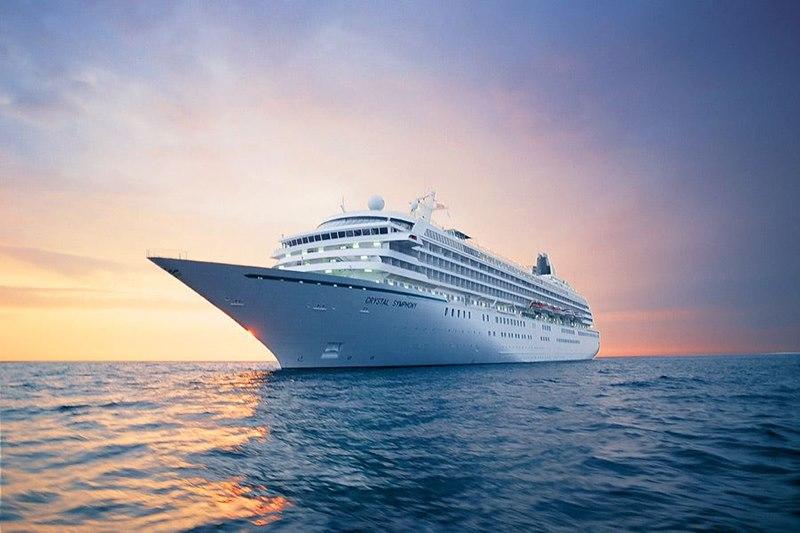
| Ship : Crystal Symphony |
| Journey Start : Mon 08 Mar 2021 |
| Journey End : Mon 22 Mar 2021 |
| Count Nights : 14 nights |
| Day | Date | Port | Arrival | Departure |
|---|---|---|---|---|
| 1 | 8.03 Mon | Mombasa / Kenya | ||
| 2 | 9.03 Tue | Mombasa / Kenya | 19:00 | |
| 3 | 10.03 Wed | Zanzibar / Tanzania | 07:00 | 21:00 |
| 4 | 11.03 Thu | Day at sea / Sea | ||
| 5 | 12.03 Fri | Mamoudzou / Mayotte | 07:30 | 18:00 |
| 6 | 13.03 Sat | Day at sea / Sea | ||
| 7 | 14.03 Sun | Day at sea / Sea | ||
| 8 | 15.03 Mon | Maputo / Mozambique | 07:00 | 17:00 |
| 9 | 16.03 Tue | Richards Bay / South Africa | 08:00 | 22:00 |
| 10 | 17.03 Wed | Durban / South Africa | 07:00 | 21:00 |
| 11 | 18.03 Thu | Day at sea / Sea | ||
| 12 | 19.03 Fri | Port Elizabeth / South Africa | 07:00 | 18:00 |
| 13 | 20.03 Sat | Mossel Bay / South Africa | 07:00 | 18:00 |
| 14 | 21.03 Sun | Cape Town / South Africa | 09:00 | |
| 15 | 22.03 Mon | Cape Town / South Africa |


Zanzibar is an archipelago in the Indian Ocean belonging to Tanzania, renowned for its white sandy beaches, turquoise waters, and the ancient Stone Town, a UNESCO World Heritage Site. Historically, the island was an important trading center for spices, slaves, and ivory, leaving a profound mark on its culture and architecture. Strolling through the narrow streets of Stone Town, visitors can admire old Arab houses with intricately carved doors, bustling markets, and atmospheric mosques.
In addition to its rich history, Zanzibar attracts travelers with its natural beauty. Visitors can take a tour of spice farms, snorkel among coral reefs, or explore the unique Jozani Forest, home to the rare red colobus monkey. The combination of exotic culture, a laid-back lifestyle, and diverse natural wonders makes Zanzibar one of the most desirable destinations on the East African coast.

Turquoise lagoons, mangrove forests, and the scent of spices in the air — all of this instantly transports you into the atmosphere of Mamoudzou, the administrative center of the island of Mayotte. This town is a vibrant reflection of cultural fusion: French infrastructure blends with Comorian traditions, and mosques stand alongside Creole markets where you can hear Shimaore spoken and buy fresh lobsters.
Mamoudzou attracts travelers looking for an off-the-beaten-path exotic experience: you can go on a marine safari to spot whales and dolphins in a lagoon protected by the world's third-largest coral reef, or simply enjoy the sunset overlooking the neighboring island of Petite-Terre. It’s a place for those seeking a new facet of French overseas romance — wild, authentic, and remarkably warm.

Maputo is the capital and largest city of Mozambique, stretching along the coast of the Indian Ocean. The city is known for its eclectic architecture, where Portuguese colonial buildings stand side by side with modern structures. One of its main landmarks is the central railway station, designed by students of Gustave Eiffel, according to some sources. Tourists are also drawn to the city’s palm-lined waterfront, markets offering local fruits and handmade crafts, and museums that tell the rich story of the country.
Despite its capital status, Maputo retains a warm and relaxed atmosphere. Visitors can enjoy traditional cuisine rich in seafood and spices, and listen to live marrabenta music in street cafés. Thanks to its proximity to natural reserves like Maputo National Park, the city is also ideal for travelers seeking a blend of cultural experiences and encounters with nature.

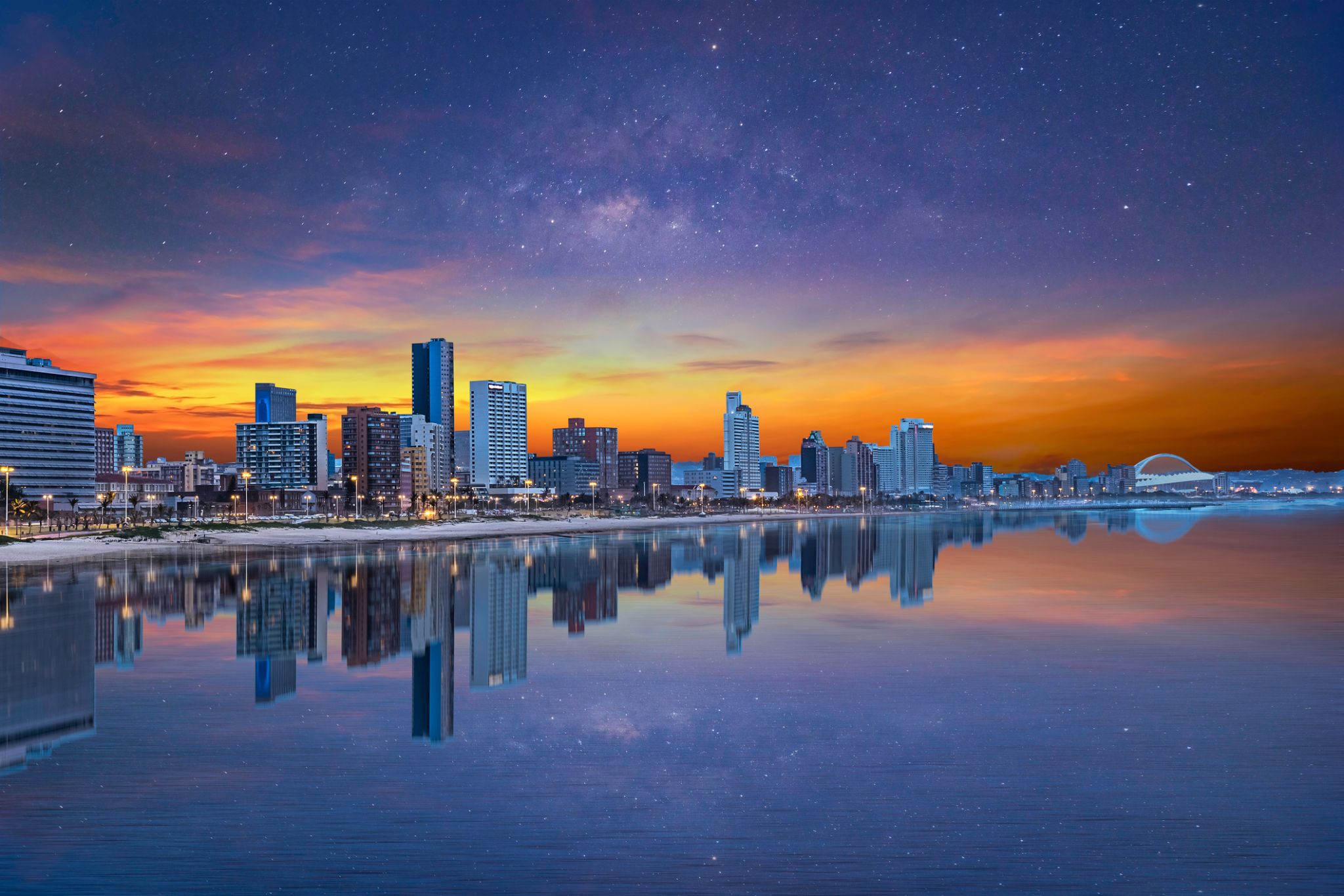
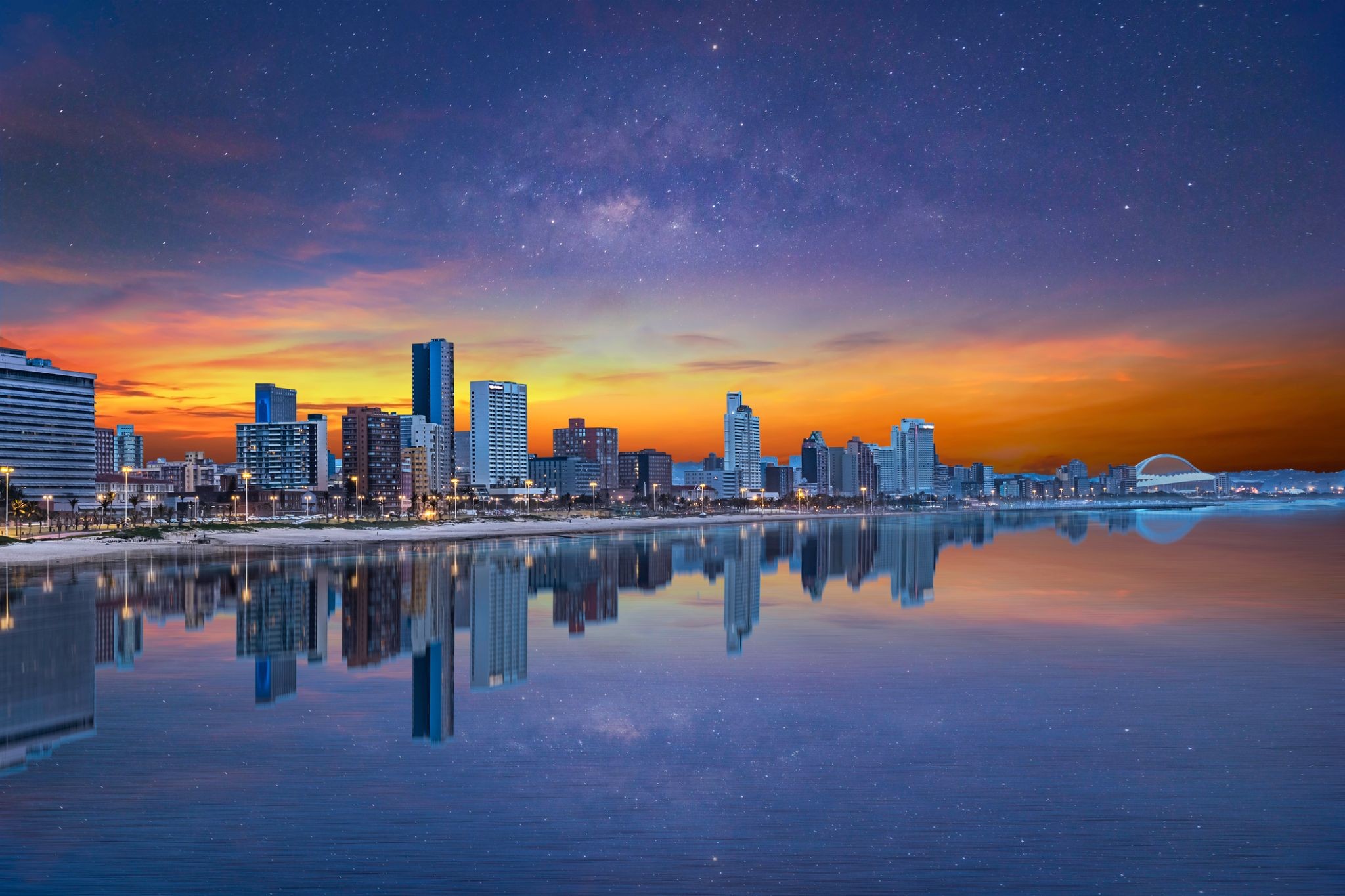
Durban is the third most populous city in South Africa—after Johannesburg and Cape Town—and the largest city in the South African province of KwaZulu-Natal. Located on the east coast of South Africa, Durban is famous for being the busiest port in the country. It is also seen as one of the major centres of tourism because of the city's warm subtropical climate and extensive beaches. Durban forms part of the eThekwini Metropolitan Municipality, which includes neighboring towns and has a population of about 3.44 million, making the combined municipality one of the biggest cities on the Indian Ocean coast of the African continent. It is also the second most important manufacturing hub in South Africa after Johannesburg. In 2015, Durban was recognised as one of the New7Wonders Cities (along with Vigan, Doha, La Paz, Havana, Beirut, and Kuala Lumpur).

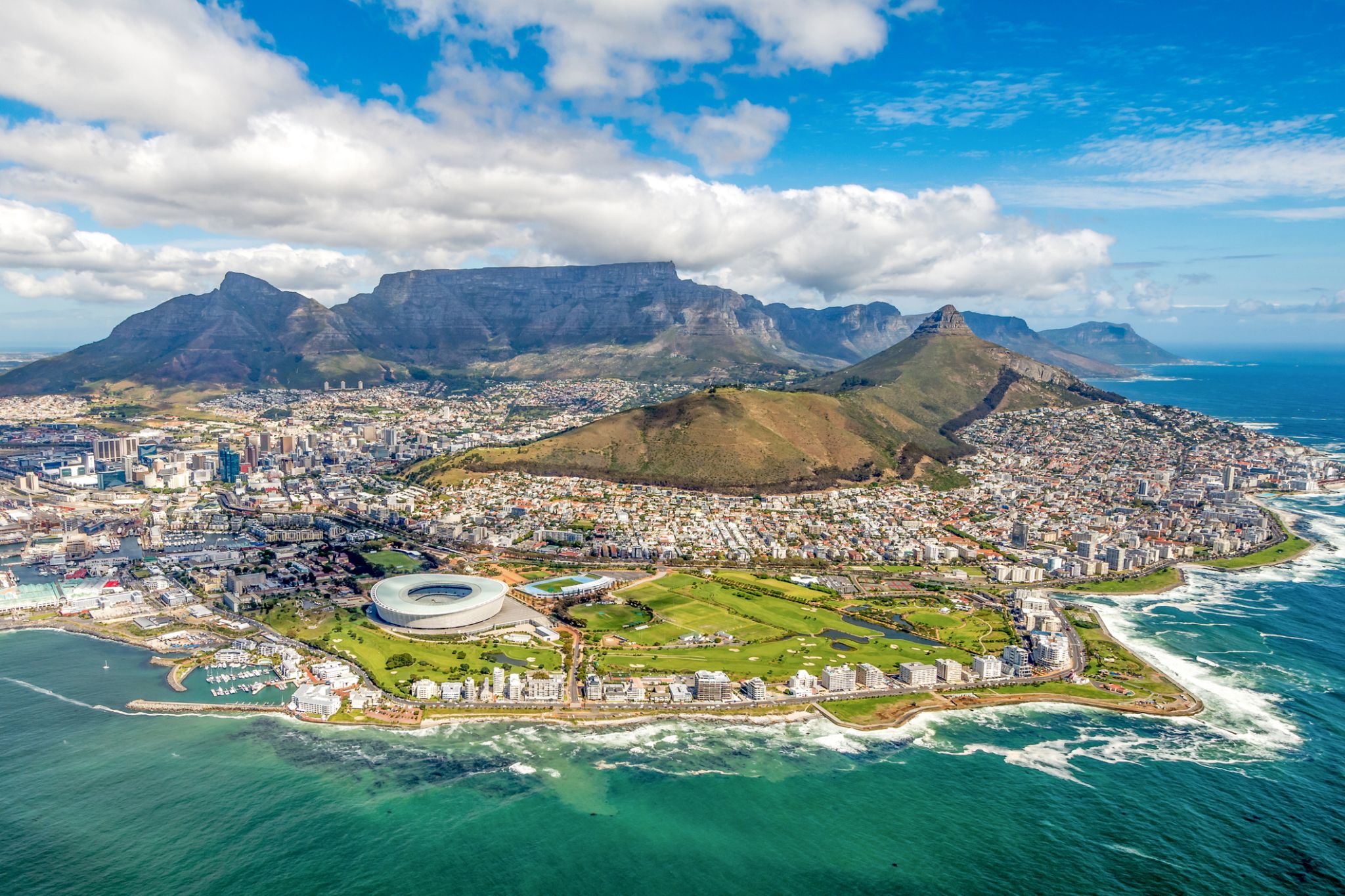
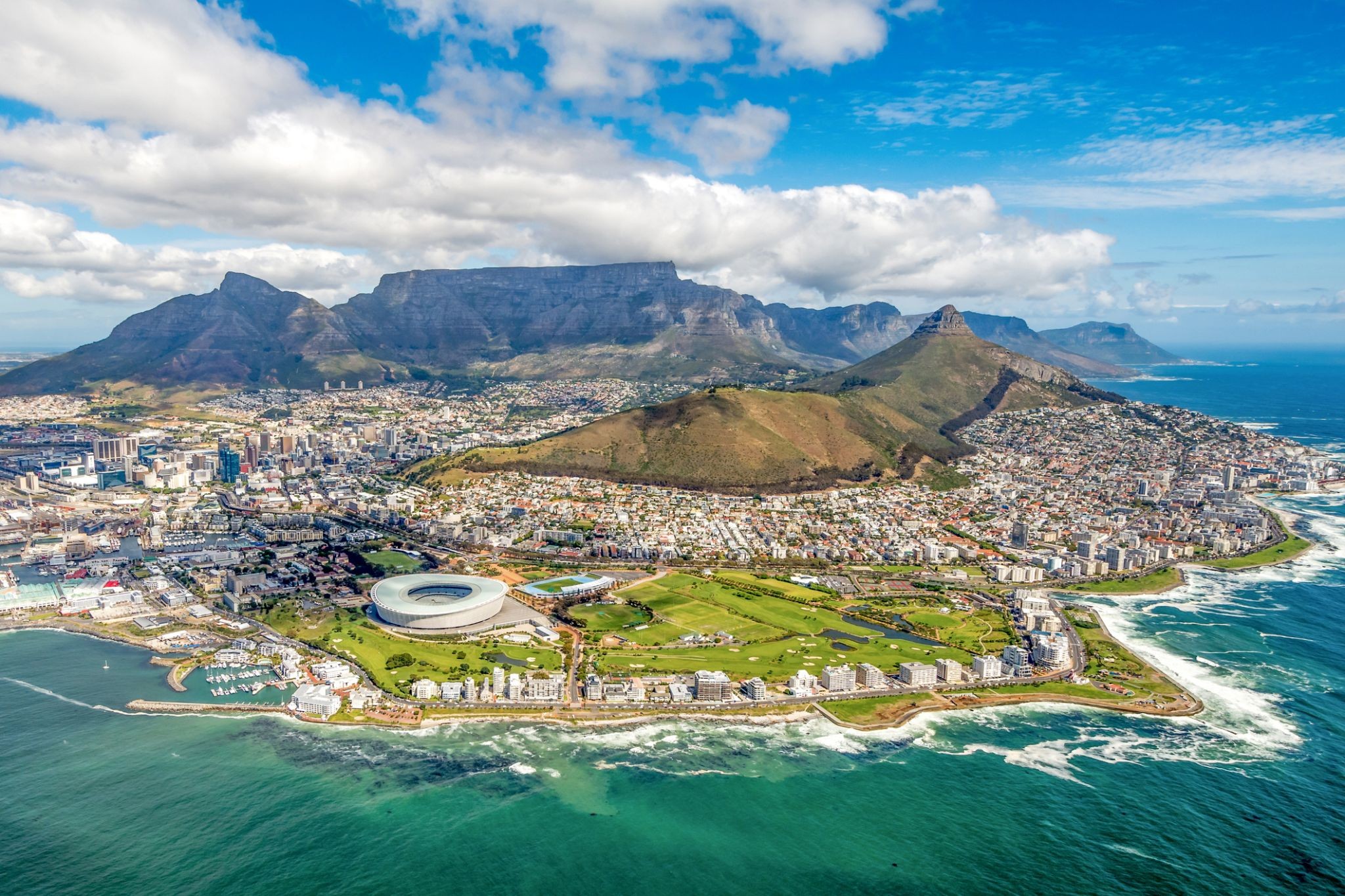
Cape Town is the oldest city in South Africa, colloquially named the Mother City. It is the legislative capital of South Africa and primate city of the Western Cape province. It forms part of the City of Cape Town metropolitan municipality.
The Parliament of South Africa sits in Cape Town. The other two capitals are located in Pretoria (the administrative capital where the Presidency is based) and Bloemfontein (the judicial capital where the Supreme Court of Appeal is located). The city is known for its harbour, for its natural setting in the Cape Floristic Region, and for landmarks such as Table Mountain and Cape Point. As of 2014, it is the 10th most populous city in Africa and home to 64% of the Western Cape's population. It is one of the most multicultural cities in the world, reflecting its role as a major destination for immigrants and expatriates to South Africa. The city was named the World Design Capital for 2014 by the International Council of Societies of Industrial Design. In 2014, Cape Town was named the best place in the world to visit by both The New York Times and The Daily Telegraph.
Located on the shore of Table Bay, Cape Town, as the oldest urban area in South Africa, was developed by the Dutch East India Company (VOC) as a supply station for Dutch ships sailing to East Africa, India, and the Far East. Jan van Riebeeck's arrival on 6 April 1652 established Dutch Cape Colony, the first permanent European settlement in South Africa. Cape Town outgrew its original purpose as the first European outpost at the Castle of Good Hope, becoming the economic and cultural hub of the Cape Colony. Until the Witwatersrand Gold Rush and the development of Johannesburg, Cape Town was the largest city in South Africa.
Cape Town is the oldest city in South Africa, colloquially named the Mother City. It is the legislative capital of South Africa and primate city of the Western Cape province. It forms part of the City of Cape Town metropolitan municipality.
The Parliament of South Africa sits in Cape Town. The other two capitals are located in Pretoria (the administrative capital where the Presidency is based) and Bloemfontein (the judicial capital where the Supreme Court of Appeal is located). The city is known for its harbour, for its natural setting in the Cape Floristic Region, and for landmarks such as Table Mountain and Cape Point. As of 2014, it is the 10th most populous city in Africa and home to 64% of the Western Cape's population. It is one of the most multicultural cities in the world, reflecting its role as a major destination for immigrants and expatriates to South Africa. The city was named the World Design Capital for 2014 by the International Council of Societies of Industrial Design. In 2014, Cape Town was named the best place in the world to visit by both The New York Times and The Daily Telegraph.
Located on the shore of Table Bay, Cape Town, as the oldest urban area in South Africa, was developed by the Dutch East India Company (VOC) as a supply station for Dutch ships sailing to East Africa, India, and the Far East. Jan van Riebeeck's arrival on 6 April 1652 established Dutch Cape Colony, the first permanent European settlement in South Africa. Cape Town outgrew its original purpose as the first European outpost at the Castle of Good Hope, becoming the economic and cultural hub of the Cape Colony. Until the Witwatersrand Gold Rush and the development of Johannesburg, Cape Town was the largest city in South Africa.