| Cruise Region : Asia |
| Company : Seabourn Cruise Line |
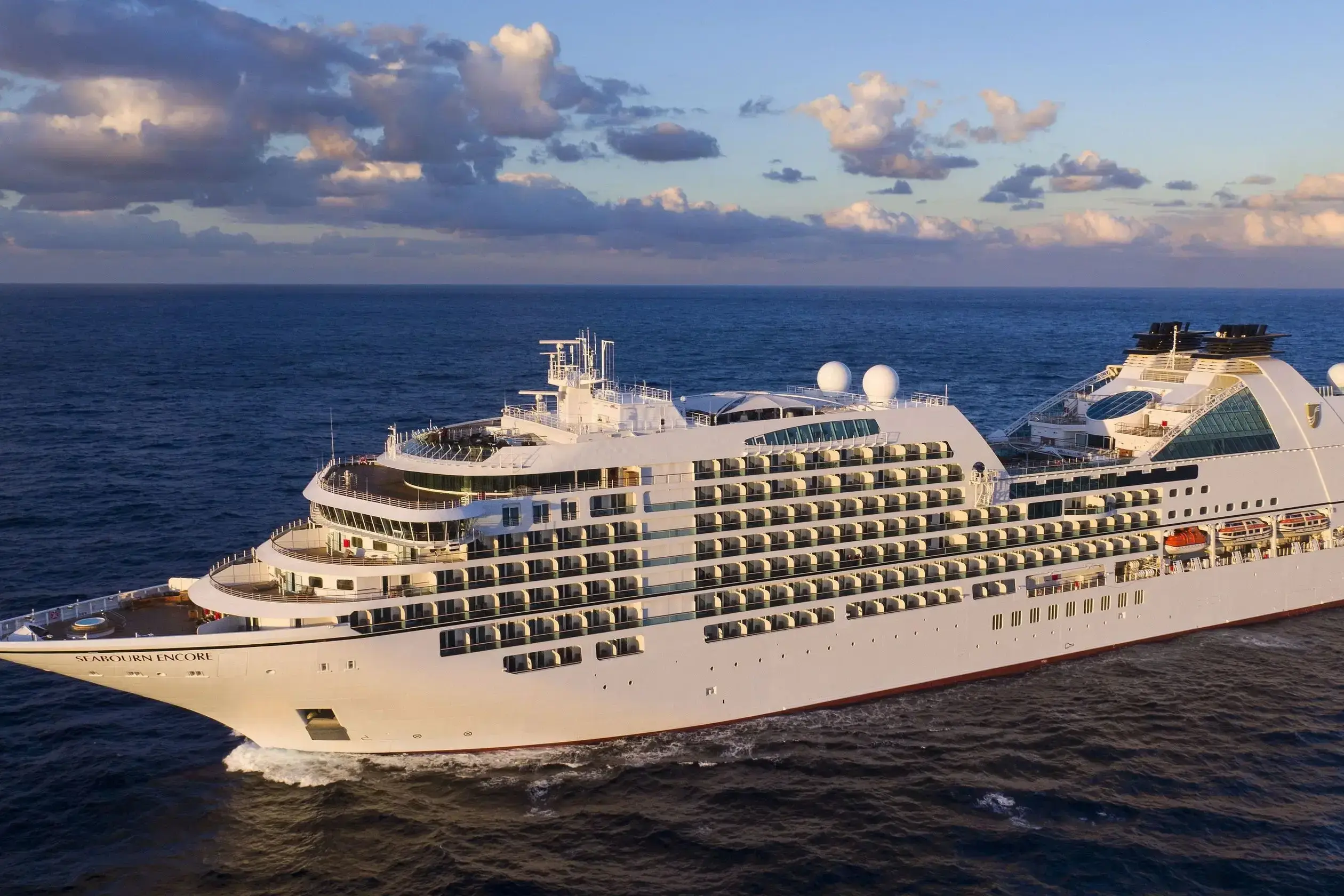
| Ship : Seabourn Encore |
| Journey Start : Fri 17 Apr 2020 |
| Journey End : Tue 05 May 2020 |
| Count Nights : 18 nights |
| Day | Date | Port | Arrival | Departure |
|---|---|---|---|---|
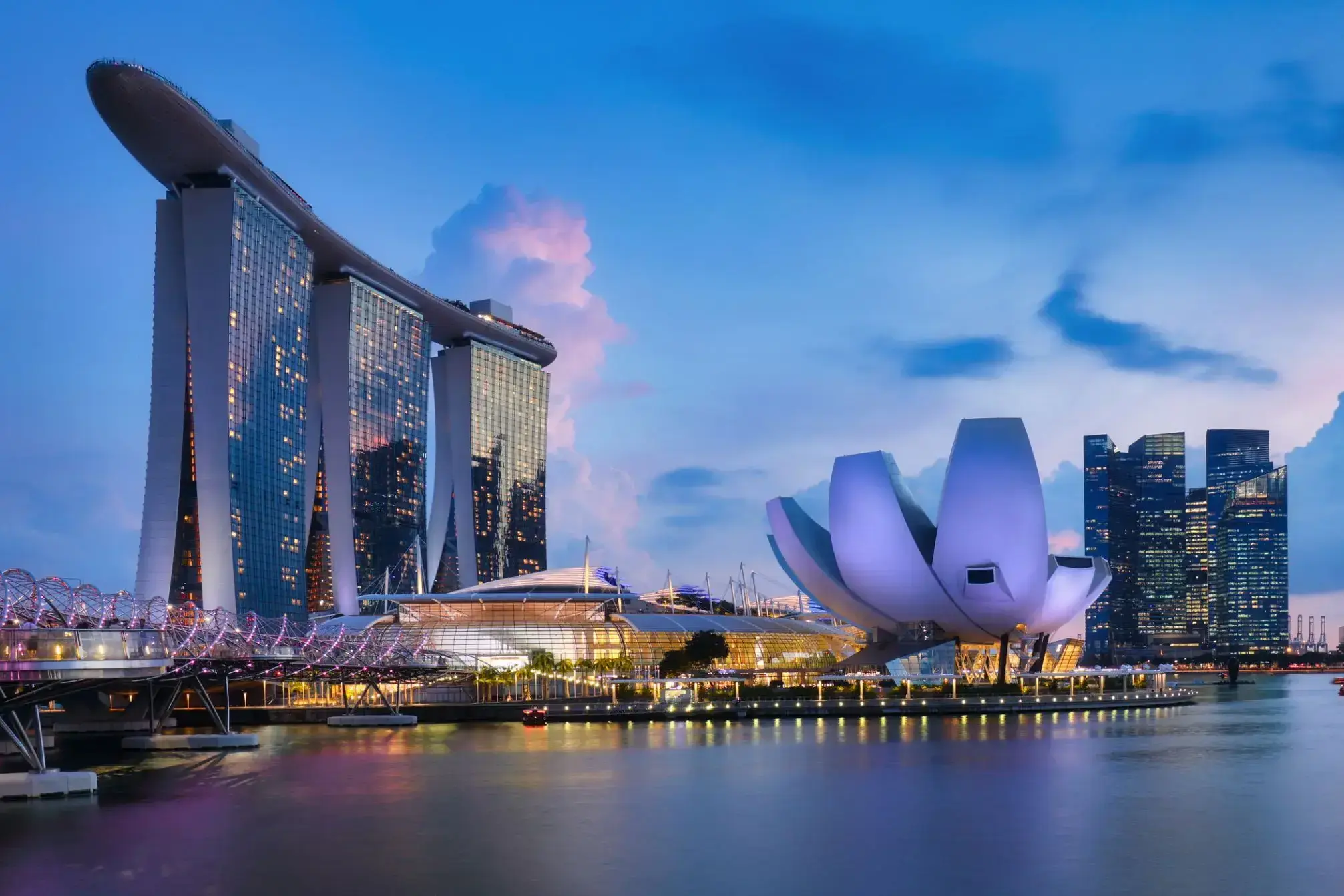
| 1 | 17.04 Fri | Singapore / Singapore | 17:00 | |
| 2 | 18.04 Sat | Day at sea / Sea | ||
| 3 | 19.04 Sun | Phuket / Thailand | 08:00 | 18:00 |
| 4 | 20.04 Mon | Day at sea / Sea | ||
| 5 | 21.04 Tue | Day at sea / Sea | ||
| 6 | 22.04 Wed | Day at sea / Sea | ||
| 7 | 23.04 Thu | Colombo / Sri Lanka | 03:00 | 18:00 |
| 8 | 24.04 Fri | Day at sea / Sea | ||
| 9 | 25.04 Sat | Mangaluru / India | 08:00 | 18:00 |
| 10 | 26.04 Sun | Day at sea / Sea | ||
| 11 | 27.04 Mon | Mumbai (Bombay) / India | 06:00 | |
| 12 | 28.04 Tue | Mumbai (Bombay) / India | 17:00 | |
| 13 | 29.04 Wed | Day at sea / Sea | ||
| 14 | 30.04 Thu | Day at sea / Sea | ||
| 15 | 1.05 Fri | Muscat / Oman | 07:00 | 23:00 |
| 16 | 2.05 Sat | Day at sea / Sea | ||
| 17 | 3.05 Sun | Abu Dhabi / UAE | 08:00 | 18:00 |
| 18 | 4.05 Mon | Sir Bani Yas / UAE | 07:00 | 16:00 |
| 19 | 5.05 Tue | Dubai / UAE | 07:00 |
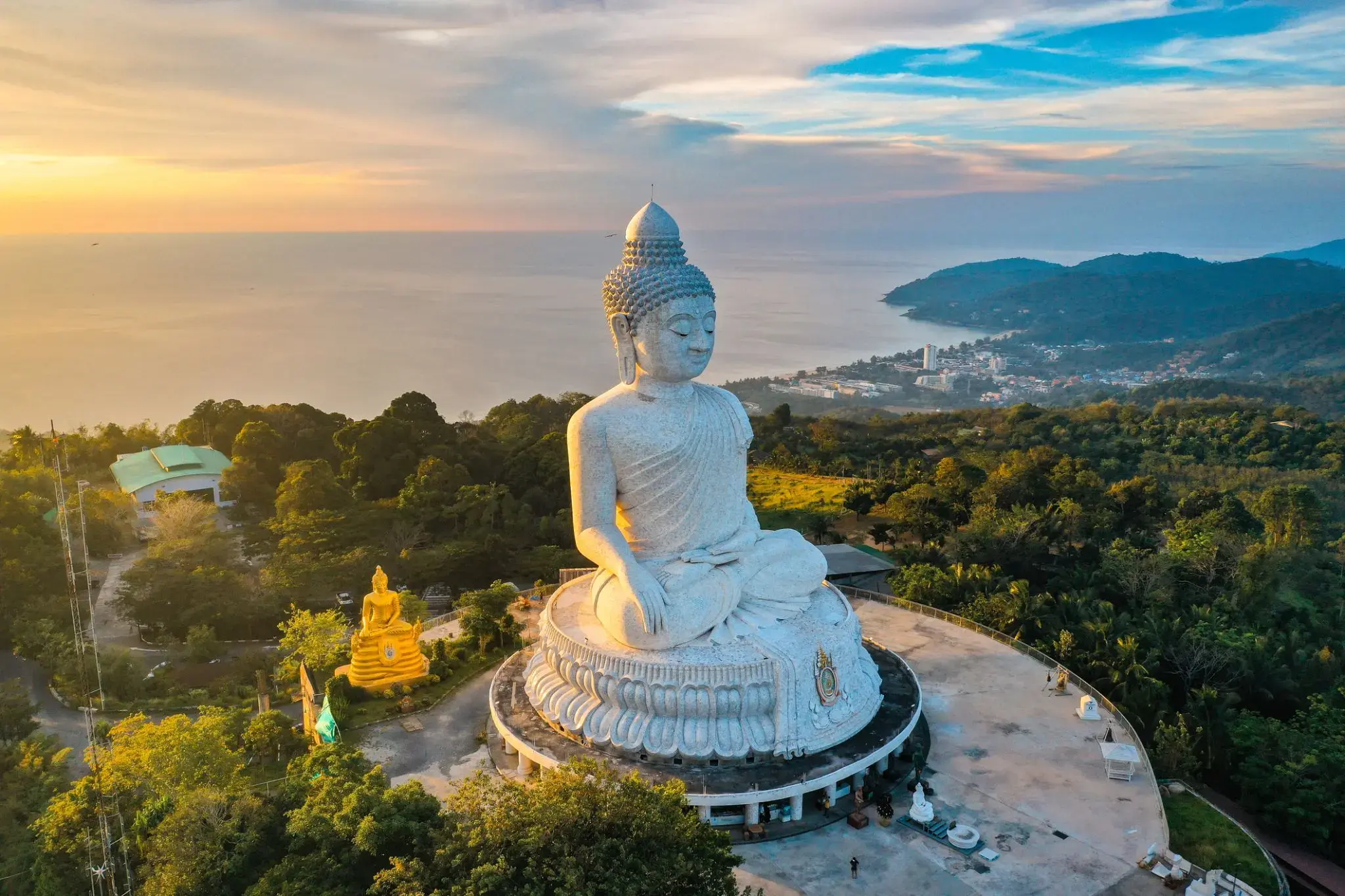
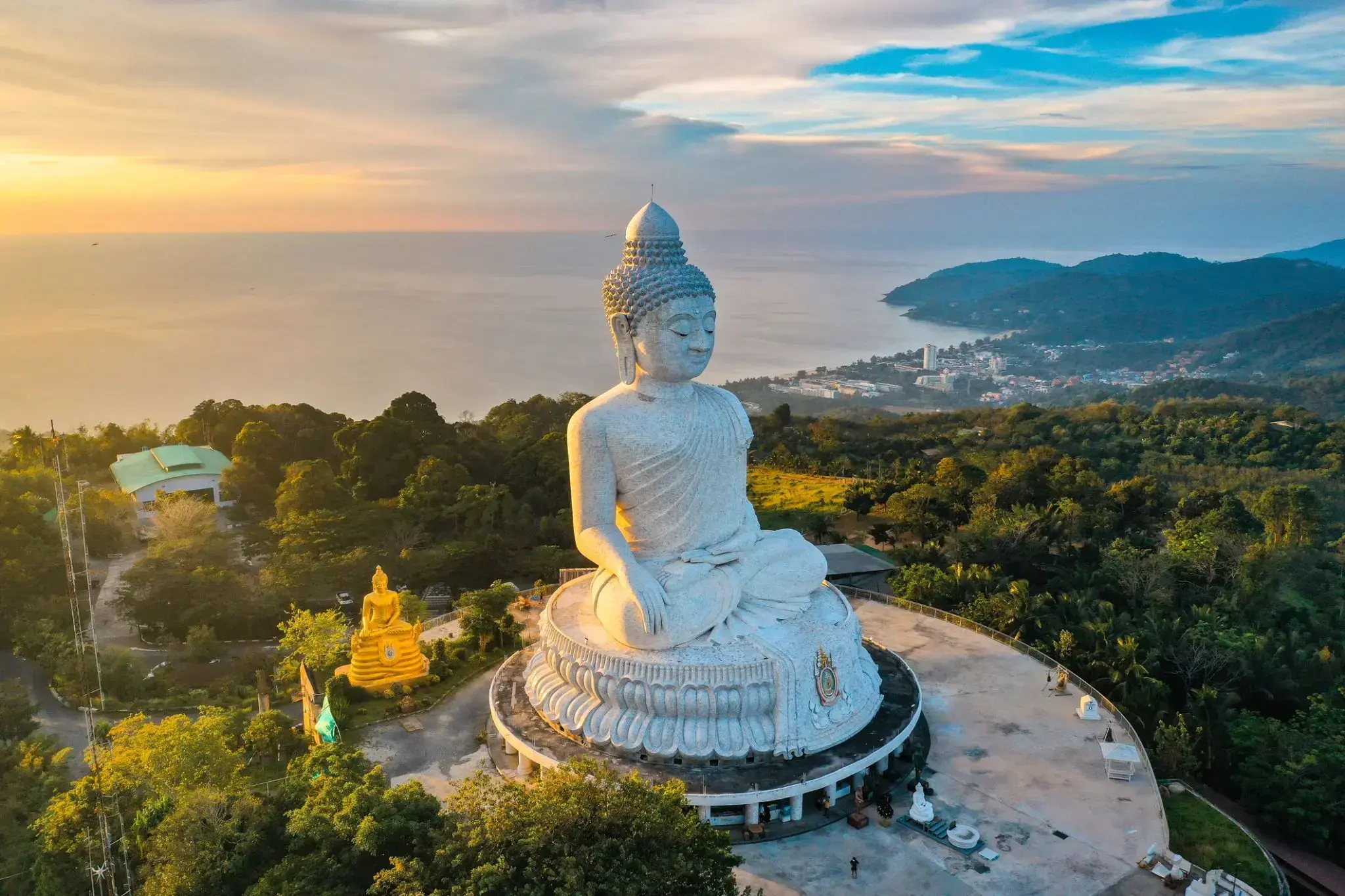
Phuket is one of the southern provinces (changwat) of Thailand. It consists of the island of Phuket, the country's largest island, and another 32 smaller islands off its coast. It lies off the west coast of Thailand in the Andaman Sea. Phuket Island is connected by the Sarasin Bridge to Phang Nga Province to the north. The next nearest province is Krabi, to the east across Phang Nga Bay.
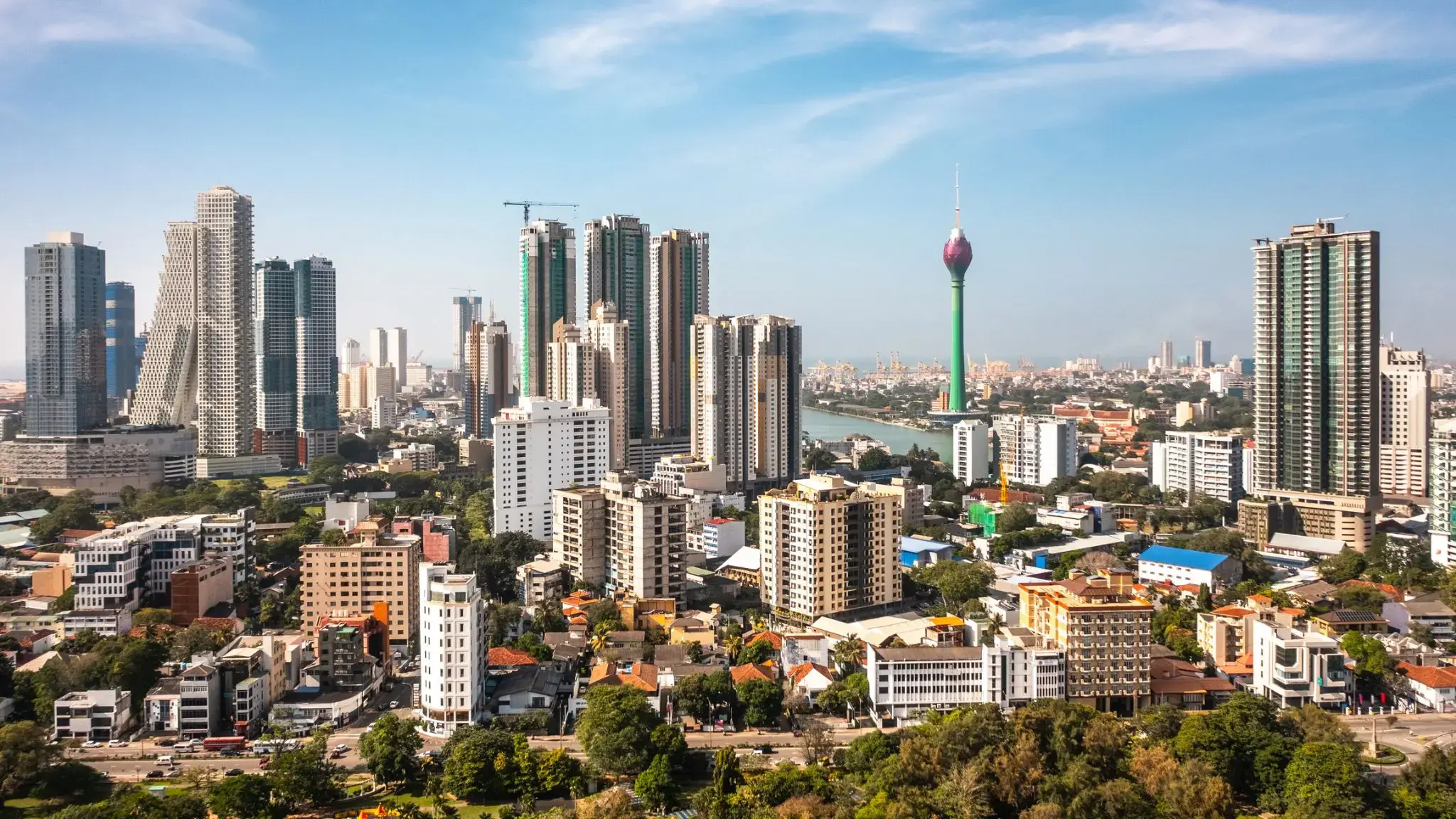
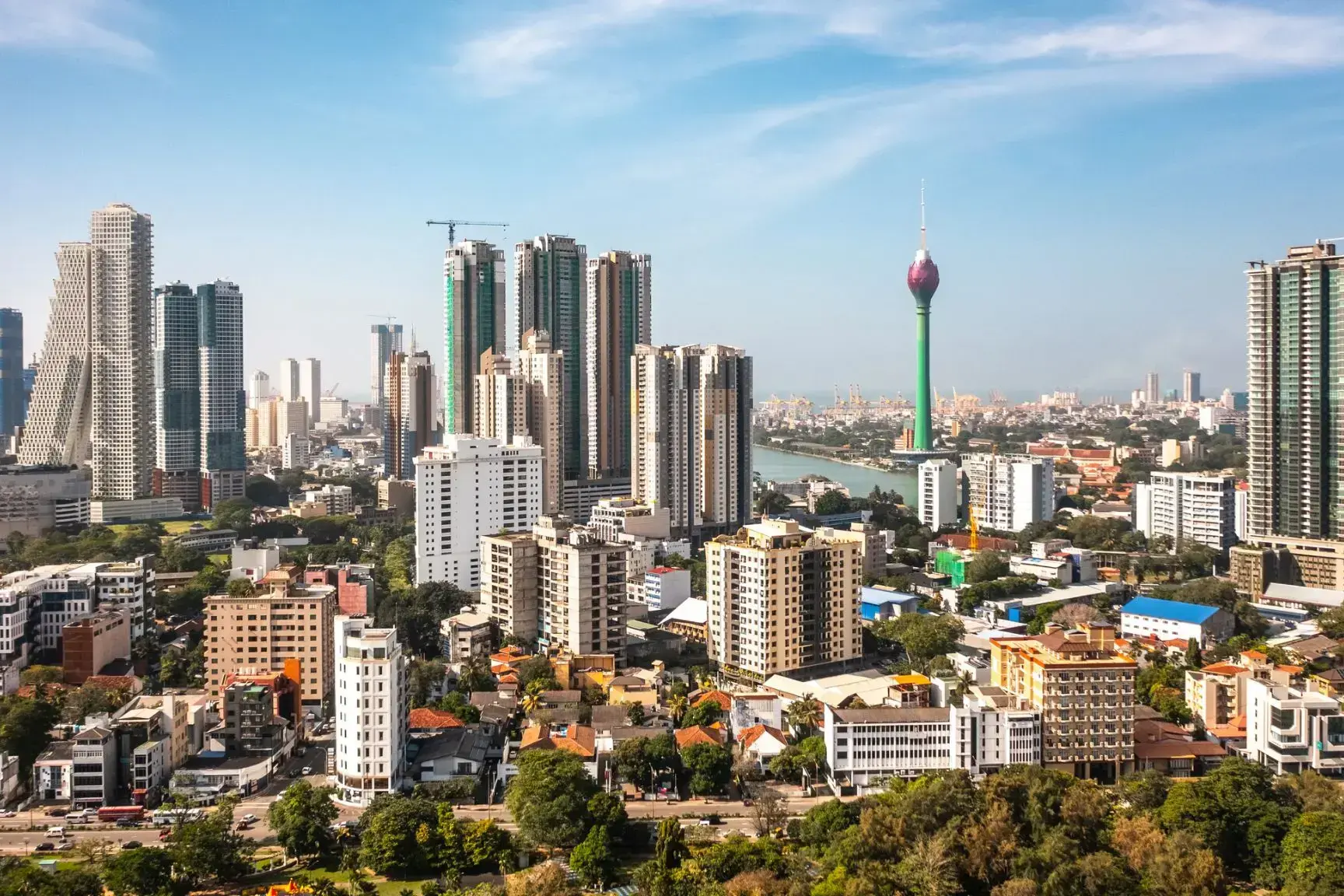
Colombo is the commercial capital and largest city of Sri Lanka. According to the Brookings Institution, Colombo metropolitan area has a population of 5.6 million, and 752,993 in the city proper. It is the financial centre of the island and a popular tourist destination. It is located on the west coast of the island and adjacent to the Greater Colombo area which includes Sri Jayawardenepura Kotte, the legislative capital of Sri Lanka and Dehiwala-Mount Lavinia. Colombo is often referred to as the capital since Sri Jayawardenepura Kotte is within the urban area of, and a suburb of, Colombo. It is also the administrative capital of the Western Province and the district capital of Colombo District. Colombo is a busy and vibrant place with a mixture of modern life and colonial buildings and ruins. It was the legislative capital of Sri Lanka until 1982.
Due to its large harbour and its strategic position along the East-West sea trade routes, Colombo was known to ancient traders 2,000 years ago. It was made the capital of the island when Sri Lanka was ceded to the British Empire in 1815, and its status as capital was retained when the nation became independent in 1948. In 1978, when administrative functions were moved to Sri Jayawardenepura Kotte, Colombo was designated as the commercial capital of Sri Lanka.
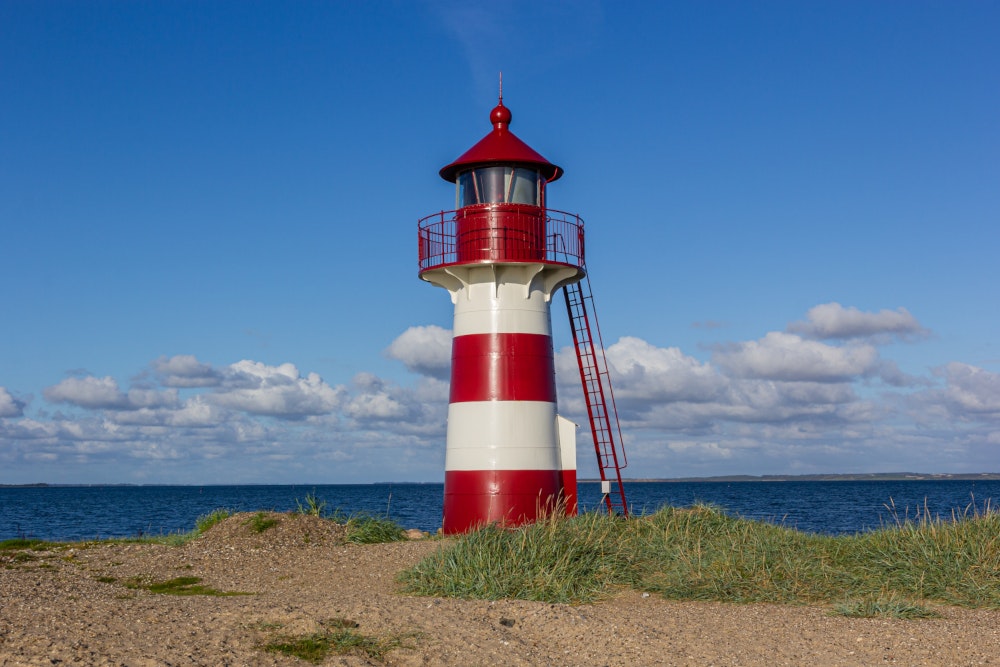
With its sandy beaches, cozy cafes, and the aroma of spices, Mangaluru offers travelers a unique blend of natural beauty and cultural richness. This coastal city of India is famous for its endless golden beaches where the Arabian Sea gently caresses the shore, creating an atmosphere of complete serenity. Among the must-visit sites is the historic Kadri Manjunath Temple, considered one of the oldest in South India.
The gastronomic experiences here rival the beauty of the scenery: the local cuisine, rich in seafood and traditional spices, will impress even the most discerning gourmet. Markets in Mangaluru attract visitors with colorful stalls brimming with the aromas of spices, fruits, and fresh seafood. This city is the perfect place to immerse yourself in the authentic atmosphere of South Indian hospitality and enjoy a leisurely seaside vacation.
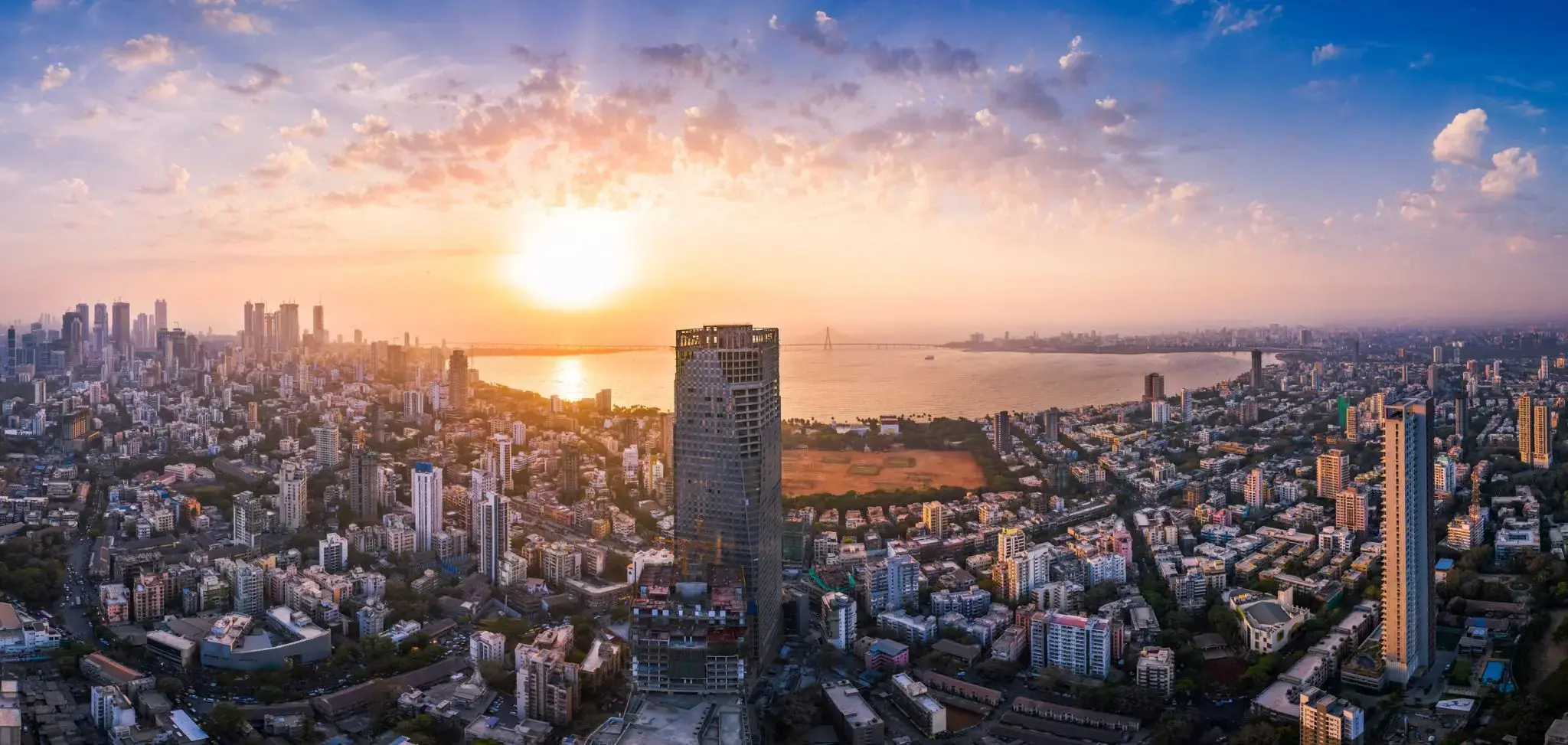
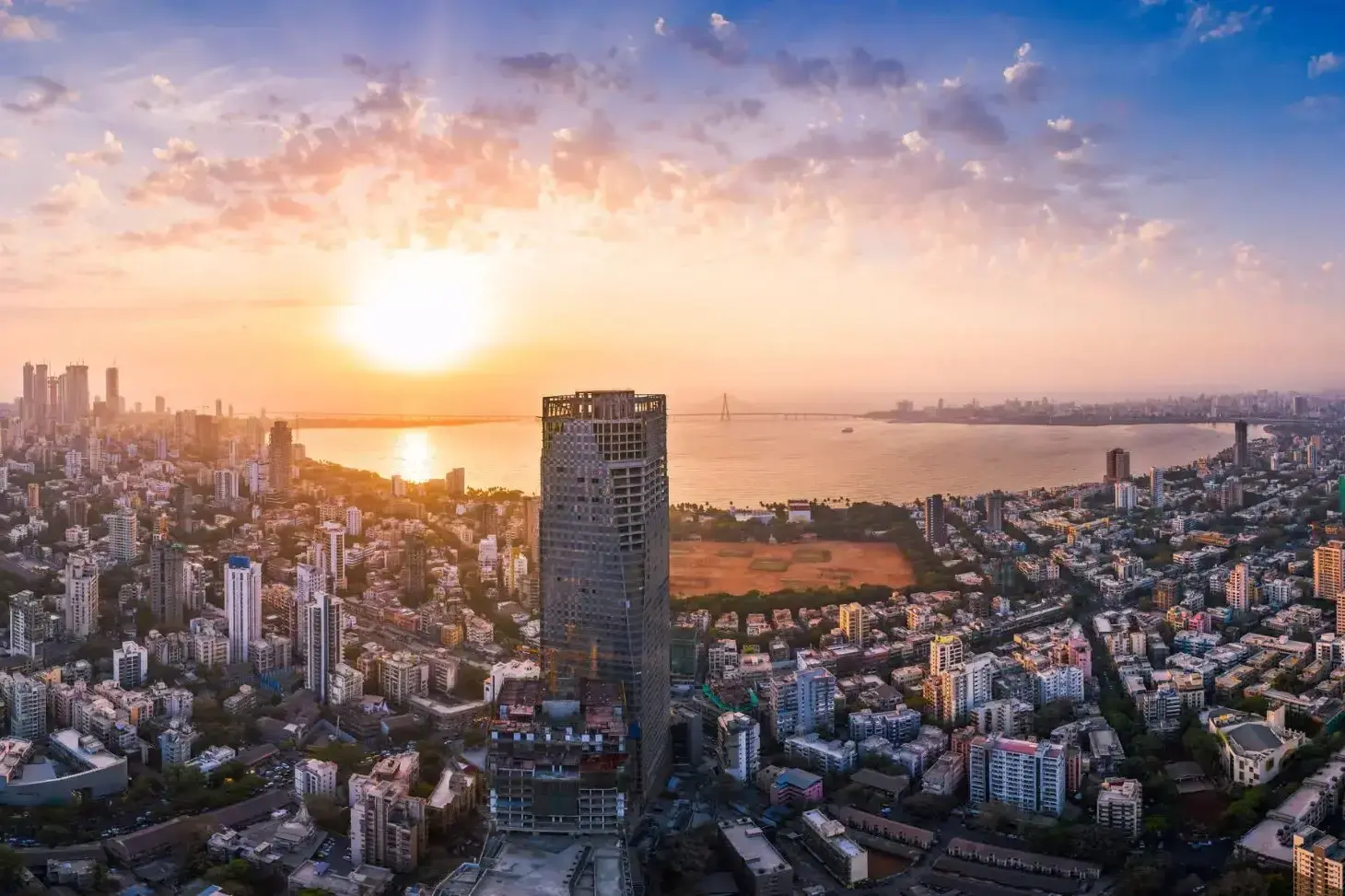
Mumbai is the capital city of the Indian state of Maharashtra. It is the most populous city in India with an estimated city proper population of 12.4 million as of 2011. Along with the neighbouring regions of the Mumbai Metropolitan Region, it is the second most populous metropolitan area in India, with a population of 21.3 million as of 2016. Mumbai lies on the Konkancoast on the west coast of India and has a deep natural harbour. In 2008, Mumbai was named an alpha world city. It is also the wealthiest city in India, and has the highest number of millionaires and billionaires among all cities in India. Mumbai is home to three UNESCO World Heritage Sites: the Elephanta Caves, Chhatrapati Shivaji Maharaj Terminus, and the city's distinctive ensemble of Victorian and Art Deco buildings.
Mumbai is the capital city of the Indian state of Maharashtra. It is the most populous city in India with an estimated city proper population of 12.4 million as of 2011. Along with the neighbouring regions of the Mumbai Metropolitan Region, it is the second most populous metropolitan area in India, with a population of 21.3 million as of 2016. Mumbai lies on the Konkancoast on the west coast of India and has a deep natural harbour. In 2008, Mumbai was named an alpha world city. It is also the wealthiest city in India, and has the highest number of millionaires and billionaires among all cities in India. Mumbai is home to three UNESCO World Heritage Sites: the Elephanta Caves, Chhatrapati Shivaji Maharaj Terminus, and the city's distinctive ensemble of Victorian and Art Deco buildings.
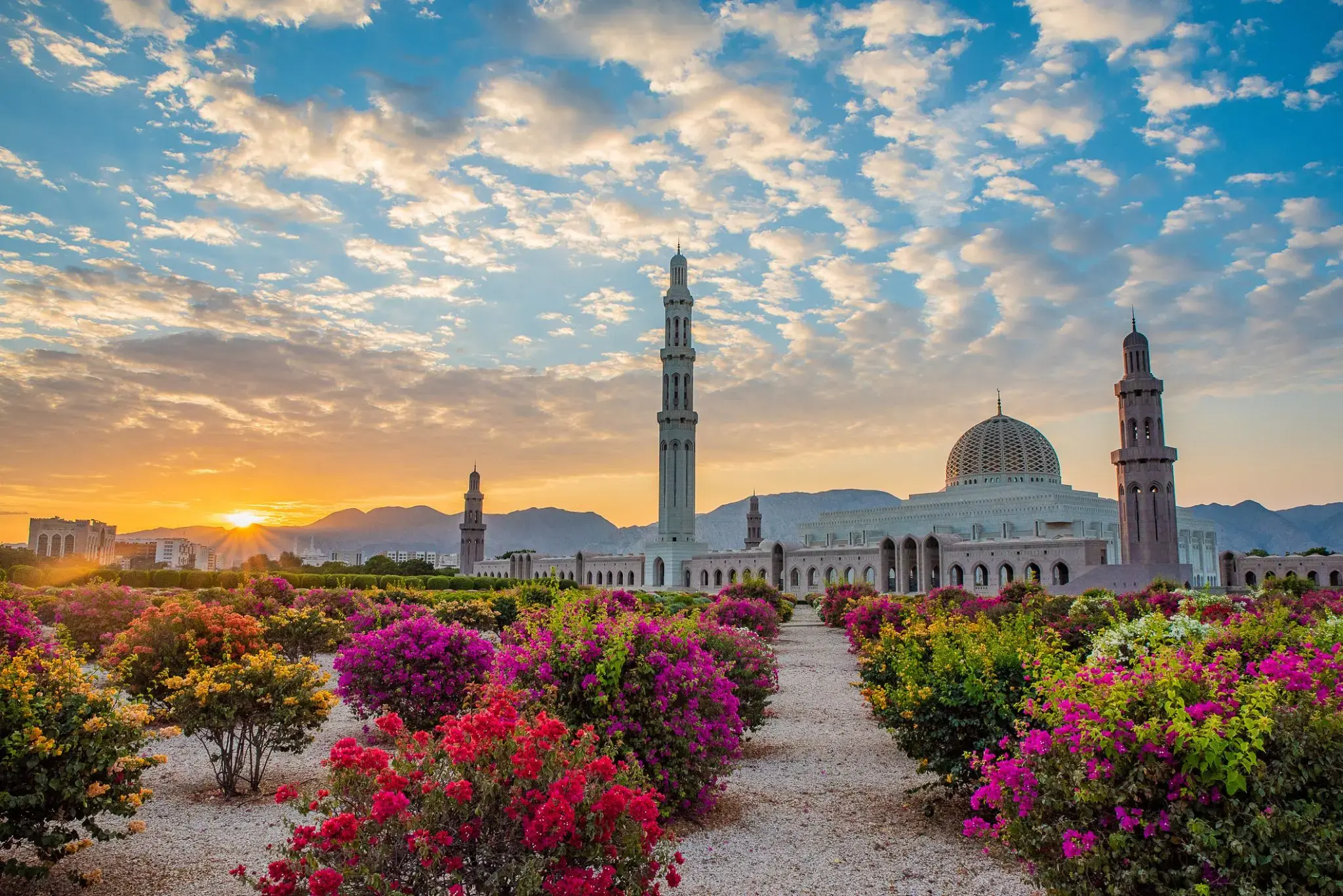
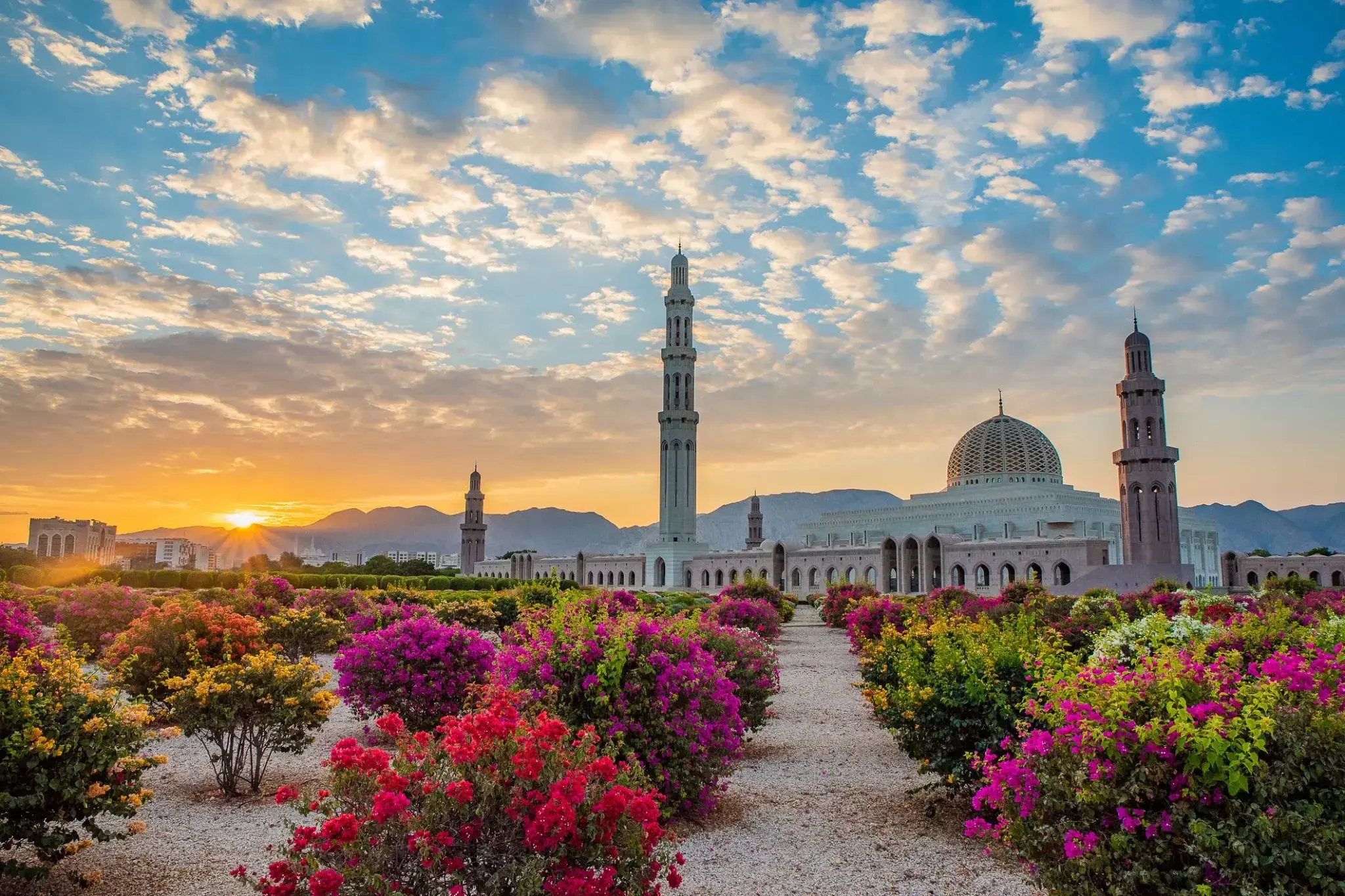
Muscat is the capital and largest city of Oman. It is the seat of the Governorate of Muscat. According to the National Centre for Statistics and Information (NCSI), the total population of Muscat Governorate reached 1.4 million as of September 2018. The metropolitan area spans approximately 3,500 km2 (1,400 sq mi) and includes six provinces called wilayats. Known since the early 1st century CE as an important trading port between the west and the east, Muscat was ruled by various indigenous tribes as well as foreign powers such as the Persians, the Portuguese Empire, the Iberian Union and the Ottoman Empire at various points in its history. A regional military power in the 18th century, Muscat's influence extended as far as East Africa and Zanzibar. As an important port-town in the Gulf of Oman, Muscat attracted foreign tradesmen and settlers such as the Persians and the Balochis. Since the ascension of Qaboos bin Said as Sultan of Oman in 1970, Muscat has experienced rapid infrastructural development that has led to the growth of a vibrant economy and a multi-ethnic society.
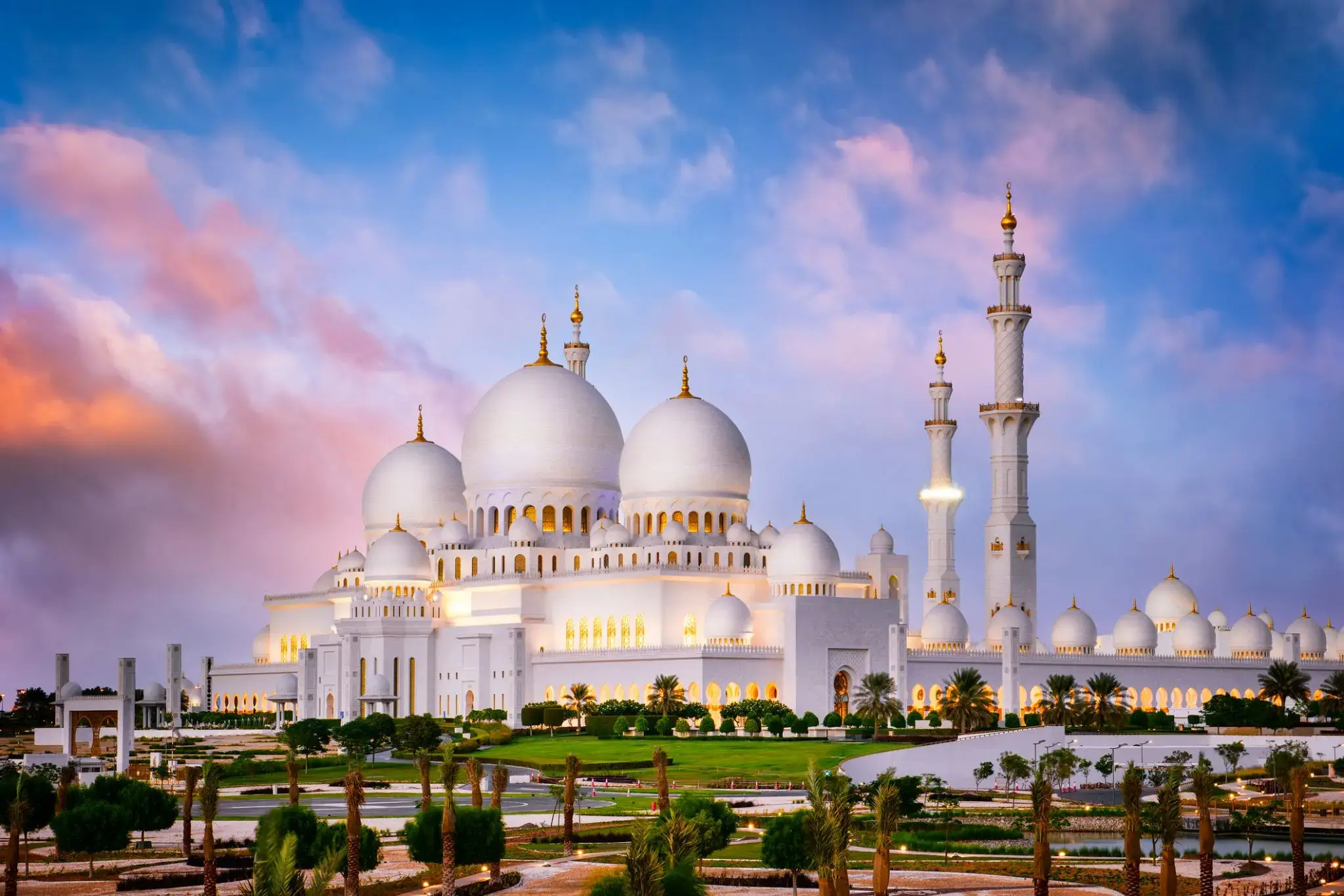
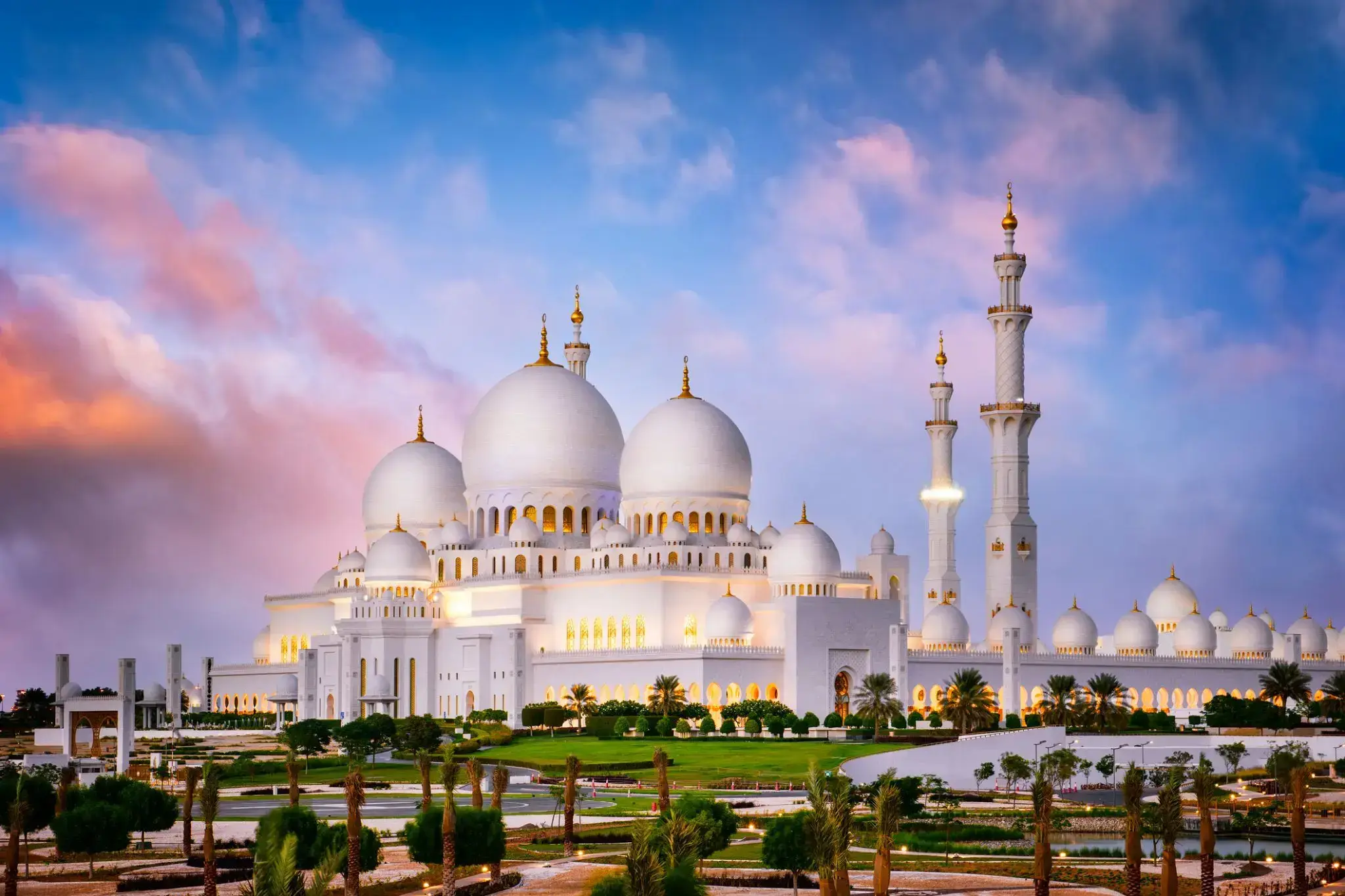
Abu Dhabi is the capital and the second most populous city of the United Arab Emirates (the most populous being Dubai), and also capital of the Emirate of Abu Dhabi, the largest of the UAE's seven emirates. Abu Dhabi lies on a T-shaped island jutting into the Persian Gulf from the central western coast. The city of Abu Dhabi has an estimated population of 1.8 million in 2016.
Abu Dhabi houses federal government offices, is the seat of the United Arab Emirates Government, home to the Abu Dhabi Emiri Family and the President of the UAE, who is from this family. Abu Dhabi's rapid development and urbanisation, coupled with the relatively high average income of its population, has transformed the city into a large and advanced metropolis. Today the city is the country's centre of political and industrial activities, and a major cultural and commercial centre, due to its position as the capital. Abu Dhabi accounts for about two-thirds of the roughly $400-billion United Arab Emirates economy.
Sir Bani Yas is a unique island located in the Persian Gulf, just 250 km from Abu Dhabi, United Arab Emirates. The island is one of the largest nature reserves in the region and is known for its rich flora and fauna. It is home to many wild animal species, including gazelles, Arabian oryx populations, and rare birds. The island also hosts a significant number of marine inhabitants, such as turtles and dolphins, making it an excellent destination for eco-tourism enthusiasts and nature watchers.
Sir Bani Yas is also a popular destination for active leisure, offering a wide range of activities, including desert safaris, kayaking, and cycling tours across the island. For diving enthusiasts, there are excellent opportunities for snorkeling and scuba diving, thanks to the clear waters and rich coral reefs. This place is perfect for those who want to explore nature and relax in luxury and seclusion.
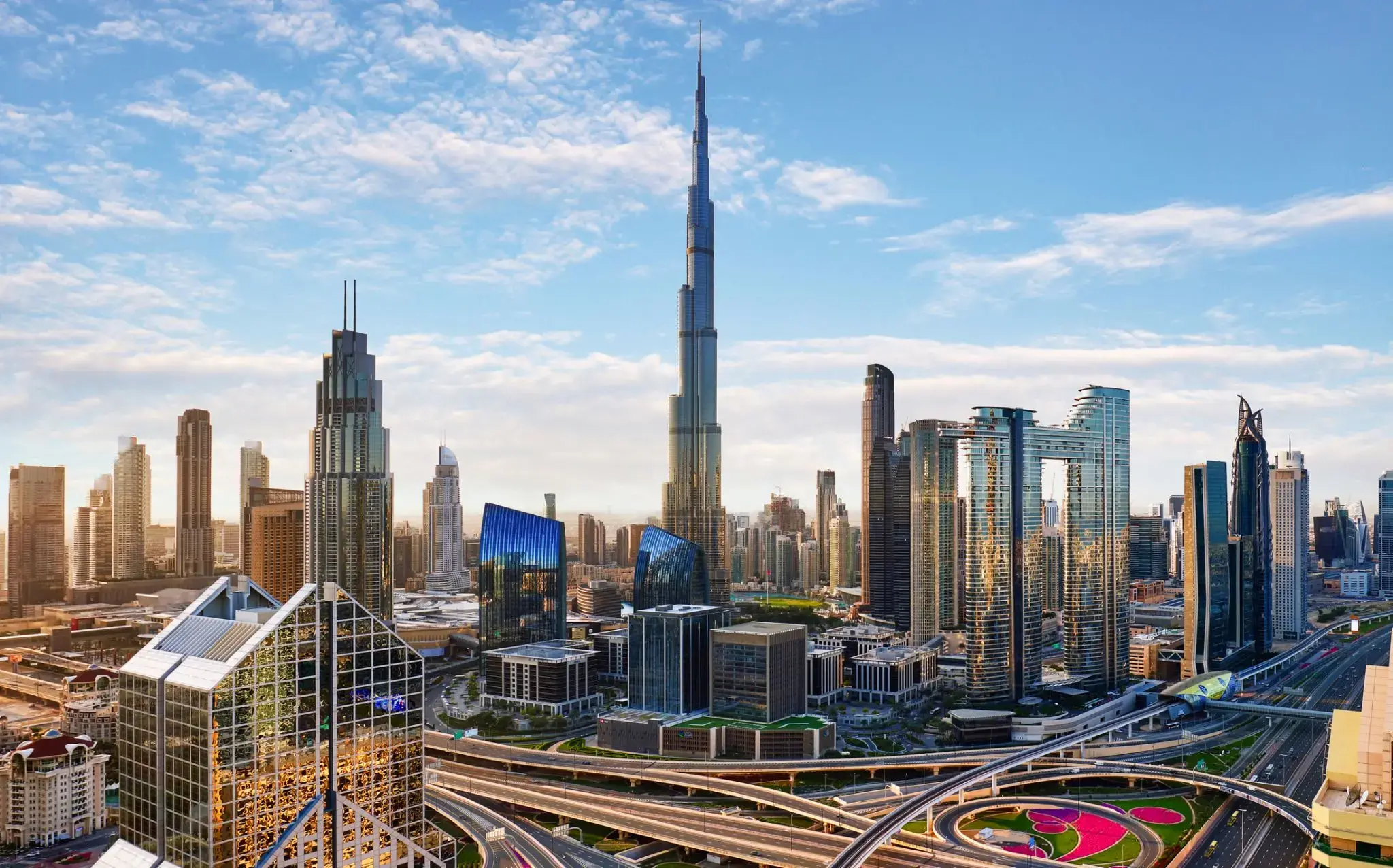
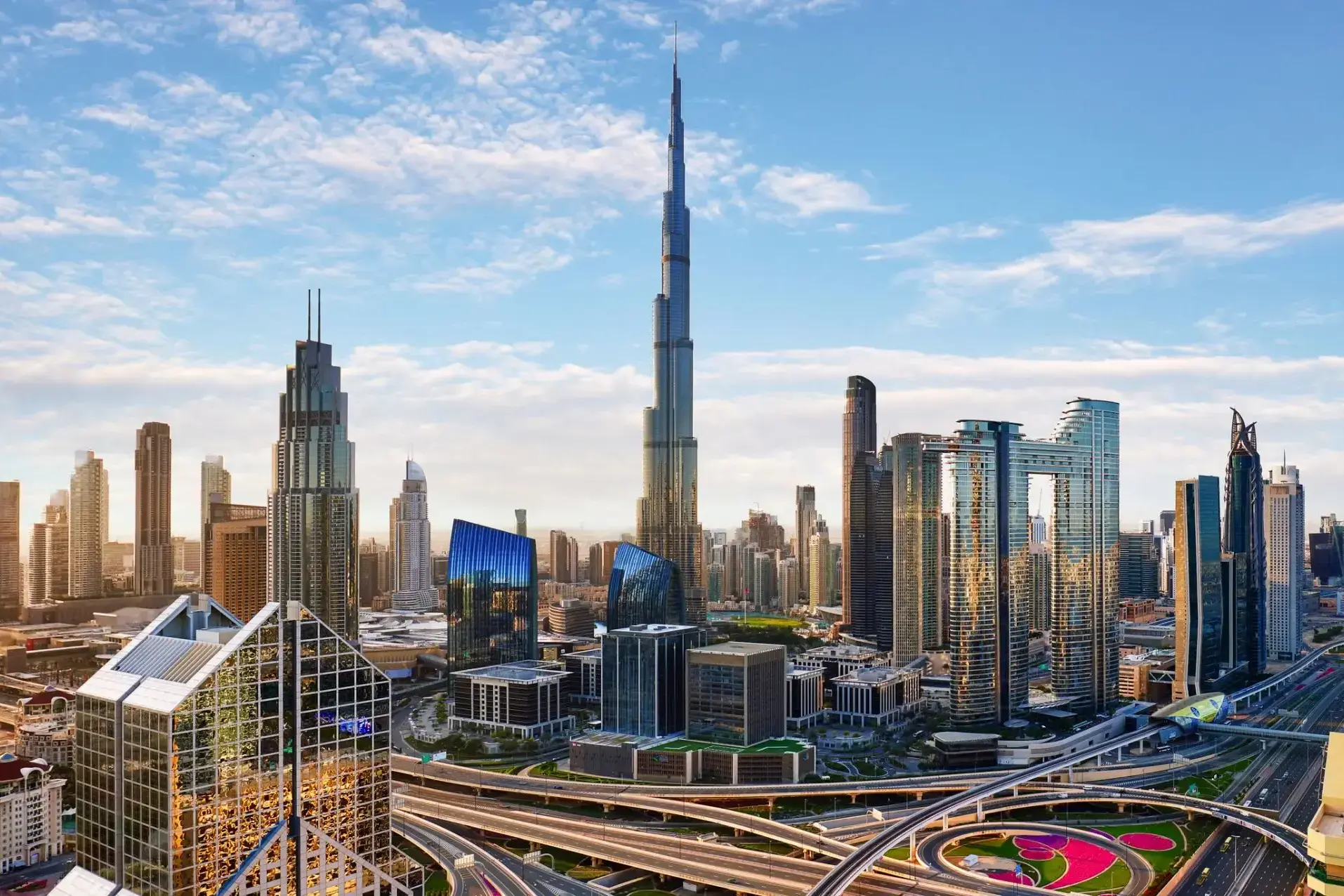
Dubai is the largest and most populous cityin the United Arab Emirates (UAE). On the southeast coast of the Persian Gulf, it is the capital of the Emirate of Dubai, one of the seven emirates that make up the country.
Dubai is a global city and business hub of the Middle East. It is also a major global transport hub for passengers and cargo. Oil revenue helped accelerate the development of the city, which was already a major mercantile hub, but Dubai's oil reserves are limited and production levels are low: today, less than 5% of the emirate's revenue comes from oil. A growing centre for regional and international trade since the early 20th century, Dubai's economy today relies on revenues from trade, tourism, aviation, real estate, and financial services.
Dubai has attracted world attention through large construction projects and sports events, in particular the world's tallest building, the Burj Khalifa. As of 2012, Dubai was the most expensive city in the Middle East. In 2014, Dubai's hotel rooms were rated as the second most expensive in the world.