














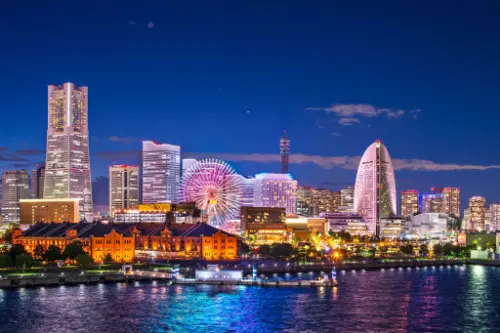


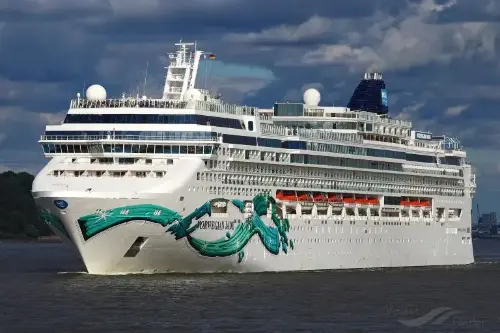

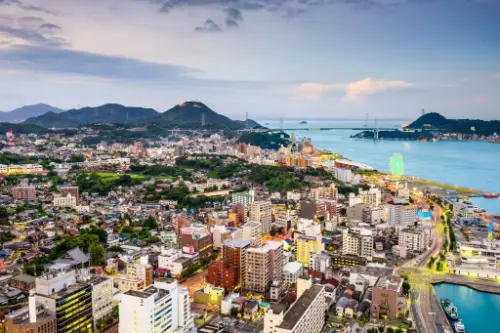
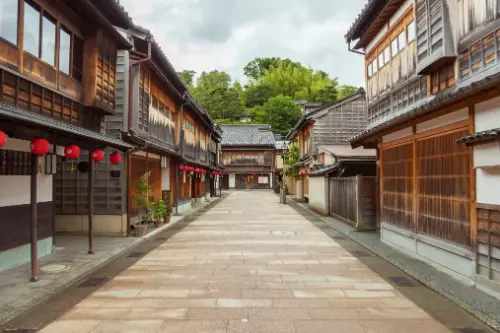
Asia has no single season, and that is the first thing to grasp. South-East Asia is at its best from October to April; Japan in spring and autumn; China and Korea in the same shoulders but for different reasons. The region is vast, its climates do not coincide, and the question 'when is the best time to cruise Asia' has no answer until a sub-region is chosen. Everything else — line, ship, cabin — is settled afterwards.
It is better divided by climate zone than by geography. Each zone runs on its own calendar, and an attempt to 'go to Asia in spring' without further definition may land you in the rainy season or under the cherry blossom.
Taiwan stands apart: a nearly year-round destination peaking in autumn and spring. Ukrainian travellers seldom choose it, however, because of the difficulty of obtaining a visa. Polish citizens need no visa for Taiwan.
| Sub-region | Countries and ports | Best season |
|---|---|---|
| South-East Asia | Singapore, Malaysia, Thailand, Vietnam | October to April |
| Japan | Tokyo, Kobe, Nagasaki, Okinawa | March–April and October–November |
| China and South Korea | Shanghai, Hong Kong, Busan | April–June and September–October |
| Taiwan | Keelung | Year-round, peaking in autumn and spring |
Asia trails the Mediterranean and the Caribbean in bookings but grows faster than any other destination: the cruise infrastructure is developing, the route network is widening, and every year the lines send new ships here.
Three groups come. Those who have done the European cruises and want a new region. Those combining a cruise with a trip to Japan, Singapore or Thailand. And lovers of the exotic and the far-flung. For many, a cruise proves the most comfortable way to see several Asian countries in a single journey.
Short cruises run here all year, but they are aimed at the local market. For a traveller from Eastern Europe the long flight is not repaid by four nights on board — the popular length here is 8 to 14 nights.
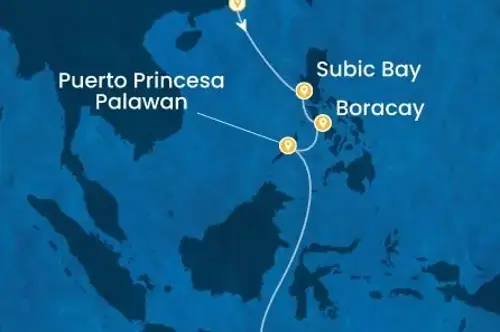
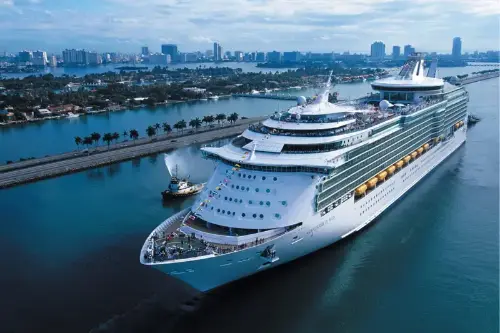
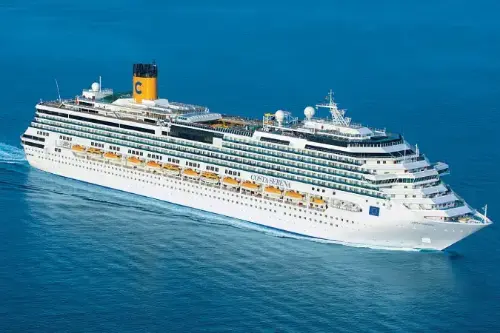
The main embarkation ports are Singapore, Tokyo (Yokohama), Kobe (Osaka), Hong Kong, Shanghai and Bali. The lines operating here are MSC Cruises, Princess Cruises, Royal Caribbean, Norwegian Cruise Line, Celebrity Cruises, Costa Cruises and Holland America Line.
The hub usually follows from the sub-region rather than the other way round: Singapore leads into South-East Asia, Yokohama and Kobe into Japan, Shanghai and Hong Kong into the China–Korea itineraries.
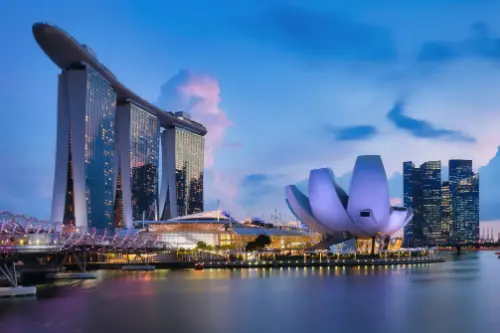
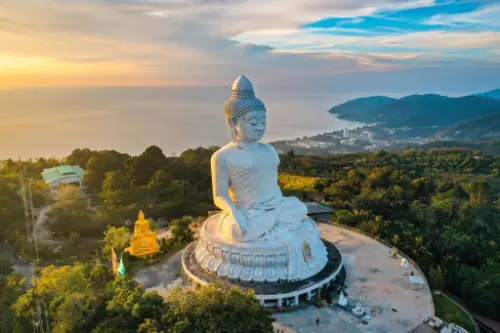
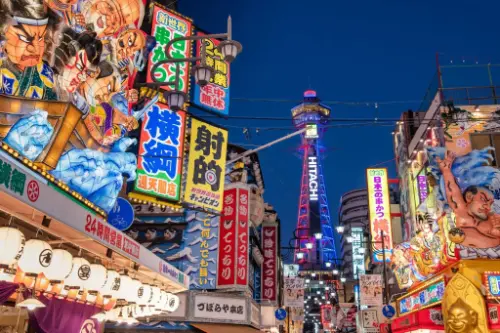
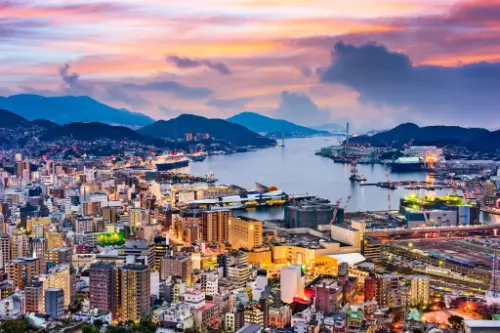
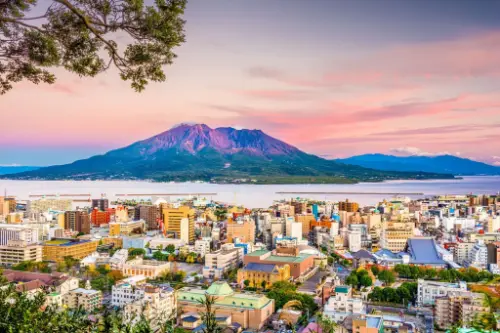
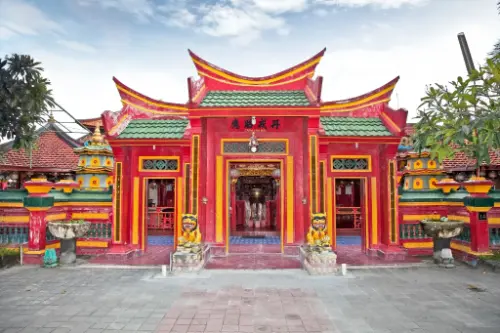
Above all in what you see. More of the exotic, an entirely different culture, unfamiliar cooking, modern megacities beside ancient temples, and a high standard of service. One cruise shows several genuinely different countries rather than variations on one civilisation.
There is also a practical difference that is rarely flagged. In some countries dollars and euros are not accepted — you must change into local currency. In certain ports a card cannot be used at all. This is no small matter: it turns a free afternoon ashore into a problem if you have not prepared.
Asia is large and its climates differ sharply — the season is chosen to fit the sub-region. The international flight is long and accounts for a substantial share of the budget. Visa requirements are checked country by country along the itinerary, not for the region as a whole. And it is worth arriving two or three days before departure: the time-zone shift needs adjusting to, and a delayed flight should not cost the cruise.
Get the season and the itinerary right and almost everything else follows. Get them wrong and neither cabin grade nor choice of line will repair it.
| Itinerary type | Length | Indicative price per person |
|---|---|---|
| Short cruises | 4–5 nights | from €350–500 |
| Classic itineraries | 7–9 nights | from €600–1,200 |
| Premium and the sakura season | from 10 nights | from €1,200–2,500 and above |
This umbrella page helps choose a direction; the detail lives on the sub-region pages. Japan cruises — cherry blossom, momiji and the visa question. Cruises from Singapore — the principal South-East Asian hub. Cruises calling at Malaysia — Penang, Langkawi, Kuala Lumpur.
Thailand, Vietnam and China are worth looking at separately: they most often belong to the same loops out of Singapore and Shanghai.
Asia is among the most varied cruise regions in the world: one voyage can take in several countries with entirely different cultures and landscapes. The decisive choice is the season and the itinerary, not the line and the cabin.
A cruise remains the most comfortable way to discover Japan, Singapore, Thailand, Malaysia, South Korea and the rest without constant transfers, hotel changes and complicated arrangements. Center Cruises advisers help select the right option and advise on flights, visas and logistics.
When is the best time for an Asian cruise?
There is no single season; it depends on the sub-region. South-East Asia is best from October to April, Japan in March–April and October–November, China and South Korea in April–June and September–October. Taiwan is available almost year-round, peaking in autumn and spring.
How many Asian cruises are listed on center.cruises?
The category holds 498 sailings (snapshot of 9 July 2026). They cover three sub-regions: South-East Asia, Japan, and China, South Korea and Taiwan.
Which are the main departure ports?
Singapore, Tokyo (Yokohama), Kobe (Osaka), Hong Kong, Shanghai and Bali. The hub usually follows from the sub-region: Singapore leads into South-East Asia, Yokohama and Kobe into Japan, Shanghai and Hong Kong into the China–Korea itineraries.
Which lines operate in Asia?
MSC Cruises, Princess Cruises, Royal Caribbean, Norwegian Cruise Line, Celebrity Cruises, Costa Cruises and Holland America Line. New ships are sent here every year: Asia's cruise infrastructure is developing quickly.
How long should an Asian cruise be?
Itineraries of 8 to 14 nights are the most popular. Short cruises of four or five nights run all year but are aimed at the local market: for a traveller from Eastern Europe the long flight is not repaid by a short cruise.
How much does an Asian cruise cost?
Indicatively from €350–500 per person on short four- and five-night itineraries, €600–1,200 on classic seven- to nine-night cruises, and €1,200–2,500 and above on premium itineraries and during the sakura season. The flight is additional.
Do I need a visa for an Asian cruise?
Requirements are checked country by country along the itinerary, not for the region as a whole. Malaysia requires no visa from Ukrainian or Polish citizens; Japan requires one from Ukrainians; Singapore depends on whether the cruise begins or ends there. Taiwan is seldom chosen by Ukrainian travellers because of visa difficulty, while Polish citizens need no visa.
How does an Asian cruise differ from a Mediterranean one?
In the experience: more of the exotic, a different culture and cuisine, modern megacities beside ancient temples. One cruise shows several genuinely different countries. There is also a practical difference: in some countries dollars and euros are not accepted, and in certain ports cards cannot be used — change money in advance.