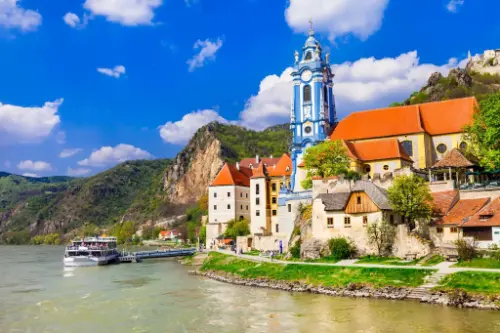
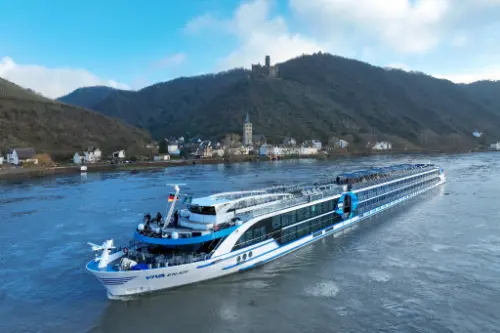
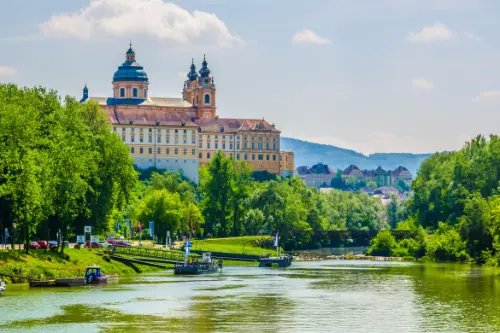
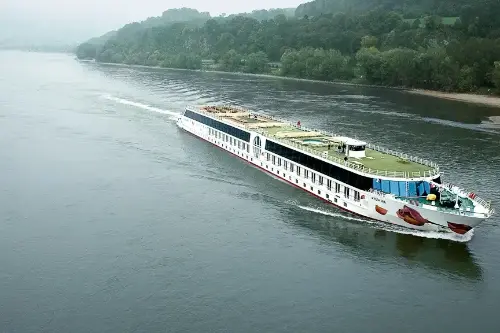
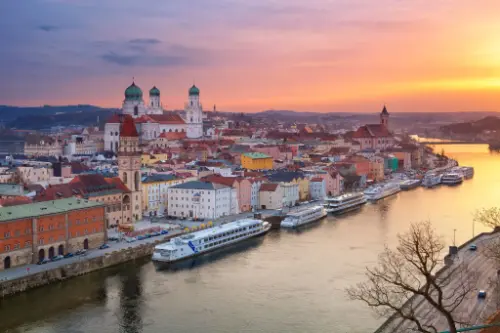
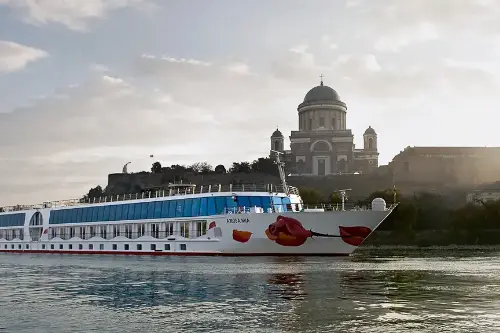
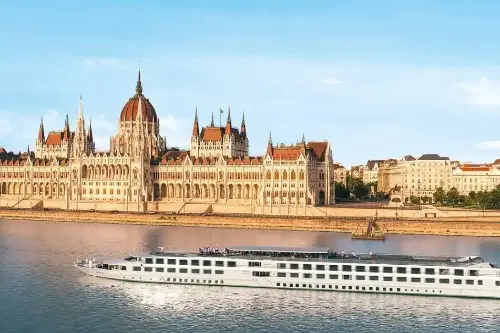
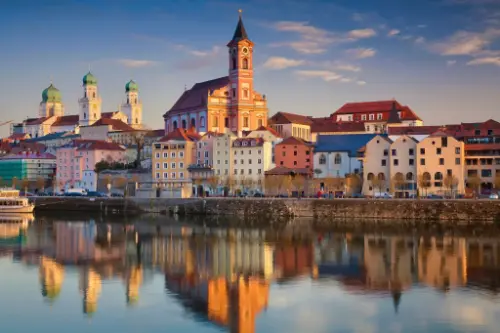
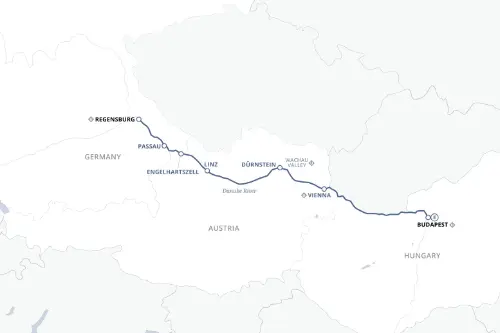
Passau, Vienna, Bratislava, Budapest. Four Central European countries in seven or eight days, and every berth a short walk from the centre of town. This is the most popular river route in Europe: the Danube accounts for more than half of all river-cruise bookings. The reason is not the river but the density — no other destination assembles so many famous capitals, and you never travel between them.
Seven or eight days, four countries, not a single change of hotel. The ship sails overnight and the morning begins in a new city, usually two steps from the cathedral or the embankment. Travellers from Ukraine particularly favour the Vienna–Vienna round trip: the same four countries, but starting and finishing in the city that is easiest to reach.
| Port | Country | What it offers |
|---|---|---|
| Passau | Germany | A baroque town at the confluence of three rivers; the classic starting point |
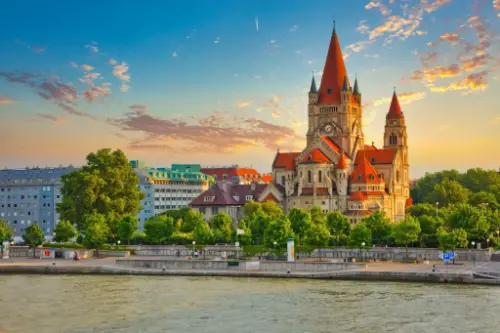
| Vienna | Austria | The principal hub of the route. The berth is inside the city |
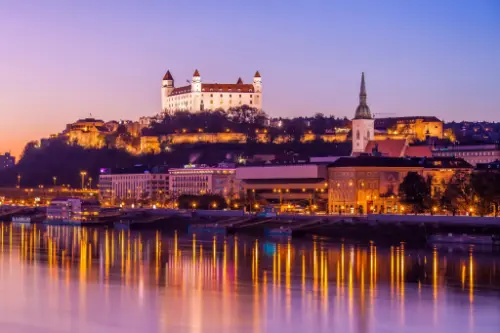
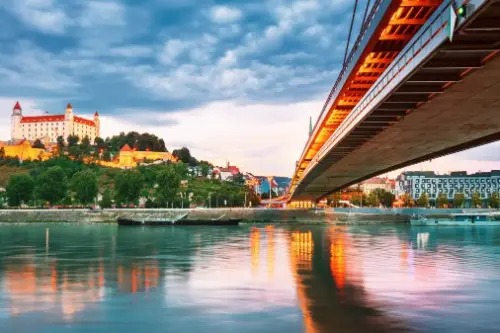
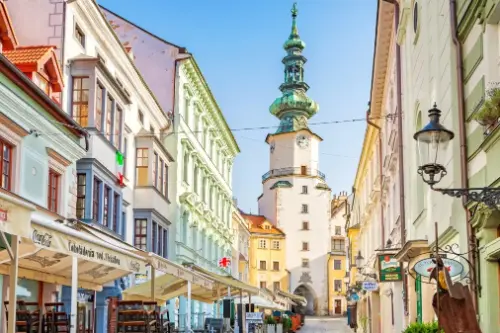
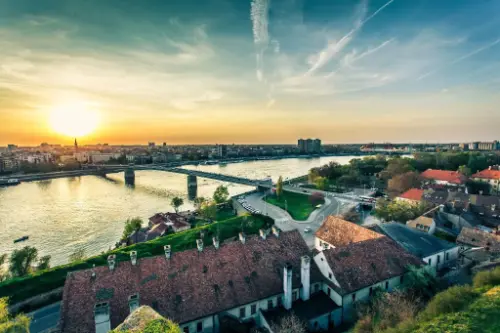
| Bratislava | Slovakia | A compact old town and a castle above the Danube |
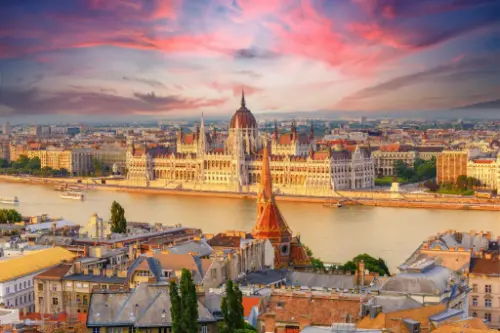
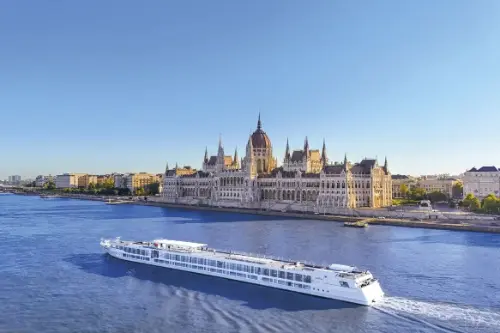
| Budapest | Hungary | The Parliament seen from the water, the baths, the Pest embankment |
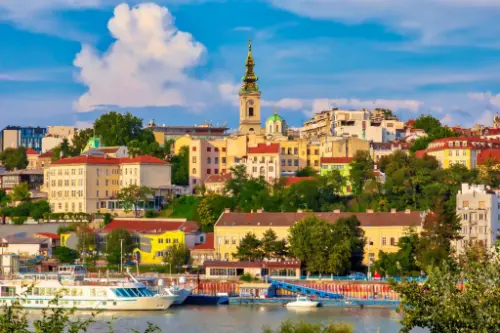
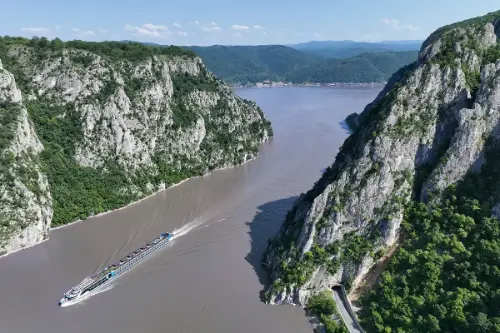
The Danube does not end at the Hungarian capital. Longer cruises continue to Belgrade, pass the Iron Gates gorge on the Serbian–Romanian border, and reach Bulgaria and the Danube delta in Romania. These itineraries run from ten to eighteen days and show a very different Europe from the classic four capitals.
Short options of three or four nights also exist. They serve well as a first taste of the format, but a week reveals the Danube more fully.
Danube itineraries are operated by CroisiEurope, AmaWaterways, A-ROSA, Avalon Waterways, Scenic, Emerald Cruises, Uniworld Boutique River Cruises, Viva Cruises and Lueftner Cruises.
The fare normally covers accommodation, meals and the entertainment programme. Drinks, excursions, Wi-Fi and gratuities are included depending on the line — and that is worth checking before booking rather than on board. The fullest packages come from Scenic, Uniworld, Emerald Cruises and selected AmaWaterways fares.
Most Danube ships carry 120 to 190 passengers. That is why there are no queues on board and the atmosphere stays intimate.
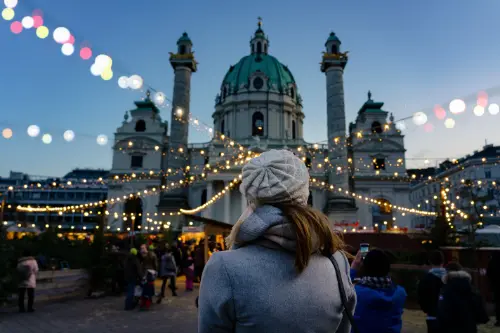
From late November through December the Danube becomes a distinct product. The ship berths in the centre, the market is five minutes' walk away, and the whole itinerary becomes a tour of festive Europe with no travelling at all.
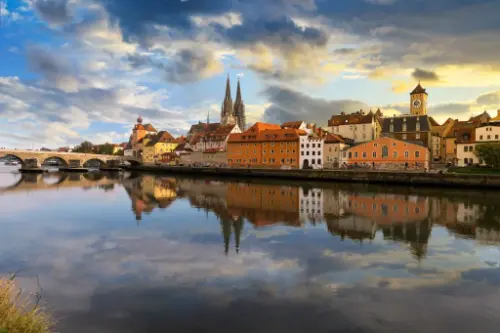
The most sought-after calls are Vienna, Budapest, Bratislava, Passau and Regensburg: mulled wine, traditional dishes, market stalls beneath the cathedrals. Demand for these cruises has grown markedly in recent years, and interest in New Year itineraries is rising separately.
The main season runs from April to October. Late November and December stand apart: this is the time of the Christmas markets and the New Year cruises.
| Itinerary type | Length | Indicative price per person |
|---|---|---|
| Short itineraries | 3–4 nights | from €500–700 |
| Classic cruise | 7–8 days | from €900–1,800 |
| Premium products | from 10 days | from €2,500 and above |
| Long itineraries: Belgrade, the Iron Gates, the Danube delta | 10–18 days | depends on the line and the fare |
Visas. Ukrainian citizens need no Schengen visa: visa-free travel applies with a biometric passport, 90 days within any 180. Travel insurance with at least €30,000 of cover is mandatory. Polish citizens, as EU nationals, need no visa.
The real question is not the visa but the journey. Ukraine's airports are closed, so the route is built through neighbouring countries. For travellers from Ukraine, Vienna is the most convenient: it is both the hub of the destination and the start of the round trip. For those already abroad, Munich works too — Passau is two hours away by train, and a day in the Bavarian capital costs nothing in time.
We recommend arriving at least one day before departure. It removes the risk of missing the ship after a delayed flight and leaves time to see the city.
A Danube cruise is the most popular river route in Europe: several countries and capitals in a single week, without changing hotels or travelling between them. It is the best introduction to river cruising there is — convenient logistics, berths in the centre of town, and a full programme of excursions.
From the classic summer itineraries to the Christmas cruises through festive Europe, the Danube remains one of the most beautiful and most sought-after river destinations all year round.
Which Danube itinerary is considered the classic one?
Passau in Germany, Vienna in Austria, Bratislava in Slovakia and Budapest in Hungary — four countries in one trip. The classic cruise runs seven or eight days. Travellers from Ukraine favour the Vienna–Vienna round trip covering the same four countries.
How many Danube cruises are listed on center.cruises?
The category holds 945 sailings (snapshot of 9 July 2026), from short itineraries of three or four nights to voyages of ten to eighteen days. The Danube is the most popular river destination, accounting for more than half of all river-cruise bookings.
Which lines operate on the Danube?
CroisiEurope, AmaWaterways, A-ROSA, Avalon Waterways, Scenic, Emerald Cruises, Uniworld Boutique River Cruises, Viva Cruises and Lueftner Cruises. The fullest packages come from Scenic, Uniworld, Emerald Cruises and selected AmaWaterways fares.
What does a Danube cruise fare include?
Normally accommodation, meals and the entertainment programme. Drinks, excursions, Wi-Fi and gratuities depend on the line, so the fare should be checked before booking. Most ships carry 120 to 190 passengers.
When is the best time for a Danube cruise?
The main season runs April to October. A separate window falls in late November and December, when the Christmas markets in Vienna, Budapest, Bratislava, Passau and Regensburg are open. Demand for New Year cruises is also growing.
Do I need a visa for a Danube cruise?
Ukrainian citizens need no Schengen visa: visa-free travel applies with a biometric passport, 90 days within any 180-day period. Travel insurance with at least €30,000 of cover is required. Polish citizens, as EU nationals, need no visa.
How do I reach the departure port?
Ukraine's airports are closed, so the journey runs through neighbouring countries. Vienna is the most convenient: the hub of the destination and the start of the round trip. For those already abroad, Munich works too — Passau is two hours away by train. Arrive at least one day before departure.
Where do the long Danube itineraries go?
Beyond Budapest the Danube continues to Belgrade, passes through the Iron Gates gorge on the Serbian–Romanian border, and reaches Bulgaria and the Danube delta. Such itineraries run from ten to eighteen days.