| Region rejsu : USA /Kanada / Meksyk, Karaiby, kanał Panamski |
| Firma : Princess Cruises |
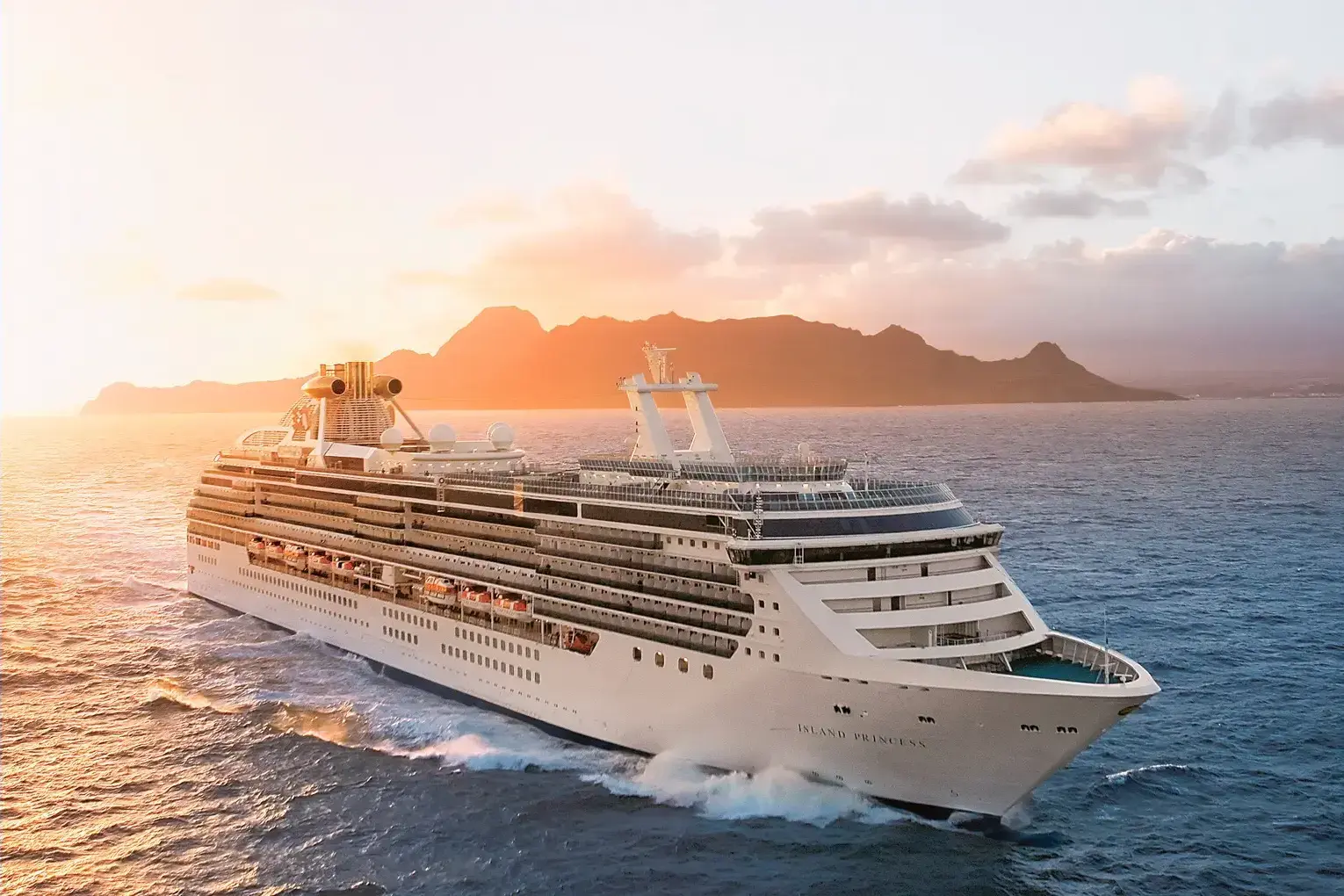
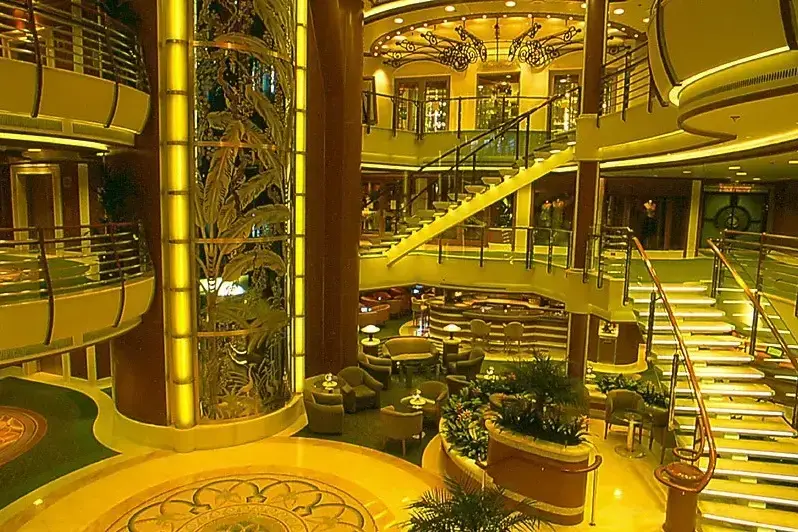
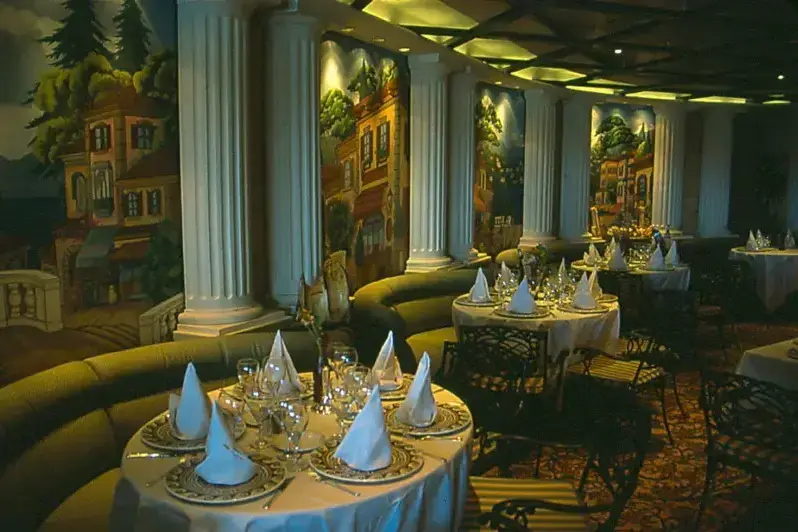
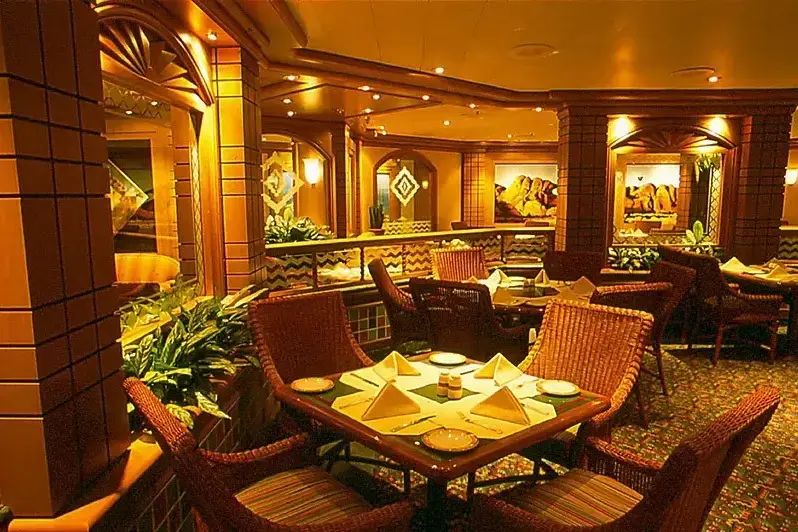
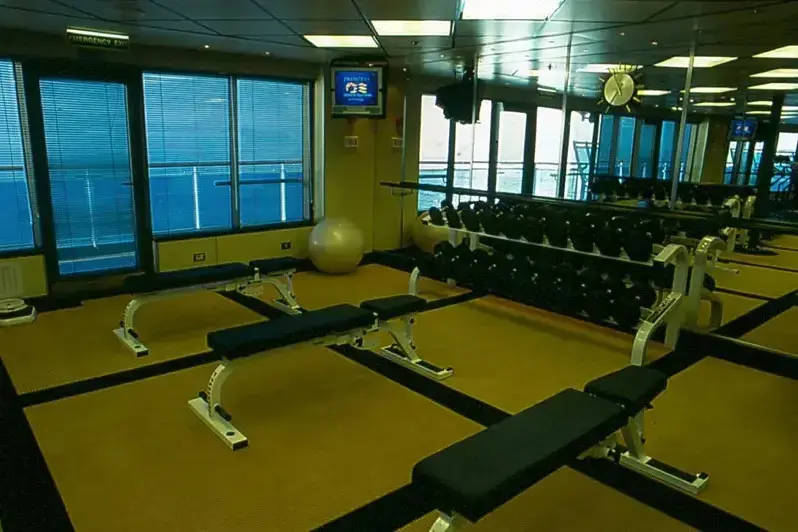
| Statek : Island Princess |
| Data rozpoczęcia : śr. 27 kwi 2022 |
| Data zakończenia : śr. 11 maj 2022 |
| Liczba nocy : 14 nocy |
| Dzień | Data | Port | Wypłynięcie | Odpłynięcie |
|---|---|---|---|---|
| 1 | 27.04 śr. | Fort Lauderdale / USA | 16:00 | |
| 2 | 28.04 czw. | Dzień na morzu / Morze | ||
| 3 | 29.04 pt. | Dzień na morzu / Morze | ||
| 4 | 30.04 sob. | Cartagena (Bolívar) / Kolumbia | 07:00 | 15:00 |
| 5 | 1.05 niedz. | Kanał Panamski / Panama | 06:00 | 16:30 |
| 6 | 2.05 pon. | Dzień na morzu / Morze | ||
| 7 | 3.05 wt. | Puntarenas / Costa Rica | 07:00 | 19:00 |
| 8 | 4.05 śr. | San Juan del Sur / Nicaragua | 07:00 | 18:00 |
| 9 | 5.05 czw. | Dzień na morzu / Morze | ||
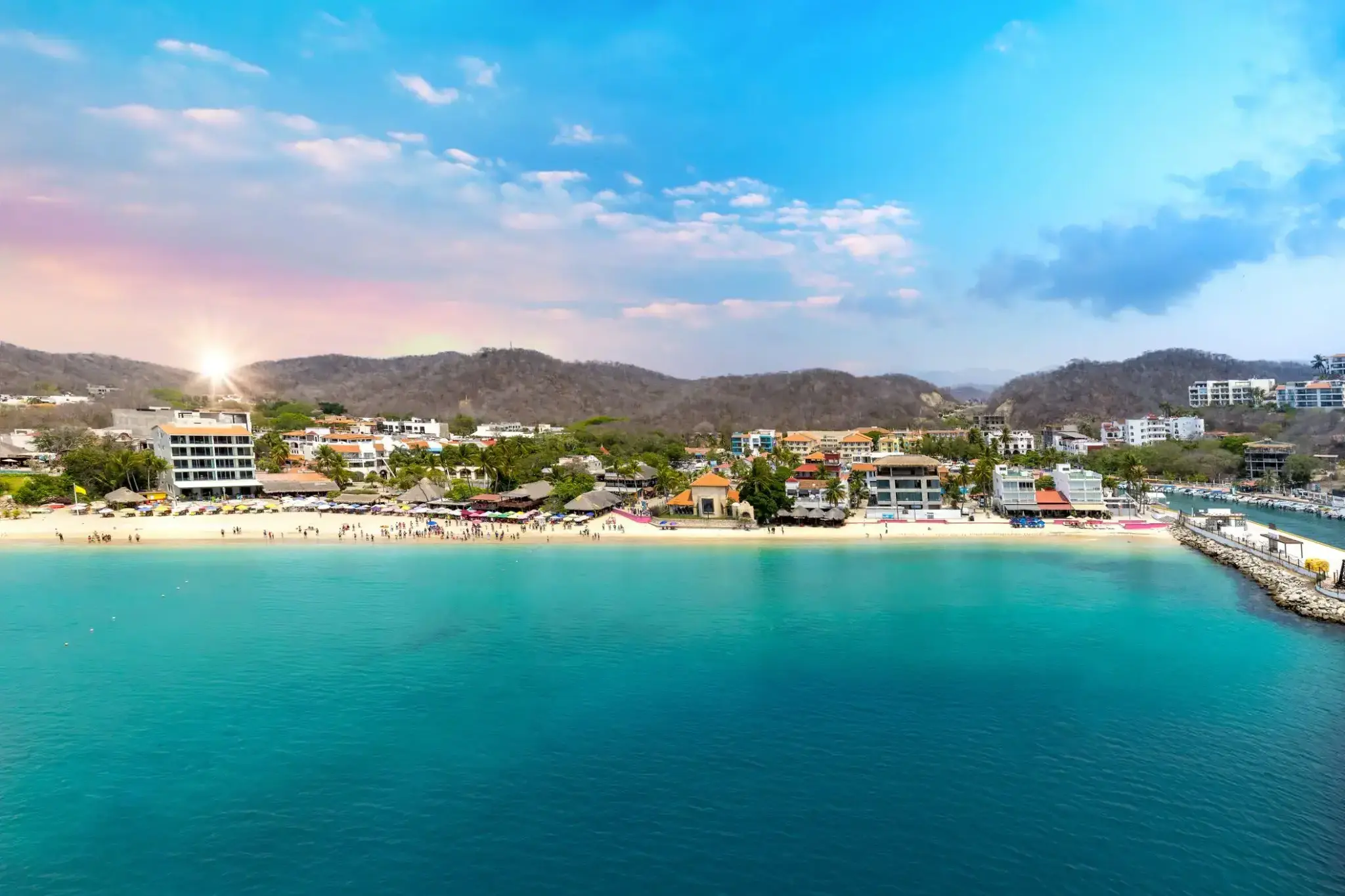
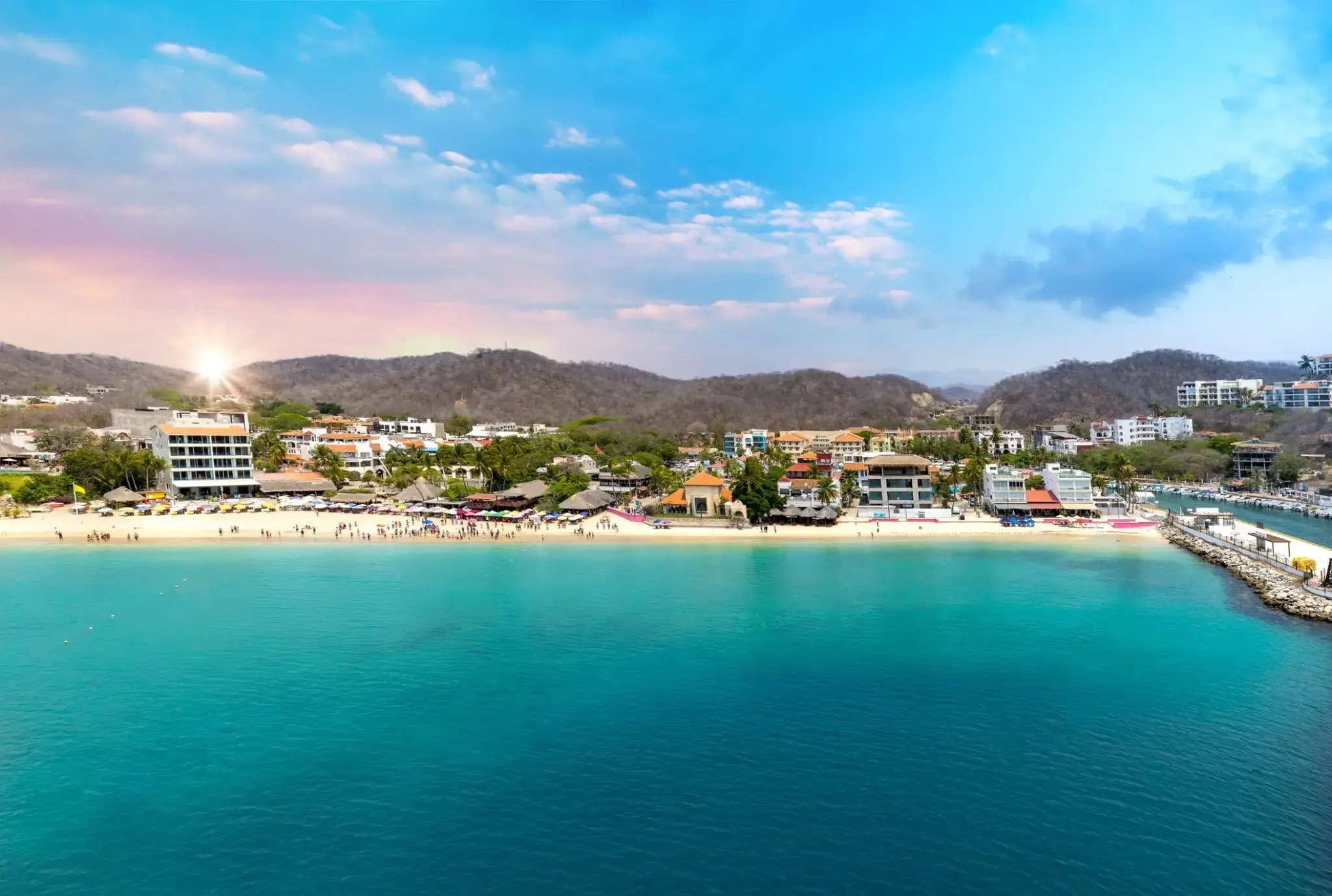
| 10 | 6.05 pt. | Huatulco / Meksyk | 07:00 | 17:00 |
| 11 | 7.05 sob. | Dzień na morzu / Morze | ||
| 12 | 8.05 niedz. | Puerto Vallarta / Meksyk | 08:00 | 18:00 |
| 13 | 9.05 pon. | Dzień na morzu / Morze | ||
| 14 | 10.05 wt. | Dzień na morzu / Morze | ||
| 15 | 11.05 śr. | Los Angeles / USA | 07:00 |
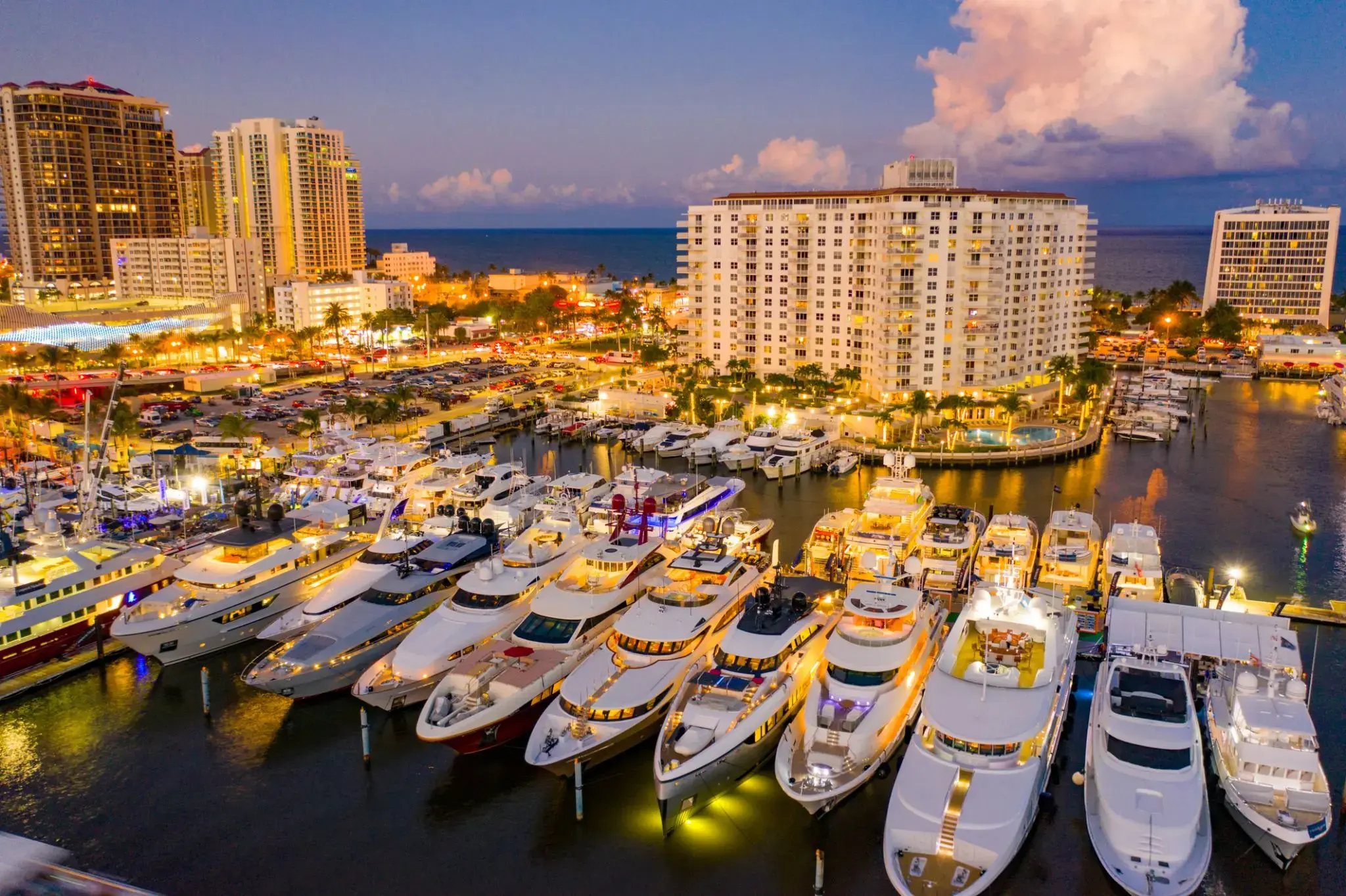
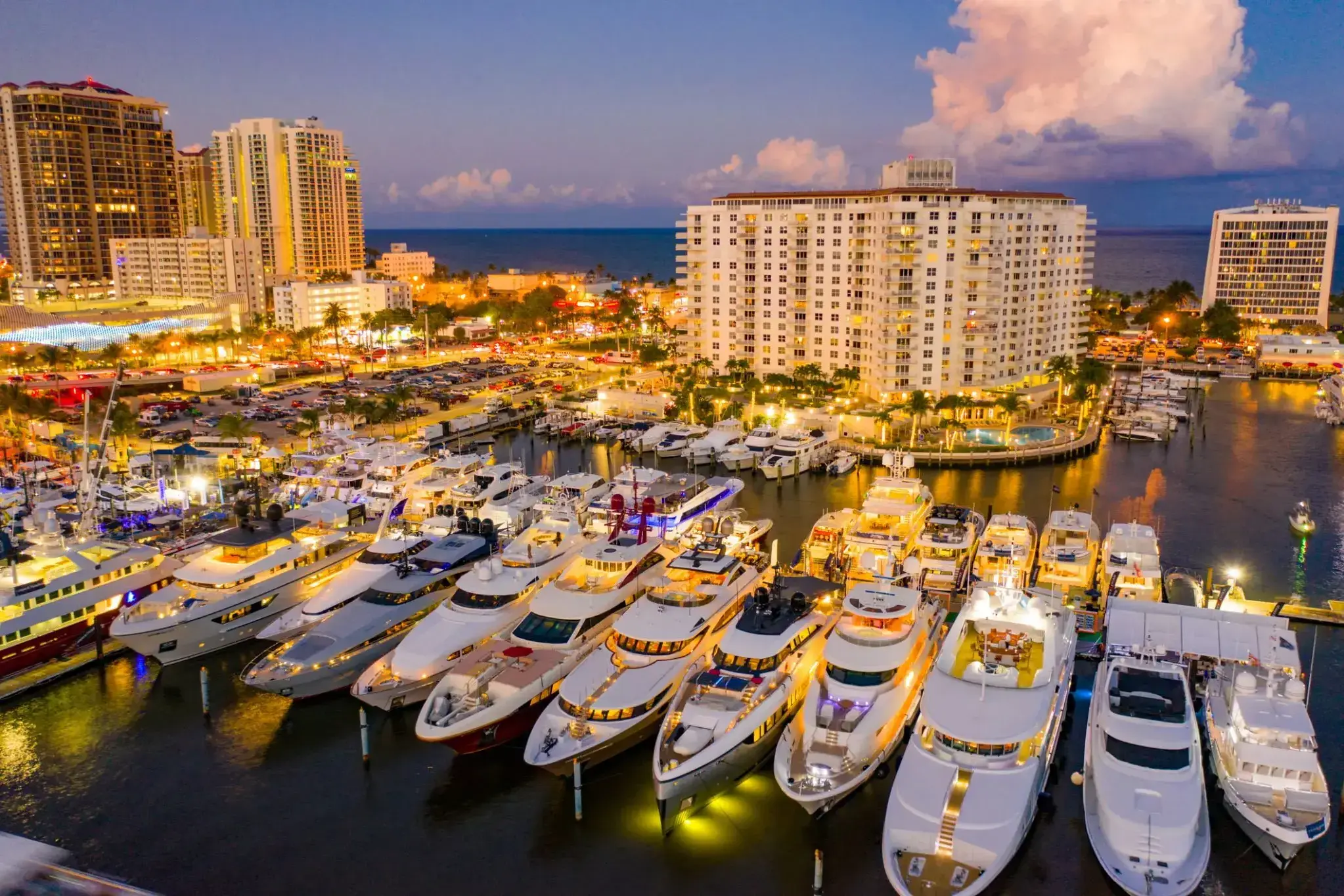
Fort Lauderdale is a city in the U.S. state of Florida, 28 miles (45 km) north of Miami. It is the county seat of Broward County. As of the 2017 census, the city has an estimated population of 180,072. Fort Lauderdale is a principal city of the Miami metropolitan area, which was home to an estimated 6,158,824 people in 2017.
The city is a popular tourist destination, with an average year-round temperature of 75.5 °F (24.2 °C) and 3,000 hours of sunshine per year. Greater Fort Lauderdale, encompassing all of Broward County, hosted 12 million visitors in 2012, including 2.8 million international visitors. In 2012, the county collected $43.9 million from the 5% hotel tax it charges, after hotels in the area recorded an occupancy rate for the year of 72.7 percent and an average daily rate of $114.48. The district has 561 hotels and motels comprising nearly 35,000 rooms. Forty-six cruise ships sailed from Port Everglades in 2012. Greater Fort Lauderdale has over 4,000 restaurants, 63 golf courses, 12 shopping malls, 16 museums, 132 nightclubs, 278 parkland campsites, and 100 marinas housing 45,000 resident yachts.
Fort Lauderdale is named after a series of forts built by the United States during the Second Seminole War. The forts took their name from Major William Lauderdale (1782–1838), younger brother of Lieutenant Colonel James Lauderdale. William Lauderdale was the commander of the detachment of soldiers who built the first fort. However, development of the city did not begin until 50 years after the forts were abandoned at the end of the conflict.
Three forts named "Fort Lauderdale" were constructed: the first was at the fork of the New River, the second was at Tarpon Bend on the New River between the present-day Colee Hammock and Rio Vista neighborhoods, and the third was near the site of the Bahia Mar Marina.
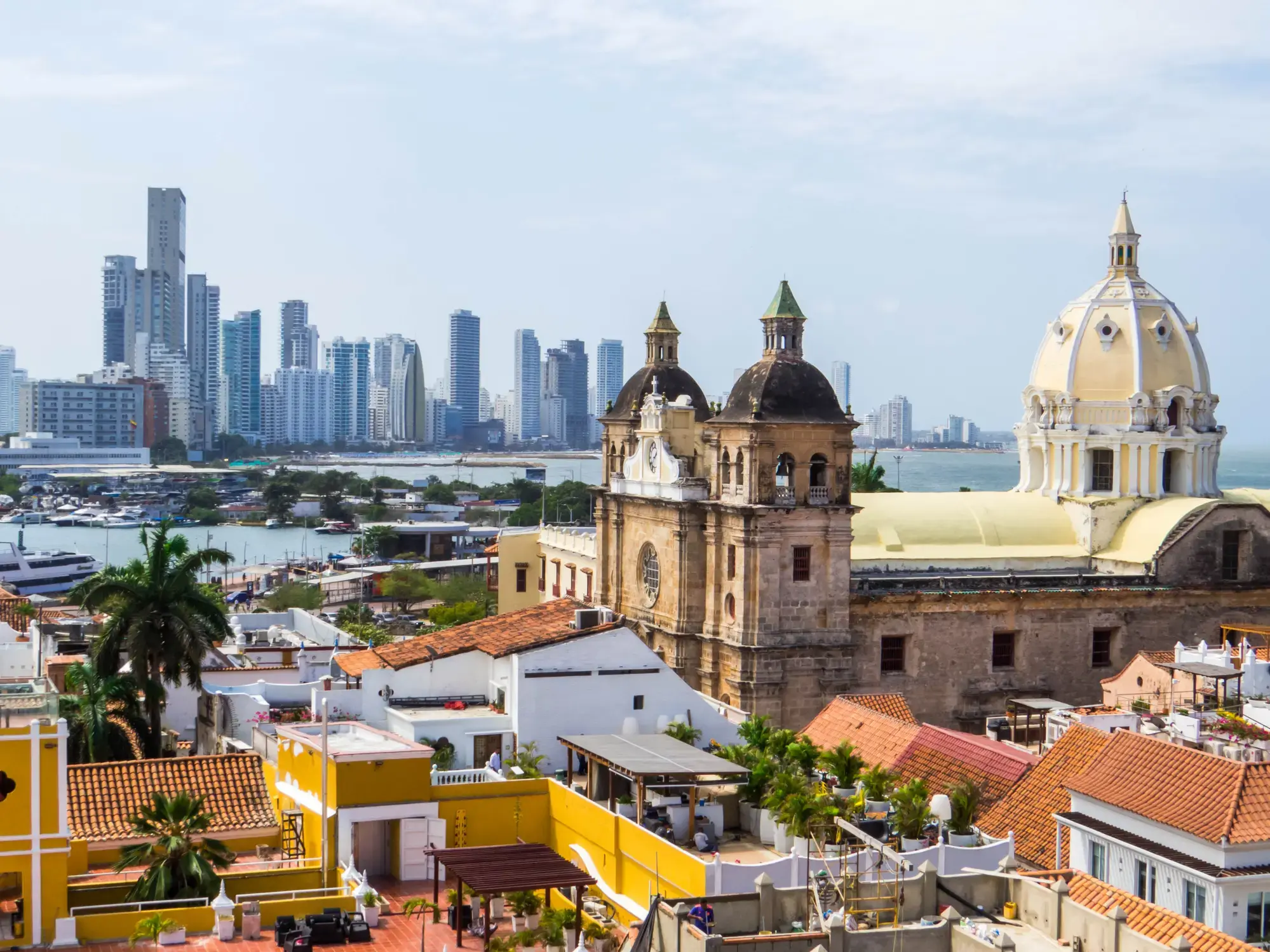
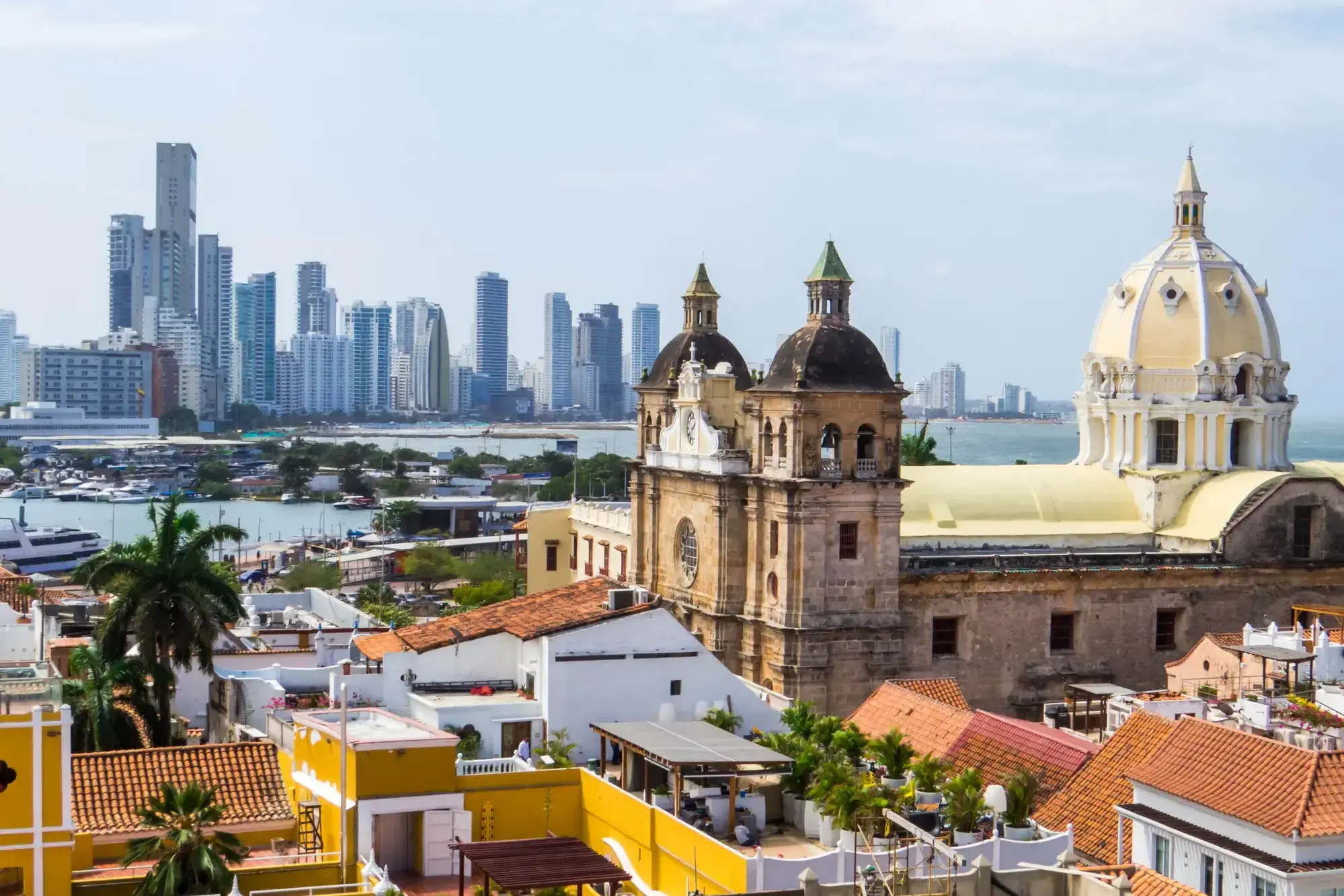
Starożytne mury forteczne, uliczni muzycy i karaibskie słońce tworzą niepowtarzalną atmosferę w Cartagenie (Bolívar) – perle kolumbijskiego wybrzeża. Miasto wpisane na listę światowego dziedzictwa UNESCO zachwyca kolonialną architekturą, uroczymi dziedzińcami i aromatem świeżo parzonej kawy z licznych kawiarni.
Zanurz się w tętniący życiem rytm Cartageny, spacerując brukowanymi uliczkami Starego Miasta, gdzie każdy zakątek kryje opowieści o piratach i hiszpańskich konkwistadorach. Zachód słońca przy starożytnej twierdzy Castillo San Felipe de Barajas to idealne zakończenie dnia pełnego kultury, historii i tropikalnego uroku.
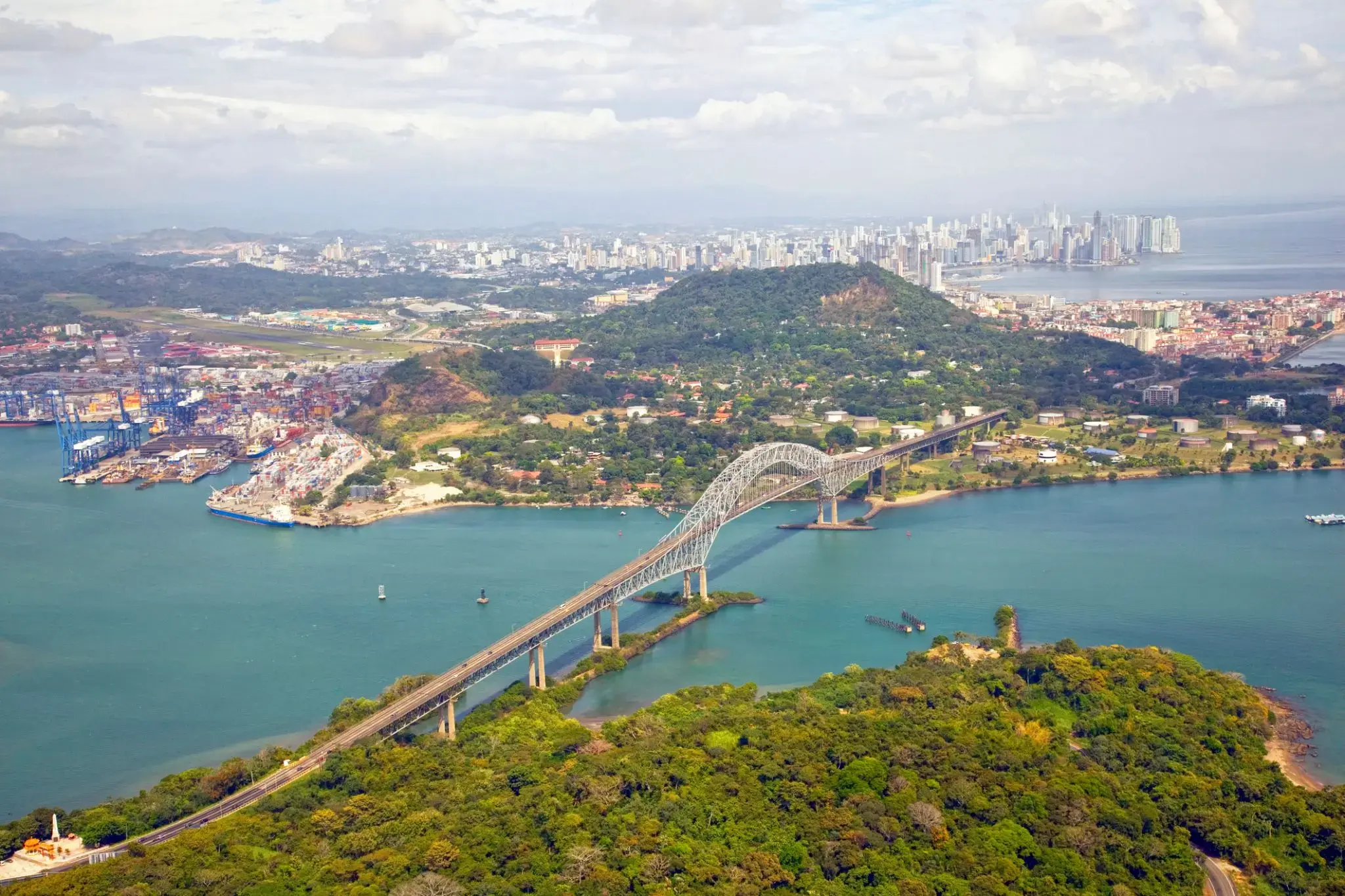
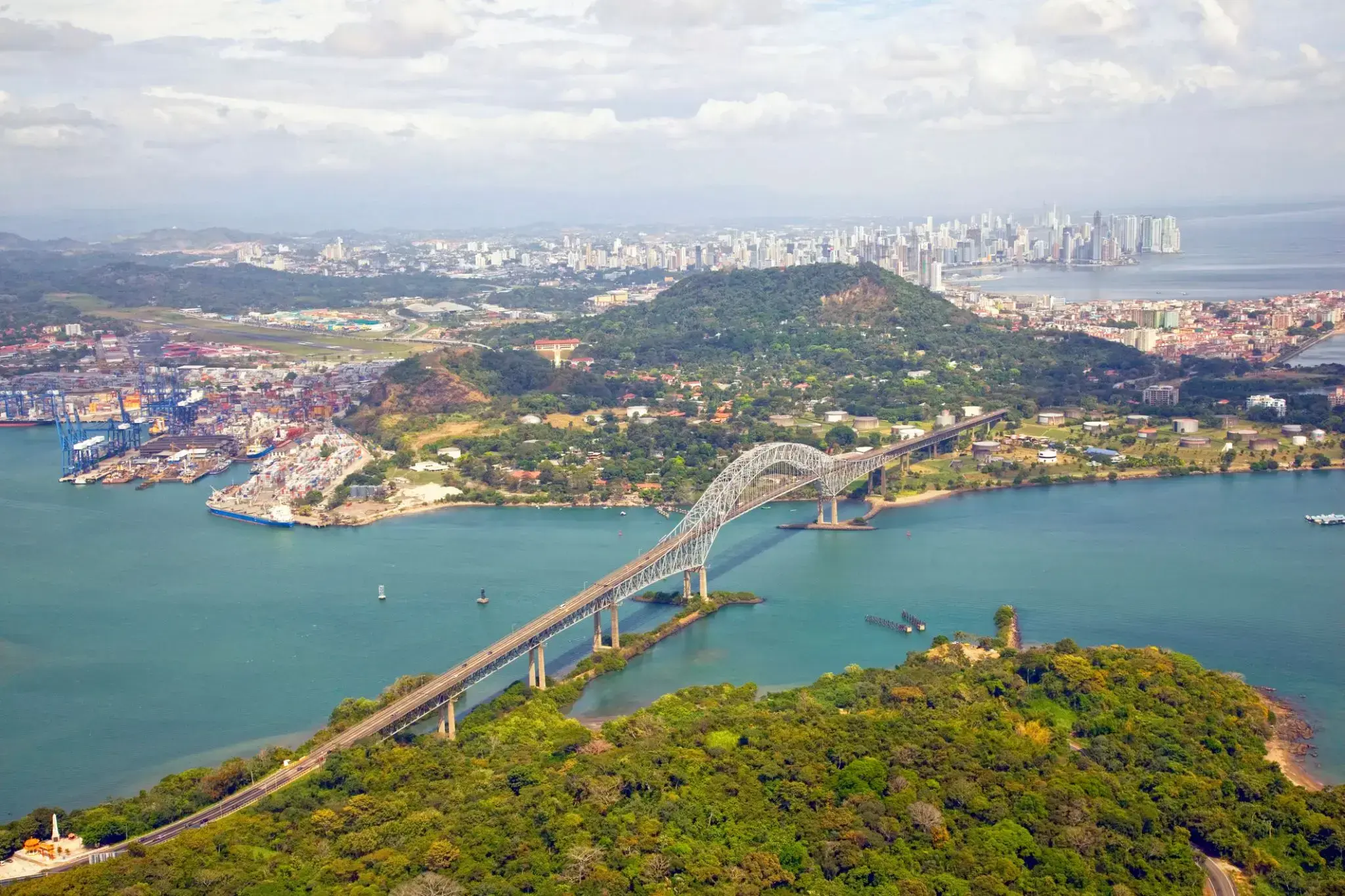
The Panama Canal is an artificial 82 km (51 mi) waterway in Panama that connects the Atlantic Ocean with the Pacific Ocean. The canal cuts across the Isthmus of Panama and is a conduit for maritime trade. Canal locks are at each end to lift ships up to Gatun Lake, an artificial lake created to reduce the amount of excavation work required for the canal, 26 m (85 ft) above sea level, and then lower the ships at the other end. The original locks are 34 m (110 ft) wide. A third, wider lane of locks was constructed between September 2007 and May 2016. The expanded canal began commercial operation on June 26, 2016. The new locks allow transit of larger, post-Panamax ships, capable of handling more cargo.
France began work on the canal in 1881, but stopped due to engineering problems and a high worker mortality rate. The United States took over the project in 1904 and opened the canal on August 15, 1914. One of the largest and most difficult engineering projects ever undertaken, the Panama Canal shortcut greatly reduced the time for ships to travel between the Atlantic and Pacific Oceans, enabling them to avoid the lengthy, hazardous Cape Horn route around the southernmost tip of South America via the Drake Passage or Strait of Magellan.
Colombia, France, and later the United States controlled the territory surrounding the canal during construction. The US continued to control the canal and surrounding Panama Canal Zone until the 1977 Torrijos–Carter Treatiesprovided for handover to Panama. After a period of joint American–Panamanian control, in 1999, the canal was taken over by the Panamanian government. It is now managed and operated by the government-owned Panama Canal Authority.
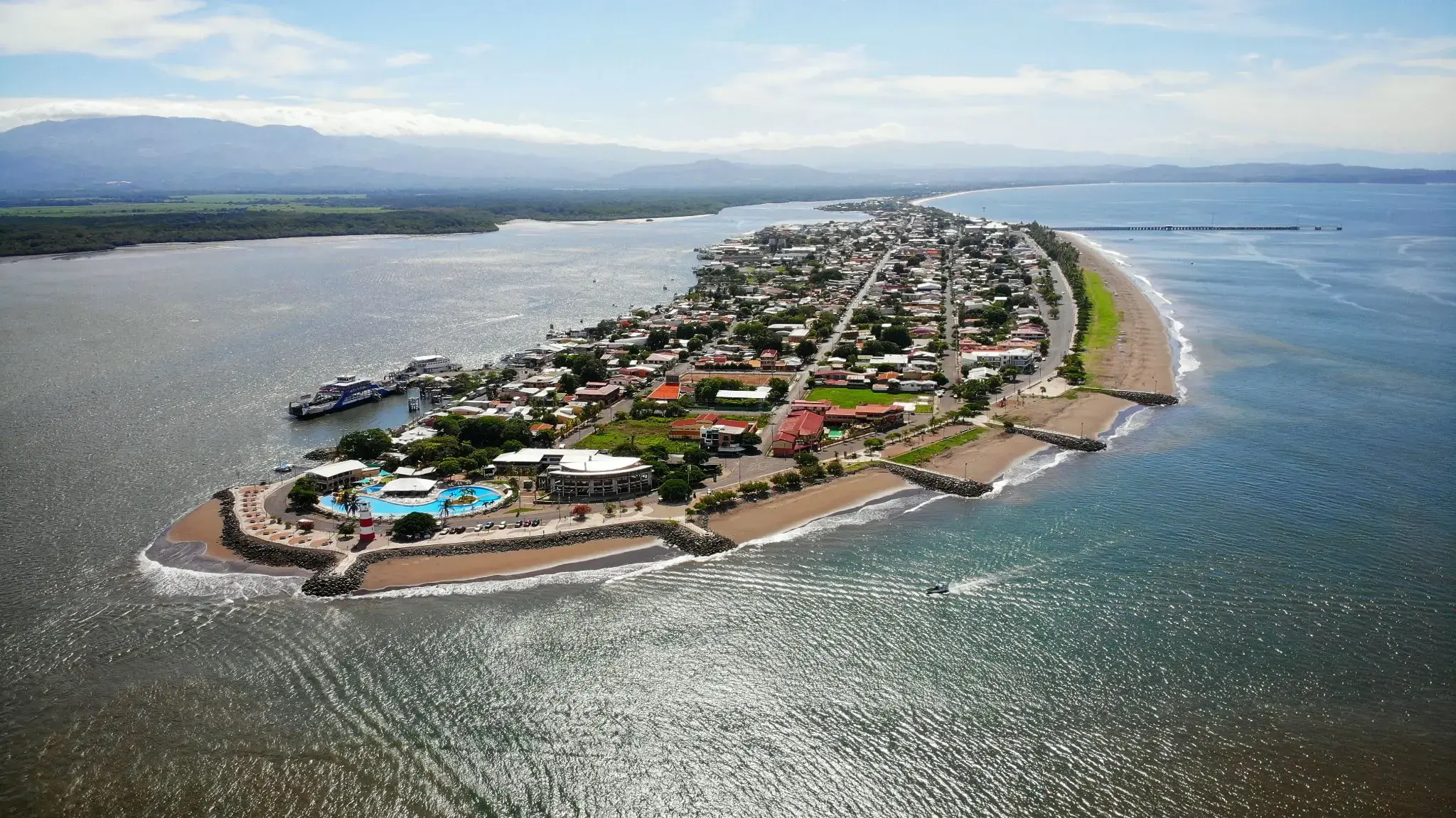
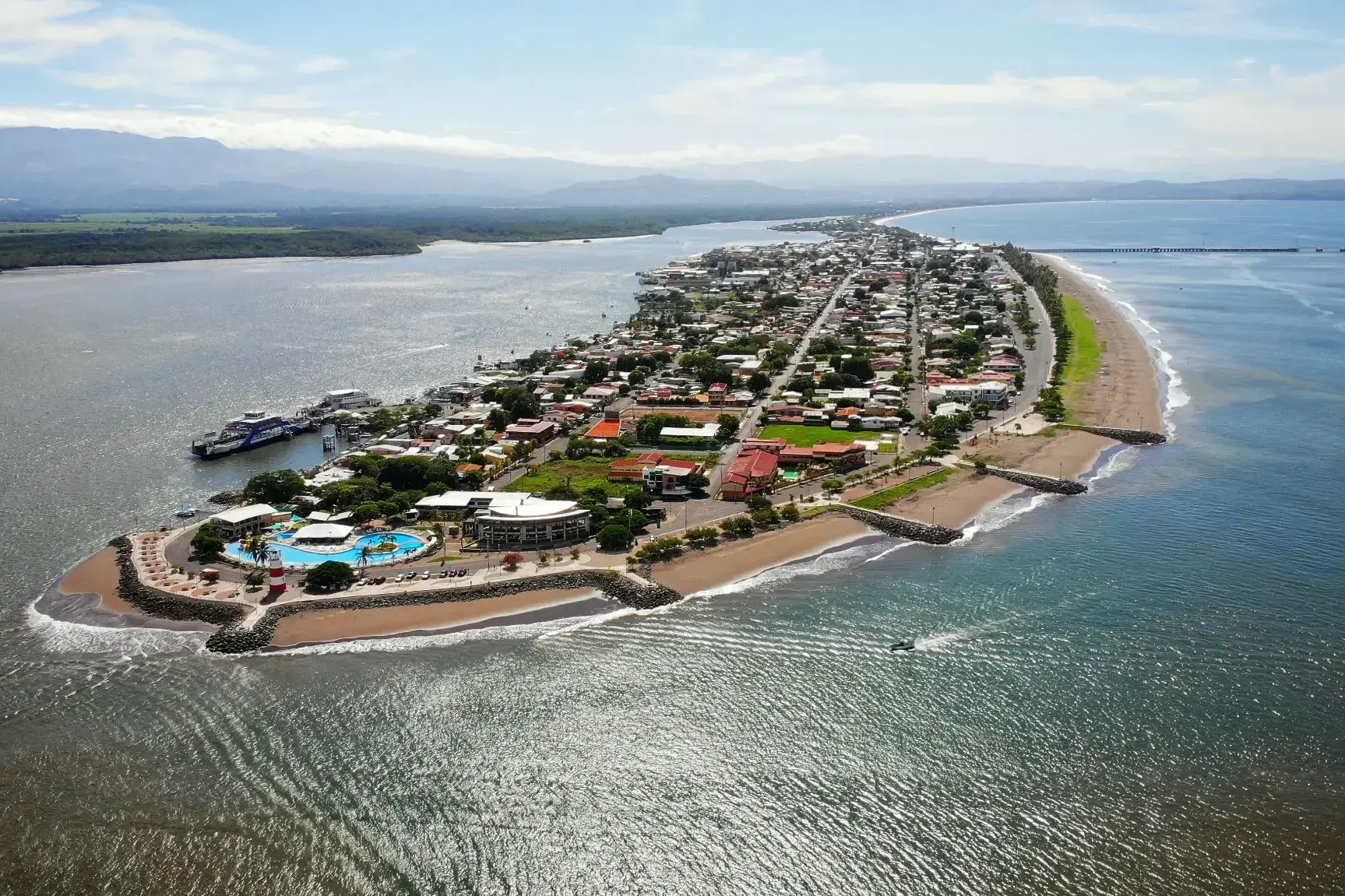
Puntarenas is the capital and largest city in the Province of Puntarenas, on the Pacific coast of Costa Rica.
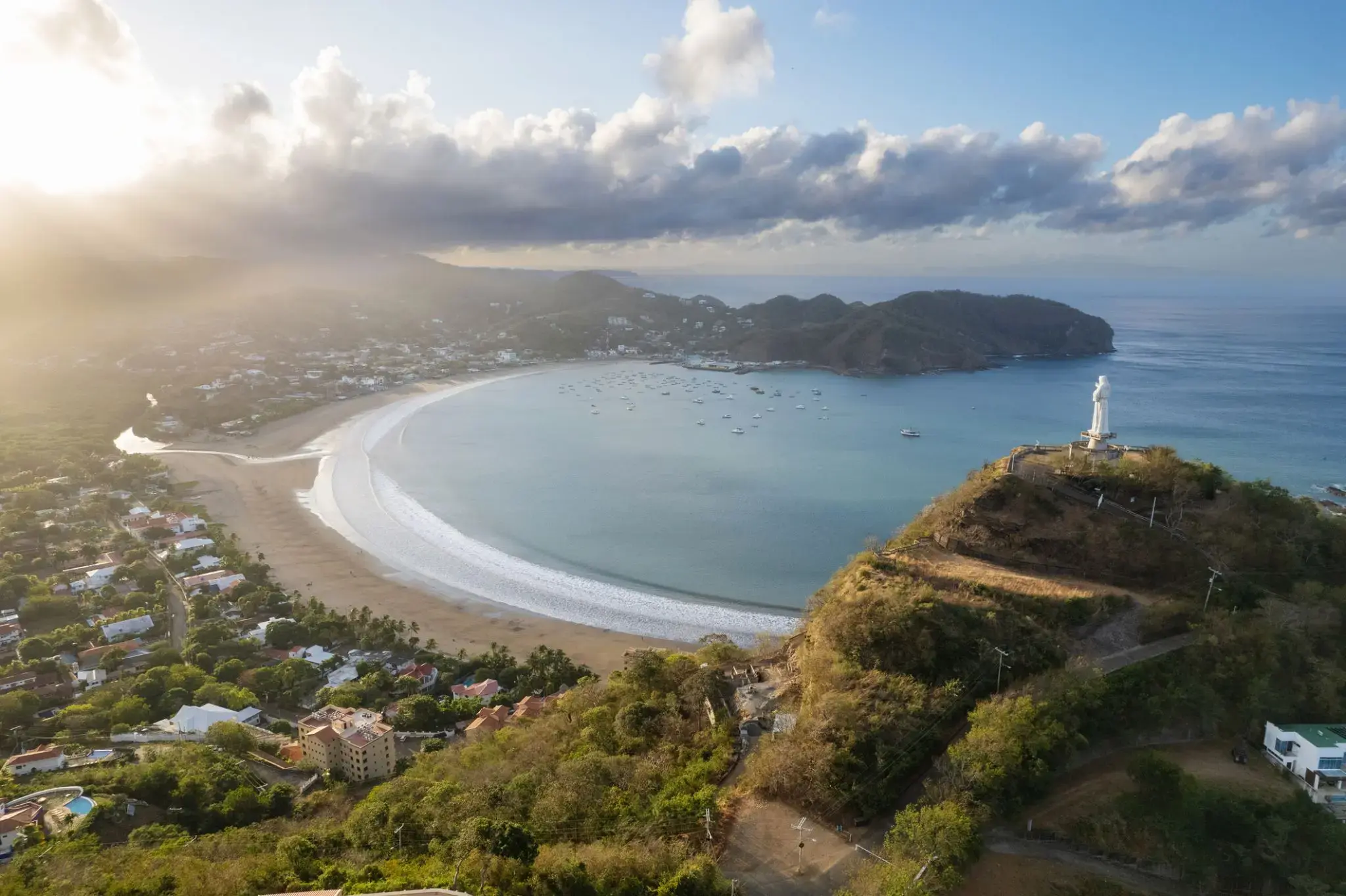
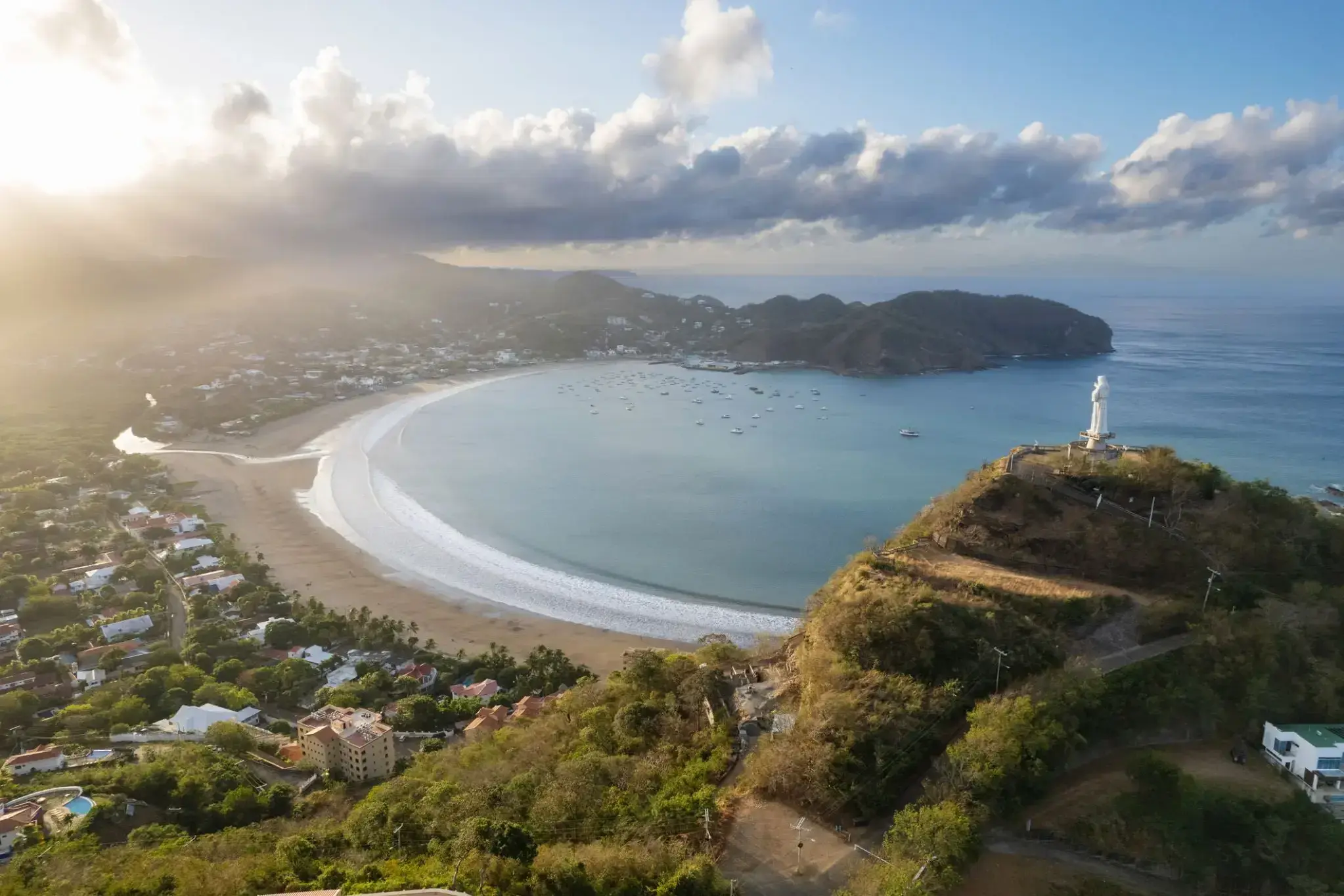
San juan del sur
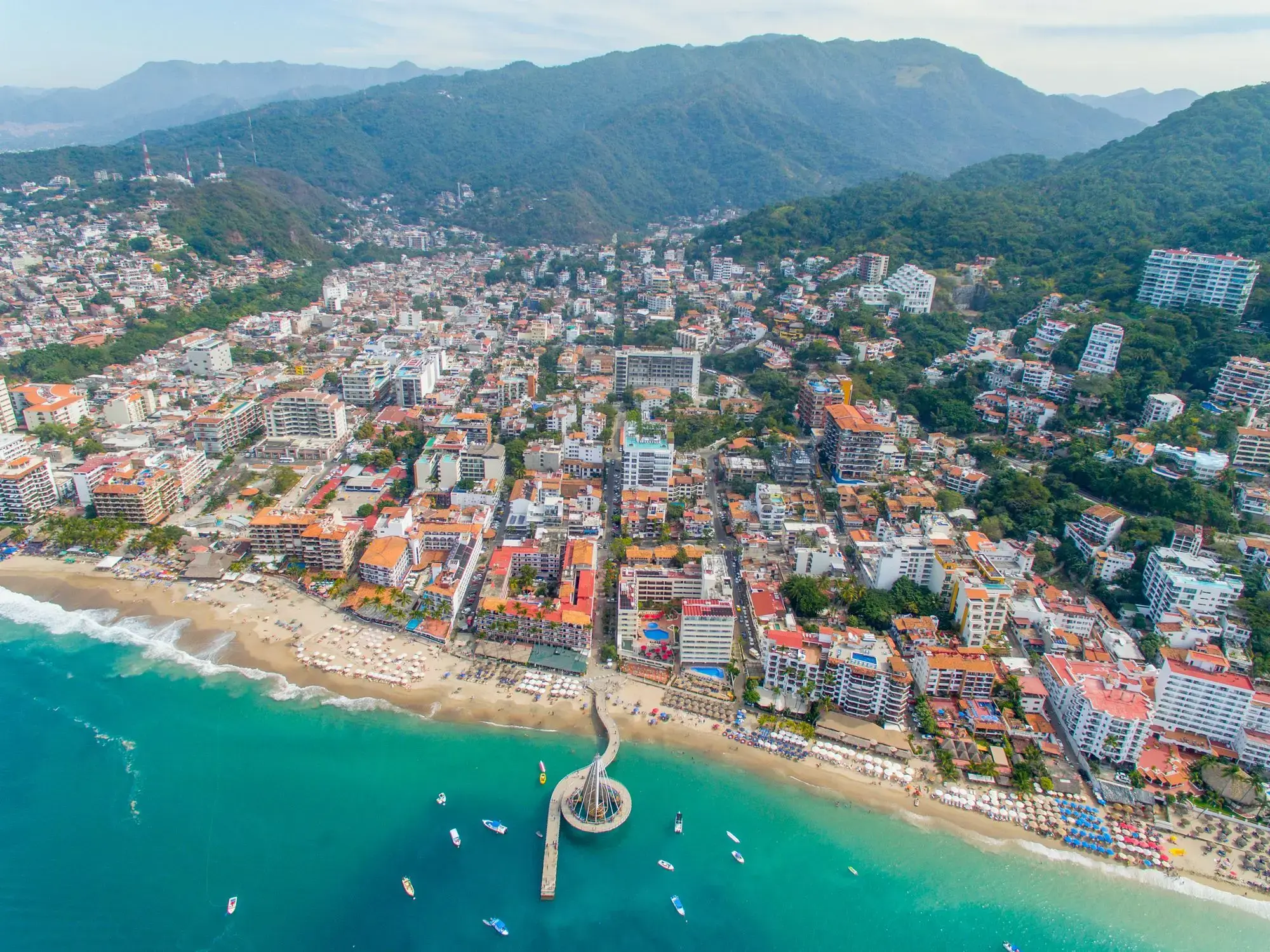
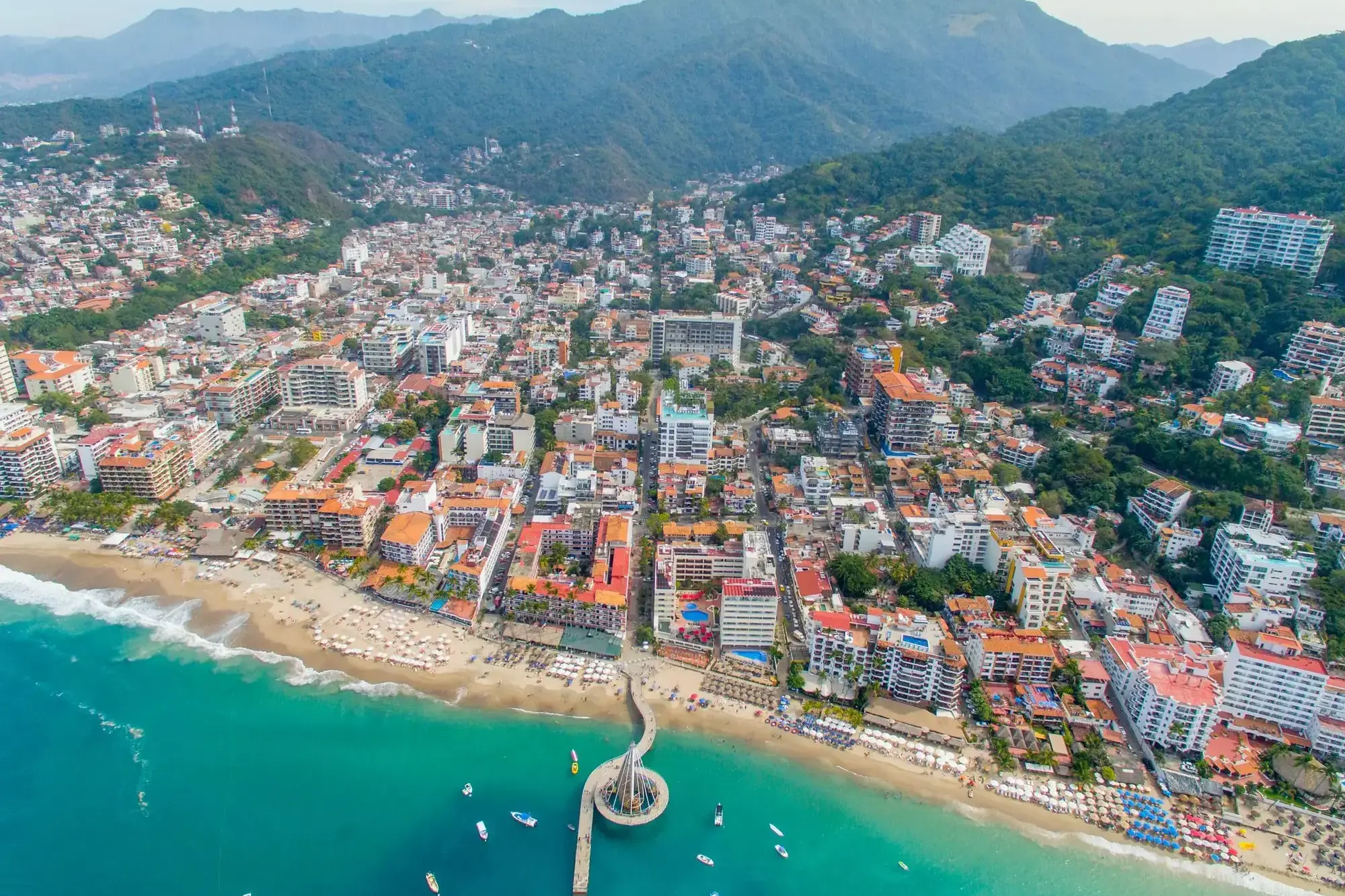
Ciepła morska bryza wita gości w Puerto Vallarta, malowniczym kurorcie na wybrzeżu Pacyfiku, gdzie góry Sierra Madre spotykają się ze złotymi plażami. Miasto słynie z przytulnej atmosfery, wąskich brukowanych uliczek w historycznym centrum oraz słynnej promenady Malecon, ozdobionej nowoczesnymi rzeźbami i sztuką uliczną. Tutaj można nie tylko cieszyć się słońcem, ale także obserwować wieloryby w zatoce Banderas w sezonie migracyjnym.
Dla podróżnych Puerto Vallarta oferuje bogatą kulturę i kulinarne doznania – od tradycyjnych tacos i świeżych owoców morza po galerie sztuki i meksykańskie festiwale muzyczne. Miasto jest również popularne wśród miłośników nurkowania i snorkelingu dzięki rafom koralowym i krystalicznie czystej wodzie. To miejsce, gdzie można połączyć relaks nad oceanem z odkrywaniem natury i życia kulturalnego Meksyku.
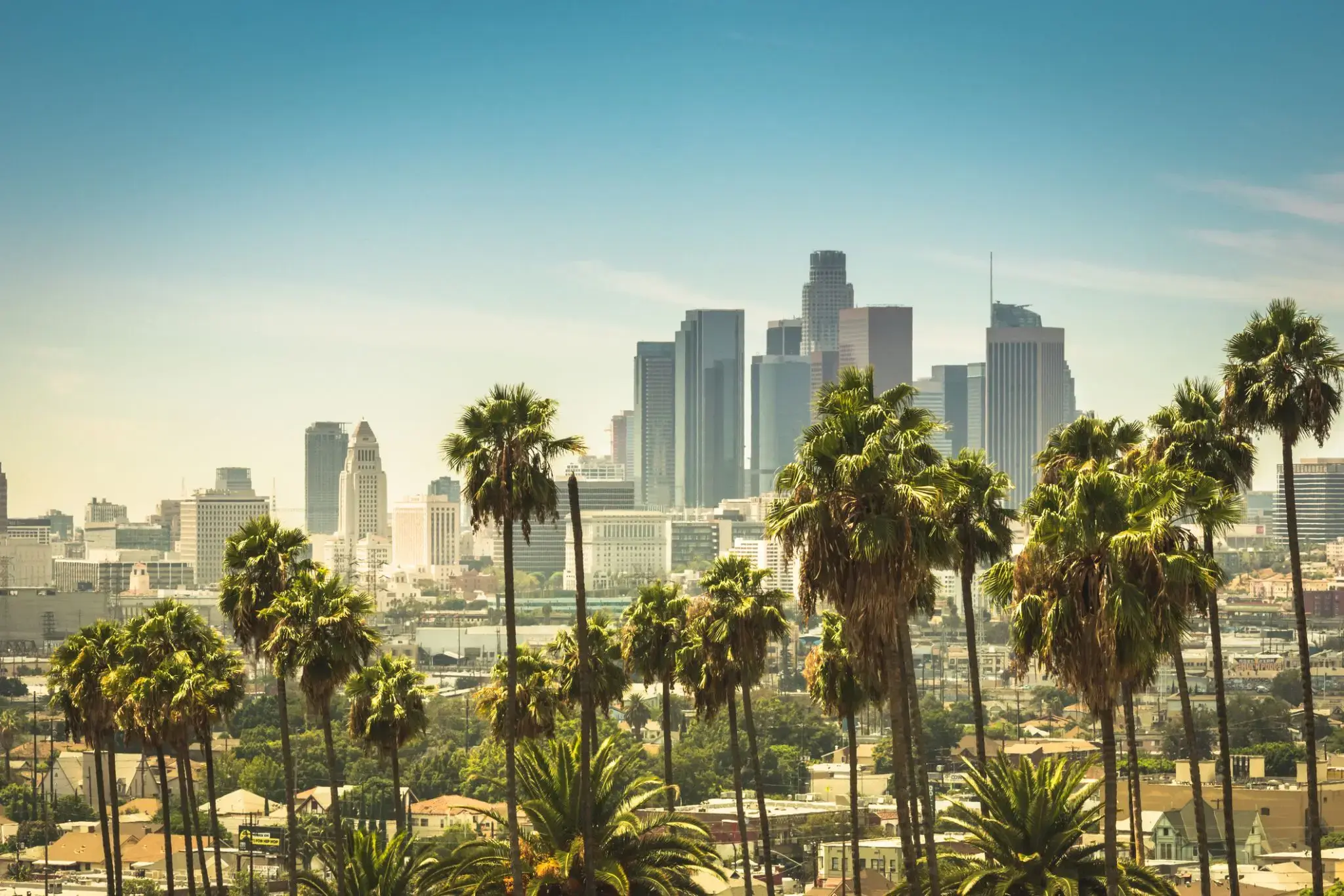
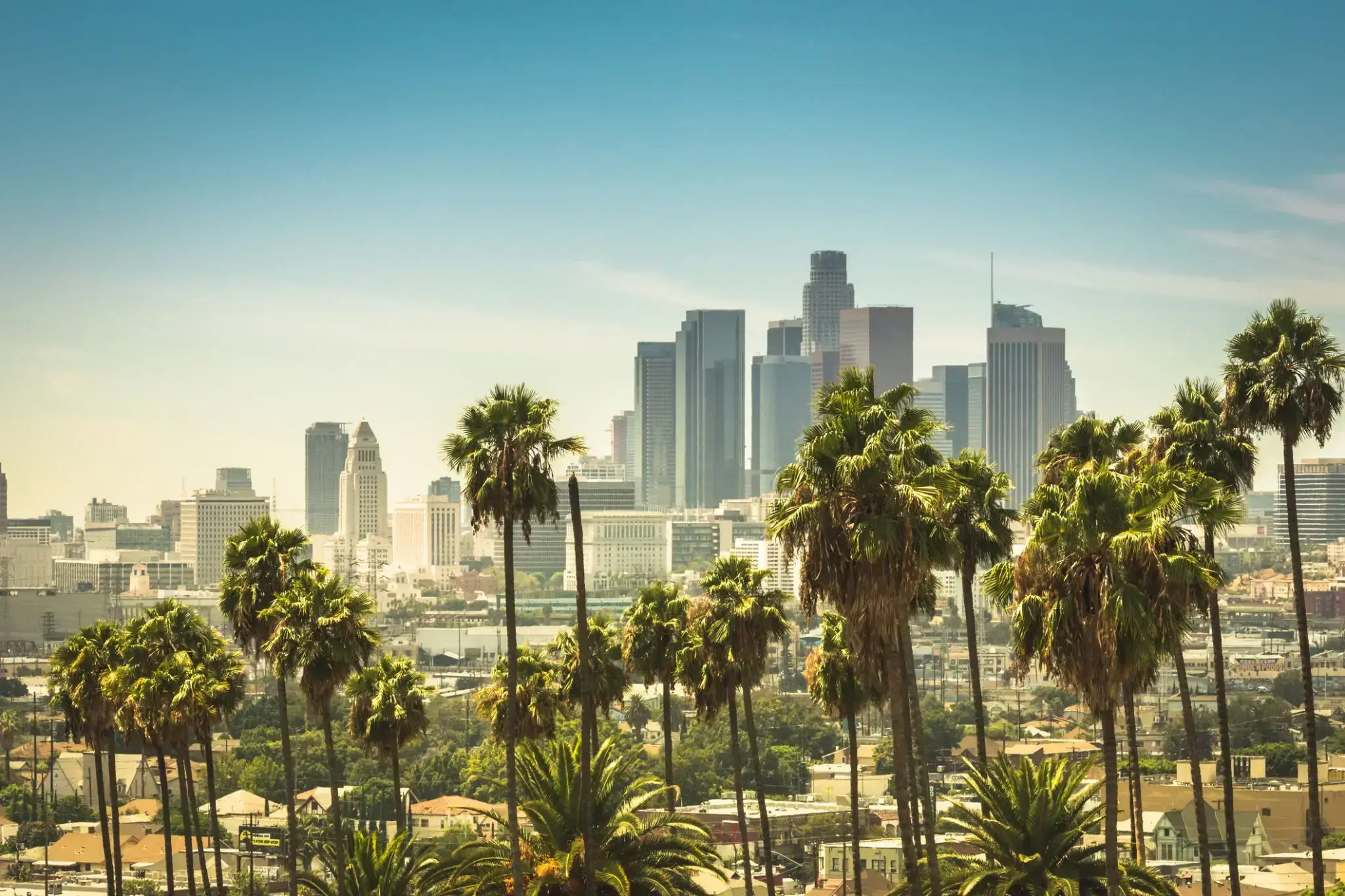
Los Angeles officially the City of Los Angeles and often known colloquially by its initials L.A., is the most populous city in California and the second most populous city in the United States, after New York. With an estimated population of four million, Los Angeles is the cultural, financial, and commercial center of Southern California. Nicknamed the "City of Angels" partly because of its name's Spanish meaning, Los Angeles is known for its Mediterranean climate, ethnic diversity, Hollywood, and the entertainment industry, and sprawling metropolis.
Los Angeles is in a large basin bounded by the Pacific Ocean on one side and by mountains as high as 10,000 feet (3,000 m) on the others. The city proper, which covers about 469 square miles (1,210 km2), is the seat of Los Angeles County, the most populated county in the country. Los Angeles is also the principal city of the Los Angeles metropolitan area, the second largest in the United States after that of New York City, with a population of 13.1 million. It is part of the Los Angeles-Long Beach combined statistical area, also the nation's second most populous area with a 2015 estimated population of 18.7 million.
Los Angeles is one of the most substantial economic engines within the United States, with a diverse economy in a broad range of professional and cultural fields. Los Angeles is also famous as the home of Hollywood, a major center of the world entertainment industry. A global city, it has been ranked 6th in the Global Cities Index and 9th in the Global Economic Power Index. The Los Angeles combined statistical area also has a gross metropolitan productof $831 billion (as of 2008), making it the third-largest in the world, after the Tokyo and New York metropolitan areas. Los Angeles hosted the 1932 and 1984 Summer Olympics and will host the event for a third time in 2028. The city also hosted the Miss Universe pageant twice, in 1990 and 2006, and was one of 9 American cities to host the 1994 FIFA men's soccer World Cup and one of 8 to host the 1999 FIFA women's soccer World Cup, hosting the finalmatch for both tournaments.
Historically home to the Chumash and Tongva, Los Angeles was claimed by Juan Rodríguez Cabrillo for Spain in 1542 along with the rest of what would become Alta California. The city was officially founded on September 4, 1781, by Spanish governor Felipe de Neve. It became a part of Mexico in 1821 following the Mexican War of Independence. In 1848, at the end of the Mexican–American War, Los Angeles and the rest of California were purchased as part of the Treaty of Guadalupe Hidalgo, becoming part of the United States. Los Angeles was incorporated as a municipality on April 4, 1850, five months before California achieved statehood. The discovery of oil in the 1890s brought rapid growth to the city. The completion of the Los Angeles Aqueduct in 1913, delivering water from Eastern California, later assured the city's continued rapid growth.