| Region rejsu : Afryka |
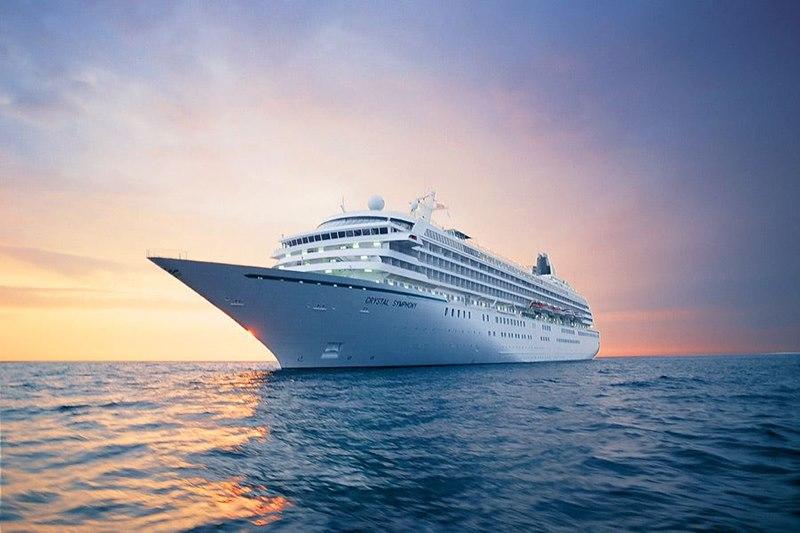
| Firma : Crystal Cruises |
| Statek : Crystal Symphony |
| Data rozpoczęcia : pon. 08 mar 2021 |
| Data zakończenia : pon. 22 mar 2021 |
| Liczba nocy : 14 nocy |
| Dzień | Data | Port | Wypłynięcie | Odpłynięcie |
|---|---|---|---|---|
| 1 | 8.03 pon. | Mombasa / Kenya | ||
| 2 | 9.03 wt. | Mombasa / Kenya | 19:00 | |
| 3 | 10.03 śr. | Zanzibar / Tanzania | 07:00 | 21:00 |
| 4 | 11.03 czw. | Dzień na morzu / Morze | ||
| 5 | 12.03 pt. | Mamoudzou / Mayotte | 07:30 | 18:00 |
| 6 | 13.03 sob. | Dzień na morzu / Morze | ||
| 7 | 14.03 niedz. | Dzień na morzu / Morze | ||
| 8 | 15.03 pon. | Maputo / Mozambique | 07:00 | 17:00 |
| 9 | 16.03 wt. | Richards Bay / South Africa | 08:00 | 22:00 |
| 10 | 17.03 śr. | Durban / South Africa | 07:00 | 21:00 |
| 11 | 18.03 czw. | Dzień na morzu / Morze | ||
| 12 | 19.03 pt. | Port Elizabeth / South Africa | 07:00 | 18:00 |
| 13 | 20.03 sob. | Mossel Bay / South Africa | 07:00 | 18:00 |
| 14 | 21.03 niedz. | Kapsztad / South Africa | 09:00 | |
| 15 | 22.03 pon. | Kapsztad / South Africa |


Zanzibar to archipelag na Oceanie Indyjskim należący do Tanzanii, znany ze swoich białych, piaszczystych plaż, turkusowych wód oraz zabytkowego Stone Town, wpisanego na listę światowego dziedzictwa UNESCO. Historycznie wyspa była ważnym centrum handlu przyprawami, niewolnikami i kością słoniową, co odcisnęło głębokie piętno na jej kulturze i architekturze. Spacerując wąskimi uliczkami Stone Town, turyści mogą podziwiać stare arabskie domy z rzeźbionymi drzwiami, tętniące życiem targi i klimatyczne meczety.
Oprócz bogatej historii, Zanzibar przyciąga podróżników naturalnym pięknem. Można tu zwiedzać plantacje przypraw, nurkować przy rafach koralowych lub odwiedzić unikalny las Jozani — dom rzadkiego czerwonego kolobusa. Połączenie egzotycznej kultury, relaksującego rytmu życia i różnorodnych cudów natury czyni Zanzibar jednym z najbardziej pożądanych kierunków na wschodnioafrykańskim wybrzeżu.

Turkusowe laguny, lasy namorzynowe i zapach przypraw unoszący się w powietrzu — wszystko to od razu wprowadza w atmosferę Mamoudzou, administracyjnego centrum wyspy Majotta. To miasto to żywy przykład kulturowej mozaiki: francuska infrastruktura przeplata się tu z komoryjskimi tradycjami, a meczety sąsiadują z kreolskimi targami, na których słychać język shimaore i można kupić świeże langusty.
Mamoudzou przyciąga podróżników szukających egzotyki poza utartym szlakiem: można tu wyruszyć na morskie safari, by zobaczyć wieloryby i delfiny w lagunie chronionej przez trzecią co do wielkości rafę koralową na świecie, lub po prostu podziwiać zachód słońca z widokiem na sąsiednią wyspę Petite-Terre. To miejsce dla tych, którzy chcą odkryć nowy wymiar francuskiego zamorskiego romantyzmu — dzikiego, autentycznego i zaskakująco ciepłego.

Maputo to stolica i największe miasto Mozambiku, położone nad brzegiem Oceanu Indyjskiego. Miasto wyróżnia się eklektyczną architekturą – portugalskie budynki kolonialne sąsiadują tu z nowoczesnymi konstrukcjami. Jedną z głównych atrakcji jest dworzec kolejowy, którego projekt przypisuje się uczniom Gustave’a Eiffla. Turystów przyciąga także nadmorska promenada z palmami, lokalne targi z owocami i rękodziełem oraz muzea opowiadające o bogatej historii kraju.
Pomimo swojej roli stolicy, Maputo zachowuje ciepłą i swobodną atmosferę. Można tu spróbować tradycyjnej kuchni bogatej w owoce morza i przyprawy, a także posłuchać muzyki marrabenta na żywo w ulicznych kawiarniach. Dzięki bliskości rezerwatów przyrody, takich jak Park Narodowy Maputo, miasto idealnie nadaje się dla podróżników poszukujących połączenia kultury i kontaktu z przyrodą.

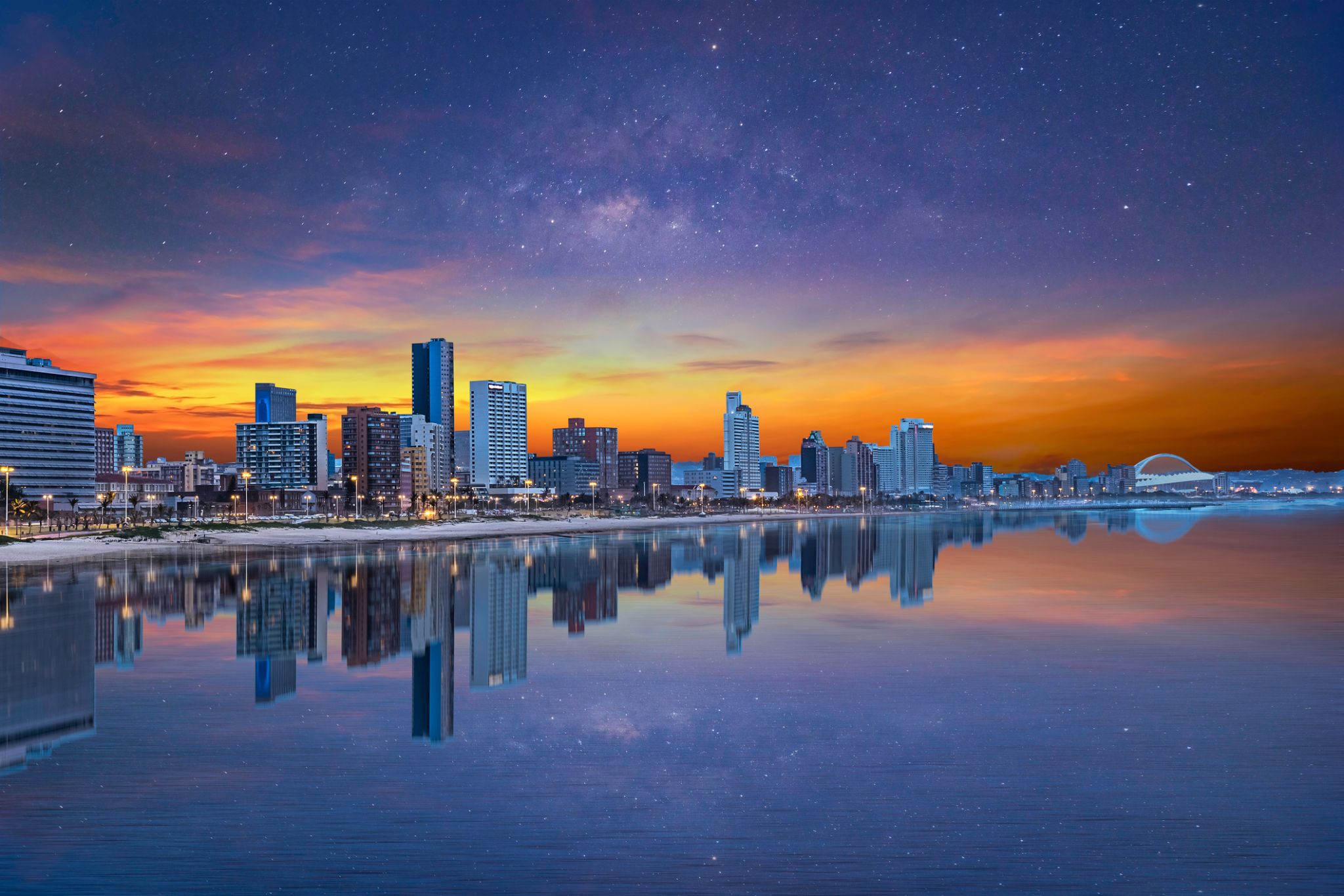
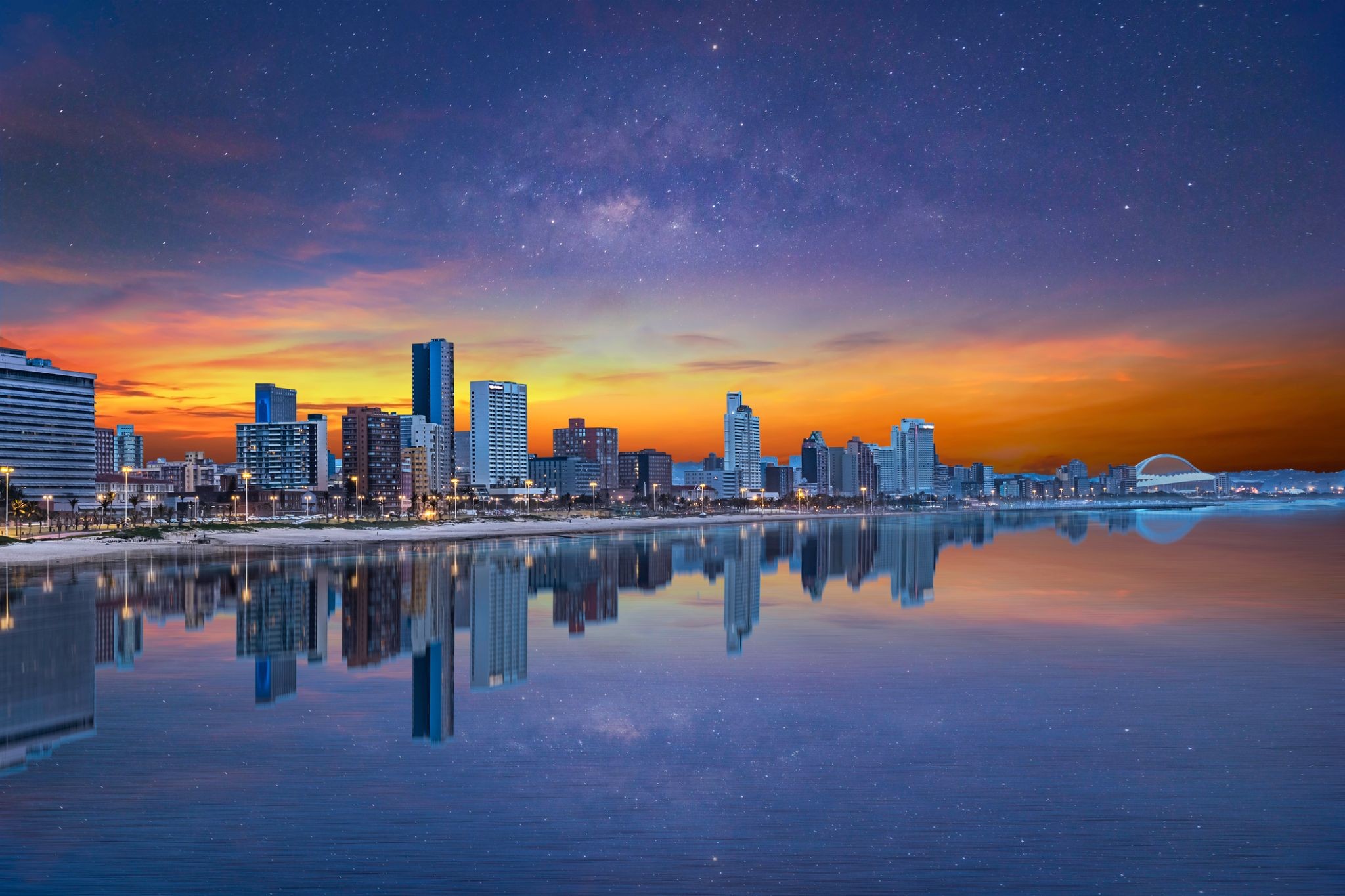
Durban is the third most populous city in South Africa—after Johannesburg and Cape Town—and the largest city in the South African province of KwaZulu-Natal. Located on the east coast of South Africa, Durban is famous for being the busiest port in the country. It is also seen as one of the major centres of tourism because of the city's warm subtropical climate and extensive beaches. Durban forms part of the eThekwini Metropolitan Municipality, which includes neighboring towns and has a population of about 3.44 million, making the combined municipality one of the biggest cities on the Indian Ocean coast of the African continent. It is also the second most important manufacturing hub in South Africa after Johannesburg. In 2015, Durban was recognised as one of the New7Wonders Cities (along with Vigan, Doha, La Paz, Havana, Beirut, and Kuala Lumpur).

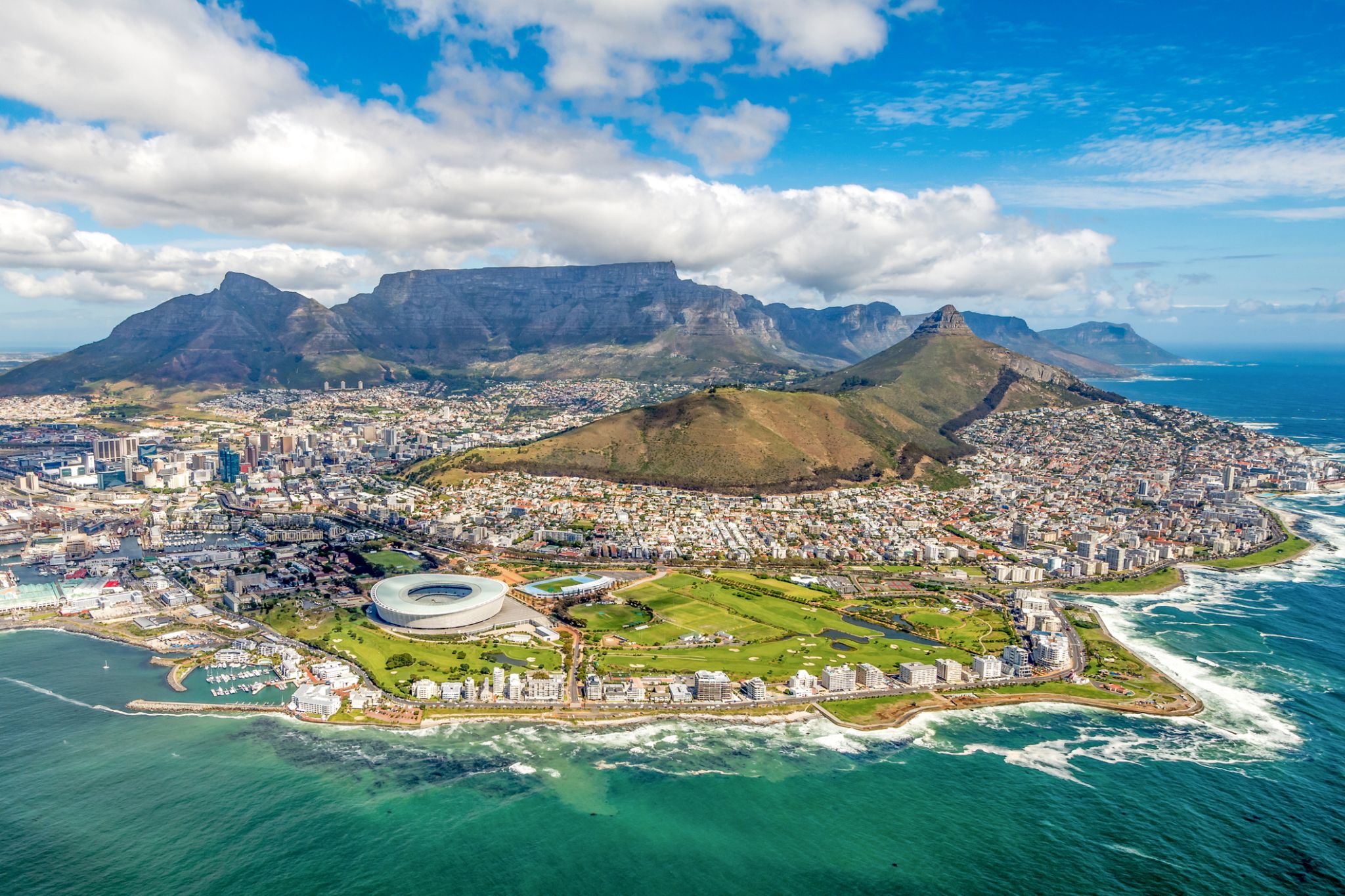
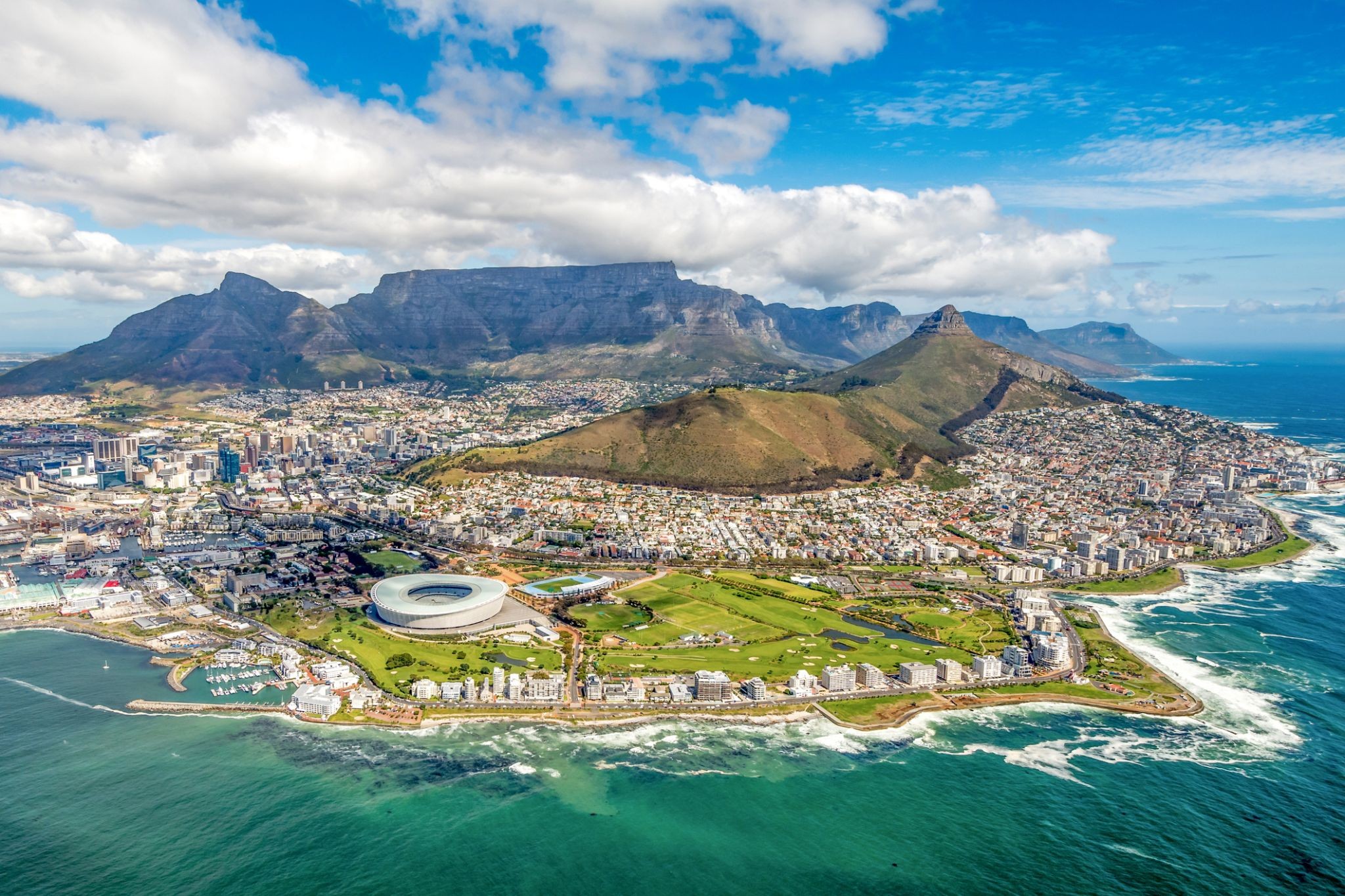
Cape Town is the oldest city in South Africa, colloquially named the Mother City. It is the legislative capital of South Africa and primate city of the Western Cape province. It forms part of the City of Cape Town metropolitan municipality.
The Parliament of South Africa sits in Cape Town. The other two capitals are located in Pretoria (the administrative capital where the Presidency is based) and Bloemfontein (the judicial capital where the Supreme Court of Appeal is located). The city is known for its harbour, for its natural setting in the Cape Floristic Region, and for landmarks such as Table Mountain and Cape Point. As of 2014, it is the 10th most populous city in Africa and home to 64% of the Western Cape's population. It is one of the most multicultural cities in the world, reflecting its role as a major destination for immigrants and expatriates to South Africa. The city was named the World Design Capital for 2014 by the International Council of Societies of Industrial Design. In 2014, Cape Town was named the best place in the world to visit by both The New York Times and The Daily Telegraph.
Located on the shore of Table Bay, Cape Town, as the oldest urban area in South Africa, was developed by the Dutch East India Company (VOC) as a supply station for Dutch ships sailing to East Africa, India, and the Far East. Jan van Riebeeck's arrival on 6 April 1652 established Dutch Cape Colony, the first permanent European settlement in South Africa. Cape Town outgrew its original purpose as the first European outpost at the Castle of Good Hope, becoming the economic and cultural hub of the Cape Colony. Until the Witwatersrand Gold Rush and the development of Johannesburg, Cape Town was the largest city in South Africa.
Cape Town is the oldest city in South Africa, colloquially named the Mother City. It is the legislative capital of South Africa and primate city of the Western Cape province. It forms part of the City of Cape Town metropolitan municipality.
The Parliament of South Africa sits in Cape Town. The other two capitals are located in Pretoria (the administrative capital where the Presidency is based) and Bloemfontein (the judicial capital where the Supreme Court of Appeal is located). The city is known for its harbour, for its natural setting in the Cape Floristic Region, and for landmarks such as Table Mountain and Cape Point. As of 2014, it is the 10th most populous city in Africa and home to 64% of the Western Cape's population. It is one of the most multicultural cities in the world, reflecting its role as a major destination for immigrants and expatriates to South Africa. The city was named the World Design Capital for 2014 by the International Council of Societies of Industrial Design. In 2014, Cape Town was named the best place in the world to visit by both The New York Times and The Daily Telegraph.
Located on the shore of Table Bay, Cape Town, as the oldest urban area in South Africa, was developed by the Dutch East India Company (VOC) as a supply station for Dutch ships sailing to East Africa, India, and the Far East. Jan van Riebeeck's arrival on 6 April 1652 established Dutch Cape Colony, the first permanent European settlement in South Africa. Cape Town outgrew its original purpose as the first European outpost at the Castle of Good Hope, becoming the economic and cultural hub of the Cape Colony. Until the Witwatersrand Gold Rush and the development of Johannesburg, Cape Town was the largest city in South Africa.