| Cruise Region : Australia / New Zealand, Round the world cruises, Pacific cruises, Oceania |
| Company : Costa Cruises |
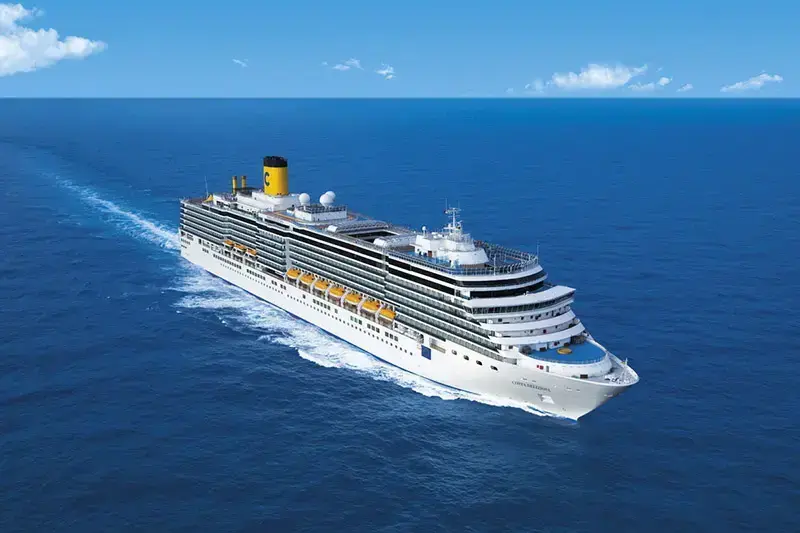
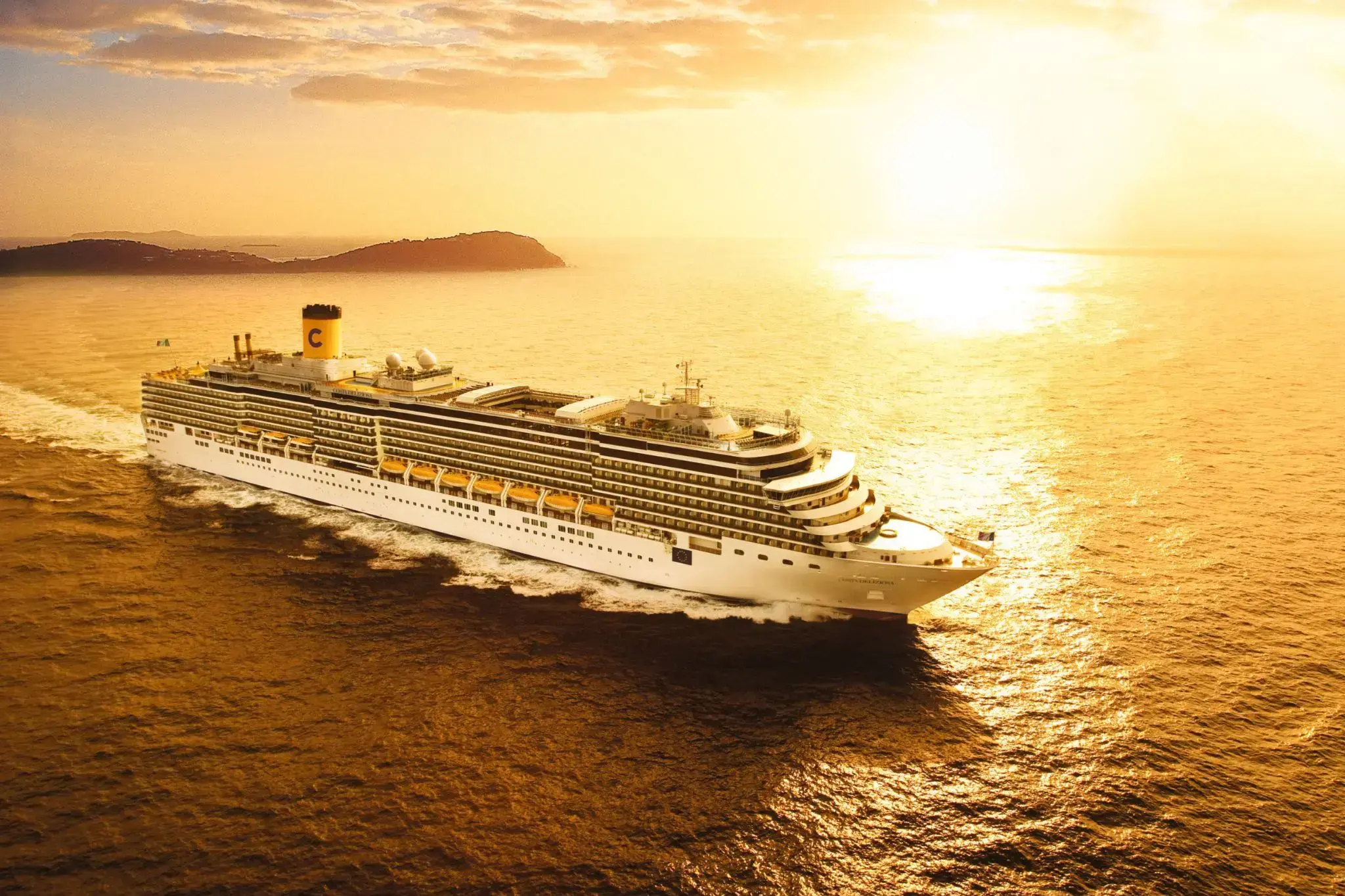
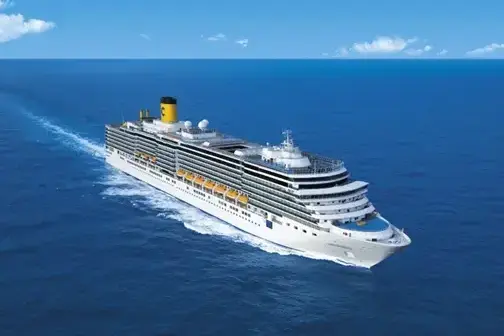
| Ship : Costa Deliziosa |
| Journey Start : Fri 29 Jan 2027 |
| Journey End : Tue 13 Apr 2027 |
| Count Nights : 74 nights |
| Day | Date | Port | Arrival | Departure |
|---|---|---|---|---|
| 1 | 29.01 Fri | Sydney / Australia | ||
| 2 | 30.01 Sat | Sydney / Australia | 18:00 | |
| 3 | 31.01 Sun | Newcastle New South Wales | 08:00 | 18:00 |
| 4 | 1.02 Mon | Day at sea / Sea | ||
| 5 | 2.02 Tue | Day at sea / Sea | ||
| 6 | 3.02 Wed | Day at sea / Sea | ||
| 7 | 4.02 Thu | Cairns / Australia | 07:00 | 18:00 |
| 8 | 5.02 Fri | Day at sea / Sea | ||
| 9 | 6.02 Sat | Day at sea / Sea | ||
| 10 | 7.02 Sun | Rabaul / Papua New Guinea | 07:00 | 15:00 |
| 11 | 8.02 Mon | Day at sea / Sea | ||
| 12 | 9.02 Tue | Day at sea / Sea | ||
| 13 | 10.02 Wed | Day at sea / Sea | ||
| 14 | 11.02 Thu | Day at sea / Sea | ||
| 15 | 12.02 Fri | Day at sea / Sea | ||
| 16 | 13.02 Sat | Yokohama (Tokyo) / Japan | 13:30 | |
| 17 | 14.02 Sun | Yokohama (Tokyo) / Japan | 20:30 | |
| 18 | 15.02 Mon | Day at sea / Sea | ||
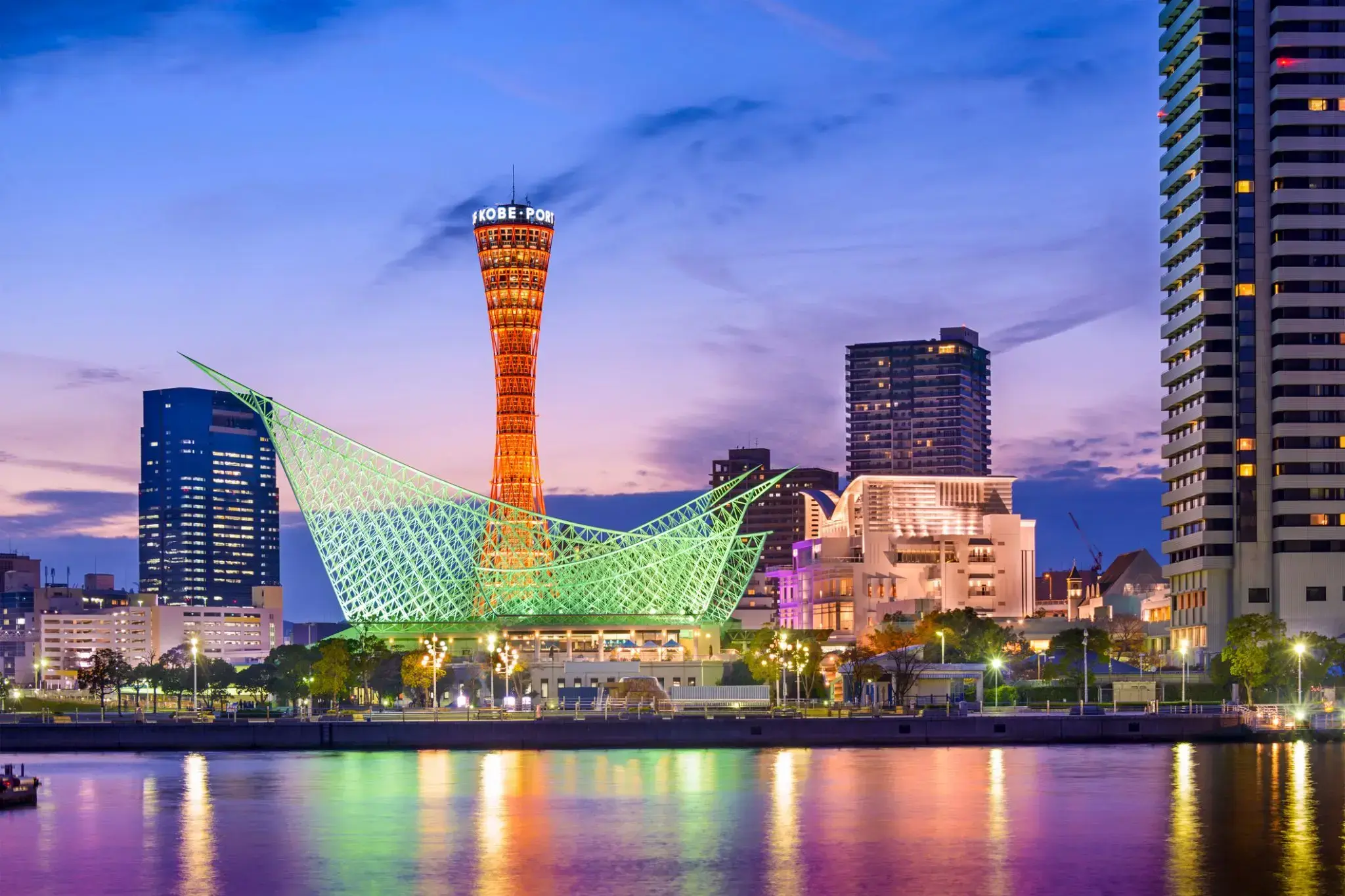
| 19 | 16.02 Tue | Kobe / Japan | 08:00 | 18:00 |
| 20 | 17.02 Wed | Day at sea / Sea | ||
| 21 | 18.02 Thu | Nagasaki / Japan | 08:00 | 18:00 |
| 22 | 19.02 Fri | Busan / Korea | 07:00 | 16:00 |
| 23 | 20.02 Sat | Day at sea / Sea | ||
| 24 | 21.02 Sun | Kilun / Indonesia | 10:00 | 20:00 |
| 25 | 22.02 Mon | Day at sea / Sea | ||
| 26 | 23.02 Tue | Hong Kong / China | 07:00 | |
| 27 | 24.02 Wed | Hong Kong / China | 17:00 | |
| 28 | 25.02 Thu | Day at sea / Sea | ||
| 29 | 26.02 Fri | Nya Chang / Vietnam | 09:30 | 20:30 |
| 30 | 27.02 Sat | Day at sea / Sea | ||
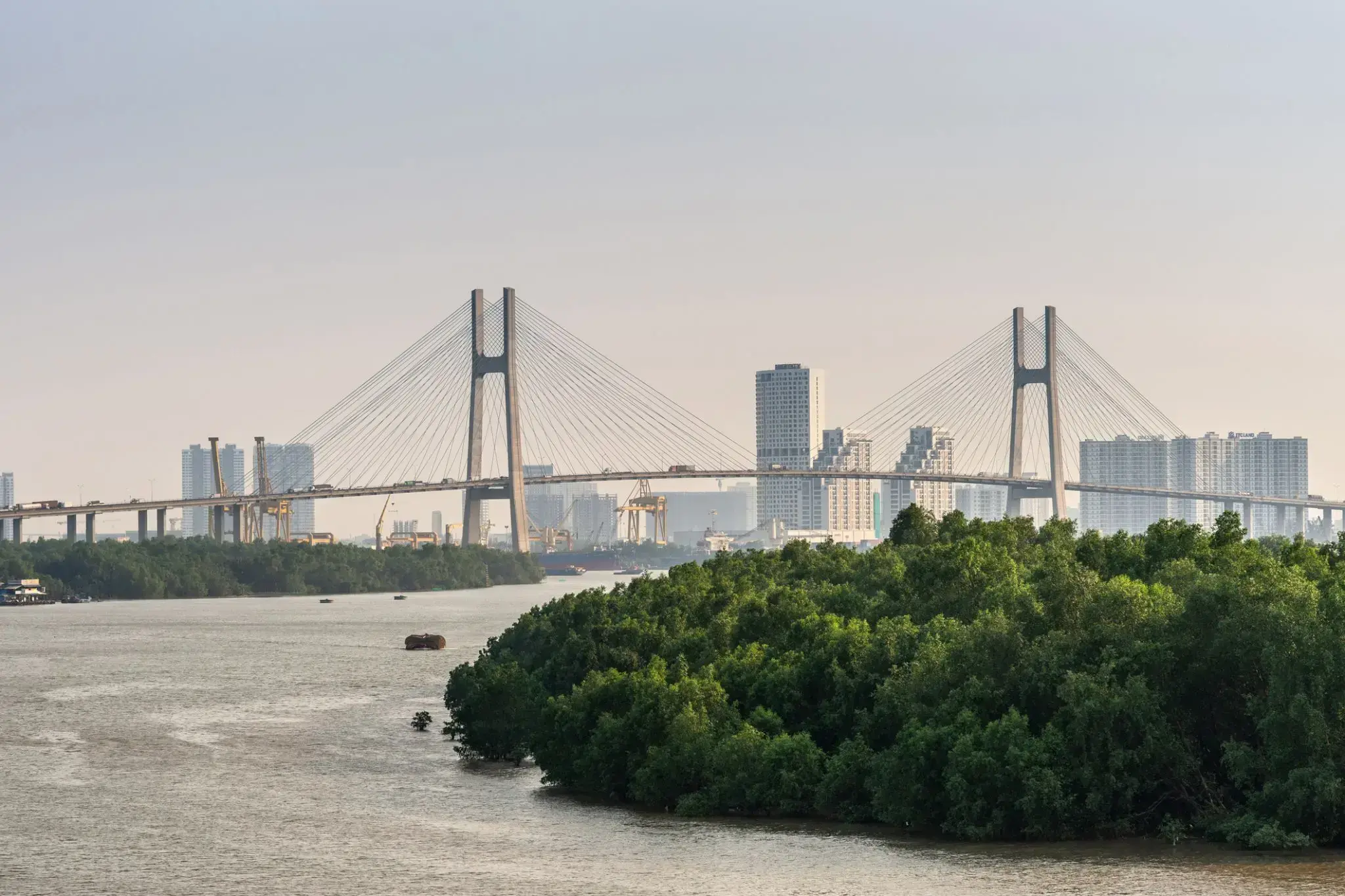
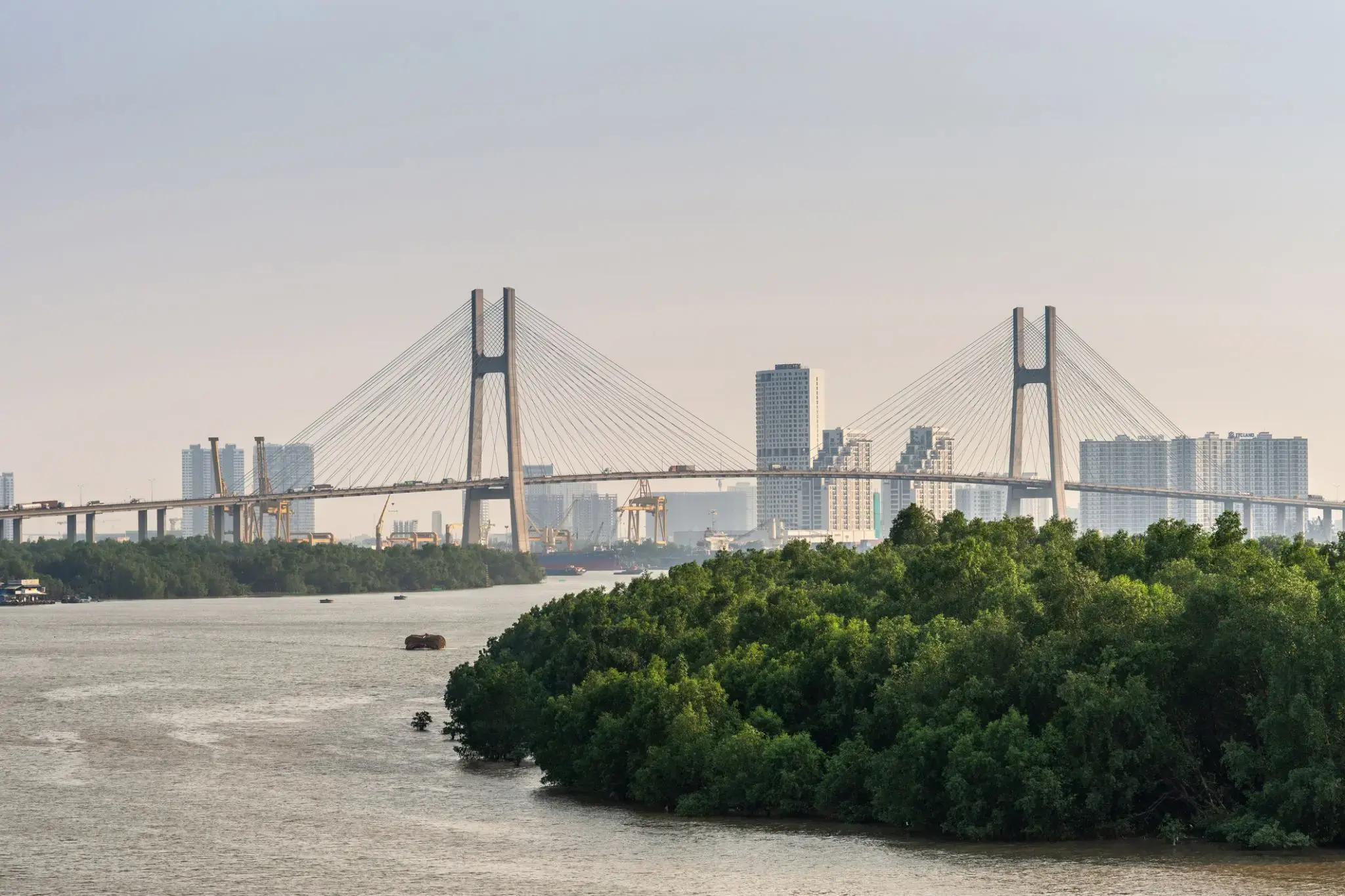
| 31 | 28.02 Sun | Phu My / Vietnam | 08:00 | 18:00 |
| 32 | 1.03 Mon | Day at sea / Sea | ||
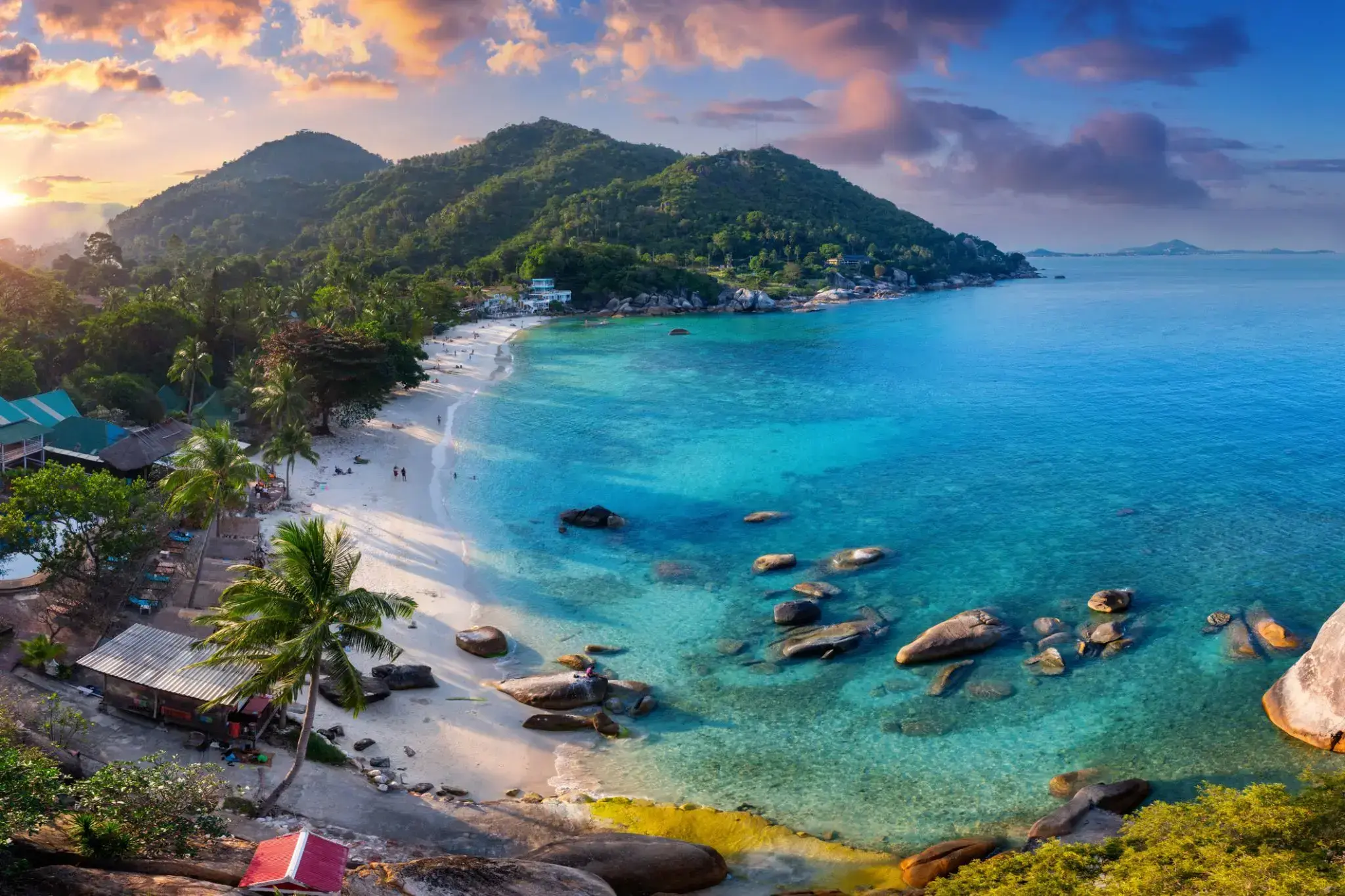
| 33 | 2.03 Tue | Samui Island / Koh Samui / Thailand | 08:00 | 17:00 |
| 34 | 3.03 Wed | Day at sea / Sea | ||
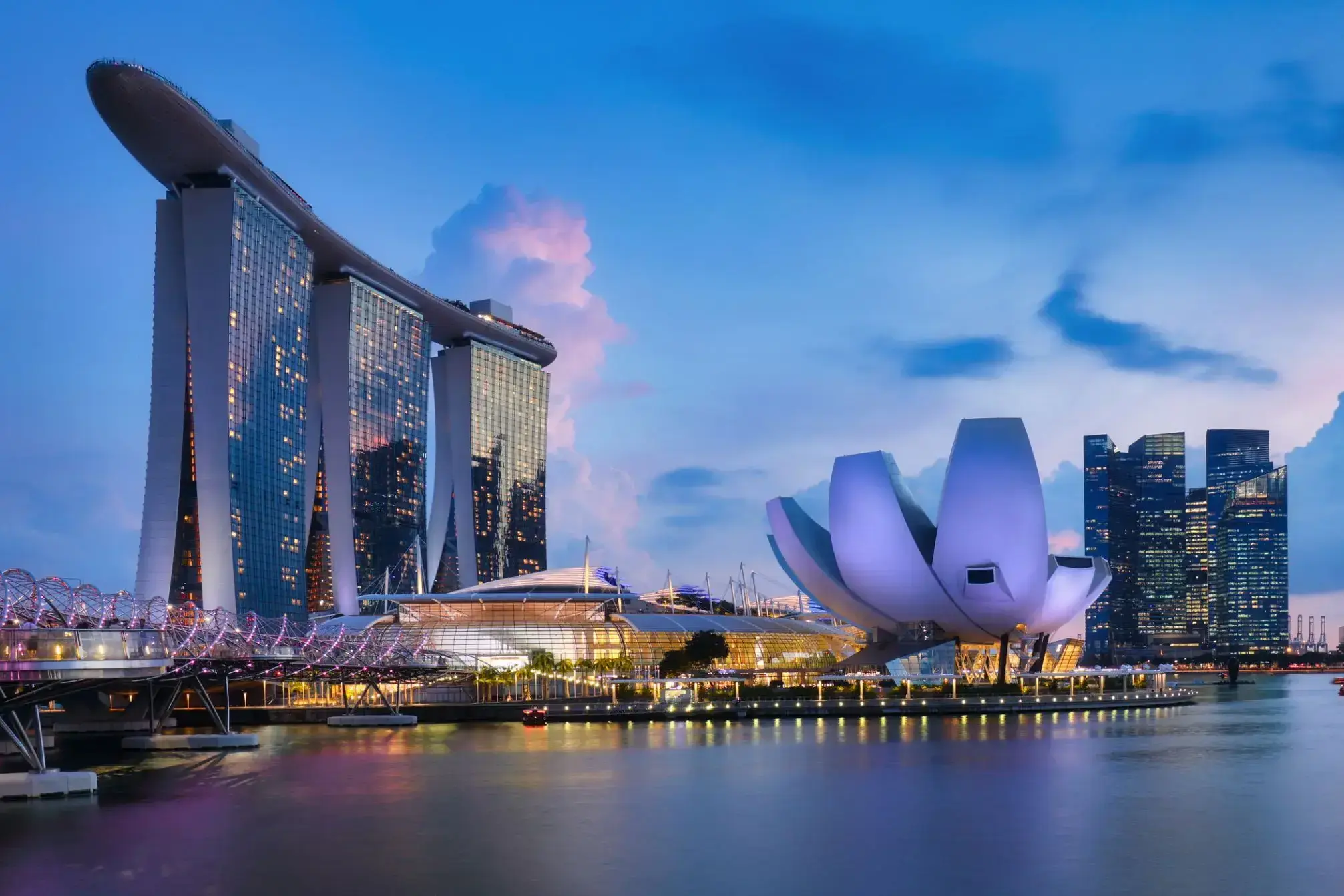
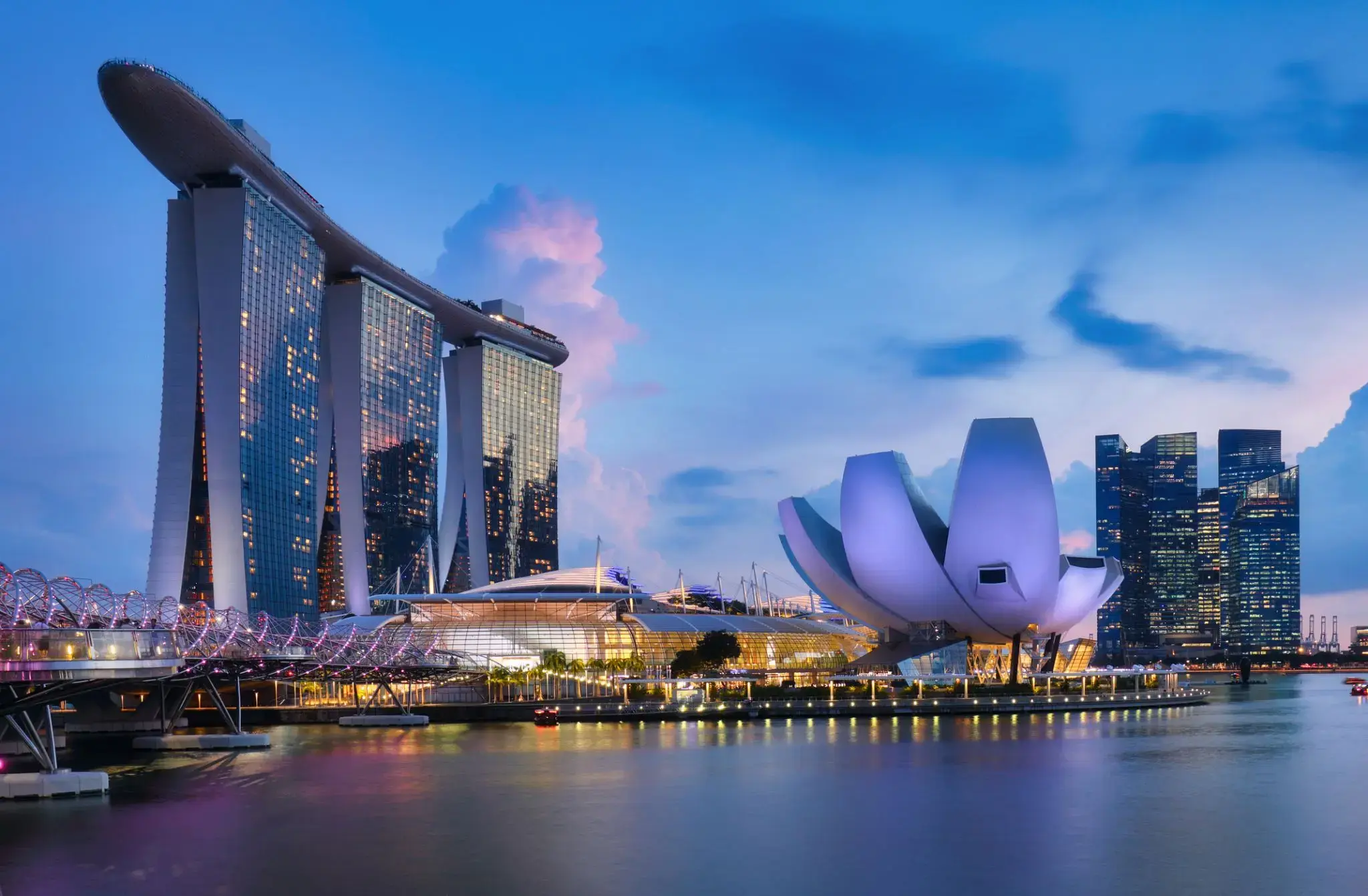
| 35 | 4.03 Thu | Singapore / Singapore | 07:00 | 17:00 |
| 36 | 5.03 Fri | Klang (Kuala Lumpur) / Malaysia | 07:00 | 17:00 |
| 37 | 6.03 Sat | Tanjung Pinang / Malaysia | 07:00 | 13:00 |
| 38 | 7.03 Sun | Day at sea / Sea | ||
| 39 | 8.03 Mon | Day at sea / Sea | ||
| 40 | 9.03 Tue | Colombo / Sri Lanka | 09:00 | 20:00 |
| 41 | 10.03 Wed | Day at sea / Sea | ||
| 42 | 11.03 Thu | Male / Maldives | 08:00 | 18:00 |
| 43 | 12.03 Fri | Day at sea / Sea | ||
| 44 | 13.03 Sat | Day at sea / Sea | ||
| 45 | 14.03 Sun | Day at sea / Sea | ||
| 46 | 15.03 Mon | Day at sea / Sea | ||
| 47 | 16.03 Tue | Port Louis / Mauritius | 08:00 | 17:00 |
| 48 | 17.03 Wed | Day at sea / Sea | ||
| 49 | 18.03 Thu | Day at sea / Sea | ||
| 50 | 19.03 Fri | Day at sea / Sea | ||
| 51 | 20.03 Sat | Durban / South Africa | 07:30 | 20:00 |
| 52 | 21.03 Sun | Day at sea / Sea | ||
| 53 | 22.03 Mon | Port Elizabeth / South Africa | 06:00 | 18:30 |
| 54 | 23.03 Tue | Day at sea / Sea | ||
| 55 | 24.03 Wed | Cape Town / South Africa | 07:00 | 20:00 |
| 56 | 25.03 Thu | Day at sea / Sea | ||
| 57 | 26.03 Fri | Day at sea / Sea | ||
| 58 | 27.03 Sat | Walvis Bay / Namibia | 07:00 | 18:00 |
| 59 | 28.03 Sun | Day at sea / Sea | ||
| 60 | 29.03 Mon | Day at sea / Sea | ||
| 61 | 30.03 Tue | Day at sea / Sea | ||
| 62 | 31.03 Wed | Day at sea / Sea | ||
| 63 | 1.04 Thu | Day at sea / Sea | ||
| 64 | 2.04 Fri | Day at sea / Sea | ||
| 65 | 3.04 Sat | Day at sea / Sea | ||
| 66 | 4.04 Sun | Mindelo / Cape Verde | 09:00 | 19:00 |
| 67 | 5.04 Mon | Day at sea / Sea | ||
| 68 | 6.04 Tue | Day at sea / Sea | ||
| 69 | 7.04 Wed | Las Palmas (Gran Canaria) / Spain | 07:00 | 15:00 |
| 70 | 8.04 Thu | Day at sea / Sea | ||
| 71 | 9.04 Fri | Day at sea / Sea | ||
| 72 | 10.04 Sat | Barcelona / Spain | 14:00 | 20:00 |
| 73 | 11.04 Sun | Marseille / France | 09:00 | 18:00 |
| 74 | 12.04 Mon | Savona / Italy | 08:00 | 17:00 |
| 75 | 13.04 Tue | Rome (Civitavecchia) / Italy | 09:00 |
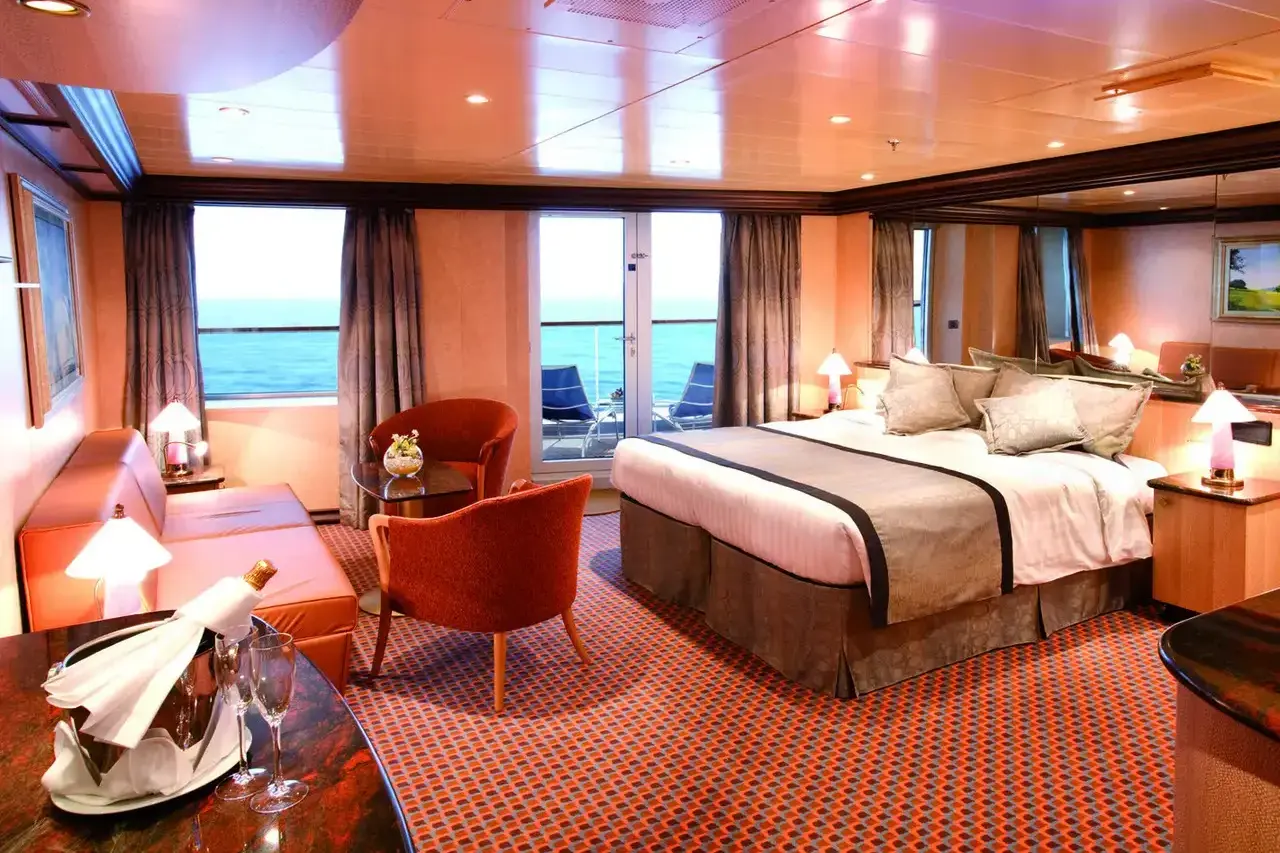
Accommodation in a cabin of the selected category
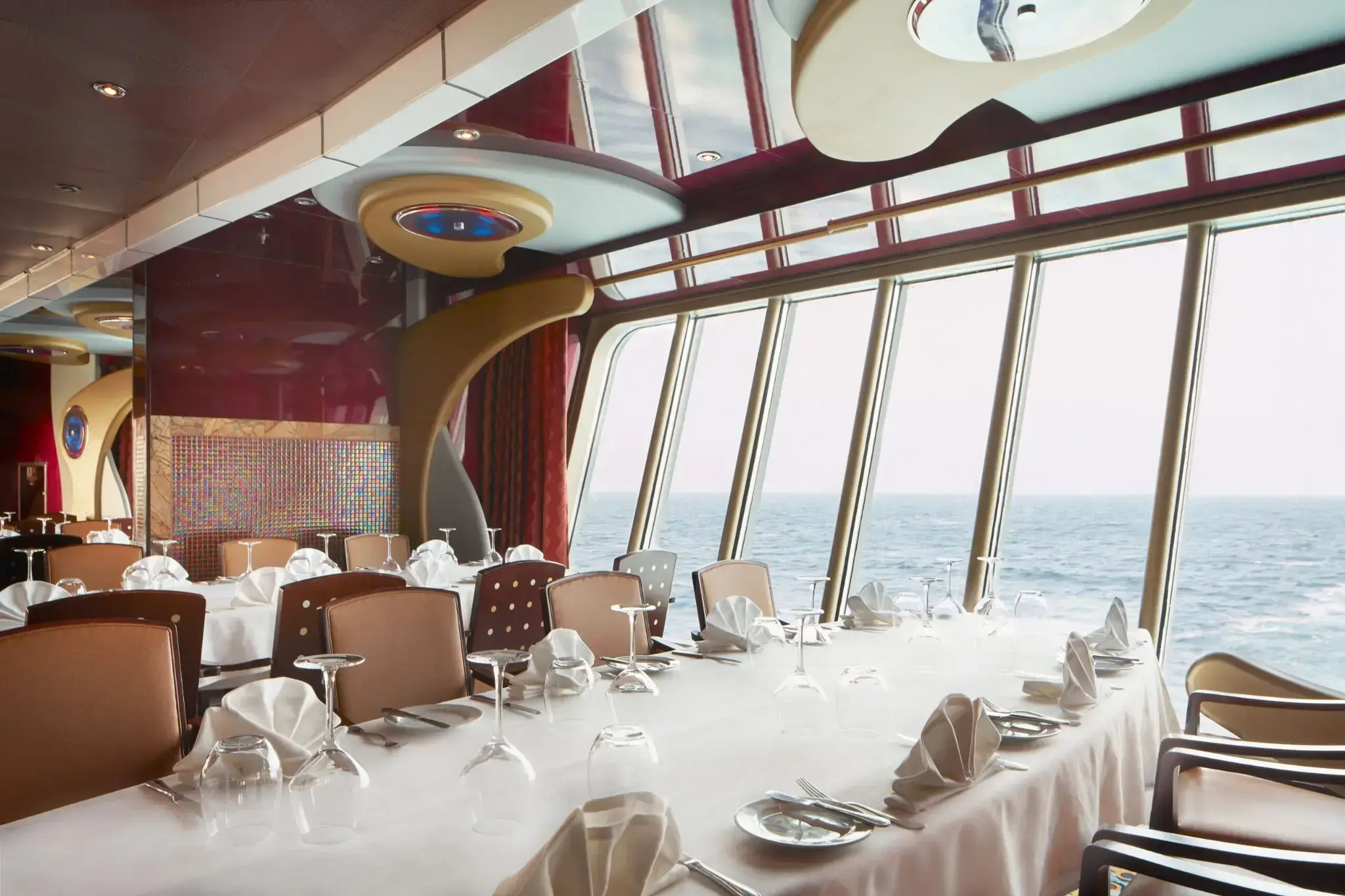
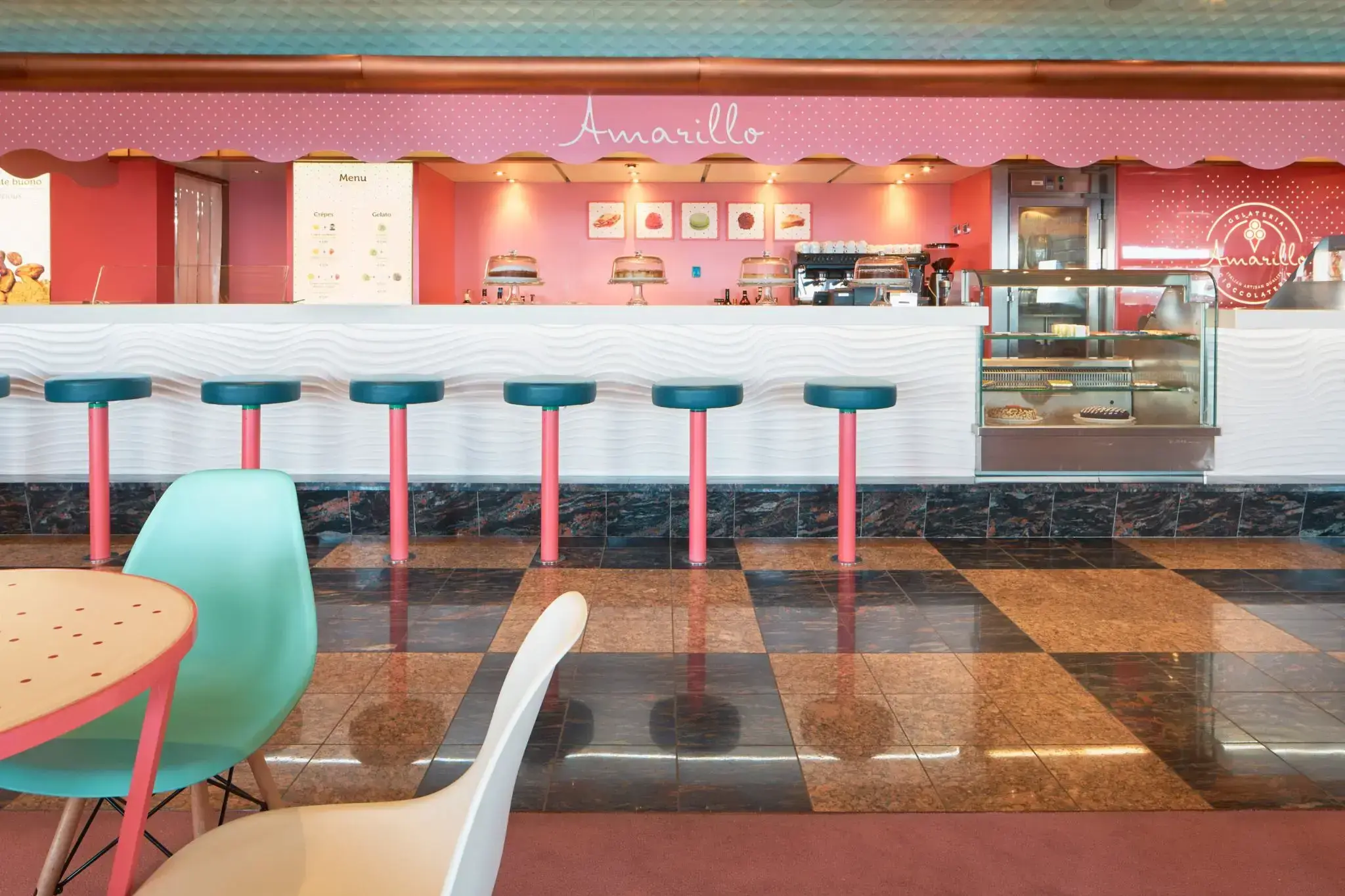
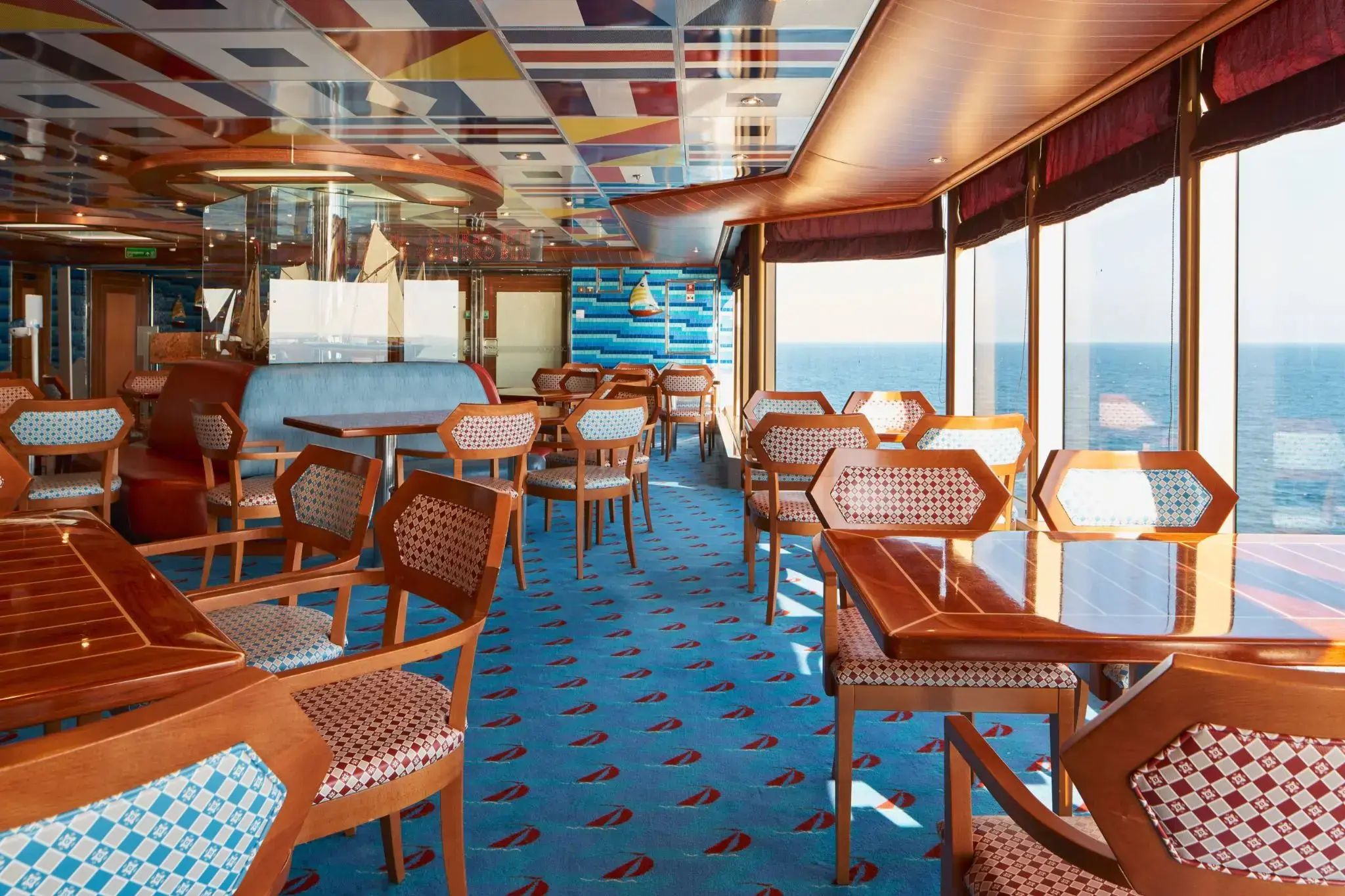
Meals in the restaurant (buffet) on the "buffet" system, including breakfast, lunch and dinner, as well as snacks in the cafe and pizzeria throughout the day. Water, juices, tea, coffee from machines are available in the buffet free of charge 24 hours.
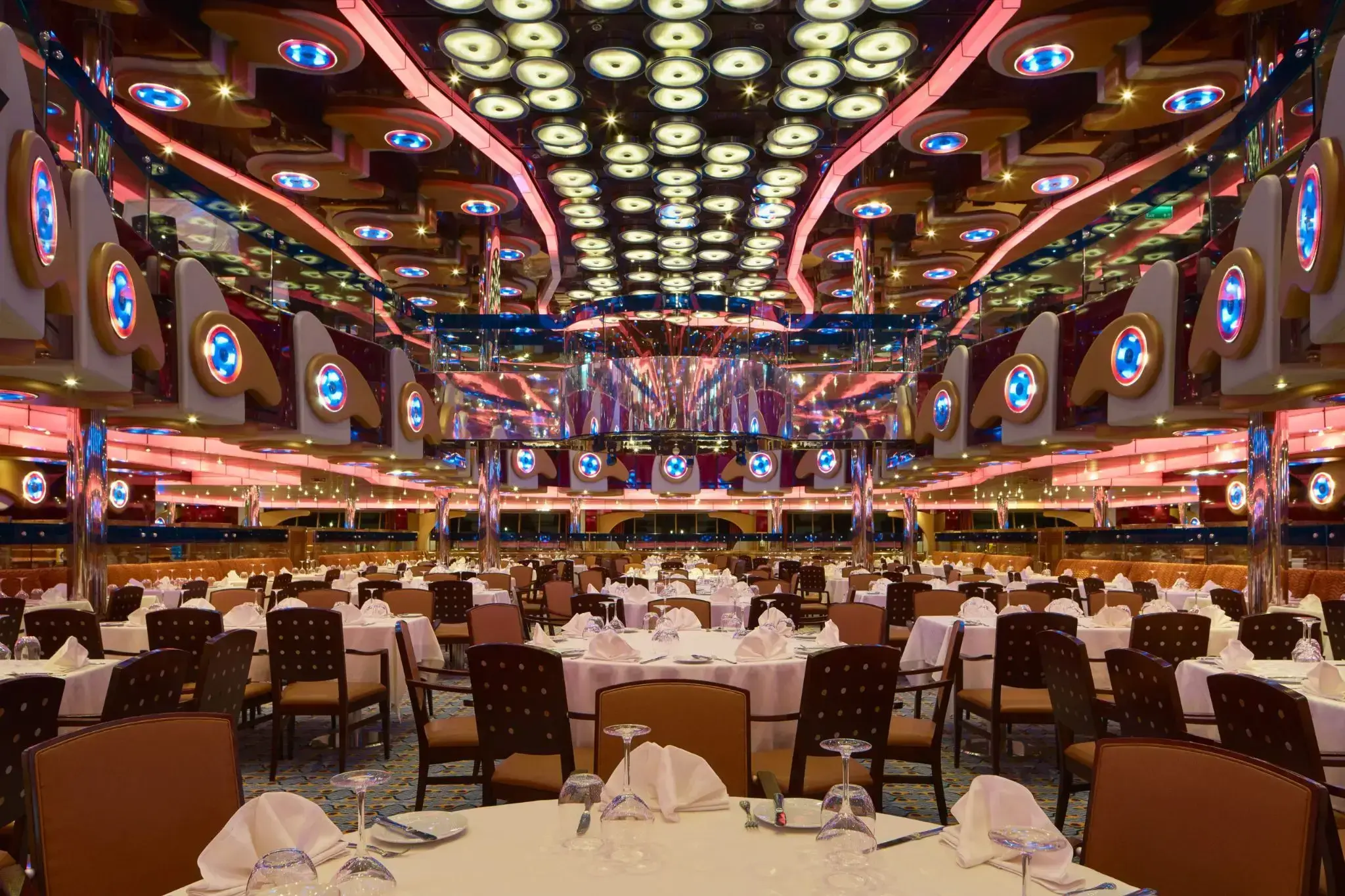
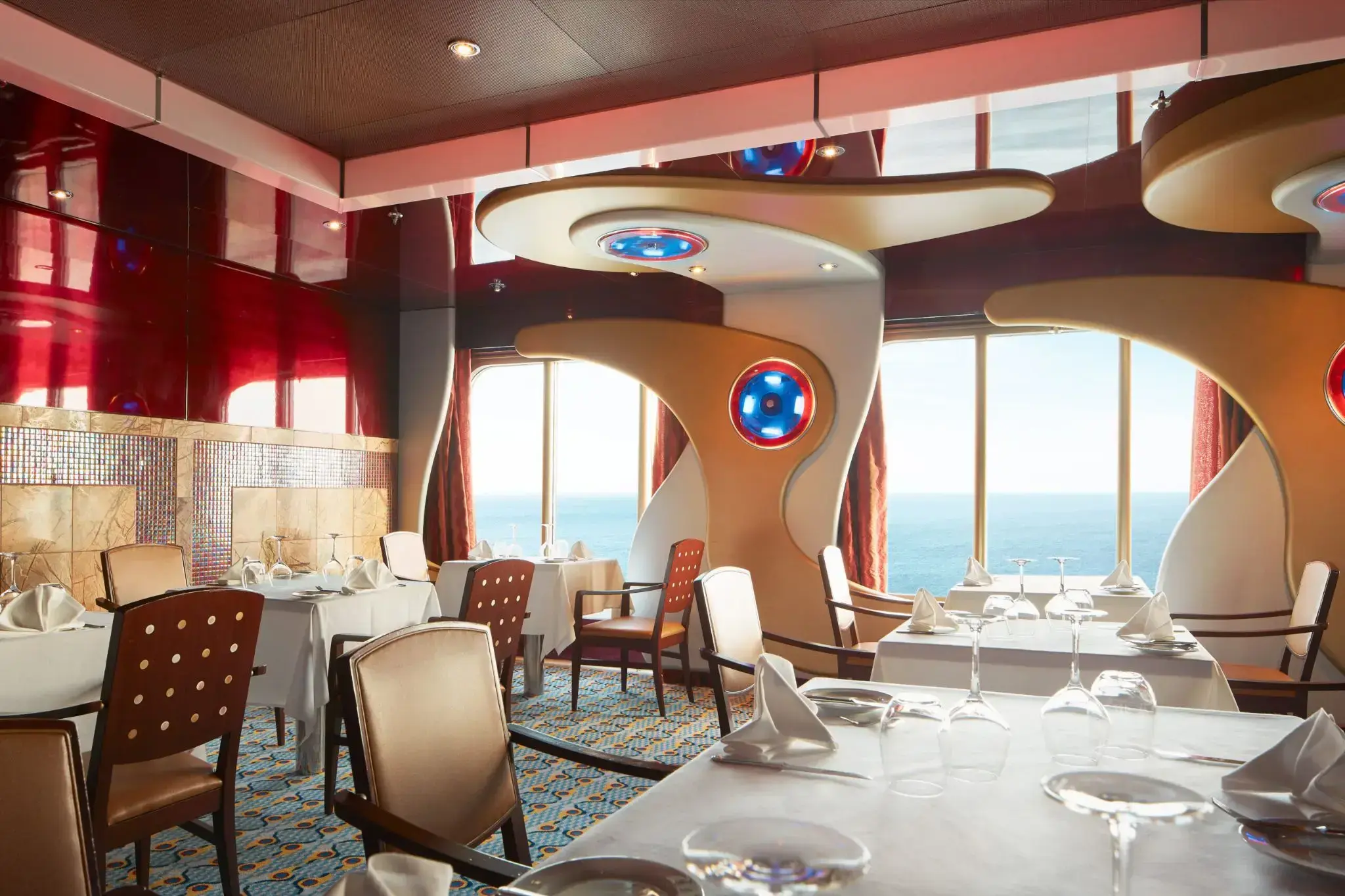
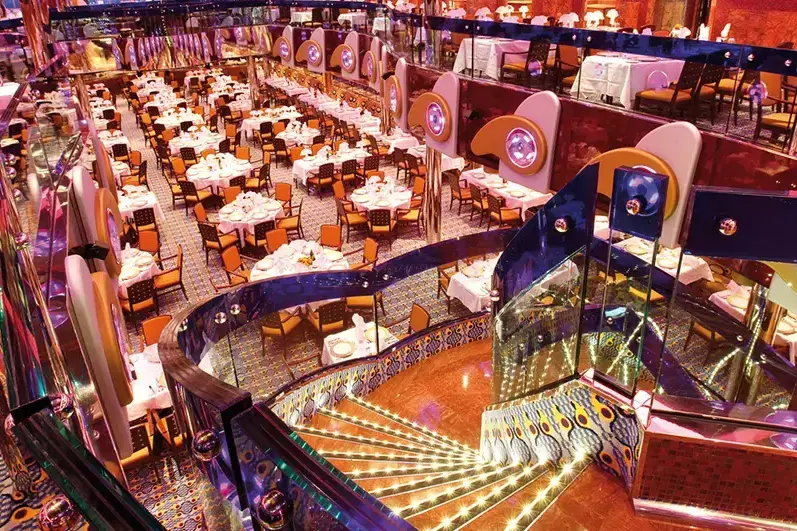
Meals in the main restaurant "a la carte". As a rule, all liners have two or three main restaurants with menu service. The dishes in such restaurants are more refined and varied than in the buffet. Drinks are ordered for an additional fee.
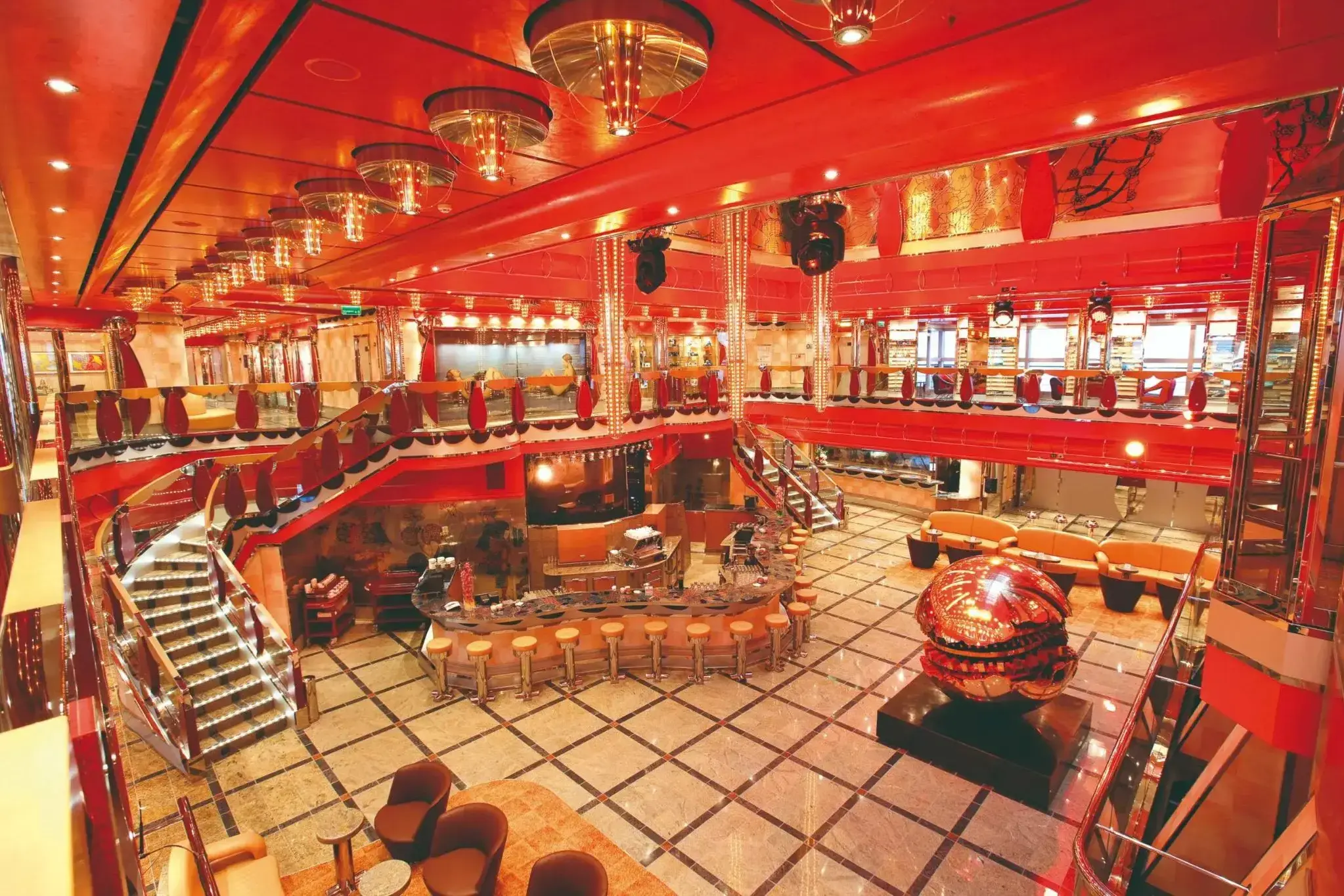
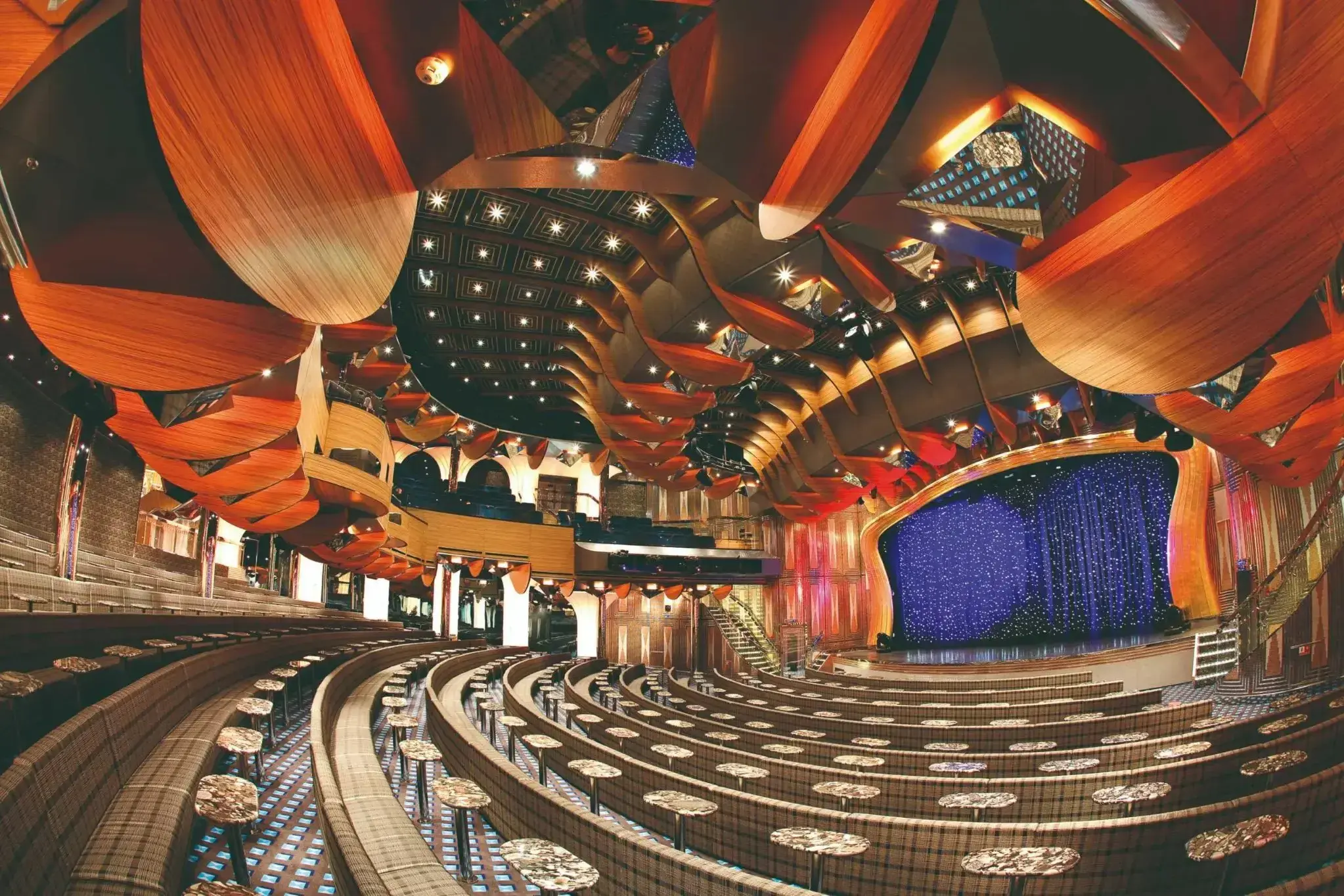
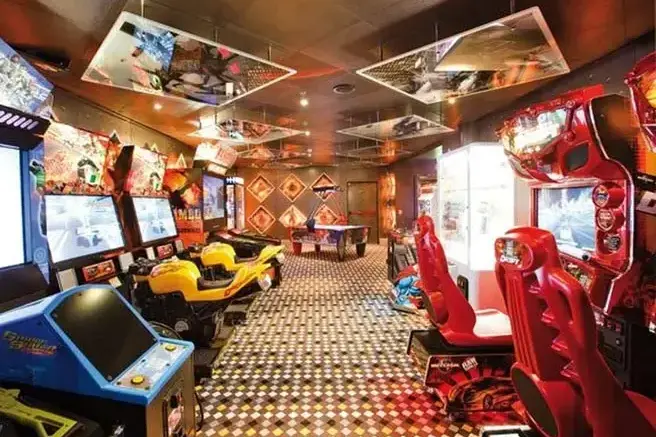
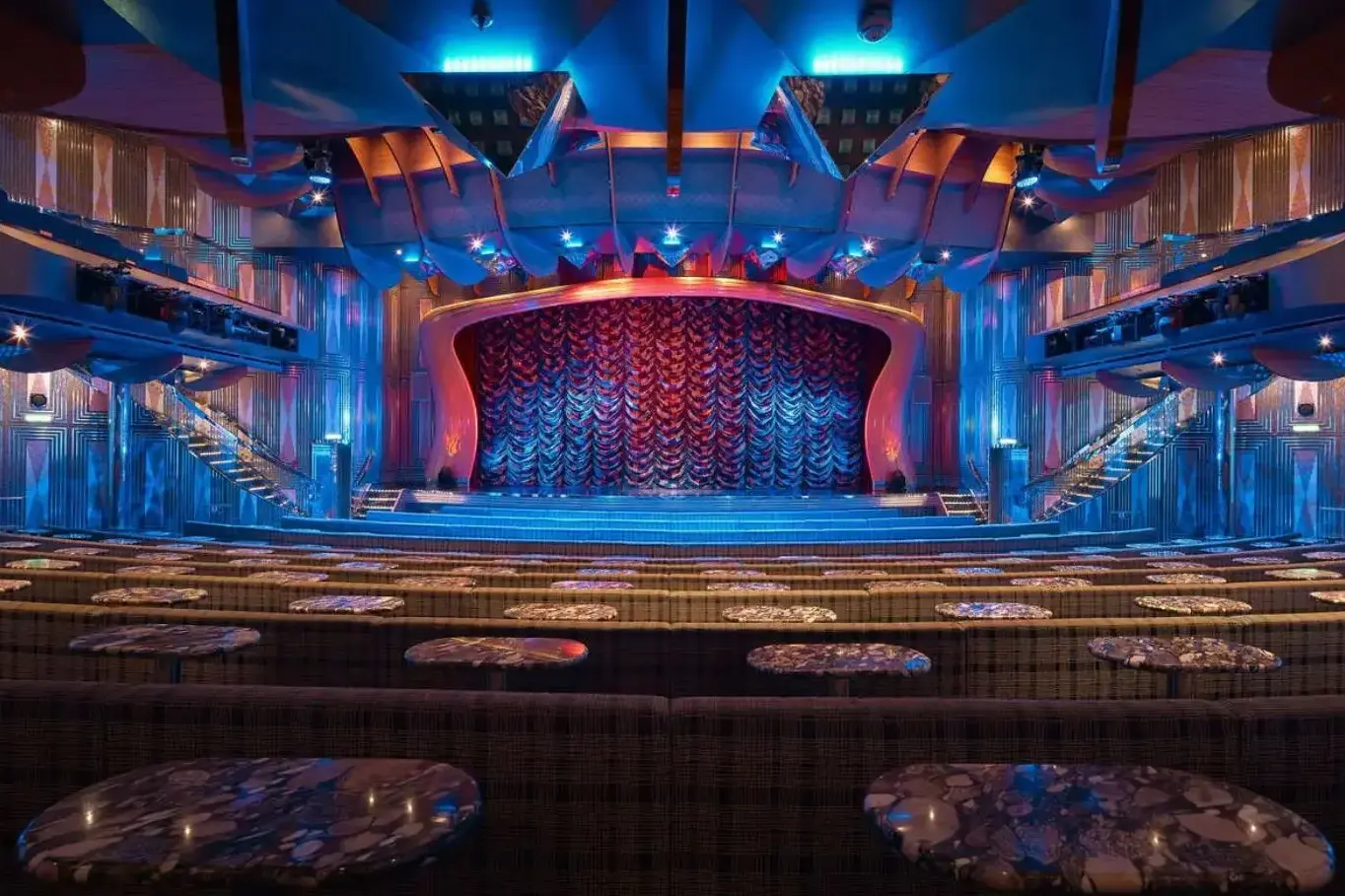
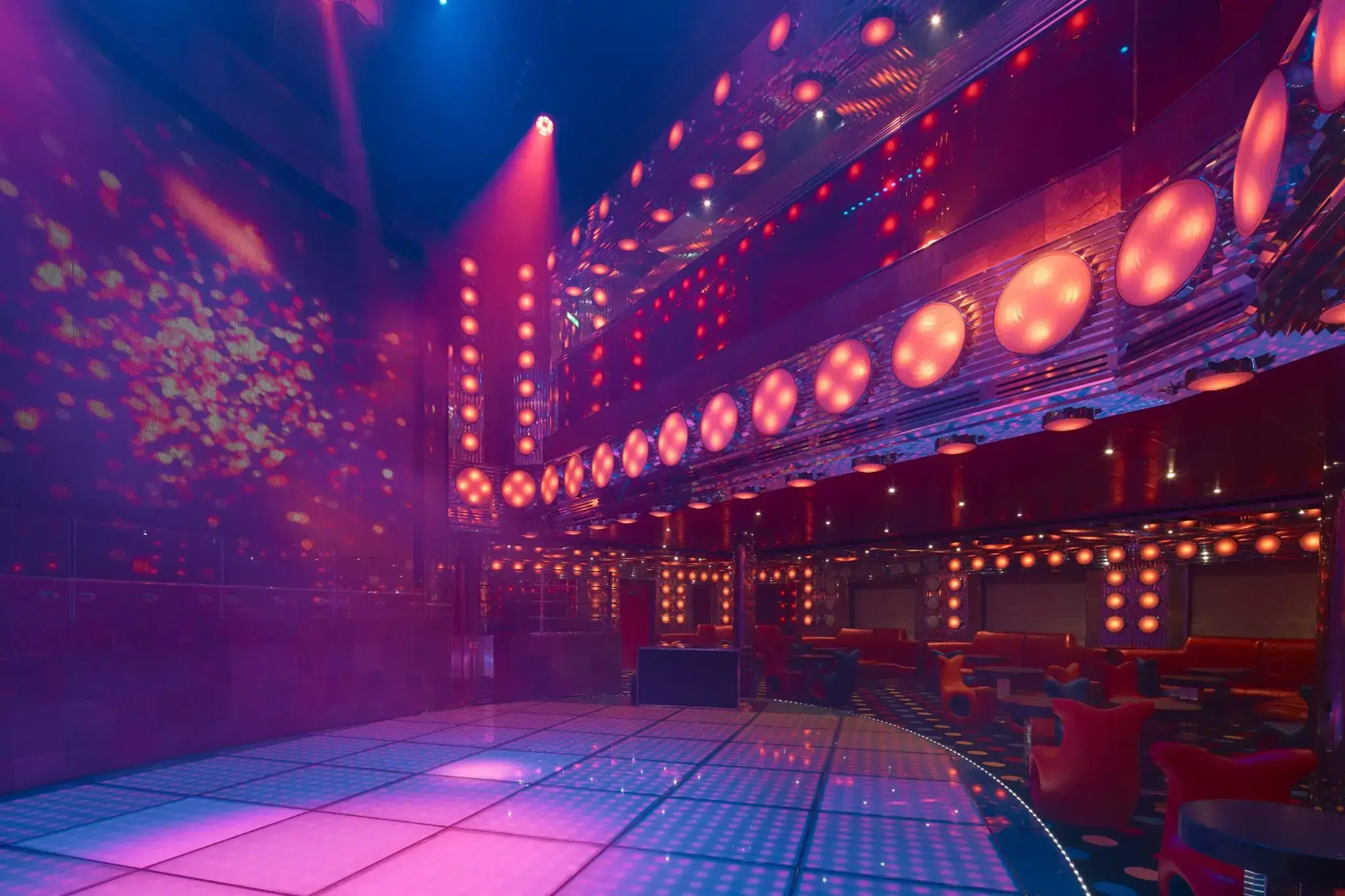
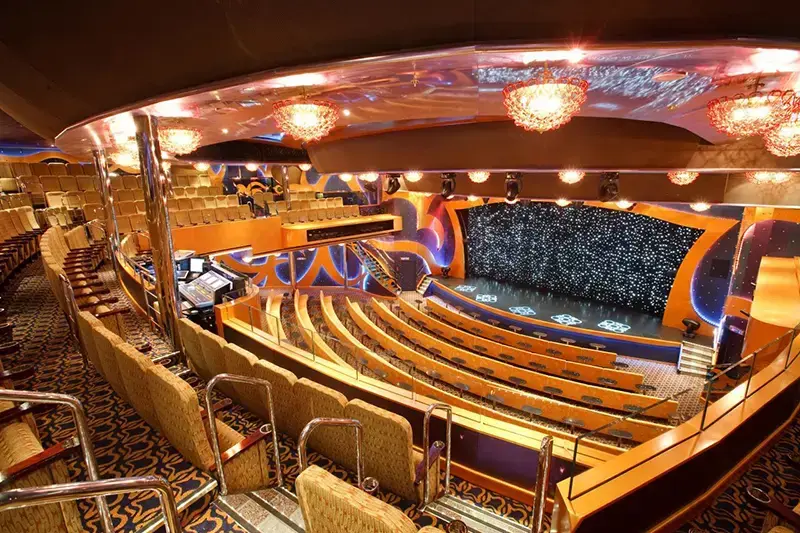
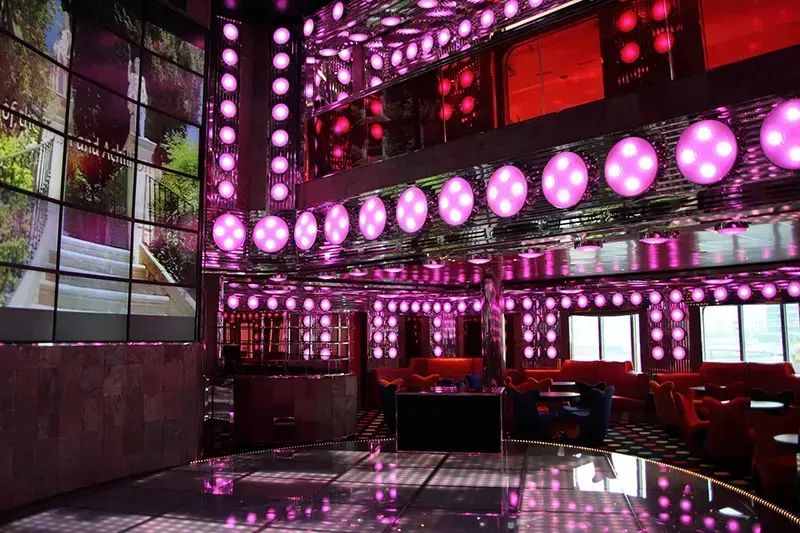
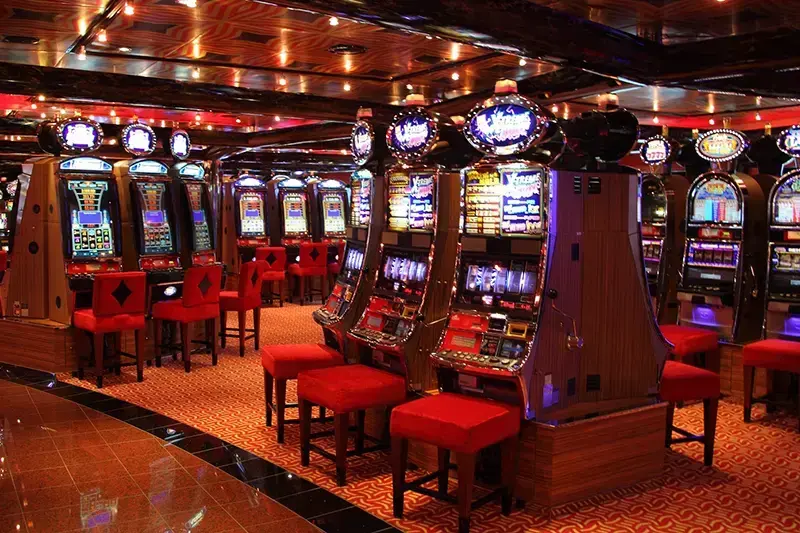
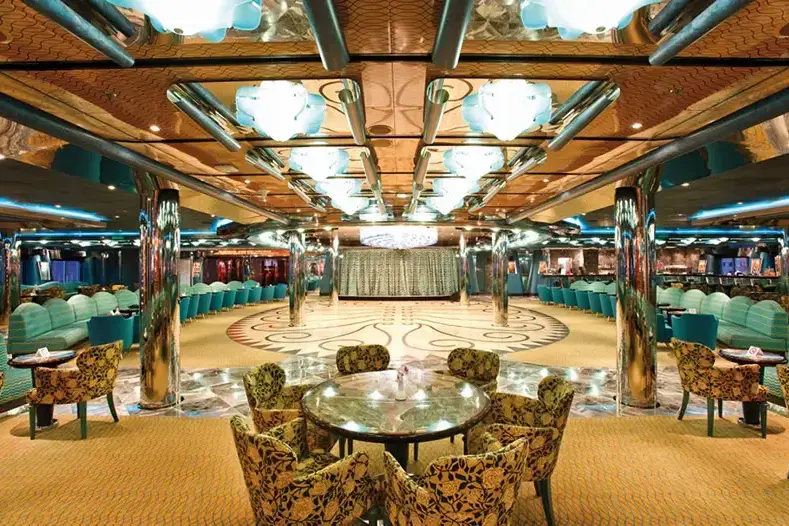
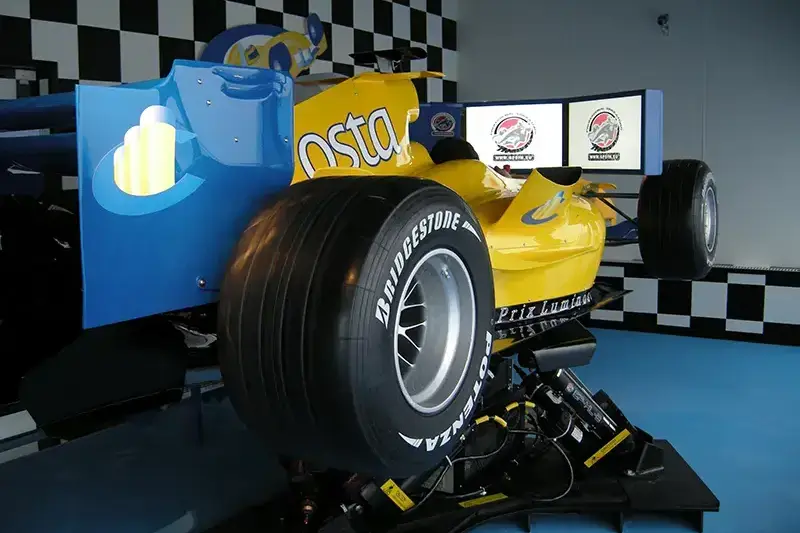
Entertainment on board, such as animation, master classes, aerobics, evening performances in the theatre, live music in bars, discos.
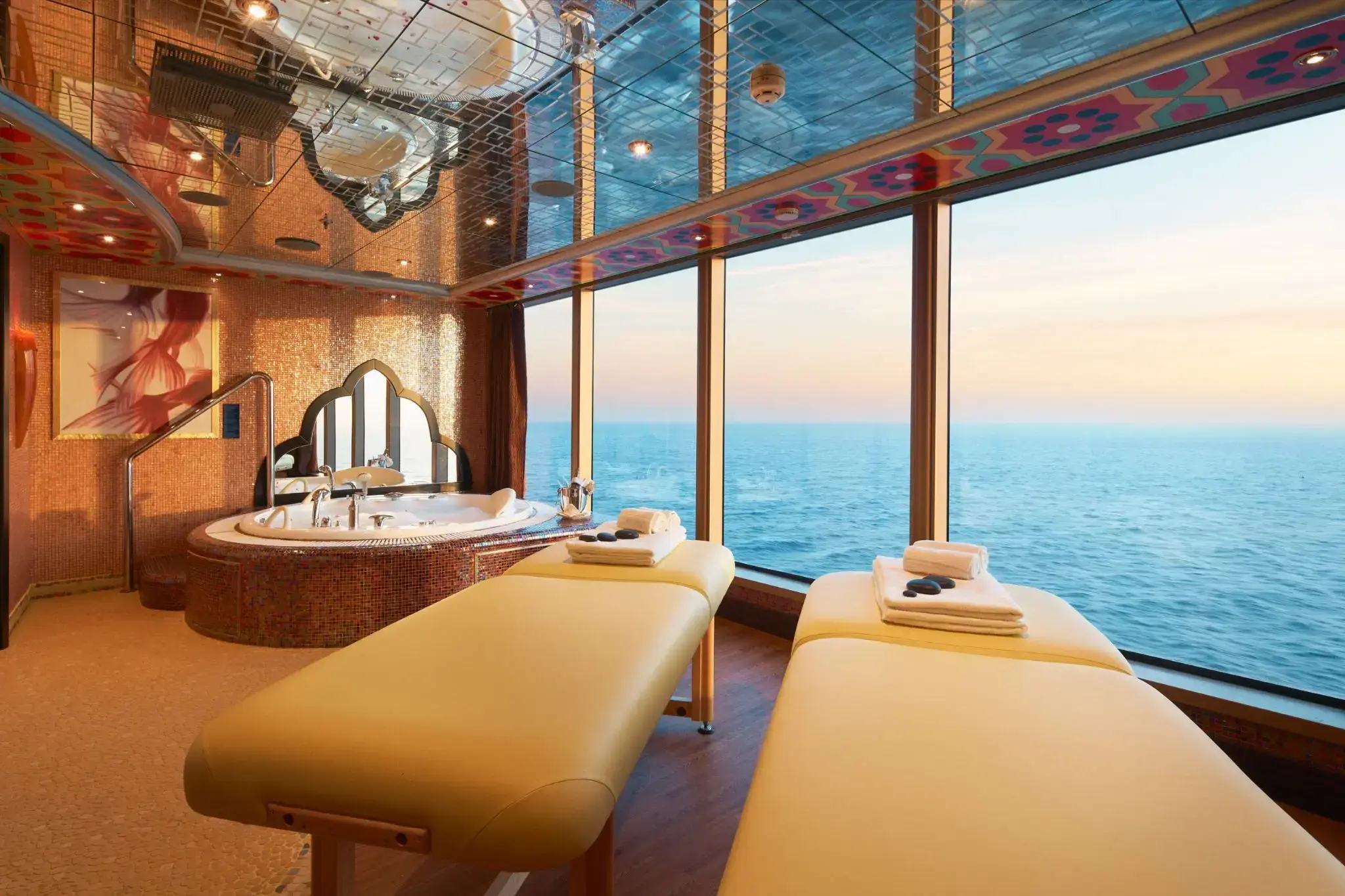
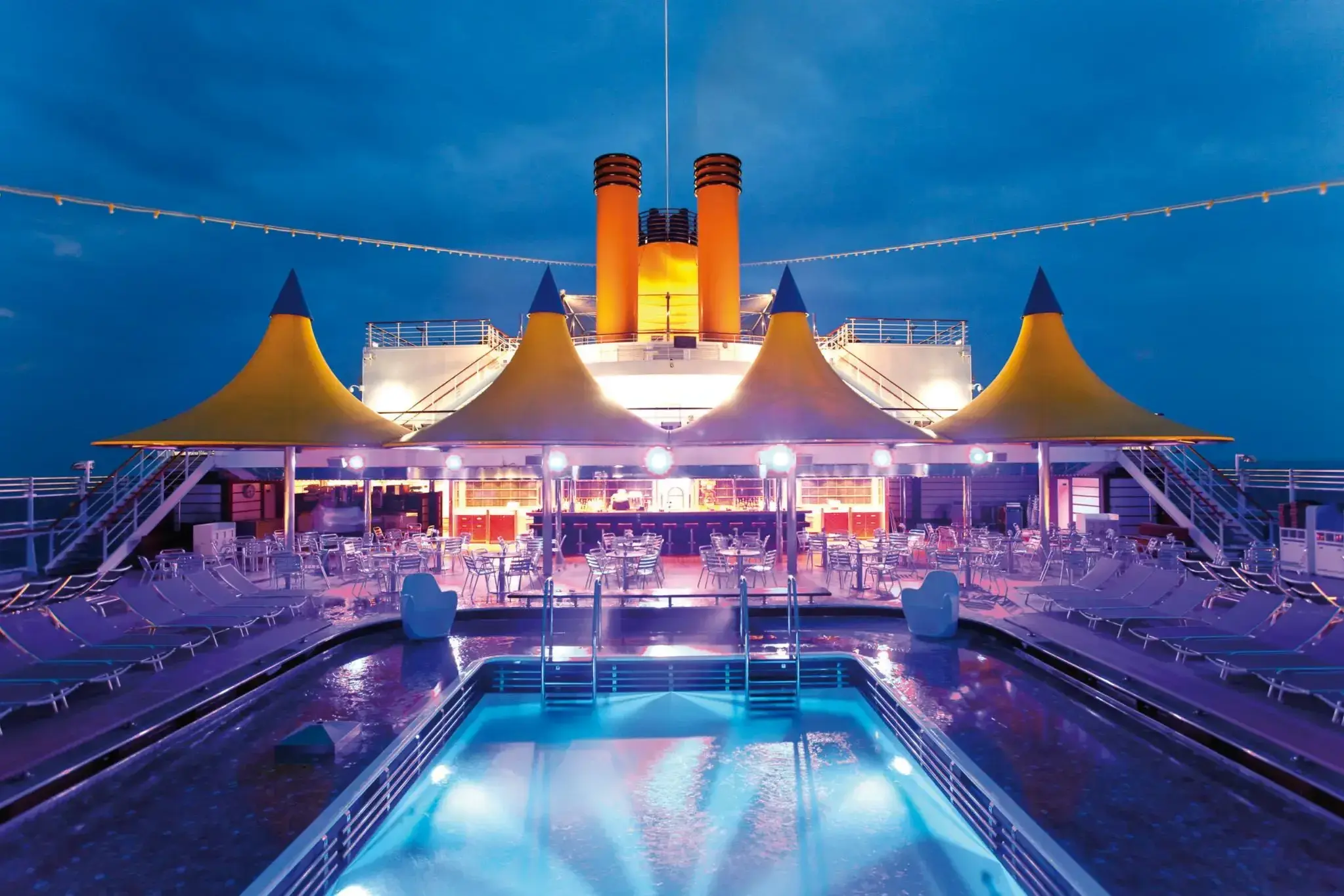
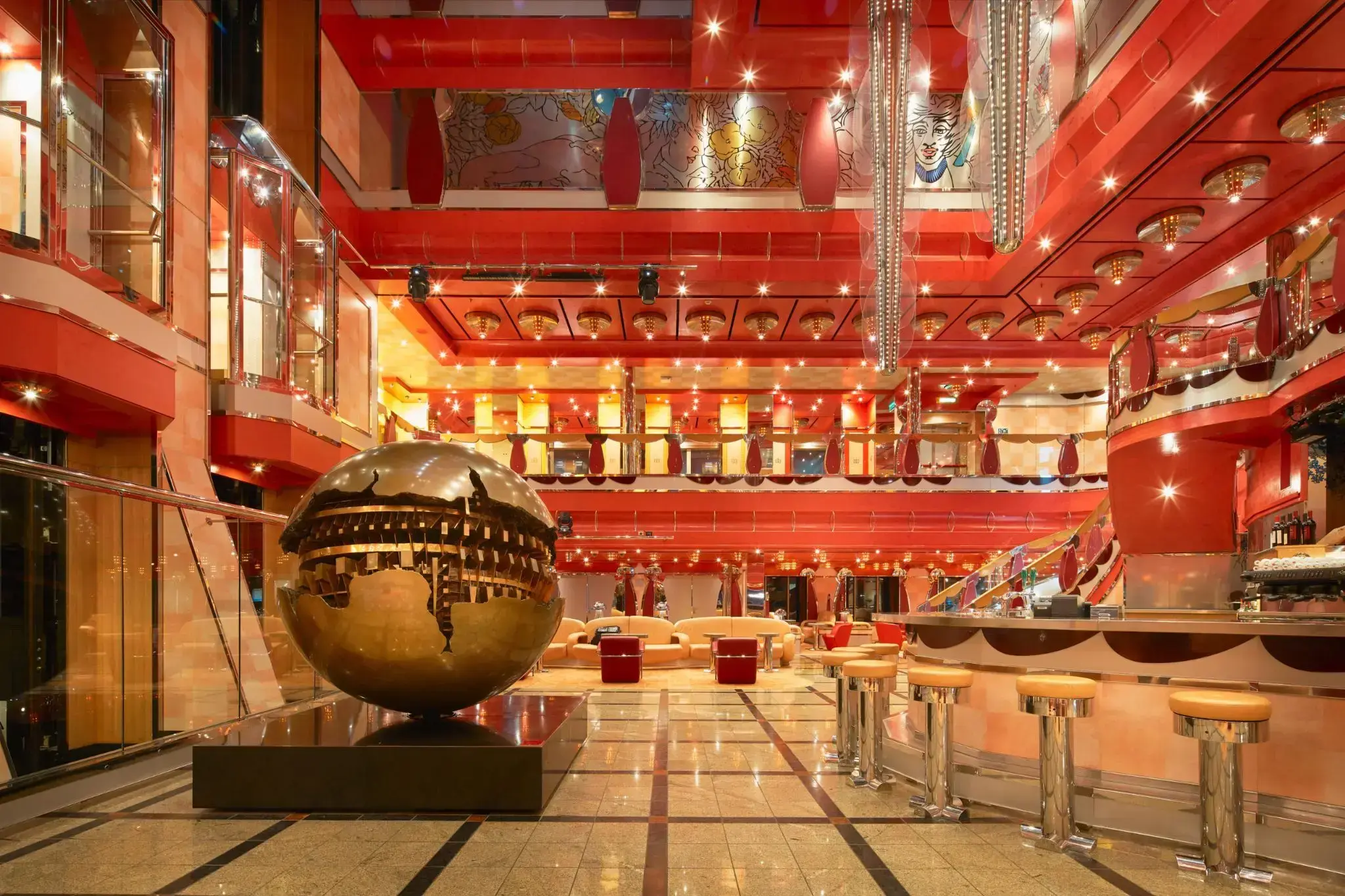
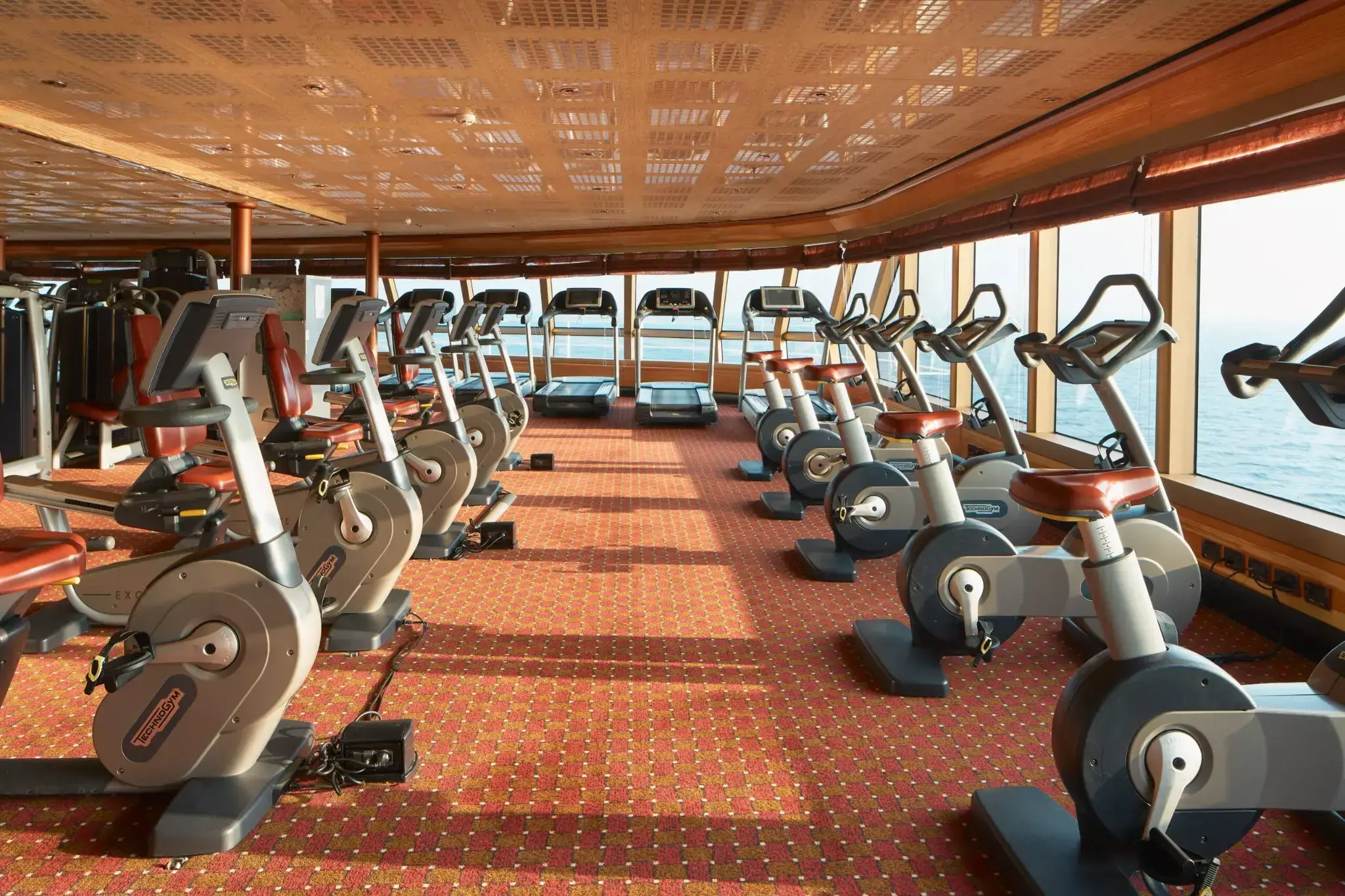
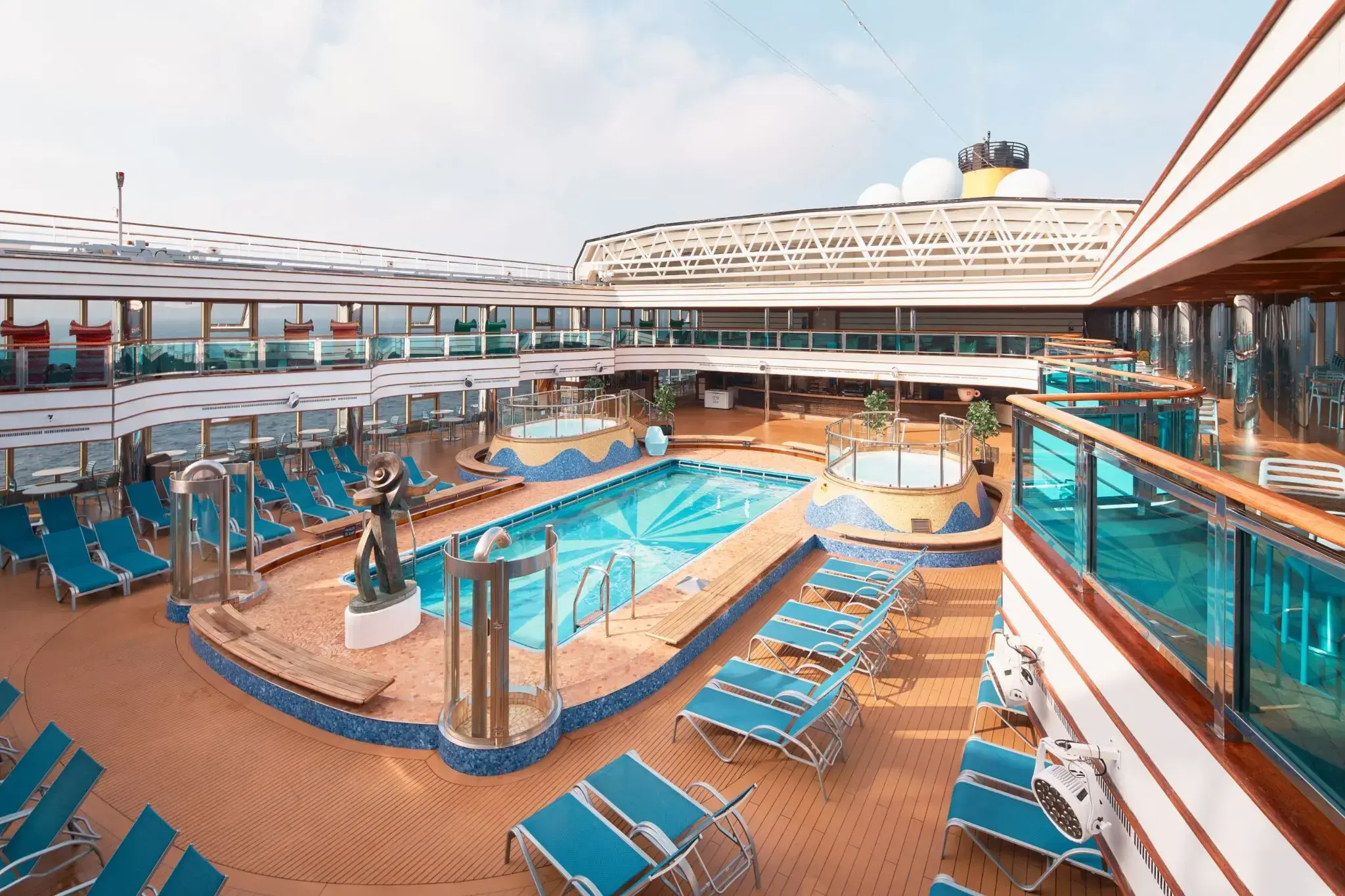
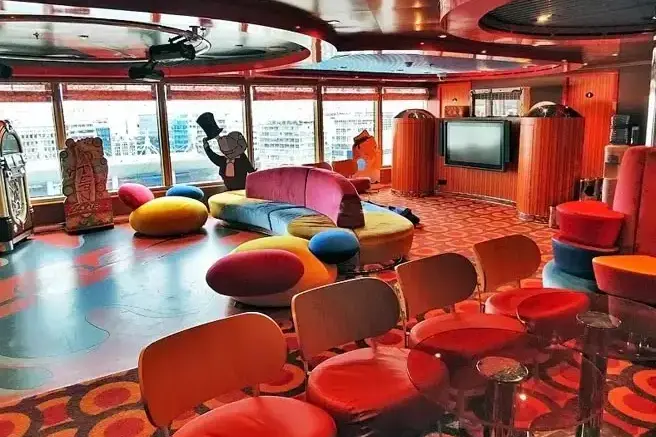
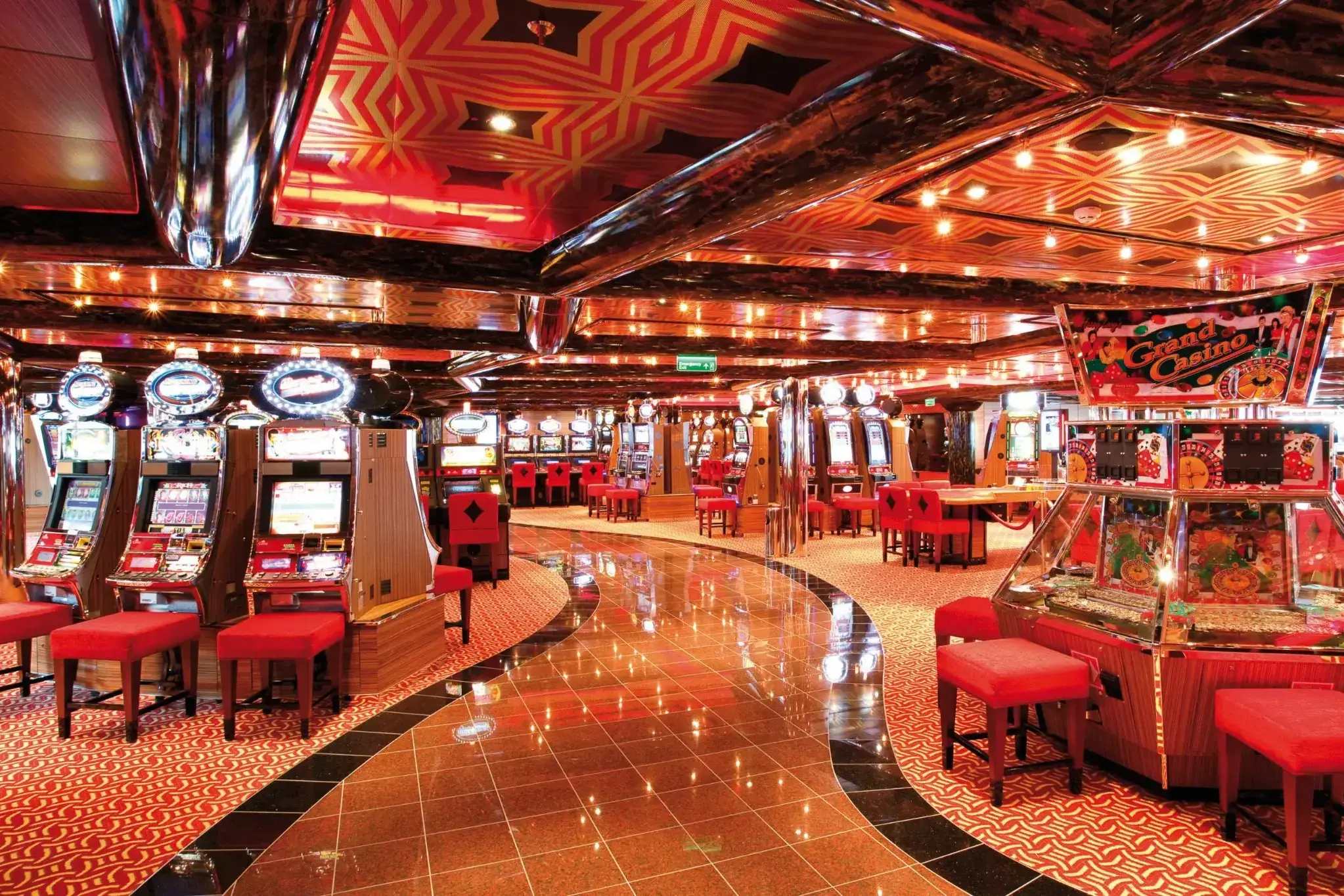
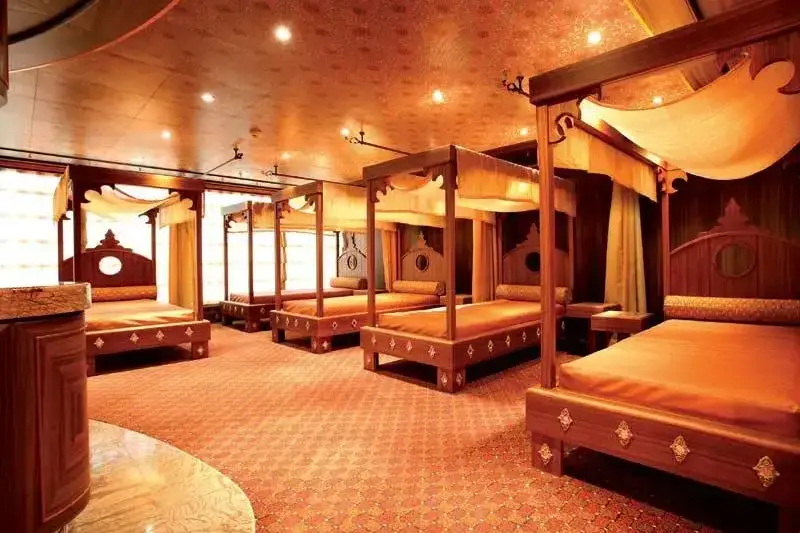
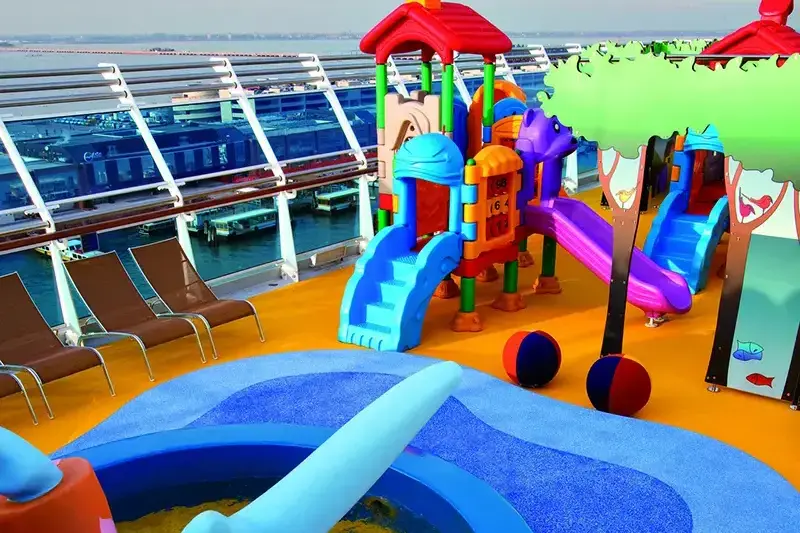
Access to all public areas of the liner: fitness center (gym), swimming pools, jacuzzis by the pools, water park, library, mini-clubs for children.
Services of educators in mini-clubs for children from 6 months to 17 years
Games on sports grounds, including tennis, mini-football, basketball, badminton, mini-golf and others.
Use of watercraft during embarkation or disembarkation in ports if the liner does not enter the port.
Luggage transportation at the beginning and end of the cruise.
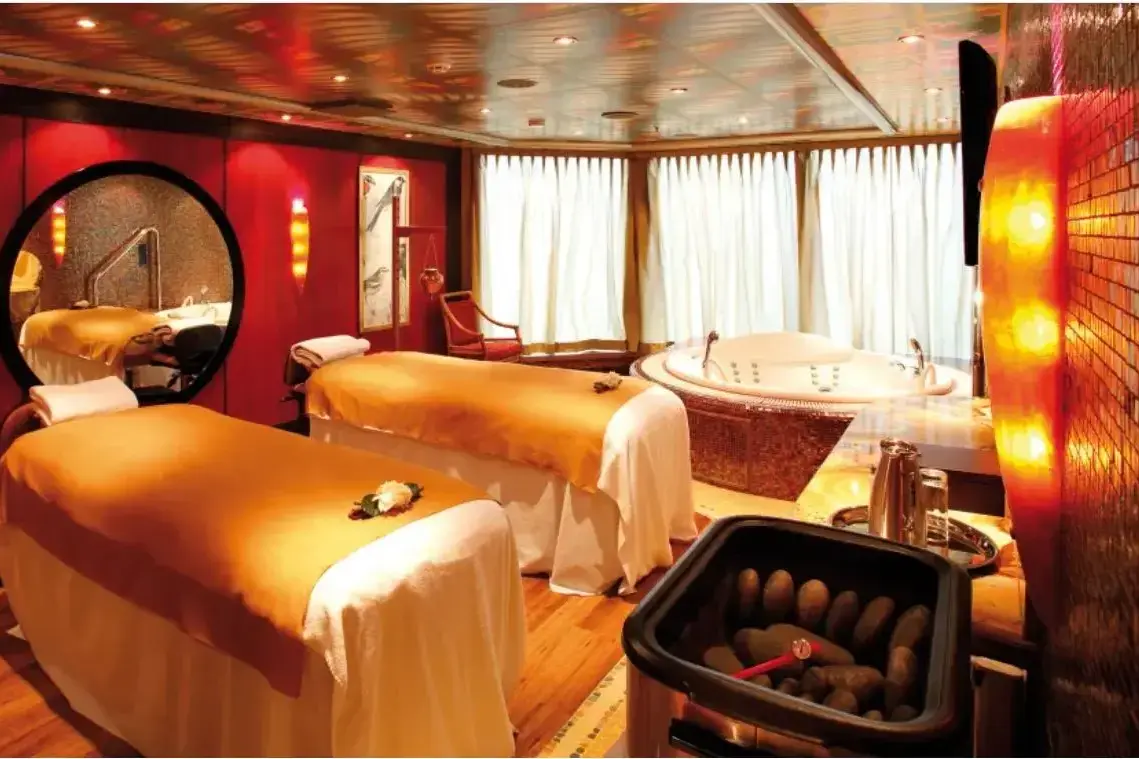
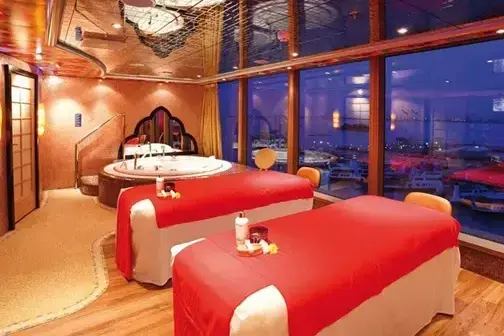
Depending on the cabin category, you may be provided with additional services free of charge. For example, ALL INCLUSIVE drinks in bars and restaurants, cabin service with free delivery 24 hours, use of the spa center.
Important: Costa reserves the right to change the cabin to the same category or higher. However, Costa will do everything possible to avoid changing the cabin.
Additional costs:
insurance (medical insurance, travel cancellation insurance)
airfare, rail transport (transportation costs to the port of departure and from the port of arrival of the ship)
transfers (from the airport/train station to the sea port and back)
excursions
pre- and post-cruise hotel reservations if you want to extend your holiday on land.
Additionally paid on the liner:
visiting alternative bars and restaurants
services of spa centers, hairdressers, beauty salons
medical services
laundry, ironing
casino
slot machines, etc. depending on the specific liner.
For any purchase of goods on the liner in bars, restaurants, shops and services in the spa center, hairdresser, etc. you will be additionally charged a service fee, which will average 15% of the purchase price.
Costa Cruises Fare Plans
Costa offers three fare options, allowing every guest to choose the right level of comfort and included services:
My Cruise — Basic Fare (Currently, only the My Cruise is available for booking on the website.
Other fare options (All-Inclusive and Super All-Inclusive) are available upon individual request through your travel agent.
Ideal for travelers who value flexibility and want to select only the services they need.
What’s included:
Accommodation in the chosen cabin
Full board: breakfast, lunch, dinner, and snacks
Costa Club points accumulation
All-Inclusive — Everything Included
A comfortable fare that includes the My Drinks package. Perfect for those who want to know all their expenses in advance.
What’s included:
Accommodation in the chosen cabin
Full board: breakfast, lunch, dinner, and snacks
My Drinks package: unlimited beverages by the glass — wine, beer, whiskey, cocktails, hot drinks, juices, and soft drinks
1 bottle of 0.5L water per day per person
Choice of dinner time
Costa Club points + discount on the next cruise
If your client chooses a Suite, the following are also included:
My Drinks Plus package (includes premium beverages and minibar)
24/7 personal butler service
Super All-Inclusive — Maximum Comfort
The most complete fare including drinks, meals, and multilingual guided excursions.
What’s included:
Accommodation in the chosen cabin
Full board: breakfast, lunch, dinner, and snacks
My Drinks package: a wide selection of alcoholic and non-alcoholic beverages
1 bottle of 0.5L water per day per person
My Explorations package: a set of excursions + discounts on additional tours
Flexible cancellation terms
Choice of dinner time
Costa Club points + discount on the next cruise
If your client chooses a Suite, the following are also included:
My Drinks Plus package (includes premium beverages and minibar)
24/7 personal butler service
Costa Cruises Beverage Packages
Choose the Best Package
My Soft Drinks
Enjoy coffee, juices, soft drinks, and alcohol-free cocktails.
Included:
Non-Alcoholic Drinks at the Bar: Soda, juices (various flavors), tonic, lemonade, iced tea, syrup with water per glass, mineral water (still or sparkling).
Hot Drinks: Espresso, decaffeinated coffee, iced coffee, coffee shaker, cappuccino, coffee with liqueur, selection of teas and herbal infusions.
From Chocolate Bar (if available on the ship): Hot or cold chocolate (various flavors).
Alcohol-Free Cocktails: All from the onboard menu.
Not Included: Cocktails, premium drinks, minibar drinks.
My Drinks
If you want more, add a wide selection of cocktails.
Included:
Drinks with Meals.
Drinks at the Bar.
Cocktails.
Aperitifs and Vermouths: All from the onboard menu.
Beer: Draft beer, non-alcoholic beer.
Non-Alcoholic Drinks and Mineral Water: Soda, juices (various flavors), tonic, lemonade, iced tea, syrup with water per glass, mineral water (still or sparkling), one 0.5L bottle of mineral water per adult per day in the restaurant and all bars.
Hot Drinks: Espresso, decaffeinated coffee, iced coffee, coffee shaker, cappuccino, coffee with liqueur, selection of teas and herbal infusions.
From Chocolate Bar (if available): Hot or cold chocolate (various flavors).
Wines by the Glass: White wines (Pinot Grigio, Chardonnay, Trebbiano); red wines (Merlot, Cabernet, Nero d’Avola); rosé wines (Rosato Puglia).
Whiskies: Ballantines, J&B, Johnnie Walker Red, Jim Beam, Canadian Club, Jameson, Dewar’s White Label, Crown Royal.
Other Distillates: Grappa (Grappa Moscato, Sènjana Gentile); cognac (Cognac VS); gin (Beefeater, Gordon’s); vodka (Skyy, Stolichnaya); rum (Bacardi Silver, Bacardi Gold, Bacardi Limón); brandy (Vecchia Romagna E.N., Fundador); tequila (Jose Cuervo).
Liqueur Wines: Harveys Bristol Cream, Sandeman Ruby Port.
Bitters and Liqueurs: All from the onboard menu.
Bacardi Breezer: All from the onboard menu.
Cocktails: Whisky Cream Banana Colada, Piña Colada, Kiwi Colada, Strawberry Daiquiri, Banana Daiquiri, Planter’s Punch, Mai Tai, Bahama Mama, Frozen Margarita, Mojito, Caipirinha, Caipiroska, Caipirissima, Sidecar, Between the Sheets, Martini, Negroni, Americano, Campari shakerato, Aperol Spritz, Black Russian, White Russian, Pink Lady, Rossini, Bellini, Costa Dream, Costa Sea, Costa Wind, Costa Sky, Ginger Mojito, Mango Caipirinha.
Alcohol-Free Cocktails: Colibrì, Fruit Punch, Pink Panther, Squok, Cosmopolitan Long Virgin, Mojito Zero, Strawberry Caipiroska Zero, Sex on the Beach Zero, Passion Fruit Caipiroska Zero.
Mixed Drinks: Gin and tonic, vodka and tonic, whisky with cola, vodka with lemon, Cuba Libre.
Not Included: Premium drinks, minibar drinks.
My Drinks Plus
If you want the ultimate experience, add prestigious labels, plus soft drinks, bottled water and beer, and all minibar drinks.
Included:
Drinks with Meals.
Drinks at the Bar.
Cocktails.
Premium Drinks.
Drinks from the Minibar.
Unlimited consumption of all drinks from the bar menu up to 9 euros/10 dollars.
Molecular cocktails, solid cocktails, and premium drinks.
Assortment of beers, aperitifs, and distillates.
Special coffees for sweet lovers.
Drinks from the minibar or served in the cabin, plus the finest labels, bottled water, and beer.
My Drinks Young (for Children)
A wide selection of drinks per glass: from soda to smoothies and chocolate.
Included:
Juices: Pear, peach, apricot, pineapple, orange, grapefruit.
Non-Alcoholic Drinks and Mineral Water: Soda, juices (various flavors), tonic, lemonade, iced tea, syrup with water per glass, mineral water (still or sparkling).
Alcohol-Free Cocktails: Colibrì, Fruit Punch, Pink Panther, Squok, Cosmopolitan Long Virgin, Mojito Zero, Strawberry Caipiroska Zero, Sex on the Beach Zero, Passion Fruit Caipiroska Zero.
Hot Drinks: Espresso, decaffeinated coffee, iced coffee, coffee shaker, cappuccino, selection of teas and herbal infusions.
From Chocolate Bar (if available): Hot or cold chocolate (various flavors).
*Available only for children aged 4 to 17. Free for children under 4. **Cocktails available only in combination with the My Drinks package.
Beverage Package Conditions
Beverage packages are personal, non-transferable, and cannot be shared. They must be purchased by all guests in the same cabin or with the same booking number and/or traveling together. Packages including alcoholic drinks are intended only for guests aged 18+ (21 in the USA). They include a selection of alcoholic and non-alcoholic drinks served by the glass. Whole bottles of wine or spirits are not served. Excluded are minibar products, in-cabin service, and prestigious brands (except for My Drinks Plus). Service will be denied to intoxicated guests. If guests abuse the beverage package by sharing it with those who haven’t purchased it, Costa will revoke the privilege. Beverage packages are valid on embarkation and disembarkation days. My Drinks Young: Available only in combination with another adult beverage package. Intended for children and teens aged 4 to 17. Free for children under 4. Includes a selection of non-alcoholic drinks per glass. Excluded are minibar products and in-cabin service (except in combination with My Drinks Plus).
To confirm your booking, a minimum deposit of 30% of the cruise fare is required.
The final payment must be made no later than 60 days before the cruise departure.
After the deposit or full payment is received (depending on the booking date), you will receive confirmation.
Boarding passes are sent 14 days before departure upon completion of online check-in.
Payment methods:
By invoice
By credit/debit card
Cancellation Penalties
Rates MyCruise, All Inclusive, Super All Inclusive:
60 days or more before the cruise – €100 per person retained
59–40 days before the cruise – 30% of the total cost
39–25 days before the cruise – 55% of the total cost
24–16 days before the cruise – 80% of the total cost
15 days or less before the cruise – 100% of the total cost
Last Minute Rate:
100% of the total cruise cost charged from the moment of booking
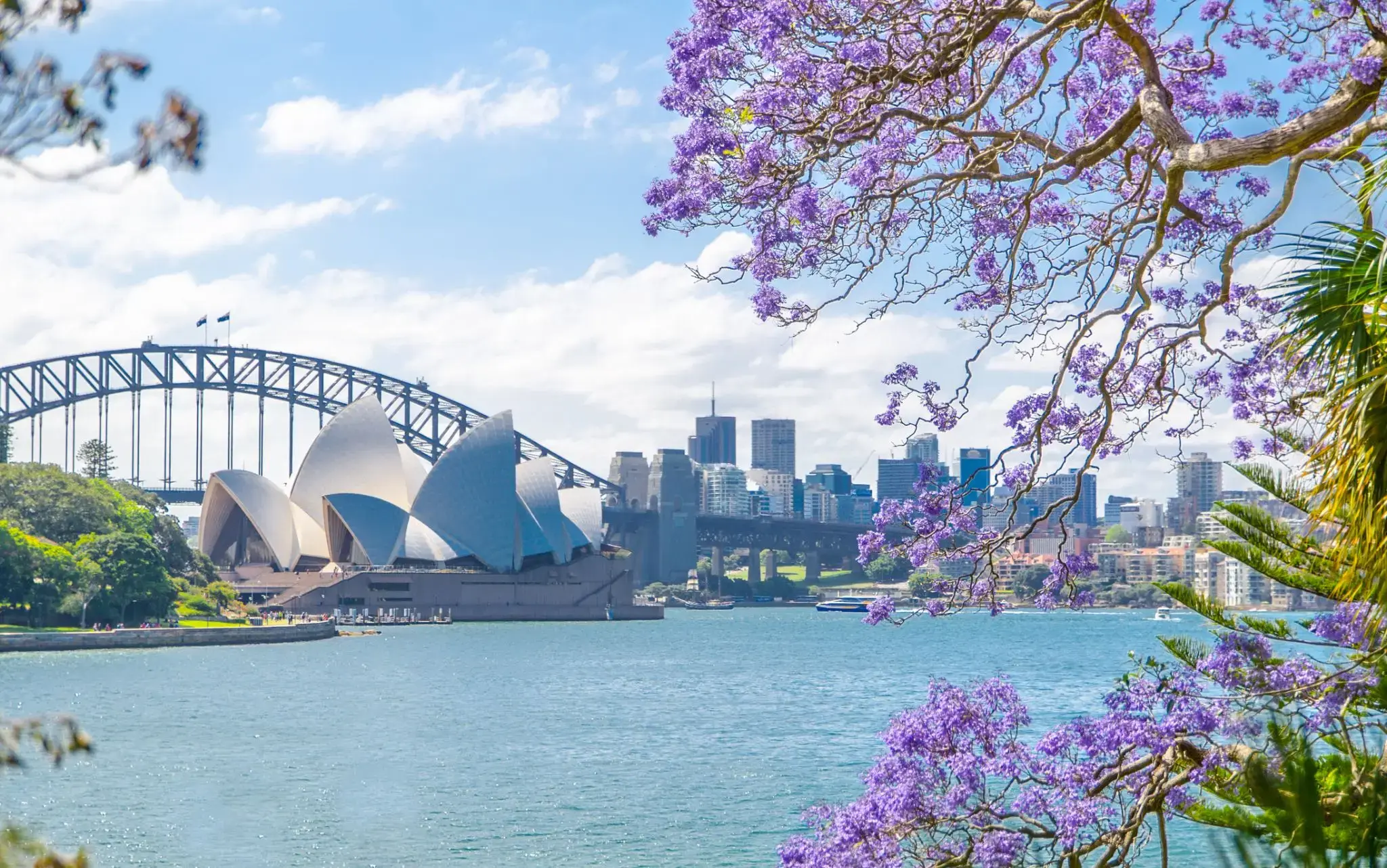
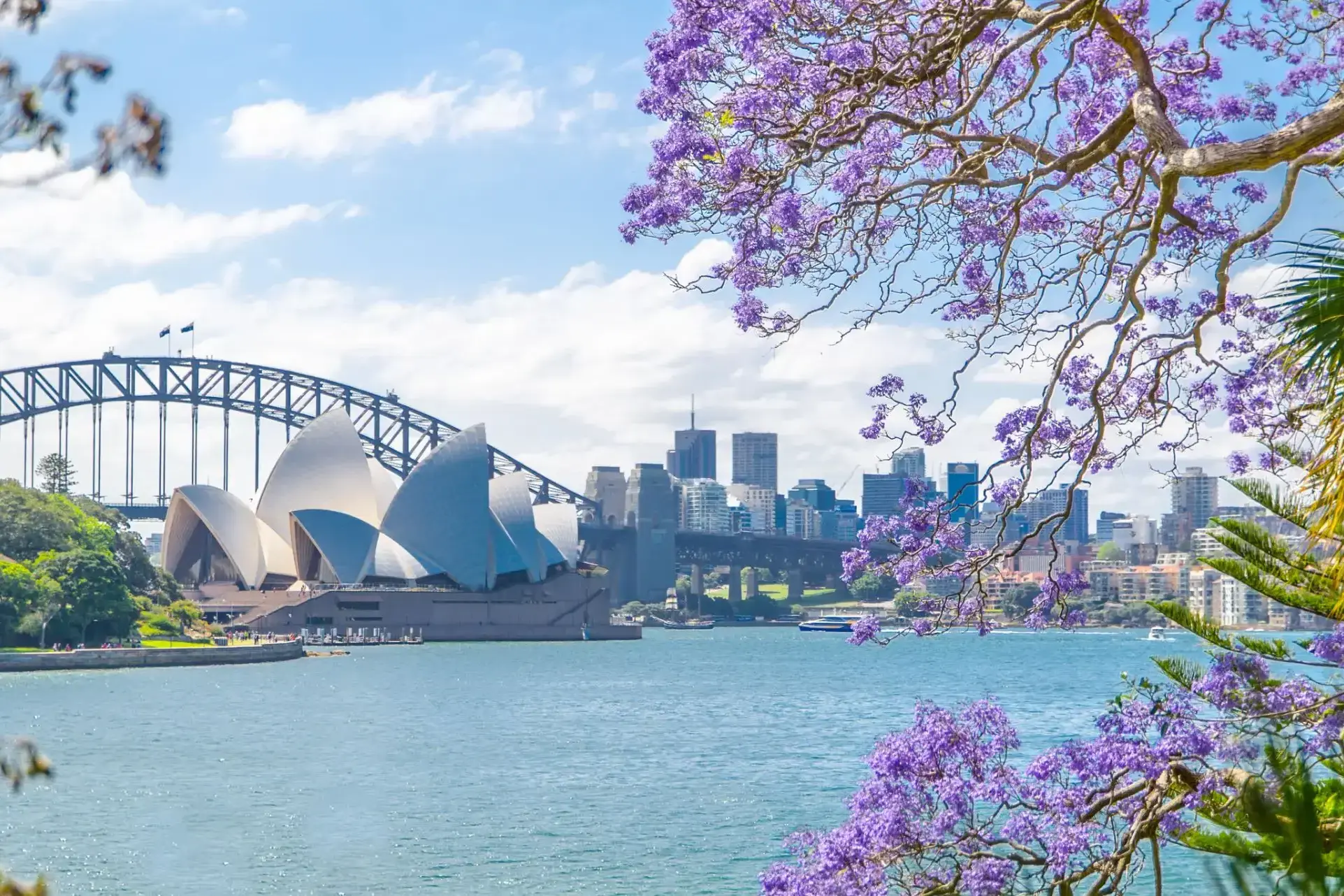
Sydney is the state capital of New South Wales and the most populous city in Australiaand Oceania. Located on Australia's east coast, the metropolis surrounds Port Jackson and extends about 70 km (43.5 mi) on its periphery towards the Blue Mountains to the west, Hawkesbury to the north, and Macarthur to the south. Sydney is made up of 658 suburbs, 40 local government areas and 15 contiguous regions. Residents of the city are known as "Sydneysiders". As of June 2017, Sydney's estimated metropolitan population was 5,131,326, and is home to approximately 65% of the state's population.
Sydney is the state capital of New South Wales and the most populous city in Australiaand Oceania. Located on Australia's east coast, the metropolis surrounds Port Jackson and extends about 70 km (43.5 mi) on its periphery towards the Blue Mountains to the west, Hawkesbury to the north, and Macarthur to the south. Sydney is made up of 658 suburbs, 40 local government areas and 15 contiguous regions. Residents of the city are known as "Sydneysiders". As of June 2017, Sydney's estimated metropolitan population was 5,131,326, and is home to approximately 65% of the state's population.
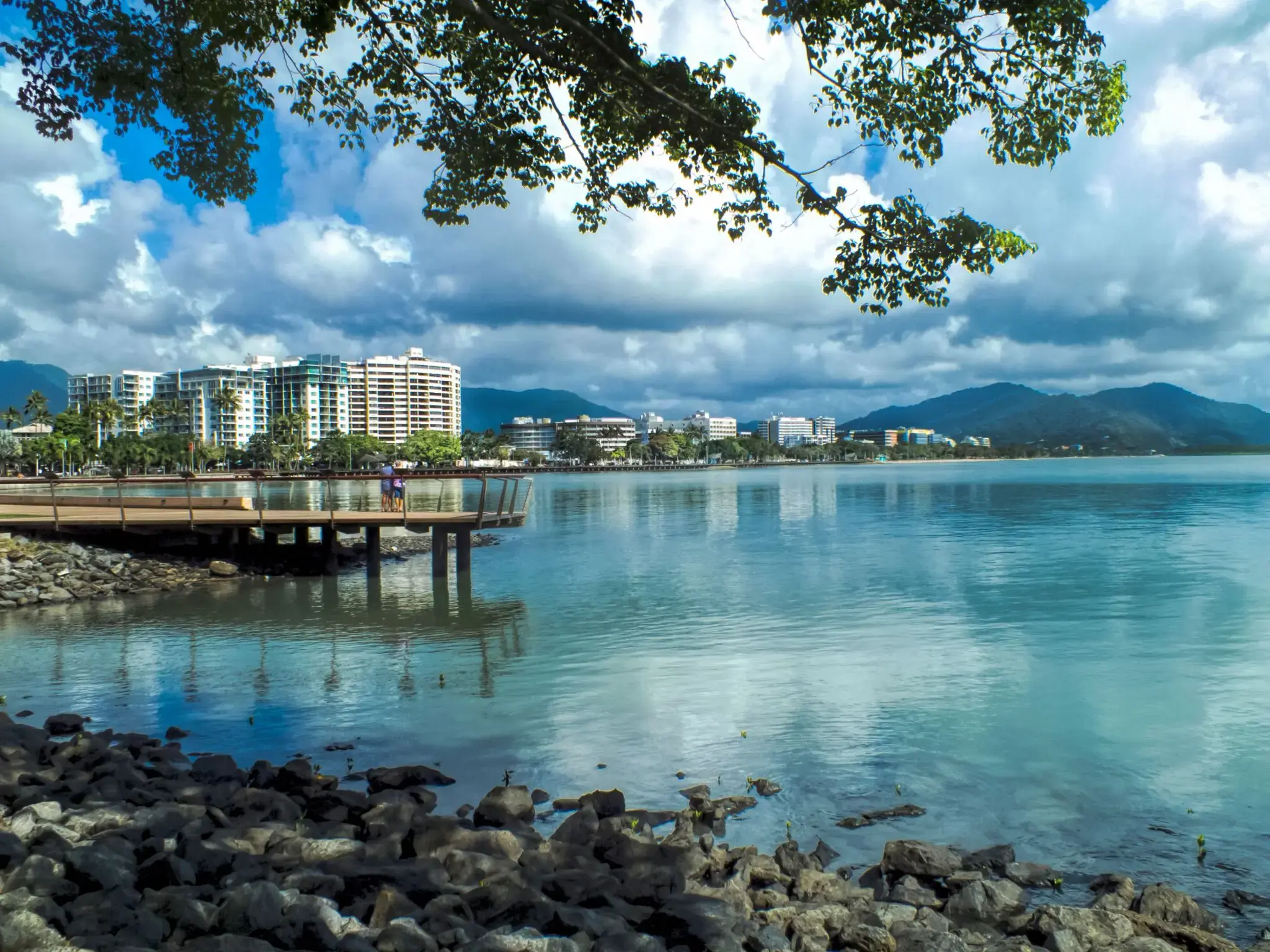
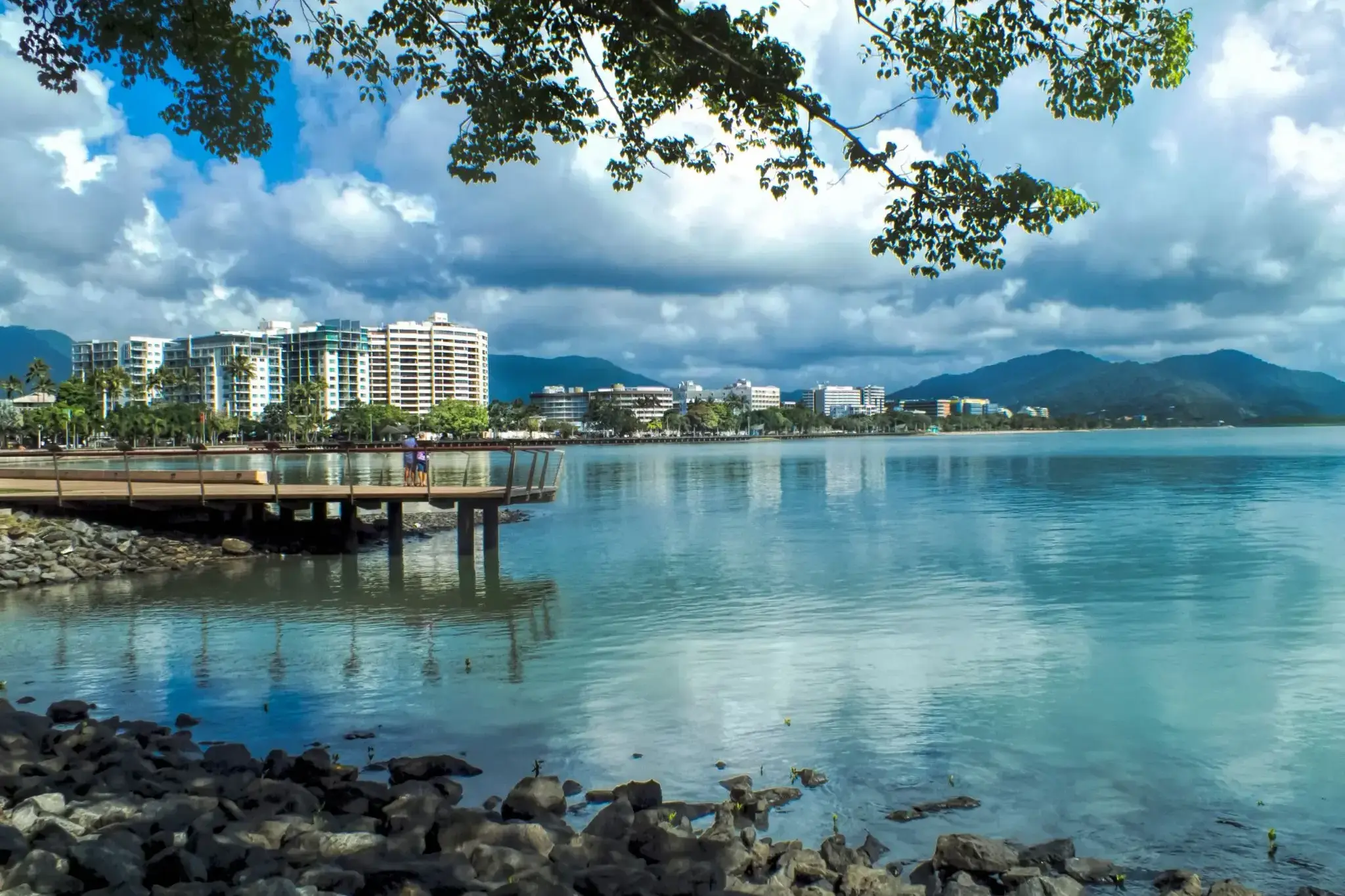
Cairns City is the suburb at the centre of Cairns in the local government area of Cairns Region, Queensland, Australia.It can also be referred to as the Cairns Central Business District (CBD). In the 2011 census, the population of Cairns City was 2,737 people.

Ashen landscapes, tropical greenery, and volcanic energy blend in one fascinating place — Rabaul, a city with a dramatic history and powerful natural force. Located on the eastern tip of New Britain Island, Rabaul was once the capital and cultural hub of the region until the 1994 eruption of Mount Tavurvur buried much of it under volcanic ash. Still, the town rose again like a phoenix, drawing travelers eager to experience this unique mix of geological wonders and wartime history.
Visitors can hike to the volcano’s crater, explore Japanese World War II bunkers, and admire the stunning views of Simpson Harbour. Locals gladly share their traditions, and the natural wealth — from coral reefs to thick mangrove forests — makes Rabaul a true paradise for nature lovers and adventure seekers alike.
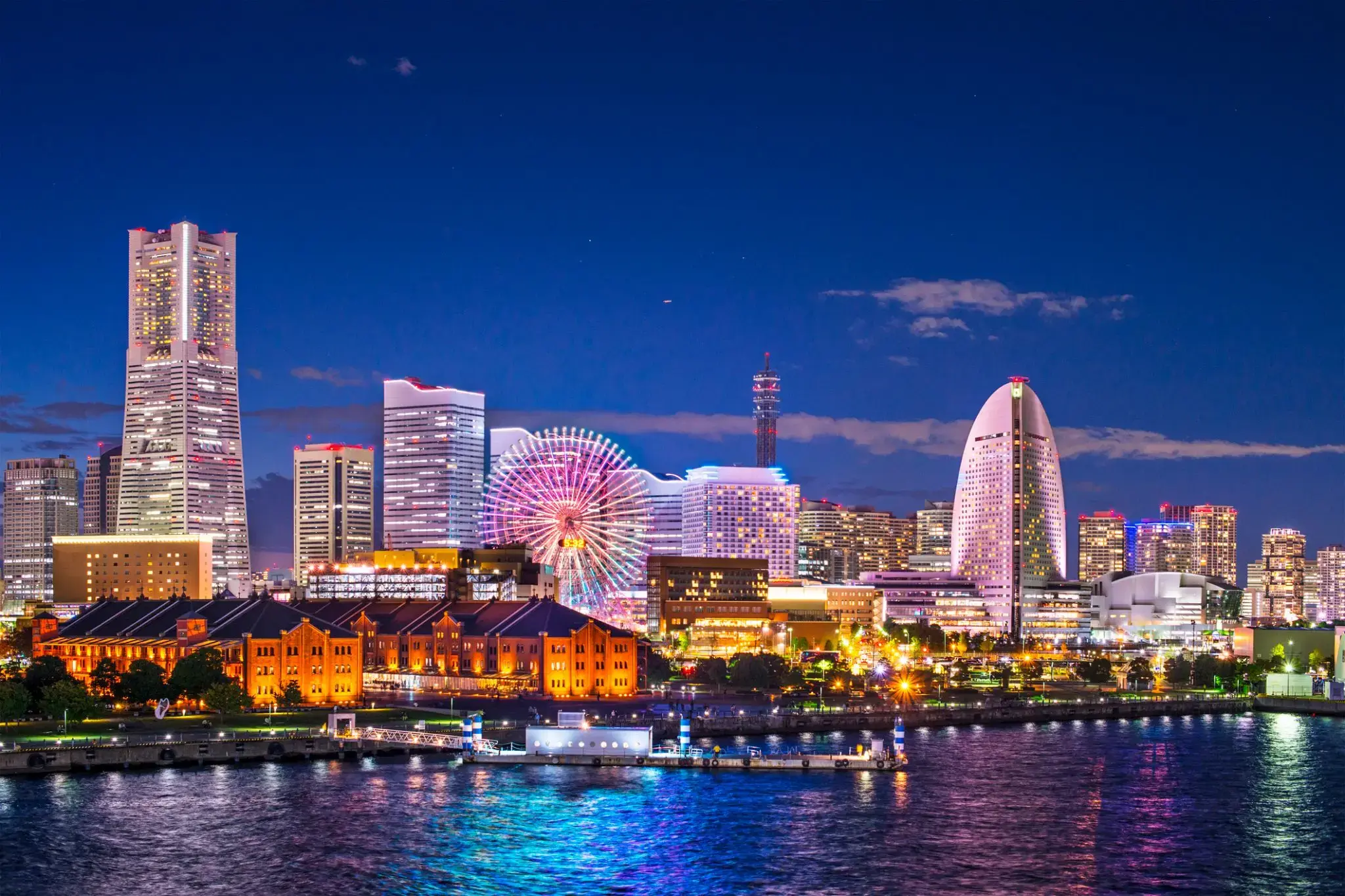
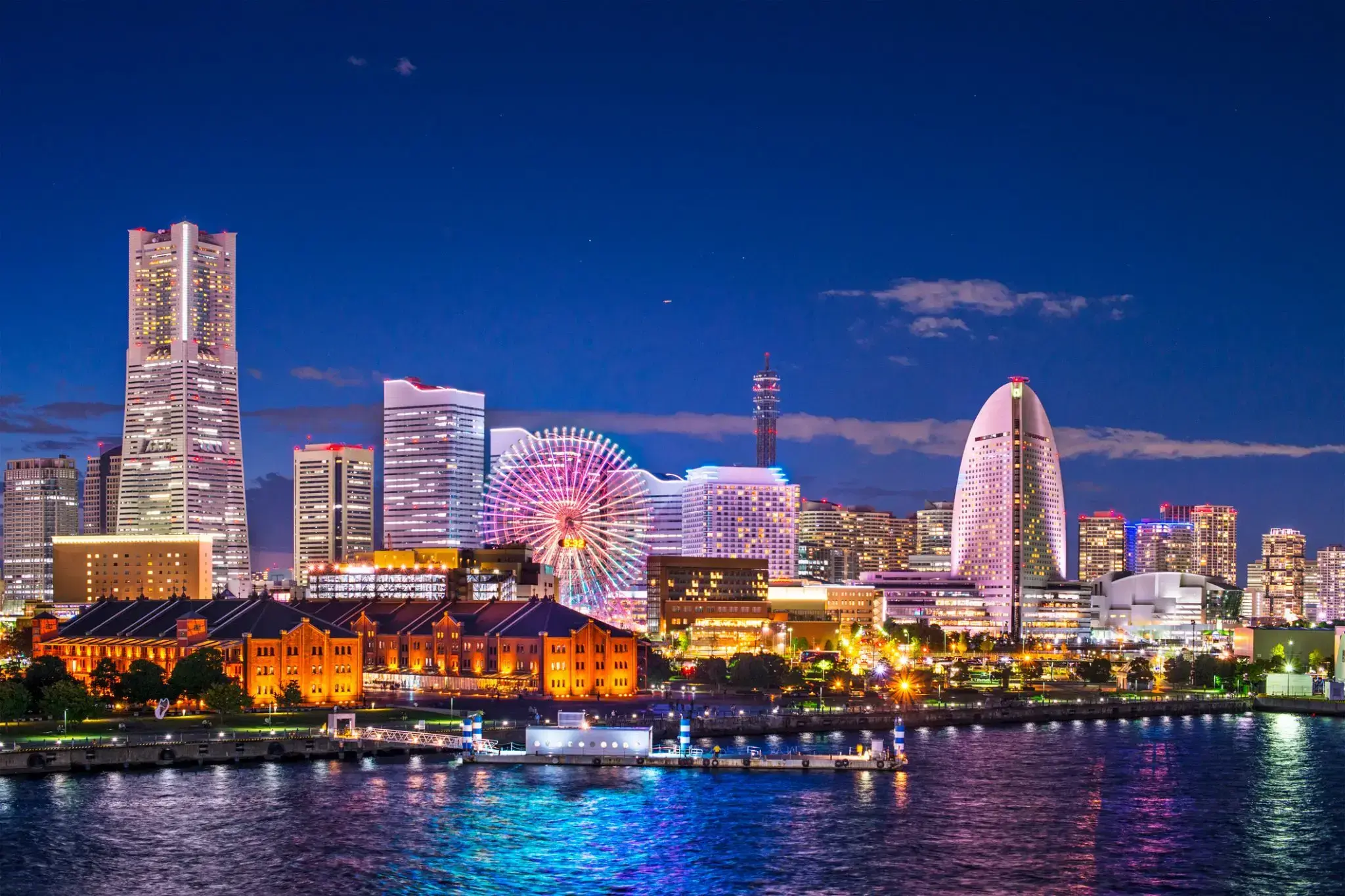
Tokyo, officially Tokyo Metropolis, one of the 47 prefectures of Japan, has served as the Japanese capital since 1869. As of 2014, the Greater Tokyo Arearanked as the most populous metropolitan area in the world. The urban area houses the seat of the Emperor of Japan, of the Japanese government and of the National Diet. Tokyo forms part of the Kantō region on the southeastern side of Japan's main island, Honshu, and includes the Izu Islands and Ogasawara Islands. Tokyo was formerly named Edo when Shōgun Tokugawa Ieyasu made the city his headquarters in 1603. It became the capital after Emperor Meiji moved his seat to the city from Kyoto in 1868; at that time Edo was renamed Tokyo. Tokyo Metropolis formed in 1943 from the merger of the former Tokyo Prefecture and the city of Tokyo. Tokyo is often referred to as a city but is officially known and governed as a "metropolitan prefecture", which differs from and combines elements of a city and a prefecture, a characteristic unique to Tokyo.
The 23 Special Wards of Tokyo were formerly Tokyo City. On July 1, 1943, it merged with Tokyo Prefecture and became Tokyo Metropolis with an additional 26 municipalities in the western part of the prefecture, and the Izu islandsand Ogasawara islands south of Tokyo. The population of the special wards is over 9 million people, with the total population of Tokyo Metropolis exceeding 13.8 million. The prefecture is part of the world's most populous metropolitan area called the Greater Tokyo Area with over 38 million people and the world's largest urban agglomeration economy. As of 2011, Tokyo hosted 51 of the Fortune Global 500 companies, the highest number of any city in the world at that time. Tokyo ranked third (twice) in the International Financial Centres Development Index. The city is home to various television networks such as Fuji TV, Tokyo MX, TV Tokyo, TV Asahi, Nippon Television, NHK and the Tokyo Broadcasting System.
Tokyo, officially Tokyo Metropolis, one of the 47 prefectures of Japan, has served as the Japanese capital since 1869. As of 2014, the Greater Tokyo Arearanked as the most populous metropolitan area in the world. The urban area houses the seat of the Emperor of Japan, of the Japanese government and of the National Diet. Tokyo forms part of the Kantō region on the southeastern side of Japan's main island, Honshu, and includes the Izu Islands and Ogasawara Islands. Tokyo was formerly named Edo when Shōgun Tokugawa Ieyasu made the city his headquarters in 1603. It became the capital after Emperor Meiji moved his seat to the city from Kyoto in 1868; at that time Edo was renamed Tokyo. Tokyo Metropolis formed in 1943 from the merger of the former Tokyo Prefecture and the city of Tokyo. Tokyo is often referred to as a city but is officially known and governed as a "metropolitan prefecture", which differs from and combines elements of a city and a prefecture, a characteristic unique to Tokyo.
The 23 Special Wards of Tokyo were formerly Tokyo City. On July 1, 1943, it merged with Tokyo Prefecture and became Tokyo Metropolis with an additional 26 municipalities in the western part of the prefecture, and the Izu islandsand Ogasawara islands south of Tokyo. The population of the special wards is over 9 million people, with the total population of Tokyo Metropolis exceeding 13.8 million. The prefecture is part of the world's most populous metropolitan area called the Greater Tokyo Area with over 38 million people and the world's largest urban agglomeration economy. As of 2011, Tokyo hosted 51 of the Fortune Global 500 companies, the highest number of any city in the world at that time. Tokyo ranked third (twice) in the International Financial Centres Development Index. The city is home to various television networks such as Fuji TV, Tokyo MX, TV Tokyo, TV Asahi, Nippon Television, NHK and the Tokyo Broadcasting System.
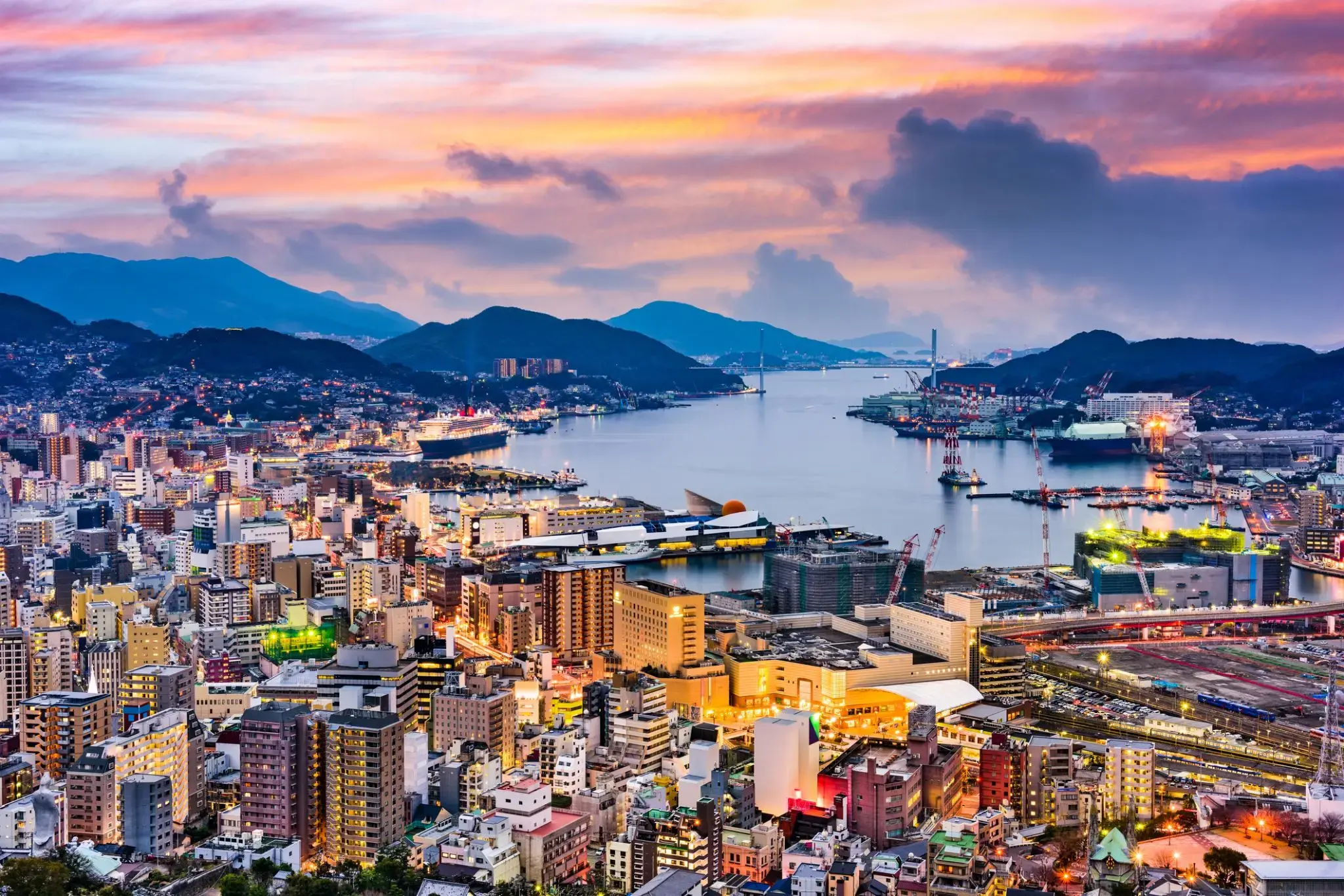
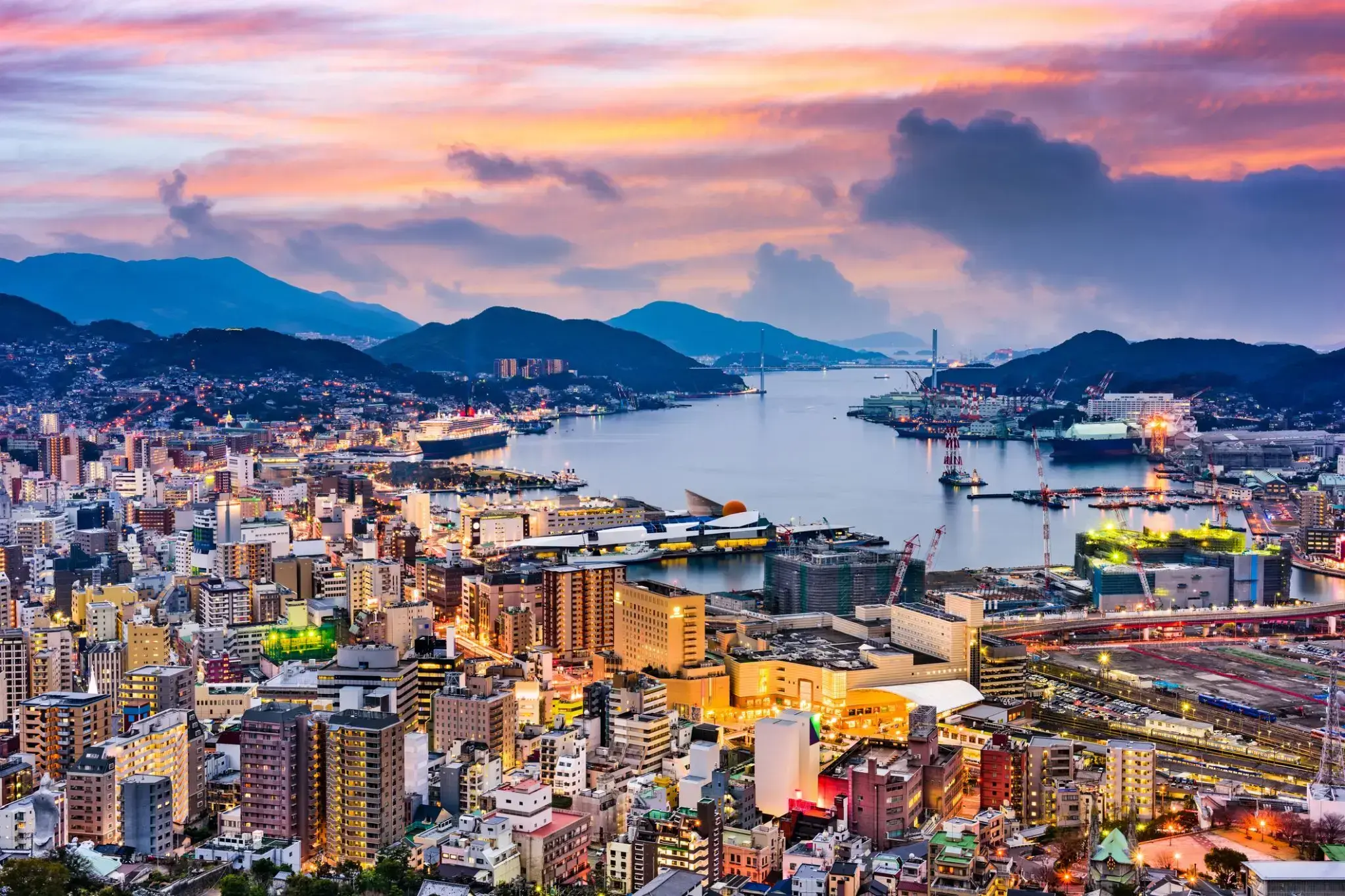
Nagasaki is the capital and the largest city of Nagasaki Prefecture on the island of Kyushu in Japan. The city's name means "long cape" in Japanese. Nagasaki became a centre of colonial Portuguese and Dutch influence in the 16th through 19th centuries, and the Hidden Christian Sites in the Nagasaki Region have been recognized and included in the UNESCO World Heritage List. Part of Nagasaki was home to a major Imperial Japanese Navy base during the First Sino-Japanese War and Russo-Japanese War.
During World War II, the American atomic bombings of Hiroshima and Nagasaki made Nagasaki the second and, to date, last city in the world to experience a nuclear attack (at 11:02 a.m., August 9, 1945 'Japan Standard Time (UTC+9)').
As of 1 March 2017, the city has an estimated population of 425,723 and a population density of 1,000 people per km2. The total area is 406.35 km2 (156.89 sq mi).
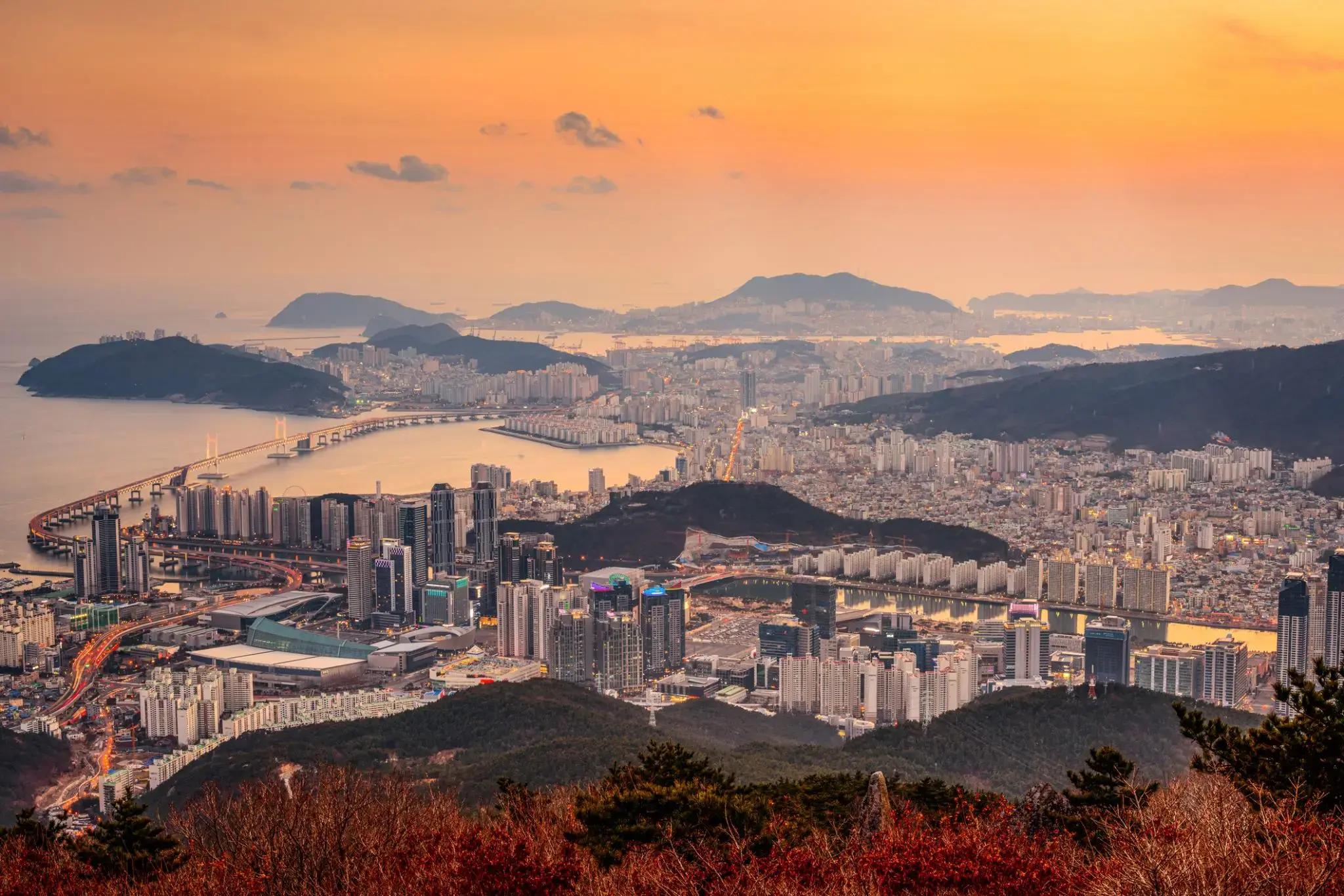
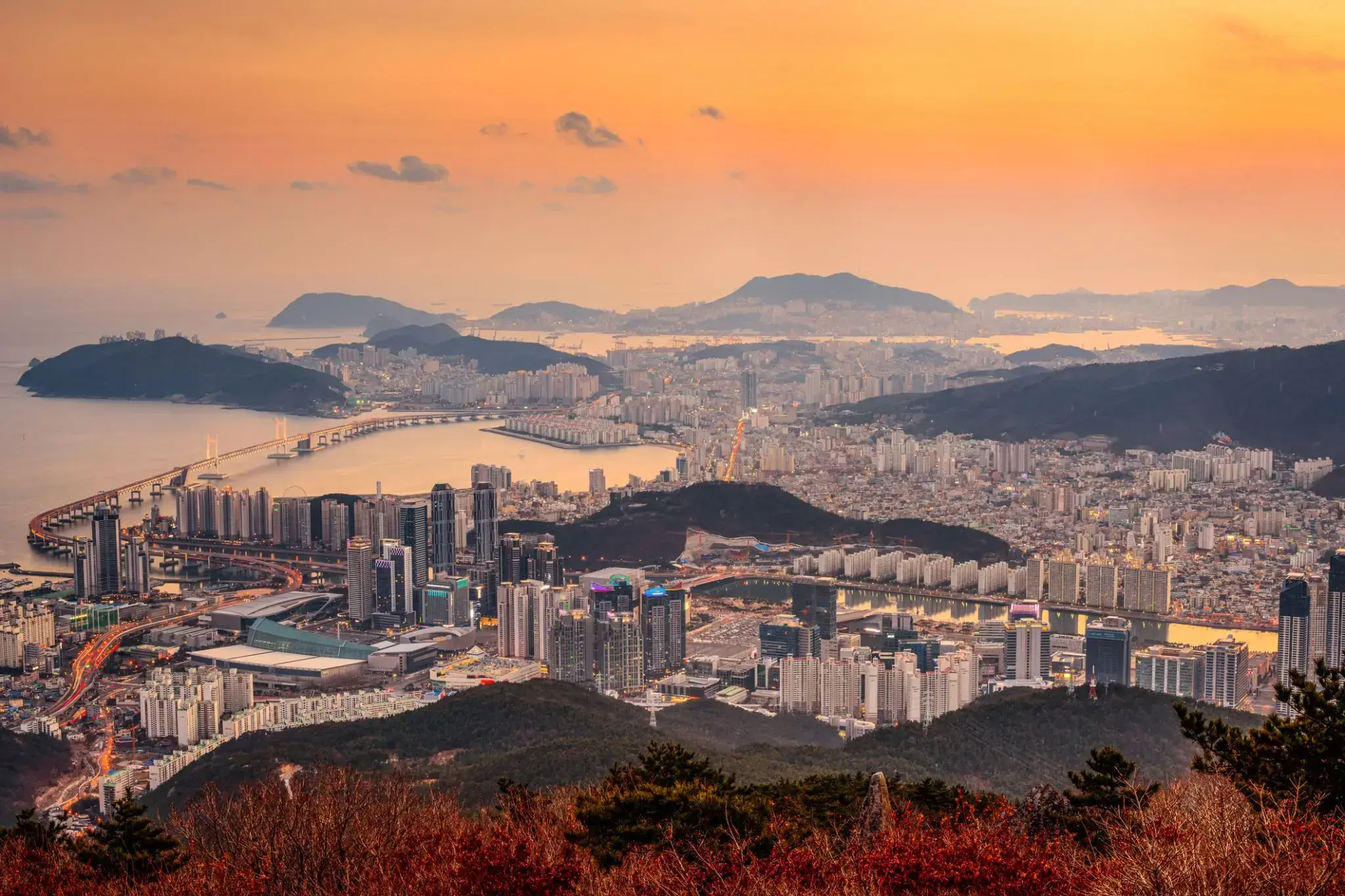
Busan, formerly known as Pusan and now officially Busan Metropolitan City, is South Korea's second most-populous city after Seoul, with a population of over 3.5 million inhabitants. It is the economic, cultural and educational center of southeastern Korea, with its port—Korea's busiest and the 9th-busiest in the world—only about 120 miles (190 km) from the Japanese islands of Kyushu and Honshu. The surrounding "Southeast Economic Zone" (including Ulsan and South Gyeongsang) is now South Korea's largest industrial area.
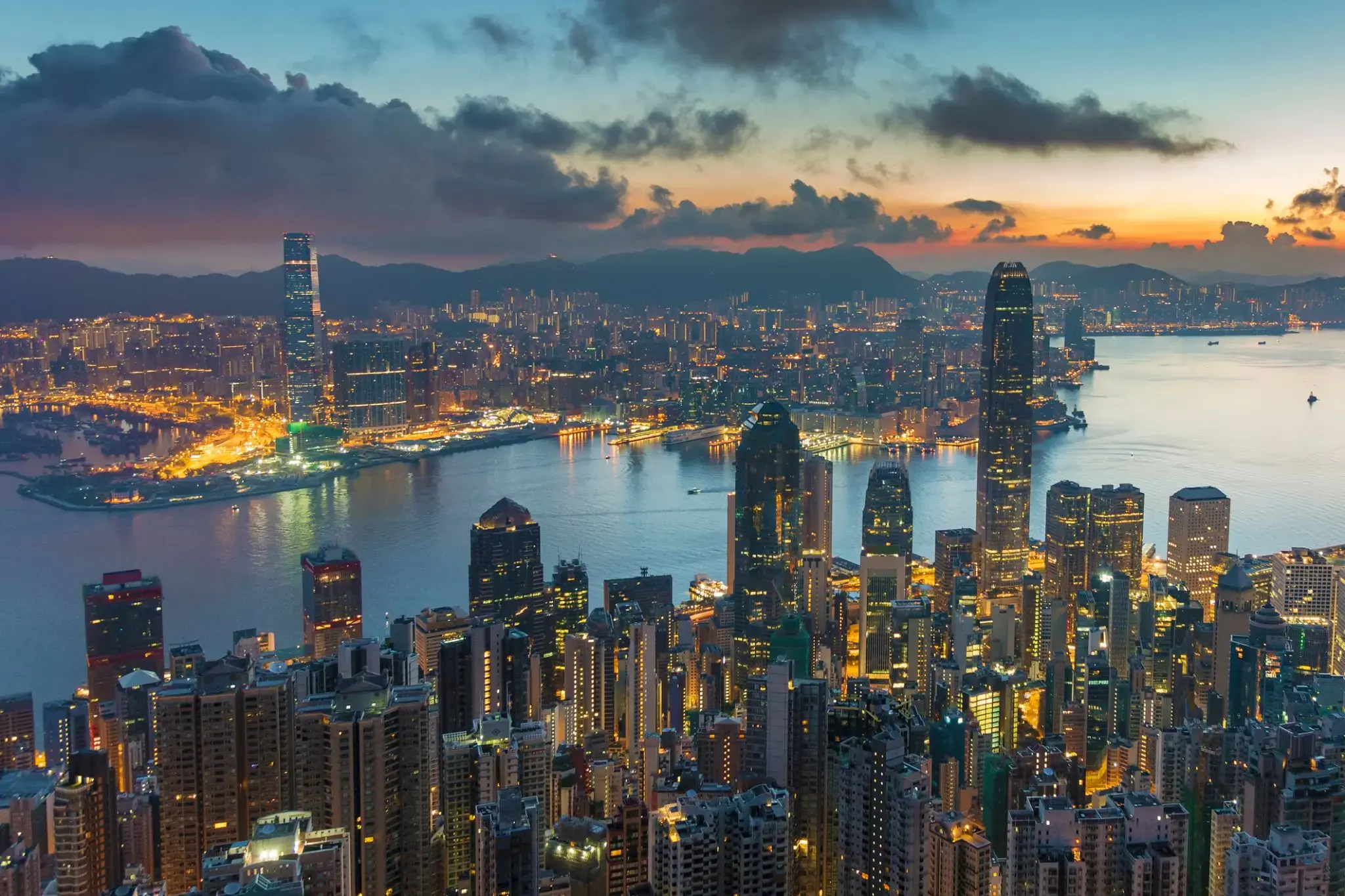
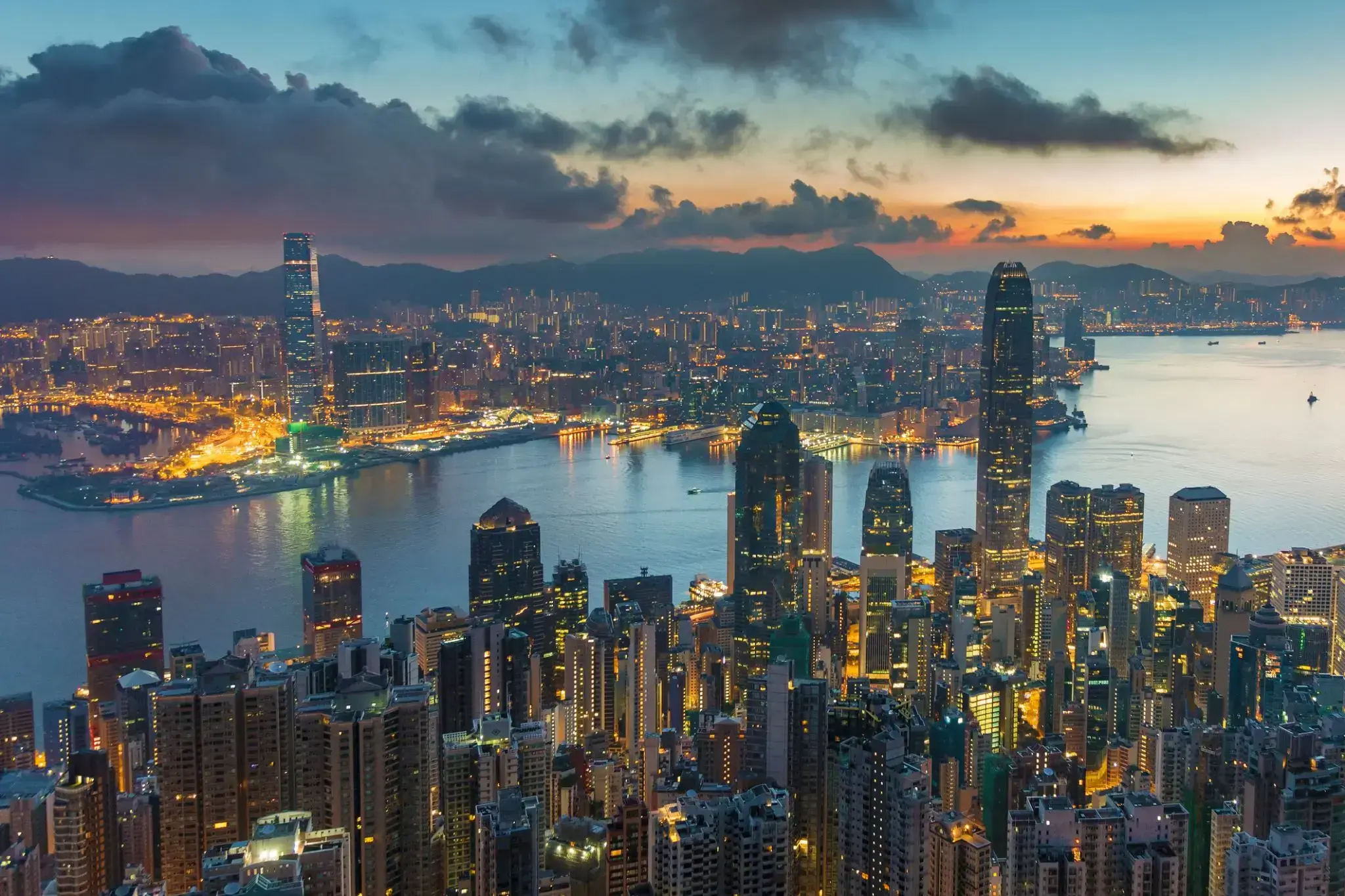
Hong Kon, officially the Hong Kong Special Administrative Region of the People's Republic of China, is a special administrative region on the eastern side of the Pearl River estuary in southern China. With over 7.4 million people of various nationalities in a 1,104-square-kilometre (426 sq mi) territory, Hong Kong is the world's fourth most densely populated region.
Hong Kong became a colony of the British Empire after Qing China ceded Hong Kong Island at the end of the First Opium War in 1842. The colony expanded to the Kowloon Peninsula in 1860 after the Second Opium War, and was further extended when Britain obtained a 99-year lease of the New Territories in 1898. The territory was returned to China when the lease expired in 1997. As a special administrative region, Hong Kong's system of government is separate from that of mainland China and its people overwhelmingly identify as Hongkongers rather than Chinese.
Originally a sparsely populated area of farming and fishing villages, the territory has become one of the world's most significant financial centres and commercial ports. It is the world's seventh-largest trading entity, and its legal tender (the Hong Kong dollar) is the world's 13th-most-traded currency. Although the city has one of the highest per capita incomes in the world, it has severe income inequality.
The territory has the largest number of skyscrapers in the world, most surrounding Victoria Harbour. Hong Kong ranks seventh on the UN Human Development Index, and has the sixth-longest life expectancy in the world. Although over 90 per cent of its population uses public transportation, air pollution from neighbouring industrial areas of mainland China has resulted in a high level of atmospheric particulates.
Hong Kon, officially the Hong Kong Special Administrative Region of the People's Republic of China, is a special administrative region on the eastern side of the Pearl River estuary in southern China. With over 7.4 million people of various nationalities in a 1,104-square-kilometre (426 sq mi) territory, Hong Kong is the world's fourth most densely populated region.
Hong Kong became a colony of the British Empire after Qing China ceded Hong Kong Island at the end of the First Opium War in 1842. The colony expanded to the Kowloon Peninsula in 1860 after the Second Opium War, and was further extended when Britain obtained a 99-year lease of the New Territories in 1898. The territory was returned to China when the lease expired in 1997. As a special administrative region, Hong Kong's system of government is separate from that of mainland China and its people overwhelmingly identify as Hongkongers rather than Chinese.
Originally a sparsely populated area of farming and fishing villages, the territory has become one of the world's most significant financial centres and commercial ports. It is the world's seventh-largest trading entity, and its legal tender (the Hong Kong dollar) is the world's 13th-most-traded currency. Although the city has one of the highest per capita incomes in the world, it has severe income inequality.
The territory has the largest number of skyscrapers in the world, most surrounding Victoria Harbour. Hong Kong ranks seventh on the UN Human Development Index, and has the sixth-longest life expectancy in the world. Although over 90 per cent of its population uses public transportation, air pollution from neighbouring industrial areas of mainland China has resulted in a high level of atmospheric particulates.
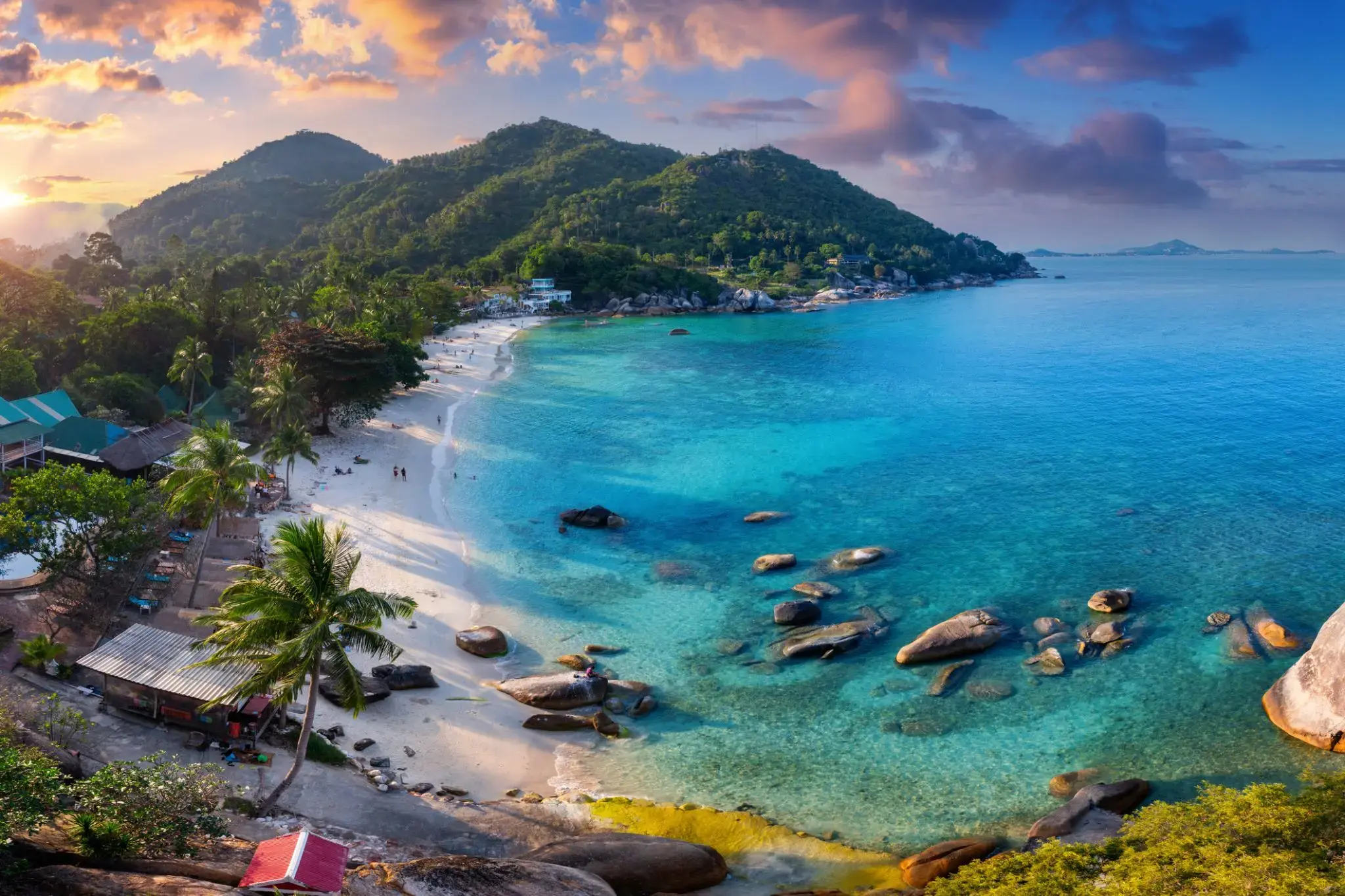
Among the tropical islands of Thailand, Koh Samui stands out with its unique nature and atmosphere. This island attracts travelers from all over the world with its white sandy beaches, picturesque waterfalls, and dense jungles. It's an ideal place for relaxation, whether it’s engaging in water sports, exploring nature, or simply enjoying peace and beauty.
Moreover, Koh Samui is known for its cultural heritage, including many Buddhist temples and sanctuaries. One of the most famous is the Big Buddha Temple, which is not only a religious center but also one of the island's main attractions. The local cuisine, featuring fresh seafood and exotic fruits, will make the trip even more exciting and delicious.
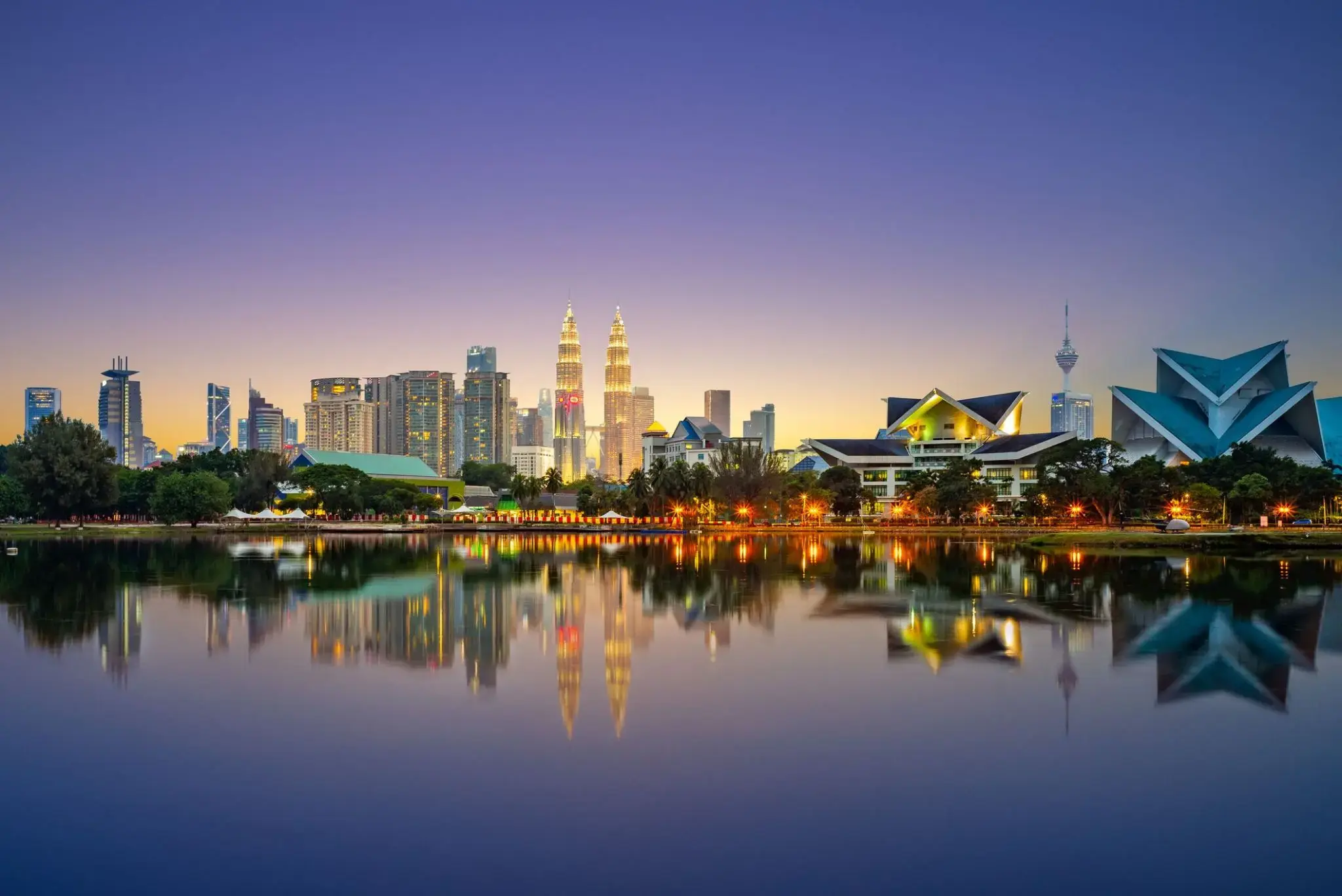
Klang is one of the oldest port cities in Malaysia, located just 30 kilometers from Kuala Lumpur. It is known for its rich history, cultural diversity, and the country’s largest port — Port Klang. The city has preserved colonial buildings, Hindu and Chinese temples, as well as vibrant markets with local cuisine. A highlight of its gastronomy is “Bak Kut Teh” — a spicy meat soup that originated here.
Not far from Klang lies Kuala Lumpur — the vibrant and modern capital of Malaysia. The city impresses with its contrasts: traditional mosques and Hindu shrines, colonial architecture, and ultra-modern skyscrapers, including the iconic Petronas Towers. The close proximity of these two cities offers travelers a unique opportunity to experience both the colorful provincial charm and the dynamic life of the capital in a short time.
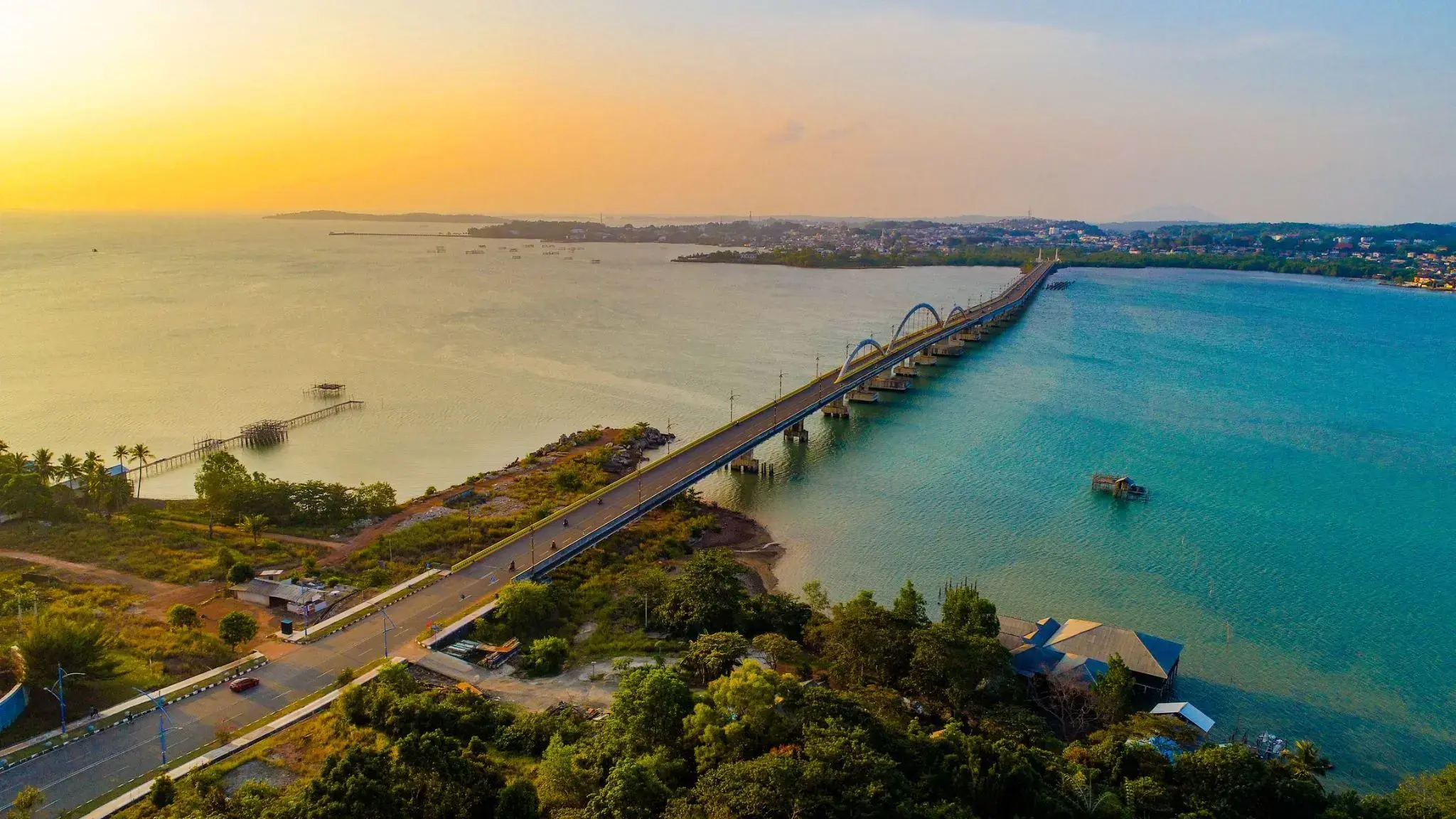
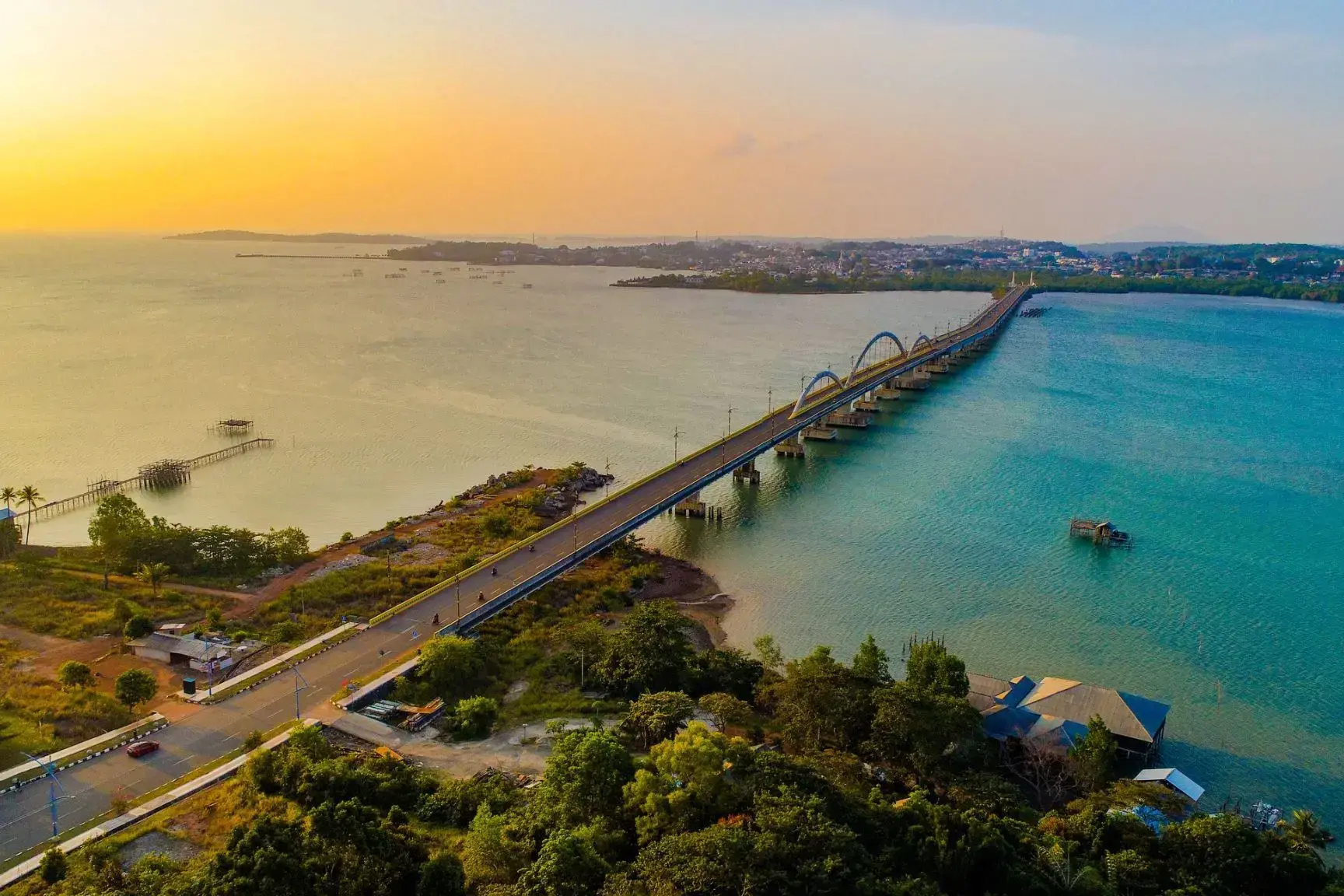
A treasure trove of natural wonders and centuries-old traditions, Tanjung Pinang invites travelers on a unique journey through cultural pathways and picturesque corners. Here, modern amenities blend seamlessly with the spirit of ancient markets and cozy coastal neighborhoods, where the sea breeze fills your lungs with freshness and the smiles of locals warm your heart.
As you stroll through the narrow streets and markets of Tanjung Pinang, you'll discover colonial-era architectural gems, mosques, and Chinese temples, as well as delight in a rich cuisine featuring the freshest seafood and exotic spices. For beach lovers, the shores of nearby Bintan Island offer white sandy beaches and crystal-clear waters, while the evening sunset promises unforgettable romance and a sense of serenity.
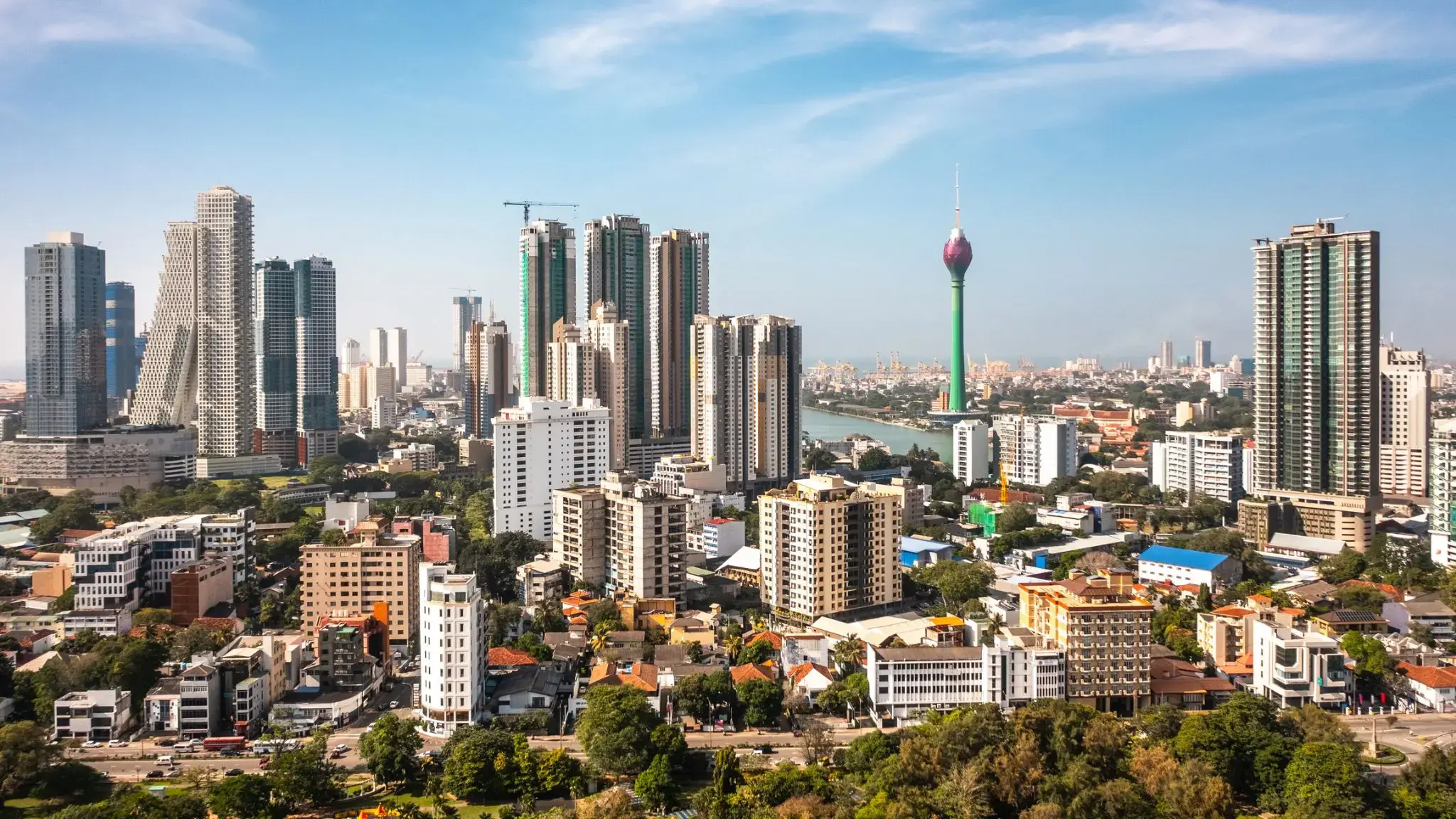
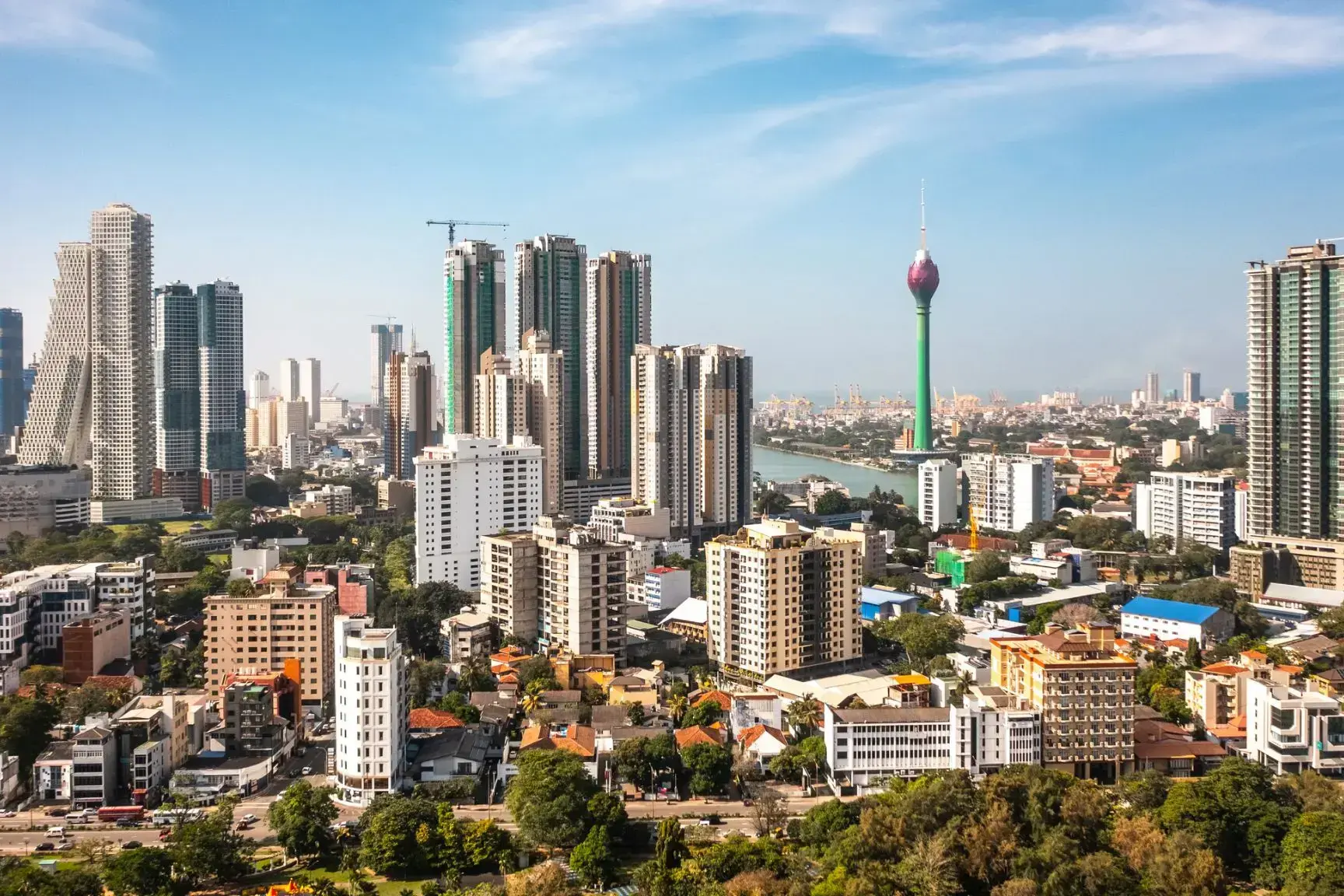
Colombo is the commercial capital and largest city of Sri Lanka. According to the Brookings Institution, Colombo metropolitan area has a population of 5.6 million, and 752,993 in the city proper. It is the financial centre of the island and a popular tourist destination. It is located on the west coast of the island and adjacent to the Greater Colombo area which includes Sri Jayawardenepura Kotte, the legislative capital of Sri Lanka and Dehiwala-Mount Lavinia. Colombo is often referred to as the capital since Sri Jayawardenepura Kotte is within the urban area of, and a suburb of, Colombo. It is also the administrative capital of the Western Province and the district capital of Colombo District. Colombo is a busy and vibrant place with a mixture of modern life and colonial buildings and ruins. It was the legislative capital of Sri Lanka until 1982.
Due to its large harbour and its strategic position along the East-West sea trade routes, Colombo was known to ancient traders 2,000 years ago. It was made the capital of the island when Sri Lanka was ceded to the British Empire in 1815, and its status as capital was retained when the nation became independent in 1948. In 1978, when administrative functions were moved to Sri Jayawardenepura Kotte, Colombo was designated as the commercial capital of Sri Lanka.
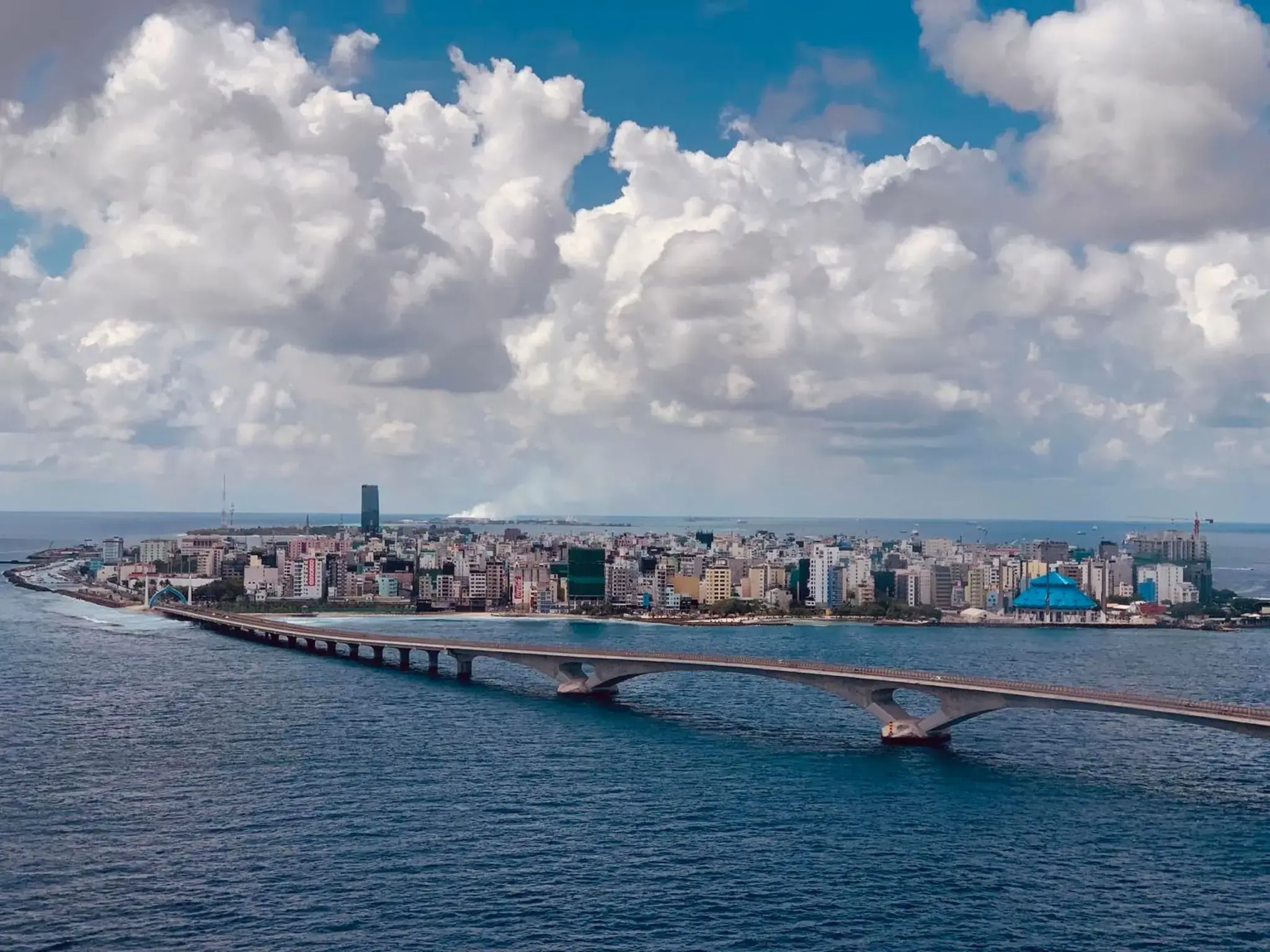
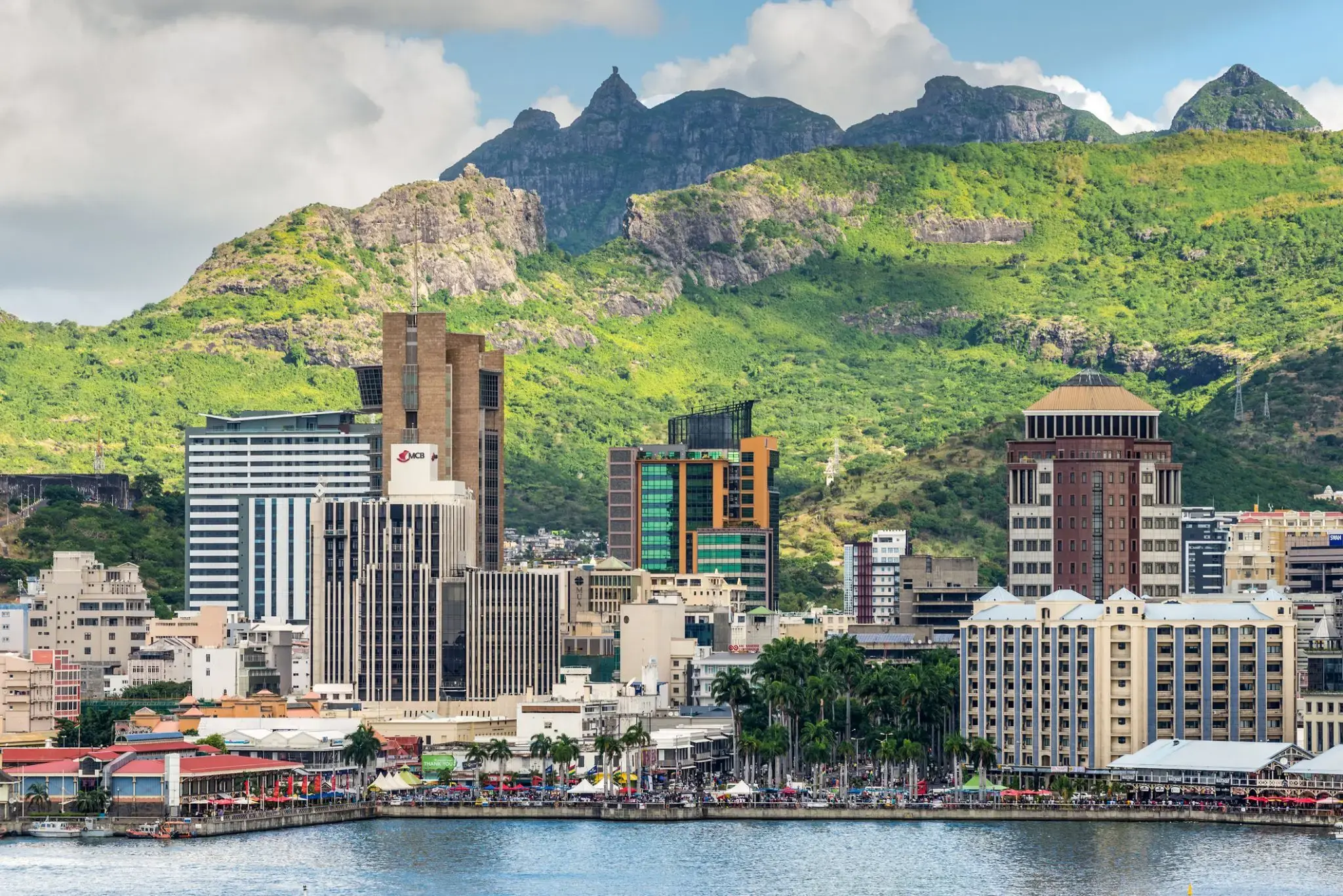
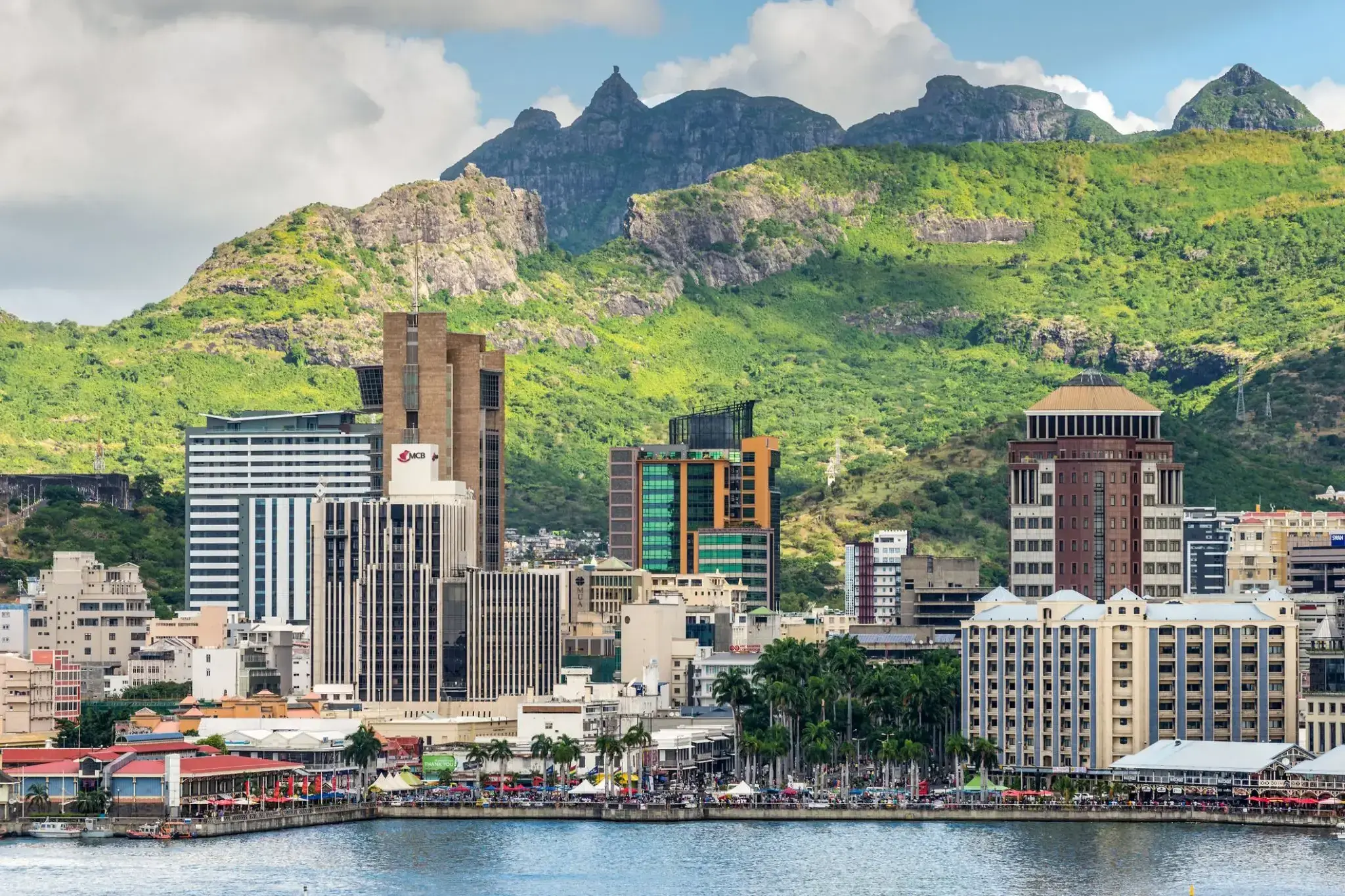
Port Louis is the capital and main port of Mauritius, located on the island’s northwest coast. This lively city combines colonial heritage, modern business hubs, and vibrant Creole culture. The historic center of Port Louis preserves buildings from the French and British eras, with Fort Adelaide (also known as the Citadel) standing out as a key attraction offering panoramic views of the city and harbor. Nearby is the Port Louis Market, a colorful center of local life where visitors can find spices, fruits, textiles, and handcrafted goods.
The city is also renowned for its museums, including the Mauritius Postal Museum, which displays the island’s first postage stamp — the famous “Blue Mauritius.” In addition to its cultural landmarks, Port Louis offers a wide range of culinary experiences influenced by Indian, Chinese, African, and European traditions. In the evening, the Caudan Waterfront becomes a favorite spot for strolls, shopping, and enjoying the vibrant atmosphere.
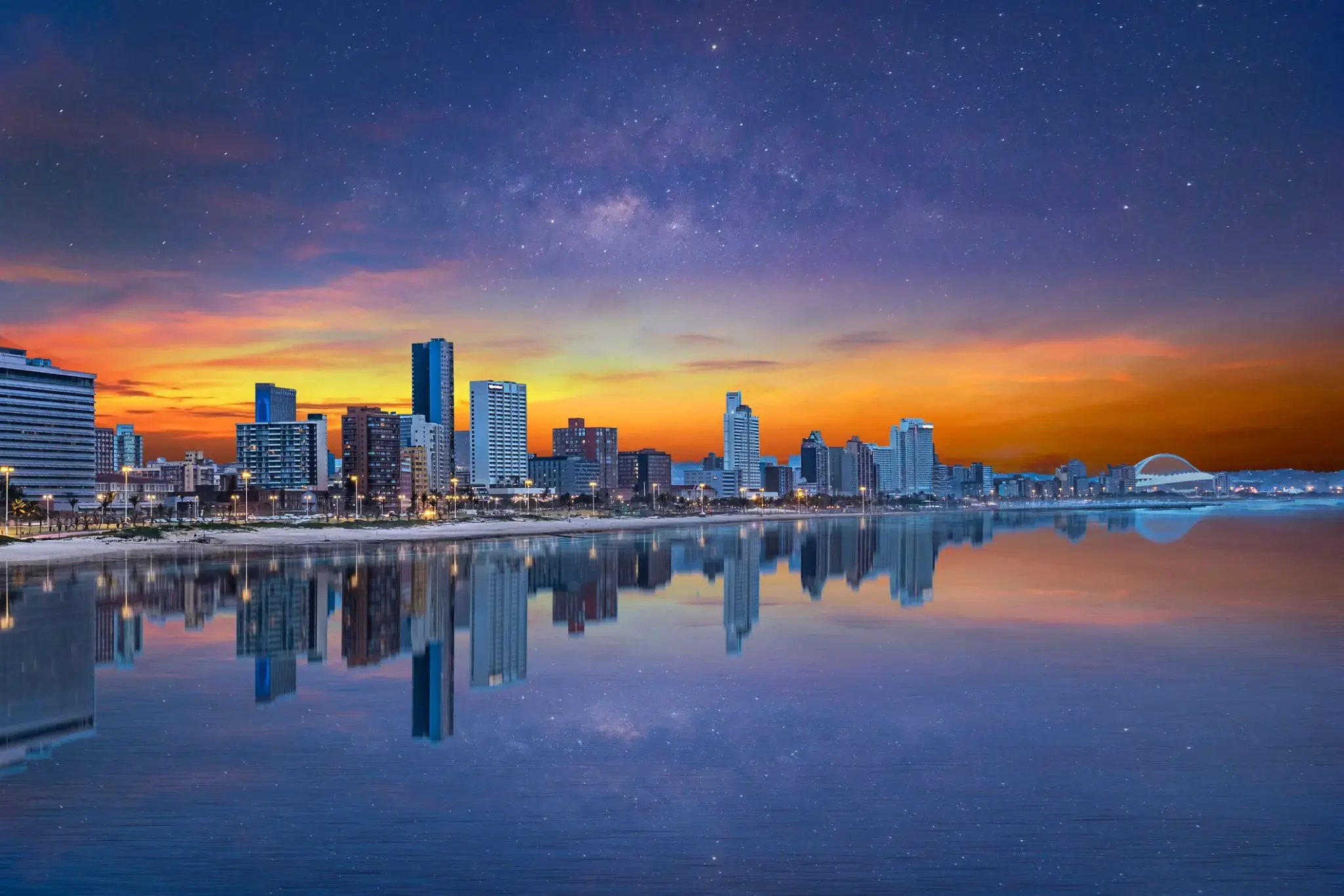
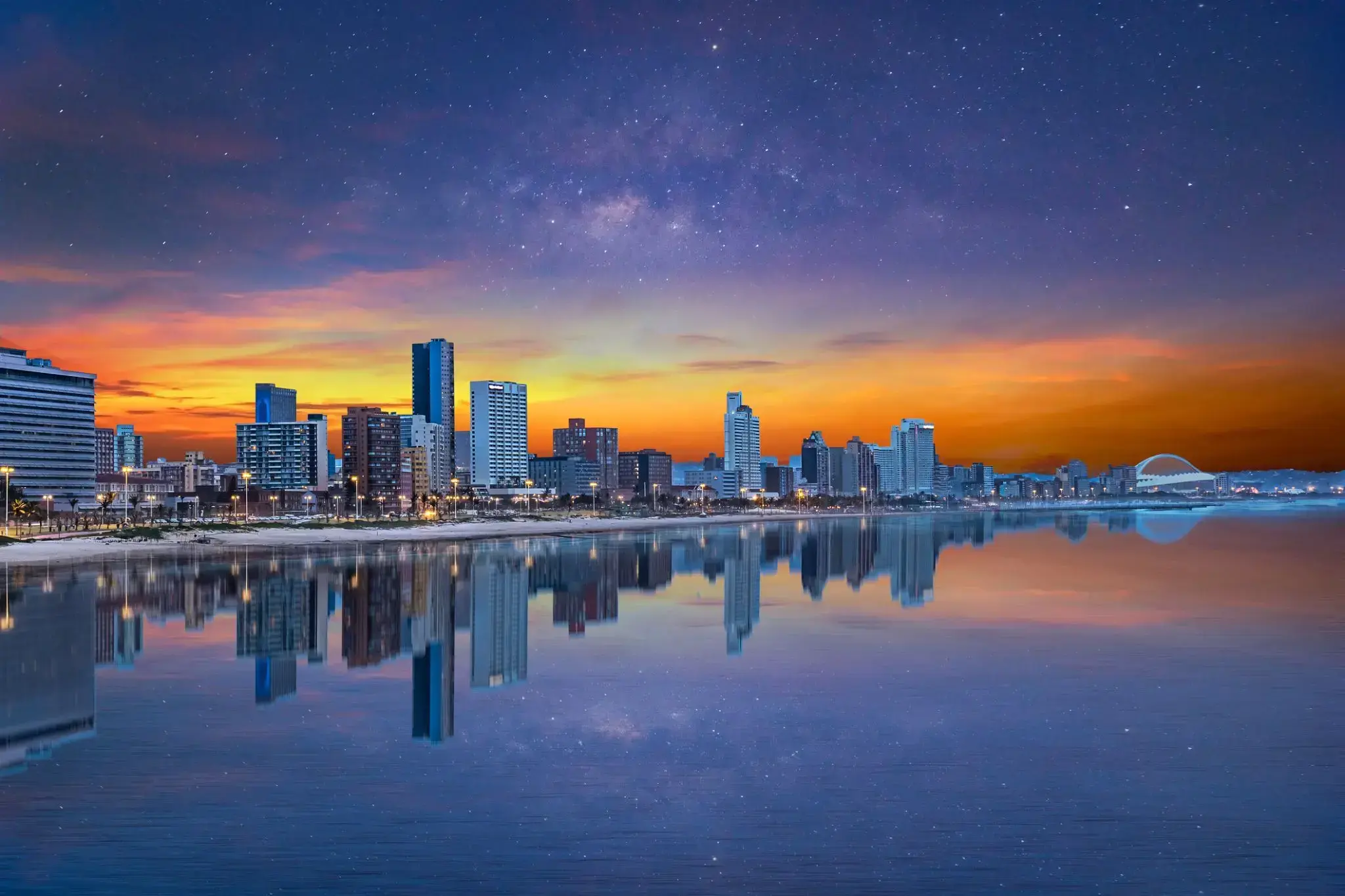
Durban is the third most populous city in South Africa—after Johannesburg and Cape Town—and the largest city in the South African province of KwaZulu-Natal. Located on the east coast of South Africa, Durban is famous for being the busiest port in the country. It is also seen as one of the major centres of tourism because of the city's warm subtropical climate and extensive beaches. Durban forms part of the eThekwini Metropolitan Municipality, which includes neighboring towns and has a population of about 3.44 million, making the combined municipality one of the biggest cities on the Indian Ocean coast of the African continent. It is also the second most important manufacturing hub in South Africa after Johannesburg. In 2015, Durban was recognised as one of the New7Wonders Cities (along with Vigan, Doha, La Paz, Havana, Beirut, and Kuala Lumpur).
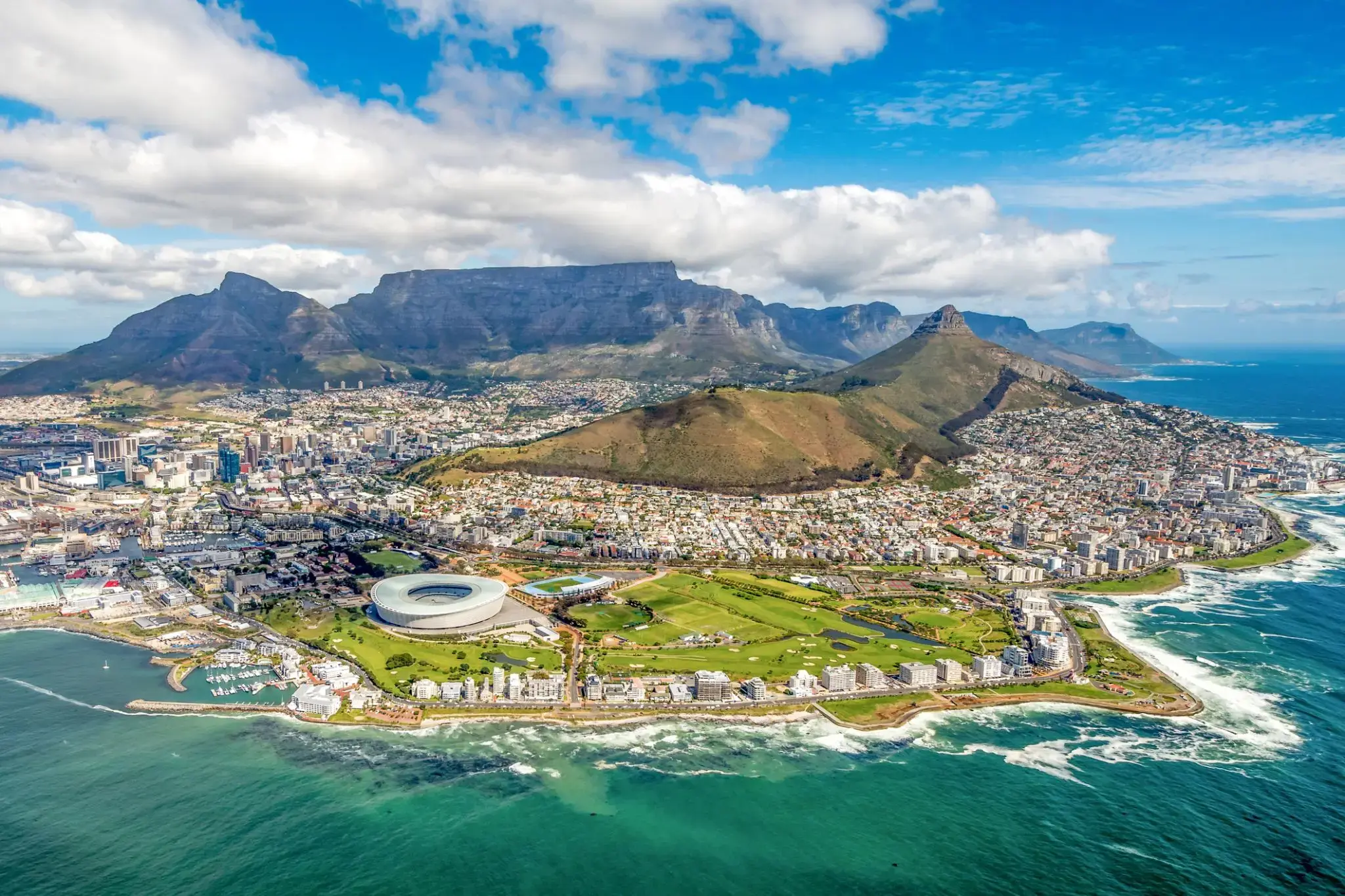
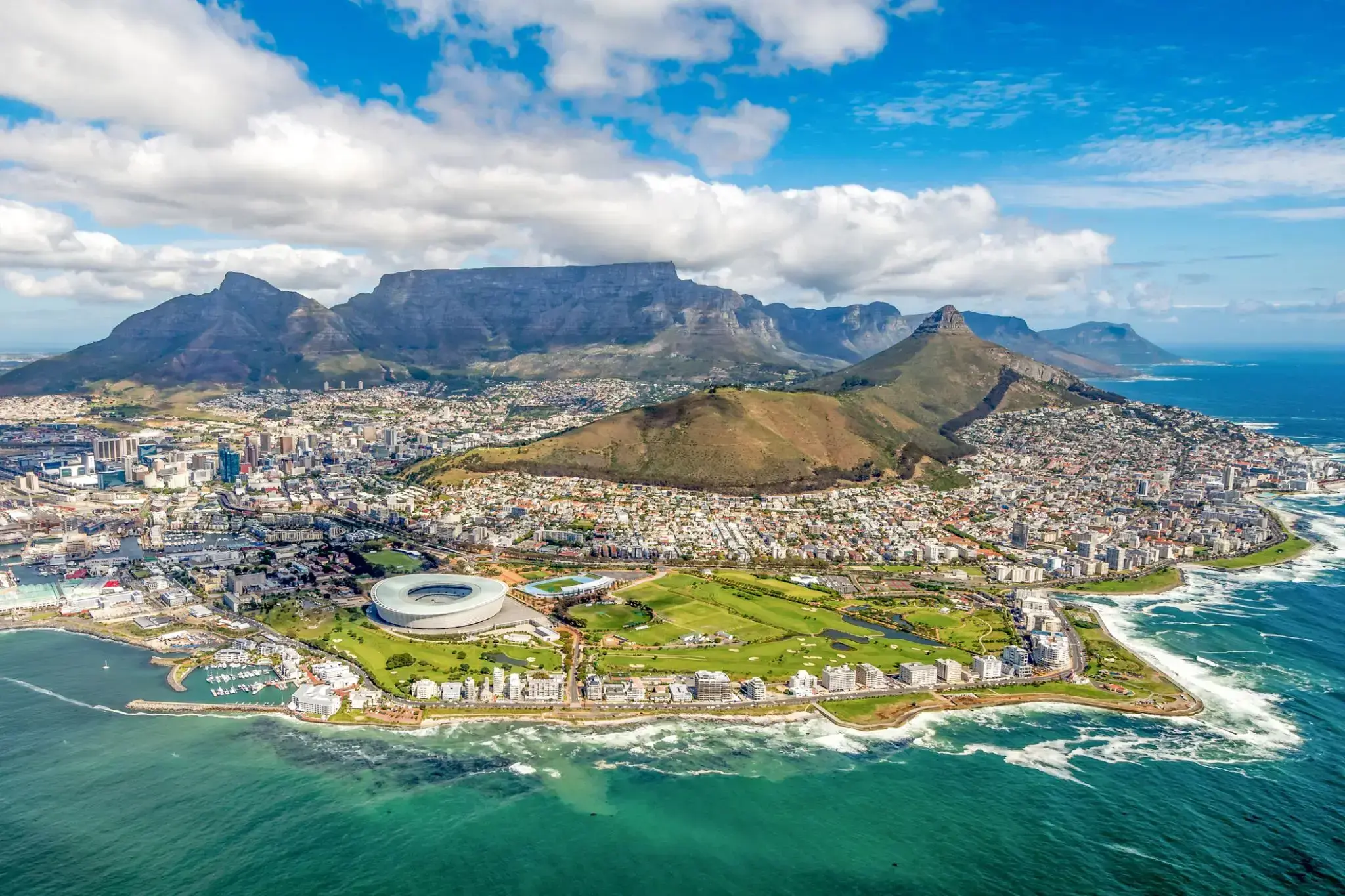
Cape Town is the oldest city in South Africa, colloquially named the Mother City. It is the legislative capital of South Africa and primate city of the Western Cape province. It forms part of the City of Cape Town metropolitan municipality.
The Parliament of South Africa sits in Cape Town. The other two capitals are located in Pretoria (the administrative capital where the Presidency is based) and Bloemfontein (the judicial capital where the Supreme Court of Appeal is located). The city is known for its harbour, for its natural setting in the Cape Floristic Region, and for landmarks such as Table Mountain and Cape Point. As of 2014, it is the 10th most populous city in Africa and home to 64% of the Western Cape's population. It is one of the most multicultural cities in the world, reflecting its role as a major destination for immigrants and expatriates to South Africa. The city was named the World Design Capital for 2014 by the International Council of Societies of Industrial Design. In 2014, Cape Town was named the best place in the world to visit by both The New York Times and The Daily Telegraph.
Located on the shore of Table Bay, Cape Town, as the oldest urban area in South Africa, was developed by the Dutch East India Company (VOC) as a supply station for Dutch ships sailing to East Africa, India, and the Far East. Jan van Riebeeck's arrival on 6 April 1652 established Dutch Cape Colony, the first permanent European settlement in South Africa. Cape Town outgrew its original purpose as the first European outpost at the Castle of Good Hope, becoming the economic and cultural hub of the Cape Colony. Until the Witwatersrand Gold Rush and the development of Johannesburg, Cape Town was the largest city in South Africa.
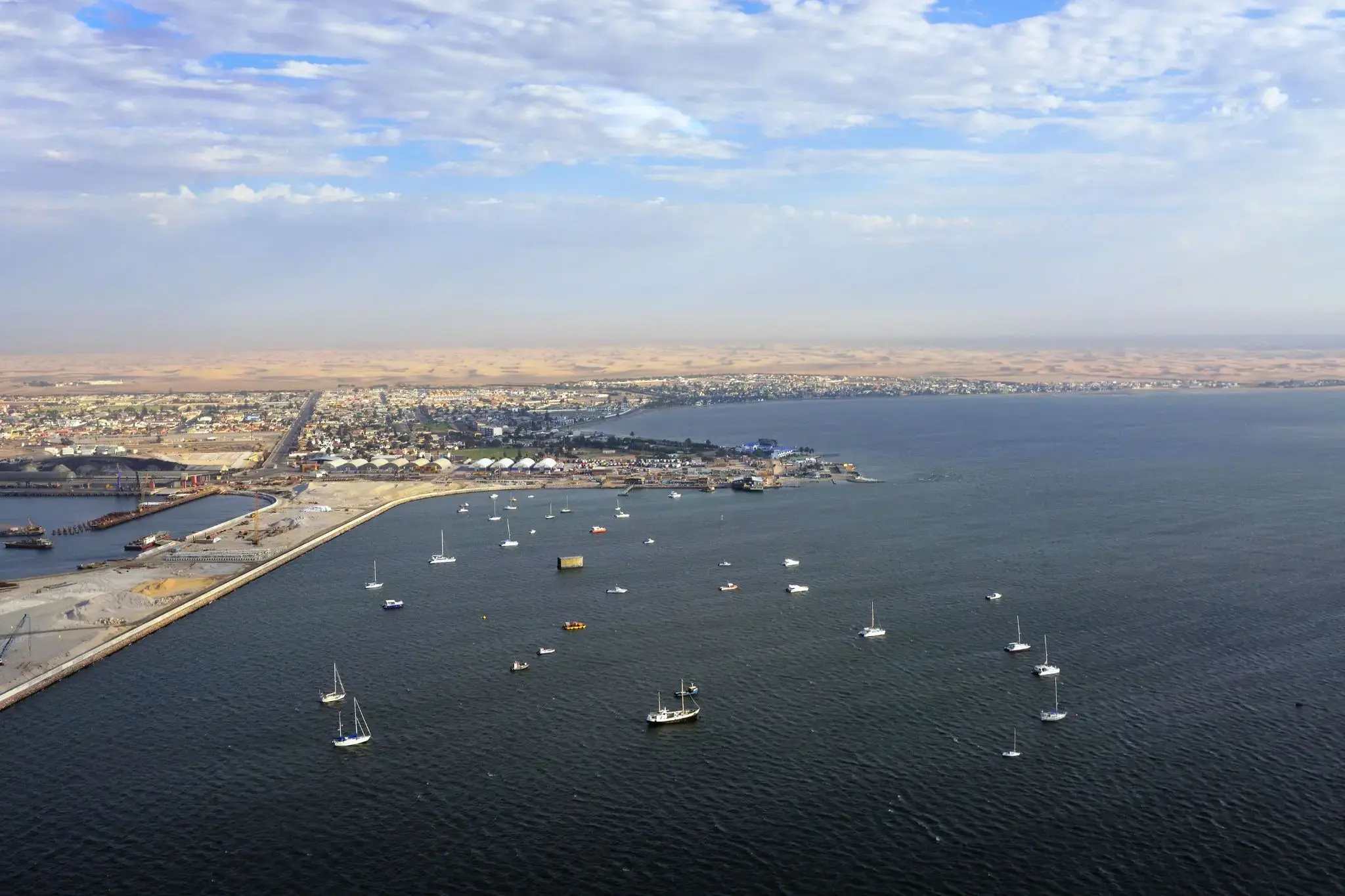
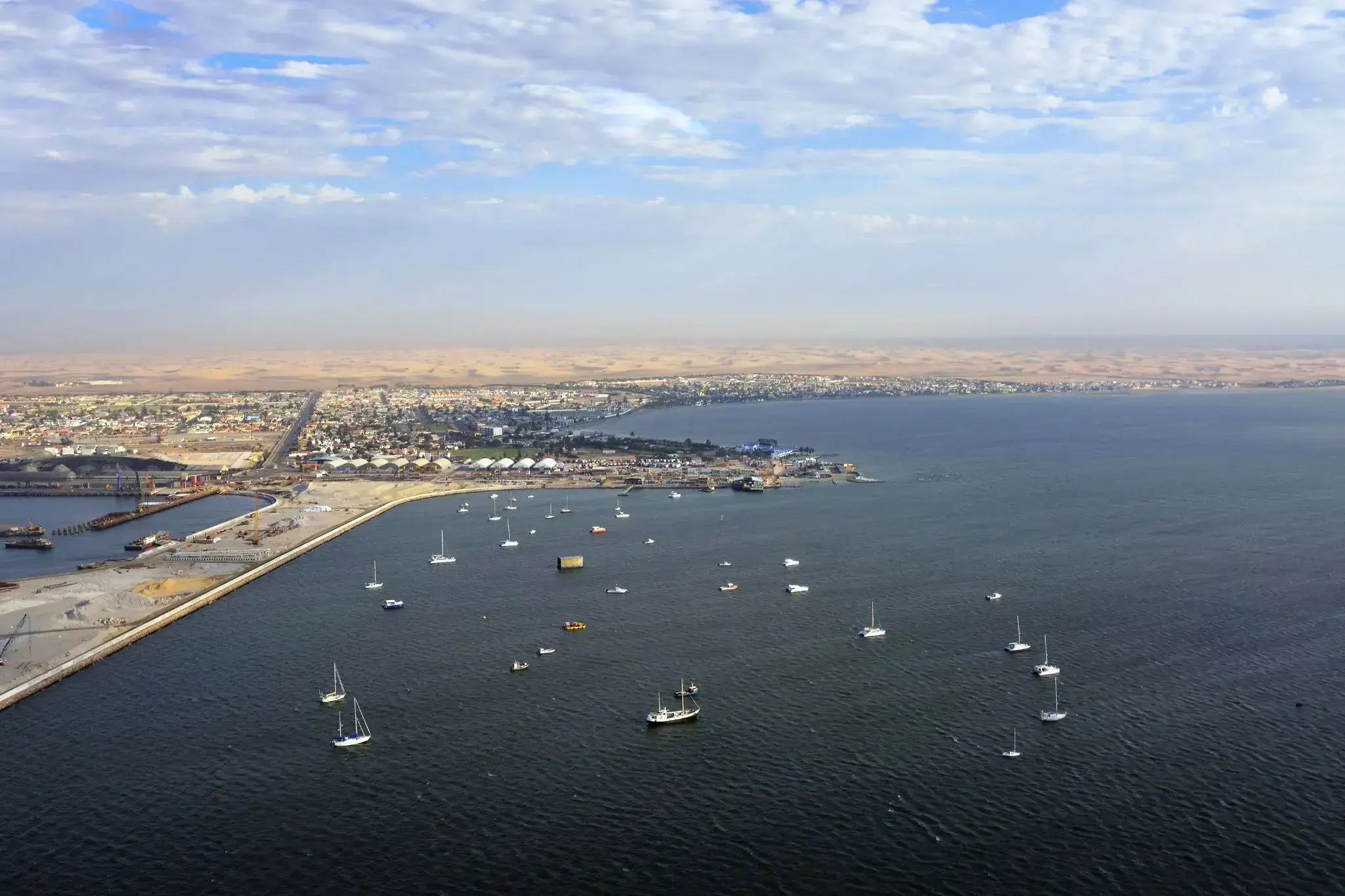
Walvis Bay — Namibia’s Maritime Gateway
Walvis Bay, located on the Atlantic coast of Namibia, offers a rare blend of an industrial port and a natural haven. The town is famous for its vast lagoon—one of the largest in Africa—where flamingos, pelicans, and other water birds can be observed year-round. It's also one of the top places on the continent to witness marine life: visitors often take boat trips to spot seals, dolphins, and sometimes even whales. The lagoon is also popular among kite surfers and windsurfers, thanks to steady winds and wide open waters.
The city plays a key economic role as Namibia’s main port and a hub for the fishing industry. Yet, Walvis Bay attracts not only through its utility, but also through the stunning desert landscapes of the Namib, which begin just outside the town. The famous dunes and lunar scenery create a unique contrast with the ocean. This rare meeting of sea and desert makes Walvis Bay an unforgettable stop on any journey through southwestern Africa.
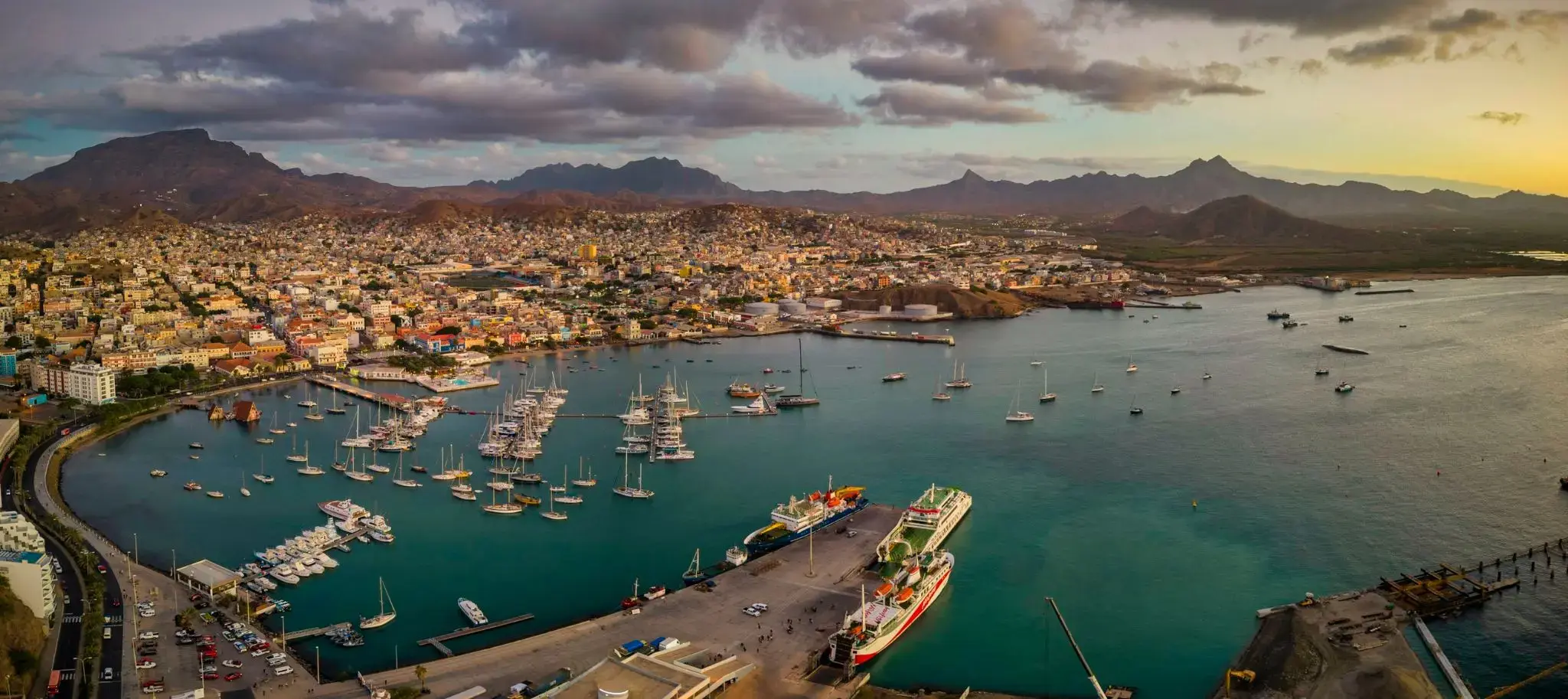
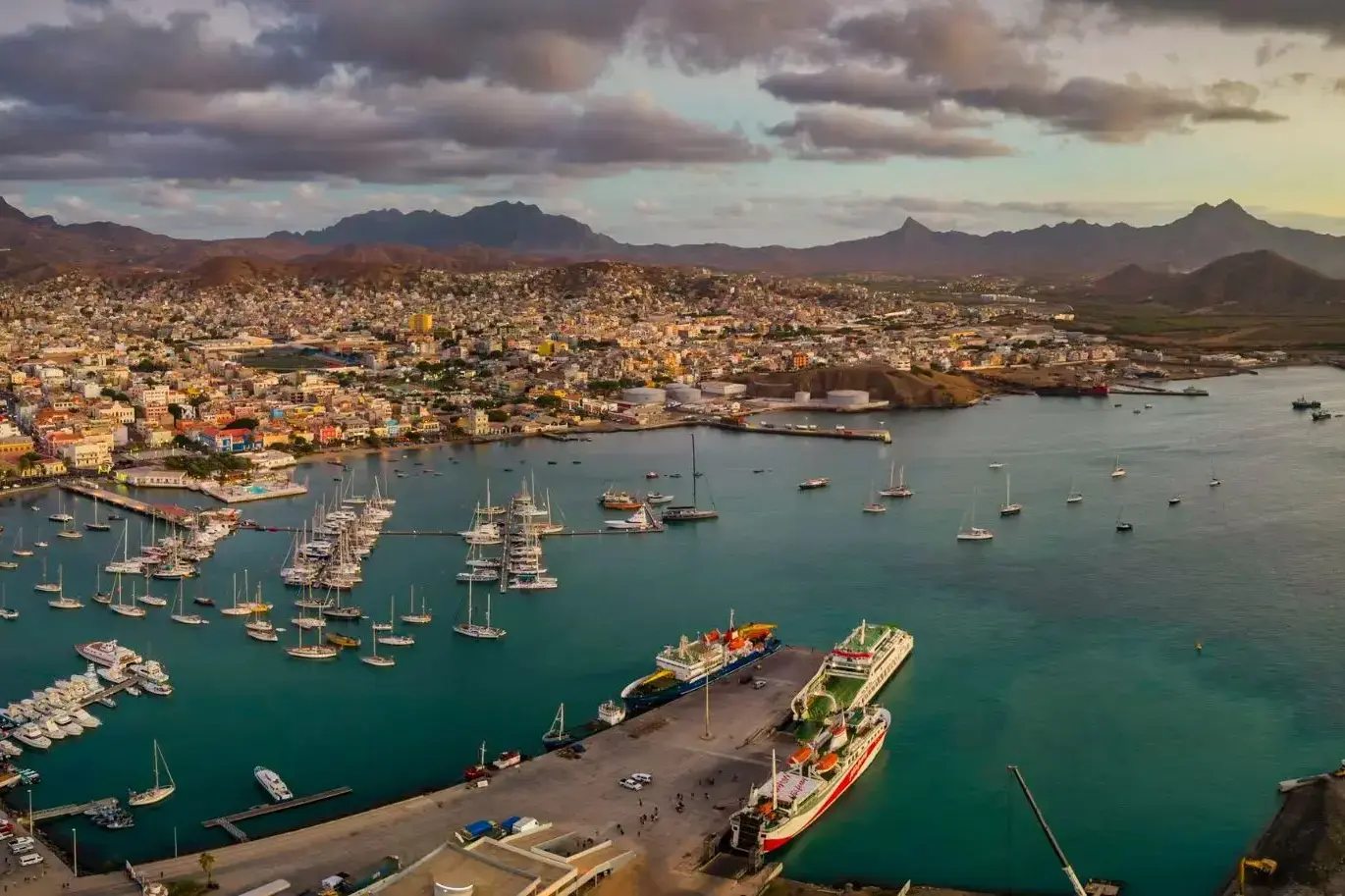
The turquoise waves of the Atlantic embrace the bay of Mindelo on the island of São Vicente, inviting travelers to dive into the rhythms of Cape Verdean music and its warm atmosphere. Known as the cultural capital of Cape Verde, this city enchants with its colorful colonial buildings, the live sounds of morna and coladeira, and street cafés where you can taste fresh seafood to the sound of guitars.
In Mindelo, visitors can stroll along the waterfront with views of the mountains and port, discover cozy shops with local crafts, and relax on sandy beaches where the soft breeze carries the scent of the ocean. This city offers a chance to feel the slow pace of island life, immerse yourself in music that plays on every corner, and take home memories of true Cape Verde, full of smiles and warm sunshine.
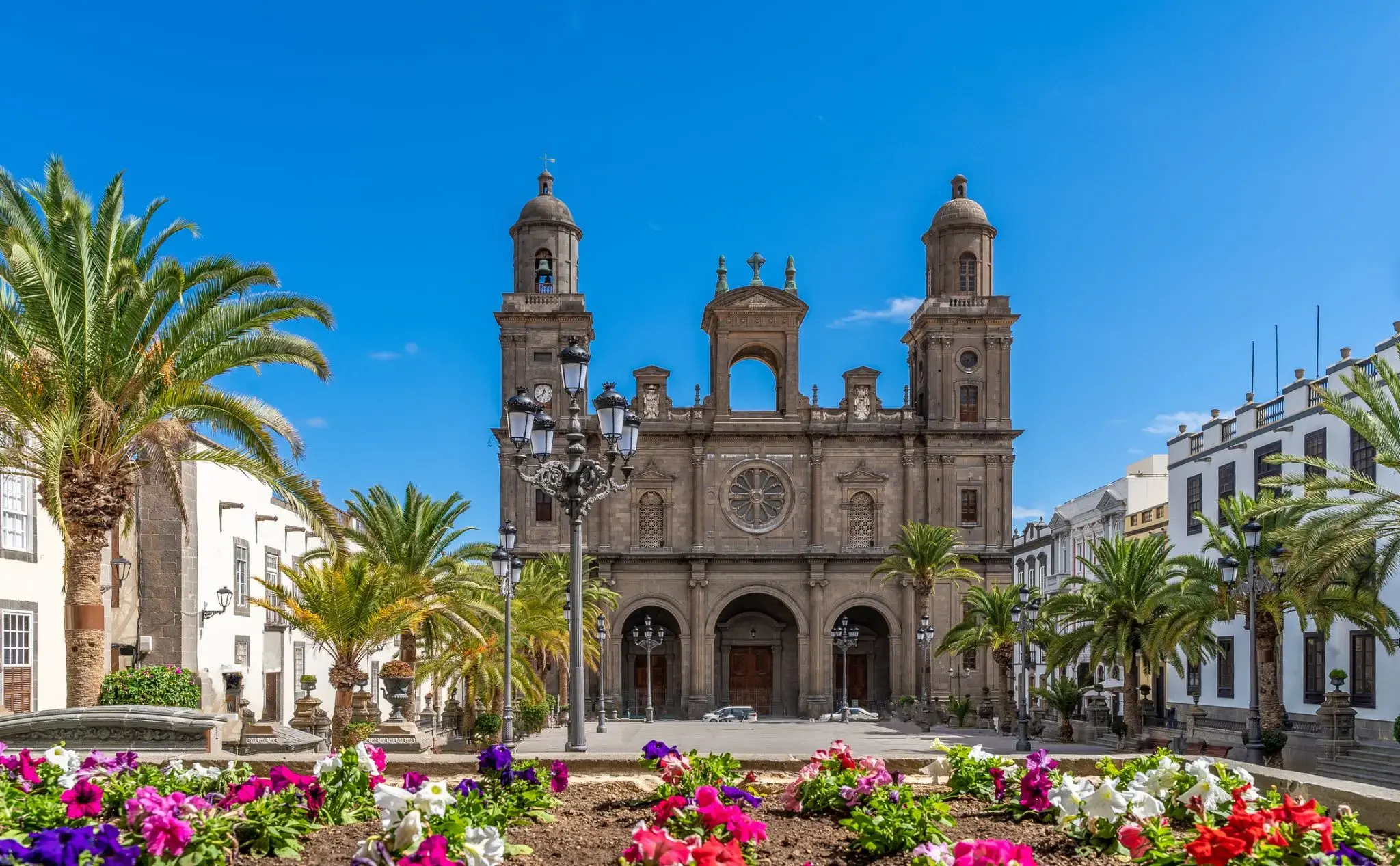
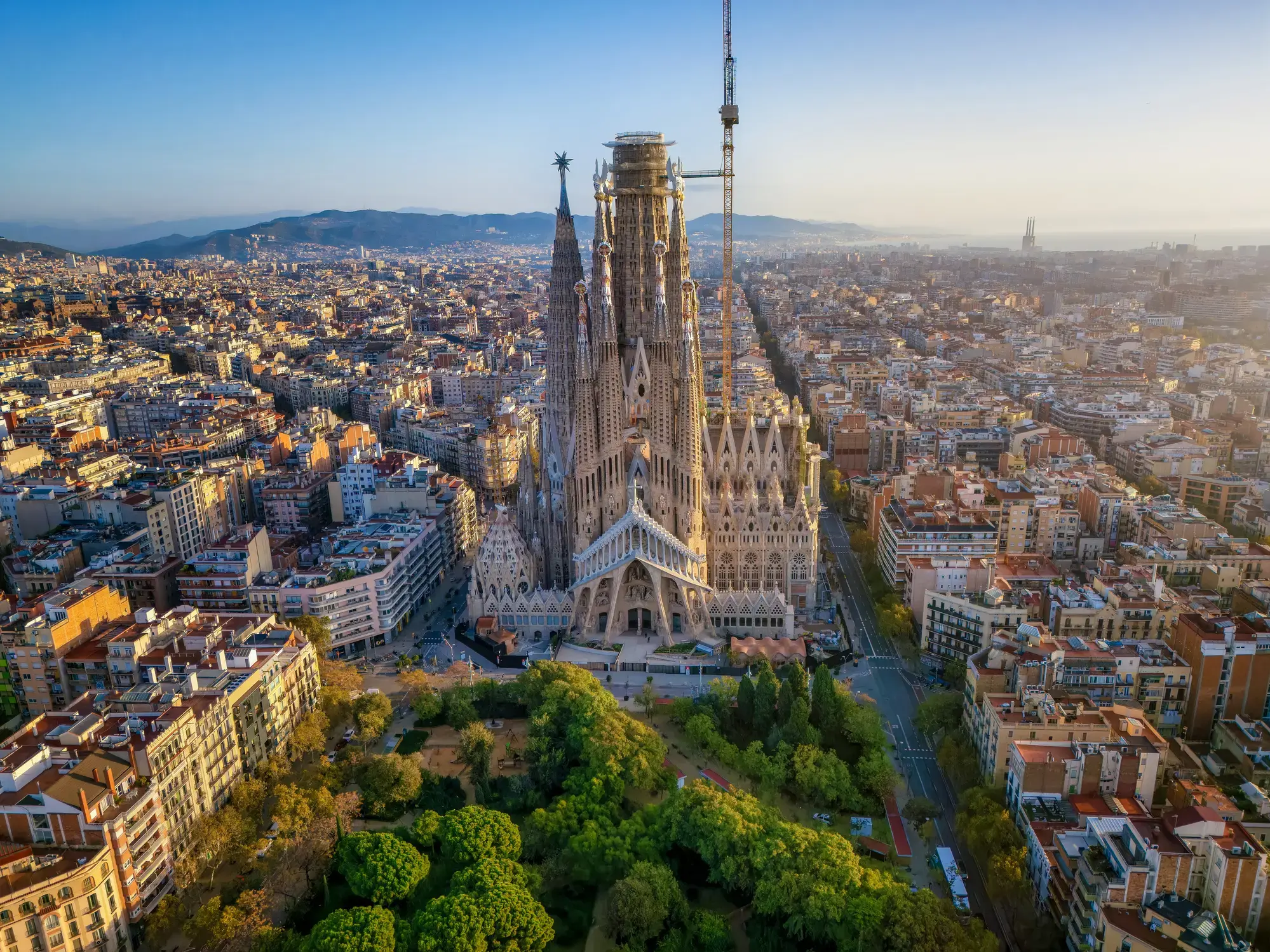
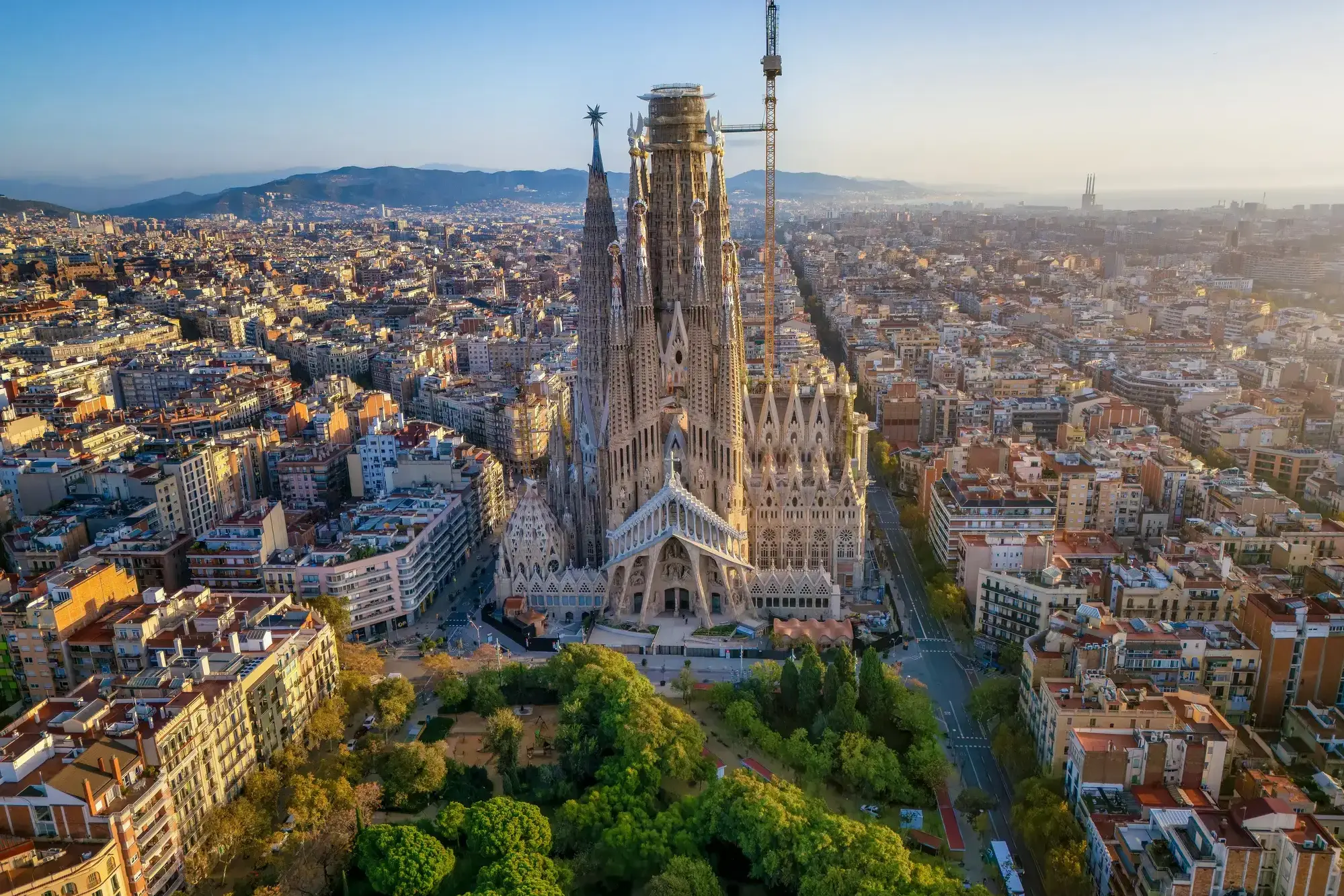
Barcelona is a city in Spain. It is the capital and largest city of Catalonia, as well as the second most populous municipality of Spain. With a population of 1.6 million within city limits, its urban area extends to numerous neighbouring municipalities within the Province of Barcelona and is home to around 4.8 million people, making it the sixth most populous urban area in the European Union after Paris, London, Madrid, the Ruhr area and Milan. It is one of the largest metropolises on the Mediterranean Sea, located on the coast between the mouths of the rivers Llobregat and Besòs, and bounded to the west by the Serra de Collserola mountain range, the tallest peak of which is 512 metres (1,680 feet) high.
Founded as a Roman city, in the Middle Ages Barcelona became the capital of the County of Barcelona. After merging with the Kingdom of Aragon, Barcelona continued to be an important city in the Crown of Aragon as an economic and administrative centre of this Crown and the capital of the Principality of Catalonia. Barcelona has a rich cultural heritage and is today an important cultural centre and a major tourist destination. Particularly renowned are the architectural works of Antoni Gaudí and Lluís Domènech i Montaner, which have been designated UNESCO World Heritage Sites. The headquarters of the Union for the Mediterranean are located in Barcelona. The city is known for hosting the 1992 Summer Olympics as well as world-class conferences and expositions and also many international sport tournaments.
Barcelona is one of the world's leading tourist, economic, trade fair and cultural centres, and its influence in commerce, education, entertainment, media, fashion, science, and the arts all contribute to its status as one of the world's major global cities. It is a major cultural and economic centre in southwestern Europe, 24th in the world (before Zürich, after Frankfurt) and a financial centre. In 2008 it was the fourth most economically powerful city by GDP in the European Union and 35th in the world with GDP amounting to €177 billion. In 2012 Barcelona had a GDP of $170 billion; and it was leading Spain in employment rate in that moment.
In 2009 the city was ranked Europe's third and one of the world's most successful as a city brand. In the same year the city was ranked Europe's fourth best city for business and fastest improving European city, with growth improved by 17% per year, and the city has been experiencing strong and renewed growth for the past three years. Since 2011 Barcelona has been a leading smart city in Europe. Barcelona is a transport hub, with the Port of Barcelona being one of Europe's principal seaports and busiest European passenger port, an international airport, Barcelona–El Prat Airport, which handles over 50 million passengers per year, an extensive motorway network, and a high-speed rail line with a link to France and the rest of Europe.
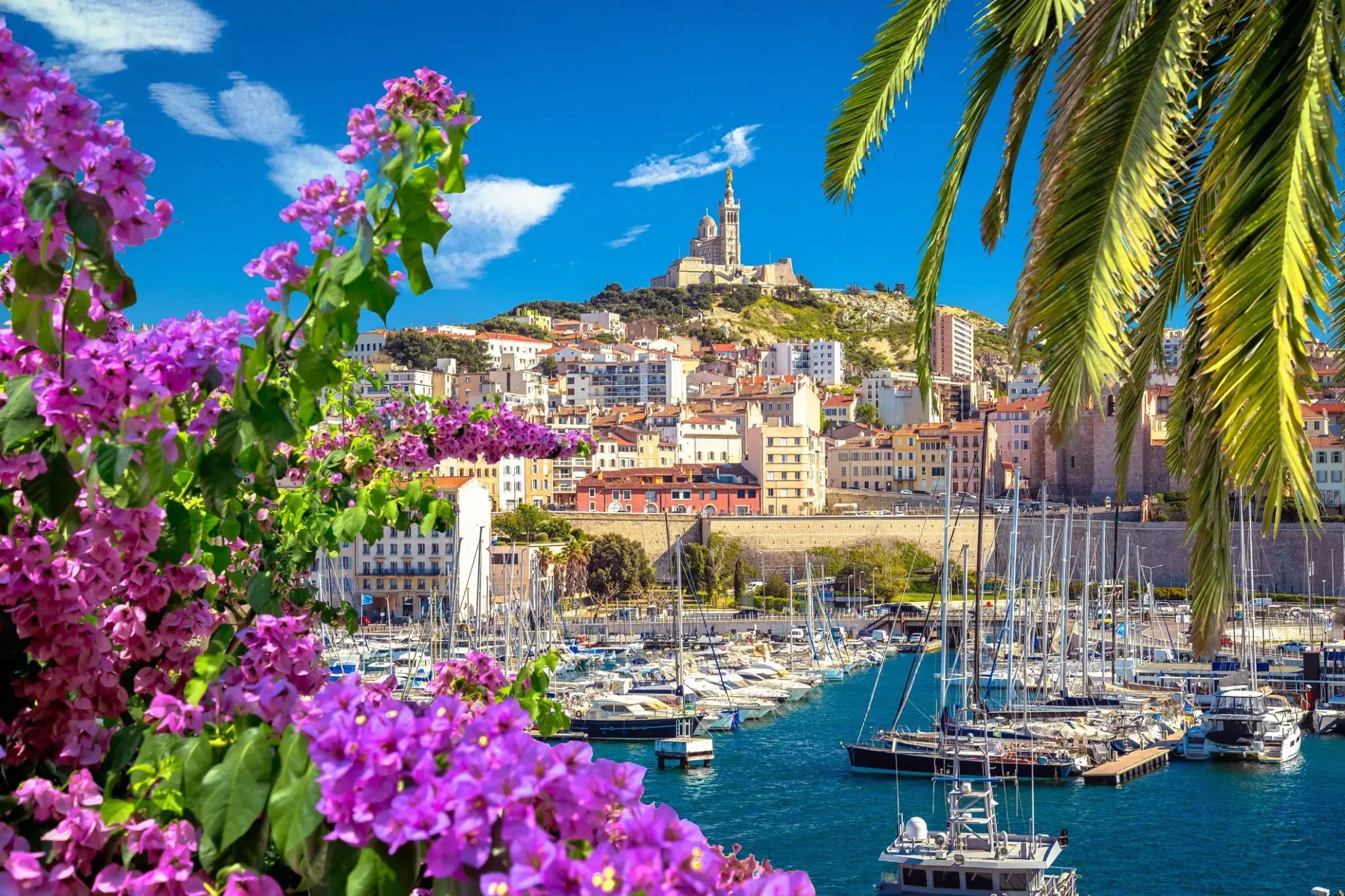
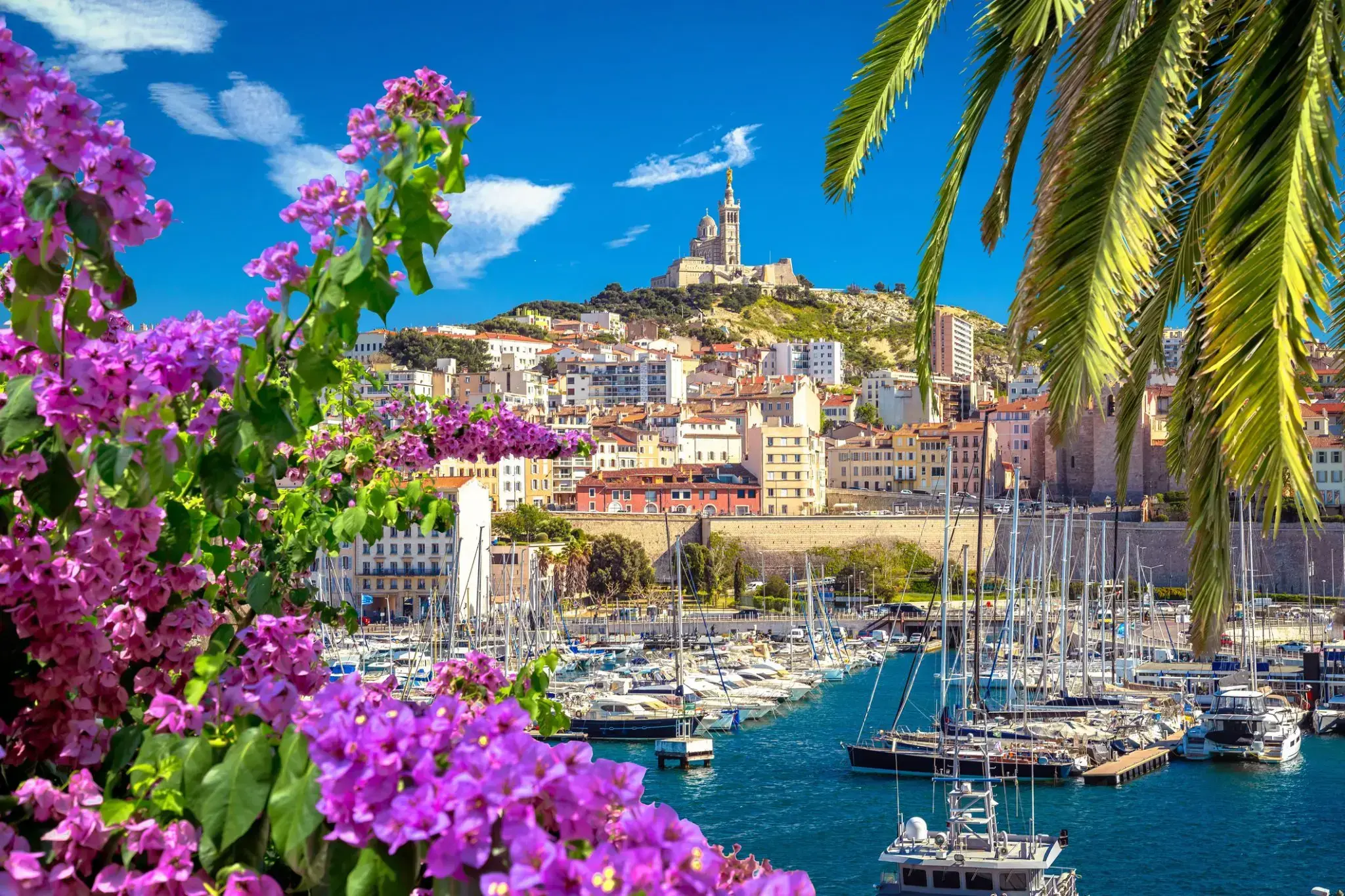
Marseille is the second-largest city of France. The main city of the historical province of Provence, it nowadays is the prefecture of the department of Bouches-du-Rhône and region of Provence-Alpes-Côte d'Azur. It is located on France's south coast near the mouth of the Rhône river. The city covers an area of 241 km2 (93 sq mi) and had a population of 852,516 in 2012. Its metropolitan area, which extends over 3,173 km2 (1,225 sq mi) is the third-largest in France after Paris and Lyon, with a population of 1,831,500 as of 2010.
Known to the ancient Greeks and Romans as Massalia, Marseille was an important European trading centre and remains the main commercial port of the French Republic. Marseille is now France's largest city on the Mediterranean coast and the largest port for commerce, freight and cruise ships. The city was European Capital of Culture in 2013 and European Capital of Sport in 2017; it hosted matches at the 1998 World Cup and Euro 2016. It is home to Aix-Marseille University.
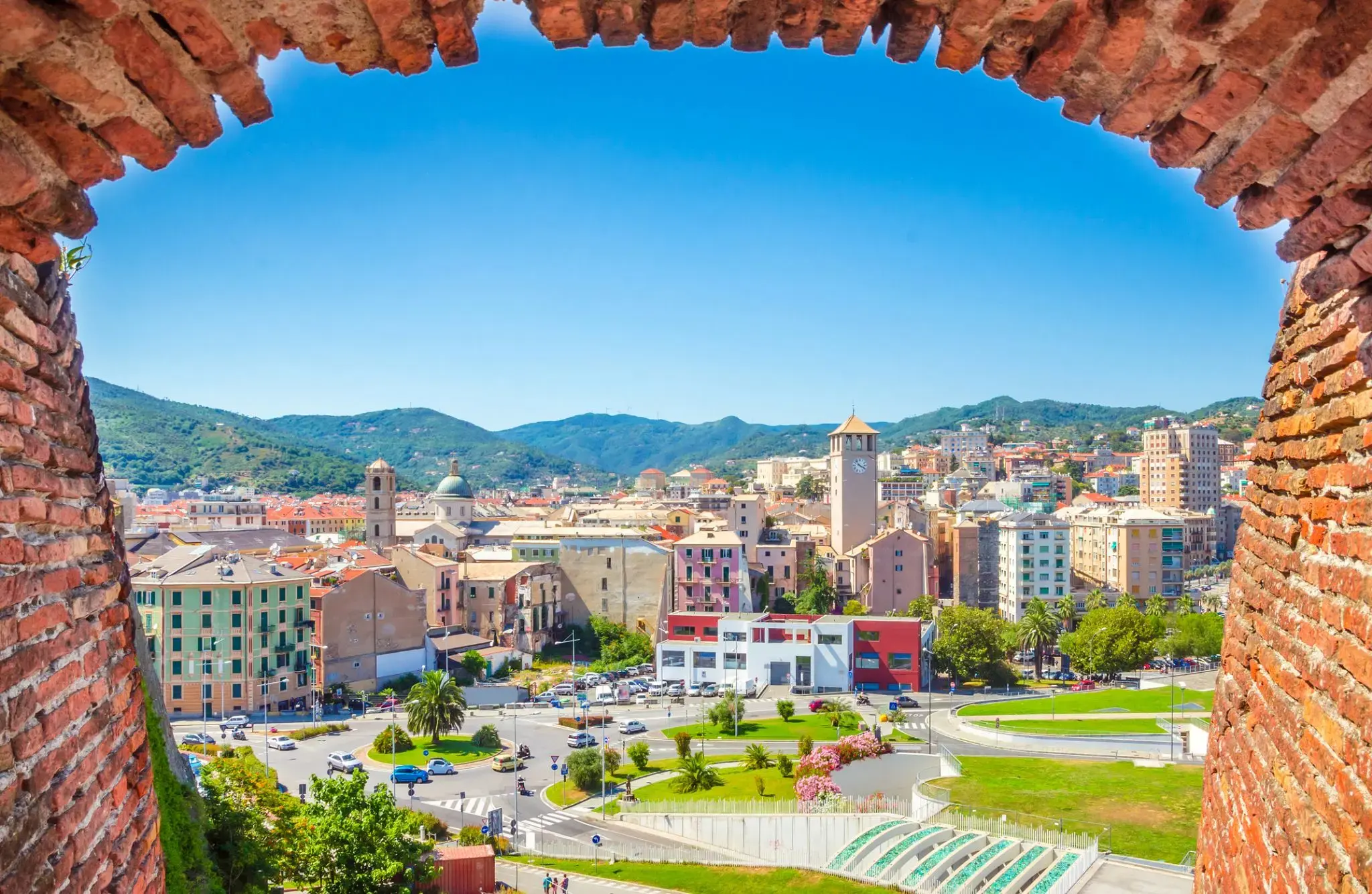
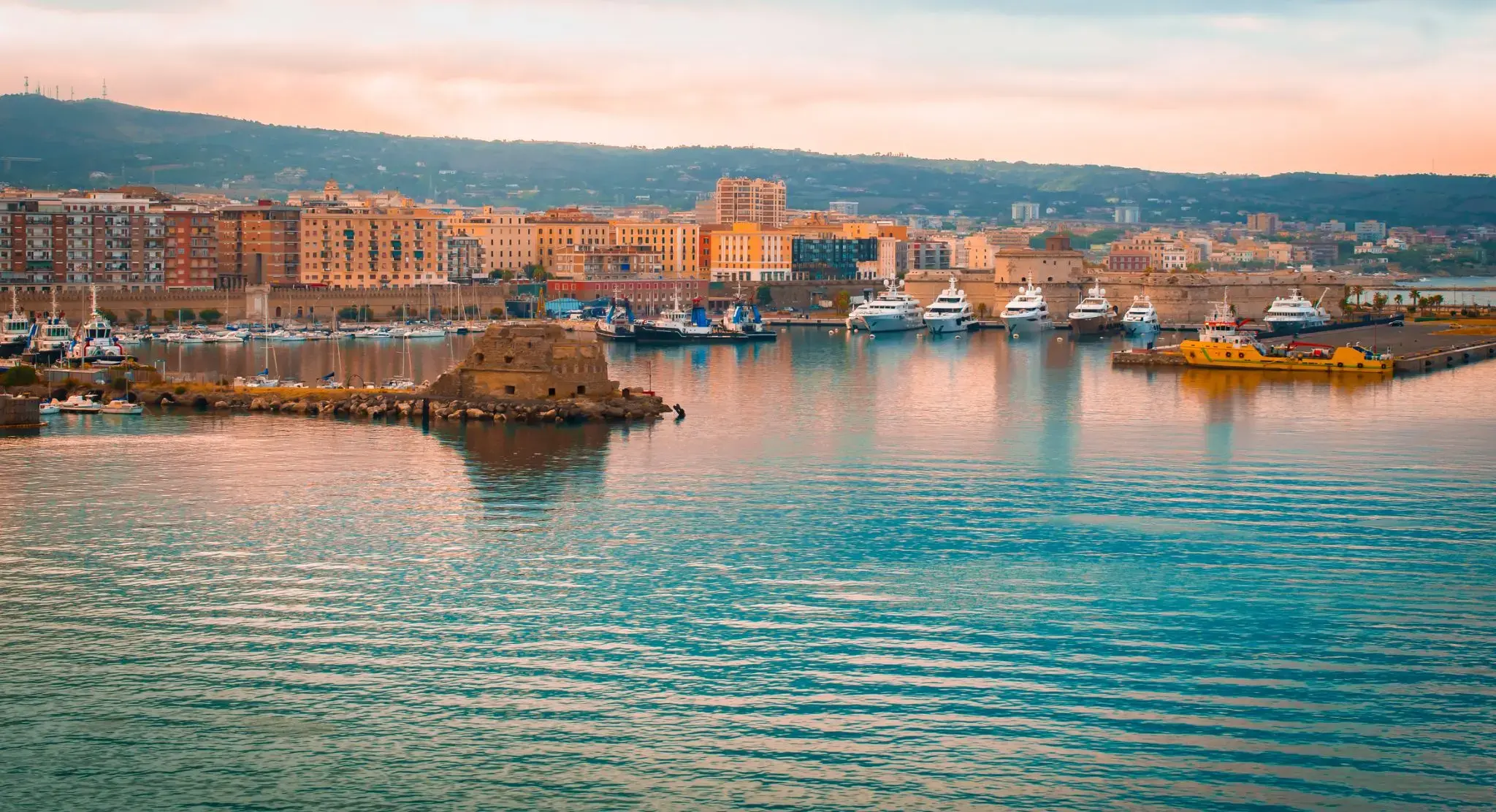
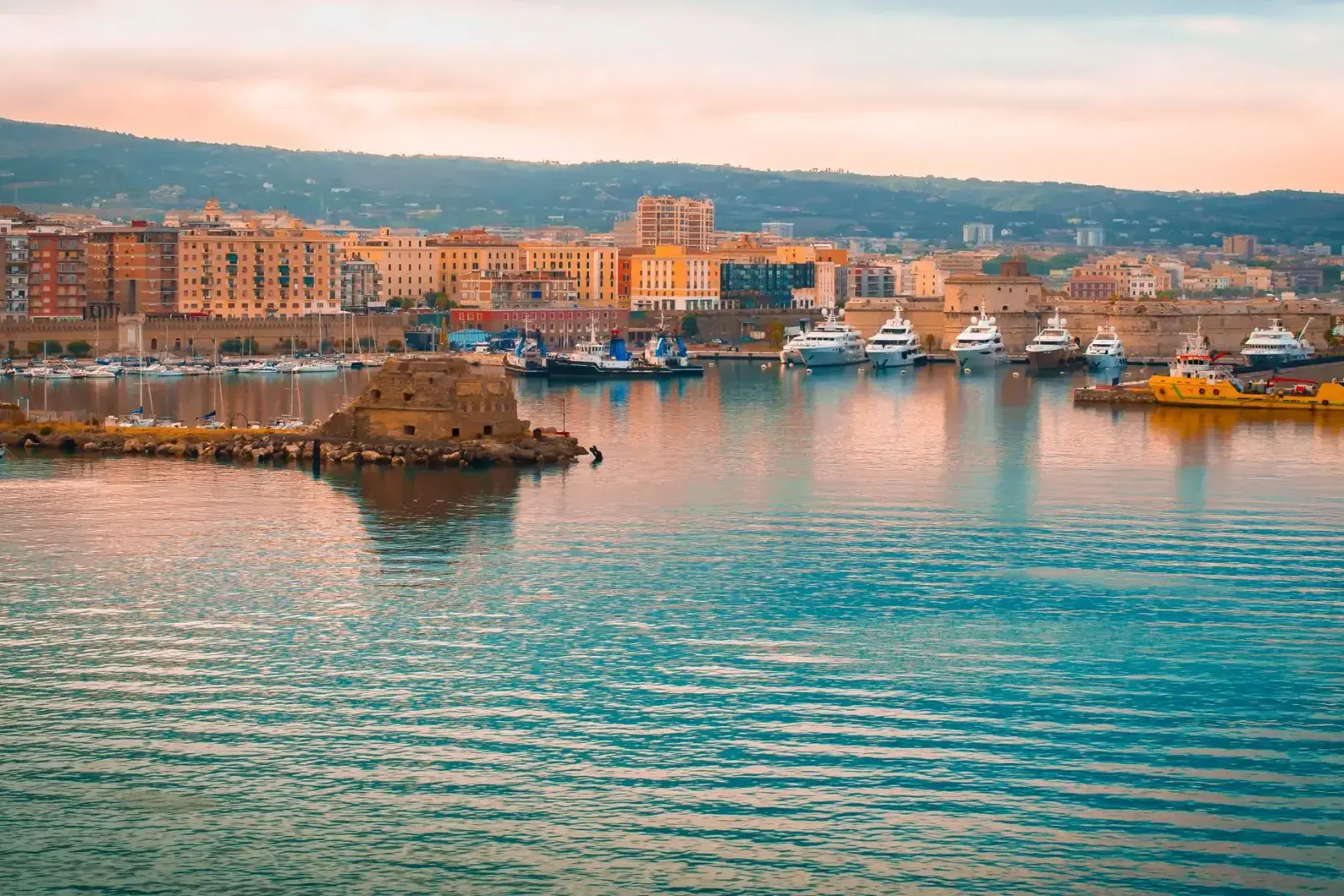
Rome is the capital city and a special comune of Italy (named Comune di Roma Capitale). Rome also serves as the capital of the Lazio region. With 2,872,800 residents in 1,285 km2(496.1 sq mi), it is also the country's most populated comune. It is the fourth-most populous city in the European Union by population within city limits. It is the centre of the Metropolitan City of Rome, which has a population of 4,355,725 residents, thus making it the most populous metropolitan city in Italy. Rome is located in the central-western portion of the Italian Peninsula, within Lazio (Latium), along the shores of the Tiber. The Vatican City (the smallest country in the world) is an independent country inside the city boundaries of Rome, the only existing example of a country within a city: for this reason Rome has been often defined as capital of two states.
Rome's history spans 28 centuries. While Roman mythology dates the founding of Rome at around 753 BC, the site has been inhabited for much longer, making it one of the oldest continuously occupied sites in Europe. The city's early population originated from a mix of Latins, Etruscans, and Sabines. Eventually, the city successively became the capital of the Roman Kingdom, the Roman Republic and the Roman Empire, and is regarded as the birthplace of Western civilization and by some as the first ever metropolis. It was first called The Eternal City (Latin: Urbs Aeterna; Italian: La Città Eterna) by the Roman poet Tibullus in the 1st century BC, and the expression was also taken up by Ovid, Virgil, and Livy. Rome is also called the "Caput Mundi" (Capital of the World). After the fall of the Western Empire, which marked the beginning of the Middle Ages, Rome slowly fell under the political control of the Papacy, which had settled in the city since the 1st century AD, until in the 8th century it became the capital of the Papal States, which lasted until 1870. Beginning with the Renaissance, almost all the popes since Nicholas V (1447–1455) pursued over four hundred years a coherent architectural and urban programme aimed at making the city the artistic and cultural centre of the world. In this way, Rome became first one of the major centres of the Italian Renaissance, and then the birthplace of both the Baroque style and Neoclassicism. Famous artists, painters, sculptors and architects made Rome the centre of their activity, creating masterpieces throughout the city. In 1871, Rome became the capital of the Kingdom of Italy, which, in 1946, became the Italian Republic.
Rome has the status of a global city. In 2016, Rome ranked as the 14th-most-visited city in the world, 3rd most visited in the European Union, and the most popular tourist attraction in Italy. Its historic centre is listed by UNESCO as a World Heritage Site. The famous Vatican Museums are among the world's most visited museums while the Colosseum was the most popular tourist attraction in world with 7.4 million visitors in 2018. Host city for the 1960 Summer Olympics, Rome is the seat of several specialized agencies of the United Nations, such as the Food and Agriculture Organization (FAO), the World Food Programme (WFP) and the International Fund for Agricultural Development (IFAD). The city also hosts the Secretariat of the Parliamentary Assembly of the Union for the Mediterranean (UfM) as well as the headquarters of many international business companies such as Eni, Enel, TIM, Leonardo S.p.A., and national and international banks such as Unicredit and BNL. Its business district, called EUR, is the base of many companies involved in the oil industry, the pharmaceutical industry, and financial services. Rome is also an important fashion and design centre thanks to renowned international brands centered in the city. Rome's Cinecittà Studios have been the set of many Academy Award–winning movies.