| Cruise Region : Europe |
| Company : Norwegian Cruise Lines |
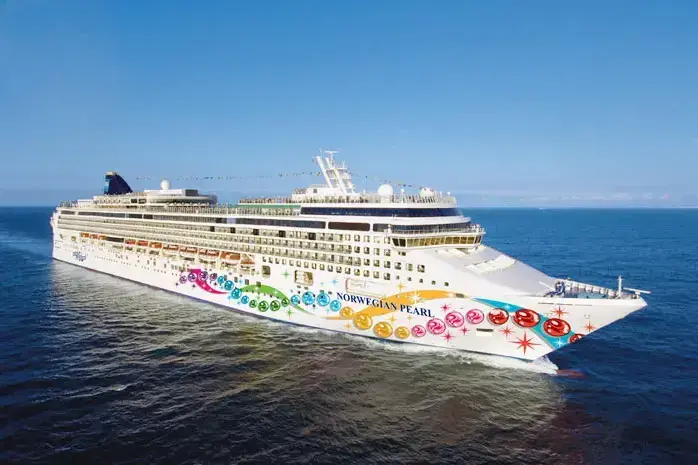
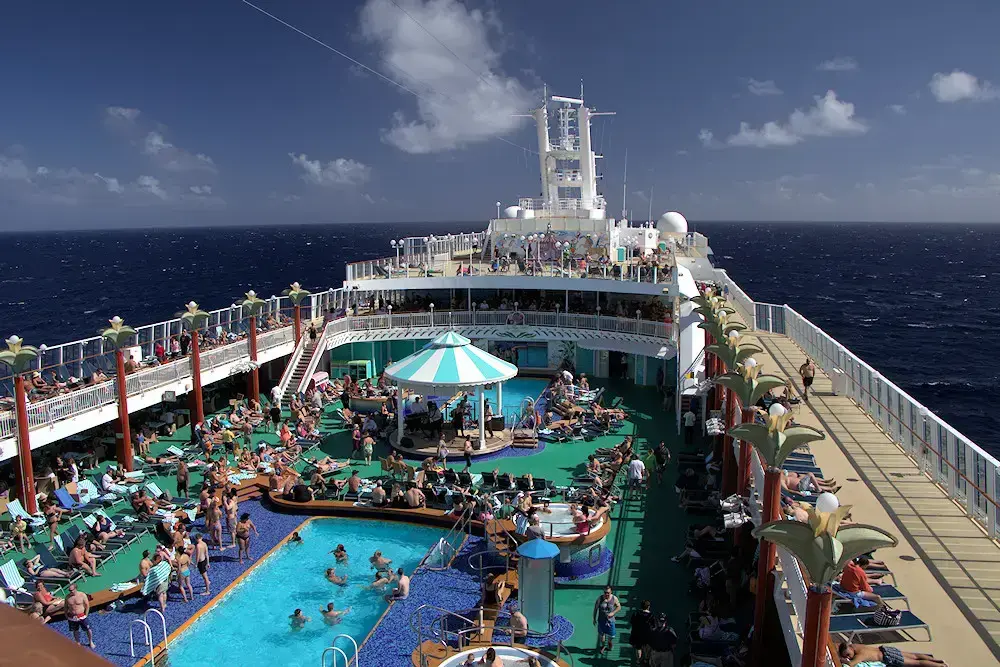
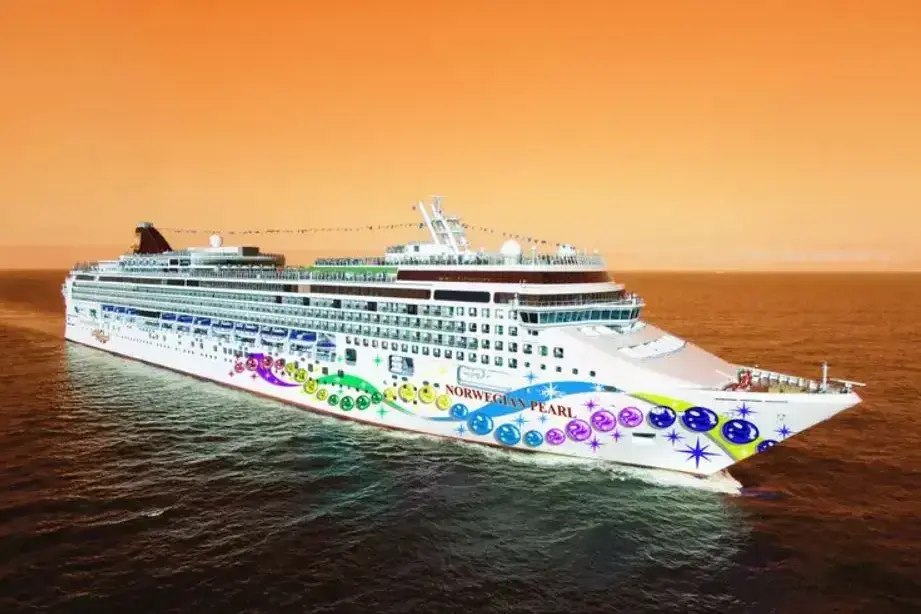
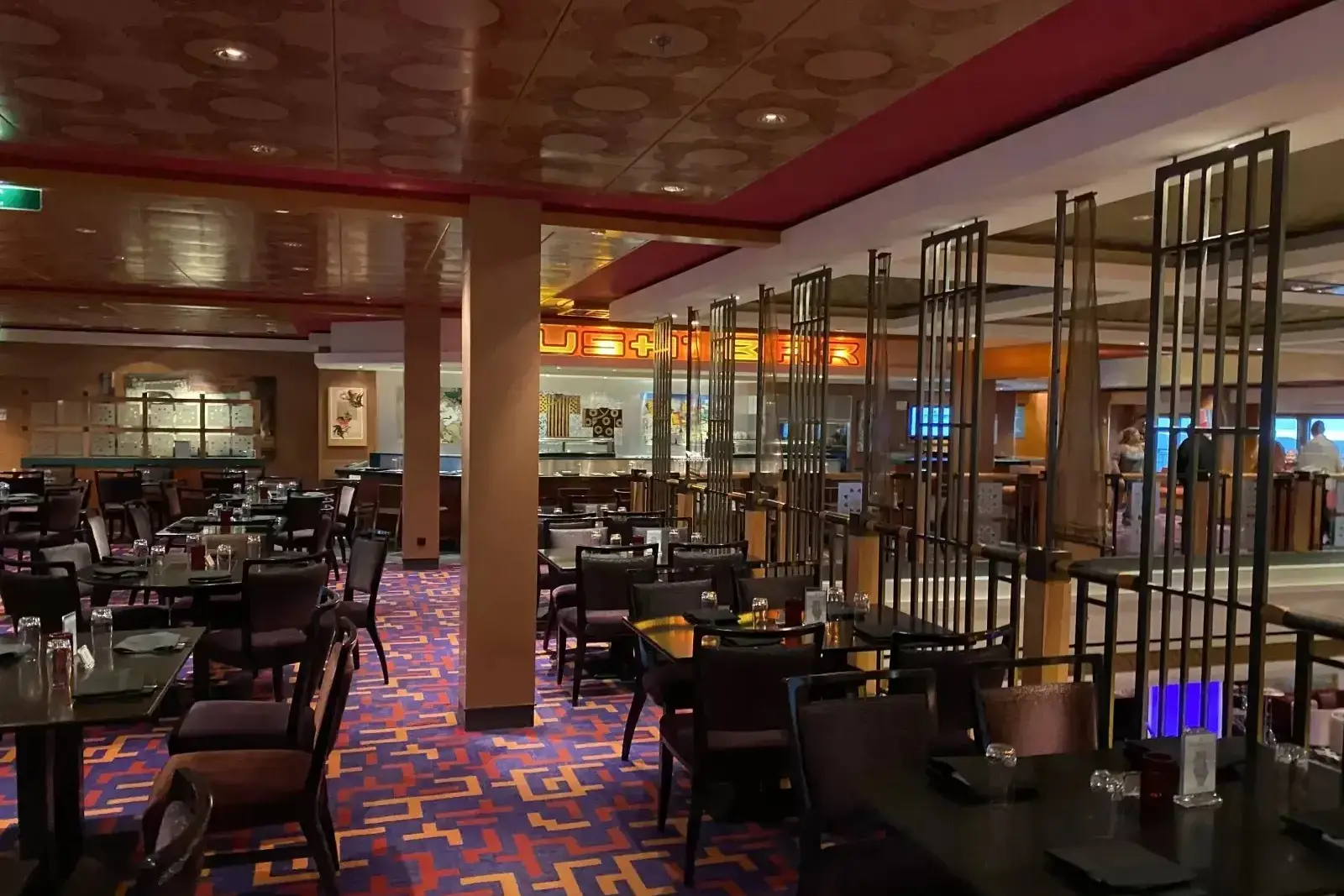
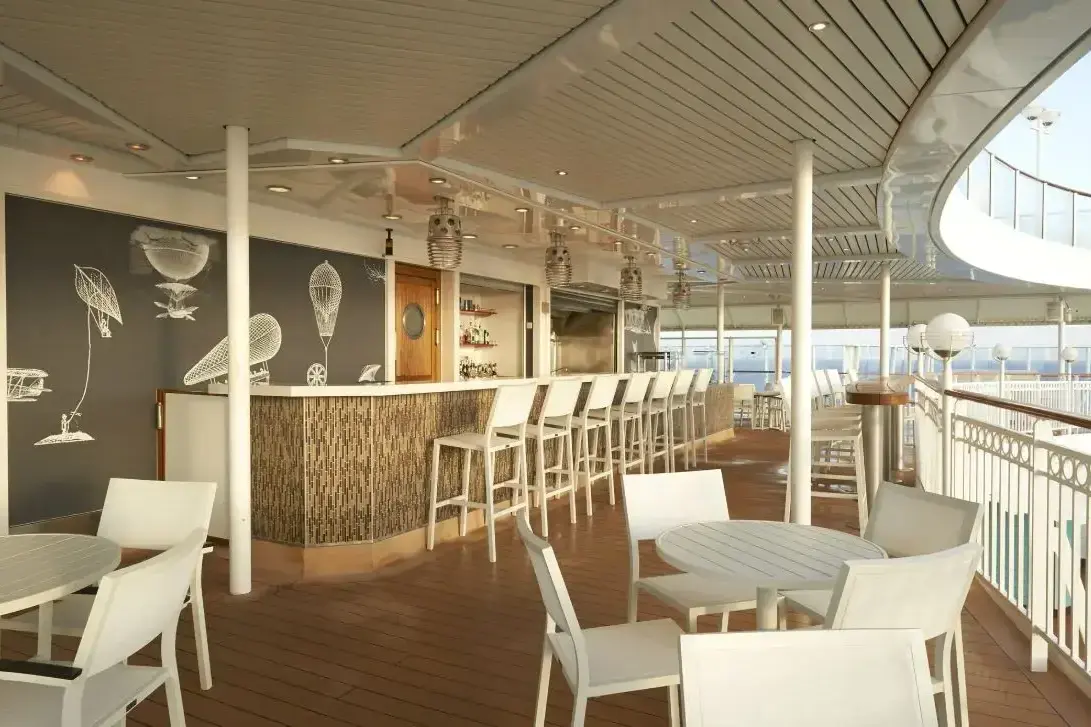
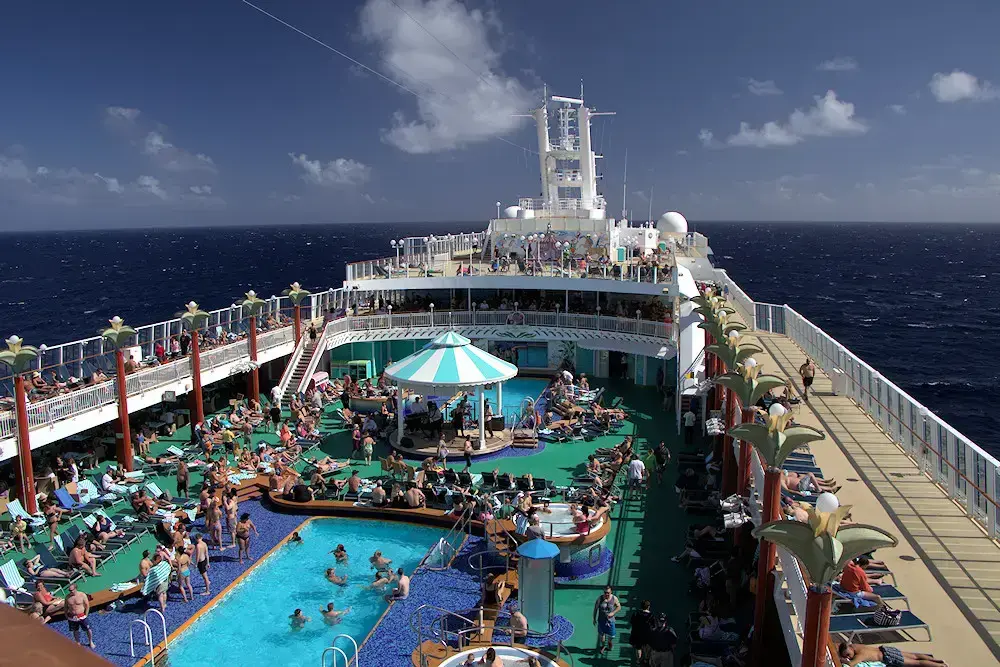
| Ship : Norwegian Pearl |
| Journey Start : Sun 22 Oct 2028 |
| Journey End : Wed 01 Nov 2028 |
| Count Nights : 10 nights |
| Day | Date | Port | Arrival | Departure |
|---|---|---|---|---|
| 1 | 22.10 Sun | Piraeus (Athens) / Greece | 18:00 | |
| 2 | 23.10 Mon | Santorini, Cyclades / Greece | 07:00 | 18:00 |
| 3 | 24.10 Tue | Katakolo / Greece | 09:00 | 19:00 |
| 4 | 25.10 Wed | Corfu / Greece | 07:00 | 17:00 |
| 5 | 26.10 Thu | Kotor / Montenegro | 07:30 | 18:00 |
| 6 | 27.10 Fri | Split / Croatia | 07:00 | 17:00 |
| 7 | 28.10 Sat | Day at sea / Sea | ||
| 8 | 29.10 Sun | Catania / Italy | 07:00 | 17:00 |
| 9 | 30.10 Mon | Day at sea / Sea | ||
| 10 | 31.10 Tue | Palma de Mallorca / Spain | 08:00 | 18:00 |
| 11 | 1.11 Wed | Barcelona / Spain | 06:00 |
Accommodation in a cabin of the selected category during the entire cruise (TV, telephone, shower/bath, hairdryer, air conditioning).
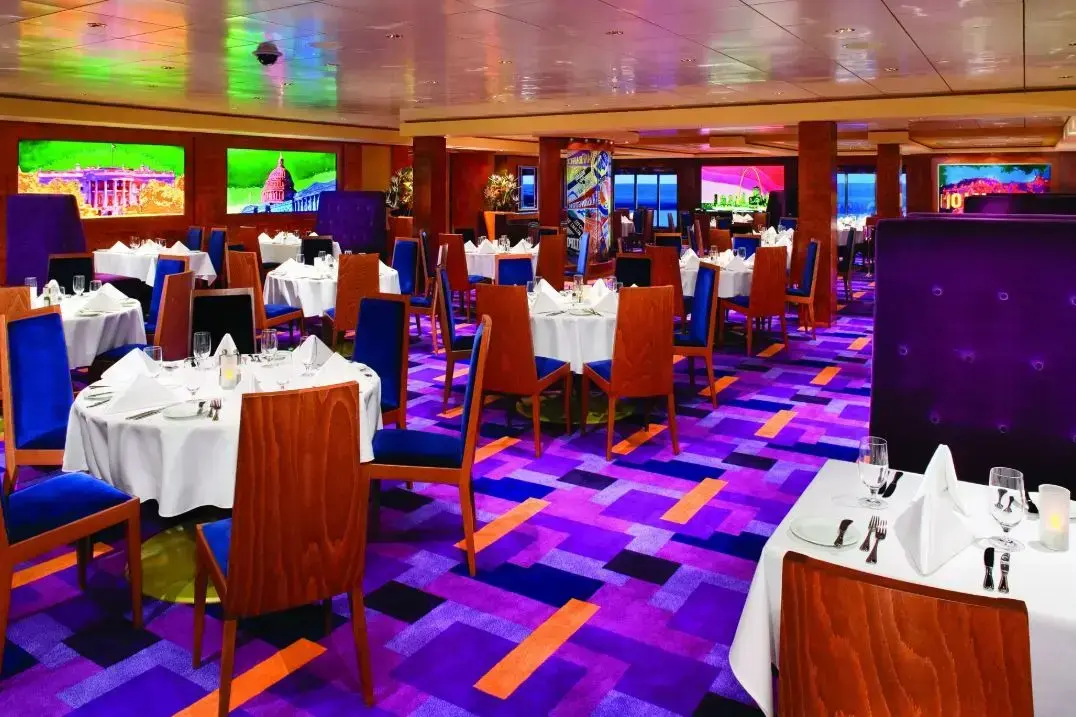
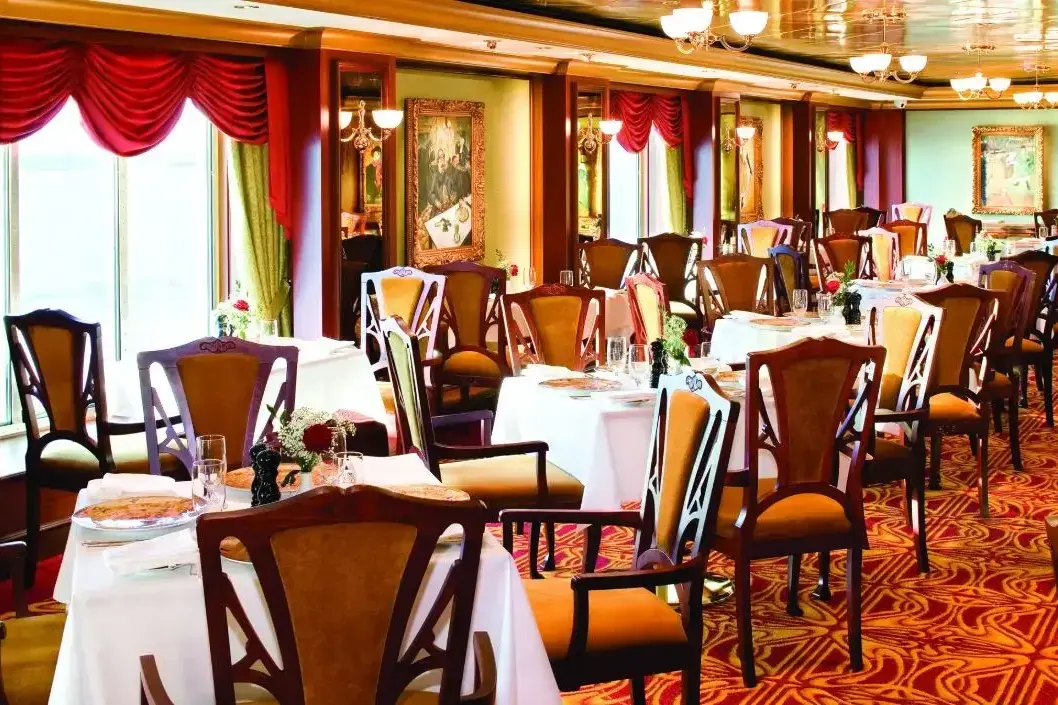
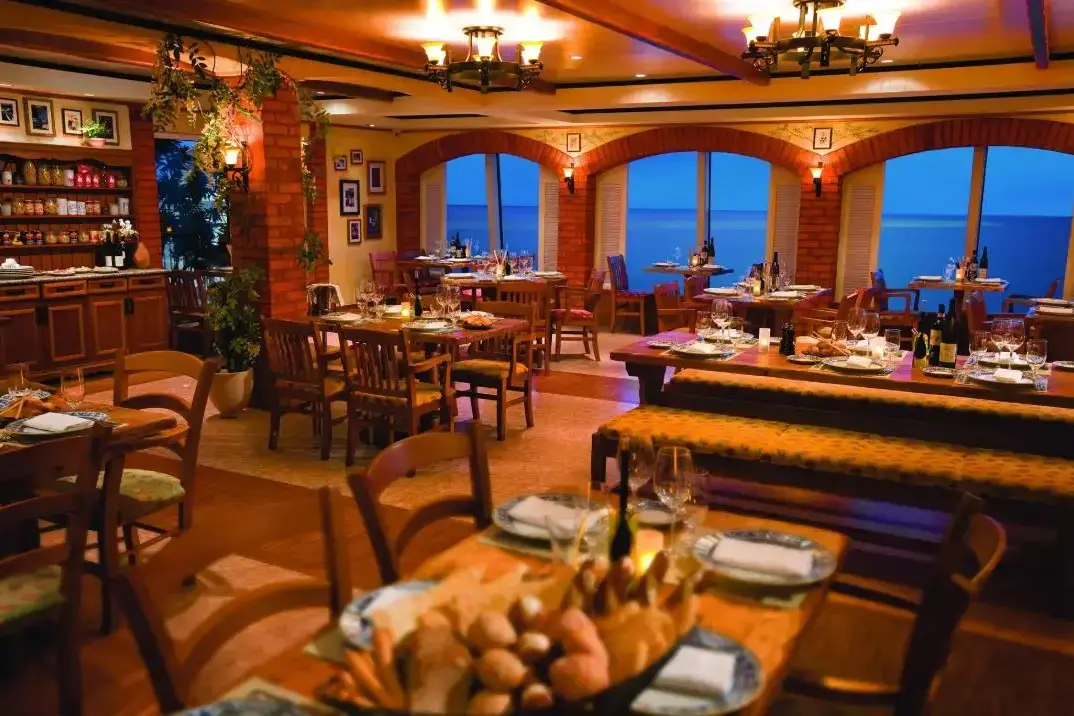
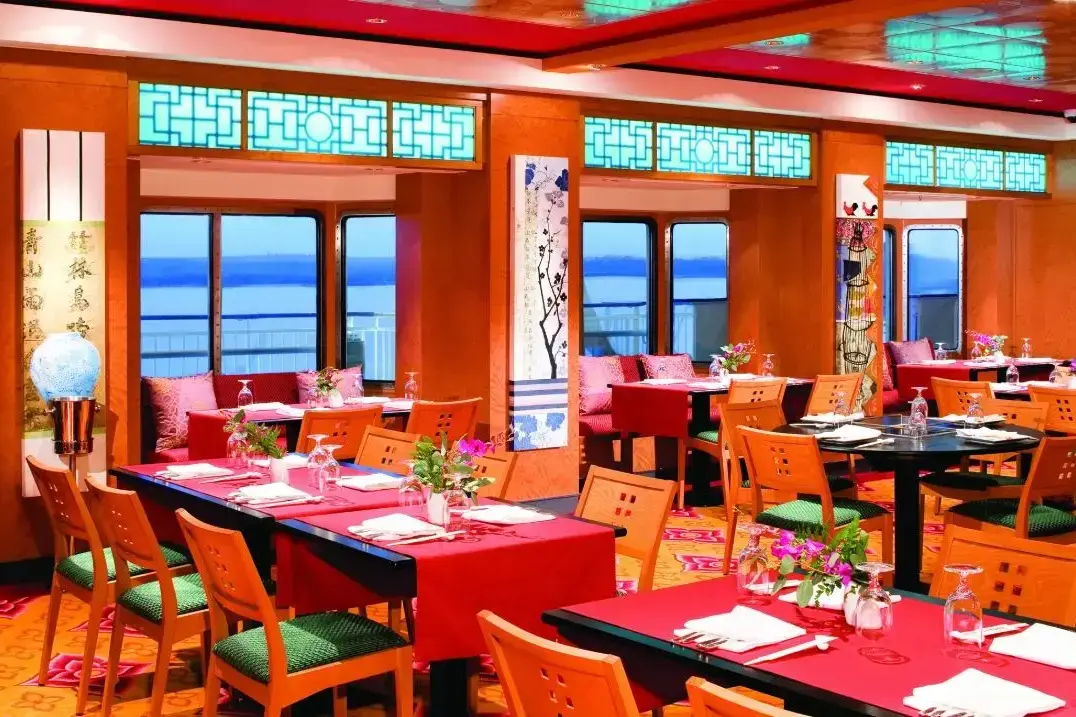
All-inclusive meals, excluding alcoholic beverages under the Freestyle program - free meal time.
Order food to your cabin 24 hours (additional charges apply for delivery between 00:00 and 05:00).
Set for making tea and coffee in the cabin.
Coffee, tea, water and iced tea during breakfast, lunch and dinner.
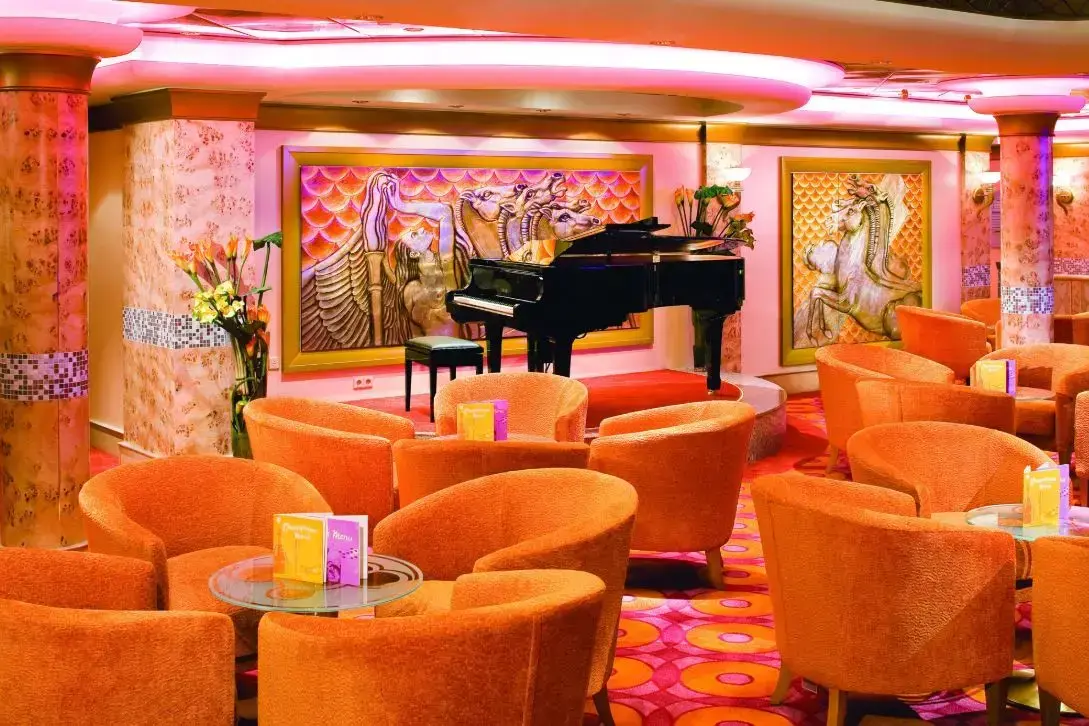
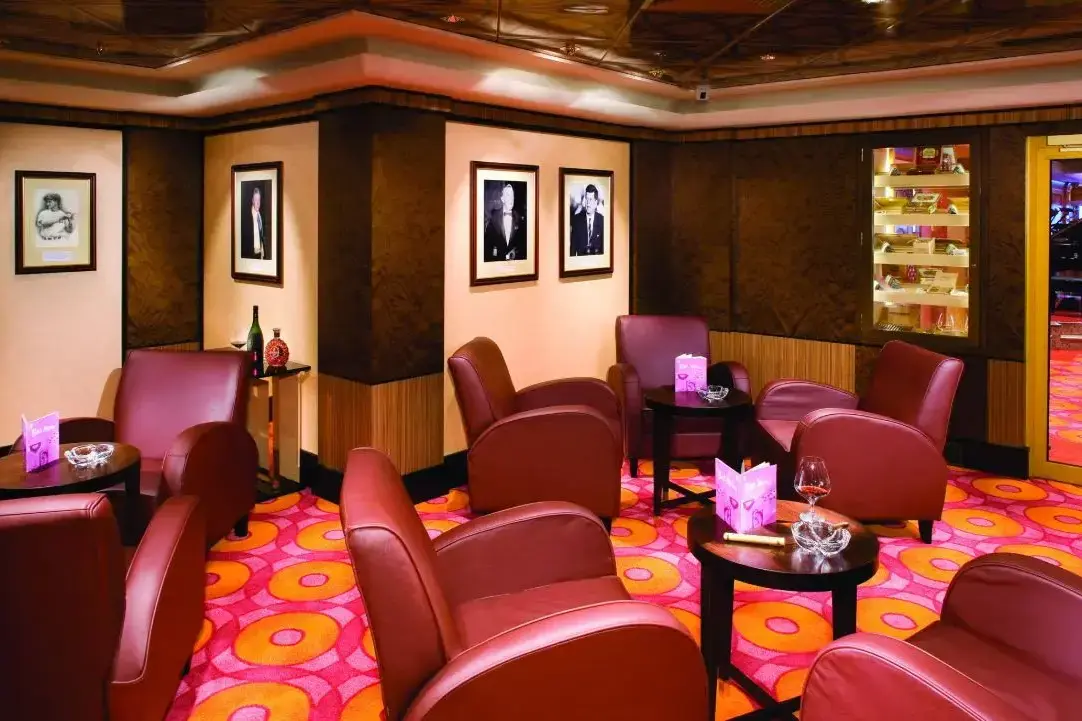
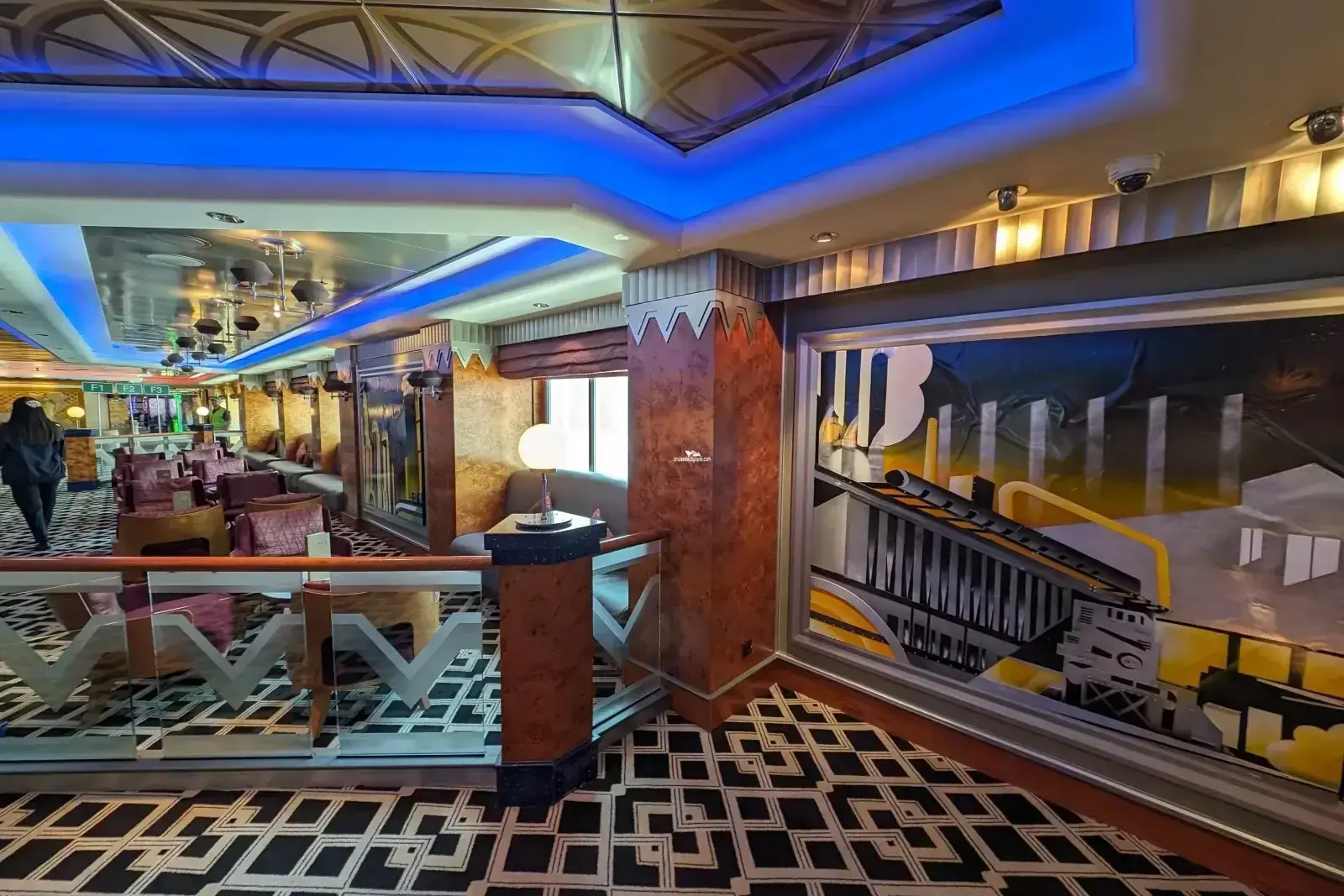
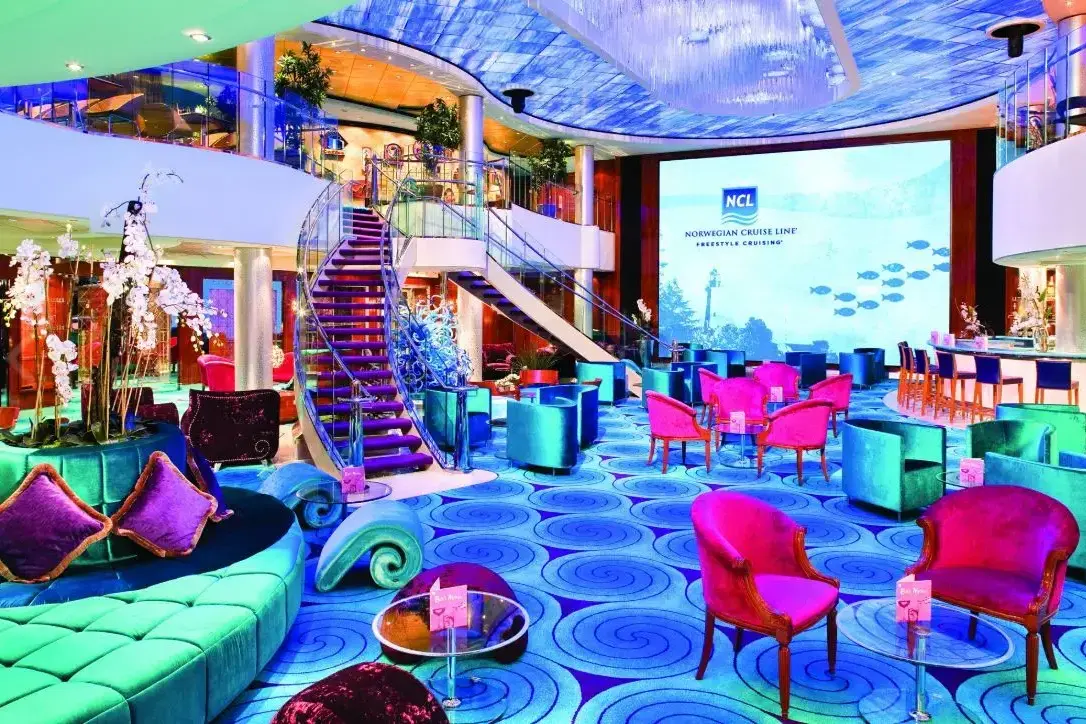
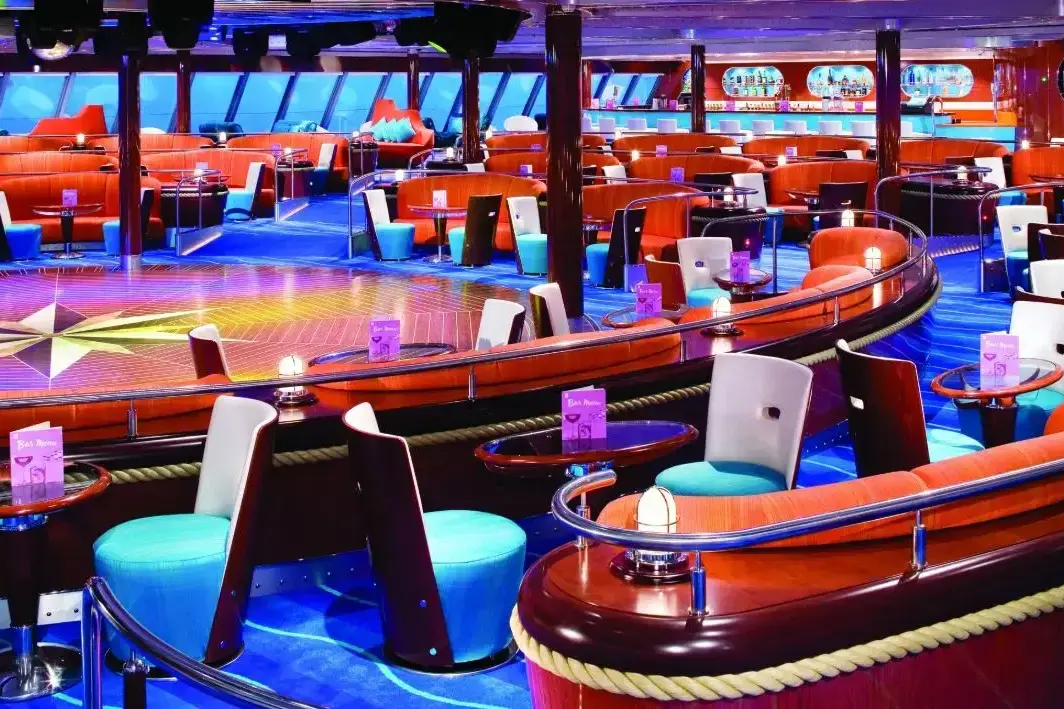
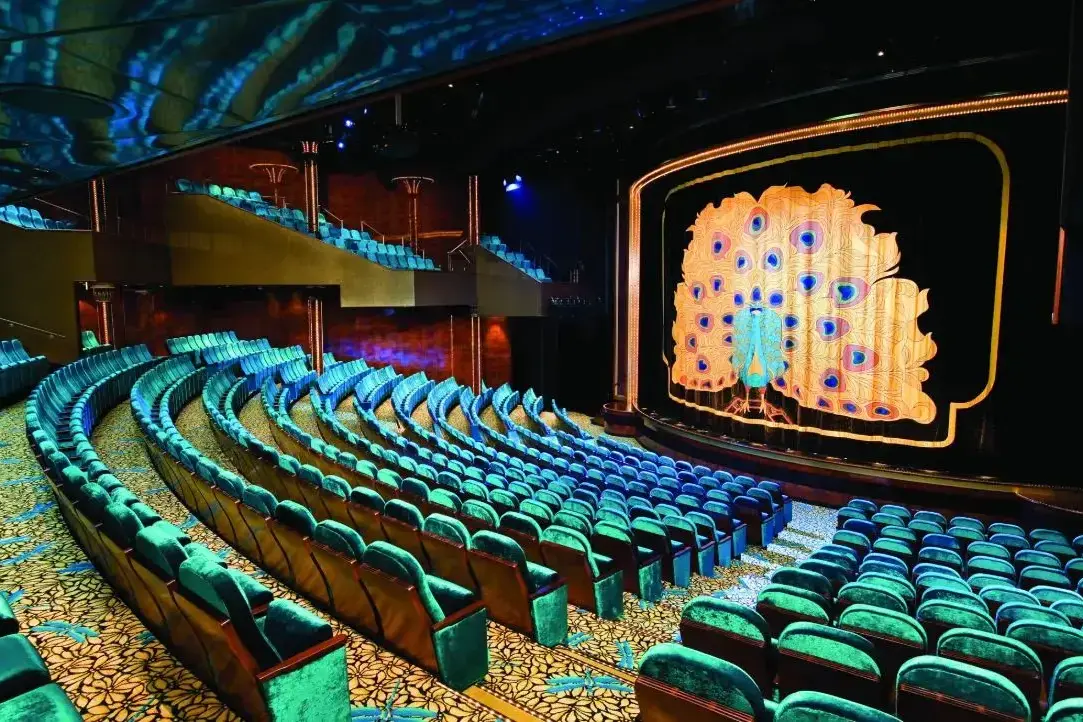
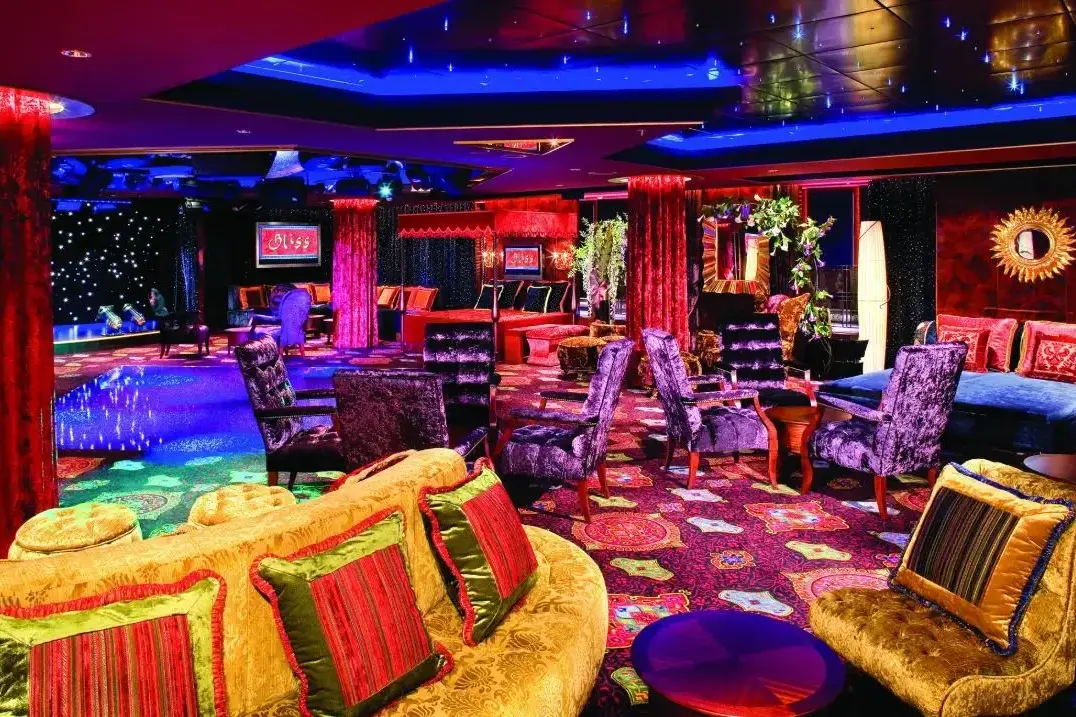
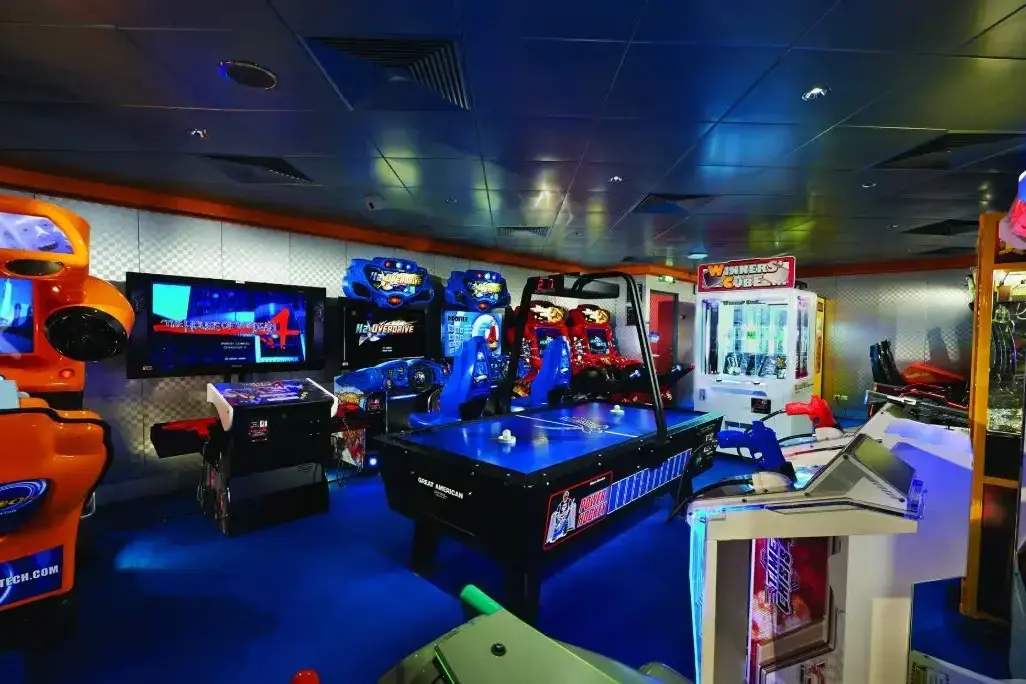
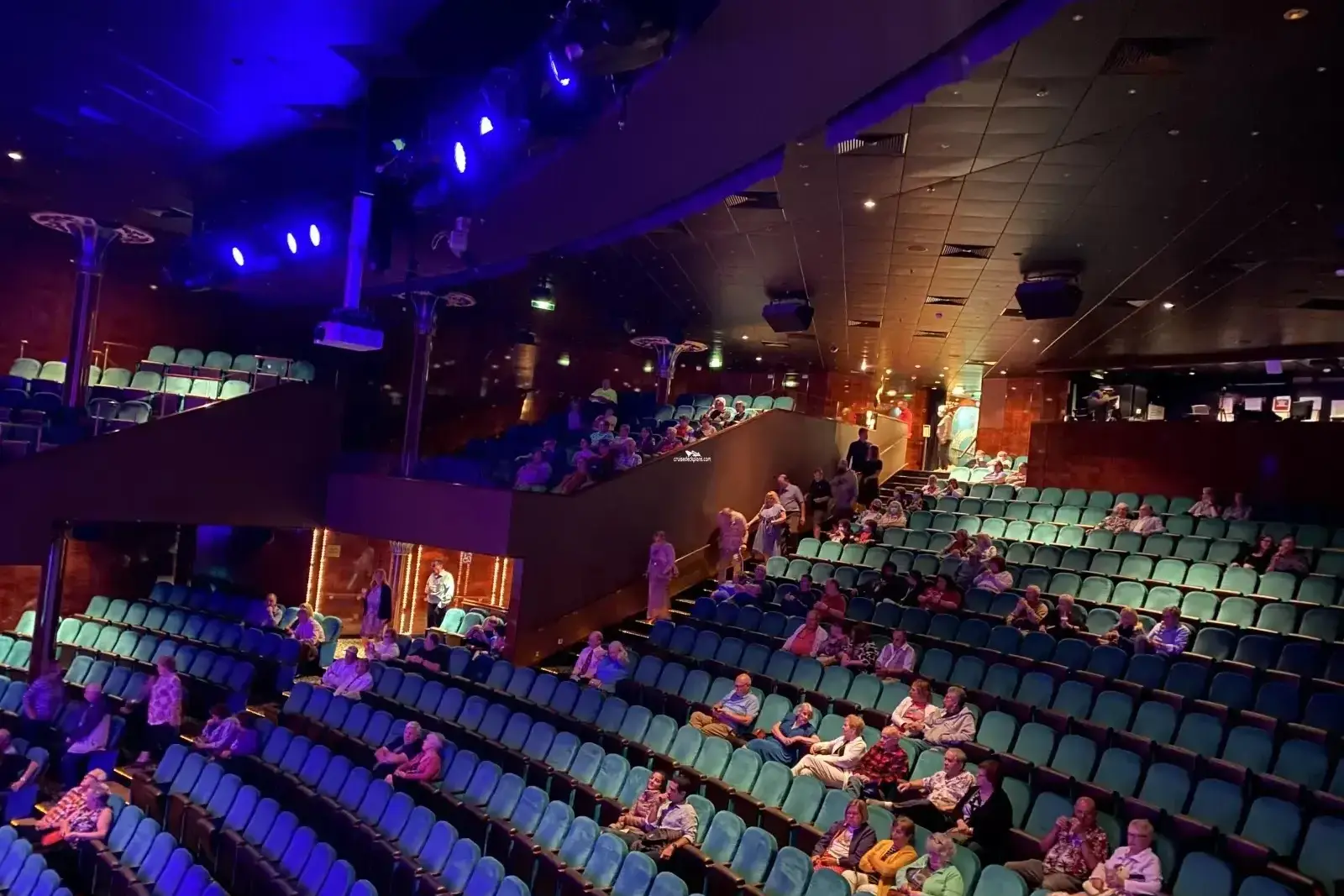
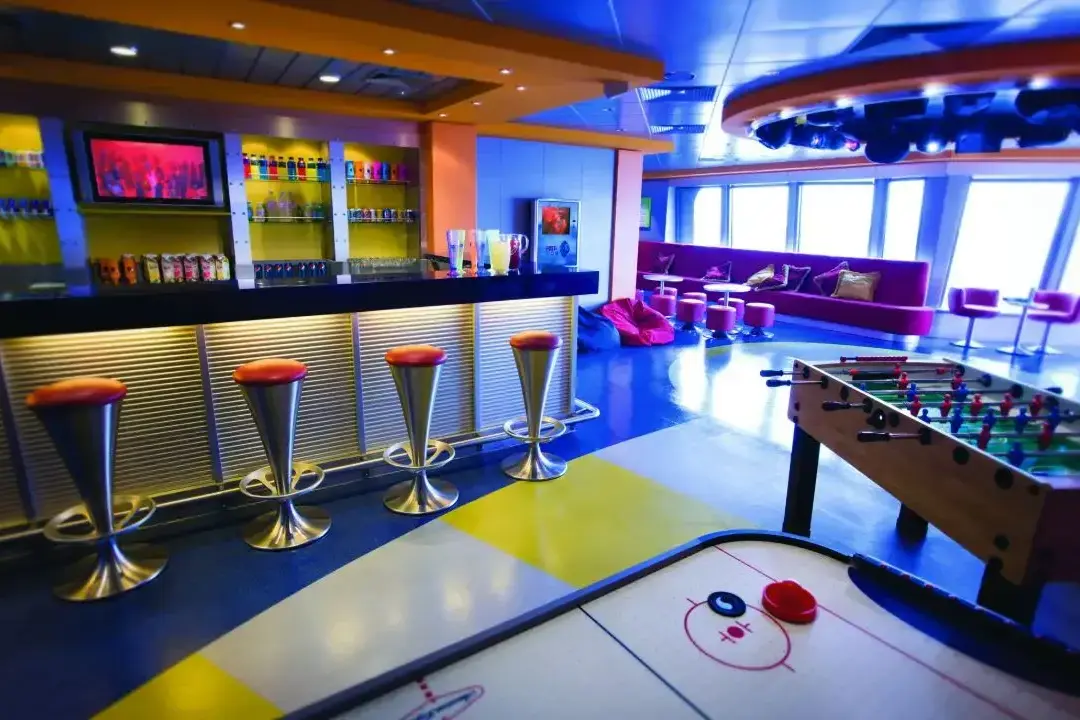
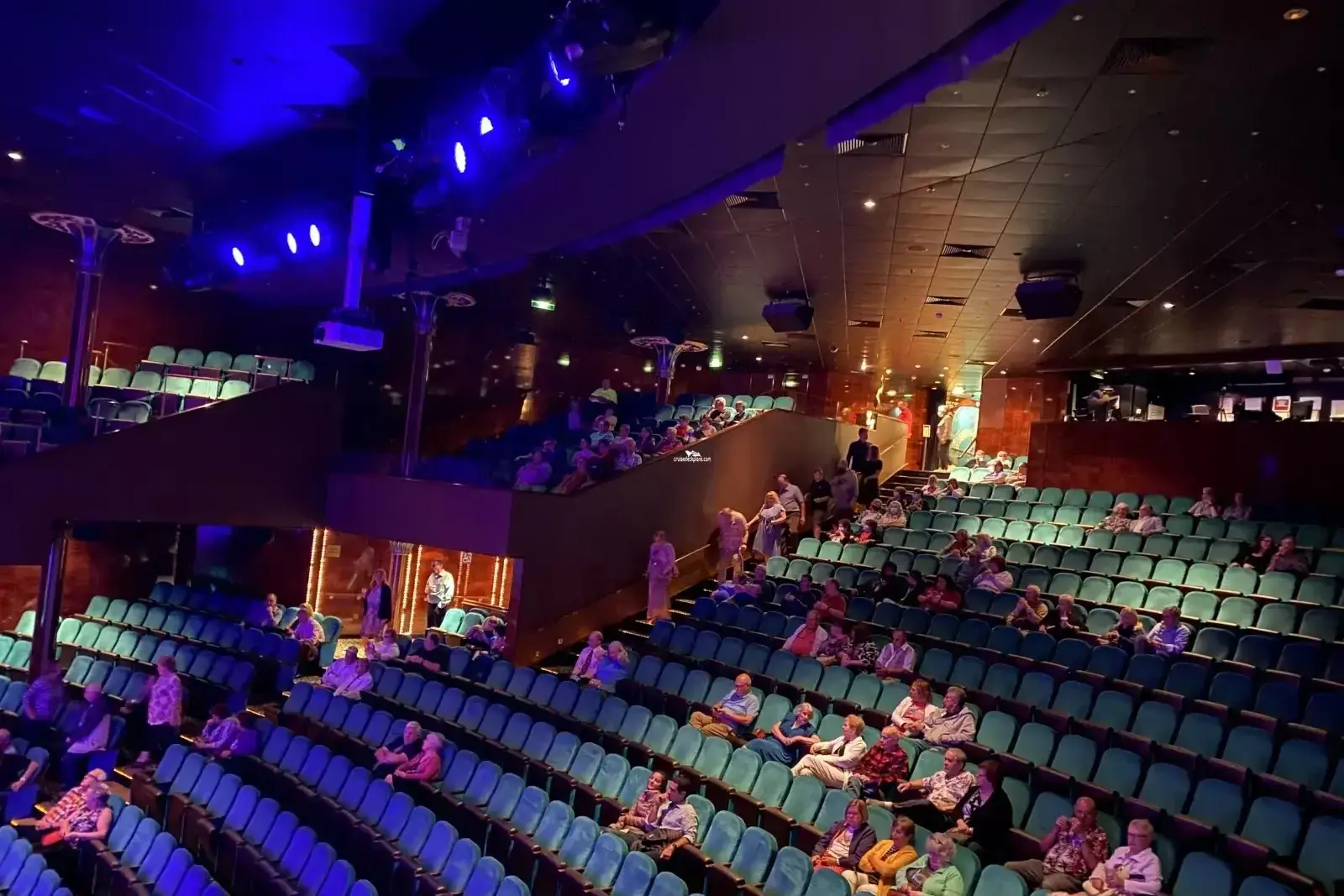
All entertainment on board (evening shows, nightclubs, live music, etc.).
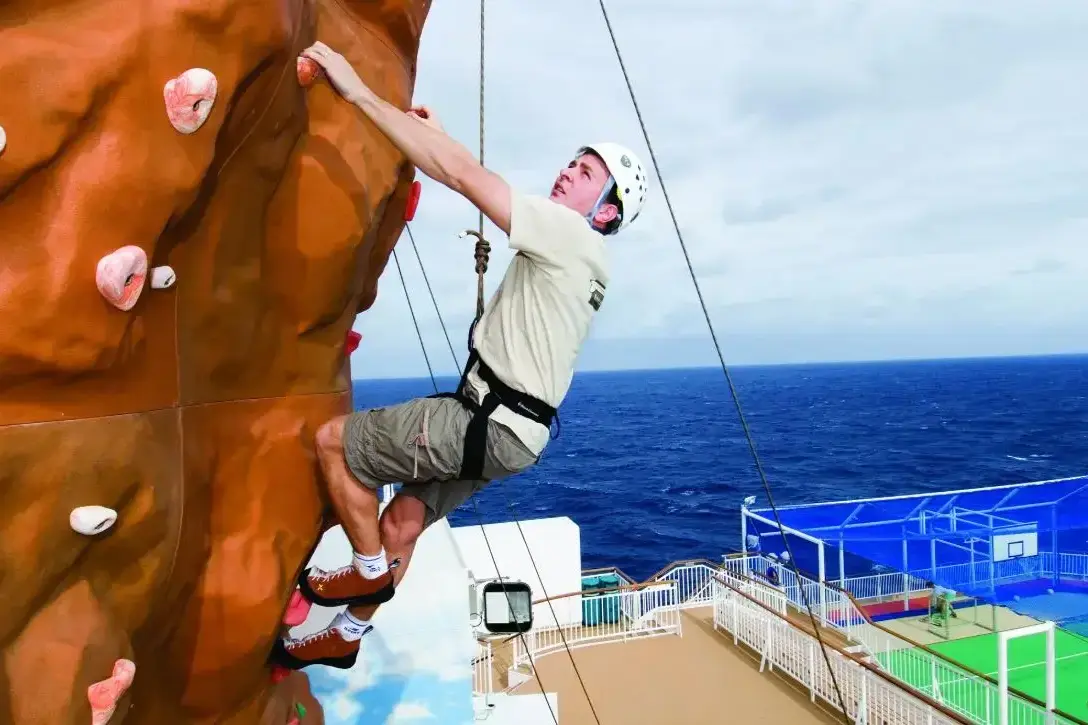
Sports activities (table tennis, basketball, tennis and golf)
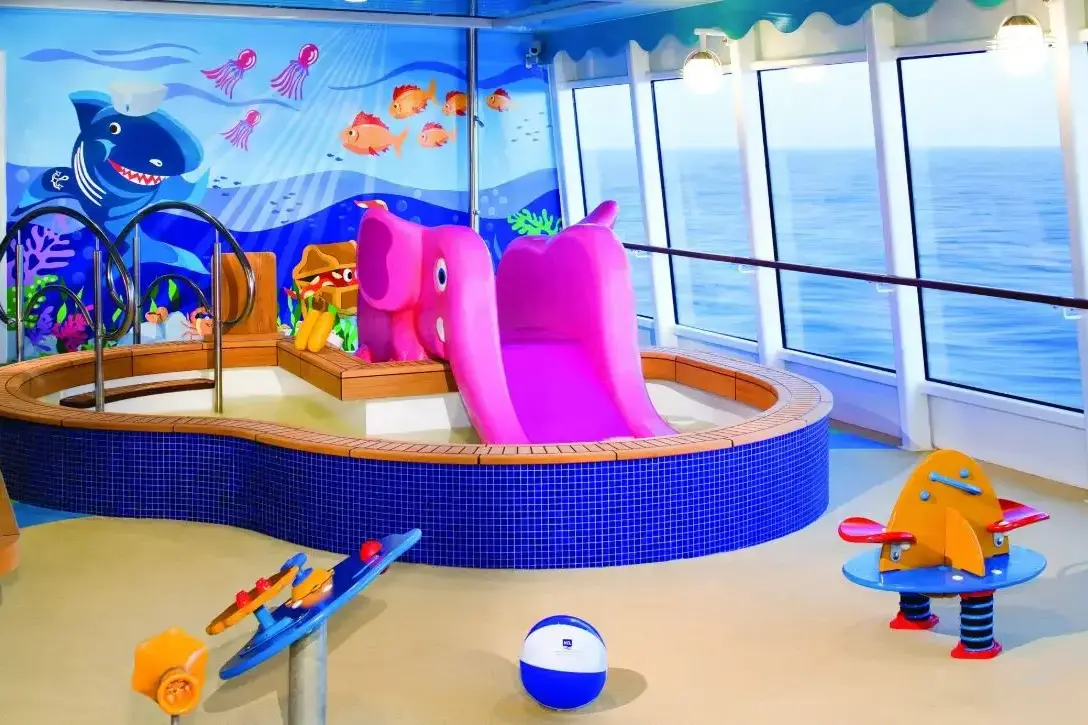
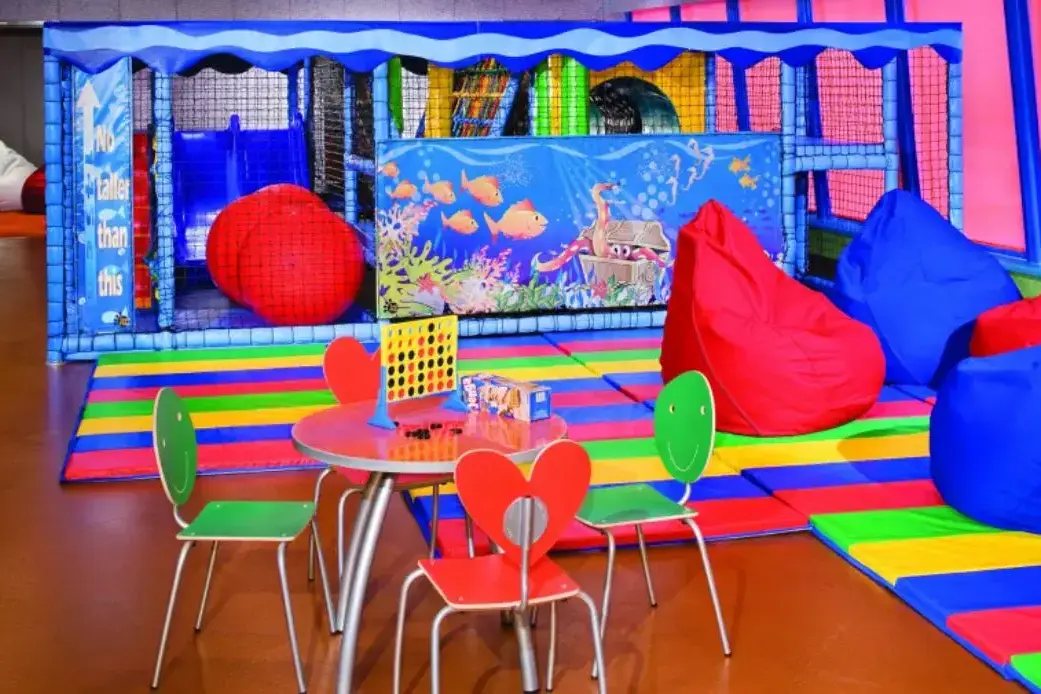
Participation of children in Children's clubs.
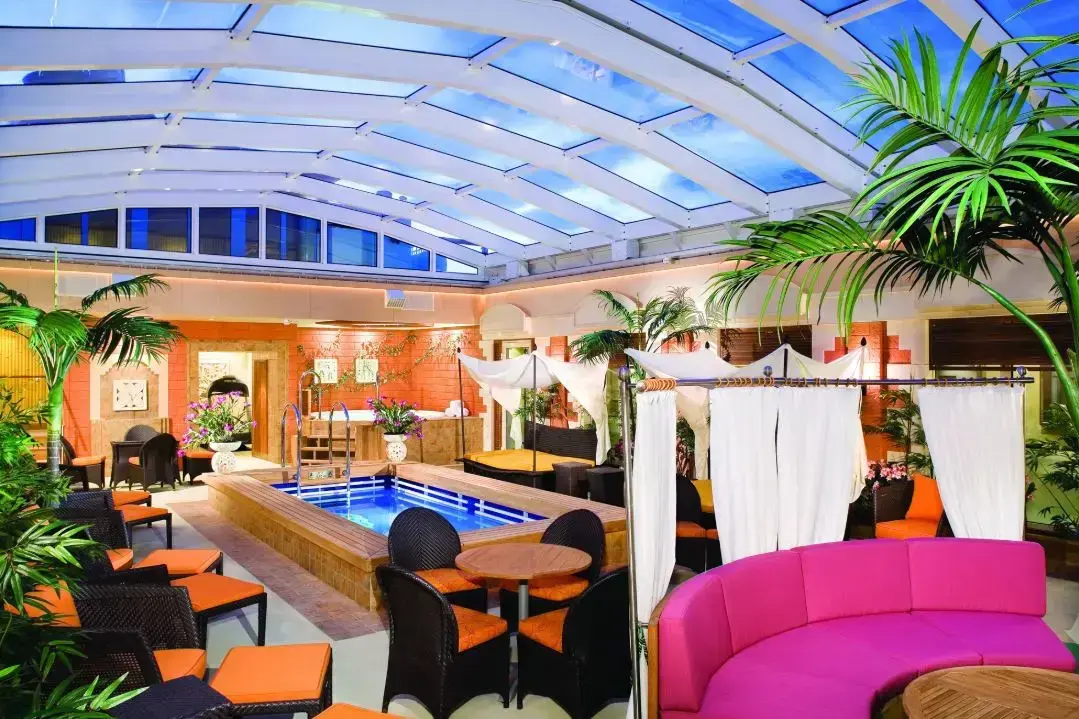
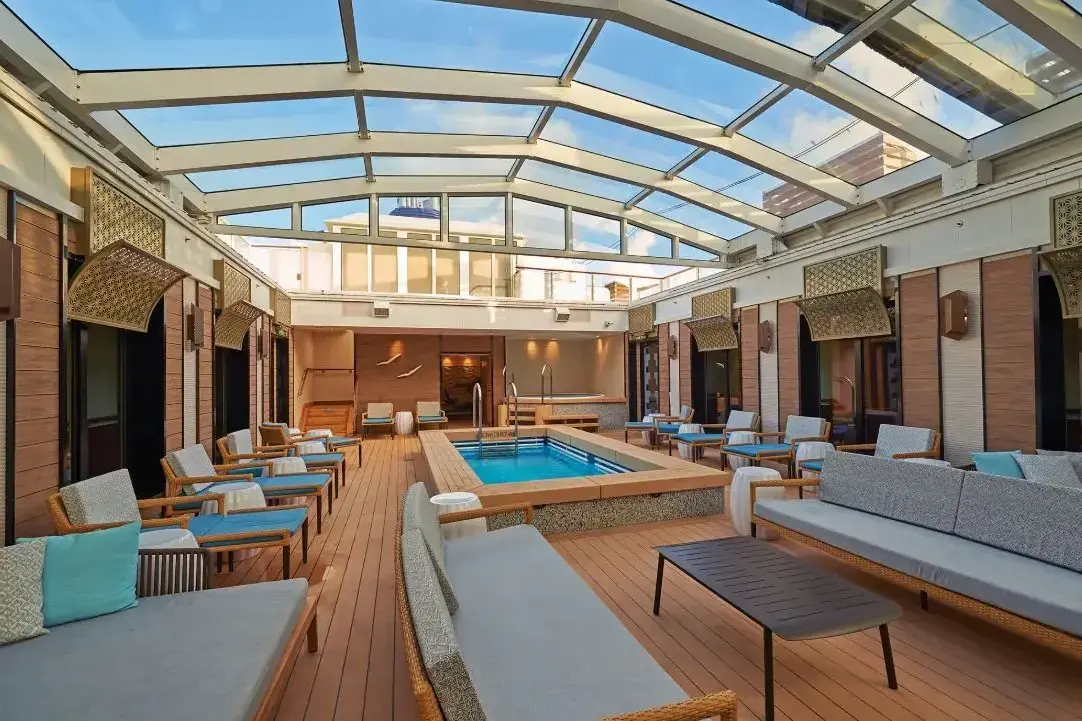
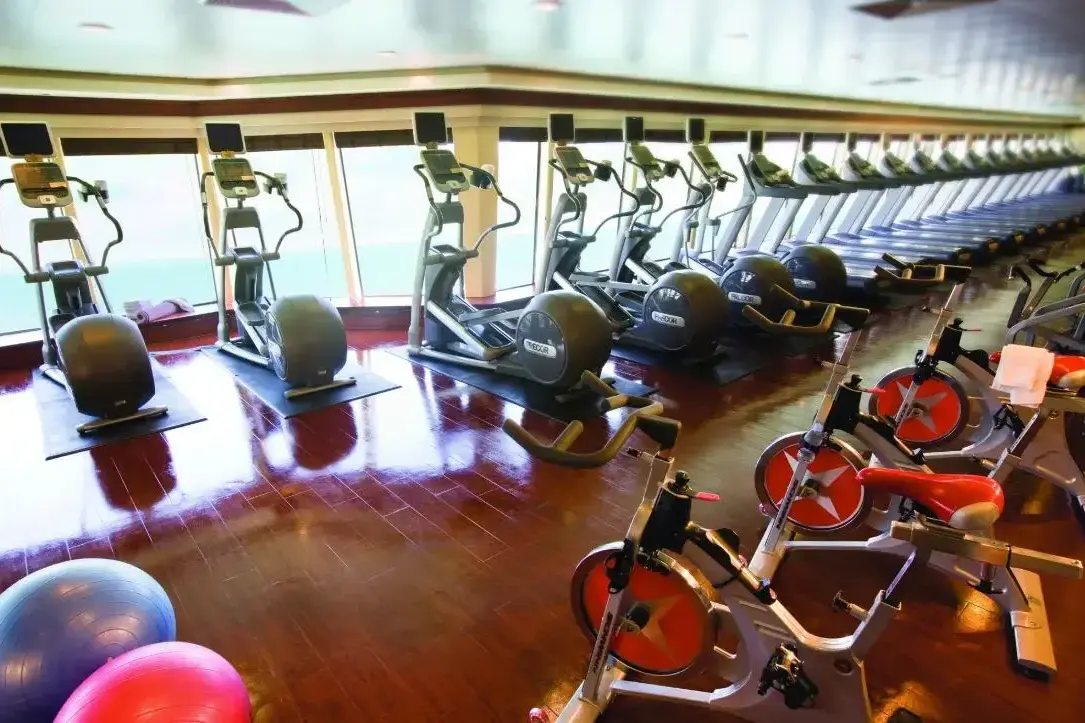
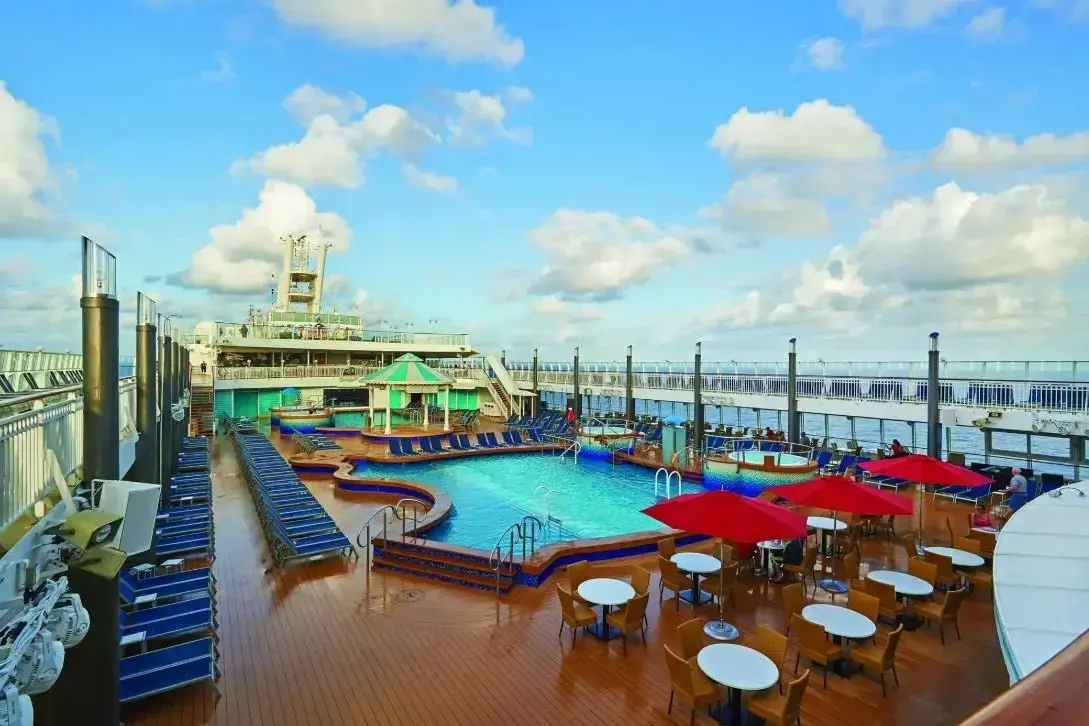
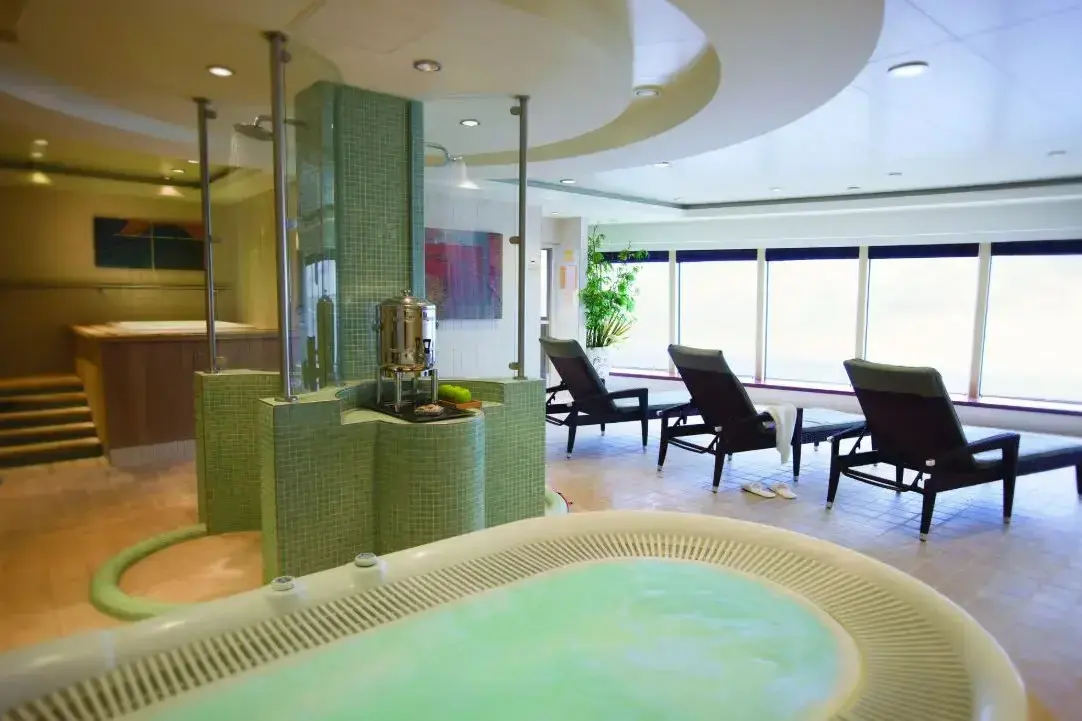
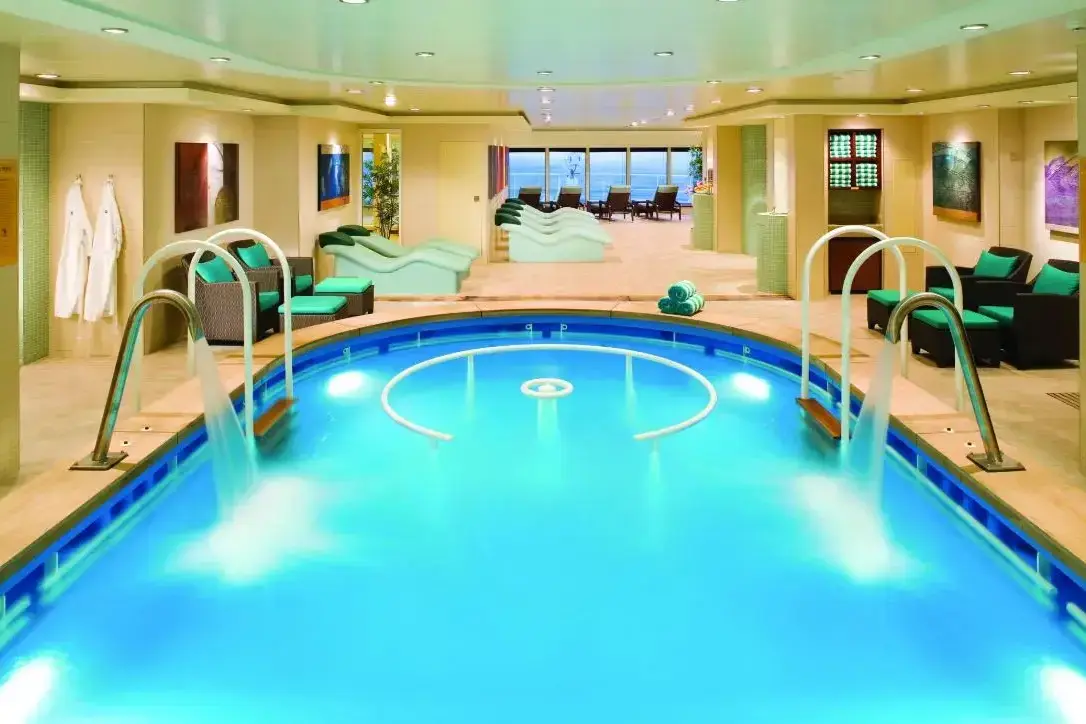
Fitness center, sports court, jogging track, swimming pools and jacuzzi.
Port fees, taxes and taxes.
For guests of Suite and Penthouse class cabins (in addition to all of the above):
Butler and concierge service.
Unpacking luggage on the day of check-in.
Champagne, liqueurs, fruits, bottled water and soda drinks (only for guests of Garden Villas and Owner`s Suites)
Champagne, bottled water and fruit on planting day.
Food delivery to the cabin 24 hours.
Minibar and Espresso/Cappuccino machine.
Pillow menu.
Bathrobe and slippers.
Priority check-in for the ship.
Escort to your cabin on check-in day.
Private transfer from port to airport (Garden Villas guests only).
Additional charge
Tips for staff (included in the bill and paid at the end of the cruise): $20 per guest per day (for guests aged 3 and above) for Studio, Inside, View, Balcony and Club Balcony Suites; $25 per guest per day (for guests aged 3 and above) for The Haven Suites.
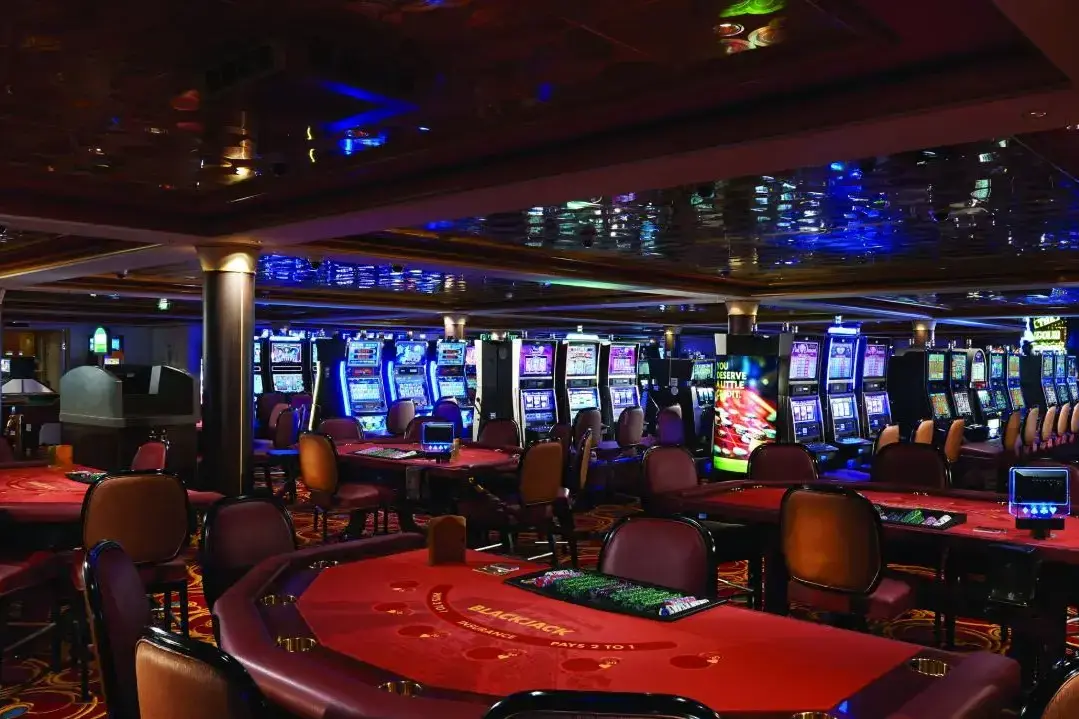
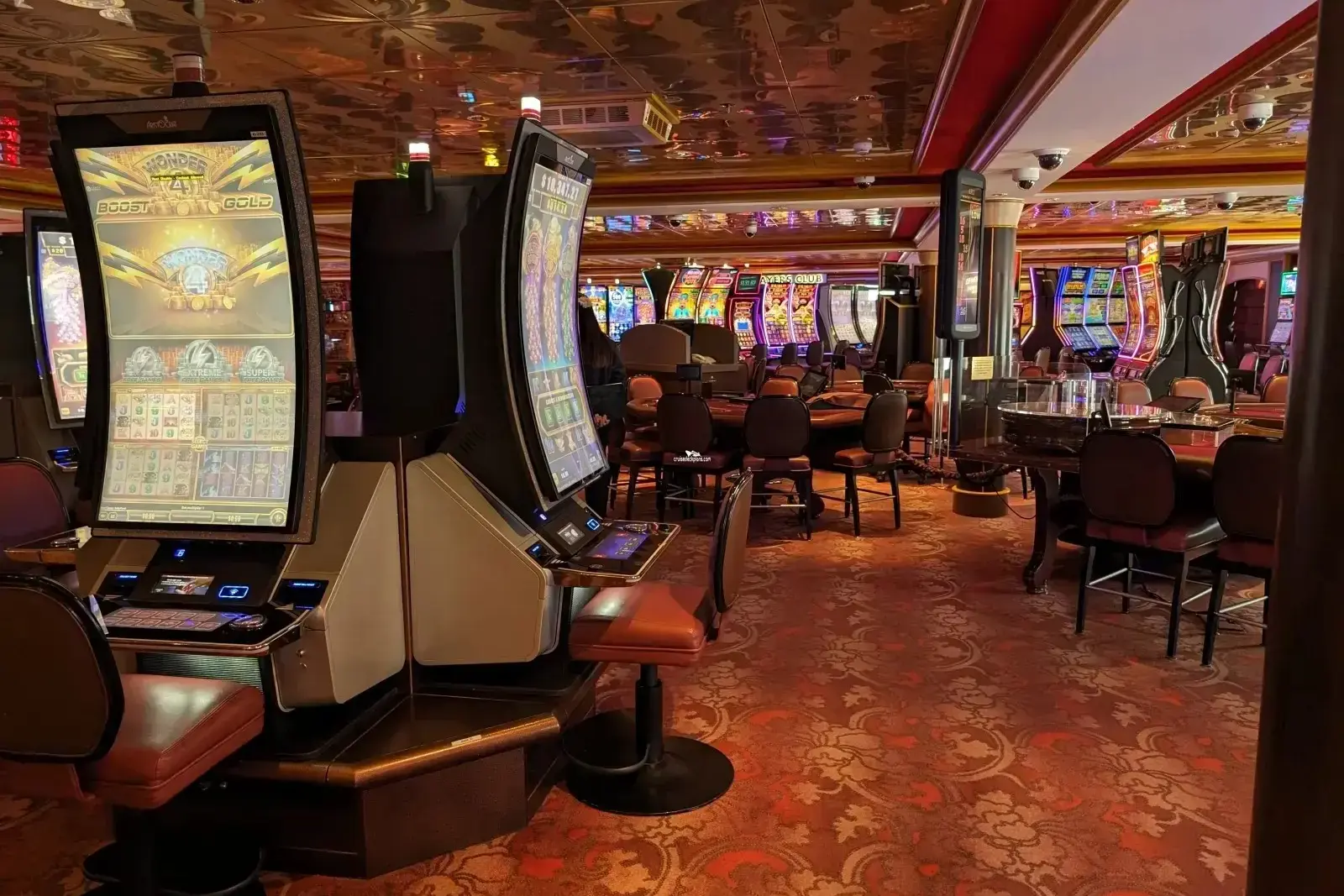
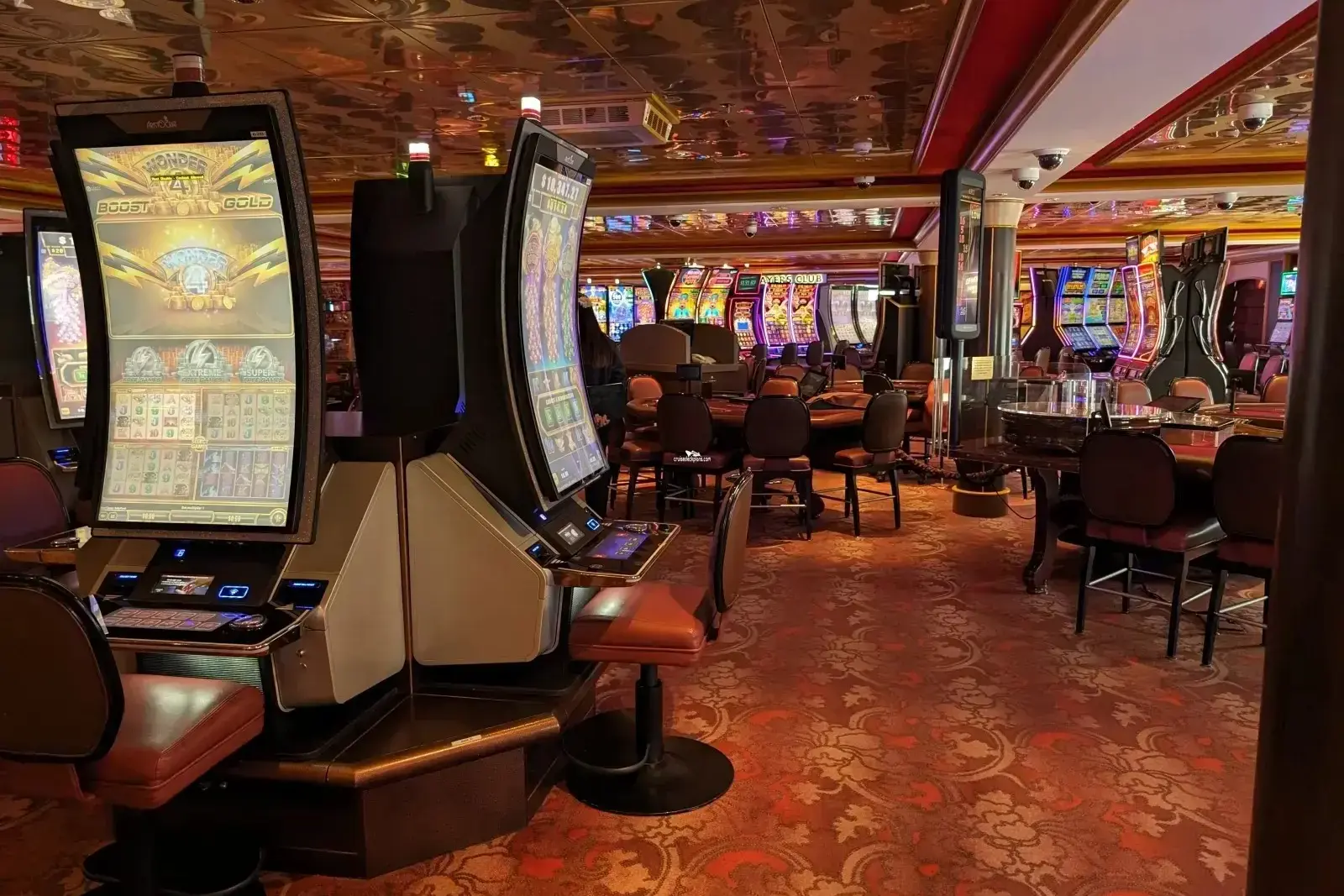
Casino, telephone, internet, video games.
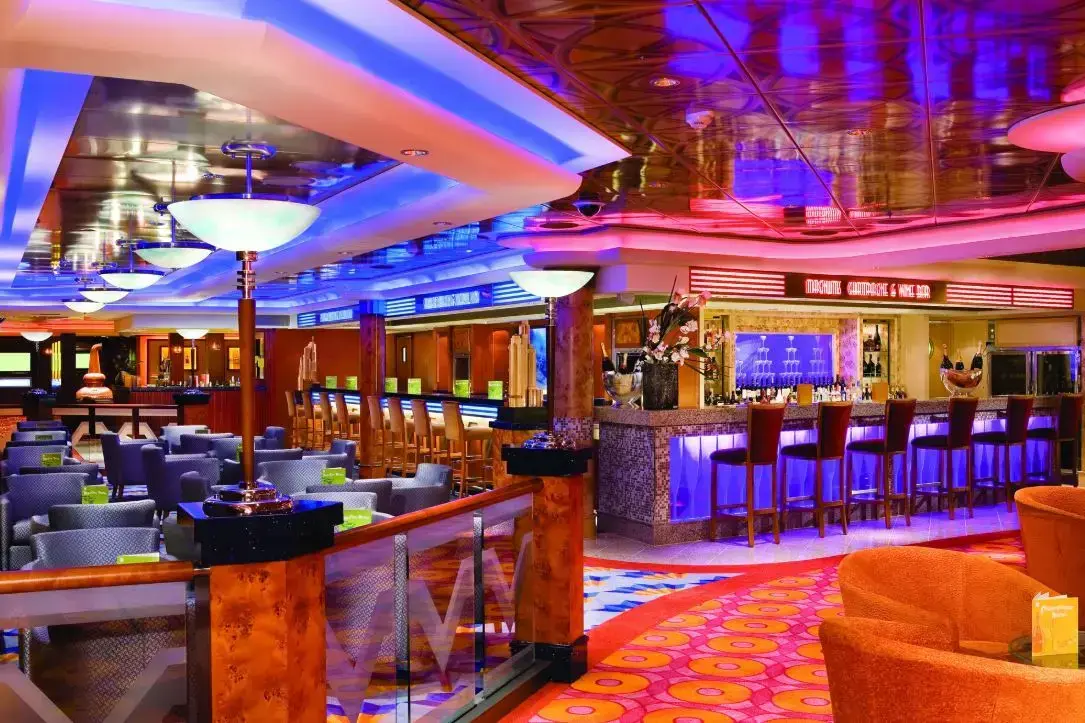
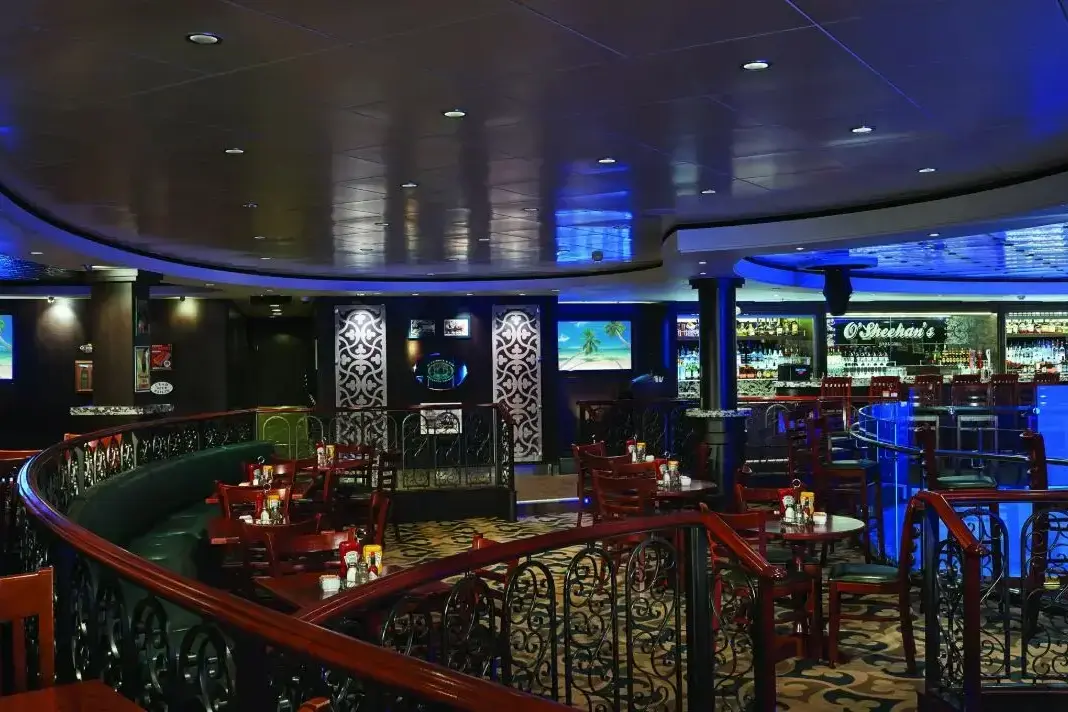
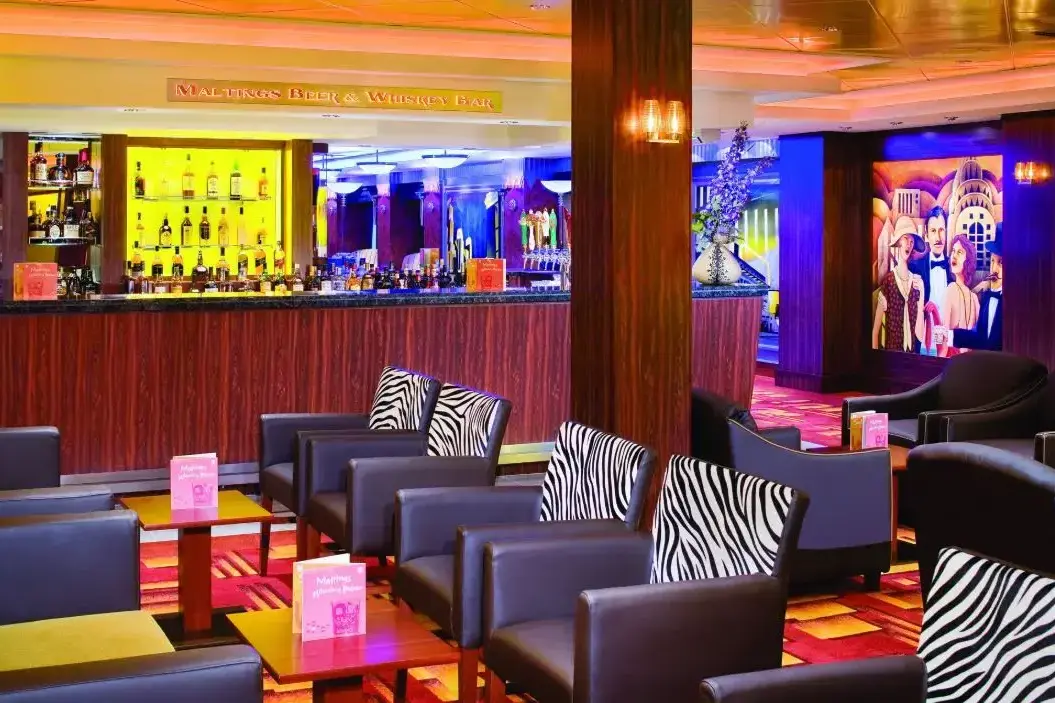
Alcoholic and some non-alcoholic drinks.
Karaoke.
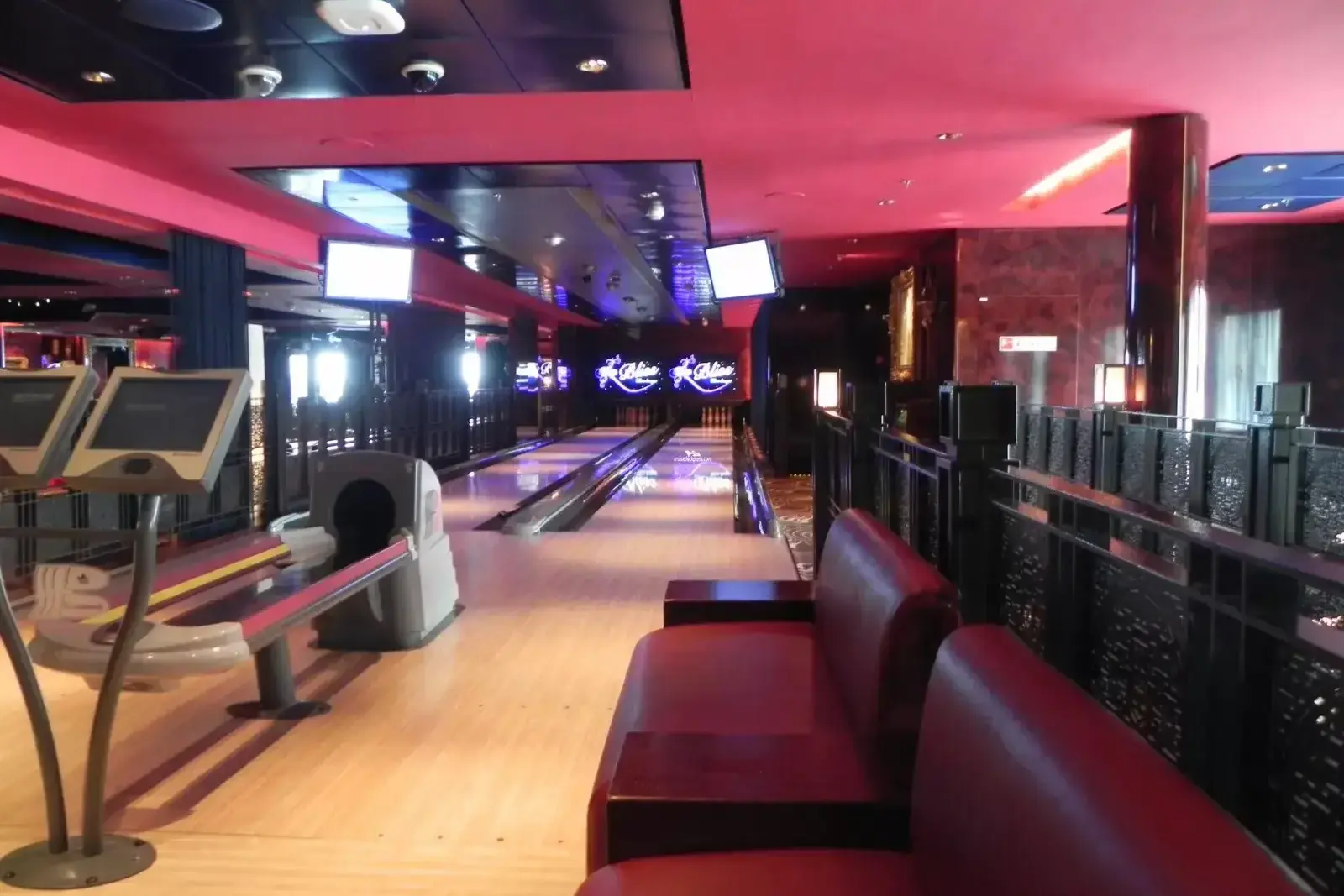
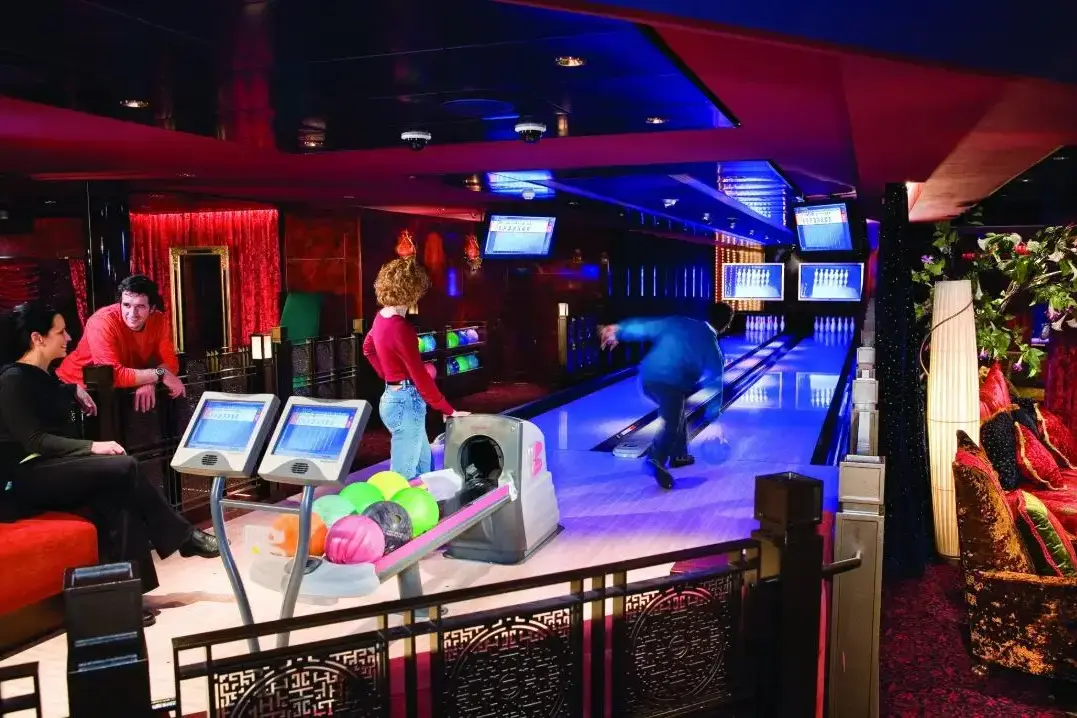
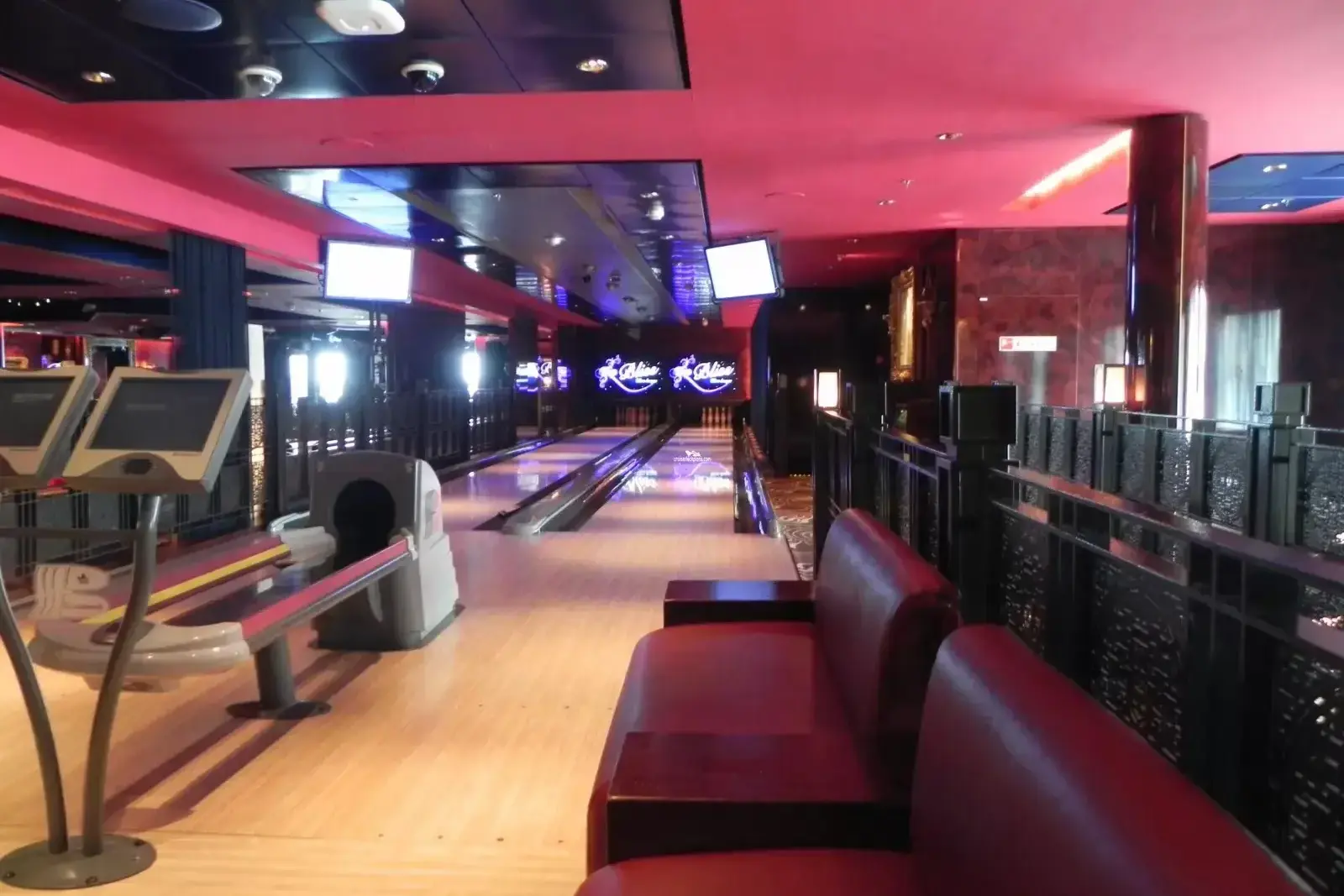
Bowling.
Laundry service.
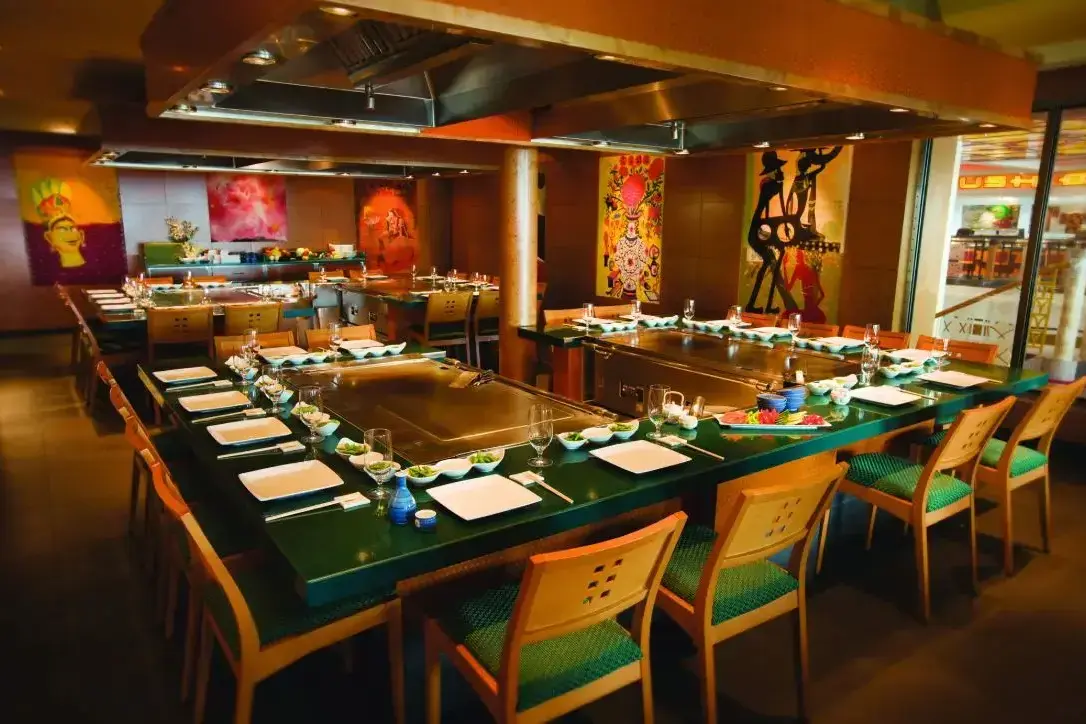
Booking tables at alternative restaurants.
Registration of entry visas along the route.
Medical insurance.
Non-departure insurance (optional).
Air travel and transfers.
Excursions at ports of call.
Minibar in the cabin.
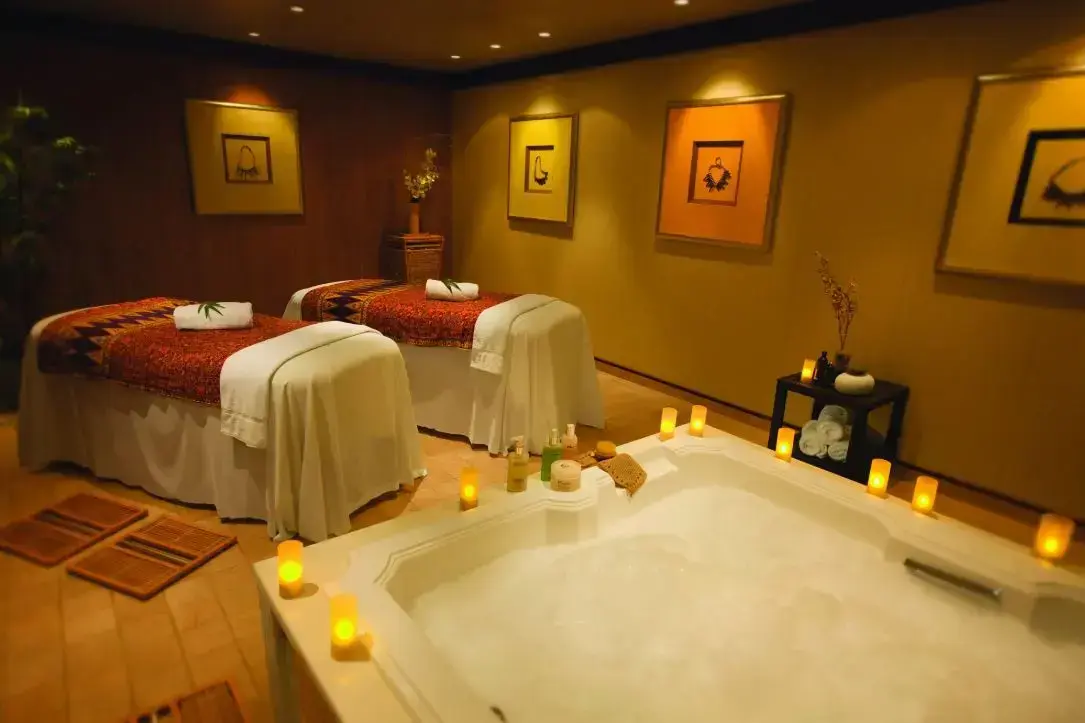
Personal services on board (SPA, beauty salon, laundry).
NORWEGIAN CRUISE LINE DRINK PACKAGES
Beverages are not included in the basic fare of Norwegian Cruise Line cruises.
The price includes only tea, coffee, water and juice from the machines in the buffet area. Other drinks, including minibar, water in restaurants, coffee not from a machine, etc. - for an additional fee.
Some guests who have added the Free at Sea package when booking have the opportunity to use the Premium Beverage Package during the cruise.
PREMIUM BEVERAGE PACKAGE - $109/person/day
A wide selection of premium alcoholic and non-alcoholic beverages both on board and ashore (during the visit to the private island of NCL Great Stirrup Cay). The package includes:
• select high-quality cocktails and alcoholic beverages, priced up to $15 per glass;
• a variety of beer and wine by the glass, valued at up to $15 per glass;
• 20% discount on bottled wine and champagne;
• unlimited soft drinks and juices.
Please note! This beverage package must be purchased for all guests in the cabin aged 21 and over. Guests in the cabin aged 21 and under must purchase the Unlimited Soda Package.
Please note! At the end of the cruise, guests will be charged a 20% service charge for beverage service. This service charge will not be added for guests using the Free at Sea package
PREMIUM PLUS (aged 21 and over) - $138 /person/day
The widest selection of beverages on board. Also valid on the private island of Great Stirrup Cay. Includes:
• all cocktails and alcoholic beverages;
• all beer, champagne, wine by the glass;
• all premium bottled wines and champagnes at a discount of -40%;
• unlimited soft drinks and juices;
• unlimited sparkling and still bottled drinks;
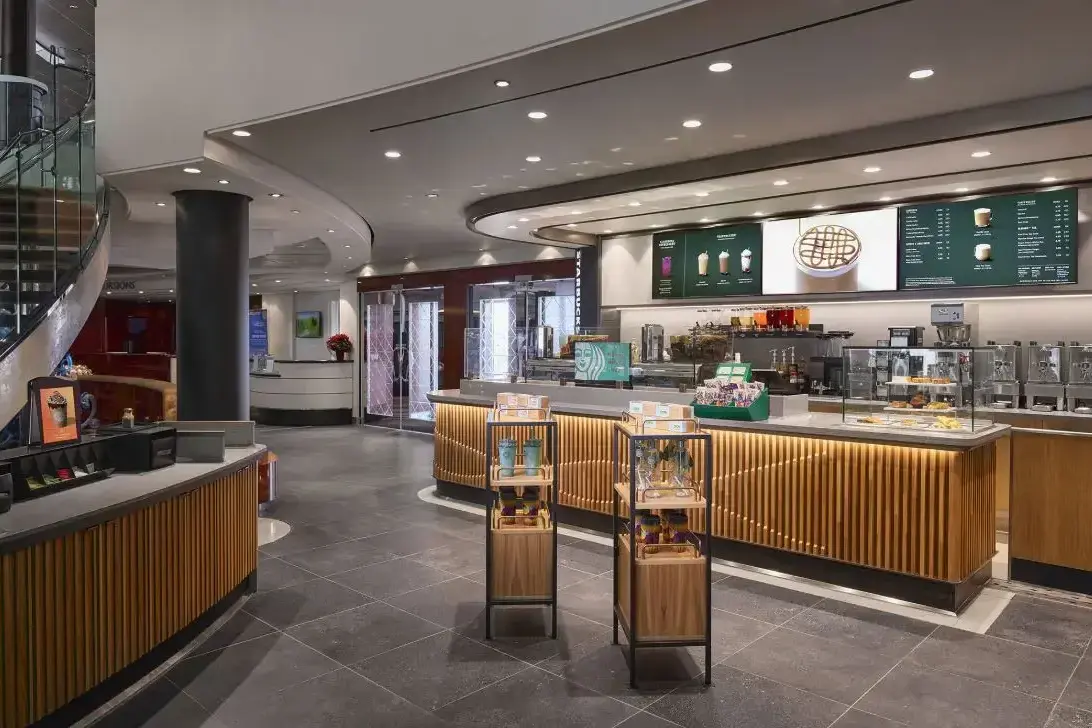
• all types of coffee and Starbucks ® specialty drinks;
• energy drinks.
Please note! The Premium Plus beverage package is available for upgrading to the Unlimited Open Bar package if you purchase a cruise under the Free at Sea system.
Important! This beverage package must be purchased for all guests in the cabin aged 21 and over. Guests in the cabin aged 21 and under must purchase the Unlimited Soda Package.
A 20% service charge for beverage service will be added to guests at the end of the cruise.
For guests who booked the Free at Sea package, it is possible to upgrade the package to Premium Plus for +29$/day
HAWAI BEVERAGE PACKAGE (only on Pride of America) - $109/person/day
A wide selection of drinks, costing up to $15 per glass.
The price of the package includes:
• cocktails;
• wine by the glass, beer and champagne;
• water, soft drinks;
• coffee, soda.
This drink package is only applicable on cruises on the Pride of America ship for 1-2 guests per cabin.
This drink package does not include the use of the minibar and drinks from the machines.
UNLIMITED SODA PACKAGE - $9.95/person/day
Unlimited carbonated drinks throughout the cruise. Includes:
• Coca-Cola, Diet Coke;
• Sprite;
• juices;
• ginger ale;
• tonics;
• fanta and soda.
UNLIMITED STARBUKS PACKAGE - $12.95/person/day
Unlimited drinks in Starbucks coffee shops.
Includes all branded drinks:
• coffee
• tea
• signature drinks
TERMS OF USE OF DRINK PACKAGES
Drink packages cannot be shared.
Drink packages must be purchased for all guests in the cabin. For minors (under 21 years old) when booking, it is necessary to add the Unlimited Soda Package, in case other guests purchase alcoholic drink packages.
The package cannot be purchased for 1 day, it must be purchased for the entire cruise.
If during the cruise the guest does not consume drinks on any of the days, the cost of the package is non-refundable.
Guests are entitled to 2 drinks in a single order, worth up to $15 per glass.
The cruise line reserves the right to make changes to the price of the beverage package, of which the guest will be notified in advance.
Some beverage brands listed in the flyers may not be available during sailing in a certain region or on a specific ship (for example, Starbucks coffee shops are not available on all Norwegian Cruise Line ships).
A 20% service charge will be automatically added to the guest's bill at the end of the cruise. Does not apply if the cabin is booked under the Free at Sea concept.
Payment Terms
To confirm your booking, a minimum deposit of 30% of the trip cost is required.
Final payment must be made no later than 90 days before the cruise departure.
The deposit or full payment must be made immediately after the booking is created, according to the payment terms. Payment can be made by invoice or using the following credit cards: American Express, MasterCard, and Visa. When paying by card, we require the following details: card number, cardholder's name, card expiration date, cardholder's postcode, and the three-digit security code on the back of the card.
Cruise Cancellation Policy
Period Before Departure Cancellation Fee
More than 29 days 20%
28 - 15 days 50%
14 - 8 days 75%
7 days or less+ 95%
The following cancellation fees will apply for confirmed Cruisetours packages:
Period Before Departure Cancellation Fee
More than 29 days 20%
28 days less+ 95%
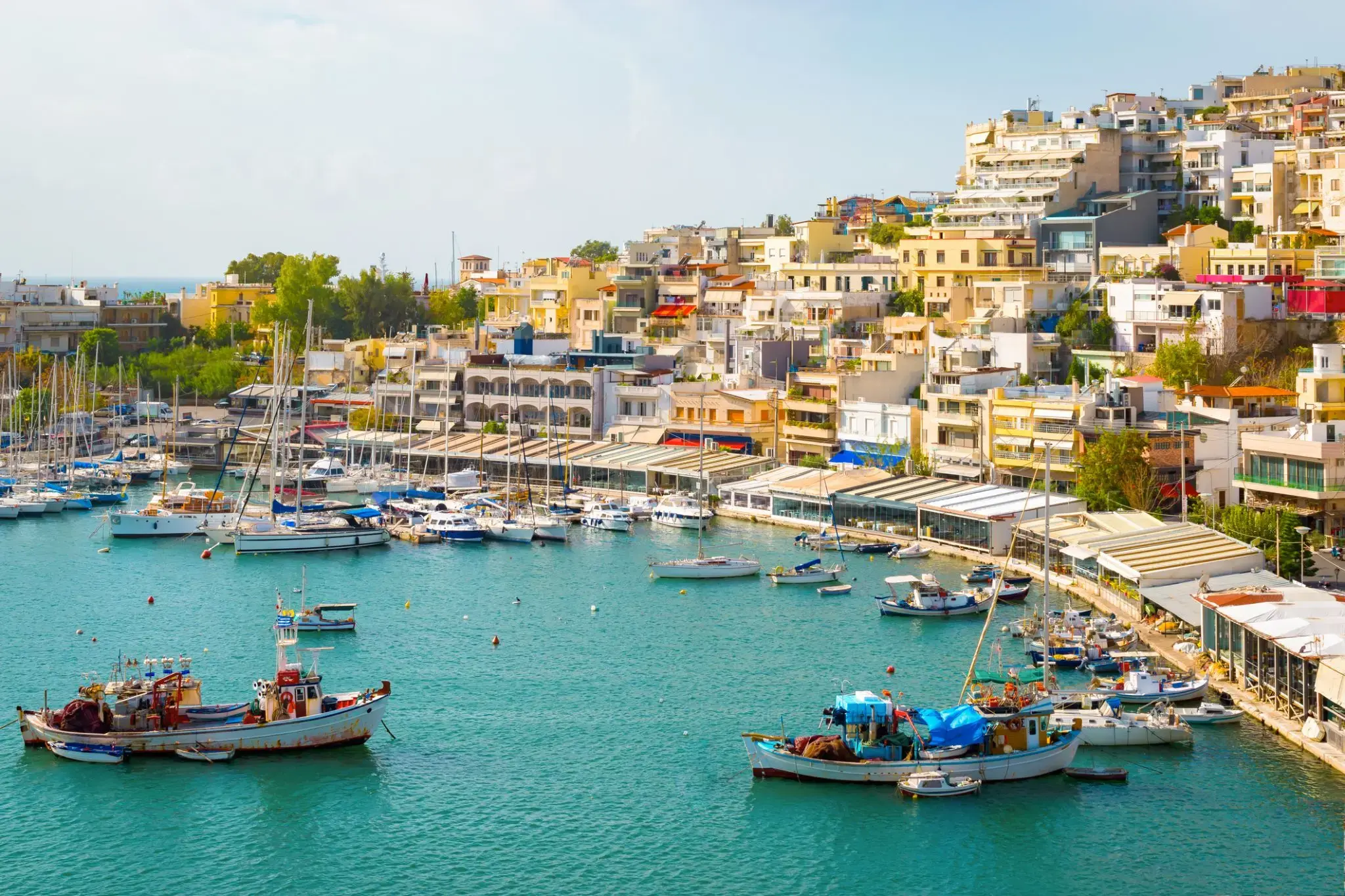
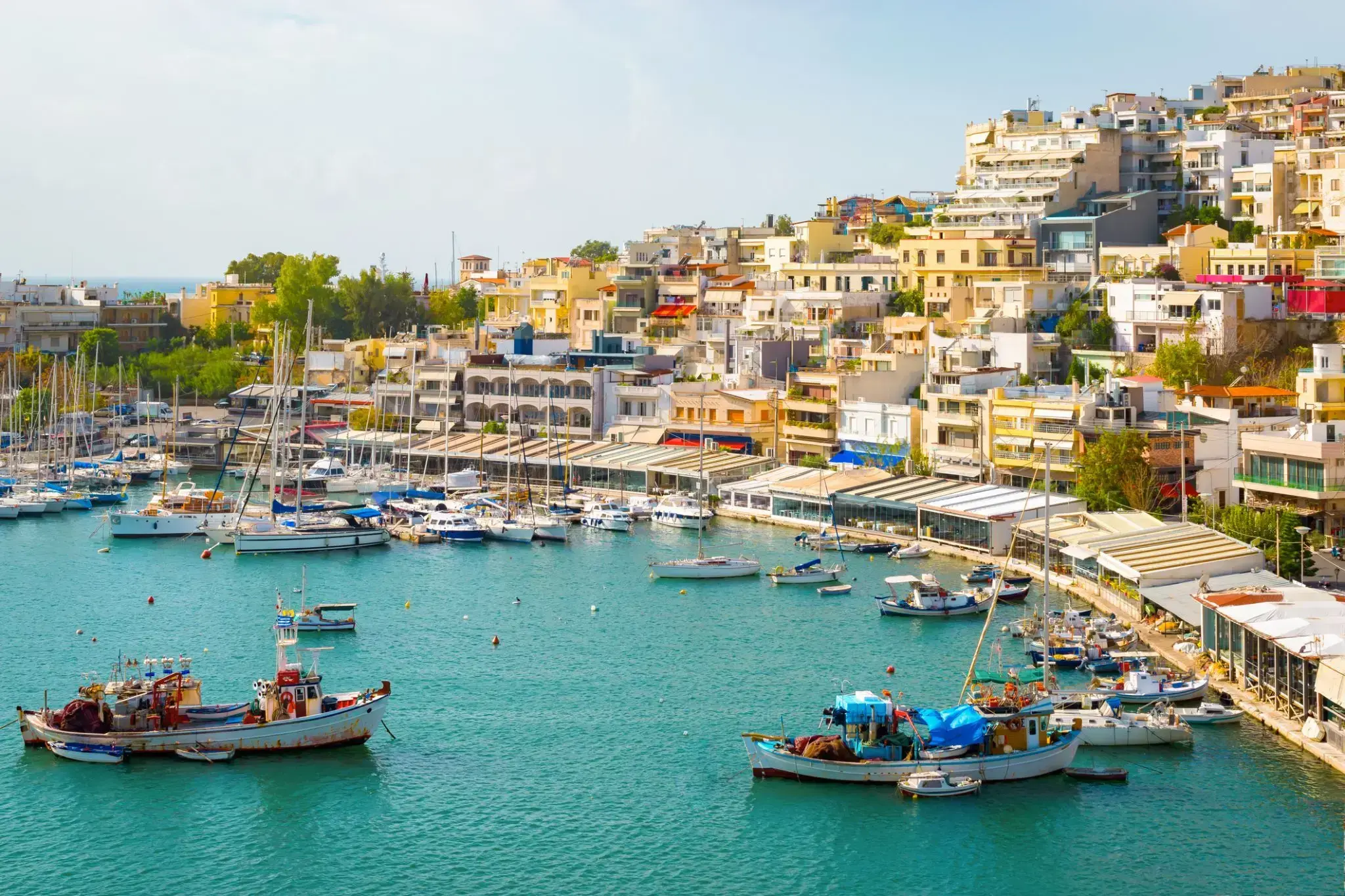
Piraeus is the gateway to Athens , which, in turn, is rightfully considered the center of the centers of the whole world, with the main attraction - the acropolis. Piraeus is an old port city serving the port of Athens, the largest port in Greece to date. Piraeus is part of the great Athens, which boasts an abundance of attractions, including unique monuments of national fine art. More than two hundred museums and galleries, including the University History Museum, the Ceramics Archaeological Museum and many others, will hospitably welcome you within their walls and familiarize themselves with the culture of this area.
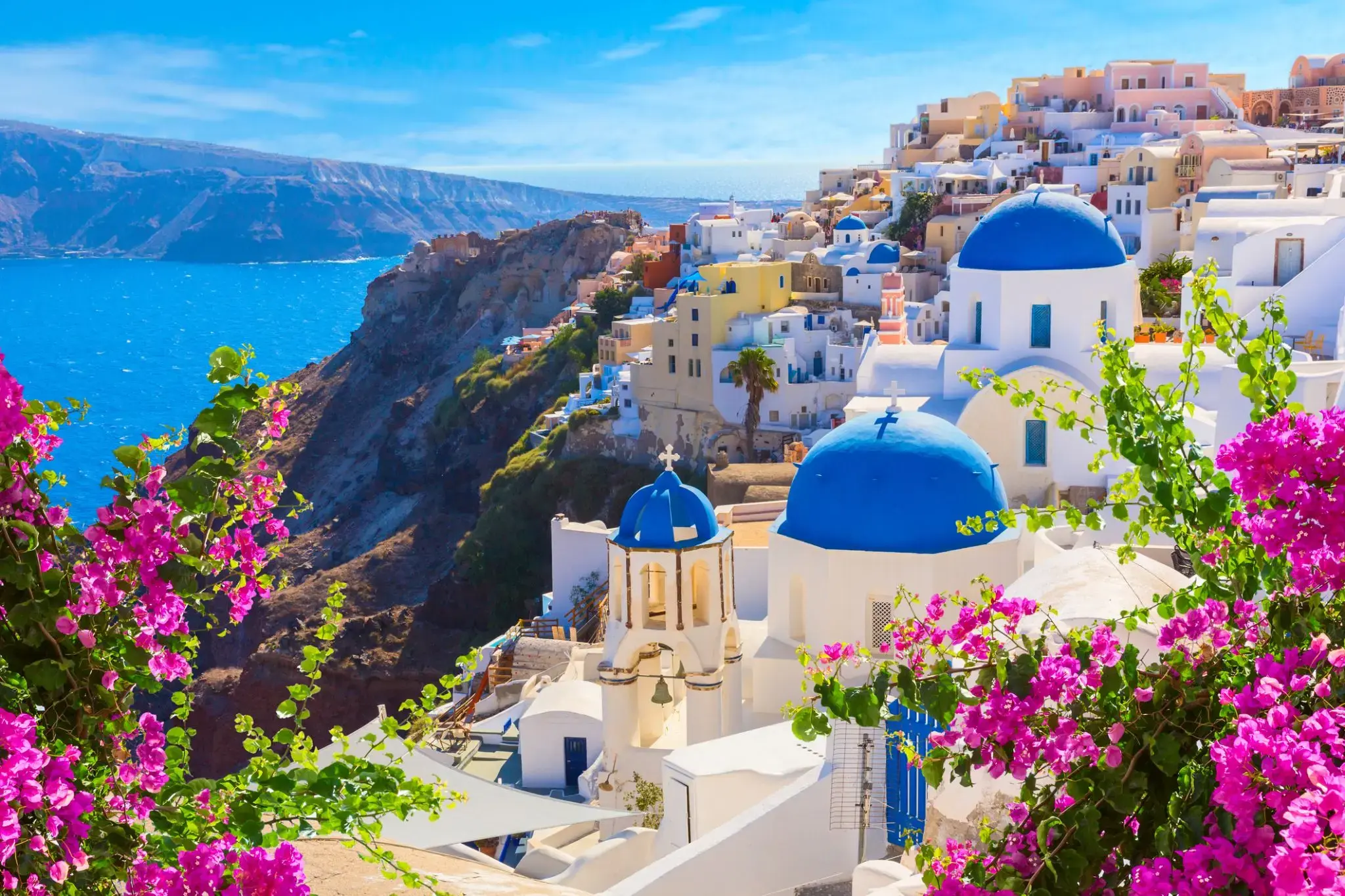
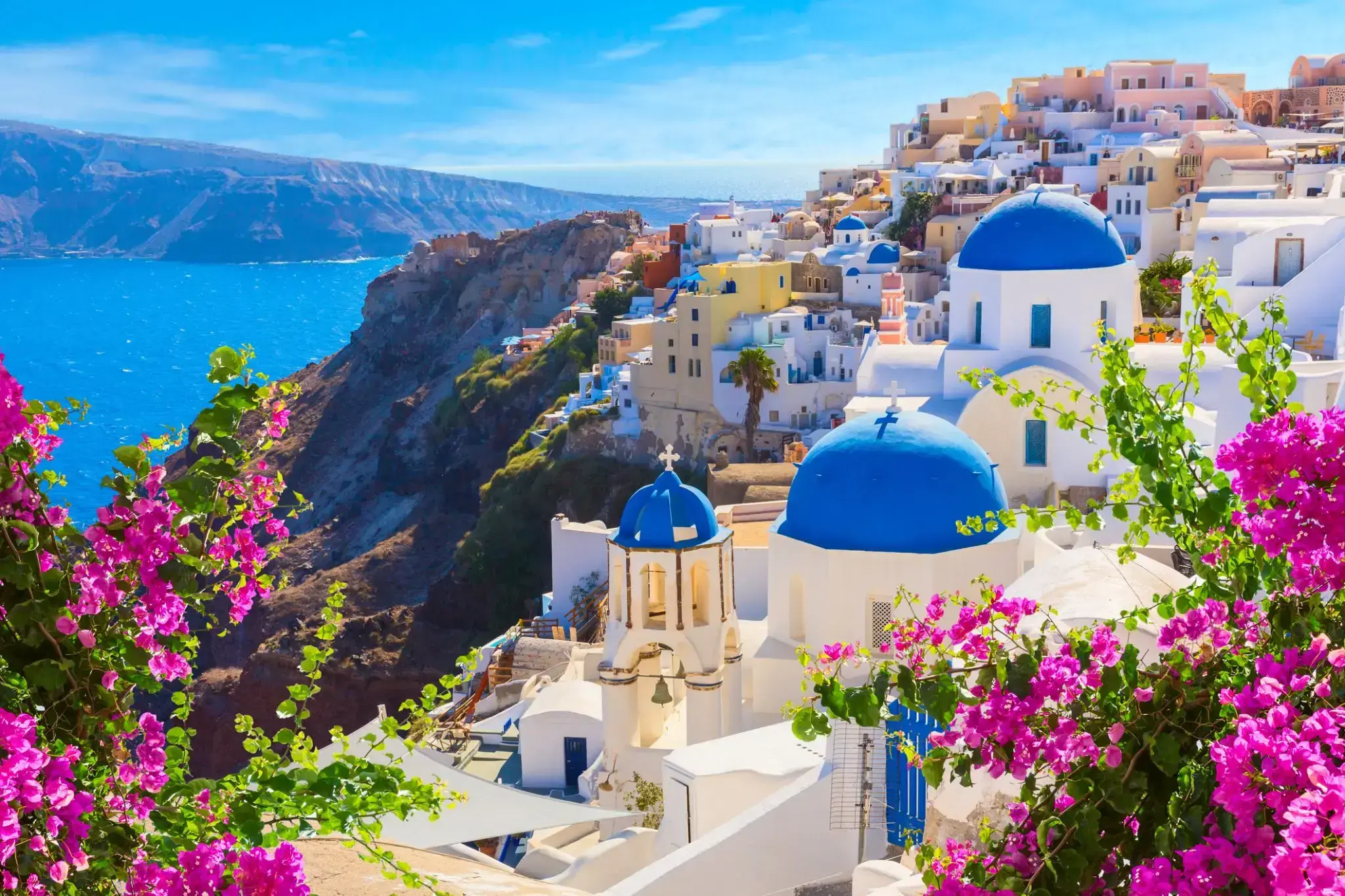
Santorini, classically Thera, and officially Thira, is an island in the southern Aegean Sea, about 200 km (120 mi) southeast of Greece's mainland. It is the largest island of a small, circular archipelago, which bears the same name and is the remnant of a volcanic caldera. It forms the southernmost member of the Cyclades group of islands, with an area of approximately 73 km2 (28 sq mi) and a 2011 census population of 15,550. The municipality of Santorini includes the inhabited islands of Santorini and Therasia and the uninhabited islands of Nea Kameni, Palaia Kameni, Aspronisi, and Christiana. The total land area is 90.623 km2 (34.990 sq mi).Santorini is part of the Thira regional unit.
The island was the site of one of the largest volcanic eruptions in recorded history: the Minoan eruption(sometimes called the Thera eruption), which occurred about 3,600 years ago at the height of the Minoan civilization. The eruption left a large caldera surrounded by volcanic ash deposits hundreds of metres deep. It may have led indirectly to the collapse of the Minoan civilization on the island of Crete, 110 km (68 mi) to the south, through a gigantic tsunami. Another popular theory holds that the Thera eruption is the source of the legend of Atlantis.
It is the most active volcanic centre in the South Aegean Volcanic Arc, though what remains today is chiefly a water-filled caldera. The volcanic arc is approximately 500 km (310 mi) long and 20 to 40 km (12 to 25 mi) wide. The region first became volcanically active around 3–4 million years ago[citation needed], though volcanism on Thera began around 2 million years ago with the extrusion of dacitic lavas from vents around the Akrotiri.
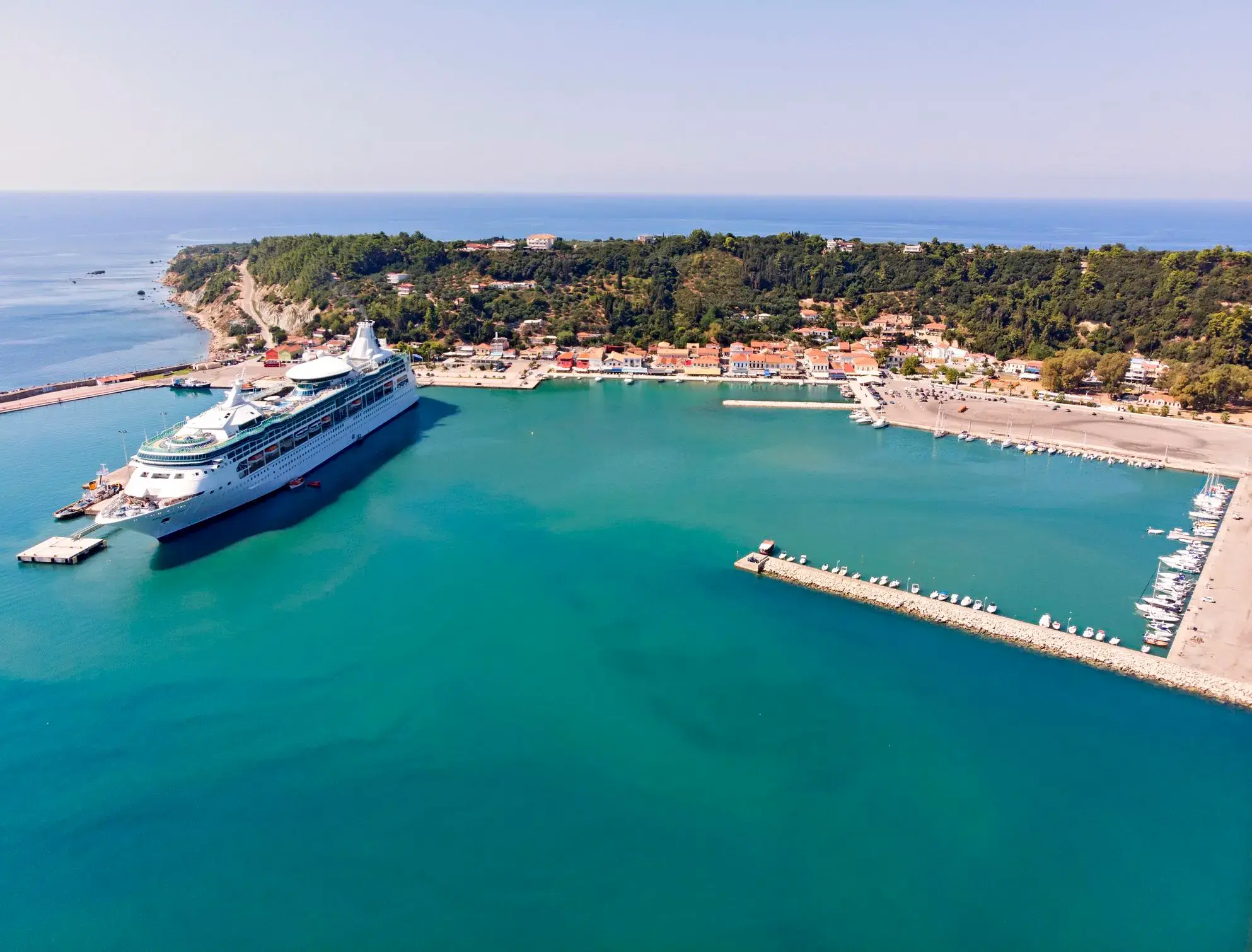
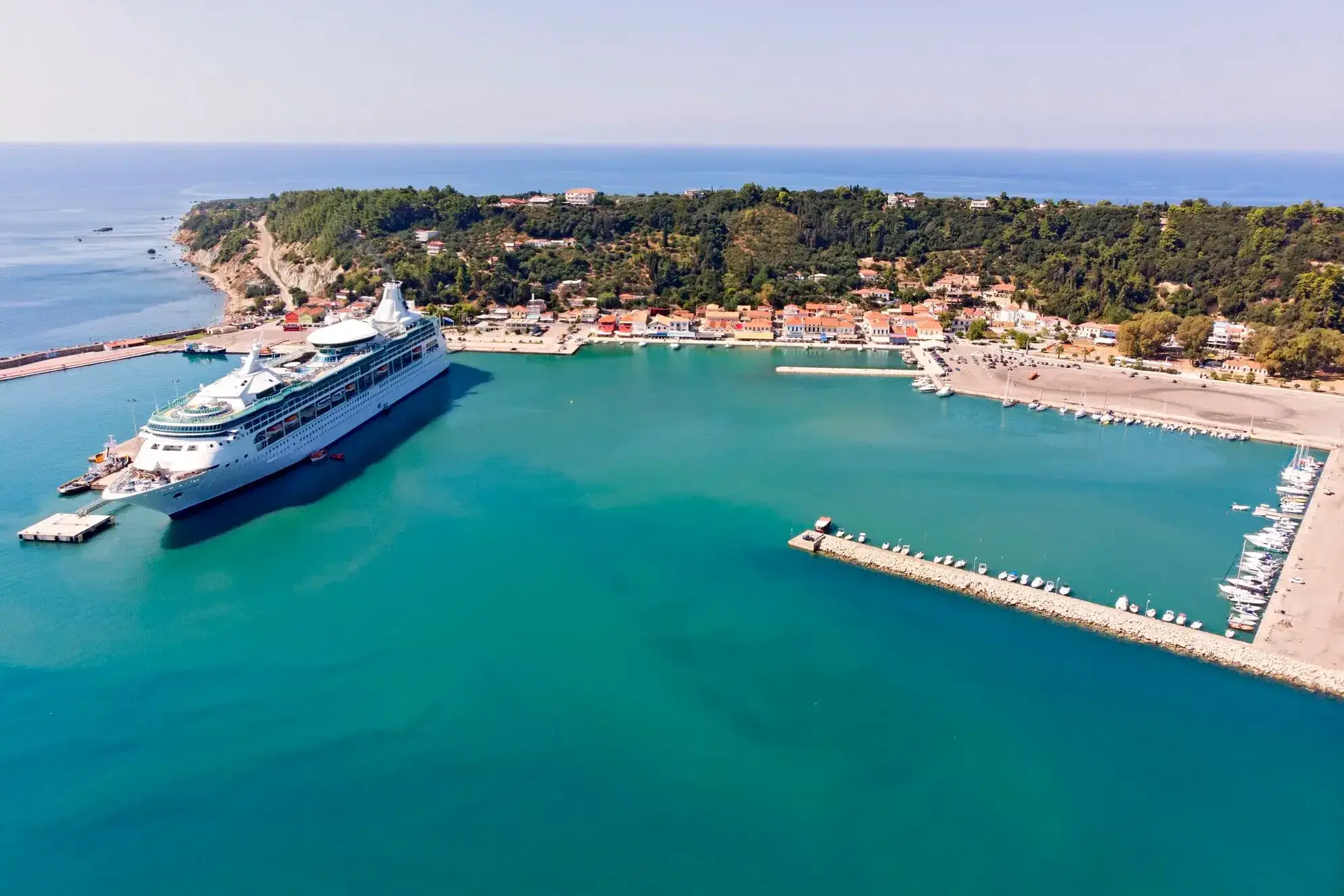
Katakolon is a small coastal town in western Peloponnese, Greece, serving as a maritime gateway to the legendary Ancient Olympia, the birthplace of the Olympic Games. Katakolon has become a popular cruise port thanks to its convenient location. The harbor is surrounded by scenic hills, and along the coastline, you’ll find cozy cafés, shops with local delicacies, and souvenirs. Tourists often begin their exploration of the region here before heading to the archaeological sites of Olympia, located about 30 km from the port.
Katakolon offers a peaceful atmosphere and traditional Greek charm: narrow streets, houses with tiled roofs, and the azure waters of the Ionian Sea. The surrounding area features wineries producing local wine, as well as small beaches ideal for swimming and relaxation. The town also hosts the Museum of Ancient Greek Technology, showcasing unique models of ancient inventions—from automatic doors to early forms of computers. Katakolon is a harmonious blend of history, nature, and authentic Greek hospitality.
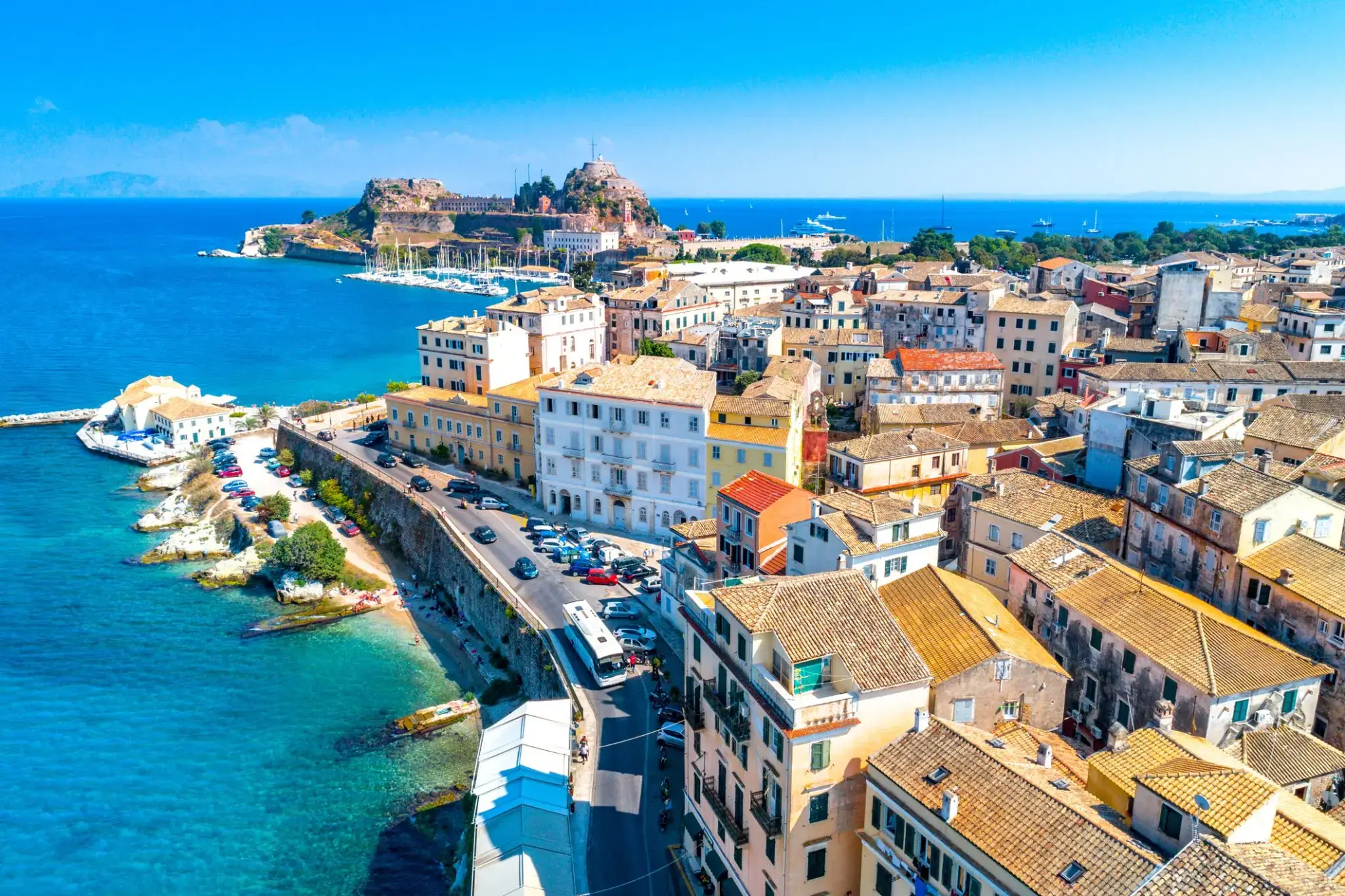
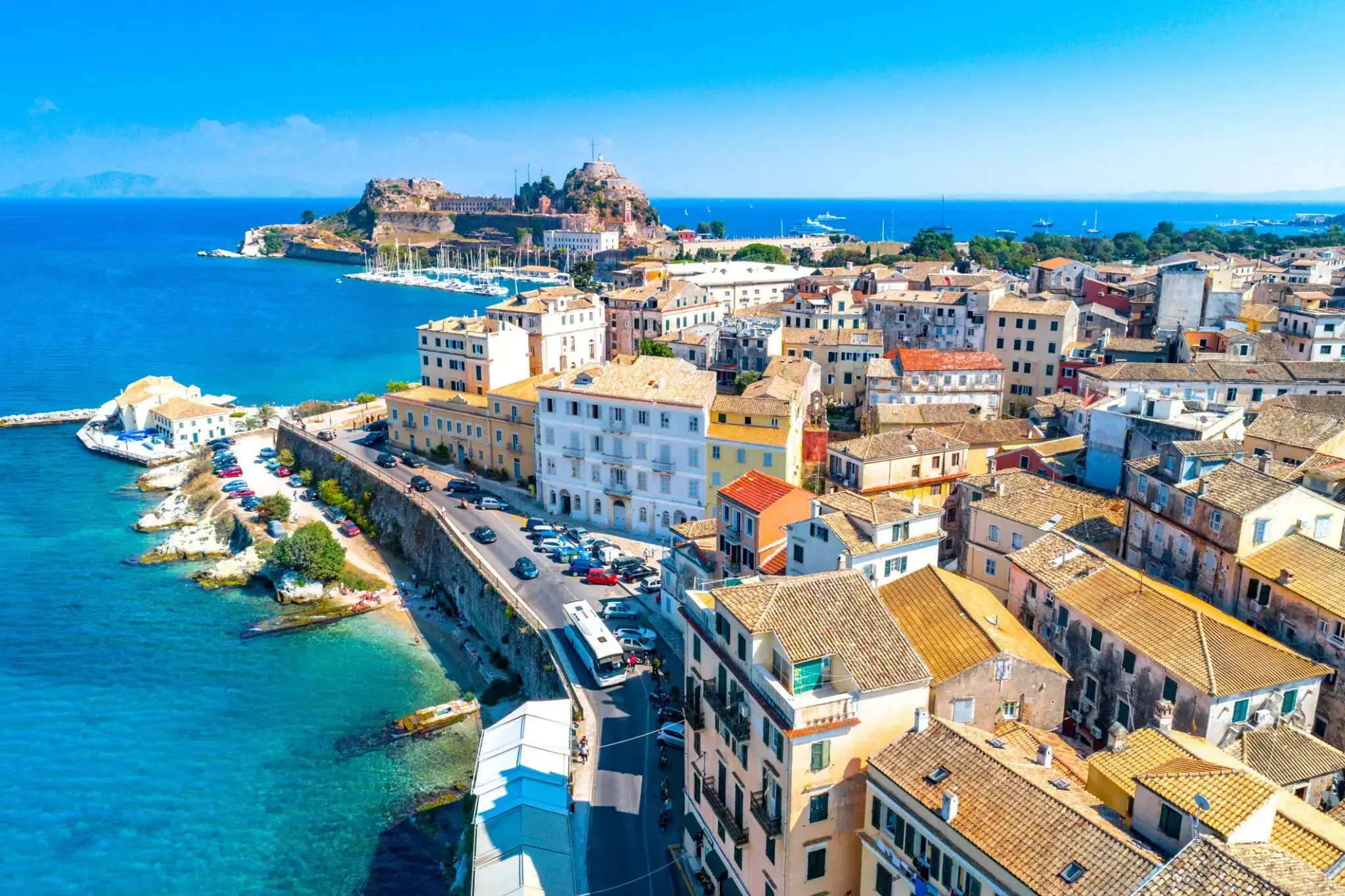
Corfu or Kerkyra is a Greek island in the Ionian Sea. It is the second largest of the Ionian Islands, and, including its small satellite islands, forms the northwesternmost part of Greece. The island is part of the Corfu regional unit, and is administered as a single municipality, which also includes the smaller islands of Ereikoussa, Mathraki and Othonoi. The municipality has an area of 610,9 km2, the island proper 592,8 km2. The principal city of the island and seat of the municipality (pop. 32,095) is also named Corfu. Corfu is home to the Ionian University.
The island is bound up with the history of Greece from the beginnings of Greek mythology. Its history is full of battles and conquests. Ancient Korkyra took part in the Battle of Sybota which was a catalyst for the Peloponnesian War, and, according to Thucydides, the largest naval battle between Greek city states until that time. Thucydides also reports that Korkyra was one of the three great naval powers of fifth century BC Greece, along with Athens and Corinth. Medieval castles punctuating strategic locations across the island are a legacy of struggles in the Middle Ages against invasions by pirates and the Ottomans. Two of these castles enclose its capital, which is the only city in Greece to be surrounded in such a way. As a result, Corfu's capital has been officially declared a Kastropolis ("castle city") by the Greek government. From medieval times and into the 17th century, the island, having successfully repulsed the Ottomans during several sieges, was recognised as a bulwark of the European States against the Ottoman Empireand became one of the most fortified places in Europe. The fortifications of the island were used by the Venetians to defend against Ottoman intrusion into the Adriatic. Corfu eventually fell under British rule following the Napoleonic Wars. Corfu was eventually ceded by the British Empire along with the remaining islands of the United States of the Ionian Islands, and unification with modern Greece was concluded in 1864 under the Treaty of London.
In 2007, the city's old quarter was added to the UNESCO World Heritage List, following a recommendation by ICOMOS.
Corfu is a very popular tourist destination. The island was the location of the 1994 European Union summit.
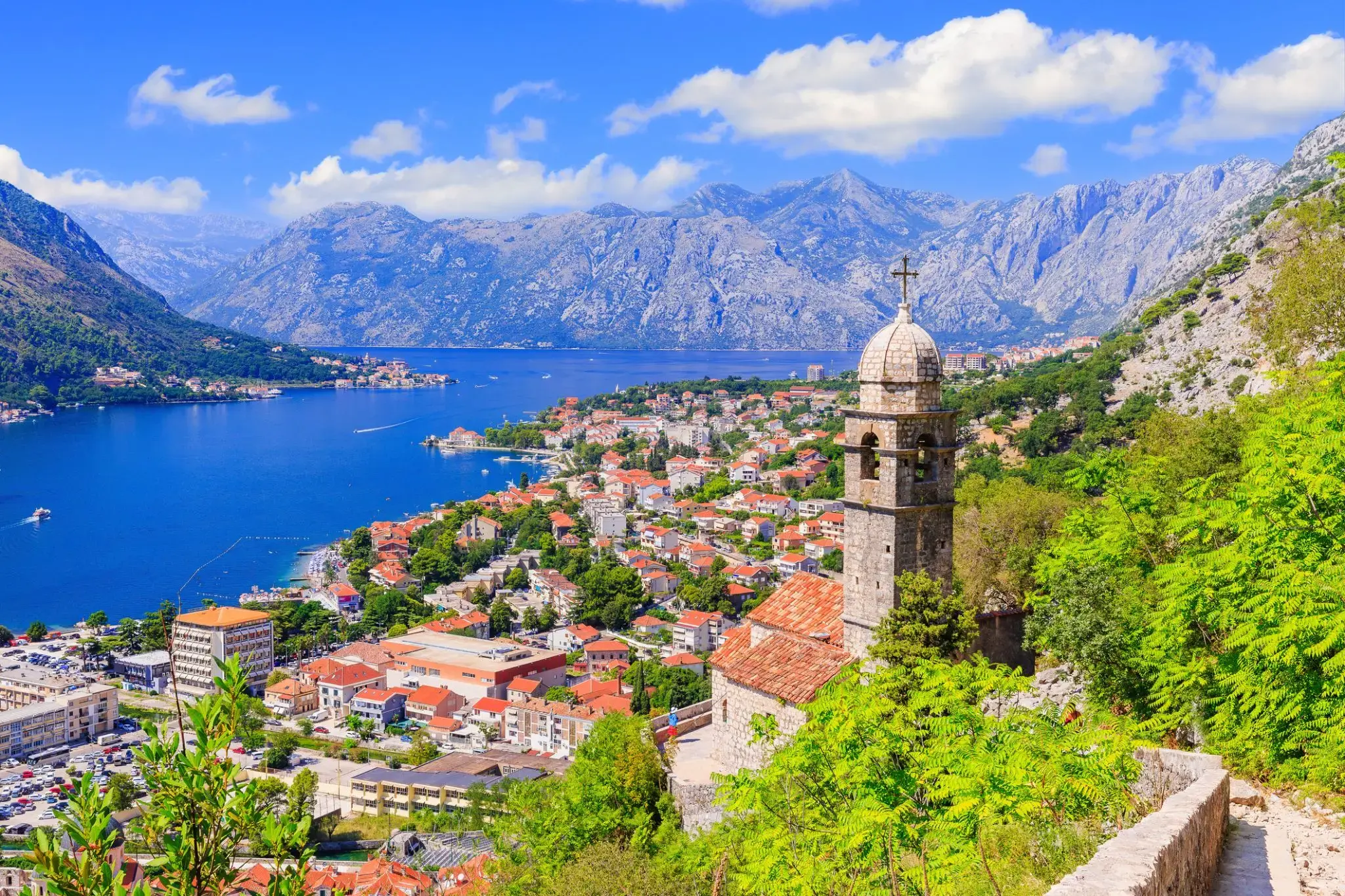
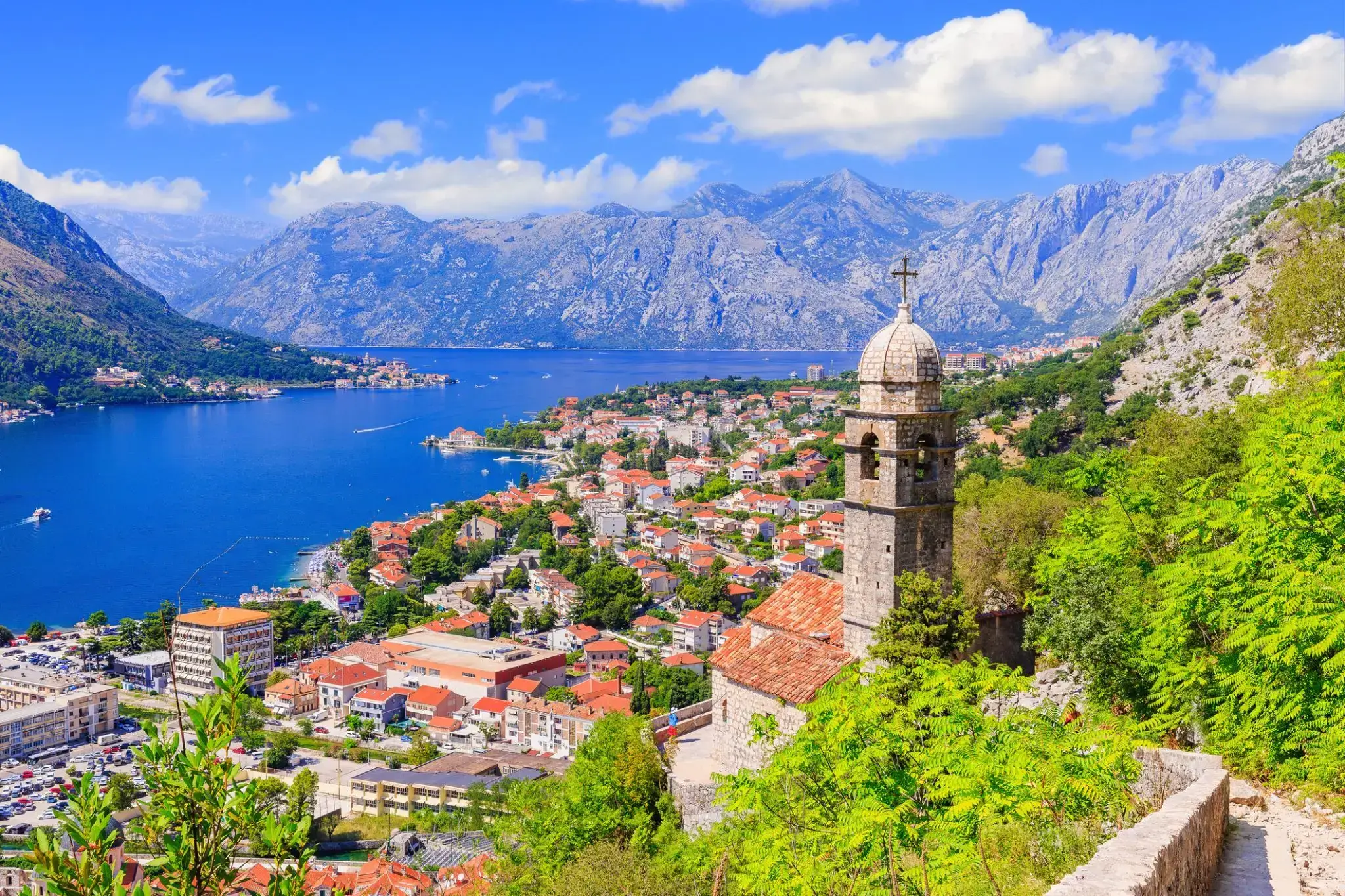
Kotor is a coastal town in Montenegro. It is located in a secluded part of the Gulf of Kotor. The city has a population of 13,510 and is the administrative center of Kotor Municipality.
The old Mediterranean port of Kotor is surrounded by fortifications built during the Venetian period. It is located on the Bay of Kotor (Boka Kotorska), one of the most indented parts of the Adriatic Sea. Some have called it the southern-most fjord in Europe, but it is a ria, a submerged river canyon. Together with the nearly overhanging limestone cliffs of Orjen and Lovćen, Kotor and its surrounding area form an impressive landscape.
Since the early 2000s Kotor has seen an increase in tourists , many of them coming by cruise ship. Visitors are attracted by the natural environment of the Gulf of Kotor and by the old town of Kotor. Kotor is part of the World Heritage Site dubbed the Natural and Culturo-Historical Region of Kotor.
The fortified city of Kotor was also included in UNESCO's World Heritage Site list as part of Venetian Works of Defence between 15th and 17th centuries: Stato da Terra – western Stato da Mar in 201
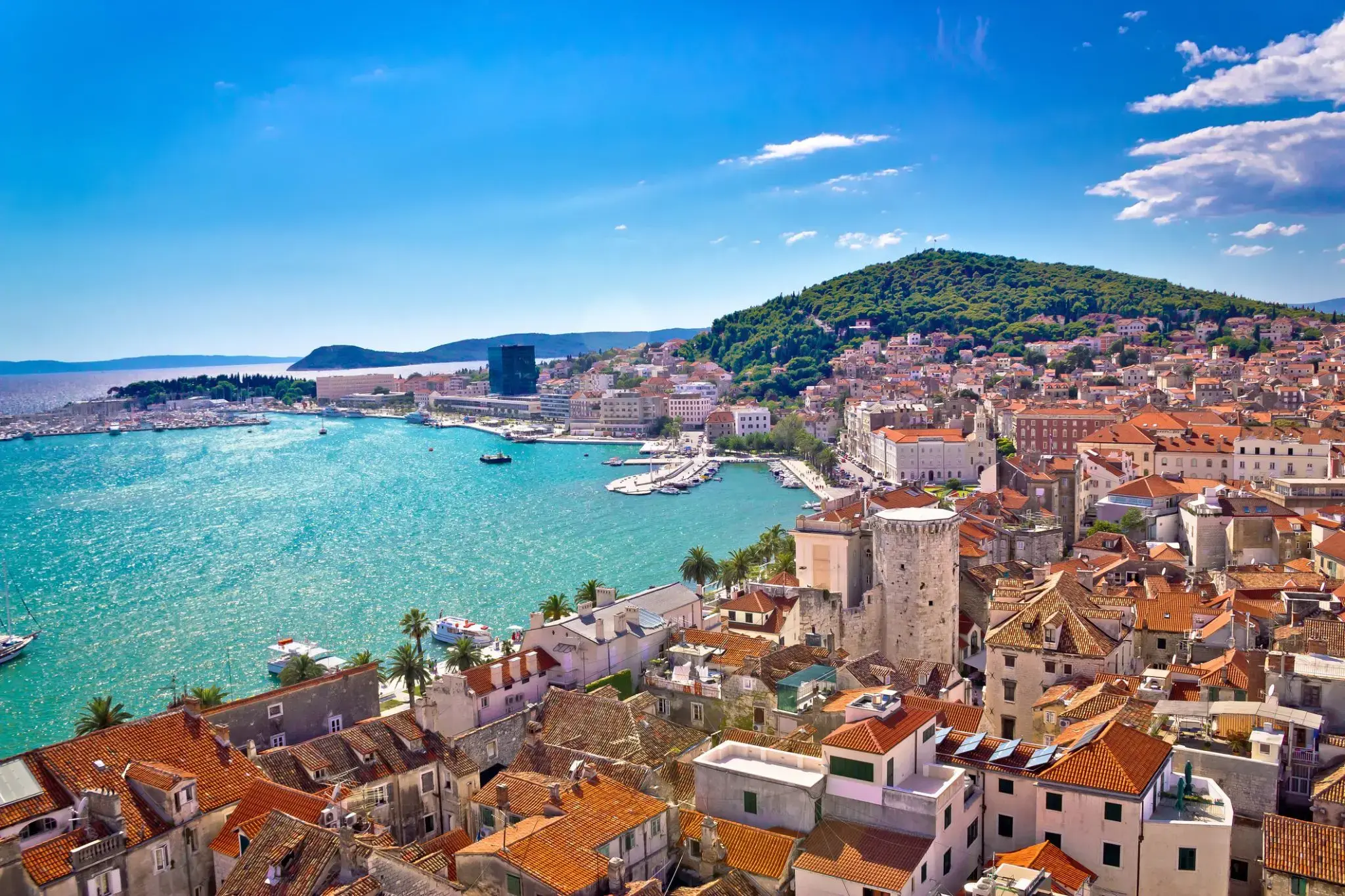
Split – the Pearl of Dalmatia
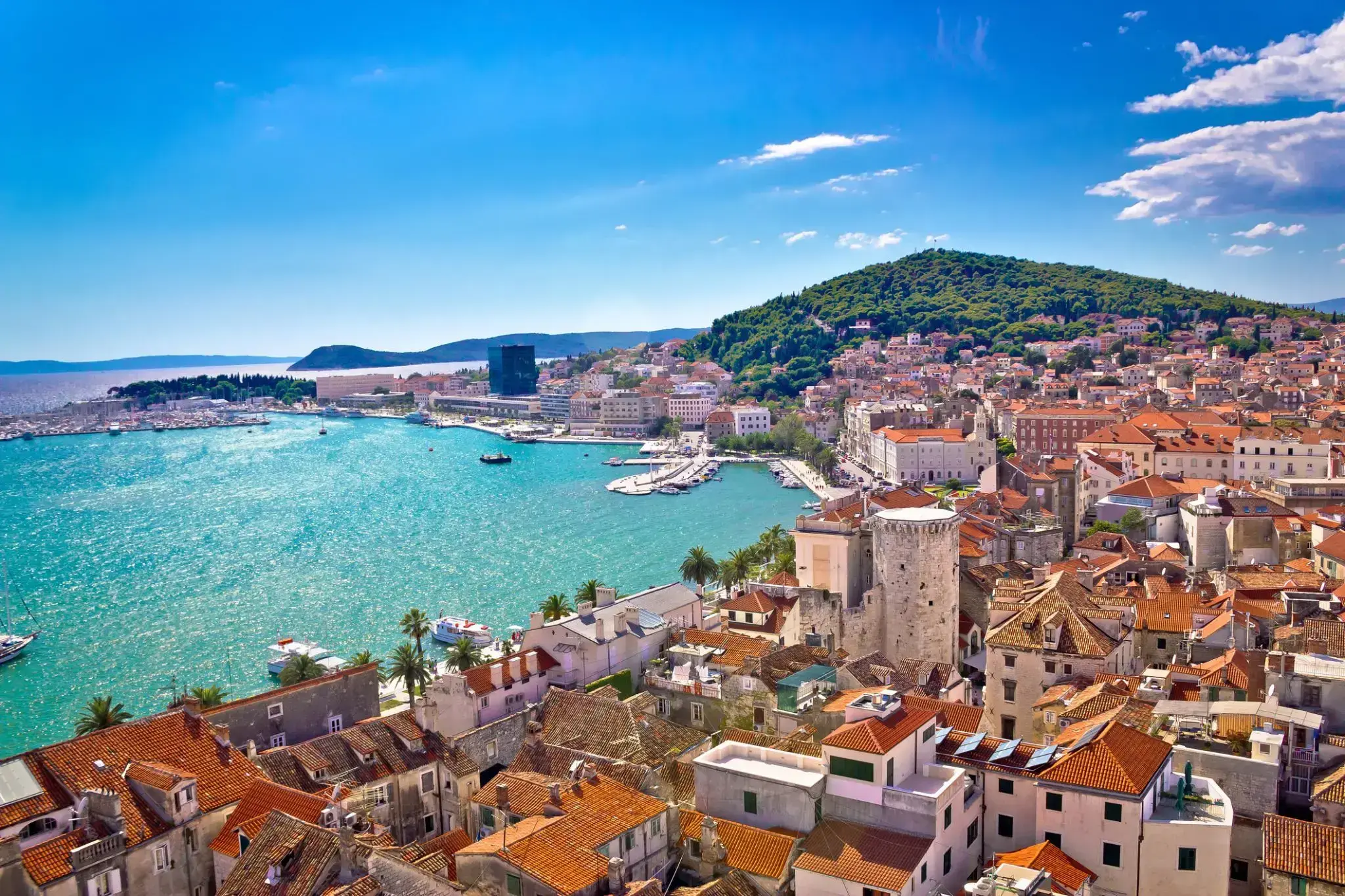
Split is Croatia’s second-largest city on the Adriatic coast. Its landmark is the Diocletian’s Palace, a UNESCO site, surrounded by narrow streets and the Cathedral of St. Domnius.
Life pulses along the Riva promenade, lined with cafés and restaurants. Nearby are beaches, including the famous Bacvice.
Split is also an important port, offering easy access to Croatian islands such as Hvar, Brač and Korčula. Its Mediterranean atmosphere and Dalmatian cuisine make it a perfect holiday destination.
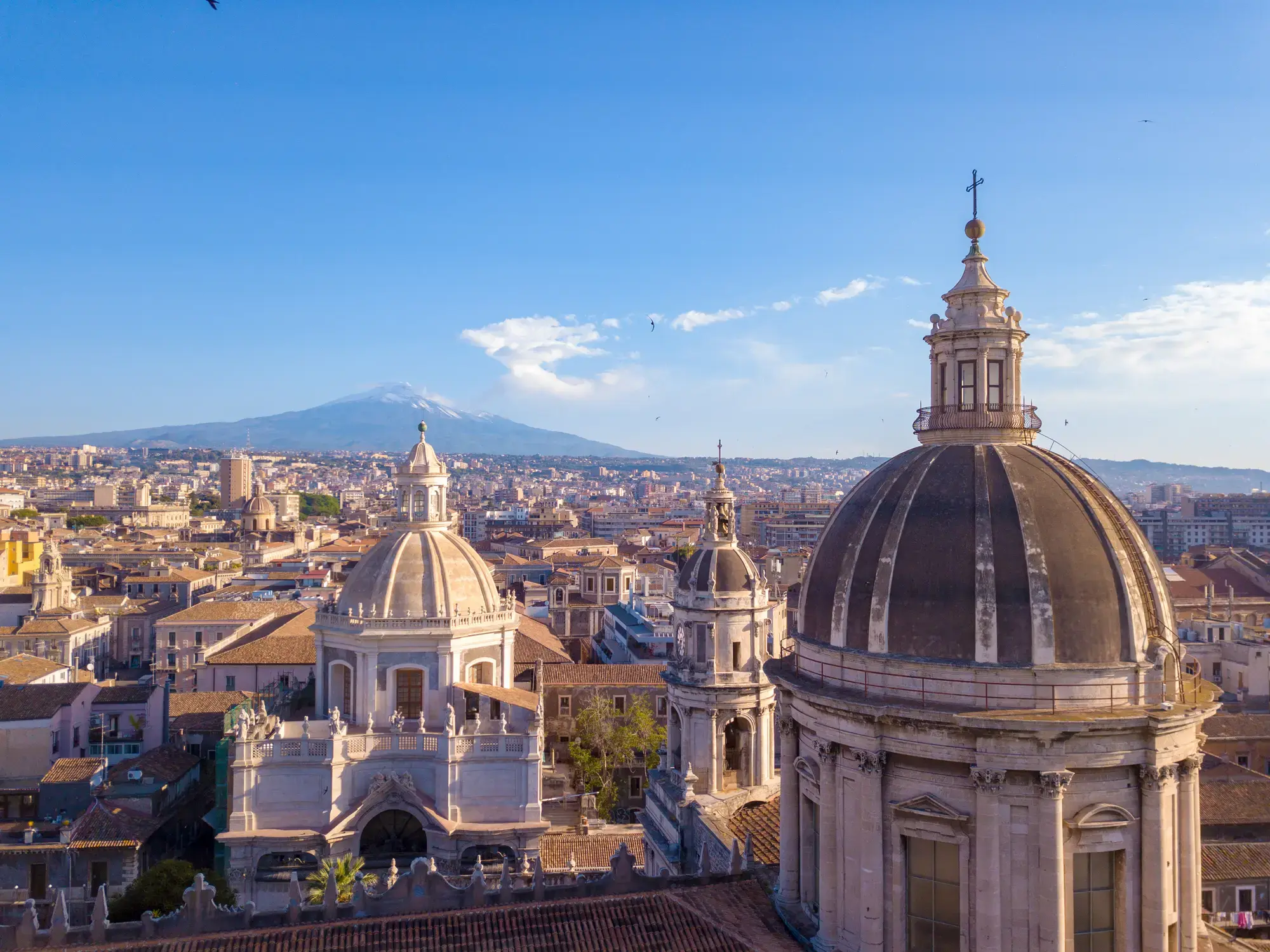
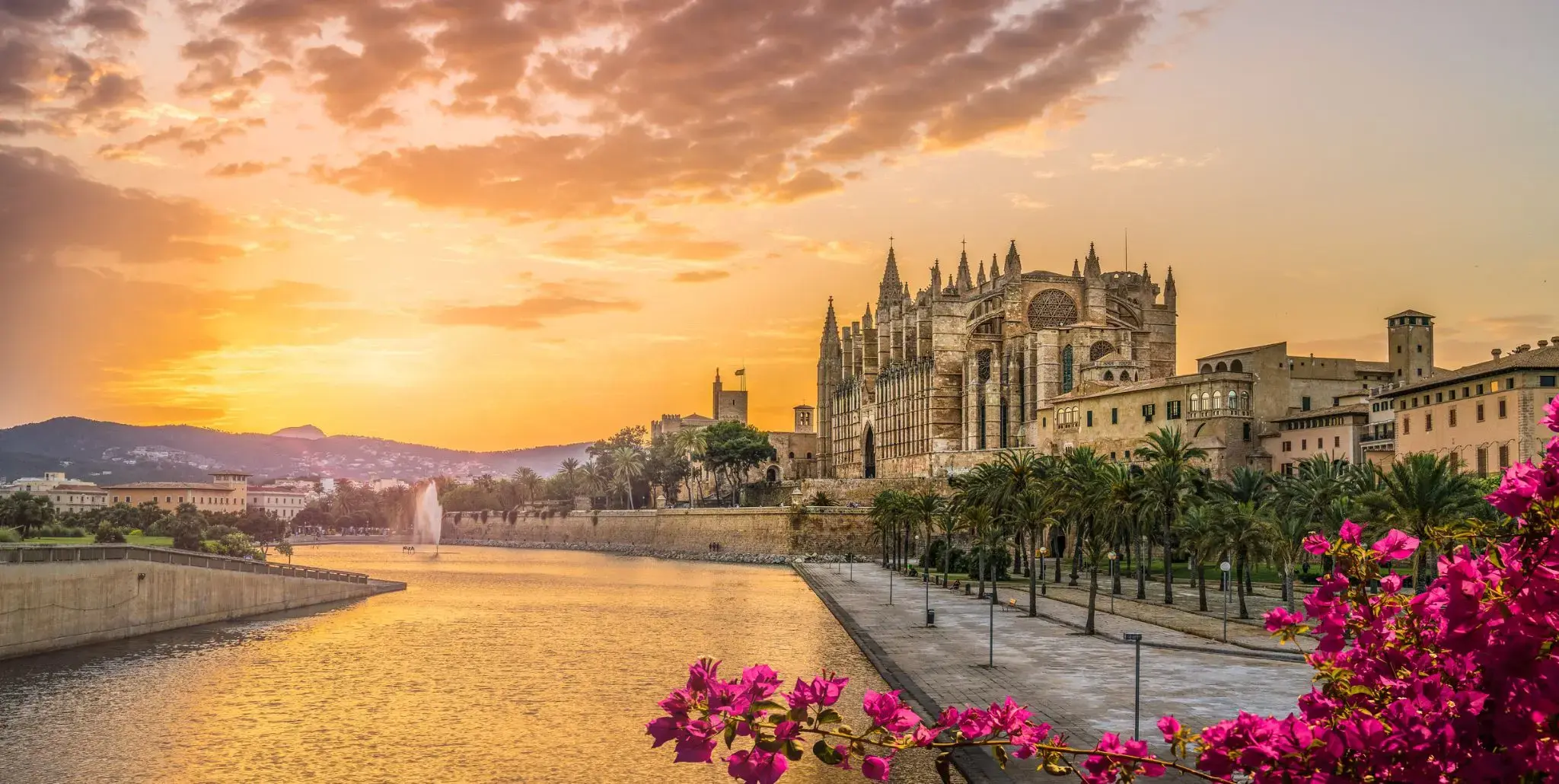
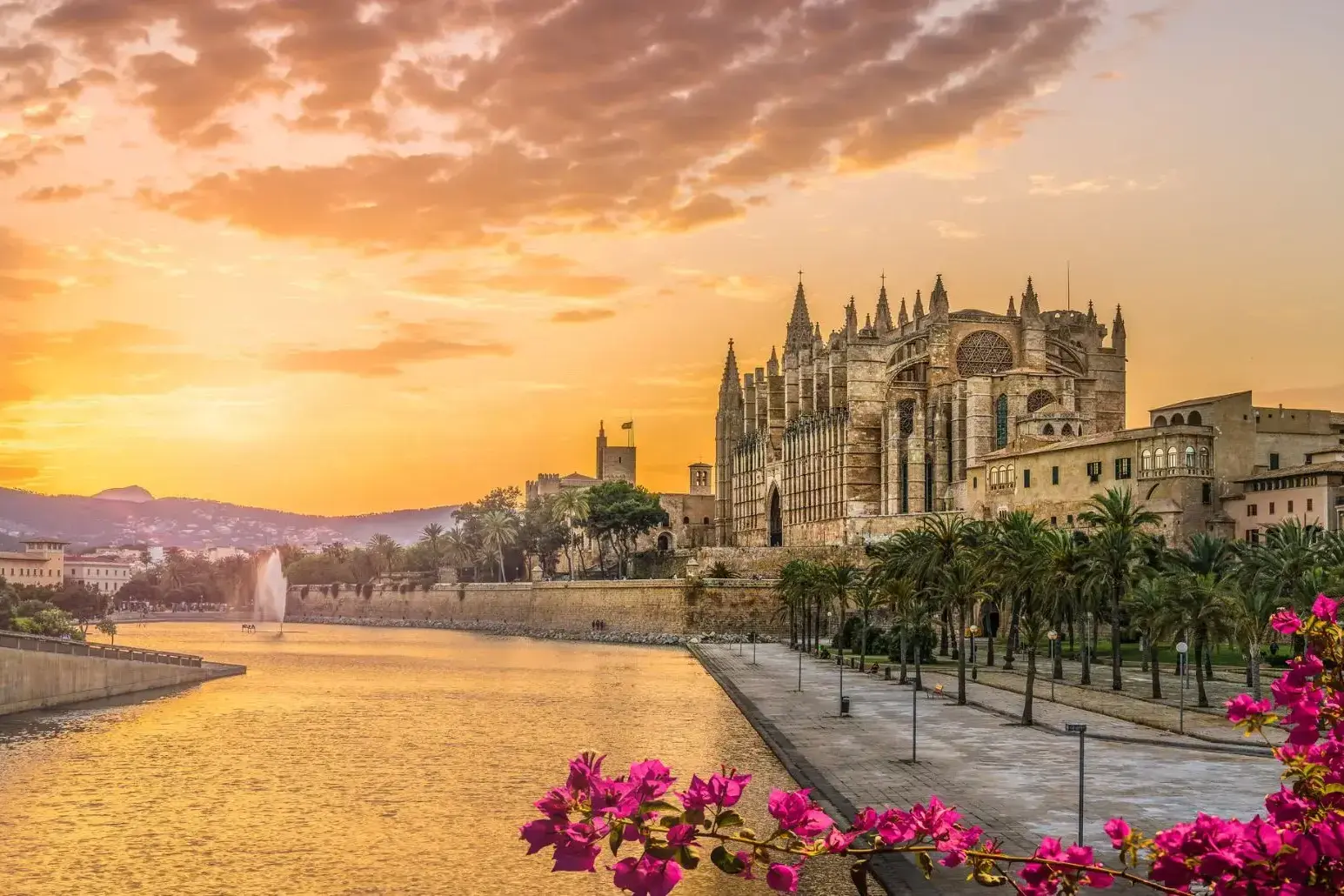
Mallorca is the largest island in the Balearic Islands, which are part of Spain and located in the Mediterranean. The native language, as on the rest of the Balearic Islands, is Catalan, which is co-official with Spanish.
The capital of the island, Palma, is also the capital of the autonomous community of the Balearic Islands. The Balearic Islands have been an autonomous region of Spain since 1983. There are two small islands off the coast of Mallorca: Cabrera (southeast of Palma) and Dragonera (west of Palma). The anthem of Mallorca is "La Balanguera".
Like the other Balearic Islands of Menorca, Ibiza and Formentera, the island is an extremely popular holiday destination, particularly for tourists from Germany and the United Kingdom. The international airport, Palma de Mallorca Airport, is one of the busiest in Spain; it was used by 28.0 million passengers in 2017, increasing every year since 2012.
The name derives from Classical Latin insula maior, "larger island". Later, in Medieval Latin, this became Maiorica, "the larger one", in comparison to Menorca, "the smaller one".
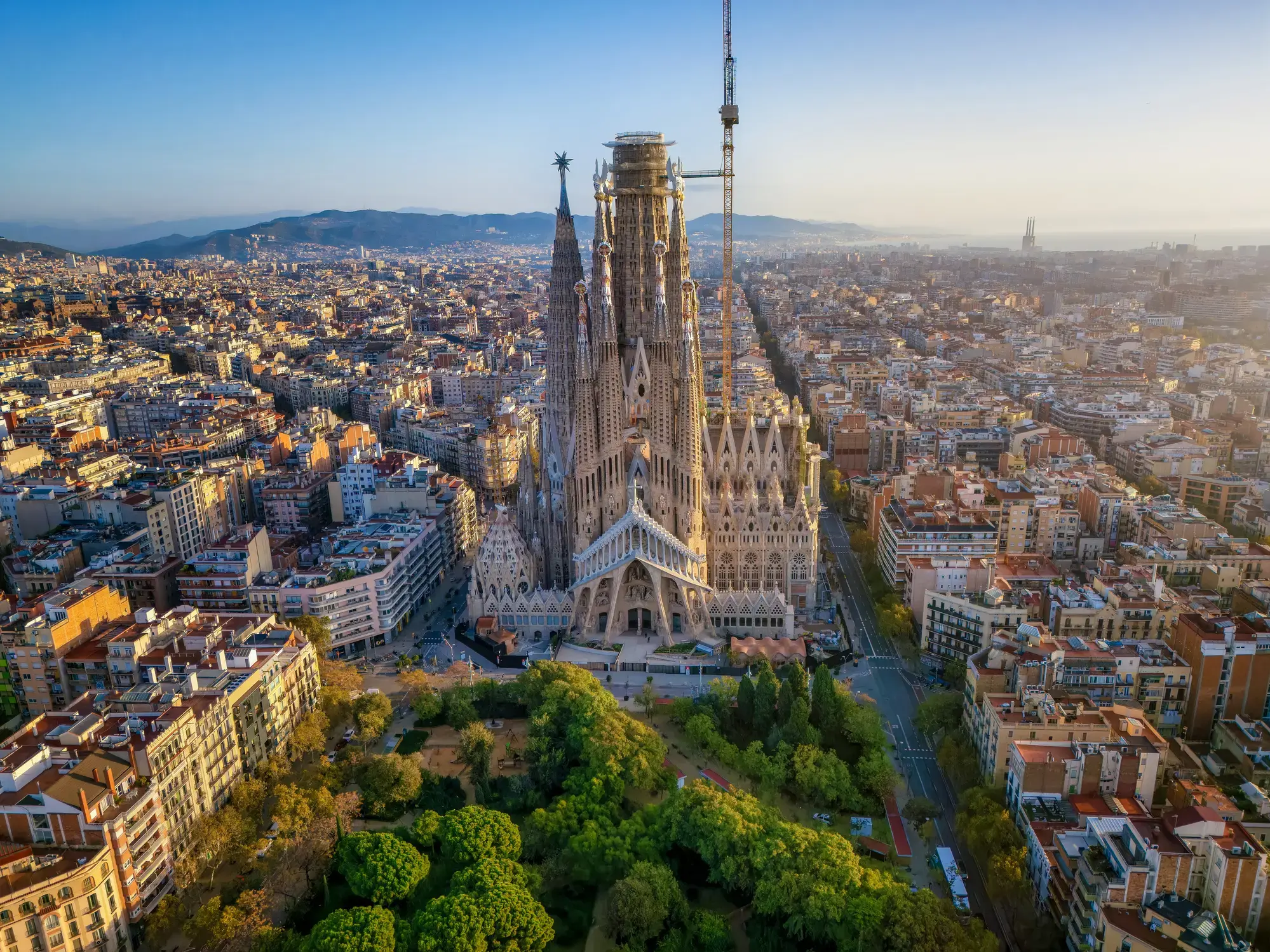
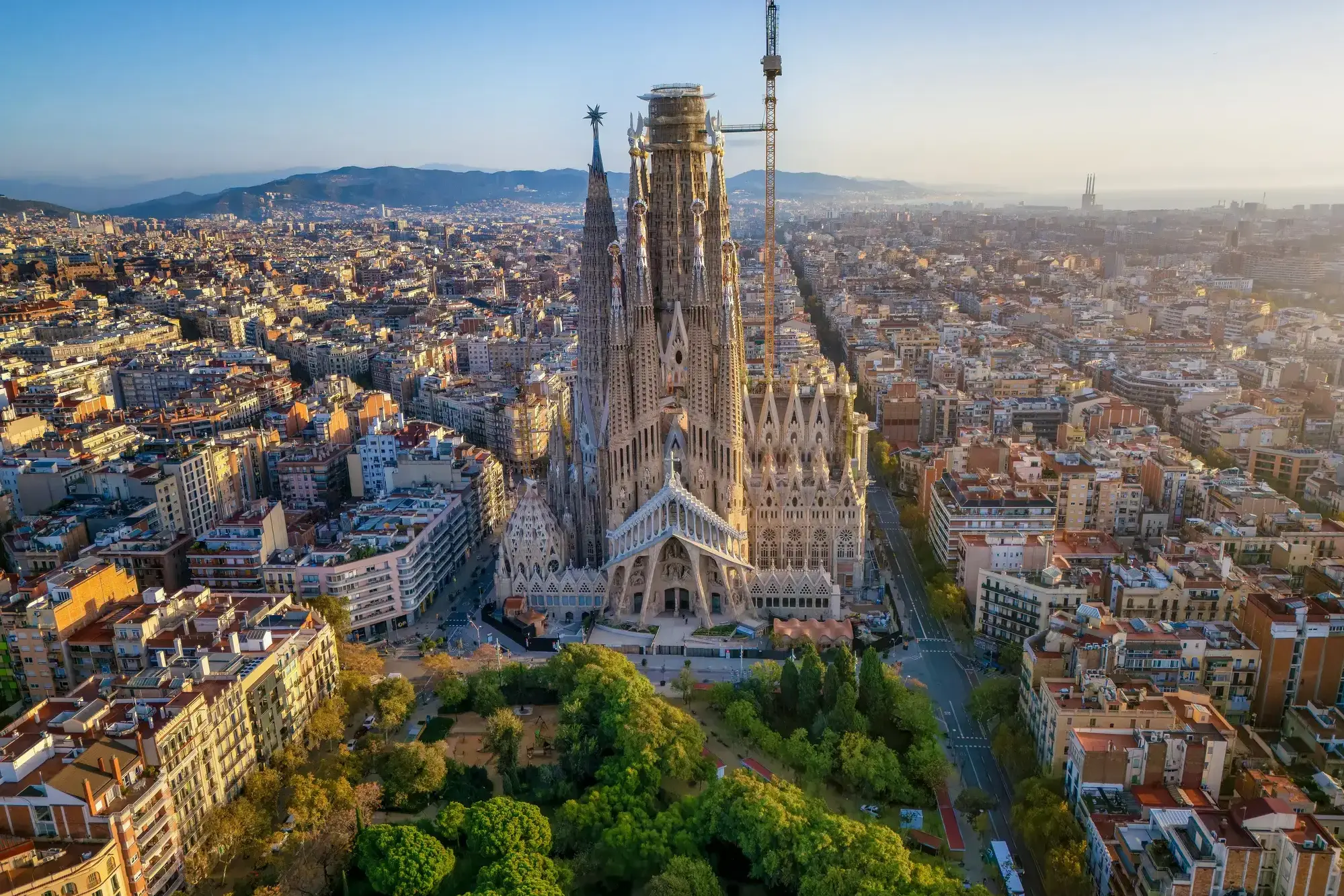
Barcelona is a city in Spain. It is the capital and largest city of Catalonia, as well as the second most populous municipality of Spain. With a population of 1.6 million within city limits, its urban area extends to numerous neighbouring municipalities within the Province of Barcelona and is home to around 4.8 million people, making it the sixth most populous urban area in the European Union after Paris, London, Madrid, the Ruhr area and Milan. It is one of the largest metropolises on the Mediterranean Sea, located on the coast between the mouths of the rivers Llobregat and Besòs, and bounded to the west by the Serra de Collserola mountain range, the tallest peak of which is 512 metres (1,680 feet) high.
Founded as a Roman city, in the Middle Ages Barcelona became the capital of the County of Barcelona. After merging with the Kingdom of Aragon, Barcelona continued to be an important city in the Crown of Aragon as an economic and administrative centre of this Crown and the capital of the Principality of Catalonia. Barcelona has a rich cultural heritage and is today an important cultural centre and a major tourist destination. Particularly renowned are the architectural works of Antoni Gaudí and Lluís Domènech i Montaner, which have been designated UNESCO World Heritage Sites. The headquarters of the Union for the Mediterranean are located in Barcelona. The city is known for hosting the 1992 Summer Olympics as well as world-class conferences and expositions and also many international sport tournaments.
Barcelona is one of the world's leading tourist, economic, trade fair and cultural centres, and its influence in commerce, education, entertainment, media, fashion, science, and the arts all contribute to its status as one of the world's major global cities. It is a major cultural and economic centre in southwestern Europe, 24th in the world (before Zürich, after Frankfurt) and a financial centre. In 2008 it was the fourth most economically powerful city by GDP in the European Union and 35th in the world with GDP amounting to €177 billion. In 2012 Barcelona had a GDP of $170 billion; and it was leading Spain in employment rate in that moment.
In 2009 the city was ranked Europe's third and one of the world's most successful as a city brand. In the same year the city was ranked Europe's fourth best city for business and fastest improving European city, with growth improved by 17% per year, and the city has been experiencing strong and renewed growth for the past three years. Since 2011 Barcelona has been a leading smart city in Europe. Barcelona is a transport hub, with the Port of Barcelona being one of Europe's principal seaports and busiest European passenger port, an international airport, Barcelona–El Prat Airport, which handles over 50 million passengers per year, an extensive motorway network, and a high-speed rail line with a link to France and the rest of Europe.