| Cruise Region : Mediterranean Sea |
| Company : Oceania Cruises |
| Ship : ALLURA |
| Journey Start : Thu 20 Jul 2028 |
| Journey End : Thu 27 Jul 2028 |
| Count Nights : 7 nights |
| Day | Date | Port | Arrival | Departure |
|---|---|---|---|---|
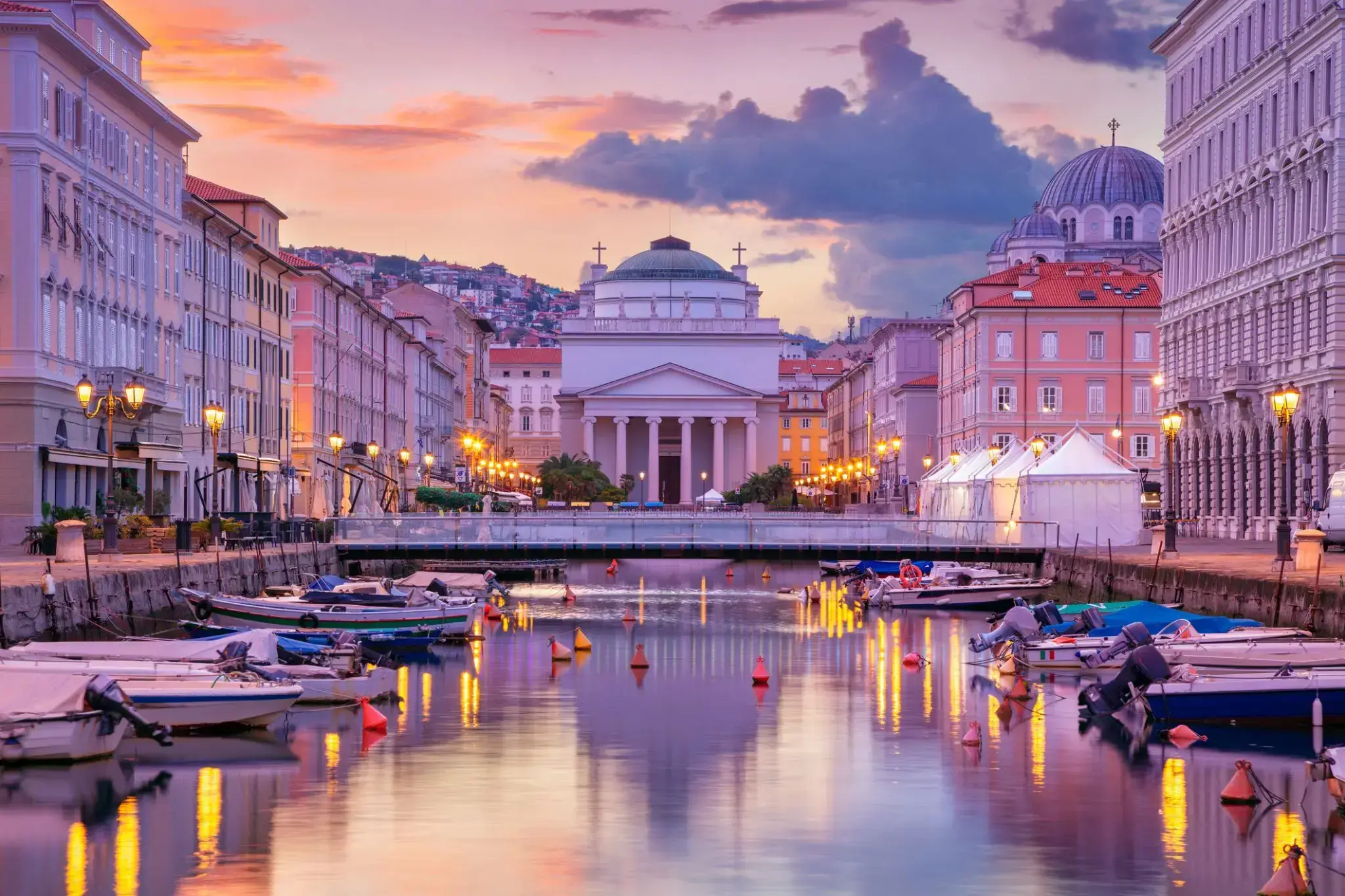
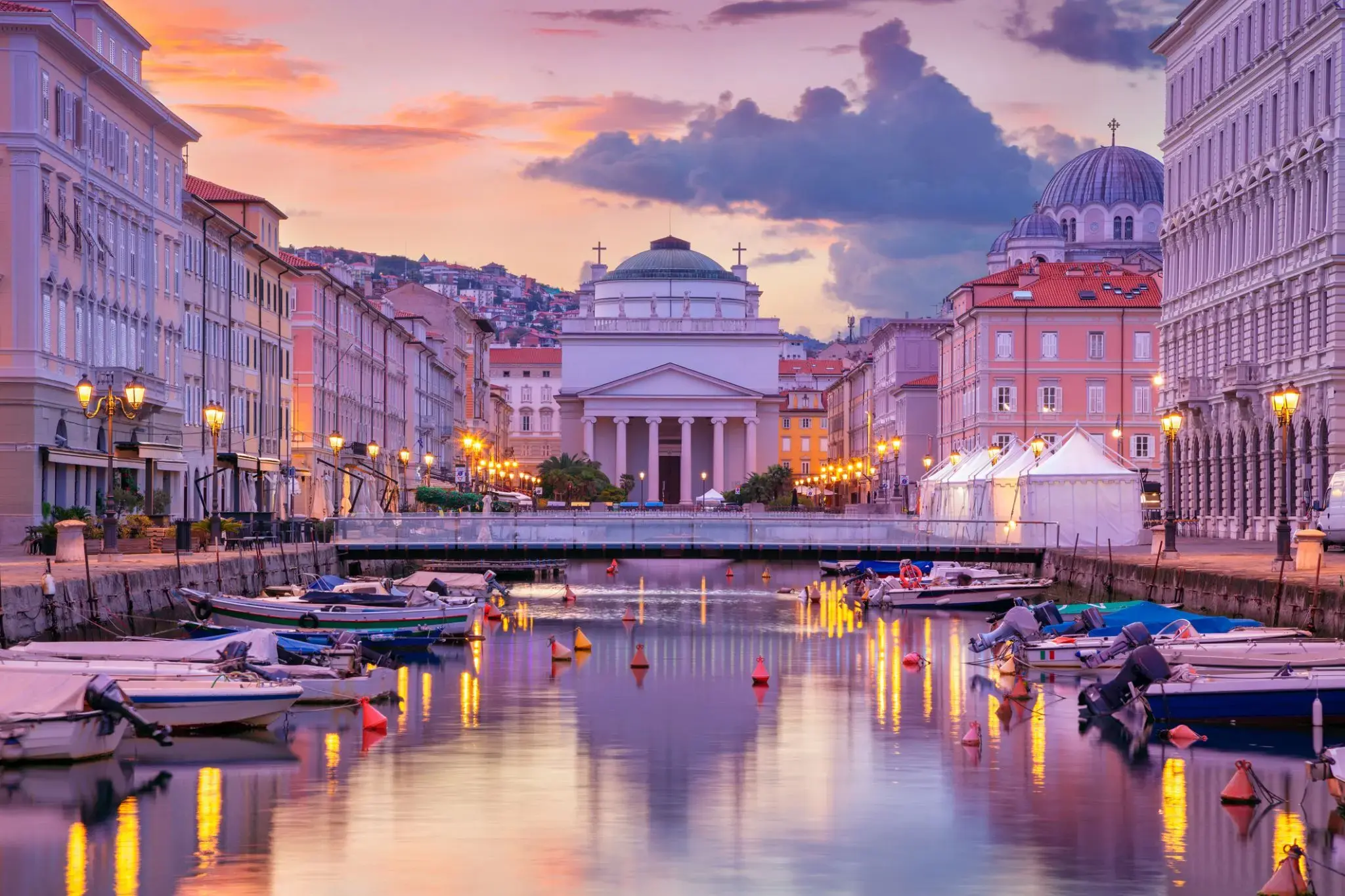
| 1 | 20.07 Thu | Trieste / Italy | 07:00 | 17:00 |
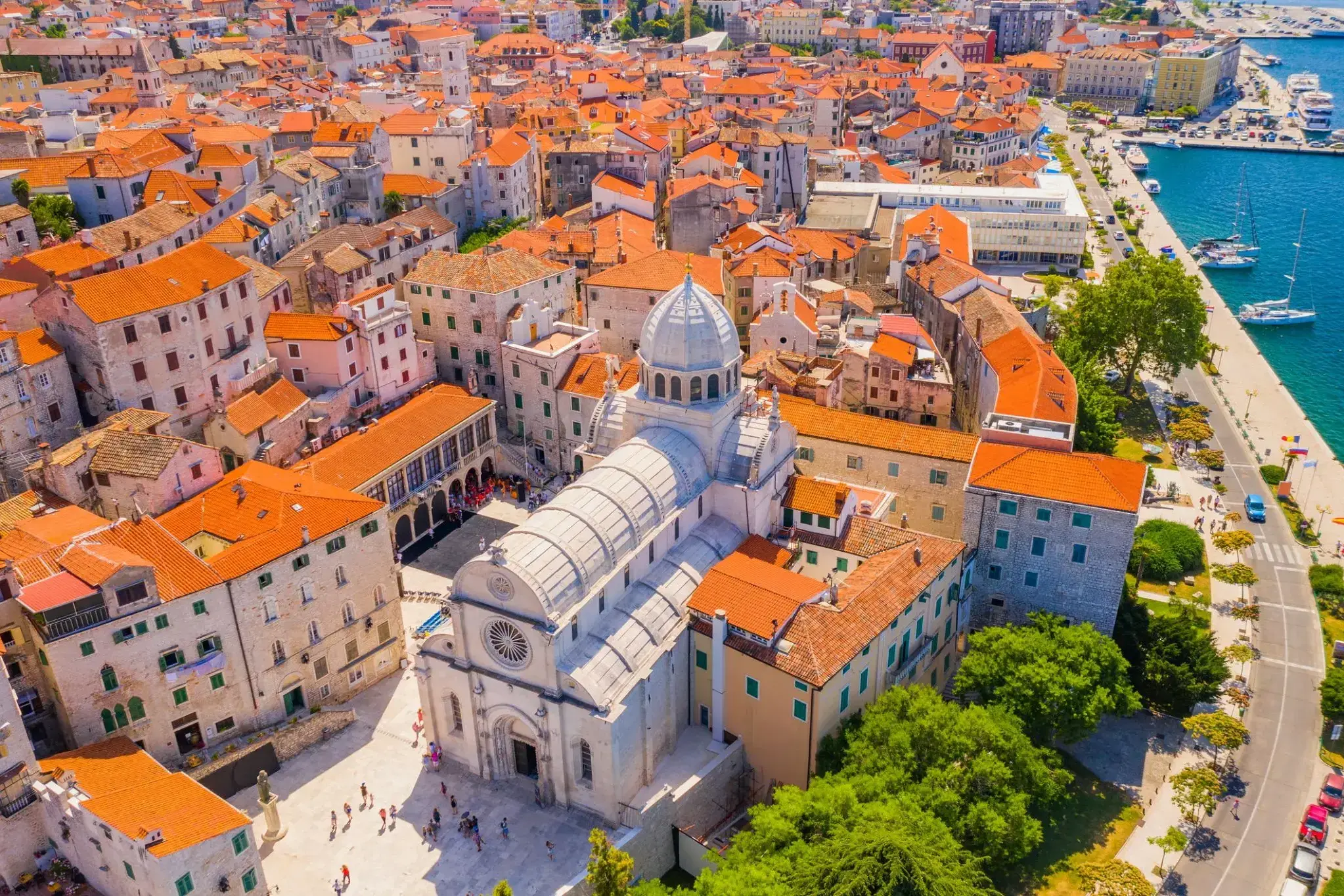
| 2 | 21.07 Fri | Sibenik / Croatia | 08:00 | 17:00 |
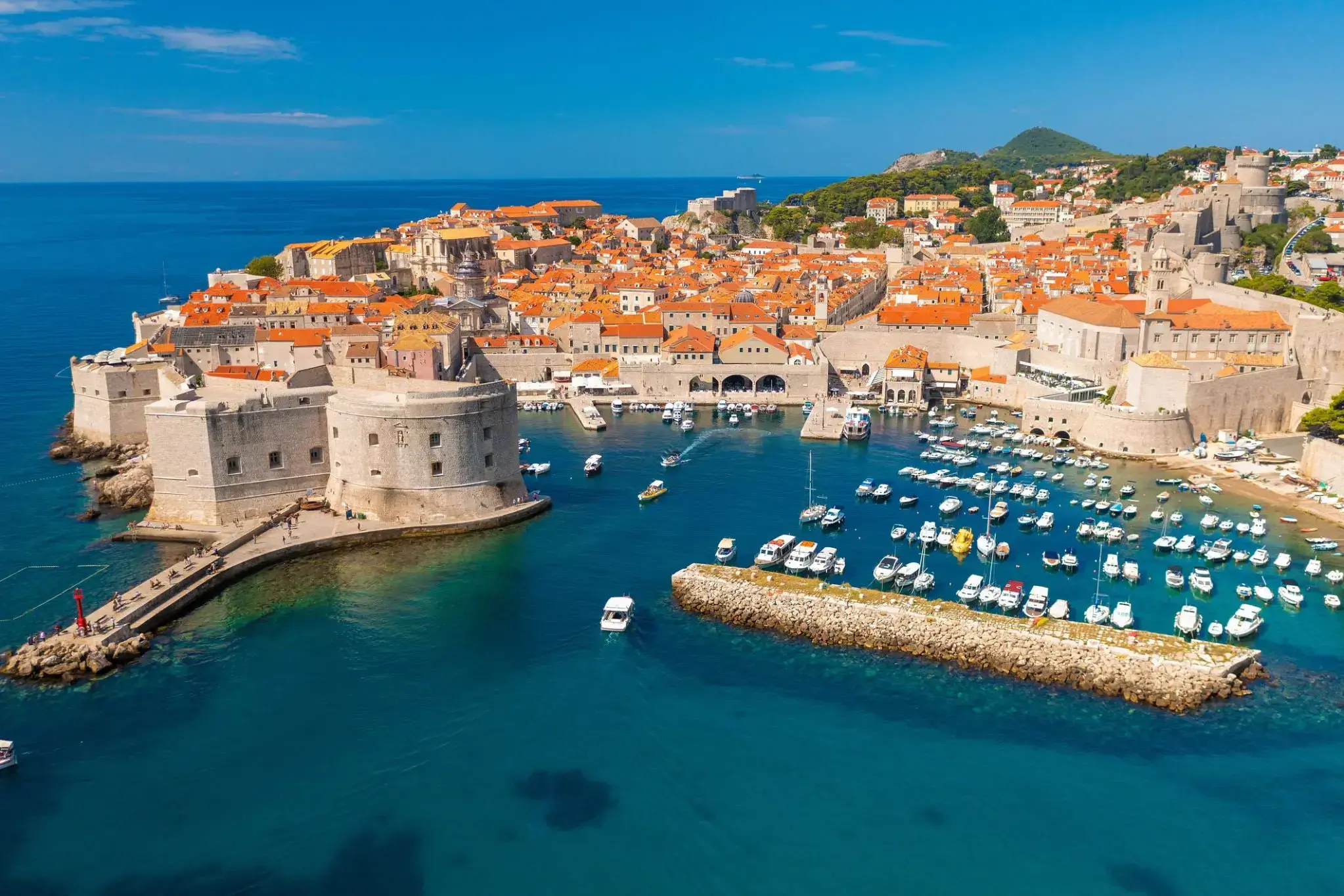
| 3 | 22.07 Sat | Dubrovnik / Croatia | 07:00 | 16:00 |
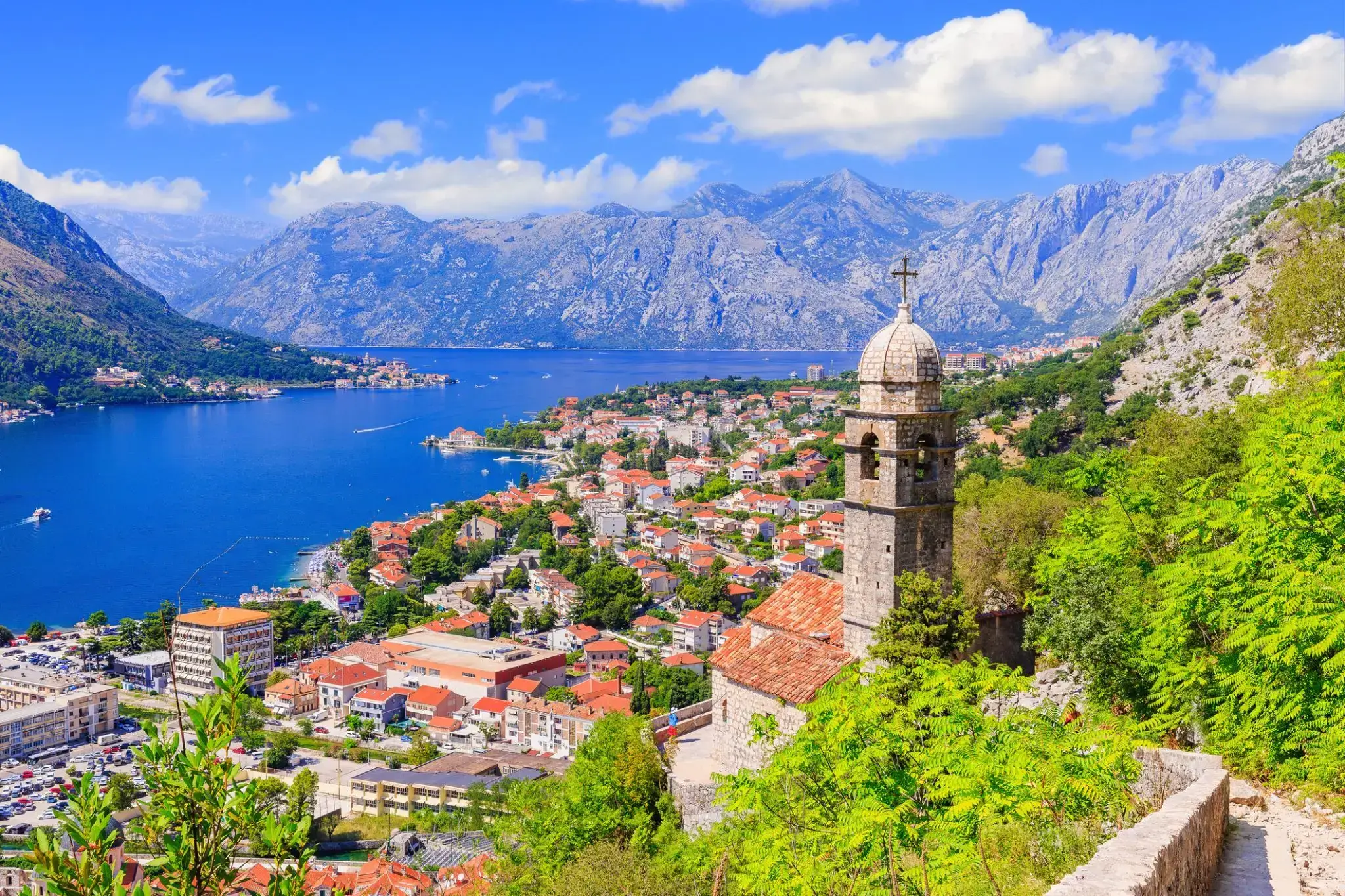
| 4 | 23.07 Sun | Kotor / Montenegro | 07:00 | 16:00 |
| 5 | 24.07 Mon | Abbess / Greece | 09:00 | 19:00 |
| 6 | 25.07 Tue | Katakolo / Greece | 07:00 | 14:00 |
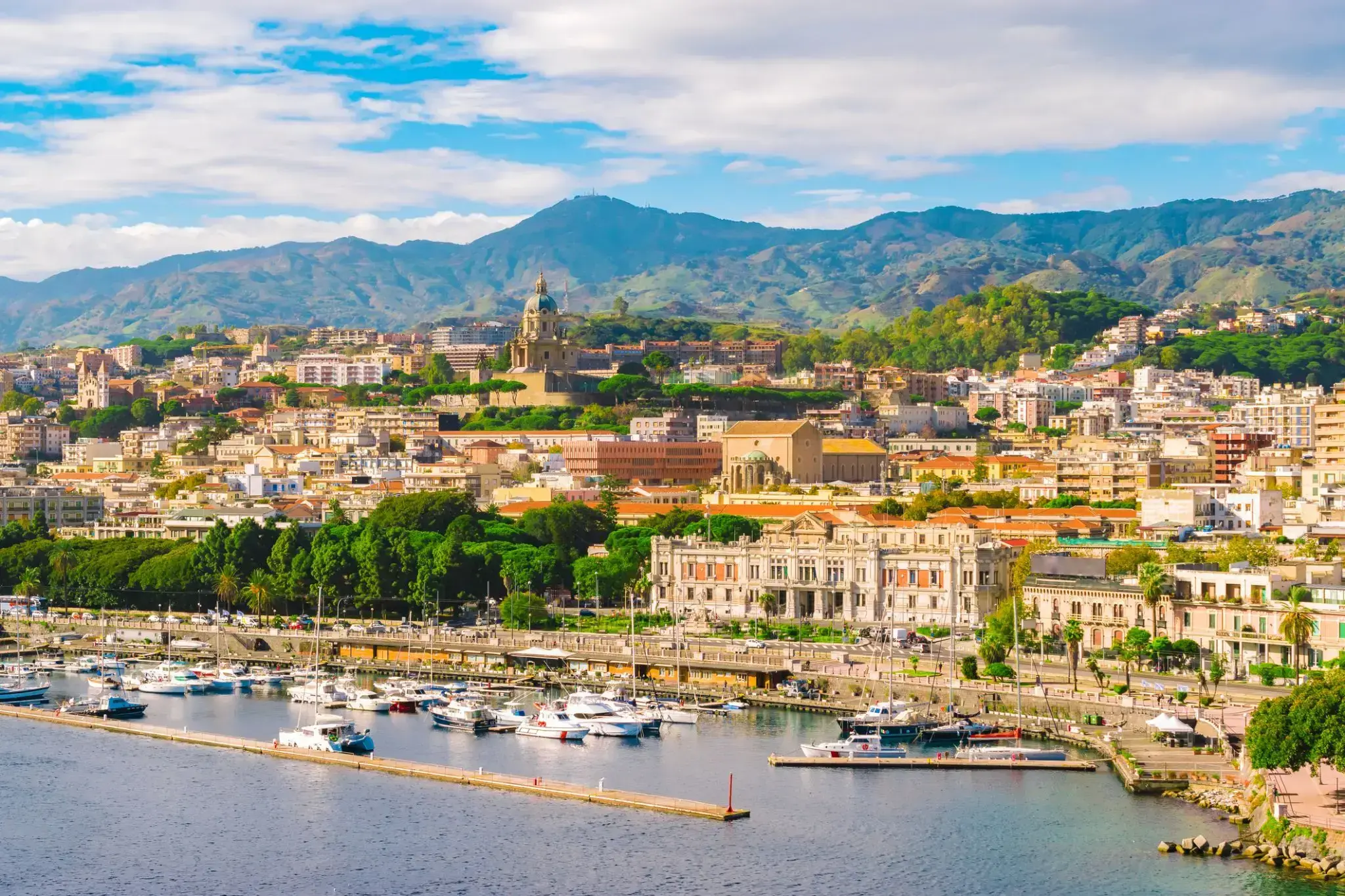
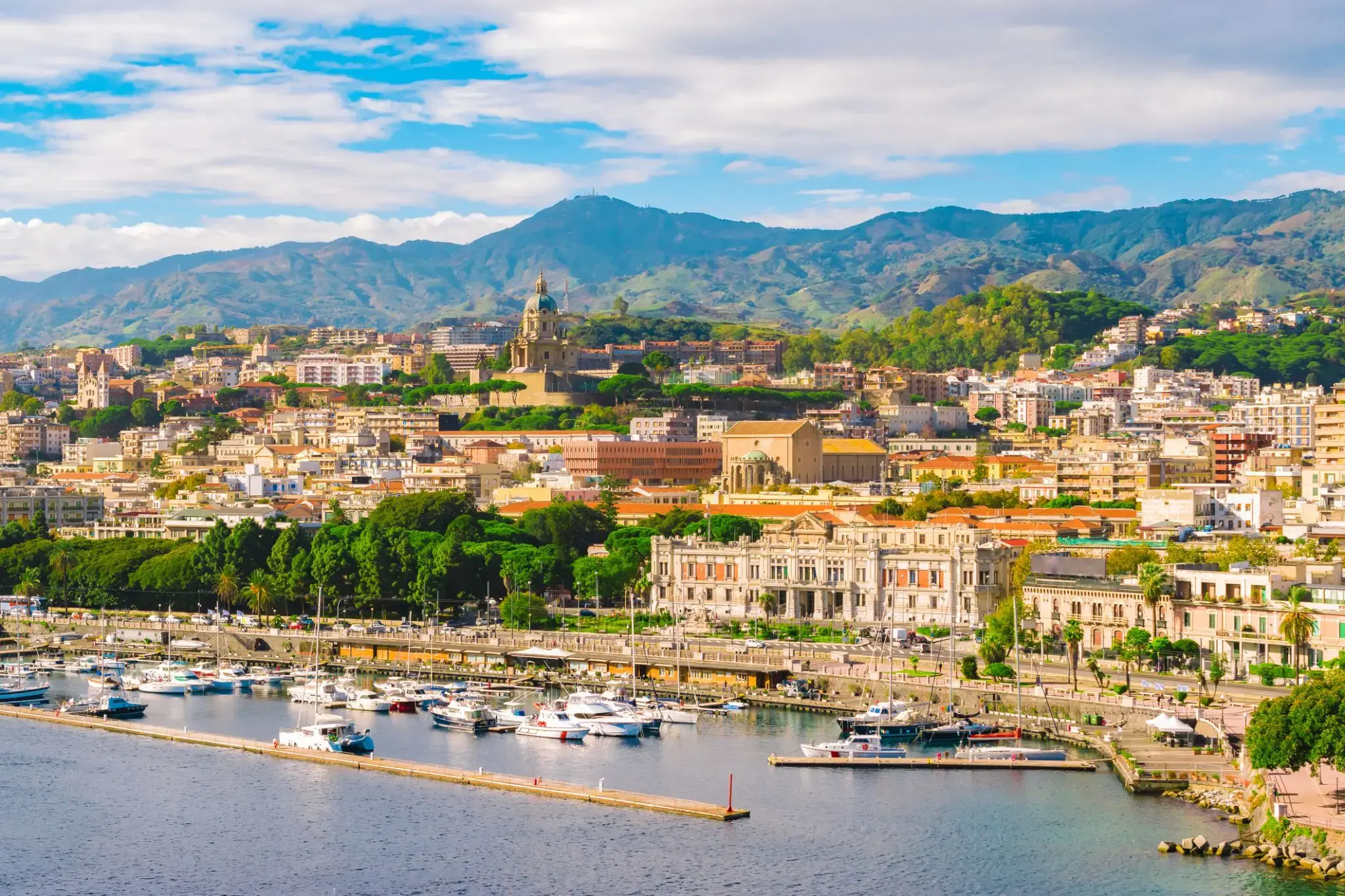
| 7 | 26.07 Wed | Messina, o. Sicily / Italy | 09:00 | 19:00 |
| 8 | 27.07 Thu | Naples / Italy | 07:00 | 17:00 |
Your World Included
With Your World Included, you’ll enjoy a wide array of included amenities for the ultimate comfort and value in ultra-premium cruising.
Unforgettable dining experiences at a variety of exquisite restaurants — all at no extra charge.
Complimentary specialty coffees, sodas, freshly pressed juices, and still and sparkling Vero Water® served throughout the ship.
Unlimited free Wi-Fi available in your suite, stateroom, and all public areas.
In-room dining with a superb variety of hot and cold selections.
Smoothies, milkshakes, gelato, and signature Humphry Slocombe ice cream — always included.
Group fitness classes at Aquamar® Spa + Vitality Center are complimentary.
Gratuities are included for your convenience.
Laundry is free for all guests.
With complimentary self-service launderettes on board, plus laundry and pressing services for Concierge and Suite categories, you’ll always look your finest.
Along with our hallmark personalized service, you’ll enjoy an enriching cruise experience with no hidden costs or nickel-and-diming.
Elevate Your Experience
Concierge Level Veranda Staterooms offer an unrivaled combination of luxury, privilege, and value. A wealth of amenities and exclusive benefits elevate your experience to the sublime — from in-room dining selections from The Grand Dining Room and complimentary laundry services to unlimited access to the Aquamar Spa Terrace.
On board Oceania Marina and Oceania Riviera, you’ll also enjoy the services of a dedicated Concierge and exclusive access to the private Concierge Lounge.
Located in the most desired areas of the ship, Concierge Level Veranda Staterooms are far more than just staterooms — they are an experience in themselves.
Concierge Level Veranda — Exclusive Privileges
Expanded in-room dining menu for lunch and dinner from The Grand Dining Room
Laundry service — up to 3 bags per stateroom
Exclusive key-card access to the private Concierge Lounge aboard Oceania Marina, Oceania Riviera, Oceania Vista, and Oceania Allura, featuring complimentary beverages, coffees, snacks, and the services of a dedicated Concierge
Welcome bottle of fine Italian Prosecco
Priority online reservations for specialty restaurants
Unlimited access to the Aquamar Spa Terrace
Oceania Cruises logo tote bag
Cashmere lap blankets — perfect for relaxing or snuggling
Pressing of garments upon embarkation
Complimentary shoeshine service
Deposit and Payments – Oceania Cruises
General Deposit:
For Owner’s, Vista, and Oceania Suites, a deposit of 20% of the cruise fare per person is required.
For all other suite/stateroom categories, the deposit is $500 per person.
For Grand Voyages, the deposit is $1,500 per person.
Deposit and Final Payment Deadlines:
Bookings more than 150 days from sailing:
Deposit 20% for Owner’s, Vista, and Oceania Suites and $500 for all other categories is required within 5 days of booking.
Bookings 90–120 days from sailing:
Full payment required within 3 days of booking.
Bookings 0–90 days from sailing:
Full payment due on the day of booking.
Important:
Bookings that are not deposited or paid in full according to this schedule will be automatically cancelled.
Unless otherwise noted, final payment must be received by Oceania Cruises 150 days prior to departure for cruises less than 15 days, and 150 days for cruises 15 days or longer.
Oceania Cruises reserves the right to cancel any booking not fully paid at the time of final payment.
Additional Information:
Passport details and special onboard service requests are due at final payment.
Payment may be made by personal check, American Express, Discover, MasterCard, or Visa.
For convenience, final payment may be automatically charged to the credit card used for the initial deposit.
Oceania Cruises is not responsible for foreign currency or transaction fees independently charged by issuing banks. These fees do not benefit Oceania Cruises.
Third-party credit card payments are accepted only with valid authorization from the cardholder.
Deposit and Payment – 180-Day Voyages
For 180-day voyages, a deposit of 20% of the cruise fare per person for all suites and staterooms is required within 7 days of booking.
Final payment must be received no later than 181 days prior to departure, along with passport details and any special onboard service requests.
Otherwise, the booking may be immediately cancelled, and applicable penalties will apply.
Oceania Cruises accepts payment for reservations by credit/debit card or bank transfer.
Unfortunately, personal checks are not accepted.
Credit/Debit Cards:
American Express, Visa, and Mastercard are accepted.
Please note: Oceania Cruises assumes no responsibility for foreign currency/transaction processing fees assessed by your issuing bank.
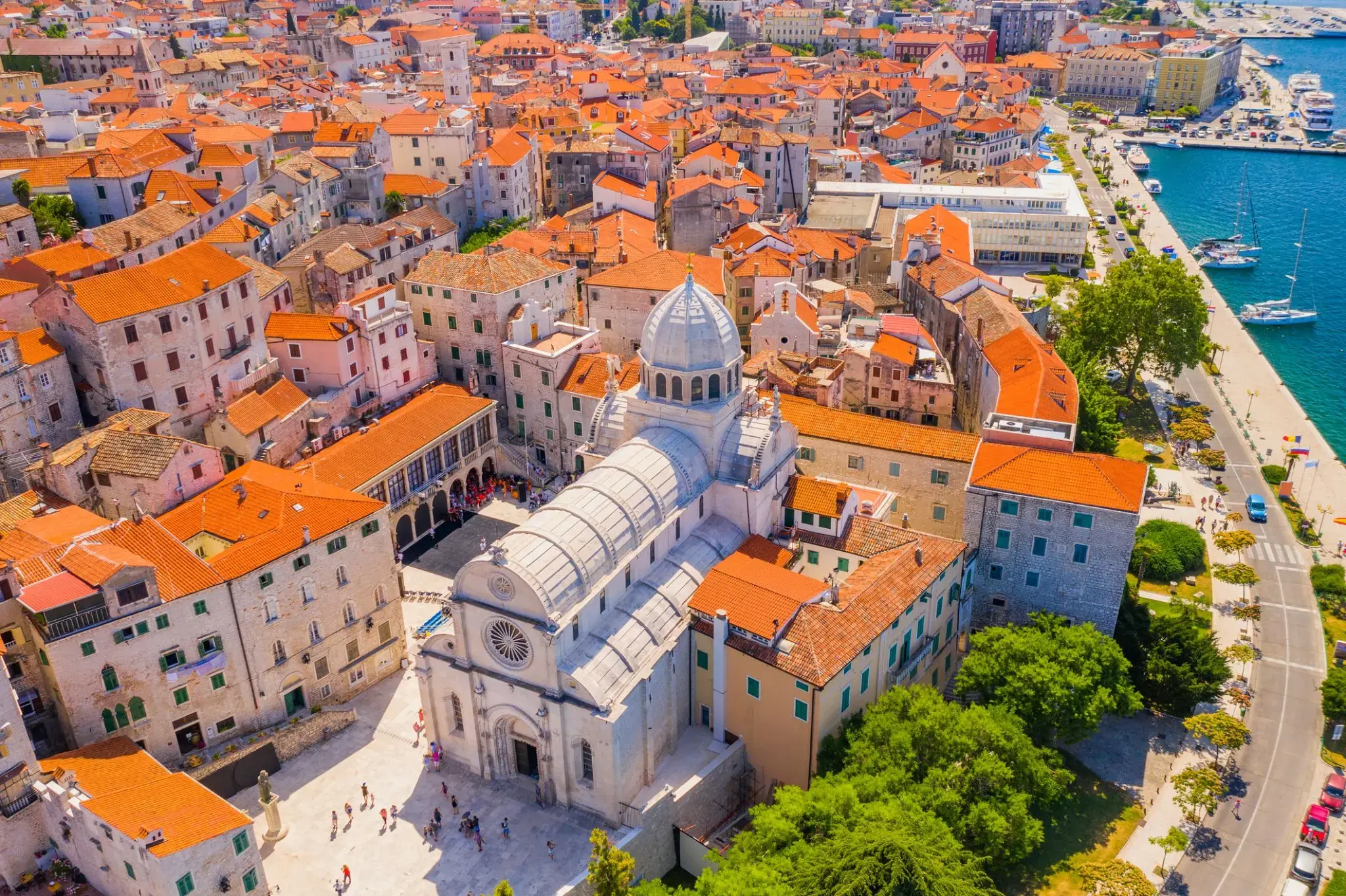
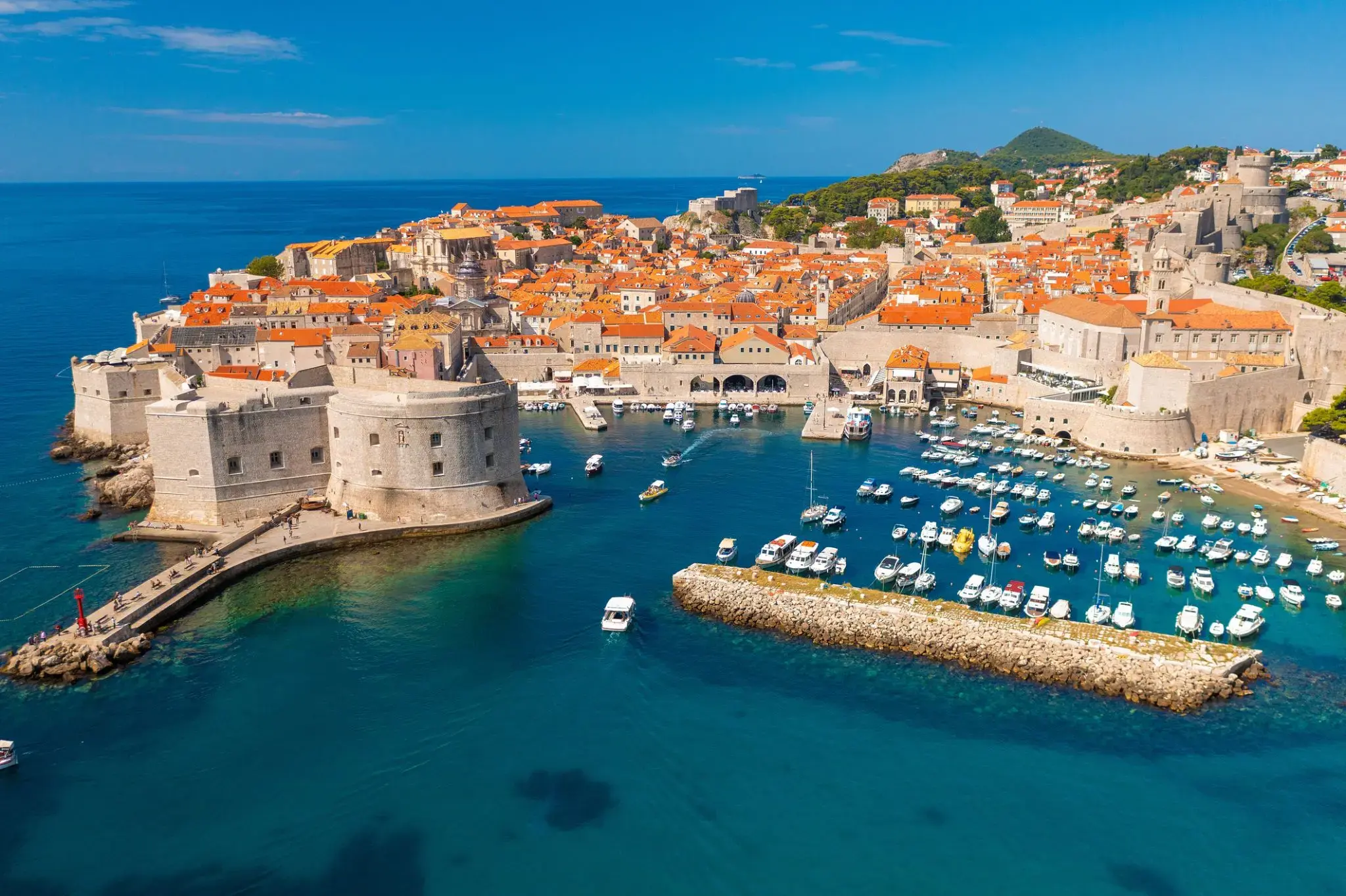
Dubrovnik is a Croatian city on the Adriatic Sea. It is one of the most prominent tourist destinations in the Mediterranean Sea, a seaport and the centre of Dubrovnik-Neretva County. Its total population is 42,615 (census 2011). In 1979, the city of Dubrovnik joined the UNESCO list of World Heritage sites.
The prosperity of the city was historically based on maritime trade; as the capital of the maritime Republic of Ragusa, it achieved a high level of development, particularly during the 15th and 16th centuries, as it became notable for its wealth and skilled diplomacy.
In 1991, after the break-up of Yugoslavia, Dubrovnik was besieged by Serbian and Montenegrin soldiers of the Yugoslav People's Army (JNA) for seven months and suffered significant damage from shelling. After repair and restoration works in the 1990s and early 2000s, Dubrovnik re-emerged as one of the top tourist destinations in the Mediterranean.
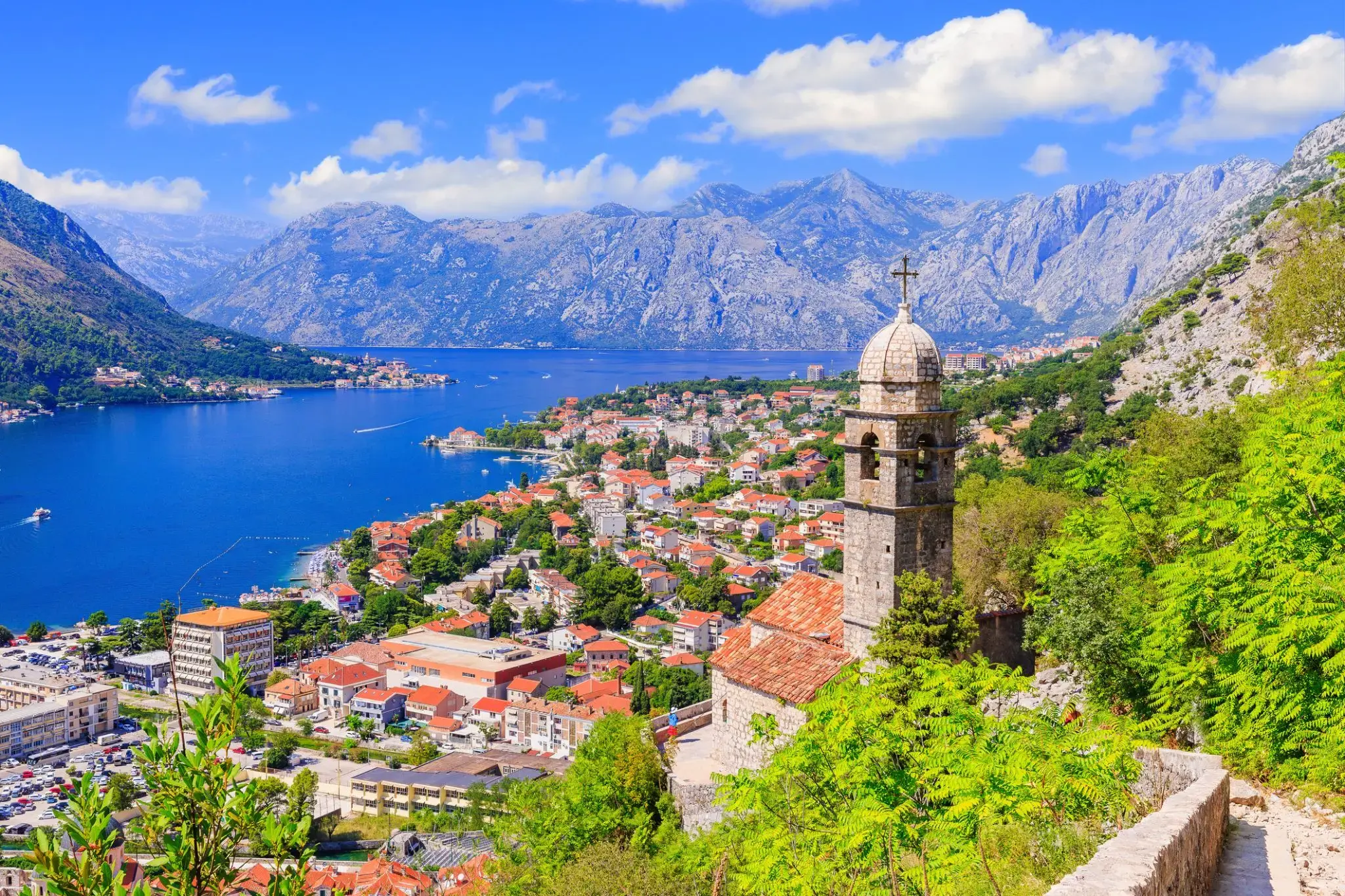
Kotor is a coastal town in Montenegro. It is located in a secluded part of the Gulf of Kotor. The city has a population of 13,510 and is the administrative center of Kotor Municipality.
The old Mediterranean port of Kotor is surrounded by fortifications built during the Venetian period. It is located on the Bay of Kotor (Boka Kotorska), one of the most indented parts of the Adriatic Sea. Some have called it the southern-most fjord in Europe, but it is a ria, a submerged river canyon. Together with the nearly overhanging limestone cliffs of Orjen and Lovćen, Kotor and its surrounding area form an impressive landscape.
Since the early 2000s Kotor has seen an increase in tourists , many of them coming by cruise ship. Visitors are attracted by the natural environment of the Gulf of Kotor and by the old town of Kotor. Kotor is part of the World Heritage Site dubbed the Natural and Culturo-Historical Region of Kotor.
The fortified city of Kotor was also included in UNESCO's World Heritage Site list as part of Venetian Works of Defence between 15th and 17th centuries: Stato da Terra – western Stato da Mar in 201
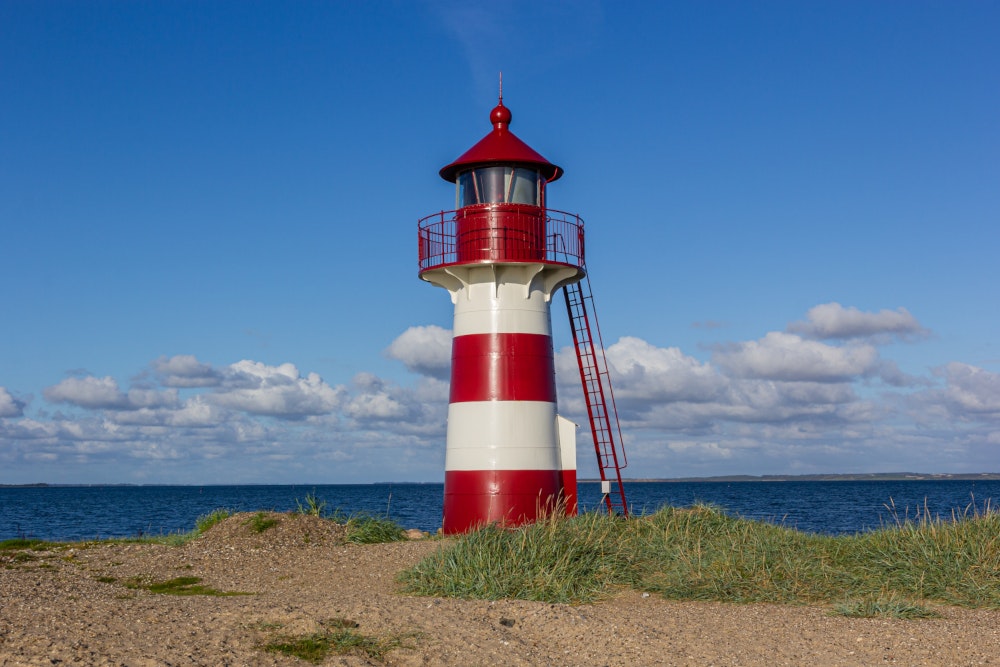
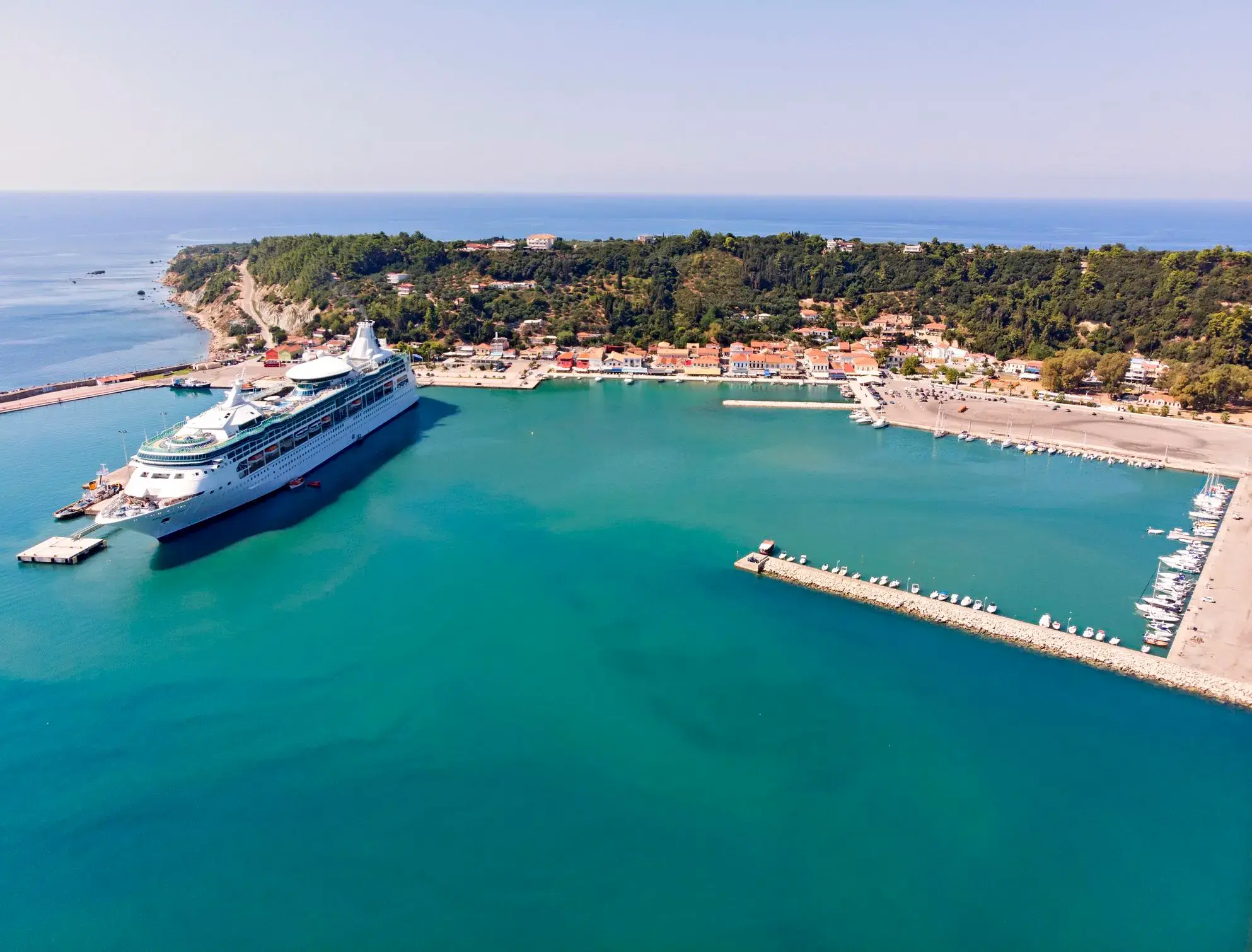
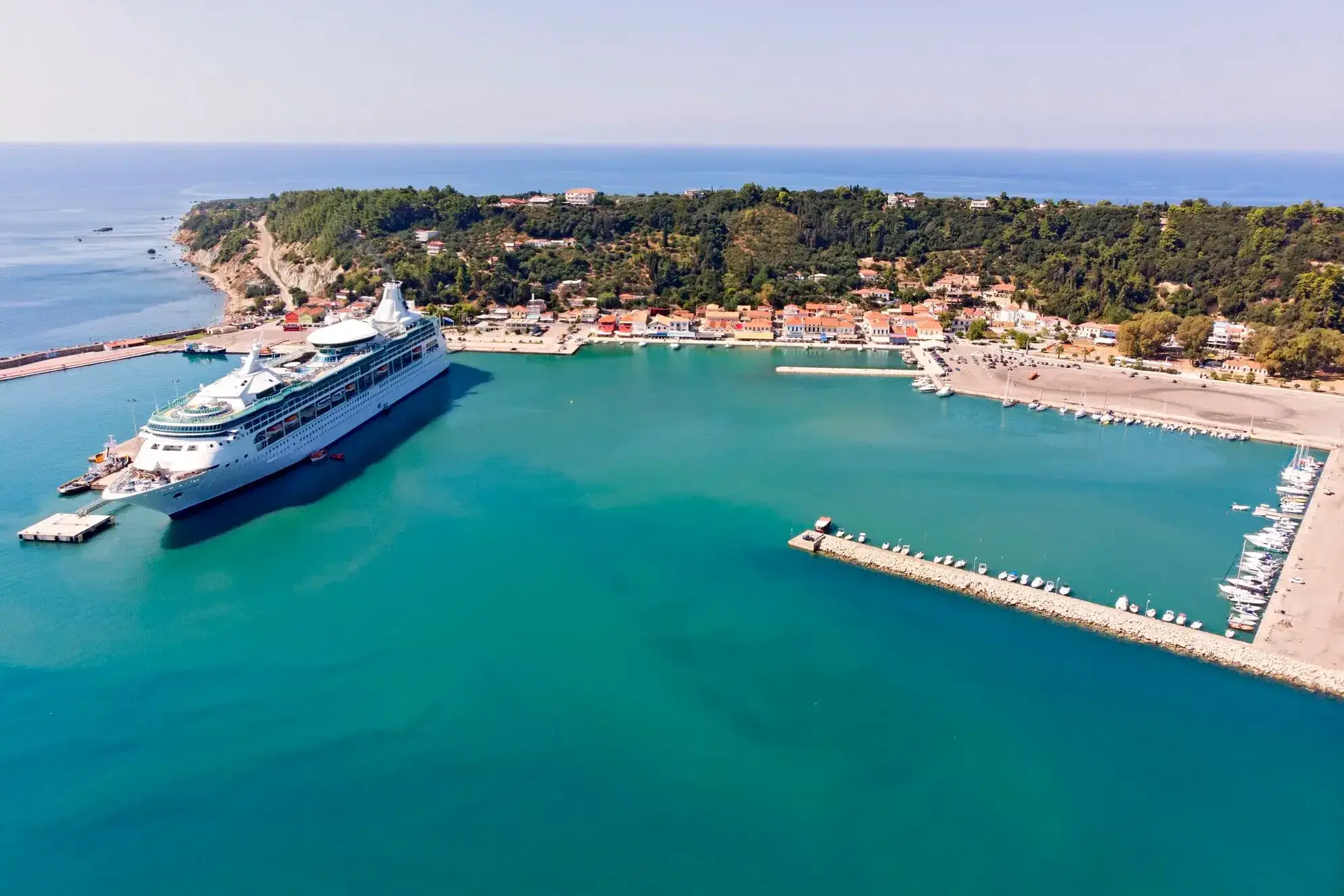
Katakolon is a small coastal town in western Peloponnese, Greece, serving as a maritime gateway to the legendary Ancient Olympia, the birthplace of the Olympic Games. Katakolon has become a popular cruise port thanks to its convenient location. The harbor is surrounded by scenic hills, and along the coastline, you’ll find cozy cafés, shops with local delicacies, and souvenirs. Tourists often begin their exploration of the region here before heading to the archaeological sites of Olympia, located about 30 km from the port.
Katakolon offers a peaceful atmosphere and traditional Greek charm: narrow streets, houses with tiled roofs, and the azure waters of the Ionian Sea. The surrounding area features wineries producing local wine, as well as small beaches ideal for swimming and relaxation. The town also hosts the Museum of Ancient Greek Technology, showcasing unique models of ancient inventions—from automatic doors to early forms of computers. Katakolon is a harmonious blend of history, nature, and authentic Greek hospitality.
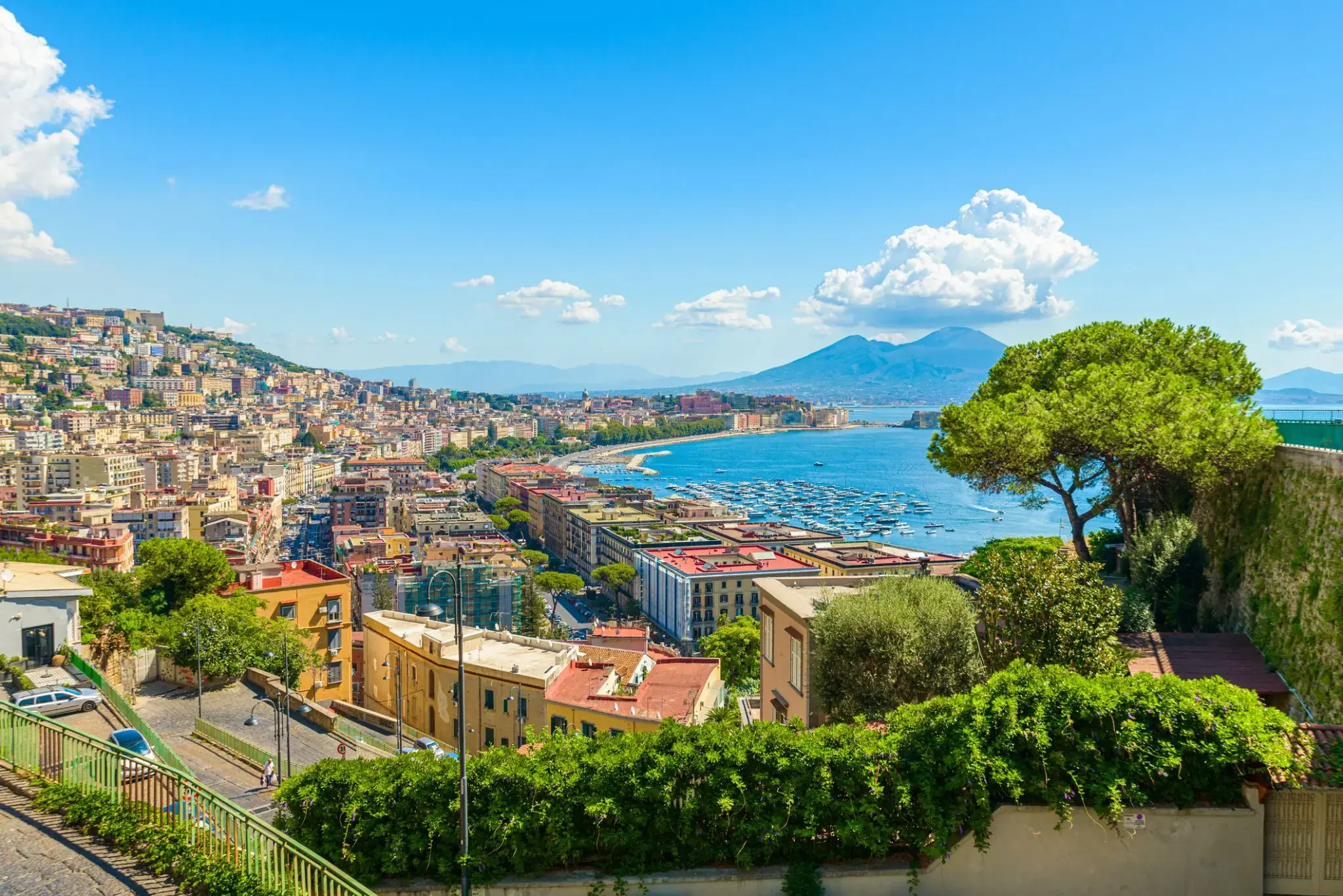
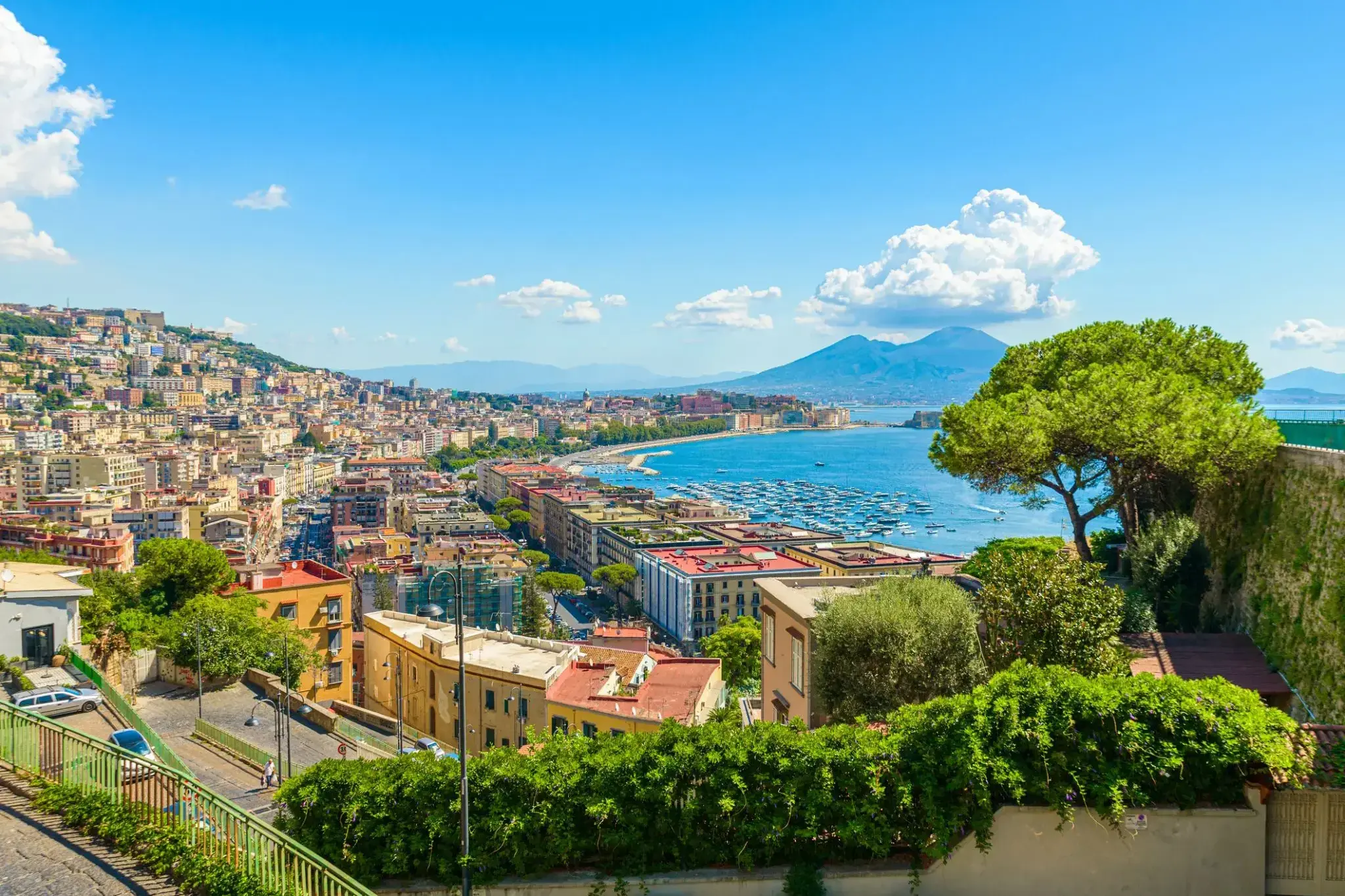
Naples is the regional capital of Campania and the third-largest municipality in Italyafter Rome and Milan. In 2017, around 967,069 people lived within the city's administrative limits while its province-level municipality has a population of 3,115,320 residents. Its continuously built-up metropolitan area (that stretches beyond the boundaries of the Metropolitan City of Naples) is the second or third largest metropolitan area in Italy and one of the most densely populated cities in Europe.
First settled by Greeks in the second millennium BC, Naples is one of the oldest continuously inhabited urban areas in the world. In the ninth century BC, a colony known as Parthenope or Παρθενόπη was established on the Island of Megaride, later refounded as Neápolis in the sixth century BC. The city was an important part of Magna Graecia, played a major role in the merging of Greek and Roman society and a significant cultural centre under the Romans. It served as the capital of the Duchy of Naples (661–1139), then of the Kingdom of Naples (1282–1816) and finally of the Two Sicilies until the unification of Italy in 1861.
Between 1925 and 1936, Naples was expanded and upgraded by Benito Mussolini's government but subsequently sustained severe damage from Allied bombing during World War II, which led to extensive post-1945 reconstruction work. Naples has experienced significant economic growth in recent decades, helped by the construction of the Centro Direzionale business district and an advanced transportation network, which includes the Alta Velocità high-speed rail link to Rome and Salerno and an expanded subway network. Naples is the third-largest urban economy in Italy, after Milan and Rome. The Port of Naples is one of the most important in Europe and home of the Allied Joint Force Command Naples, the NATO body that oversees North Africa, the Sahel and Middle East.
Naples' historic city centre is the largest in Europe and a UNESCO World Heritage Site, with a wide range of culturally and historically significant sites nearby, including the Palace of Caserta and the Roman ruins of Pompeii and Herculaneum. Naples is also known for its natural beauties such as Posillipo, Phlegraean Fields, Nisida, and Vesuvius.
Neapolitan cuisine is synonymous with pizza – which originated in the city – but it also includes many lesser-known dishes; Naples has the greatest number of accredited stars from the Michelin Guide of any Italian city.
The best-known sports team in Naples is the Serie A club S.S.C. Napoli, two-time Italian champions who play at the San Paolo Stadium in the southwest of the city, in the Fuorigrotta quarter.