

Sea cruise · 07.11.2025 – 05.01.2026 · 59 nights
Astonishing africa & asia
Route and cruise information
Premium- Lisbon
- Lisbon
- Lisbon
- Santa Cruz de Tenerife (Canary Islands)
- Mindelo
- Dakar
- Banjul
- Abidjan
- Sekondi-Takoradi
- Rome (Civitavecchia)
- San Tome
- Walvis Bay
- Walvis Bay
- Cape Town
- Cape Town
- Mossel Bay
- Durban
- Maputo
- Pointe des Galets
- Port Louis
- Malé
- Colombo
- Galle
- Phuket
- Georgetown
- Kuala Lumpur
- Singapore
- Singapore
- Ho Chi Minh
- Ho Chi Minh
- Sihanoukville (Kampong Saom)
- Ko Kut
- Samui Island / Koh Samui
- Bangkok
- Bangkok
| Date | Port | Arrival | Departure |
|---|---|---|---|
| 07.11.2025 |
Lisbon
Portugal
|
— | — |
| 08.11.2025 |
Lisbon
Portugal
|
— | — |
| 09.11.2025 |
Lisbon
Portugal
|
— | 01:00 |
| 10.11.2025 |
Day at sea
|
— | — |
| 11.11.2025 |
Santa Cruz de Tenerife (Canary Islands)
Spain
|
08:00 | 17:00 |
| 12.11.2025 |
Day at sea
|
— | — |
| 13.11.2025 |
Day at sea
|
— | — |
| 14.11.2025 |
Mindelo
Cape Verde
|
08:00 | 18:00 |
| 15.11.2025 |
Day at sea
|
— | — |
| 16.11.2025 |
Dakar
Senegal
|
07:00 | 16:00 |
| 17.11.2025 |
Banjul
Gambia
|
07:00 | 16:00 |
| 18.11.2025 |
Day at sea
|
— | — |
| 19.11.2025 |
Day at sea
|
— | — |
| 20.11.2025 |
Abidjan
Cote d'Ivoire
|
13:00 | 21:00 |
| 21.11.2025 |
Sekondi-Takoradi
Ghana
|
09:00 | 18:00 |
| 22.11.2025 |
Rome (Civitavecchia)
Italy
|
09:00 | 18:00 |
| 23.11.2025 |
Day at sea
|
— | — |
| 24.11.2025 |
San Tome
Sao Tome and Principe
|
07:00 | 16:00 |
| 25.11.2025 |
Day at sea
|
— | — |
| 26.11.2025 |
Day at sea
|
— | — |
| 27.11.2025 |
Day at sea
|
— | — |
| 28.11.2025 |
Walvis Bay
Namibia
|
11:00 | — |
| 29.11.2025 |
Walvis Bay
Namibia
|
— | 17:00 |
| 30.11.2025 |
Day at sea
|
— | — |
| 01.12.2025 |
Cape Town
South Africa
|
15:00 | — |
| 02.12.2025 |
Cape Town
South Africa
|
— | 16:00 |
| 03.12.2025 |
Mossel Bay
South Africa
|
10:00 | 19:00 |
| 04.12.2025 |
Day at sea
|
— | — |
| 05.12.2025 |
Durban
South Africa
|
08:00 | 22:00 |
| 06.12.2025 |
Day at sea
|
— | — |
| 07.12.2025 |
Maputo
Mozambique
|
07:00 | 20:00 |
| 08.12.2025 |
Day at sea
|
— | — |
| 09.12.2025 |
Day at sea
|
— | — |
| 10.12.2025 |
Day at sea
|
— | — |
| 11.12.2025 |
Pointe des Galets
Reunion
|
08:00 | 18:00 |
| 12.12.2025 |
Port Louis
Mauritius
|
08:00 | 18:00 |
| 13.12.2025 |
Day at sea
|
— | — |
| 14.12.2025 |
Day at sea
|
— | — |
| 15.12.2025 |
Day at sea
|
— | — |
| 16.12.2025 |
Day at sea
|
— | — |
| 17.12.2025 |
Malé
Maldives
|
07:00 | 19:00 |
| 18.12.2025 |
Day at sea
|
— | — |
| 19.12.2025 |
Colombo
Sri Lanka
|
08:00 | 18:00 |
| 20.12.2025 |
Galle
Sri Lanka
|
07:00 | 14:00 |
| 21.12.2025 |
Day at sea
|
— | — |
| 22.12.2025 |
Day at sea
|
— | — |
| 23.12.2025 |
Phuket
Thailand
|
10:00 | 19:00 |
| 24.12.2025 |
Georgetown
Cayman Islands
|
10:00 | 17:30 |
| 25.12.2025 |
Kuala Lumpur
Malaysia
|
07:30 | 16:30 |
| 26.12.2025 |
Singapore
Singapore
|
07:00 | — |
| 27.12.2025 |
Singapore
Singapore
|
— | 14:00 |
| 28.12.2025 |
Day at sea
|
— | — |
| 29.12.2025 |
Ho Chi Minh
Vietnam
|
08:00 | — |
| 30.12.2025 |
Ho Chi Minh
Vietnam
|
— | 17:00 |
| 31.12.2025 |
Day at sea
|
— | — |
| 01.01.2026 |
Sihanoukville (Kampong Saom)
Cambodia
|
07:00 | 17:00 |
| 02.01.2026 |
Ko Kut
Thailand
|
07:00 | 17:00 |
| 03.01.2026 |
Samui Island / Koh Samui
Thailand
|
08:00 | 17:00 |
| 04.01.2026 |
Bangkok
Thailand
|
11:30 | — |
| 05.01.2026 |
Bangkok
Thailand
|
— | — |
-
 Day 1:
Lisbon / Portugal
Lisbon is the capital and the largest city of Portugal, with an estimated population of 505,526 within its administrative limits in an area of 100.05 km2. Its urban area extends beyond the city's administrative limits with a population of around 2.8 million people, being the 11th-most populous urban area in the European Union. About 3 million people live in the Lisbon Metropolitan Area (which represents approximately 27% of the country's population). It is mainland Europe's westernmost capital city and the only one along the Atlantic coast. Lisbon lies in the western Iberian Peninsula on the Atlantic Ocean and the River Tagus. The westernmost areas of its metro area form the westernmost point of Continental Europe, which is known as Cabo da Roca, located in the Sintra Mountains.
-
Day 2:
Lisbon / Portugal
Lisbon is the capital and the largest city of Portugal, with an estimated population of 505,526 within its administrative limits in an area of 100.05 km2. Its urban area extends beyond the city's administrative limits with a population of around 2.8 million people, being the 11th-most populous urban area in the European Union. About 3 million people live in the Lisbon Metropolitan Area (which represents approximately 27% of the country's population). It is mainland Europe's westernmost capital city and the only one along the Atlantic coast. Lisbon lies in the western Iberian Peninsula on the Atlantic Ocean and the River Tagus. The westernmost areas of its metro area form the westernmost point of Continental Europe, which is known as Cabo da Roca, located in the Sintra Mountains.
-
Day 3: 01:00
Lisbon / Portugal
Lisbon is the capital and the largest city of Portugal, with an estimated population of 505,526 within its administrative limits in an area of 100.05 km2. Its urban area extends beyond the city's administrative limits with a population of around 2.8 million people, being the 11th-most populous urban area in the European Union. About 3 million people live in the Lisbon Metropolitan Area (which represents approximately 27% of the country's population). It is mainland Europe's westernmost capital city and the only one along the Atlantic coast. Lisbon lies in the western Iberian Peninsula on the Atlantic Ocean and the River Tagus. The westernmost areas of its metro area form the westernmost point of Continental Europe, which is known as Cabo da Roca, located in the Sintra Mountains.
-
Day 4:
Day at sea / Sea
-
 Day 5: 08:00–17:00
Santa Cruz de Tenerife (Canary Islands) / Spain
-
Day 6:
Day at sea / Sea
-
Day 7:
Day at sea / Sea
-
 Day 8: 08:00–18:00
Mindelo / Cape Verde
The turquoise waves of the Atlantic embrace the bay of Mindelo on the island of São Vicente, inviting travelers to dive into the rhythms of Cape Verdean music and its warm atmosphere. Known as the cultural capital of Cape Verde, this city enchants with its colorful colonial buildings, the live sounds of morna and coladeira, and street cafés where you can taste fresh seafood to the sound of guitars.
In Mindelo, visitors can stroll along the waterfront with views of the mountains and port, discover cozy shops with local crafts, and relax on sandy beaches where the soft breeze carries the scent of the ocean. This city offers a chance to feel the slow pace of island life, immerse yourself in music that plays on every corner, and take home memories of true Cape Verde, full of smiles and warm sunshine.
-
Day 9:
Day at sea / Sea
-
 Day 10: 07:00–16:00
Dakar / Senegal
Dakar is the capital and largest city of Senegal. It is located on the Cap-Vert peninsula on the Atlantic coast and is the westernmost city on the African mainland. The city of Dakar proper has a population of 1,030,594, whereas the population of the Dakar metropolitan area is estimated at 2.45 million.
The area around Dakar was settled in the 15th century. The Portuguese established a presence on the island of Gorée off the coast of Cap-Vert and used it as a base for the Atlantic slave trade. France took over the island in 1677. Following the abolition of the slave trade and French annexation of the mainland area in the 19th century, Dakar grew into a major regional port and a major city of the French colonial empire. In 1902, Dakar replaced Saint-Louis as the capital of French West Africa. From 1959 to 1960, Dakar was the capital of the short-lived Mali Federation. In 1960, it became the capital of the independent Republic of Senegal.
-
 Day 11: 07:00–16:00
Banjul / Gambia
-
Day 12:
Day at sea / Sea
-
Day 13:
Day at sea / Sea
-
 Day 14: 13:00–21:00
Abidjan / Cote d'Ivoire
-
Day 15: 09:00–18:00
Sekondi-Takoradi / Ghana
-
 Day 16: 09:00–18:00
Rome (Civitavecchia) / Italy
Rome is the capital city and a special comune of Italy (named Comune di Roma Capitale). Rome also serves as the capital of the Lazio region. With 2,872,800 residents in 1,285 km2(496.1 sq mi), it is also the country's most populated comune. It is the fourth-most populous city in the European Union by population within city limits. It is the centre of the Metropolitan City of Rome, which has a population of 4,355,725 residents, thus making it the most populous metropolitan city in Italy. Rome is located in the central-western portion of the Italian Peninsula, within Lazio (Latium), along the shores of the Tiber. The Vatican City (the smallest country in the world) is an independent country inside the city boundaries of Rome, the only existing example of a country within a city: for this reason Rome has been often defined as capital of two states.
Rome's history spans 28 centuries. While Roman mythology dates the founding of Rome at around 753 BC, the site has been inhabited for much longer, making it one of the oldest continuously occupied sites in Europe. The city's early population originated from a mix of Latins, Etruscans, and Sabines. Eventually, the city successively became the capital of the Roman Kingdom, the Roman Republic and the Roman Empire, and is regarded as the birthplace of Western civilization and by some as the first ever metropolis. It was first called The Eternal City (Latin: Urbs Aeterna; Italian: La Città Eterna) by the Roman poet Tibullus in the 1st century BC, and the expression was also taken up by Ovid, Virgil, and Livy. Rome is also called the "Caput Mundi" (Capital of the World). After the fall of the Western Empire, which marked the beginning of the Middle Ages, Rome slowly fell under the political control of the Papacy, which had settled in the city since the 1st century AD, until in the 8th century it became the capital of the Papal States, which lasted until 1870. Beginning with the Renaissance, almost all the popes since Nicholas V (1447–1455) pursued over four hundred years a coherent architectural and urban programme aimed at making the city the artistic and cultural centre of the world. In this way, Rome became first one of the major centres of the Italian Renaissance, and then the birthplace of both the Baroque style and Neoclassicism. Famous artists, painters, sculptors and architects made Rome the centre of their activity, creating masterpieces throughout the city. In 1871, Rome became the capital of the Kingdom of Italy, which, in 1946, became the Italian Republic.
Rome has the status of a global city. In 2016, Rome ranked as the 14th-most-visited city in the world, 3rd most visited in the European Union, and the most popular tourist attraction in Italy. Its historic centre is listed by UNESCO as a World Heritage Site. The famous Vatican Museums are among the world's most visited museums while the Colosseum was the most popular tourist attraction in world with 7.4 million visitors in 2018. Host city for the 1960 Summer Olympics, Rome is the seat of several specialized agencies of the United Nations, such as the Food and Agriculture Organization (FAO), the World Food Programme (WFP) and the International Fund for Agricultural Development (IFAD). The city also hosts the Secretariat of the Parliamentary Assembly of the Union for the Mediterranean (UfM) as well as the headquarters of many international business companies such as Eni, Enel, TIM, Leonardo S.p.A., and national and international banks such as Unicredit and BNL. Its business district, called EUR, is the base of many companies involved in the oil industry, the pharmaceutical industry, and financial services. Rome is also an important fashion and design centre thanks to renowned international brands centered in the city. Rome's Cinecittà Studios have been the set of many Academy Award–winning movies.
-
Day 17:
Day at sea / Sea
-
 Day 18: 07:00–16:00
San Tome / Sao Tome and Principe
-
Day 19:
Day at sea / Sea
-
Day 20:
Day at sea / Sea
-
Day 21:
Day at sea / Sea
-
 Day 22: 11:00
Walvis Bay / Namibia
Walvis Bay — Namibia’s Maritime Gateway
Walvis Bay, located on the Atlantic coast of Namibia, offers a rare blend of an industrial port and a natural haven. The town is famous for its vast lagoon—one of the largest in Africa—where flamingos, pelicans, and other water birds can be observed year-round. It's also one of the top places on the continent to witness marine life: visitors often take boat trips to spot seals, dolphins, and sometimes even whales. The lagoon is also popular among kite surfers and windsurfers, thanks to steady winds and wide open waters.
The city plays a key economic role as Namibia’s main port and a hub for the fishing industry. Yet, Walvis Bay attracts not only through its utility, but also through the stunning desert landscapes of the Namib, which begin just outside the town. The famous dunes and lunar scenery create a unique contrast with the ocean. This rare meeting of sea and desert makes Walvis Bay an unforgettable stop on any journey through southwestern Africa.
-
Day 23: 17:00
Walvis Bay / Namibia
Walvis Bay — Namibia’s Maritime Gateway
Walvis Bay, located on the Atlantic coast of Namibia, offers a rare blend of an industrial port and a natural haven. The town is famous for its vast lagoon—one of the largest in Africa—where flamingos, pelicans, and other water birds can be observed year-round. It's also one of the top places on the continent to witness marine life: visitors often take boat trips to spot seals, dolphins, and sometimes even whales. The lagoon is also popular among kite surfers and windsurfers, thanks to steady winds and wide open waters.
The city plays a key economic role as Namibia’s main port and a hub for the fishing industry. Yet, Walvis Bay attracts not only through its utility, but also through the stunning desert landscapes of the Namib, which begin just outside the town. The famous dunes and lunar scenery create a unique contrast with the ocean. This rare meeting of sea and desert makes Walvis Bay an unforgettable stop on any journey through southwestern Africa.
-
Day 24:
Day at sea / Sea
-
 Day 25: 15:00
Cape Town / South Africa
Cape Town is the oldest city in South Africa, colloquially named the Mother City. It is the legislative capital of South Africa and primate city of the Western Cape province. It forms part of the City of Cape Town metropolitan municipality.
The Parliament of South Africa sits in Cape Town. The other two capitals are located in Pretoria (the administrative capital where the Presidency is based) and Bloemfontein (the judicial capital where the Supreme Court of Appeal is located). The city is known for its harbour, for its natural setting in the Cape Floristic Region, and for landmarks such as Table Mountain and Cape Point. As of 2014, it is the 10th most populous city in Africa and home to 64% of the Western Cape's population. It is one of the most multicultural cities in the world, reflecting its role as a major destination for immigrants and expatriates to South Africa. The city was named the World Design Capital for 2014 by the International Council of Societies of Industrial Design. In 2014, Cape Town was named the best place in the world to visit by both The New York Times and The Daily Telegraph.
Located on the shore of Table Bay, Cape Town, as the oldest urban area in South Africa, was developed by the Dutch East India Company (VOC) as a supply station for Dutch ships sailing to East Africa, India, and the Far East. Jan van Riebeeck's arrival on 6 April 1652 established Dutch Cape Colony, the first permanent European settlement in South Africa. Cape Town outgrew its original purpose as the first European outpost at the Castle of Good Hope, becoming the economic and cultural hub of the Cape Colony. Until the Witwatersrand Gold Rush and the development of Johannesburg, Cape Town was the largest city in South Africa.
-
Day 26: 16:00
Cape Town / South Africa
Cape Town is the oldest city in South Africa, colloquially named the Mother City. It is the legislative capital of South Africa and primate city of the Western Cape province. It forms part of the City of Cape Town metropolitan municipality.
The Parliament of South Africa sits in Cape Town. The other two capitals are located in Pretoria (the administrative capital where the Presidency is based) and Bloemfontein (the judicial capital where the Supreme Court of Appeal is located). The city is known for its harbour, for its natural setting in the Cape Floristic Region, and for landmarks such as Table Mountain and Cape Point. As of 2014, it is the 10th most populous city in Africa and home to 64% of the Western Cape's population. It is one of the most multicultural cities in the world, reflecting its role as a major destination for immigrants and expatriates to South Africa. The city was named the World Design Capital for 2014 by the International Council of Societies of Industrial Design. In 2014, Cape Town was named the best place in the world to visit by both The New York Times and The Daily Telegraph.
Located on the shore of Table Bay, Cape Town, as the oldest urban area in South Africa, was developed by the Dutch East India Company (VOC) as a supply station for Dutch ships sailing to East Africa, India, and the Far East. Jan van Riebeeck's arrival on 6 April 1652 established Dutch Cape Colony, the first permanent European settlement in South Africa. Cape Town outgrew its original purpose as the first European outpost at the Castle of Good Hope, becoming the economic and cultural hub of the Cape Colony. Until the Witwatersrand Gold Rush and the development of Johannesburg, Cape Town was the largest city in South Africa.
-
 Day 27: 10:00–19:00
Mossel Bay / South Africa
-
Day 28:
Day at sea / Sea
-
 Day 29: 08:00–22:00
Durban / South Africa
Durban is the third most populous city in South Africa—after Johannesburg and Cape Town—and the largest city in the South African province of KwaZulu-Natal. Located on the east coast of South Africa, Durban is famous for being the busiest port in the country. It is also seen as one of the major centres of tourism because of the city's warm subtropical climate and extensive beaches. Durban forms part of the eThekwini Metropolitan Municipality, which includes neighboring towns and has a population of about 3.44 million, making the combined municipality one of the biggest cities on the Indian Ocean coast of the African continent. It is also the second most important manufacturing hub in South Africa after Johannesburg. In 2015, Durban was recognised as one of the New7Wonders Cities (along with Vigan, Doha, La Paz, Havana, Beirut, and Kuala Lumpur).
-
Day 30:
Day at sea / Sea
-
 Day 31: 07:00–20:00
Maputo / Mozambique
Maputo is the capital and largest city of Mozambique, stretching along the coast of the Indian Ocean. The city is known for its eclectic architecture, where Portuguese colonial buildings stand side by side with modern structures. One of its main landmarks is the central railway station, designed by students of Gustave Eiffel, according to some sources. Tourists are also drawn to the city’s palm-lined waterfront, markets offering local fruits and handmade crafts, and museums that tell the rich story of the country.
Despite its capital status, Maputo retains a warm and relaxed atmosphere. Visitors can enjoy traditional cuisine rich in seafood and spices, and listen to live marrabenta music in street cafés. Thanks to its proximity to natural reserves like Maputo National Park, the city is also ideal for travelers seeking a blend of cultural experiences and encounters with nature.
-
Day 32:
Day at sea / Sea
-
Day 33:
Day at sea / Sea
-
Day 34:
Day at sea / Sea
-
Day 35: 08:00–18:00
Pointe des Galets / Reunion
-
 Day 36: 08:00–18:00
Port Louis / Mauritius
Port Louis is the capital and main port of Mauritius, located on the island’s northwest coast. This lively city combines colonial heritage, modern business hubs, and vibrant Creole culture. The historic center of Port Louis preserves buildings from the French and British eras, with Fort Adelaide (also known as the Citadel) standing out as a key attraction offering panoramic views of the city and harbor. Nearby is the Port Louis Market, a colorful center of local life where visitors can find spices, fruits, textiles, and handcrafted goods.
The city is also renowned for its museums, including the Mauritius Postal Museum, which displays the island’s first postage stamp — the famous “Blue Mauritius.” In addition to its cultural landmarks, Port Louis offers a wide range of culinary experiences influenced by Indian, Chinese, African, and European traditions. In the evening, the Caudan Waterfront becomes a favorite spot for strolls, shopping, and enjoying the vibrant atmosphere.
-
Day 37:
Day at sea / Sea
-
Day 38:
Day at sea / Sea
-
Day 39:
Day at sea / Sea
-
Day 40:
Day at sea / Sea
-
 Day 41: 07:00–19:00
Malé / Maldives
This picturesque island in the heart of the Indian Ocean attracts travelers with its unique atmosphere and rich culture. Male, Maldives offers a blend of traditional Maldivian life and modern urban rhythm, where narrow streets coexist with vibrant markets and historic mosques. For lovers of sea adventures and beach relaxation, Male, Maldives is the perfect starting point to explore famous coral reefs and luxurious resorts. Thanks to its location, the city serves as an important transport hub connecting many islands of the archipelago, making travel convenient and exciting. -
Day 42:
Day at sea / Sea
-
 Day 43: 08:00–18:00
Colombo / Sri Lanka
Colombo is the commercial capital and largest city of Sri Lanka. According to the Brookings Institution, Colombo metropolitan area has a population of 5.6 million, and 752,993 in the city proper. It is the financial centre of the island and a popular tourist destination. It is located on the west coast of the island and adjacent to the Greater Colombo area which includes Sri Jayawardenepura Kotte, the legislative capital of Sri Lanka and Dehiwala-Mount Lavinia. Colombo is often referred to as the capital since Sri Jayawardenepura Kotte is within the urban area of, and a suburb of, Colombo. It is also the administrative capital of the Western Province and the district capital of Colombo District. Colombo is a busy and vibrant place with a mixture of modern life and colonial buildings and ruins. It was the legislative capital of Sri Lanka until 1982.
Due to its large harbour and its strategic position along the East-West sea trade routes, Colombo was known to ancient traders 2,000 years ago. It was made the capital of the island when Sri Lanka was ceded to the British Empire in 1815, and its status as capital was retained when the nation became independent in 1948. In 1978, when administrative functions were moved to Sri Jayawardenepura Kotte, Colombo was designated as the commercial capital of Sri Lanka.
-
Day 44: 07:00–14:00
Galle / Sri Lanka
-
Day 45:
Day at sea / Sea
-
Day 46:
Day at sea / Sea
-
 Day 47: 10:00–19:00
Phuket / Thailand
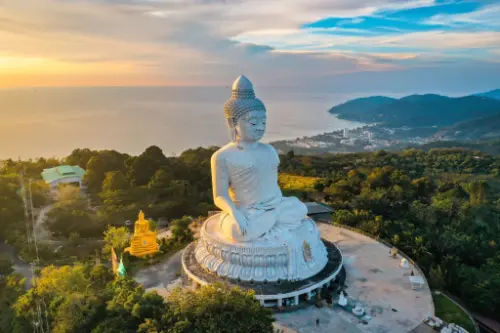
Phuket is one of the southern provinces (changwat) of Thailand. It consists of the island of Phuket, the country's largest island, and another 32 smaller islands off its coast. It lies off the west coast of Thailand in the Andaman Sea. Phuket Island is connected by the Sarasin Bridge to Phang Nga Province to the north. The next nearest province is Krabi, to the east across Phang Nga Bay.
-
 Day 48: 10:00–17:30
Georgetown / Cayman Islands
Georgetown is the capital of the Cayman Islands, located on Grand Cayman Island in the Caribbean Sea. This picturesque city is known for its beautiful beaches, crystal-clear waters, and cozy atmosphere. The heart of Georgetown features a vibrant waterfront with shops, restaurants, and cafes, where visitors can enjoy local delicacies and buy products from local artisans. The city is also famous for its colonial architecture and historic buildings, with notable landmarks like the old Catholic Church of St. Theresa and the Cayman Islands Museum, where visitors can learn more about the culture and history of the region.
For those seeking adventure, Georgetown does not disappoint. The local waters hide coral gardens, where visitors can encounter not only fish but also majestic sea turtles with whom they can swim. Snorkeling and diving in these areas are not just activities but a chance to witness the pristine ecosystem of the Caribbean Sea. History and nature enthusiasts can explore routes across the island, passing through its green corners, ancient reefs, and waterfalls, offering the perfect blend of natural exploration and cultural discovery.
-
 Day 49: 07:30–16:30
Kuala Lumpur / Malaysia
Kuala Lumpur is the dynamic capital of Malaysia, where futuristic skyscrapers stand alongside colonial buildings and traditional markets. The city emerged in the mid-19th century at the confluence of the Klang and Gombak rivers as a mining settlement and has since evolved into the nation's largest economic and cultural hub. Its iconic landmark is the Petronas Twin Towers, once the tallest buildings in the world, which remain a symbol of Malaysian progress and innovation.
For tourists, Kuala Lumpur offers a diverse array of experiences: from a morning stroll through the colonial-era Merdeka Square to evening shopping in the ultra-modern Bukit Bintang district. Visitors can explore the Islamic Arts Museum, savor street food in the Jalan Alor area, visit the Hindu temple in the Batu Caves, or relax under tropical trees in the Lake Gardens. The city, enriched by Malay, Chinese, and Indian cultures, invites exploration through its architecture, cuisine, and the rhythm of contemporary life.
-
 Day 50: 07:00
Singapore / Singapore
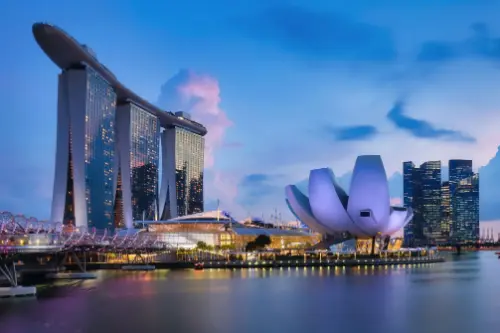
Сингапур довольно необычный город Азии — это город-государство, которое расположилось на островах в Индийском океане. Его колониальные кварталы, храмы, музеи, великолепны парки, аттракционы, современные небоскребы и крупнейший морской порт, придают городу уникальный колорит и неповторимость. Город получил важное экономическое и политическое значение среди стран Восточной Азии. Все основные достопримечательности сосредоточены в четырех районах города. Основными из них являются: здание Импресс-Плейс-Билдинг, армянская церковь Св. Грегора-Святителя, Концертный зал и театр Виктории, англиканский собор Св. Андрея, католический собор Гуд-Шеферд, здания Парламента, а так же много других памятников архитектуры, дворцов, храмов и просто интересных улиц и кварталов.
-
Day 51: 14:00
Singapore / Singapore
Сингапур довольно необычный город Азии — это город-государство, которое расположилось на островах в Индийском океане. Его колониальные кварталы, храмы, музеи, великолепны парки, аттракционы, современные небоскребы и крупнейший морской порт, придают городу уникальный колорит и неповторимость. Город получил важное экономическое и политическое значение среди стран Восточной Азии. Все основные достопримечательности сосредоточены в четырех районах города. Основными из них являются: здание Импресс-Плейс-Билдинг, армянская церковь Св. Грегора-Святителя, Концертный зал и театр Виктории, англиканский собор Св. Андрея, католический собор Гуд-Шеферд, здания Парламента, а так же много других памятников архитектуры, дворцов, храмов и просто интересных улиц и кварталов.
-
Day 52:
Day at sea / Sea
-
 Day 53: 08:00
Ho Chi Minh / Vietnam
Ho Chi Minh City, also known by its former name of Saigon is the most populous city in Vietnam with a population of 8.4 million (13 million in the metropolitan area) as of 2017. Located in southeast Vietnam, the metropolis surrounds the Saigon River and covers about 2,061 square kilometres (796 square miles).
Under the name Saigon, it was the capital of French Indochina from 1887 to 1902 and again from 1945 to 1954. Saigon would later become the capital of South Vietnam from 1955 until its fall in 1975. On 2 July 1976, Saigon merged with the surrounding Gia Định Province and was officially renamed Ho Chi Minh City after revolutionary leader Hồ Chí Minh (although the name Sài Gòn is still widely used).
Ho Chi Minh City is the financial centre of Vietnam and is classifed as a Beta+ World City by Globalization and World Cities Research Network. It is home to the Ho Chi Minh City Stock Exchange, the largest stock exchange by total market capitalization in Vietnam and the headquarters of many national and international banks and companies.
Ho Chi Minh City is the most visited city in Vietnam, with 6.3 million visitors in 2017. Many of the city's landmarks which are well known to international visitors include the Bến Thành Market, Ho Chi Minh City Hall, Notre-Dame Cathedral Basilica of Saigon, Independence Palace and the Municipal Theatre. The main passenger airport serving the metropolitan area is Tan Son Nhat International Airport, it is the busiest airport in Vietnam handling 36 million passengers in 2017.
-
Day 54: 17:00
Ho Chi Minh / Vietnam
Ho Chi Minh City, also known by its former name of Saigon is the most populous city in Vietnam with a population of 8.4 million (13 million in the metropolitan area) as of 2017. Located in southeast Vietnam, the metropolis surrounds the Saigon River and covers about 2,061 square kilometres (796 square miles).
Under the name Saigon, it was the capital of French Indochina from 1887 to 1902 and again from 1945 to 1954. Saigon would later become the capital of South Vietnam from 1955 until its fall in 1975. On 2 July 1976, Saigon merged with the surrounding Gia Định Province and was officially renamed Ho Chi Minh City after revolutionary leader Hồ Chí Minh (although the name Sài Gòn is still widely used).
Ho Chi Minh City is the financial centre of Vietnam and is classifed as a Beta+ World City by Globalization and World Cities Research Network. It is home to the Ho Chi Minh City Stock Exchange, the largest stock exchange by total market capitalization in Vietnam and the headquarters of many national and international banks and companies.
Ho Chi Minh City is the most visited city in Vietnam, with 6.3 million visitors in 2017. Many of the city's landmarks which are well known to international visitors include the Bến Thành Market, Ho Chi Minh City Hall, Notre-Dame Cathedral Basilica of Saigon, Independence Palace and the Municipal Theatre. The main passenger airport serving the metropolitan area is Tan Son Nhat International Airport, it is the busiest airport in Vietnam handling 36 million passengers in 2017.
-
Day 55:
Day at sea / Sea
-
 Day 56: 07:00–17:00
Sihanoukville (Kampong Saom) / Cambodia
Kompong Som (Sihanoukville)
-
Day 57: 07:00–17:00
Ko Kut / Thailand
-
 Day 58: 08:00–17:00
Samui Island / Koh Samui / Thailand
Among the tropical islands of Thailand, Koh Samui stands out with its unique nature and atmosphere. This island attracts travelers from all over the world with its white sandy beaches, picturesque waterfalls, and dense jungles. It's an ideal place for relaxation, whether it’s engaging in water sports, exploring nature, or simply enjoying peace and beauty.
Moreover, Koh Samui is known for its cultural heritage, including many Buddhist temples and sanctuaries. One of the most famous is the Big Buddha Temple, which is not only a religious center but also one of the island's main attractions. The local cuisine, featuring fresh seafood and exotic fruits, will make the trip even more exciting and delicious.
-
 Day 59: 11:30
Bangkok / Thailand
Bangkok is the capital and most populous city of Thailand. It is known in Thai as Krung Thep Maha Nakhon or simply Krung Thep. The city occupies 1,568.7 square kilometres (605.7 sq mi) in the Chao Phraya River delta in central Thailand, and has a population of over eight million, or 12.6 percent of the country's population. Over fourteen million people (22.2 percent) lived within the surrounding Bangkok Metropolitan Region at the 2010 census, making Bangkok the nation's primate city, significantly dwarfing Thailand's other urban centres in terms of importance.
-
Day 60:
Bangkok / Thailand
Bangkok is the capital and most populous city of Thailand. It is known in Thai as Krung Thep Maha Nakhon or simply Krung Thep. The city occupies 1,568.7 square kilometres (605.7 sq mi) in the Chao Phraya River delta in central Thailand, and has a population of over eight million, or 12.6 percent of the country's population. Over fourteen million people (22.2 percent) lived within the surrounding Bangkok Metropolitan Region at the 2010 census, making Bangkok the nation's primate city, significantly dwarfing Thailand's other urban centres in terms of importance.
Your World Included
With Your World Included, you’ll enjoy a wide array of included amenities for the ultimate comfort and value in ultra-premium cruising.
Unforgettable dining experiences at a variety of exquisite restaurants — all at no extra charge.
Complimentary specialty coffees, sodas, freshly pressed juices, and still and sparkling Vero Water® served throughout the ship.
Unlimited free Wi-Fi available in your suite, stateroom, and all public areas.
In-room dining with a superb variety of hot and cold selections.
Smoothies, milkshakes, gelato, and signature Humphry Slocombe ice cream — always included.
Group fitness classes at Aquamar® Spa + Vitality Center are complimentary.
Gratuities are included for your convenience.
Laundry is free for all guests.
With complimentary self-service launderettes on board, plus laundry and pressing services for Concierge and Suite categories, you’ll always look your finest.
Along with our hallmark personalized service, you’ll enjoy an enriching cruise experience with no hidden costs or nickel-and-diming.
Elevate Your Experience
Concierge Level Veranda Staterooms offer an unrivaled combination of luxury, privilege, and value. A wealth of amenities and exclusive benefits elevate your experience to the sublime — from in-room dining selections from The Grand Dining Room and complimentary laundry services to unlimited access to the Aquamar Spa Terrace.
On board Oceania Marina and Oceania Riviera, you’ll also enjoy the services of a dedicated Concierge and exclusive access to the private Concierge Lounge.
Located in the most desired areas of the ship, Concierge Level Veranda Staterooms are far more than just staterooms — they are an experience in themselves.
Concierge Level Veranda — Exclusive Privileges
Expanded in-room dining menu for lunch and dinner from The Grand Dining Room
Laundry service — up to 3 bags per stateroom
Exclusive key-card access to the private Concierge Lounge aboard Oceania Marina, Oceania Riviera, Oceania Vista, and Oceania Allura, featuring complimentary beverages, coffees, snacks, and the services of a dedicated Concierge
Welcome bottle of fine Italian Prosecco
Priority online reservations for specialty restaurants
Unlimited access to the Aquamar Spa Terrace
Oceania Cruises logo tote bag
Cashmere lap blankets — perfect for relaxing or snuggling
Pressing of garments upon embarkation
Complimentary shoeshine service
As of 01.11.2026
Deposit and Payments – Oceania Cruises
General Deposit:
For Owner’s, Vista, and Oceania Suites, a deposit of 20% of the cruise fare per person is required.
For all other suite/stateroom categories, the deposit is $500 per person.
For Grand Voyages, the deposit is $1,500 per person.
Deposit and Final Payment Deadlines:
Bookings more than 150 days from sailing:
Deposit 20% for Owner’s, Vista, and Oceania Suites and $500 for all other categories is required within 5 days of booking.
Bookings 90–120 days from sailing:
Full payment required within 3 days of booking.
Bookings 0–90 days from sailing:
Full payment due on the day of booking.
Important:
Bookings that are not deposited or paid in full according to this schedule will be automatically cancelled.
Unless otherwise noted, final payment must be received by Oceania Cruises 150 days prior to departure for cruises less than 15 days, and 150 days for cruises 15 days or longer.
Oceania Cruises reserves the right to cancel any booking not fully paid at the time of final payment.
Additional Information:
Passport details and special onboard service requests are due at final payment.
Payment may be made by personal check, American Express, Discover, MasterCard, or Visa.
For convenience, final payment may be automatically charged to the credit card used for the initial deposit.
Oceania Cruises is not responsible for foreign currency or transaction fees independently charged by issuing banks. These fees do not benefit Oceania Cruises.
Third-party credit card payments are accepted only with valid authorization from the cardholder.
Deposit and Payment – 180-Day Voyages
For 180-day voyages, a deposit of 20% of the cruise fare per person for all suites and staterooms is required within 7 days of booking.
Final payment must be received no later than 181 days prior to departure, along with passport details and any special onboard service requests.
Otherwise, the booking may be immediately cancelled, and applicable penalties will apply.
Form of Payment (FORM OF PAYMENT)
Oceania Cruises accepts payment for reservations by credit/debit card or bank transfer.
Unfortunately, personal checks are not accepted.
Credit/Debit Cards:
American Express, Visa, and Mastercard are accepted.
Please note: Oceania Cruises assumes no responsibility for foreign currency/transaction processing fees assessed by your issuing bank.
Prices are quoted in USD — roughly 1 USD ≈ 46,20 ₴ at the exchange rate on the day of booking
Frequently asked questions
We recommend flying in the day before the cruise begins.
- Arrive at the port 2–3 hours before departure.
- When booking an airport–port transfer, allow at least 5 hours between landing and the scheduled sailing.
Still have a question?
We'll help you choose a cruise and answer your questions.