| Region rejsu : Morze Śródziemne |
| Firma : Azamara Cruises |
| Statek : Azamara Onward |
| Data rozpoczęcia : czw. 02 gru 2027 |
| Data zakończenia : śr. 22 gru 2027 |
| Liczba nocy : 20 nocy |
| Dzień | Data | Port | Wypłynięcie | Odpłynięcie |
|---|---|---|---|---|
| 1 | 2.12 czw. | Rzym (Civitavecchia) / Włochy | 17:00 | |
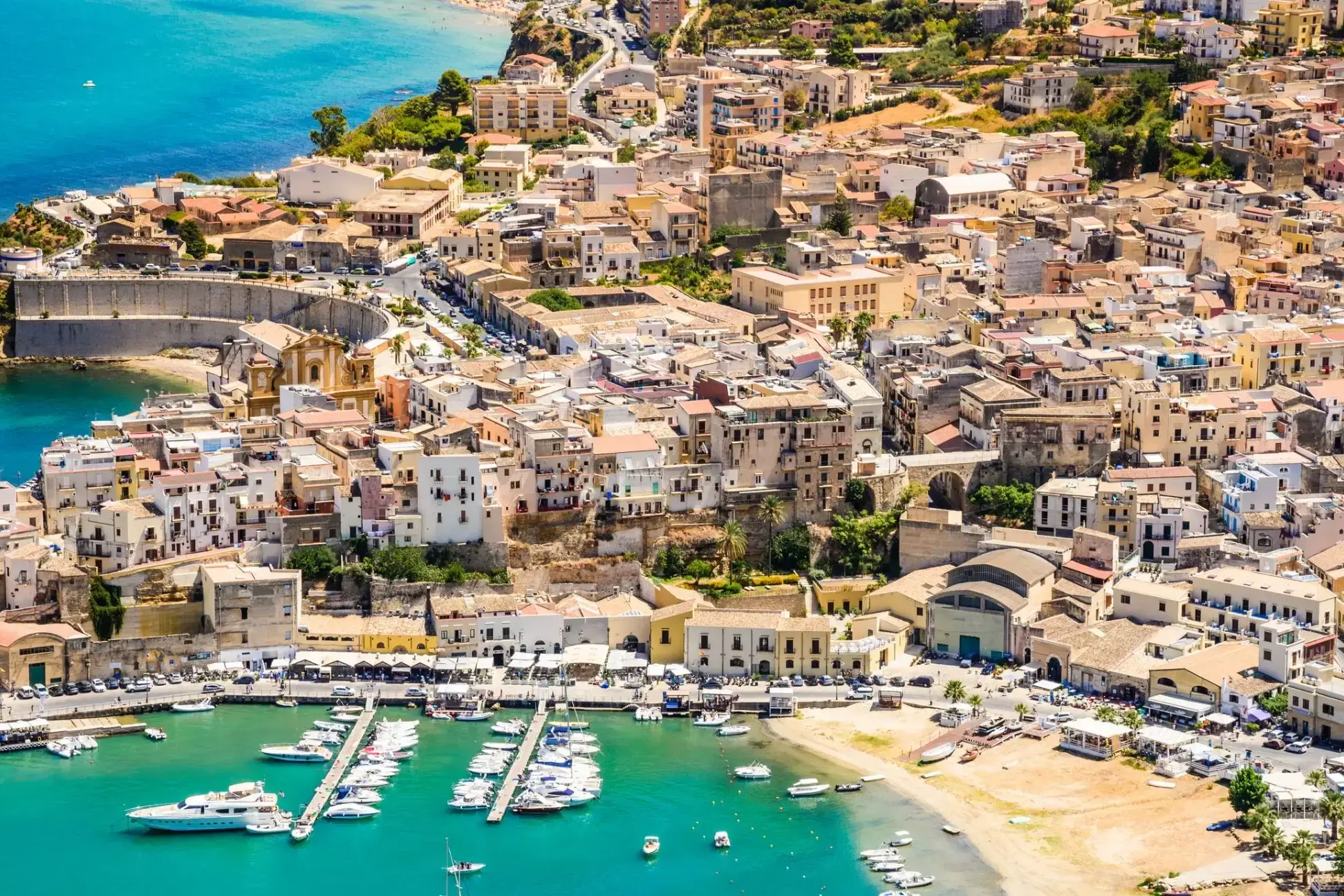
| 2 | 3.12 pt. | Trapani / Włochy | 13:00 | 19:00 |
| 4 | 5.12 niedz. | Dzień na morzu / Morze | 15:00 | |
| 5 | 6.12 pon. | Algieria / Algeria | 08:00 | 18:00 |
| 6 | 7.12 wt. | Cartagena (Bolívar) / Kolumbia | 13:00 | 22:00 |
| 7 | 8.12 śr. | Motril / Hiszpania | 10:00 | 20:00 |
| 8 | 9.12 czw. | Malaga / Hiszpania | 06:00 | 22:00 |
| 9 | 10.12 pt. | Tangier / Morocco | 07:30 | 13:00 |
| 10 | 11.12 sob. | Dzień na morzu / Morze | ||
| 11 | 12.12 niedz. | Dzień na morzu / Morze | ||
| 12 | 13.12 pon. | Dzień na morzu / Morze | ||
| 13 | 14.12 wt. | Dzień na morzu / Morze | ||
| 14 | 15.12 śr. | Dzień na morzu / Morze | ||
| 15 | 16.12 czw. | Dzień na morzu / Morze | ||
| 16 | 17.12 pt. | Dzień na morzu / Morze | ||
| 17 | 18.12 sob. | Dzień na morzu / Morze | ||
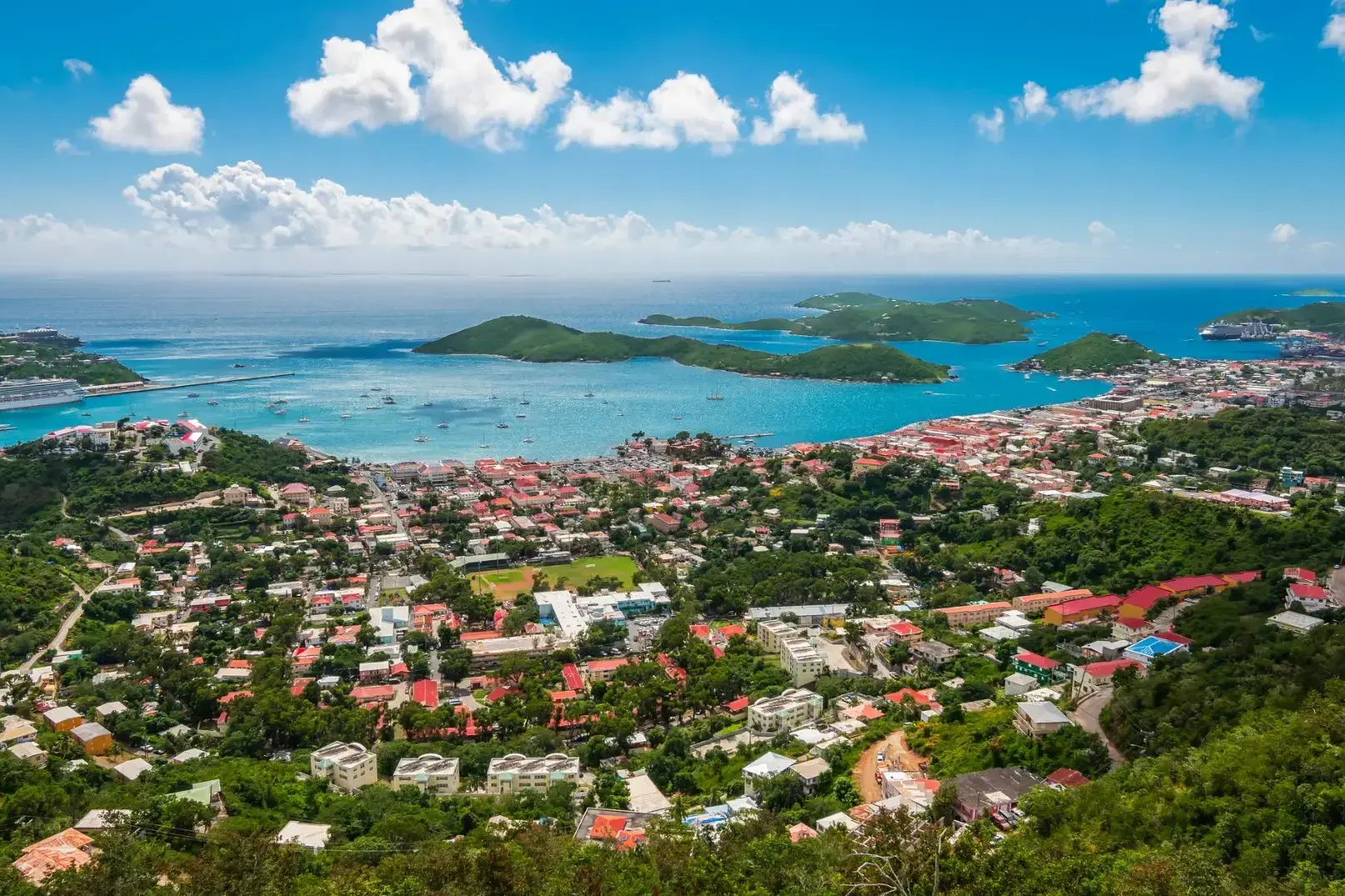
| 18 | 19.12 niedz. | Charlotte Amalie, ks. Święty Tomasz / Wyspy Dziewicze | 08:00 | 14:00 |
| 19 | 20.12 pon. | Dzień na morzu / Morze | 15:00 | |
| 20 | 21.12 wt. | Dzień na morzu / Morze | ||
| 21 | 22.12 śr. | Miami / USA | 06:00 |
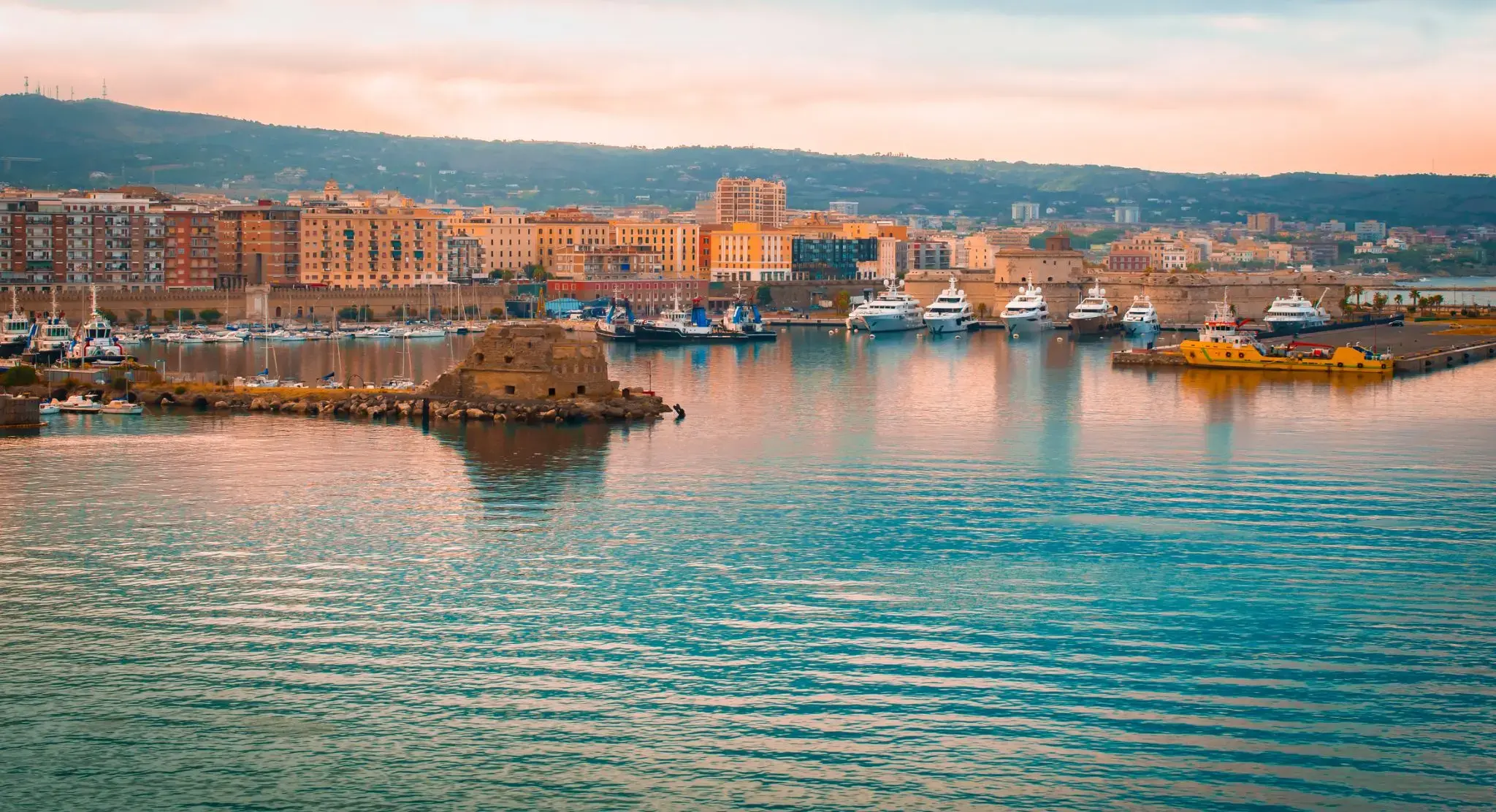
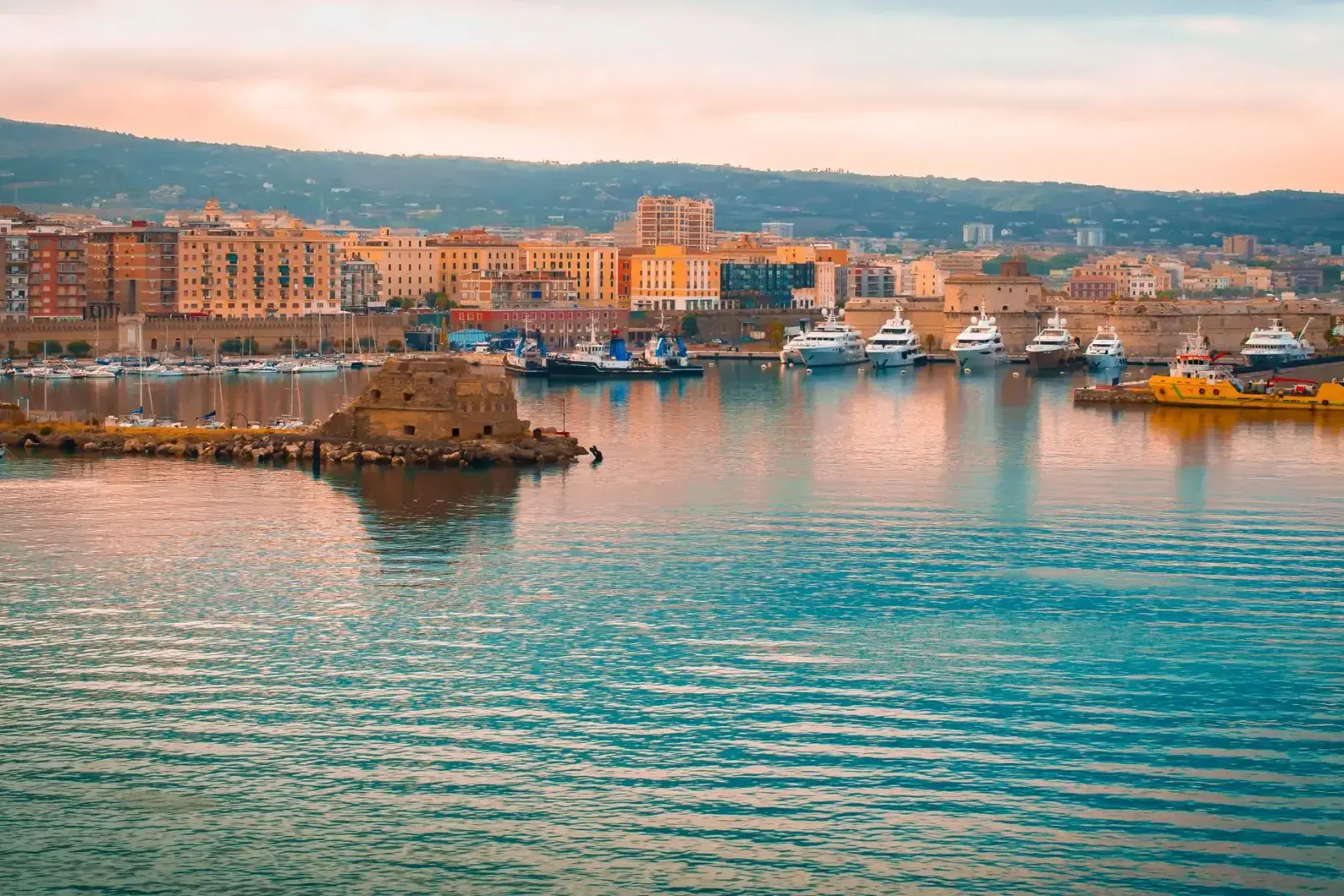
Rzym – jedno z najstarszych miast świata, niegdyś stolica Cesarstwa Rzymskiego, dziś stolica Włoch. Położony na siedmiu wzgórzach nad Tybrem, zachwyca pięknem i majestatem, którego nie da się oddać słowami – trzeba tu być. Każda rzeźba, fontanna czy budowla to dzieło sztuki pozostawione przez dawnych mistrzów. Najsłynniejsze atrakcje, które przyciągają turystów, to Koloseum – miejsce dawnych walk gladiatorów, Fontanna di Trevi, Schody Hiszpańskie, Bazylika św. Piotra – największy kościół Europy, a także Fora Cesarskie i Forum Romanum.
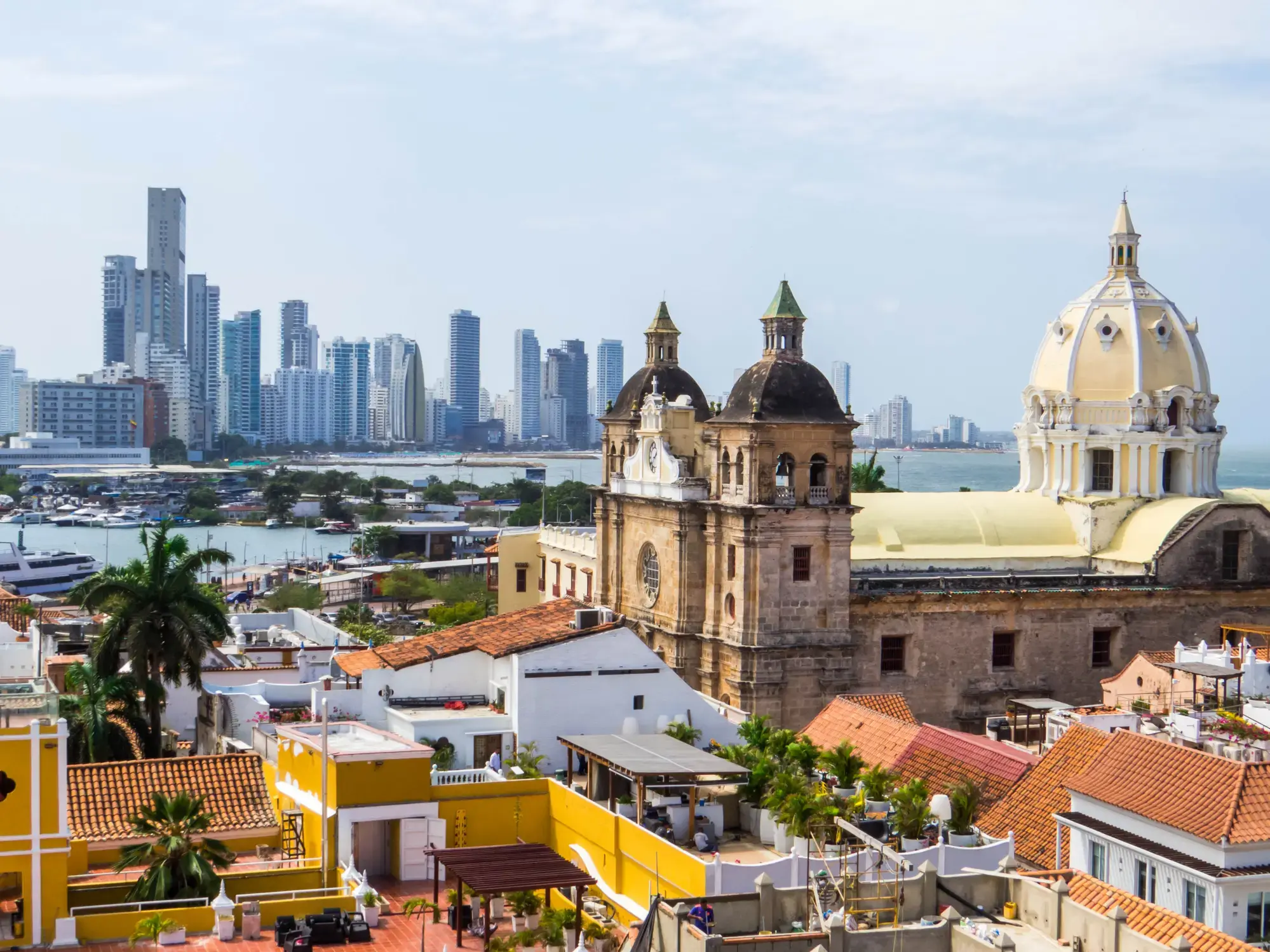
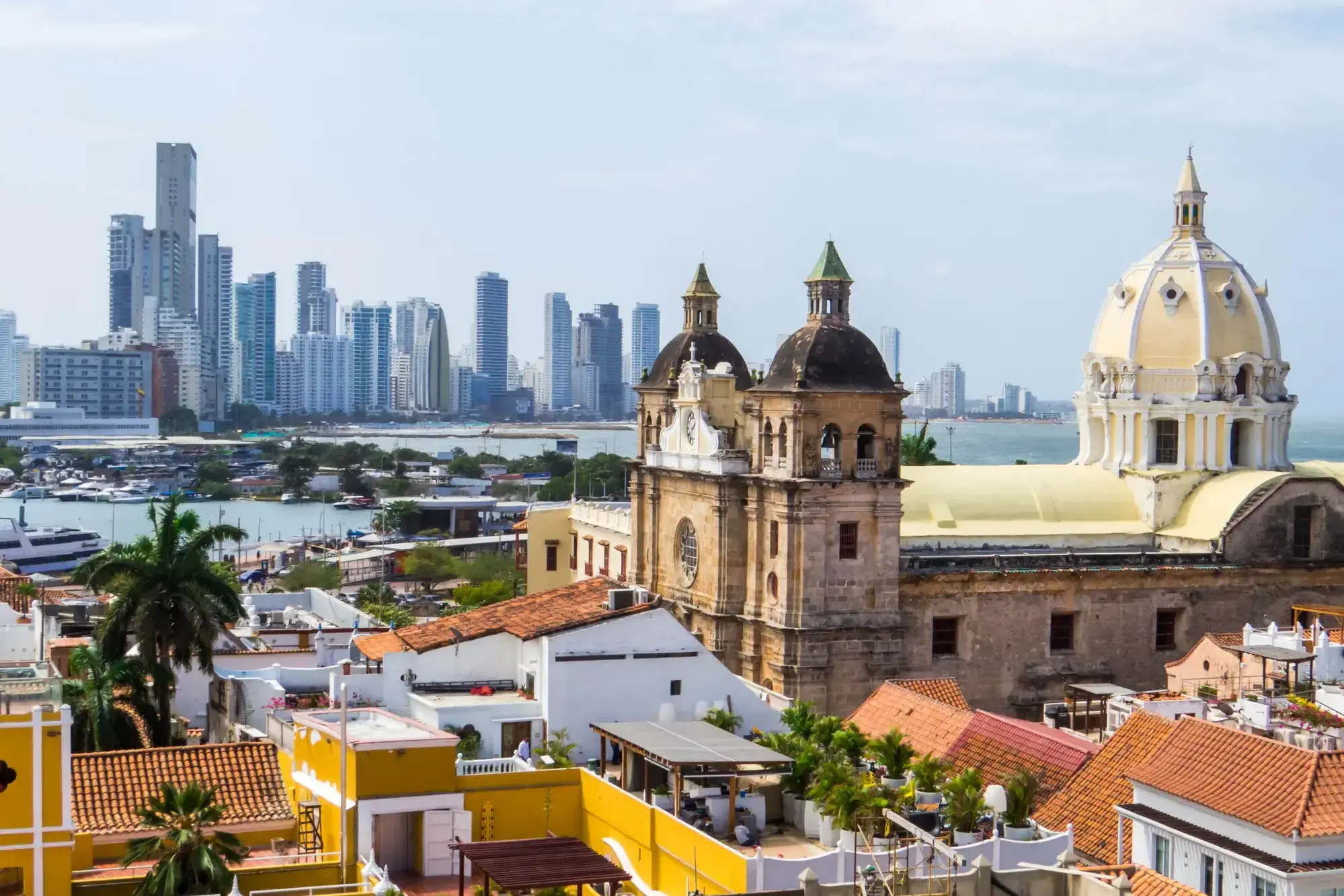
Starożytne mury forteczne, uliczni muzycy i karaibskie słońce tworzą niepowtarzalną atmosferę w Cartagenie (Bolívar) – perle kolumbijskiego wybrzeża. Miasto wpisane na listę światowego dziedzictwa UNESCO zachwyca kolonialną architekturą, uroczymi dziedzińcami i aromatem świeżo parzonej kawy z licznych kawiarni.
Zanurz się w tętniący życiem rytm Cartageny, spacerując brukowanymi uliczkami Starego Miasta, gdzie każdy zakątek kryje opowieści o piratach i hiszpańskich konkwistadorach. Zachód słońca przy starożytnej twierdzy Castillo San Felipe de Barajas to idealne zakończenie dnia pełnego kultury, historii i tropikalnego uroku.

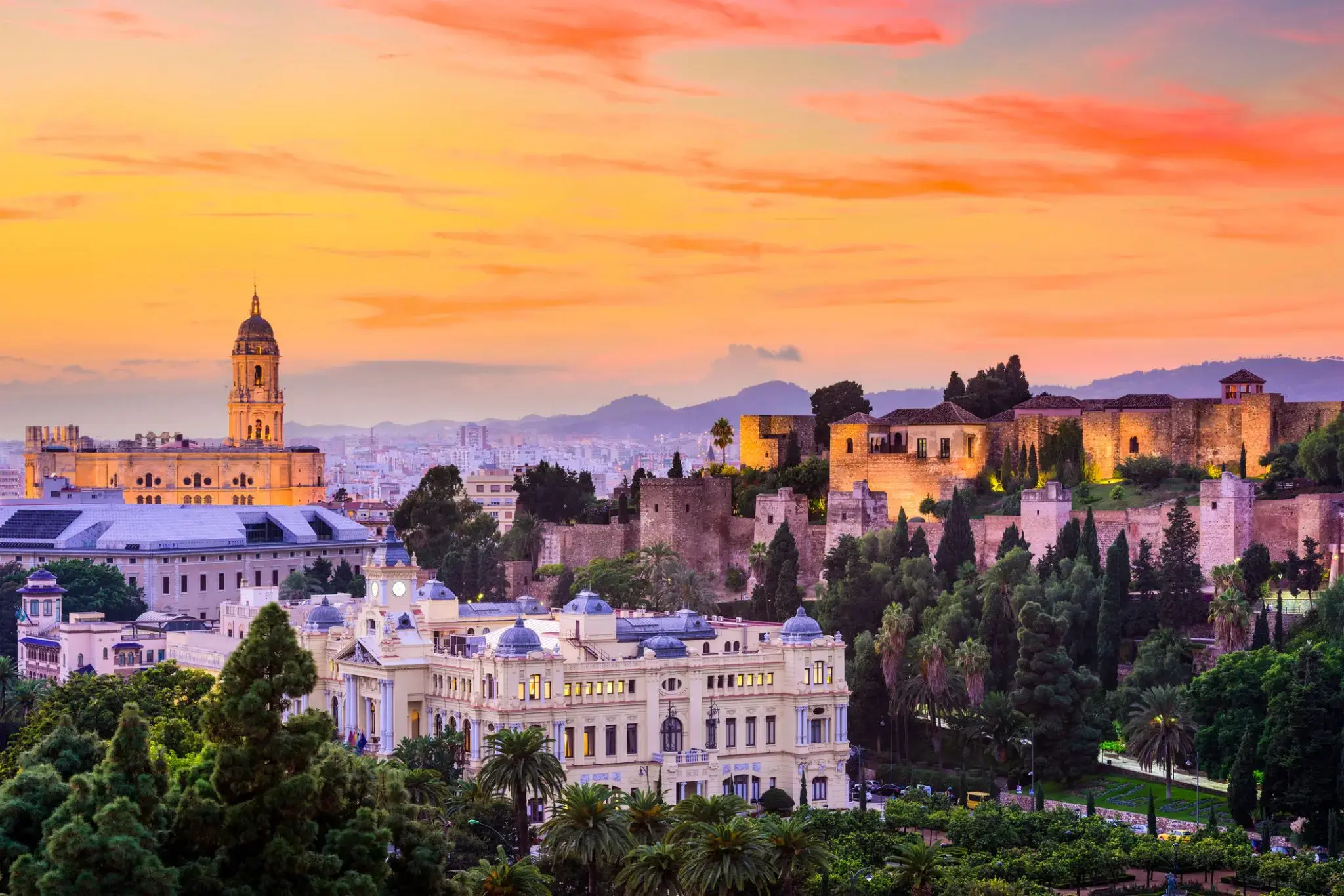
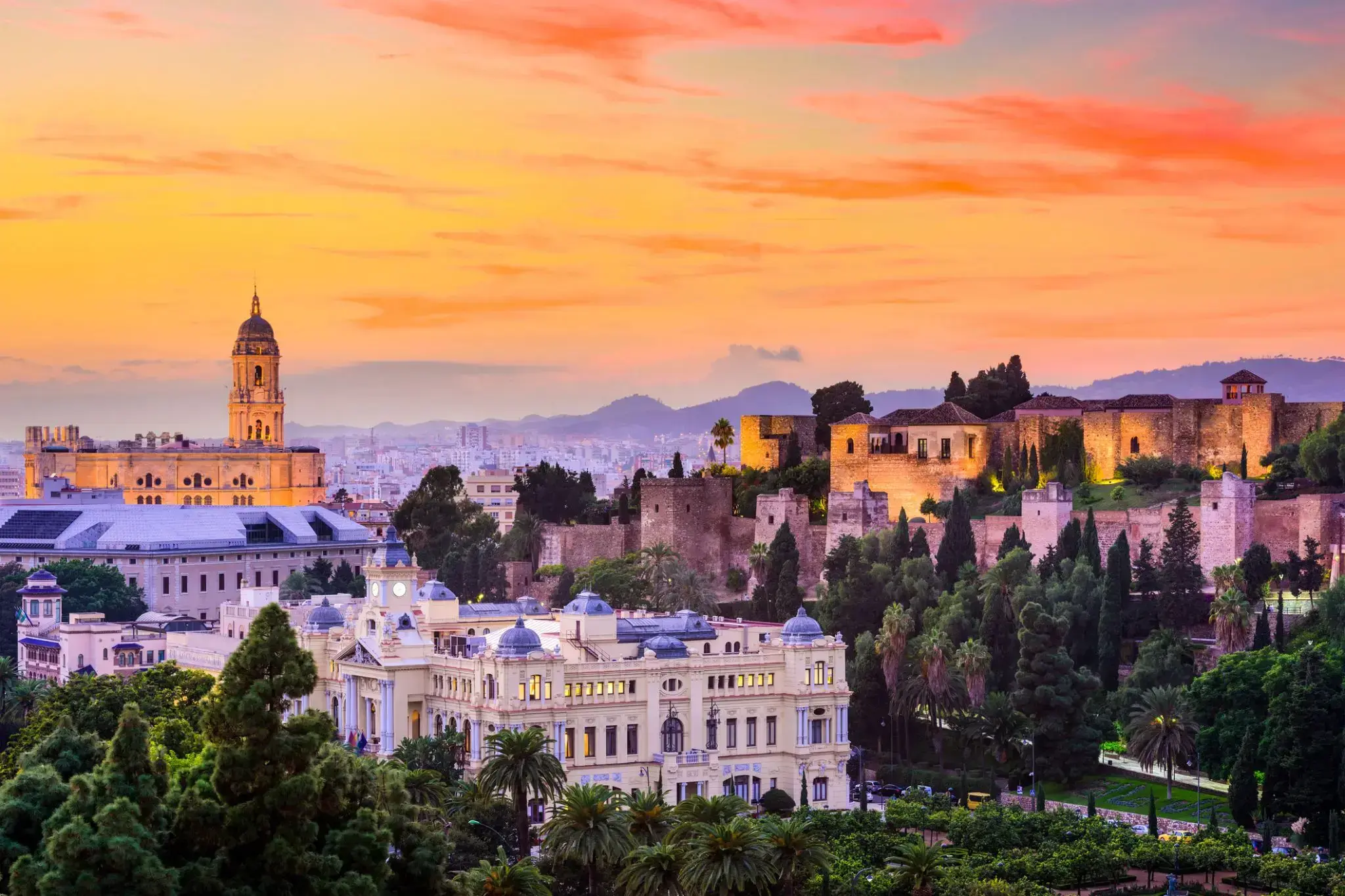
Málaga is a municipality, capital of the Province of Málaga, in the Autonomous Community of Andalusia, Spain. With a population of 569,130 in 2015, it is the second-most populous city of Andalusia and the sixth-largest in Spain. The southernmost large city in Europe, it lies on the Costa del Sol (Coast of the Sun) of the Mediterranean, about 100 kilometres (62.14 miles) east of the Strait of Gibraltar and about 130 km (80.78 mi) north of Africa.
Málaga's history spans about 2,800 years, making it one of the oldest cities in the world. According to most scholars, it was founded about 770 BC by the Phoenicians as Malaka From the 6th century BC the city was under the hegemony of Ancient Carthage, and from 218 BC, it was ruled by the Roman Republic and then empire as Malaca (Latin). After the fall of the empire and the end of Visigothic rule, it was under Islamic rule as Mālaqah for 800 years, but in 1487, the Crown of Castille gained control after the Reconquista. The archaeological remains and monuments from the Phoenician, Roman, Arabic and Christian eras make the historic center of the city an "open museum", displaying its history of nearly 3,000 years.
This important cultural infrastructure and the artistic heritage have culminated in the nomination of Málaga as a candidate for the 2016 European Capital of Culture.
The painter and sculptor Pablo Picasso, Hebrew poet and Jewish philosopher Solomon Ibn Gabirol and the actor Antonio Banderas were born in Málaga. The magnum opus of Cuban composer Ernesto Lecuona, "Malagueña", is named after the music of this region of Spain.
The most important business sectors in Málaga are tourism, construction and technology services, but other sectors such as transportation and logistics are beginning to expand. The Andalusia Technology Park (PTA), located in Málaga, has enjoyed significant growth since its inauguration in 1992. Málaga is the main economic and financial centre of southern Spain, home of the region's largest bank, Unicaja, and the fourth-ranking city in economic activity in Spain behind Madrid, Barcelona and Valencia.
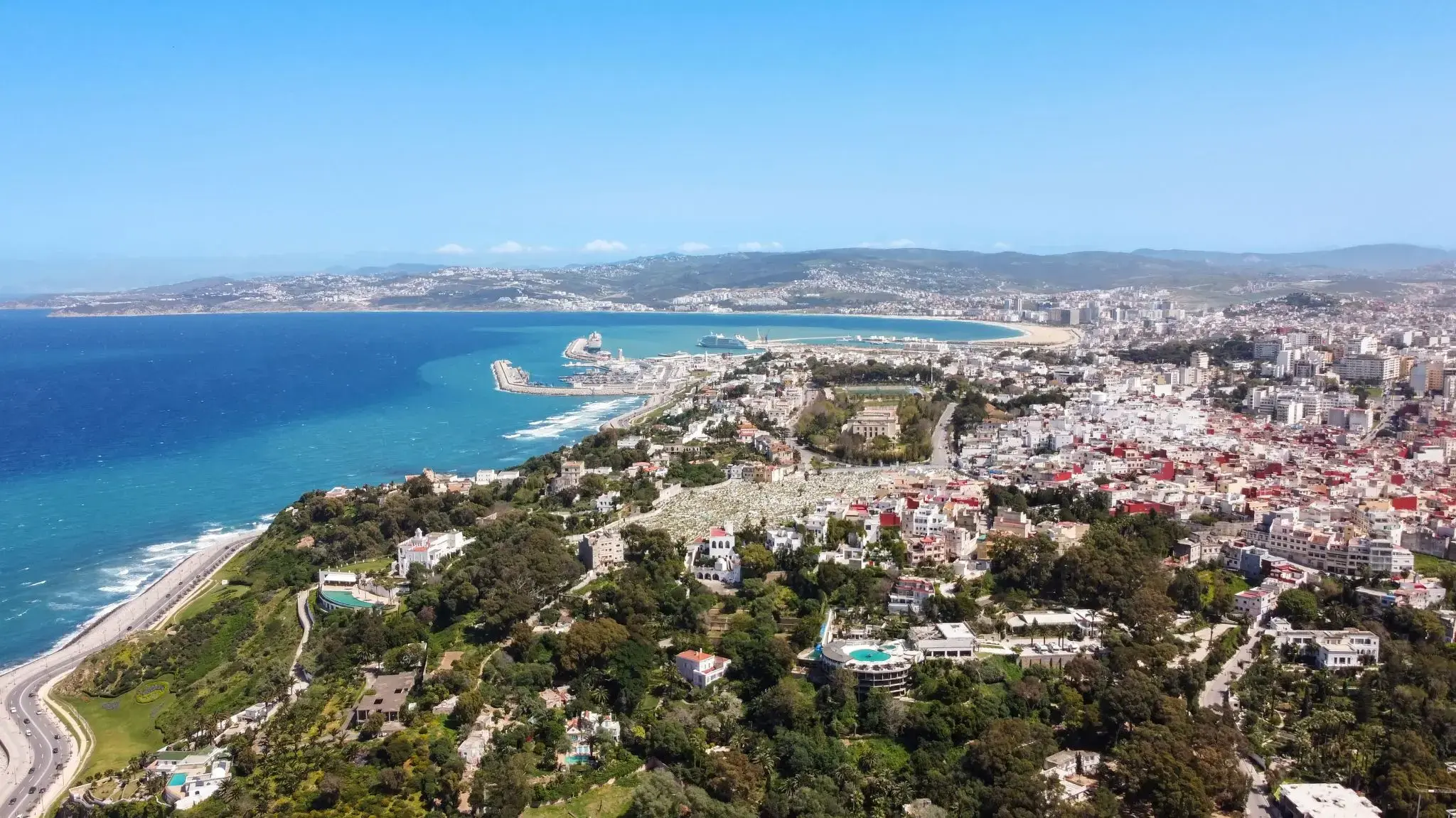
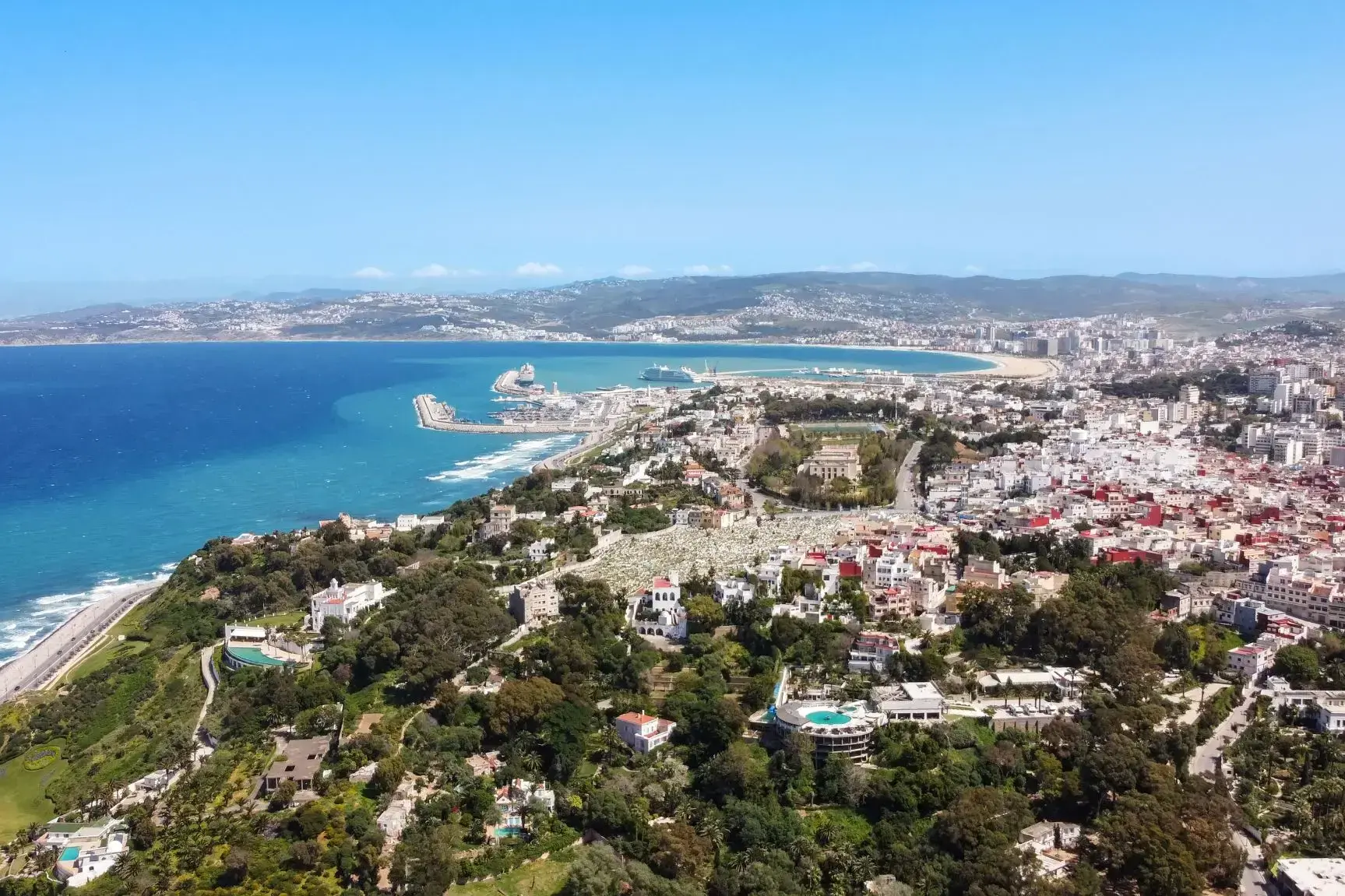
Tanger – Krzyżowanie kultur i szlaków morskich
Tanger, położony na północy Maroka, łączy Europę i Afrykę. Miasto jest znane ze swojej mauretańskiej architektury i historii, a jego stare miasto (medina) znajduje się na liście Światowego Dziedzictwa UNESCO. Można tu cieszyć się żywymi rynkami, pięknymi plażami i zapierającymi dech w piersiach widokami, a także poczuć atmosferę, w której przeplatają się różne kultury.
Dla turystów Tanger oferuje wyjątkowe możliwości poznania marokańskiej kultury, historii i kuchni. Spacer po medinie, wizyta w Kasbie i zakupy na rynkach pozwalają poczuć ducha miasta, w którym Wschód spotyka Zachód.
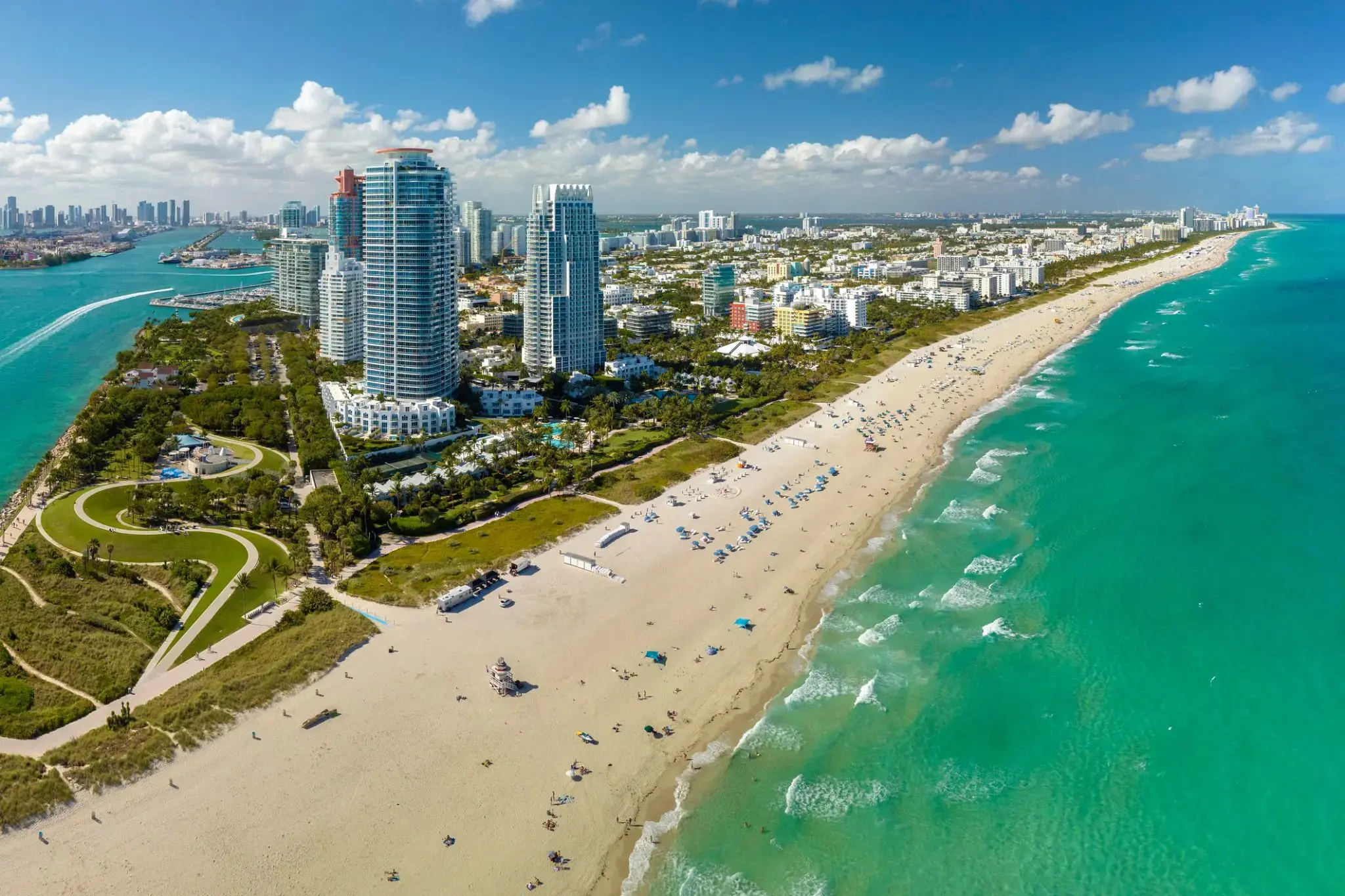
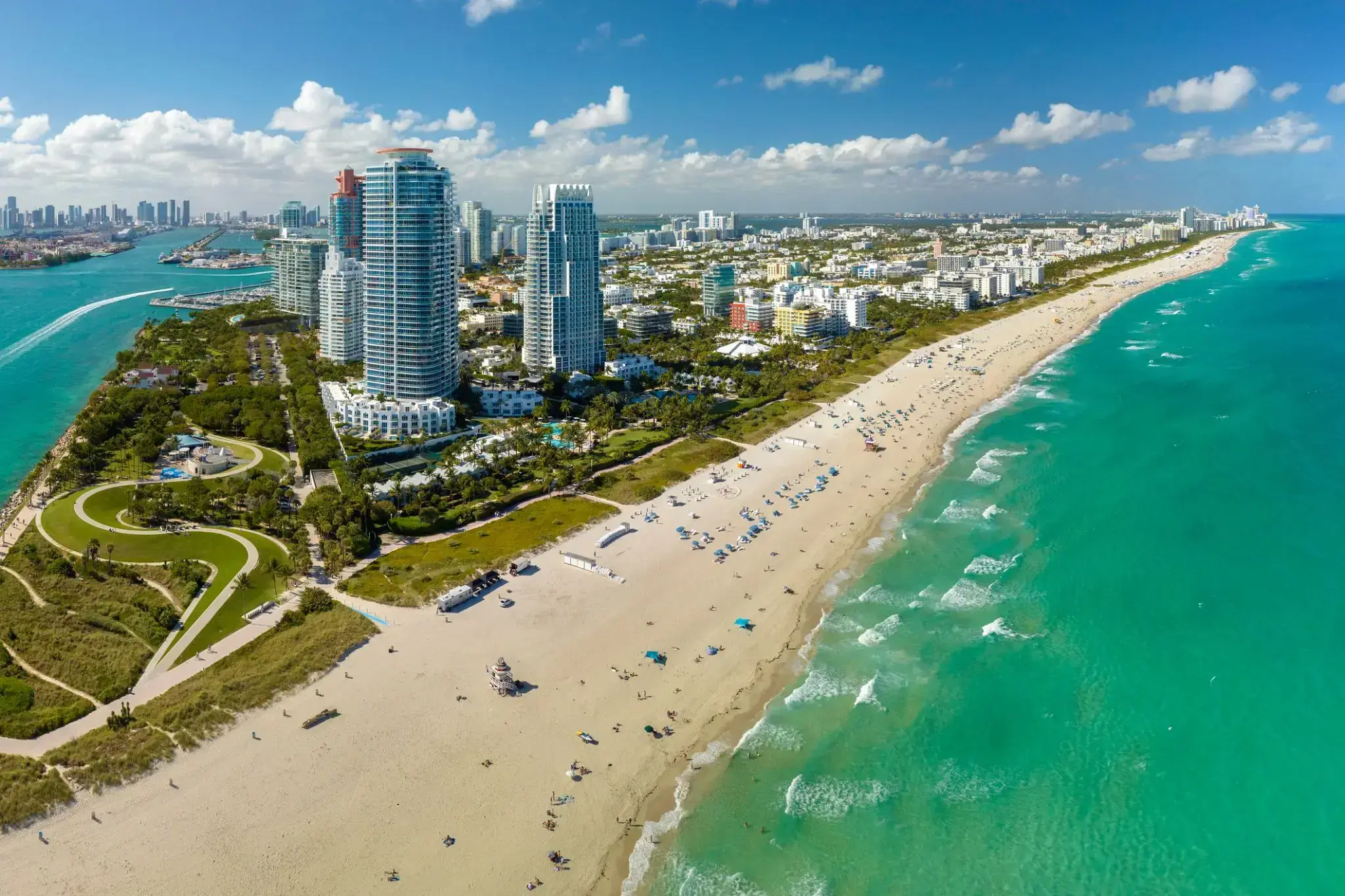
Miami, officially the City of Miami, is the cultural, economic and financial center of South Florida. Miami is the seat of Miami-Dade County, the most populous county in Florida. The city covers an area of about 56.6 square miles (147 km2), between the Everglades to the west and Biscayne Bay on the east; with a 2017 estimated population of 463,347, Miami is the sixth most densely populated major city in the United States. The Miami metropolitan area is home to 6.1 million people and the seventh-largest metropolitan area in the nation. Miami's metro area is the second-most populous metropolis in the southeastern United States and fourth-largest urban area in the U.S.
Miami is a major center, and a leader in finance, commerce, culture, media, entertainment, the arts, and international trade. The Miami Metropolitan Area is by far the largest urban economy in Florida and the 12th largest in the United States with a GDP of $344.9 billion as of 2017. In 2012, Miami was classified as an "Alpha−" level world city in the World Cities Study Group's inventory. In 2010, Miami ranked seventh in the United States and 33rd among global cities in terms of business activity, human capital, information exchange, cultural experience, and political engagement. In 2008, Forbes magazine ranked Miami "America's Cleanest City", for its year-round good air quality, vast green spaces, clean drinking water, clean streets, and citywide recycling programs. According to a 2009 UBS study of 73 world cities, Miami was ranked as the richest city in the United States, and the world's seventh-richest city in terms of purchasing power. Miami is nicknamed the "Capital of Latin America" and is the largest city with a Cuban-American plurality.
Greater Downtown Miami has one of the largest concentrations of international banks in the United States, and is home to many large national and international companies. The Civic Center is a major center for hospitals, research institutes, medical centers, and biotechnology industries. For more than two decades, the Port of Miami, known as the "Cruise Capital of the World", has been the number one cruise passenger port in the world. It accommodates some of the world's largest cruise ships and operations, and is the busiest port in both passenger traffic and cruise lines. Metropolitan Miami is also a major tourism hub in the southeastern U.S. for international visitors, ranking number two in the country after New York City.