| Region rejsu : Europa, Morze Śródziemne |
| Firma : Azamara Cruises |
| Statek : Azamara Onward |
| Data rozpoczęcia : niedz. 20 cze 2027 |
| Data zakończenia : wt. 29 cze 2027 |
| Liczba nocy : 9 nocy |
| Dzień | Data | Port | Wypłynięcie | Odpłynięcie |
|---|---|---|---|---|
| 1 | 20.06 niedz. | Fusina / Włochy | 18:00 | |
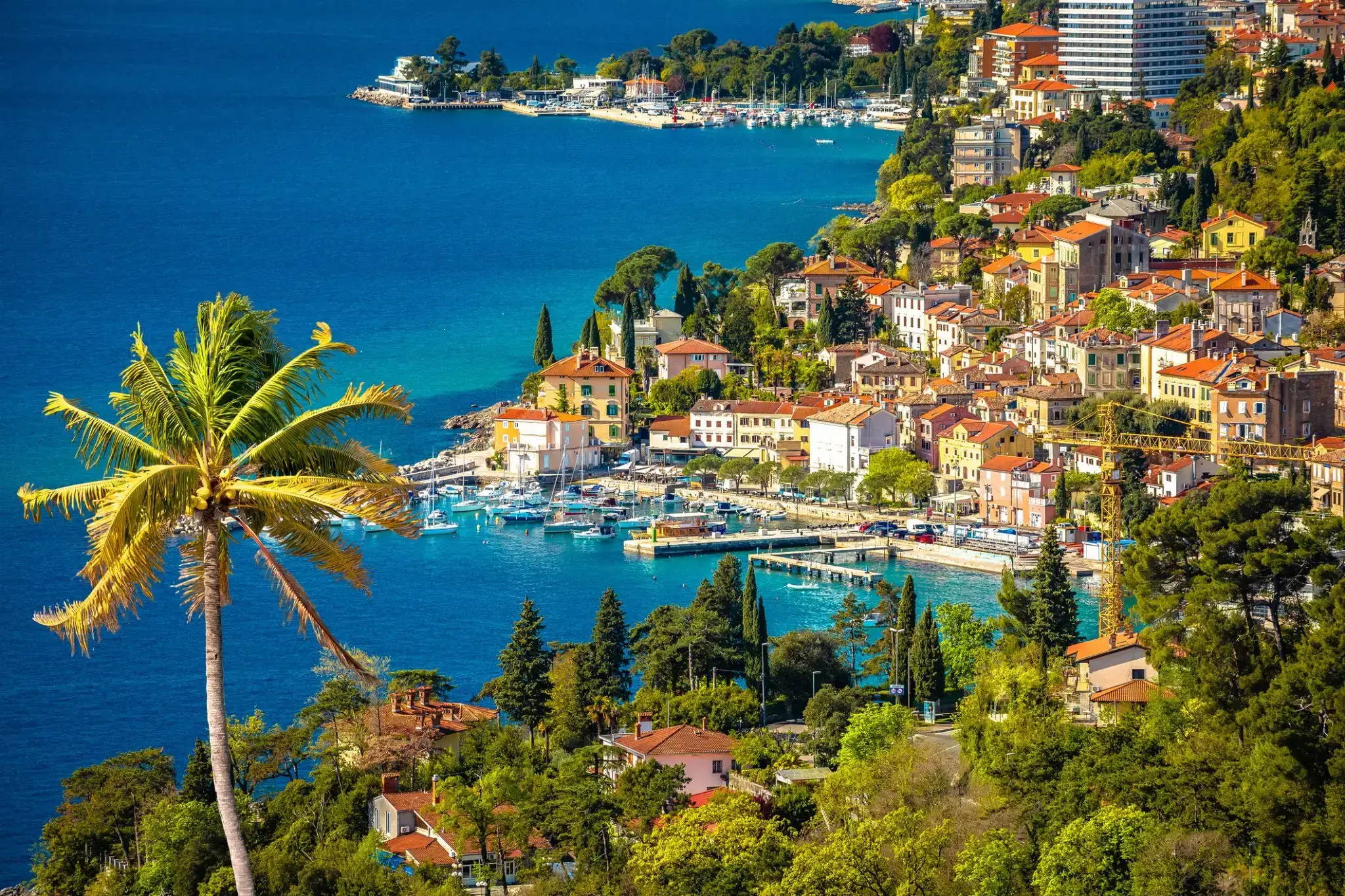
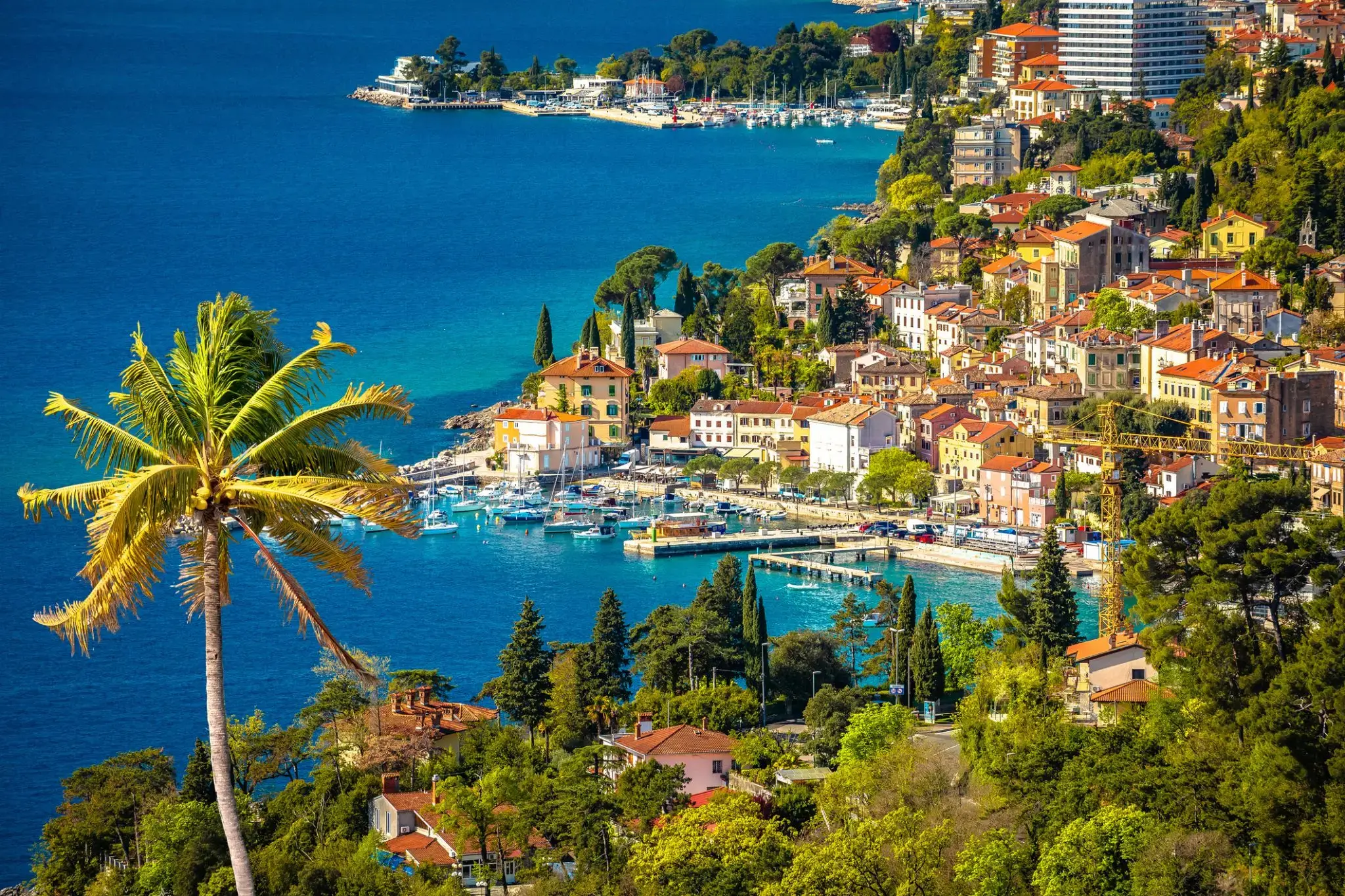
| 2 | 21.06 pon. | Opatija / Chorwacja | 08:00 | 18:00 |
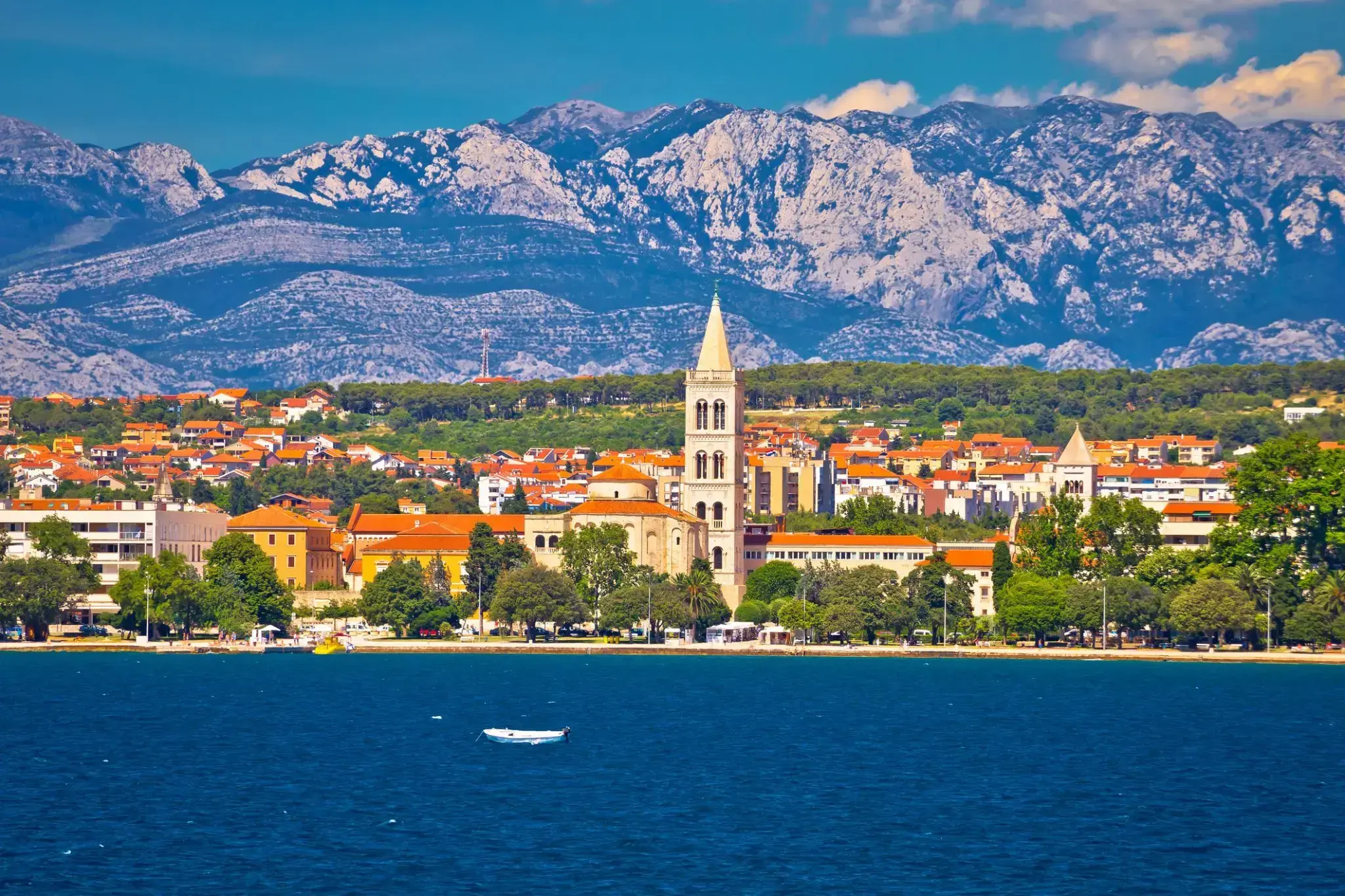
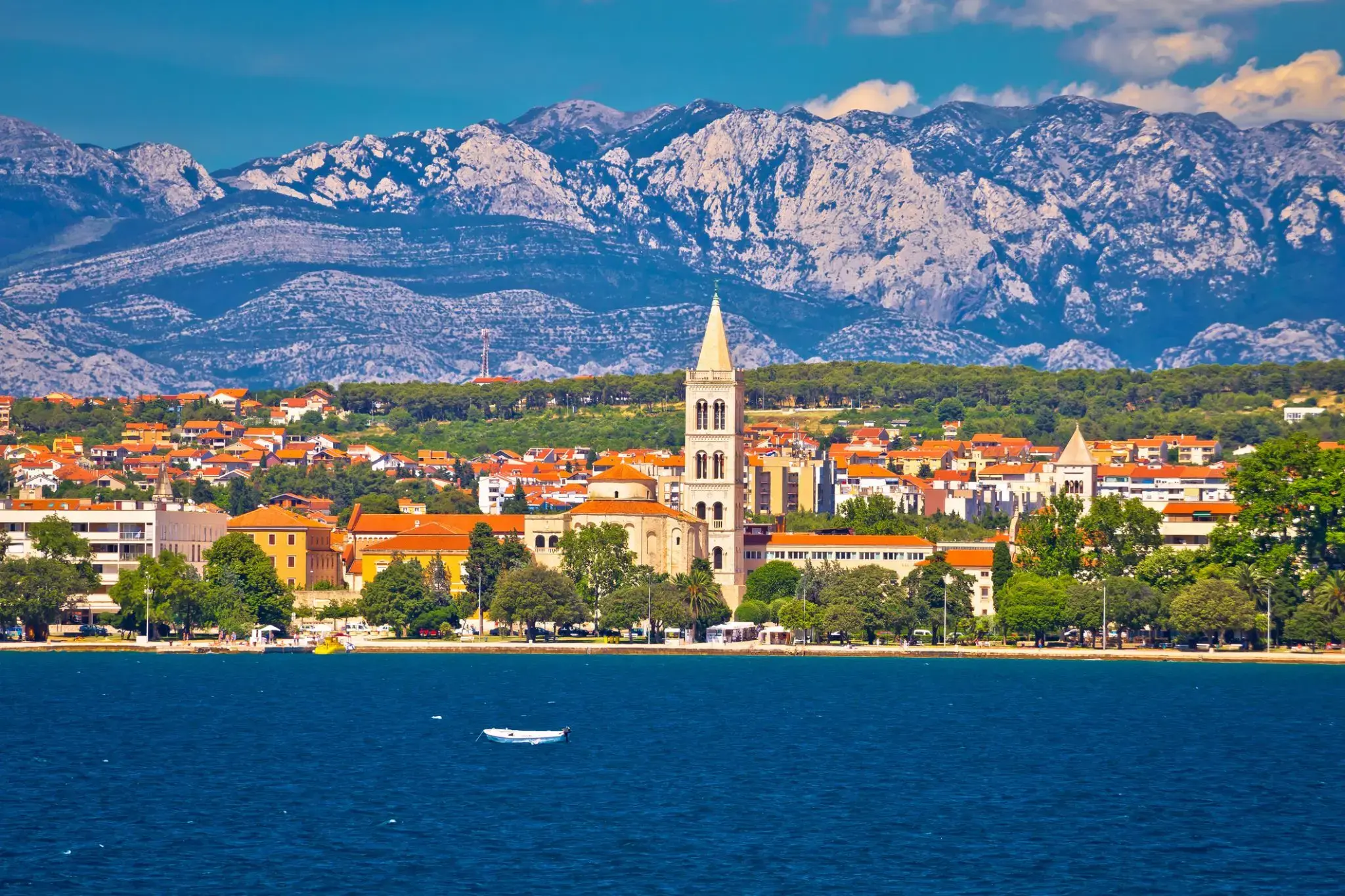
| 3 | 22.06 wt. | Zadar / Chorwacja | 08:00 | 20:00 |
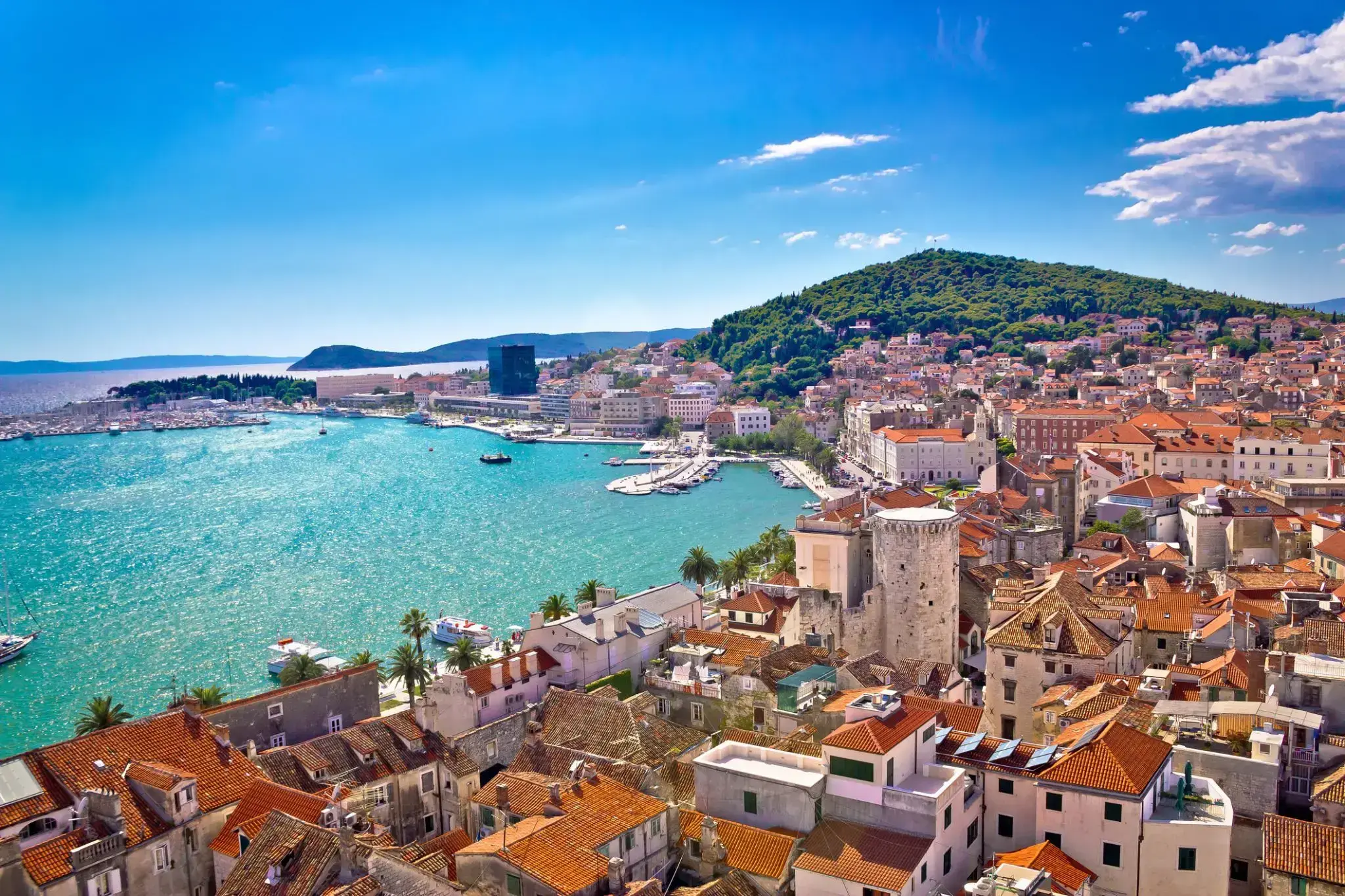
| 4 | 23.06 śr. | Split / Chorwacja | 08:00 | 22:00 |
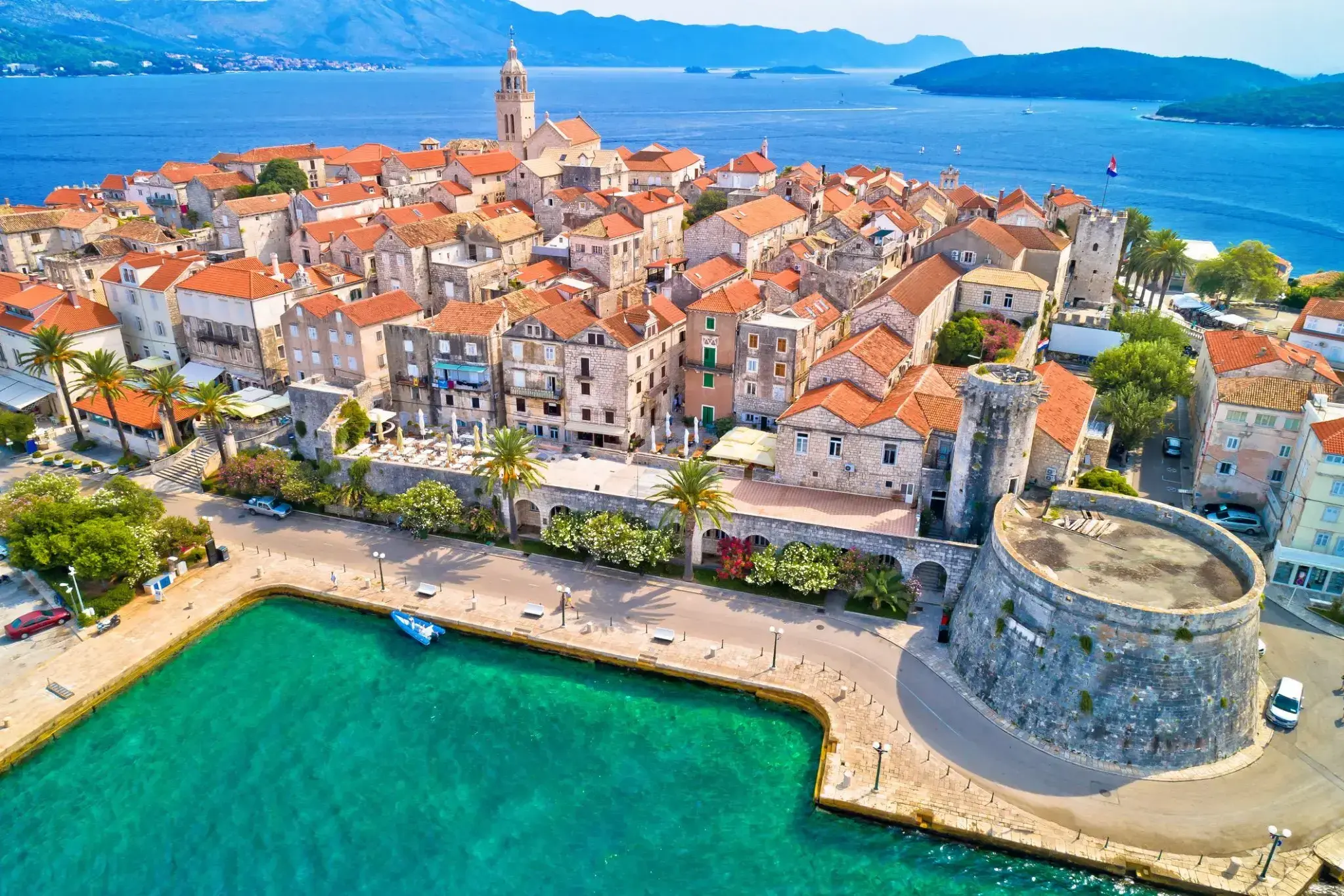
| 5 | 24.06 czw. | Korcula / Chorwacja | 08:00 | 18:00 |
| 6 | 25.06 pt. | Dubrownik / Chorwacja | 08:00 | 22:00 |
| 7 | 26.06 sob. | Kotor / Czarna Góra | 09:30 | 18:00 |
| 8 | 27.06 niedz. | Dzień na morzu / Morze | ||
| 9 | 28.06 pon. | Chania (Souda), Kreta / Grecja | 08:00 | 18:00 |
| 10 | 29.06 wt. | Pireus (Ateny) / Grecja | 05:00 |
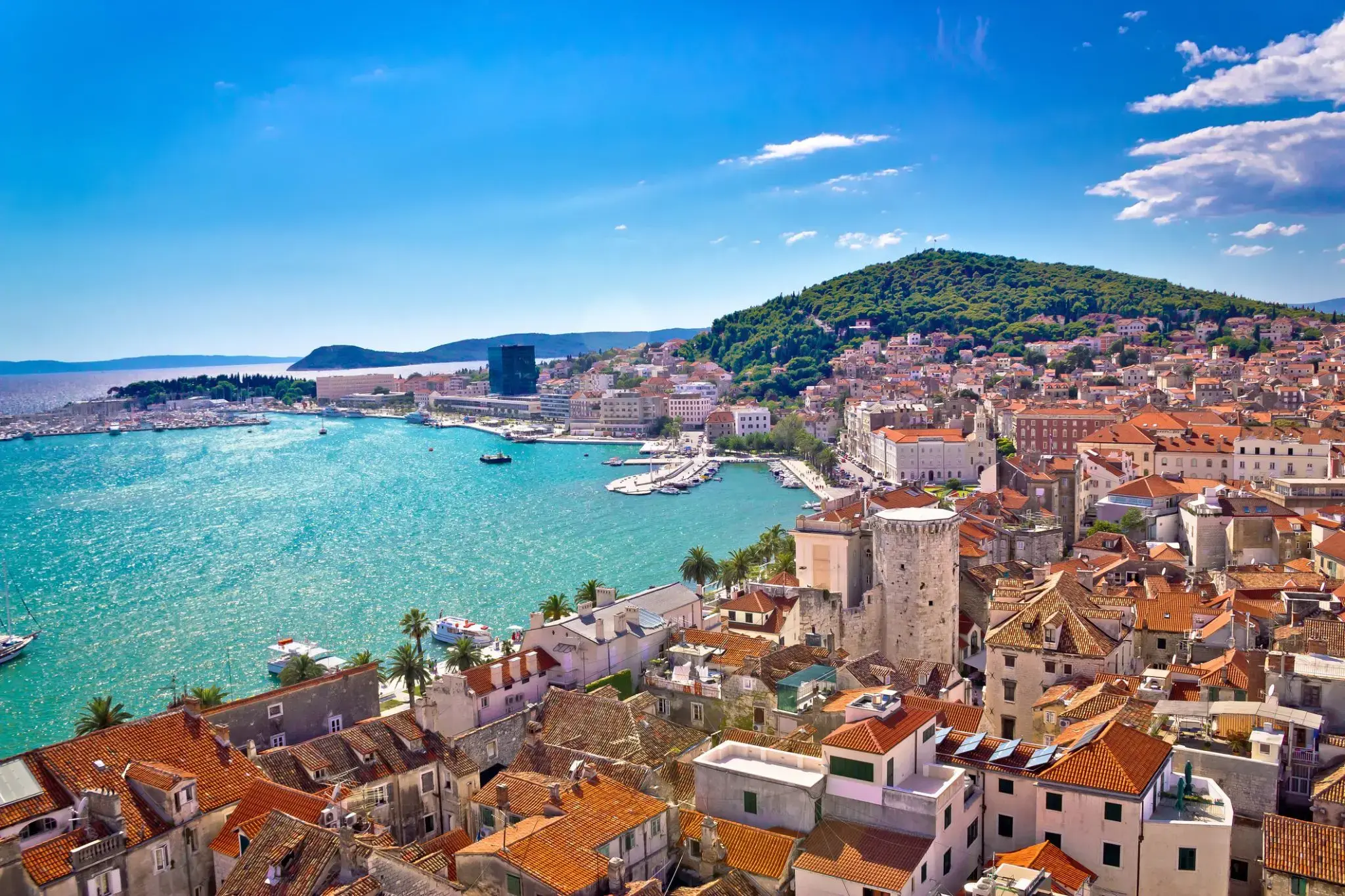
Split – perła Dalmacji
Split to drugie największe miasto Chorwacji, położone nad Adriatykiem. Jego symbolem jest Pałac Dioklecjana, wpisany na listę UNESCO, otoczony wąskimi uliczkami i katedrą św. Duje.
Miasto tętni życiem na nadmorskiej promenadzie Riva, pełnej kawiarni i restauracji. W okolicy czekają plaże, m.in. słynna Bacvice.
Split to także ważny port, skąd łatwo popłynąć na chorwackie wyspy – Hvar, Brač czy Korčulę. Atmosfera śródziemnomorska i dalmatyńska kuchnia sprawiają, że Split to idealne miejsce na urlop.
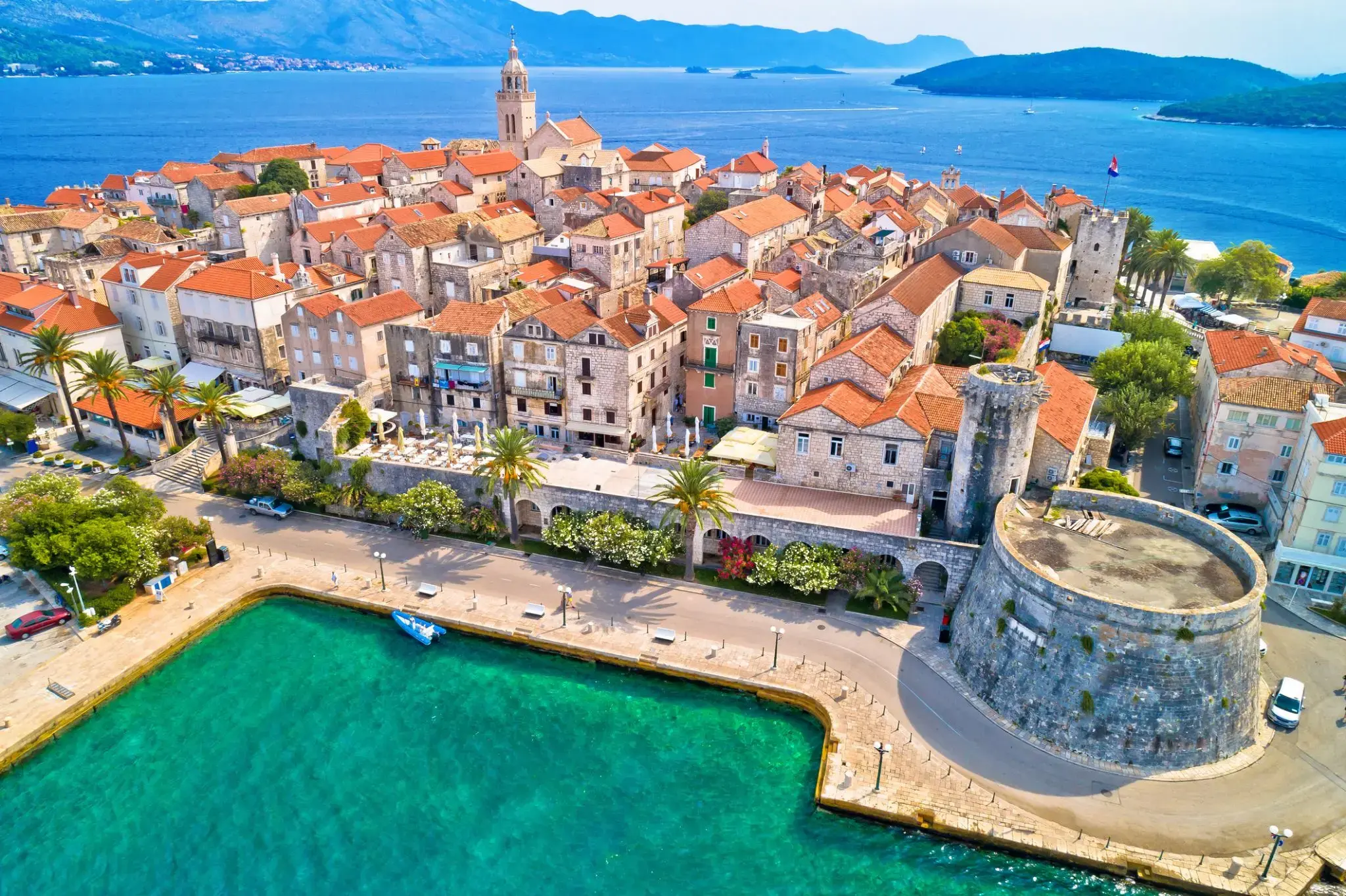
Korčula is a Croatian island in the Adriatic Sea. It has an area of 279 km2 (108 sq mi); 46.8 km (29.1 mi) long and on average 7.8 km (4.8 mi) wide — and lies just off the Dalmatian coast. Its 15,522 inhabitants (2011) make it the second most populous Adriatic island after Krk and the most populous Croatian island not connected to the mainland by a bridge. The population are almost entirely ethnic Croats (95.74%). The island is twinned with Rothesay in Scotland.
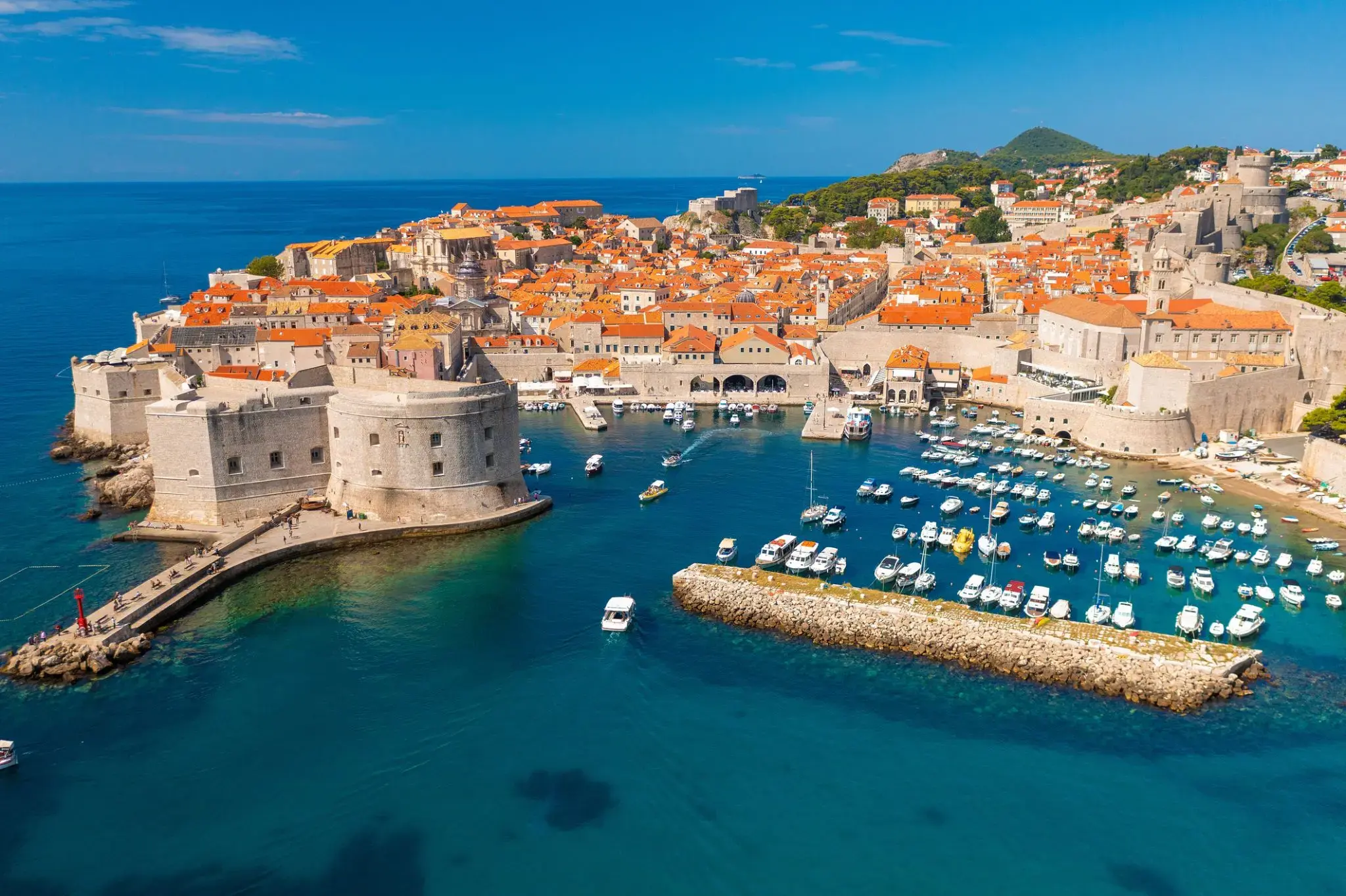
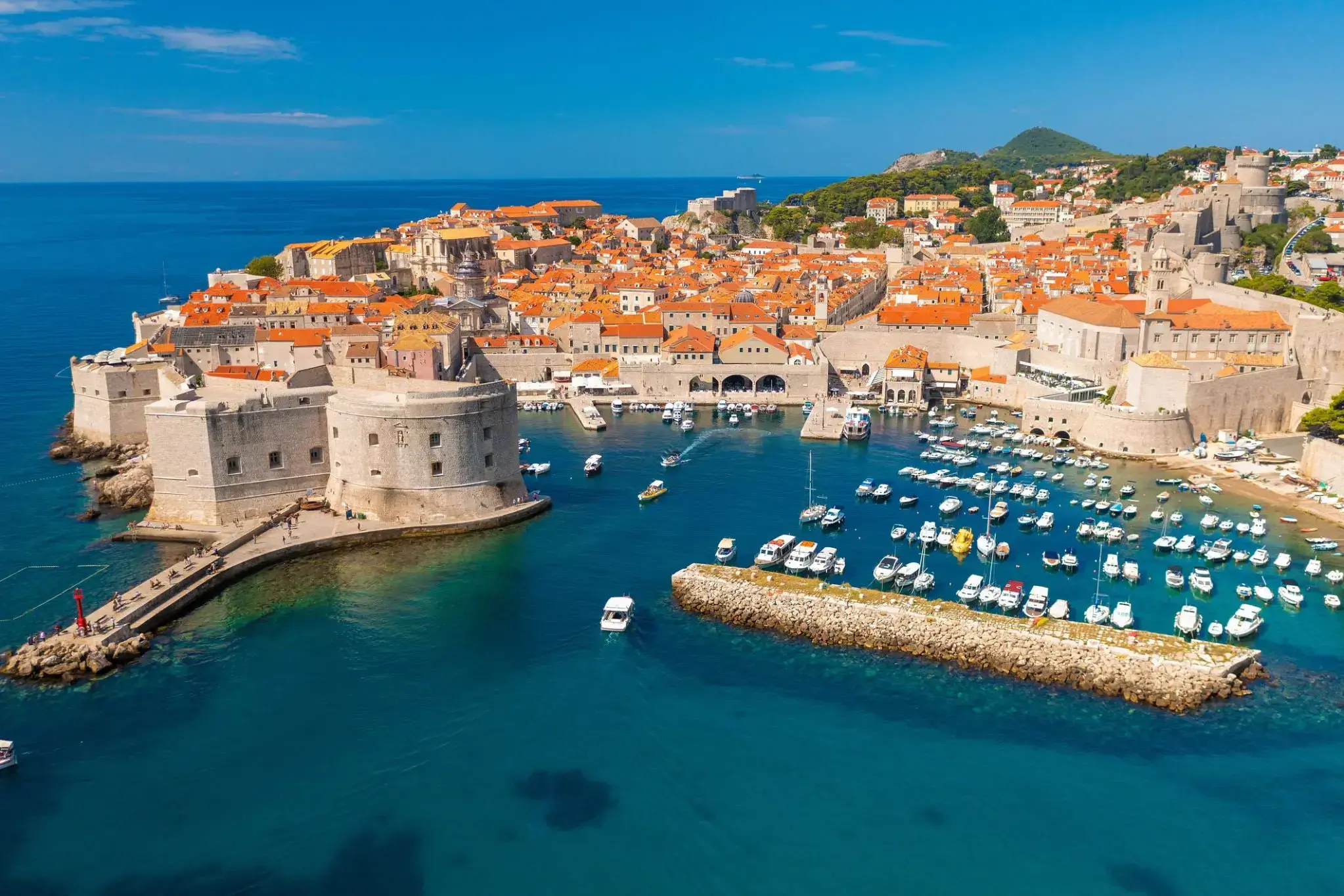
Dubrovnik is a Croatian city on the Adriatic Sea. It is one of the most prominent tourist destinations in the Mediterranean Sea, a seaport and the centre of Dubrovnik-Neretva County. Its total population is 42,615 (census 2011). In 1979, the city of Dubrovnik joined the UNESCO list of World Heritage sites.
The prosperity of the city was historically based on maritime trade; as the capital of the maritime Republic of Ragusa, it achieved a high level of development, particularly during the 15th and 16th centuries, as it became notable for its wealth and skilled diplomacy.
In 1991, after the break-up of Yugoslavia, Dubrovnik was besieged by Serbian and Montenegrin soldiers of the Yugoslav People's Army (JNA) for seven months and suffered significant damage from shelling. After repair and restoration works in the 1990s and early 2000s, Dubrovnik re-emerged as one of the top tourist destinations in the Mediterranean.
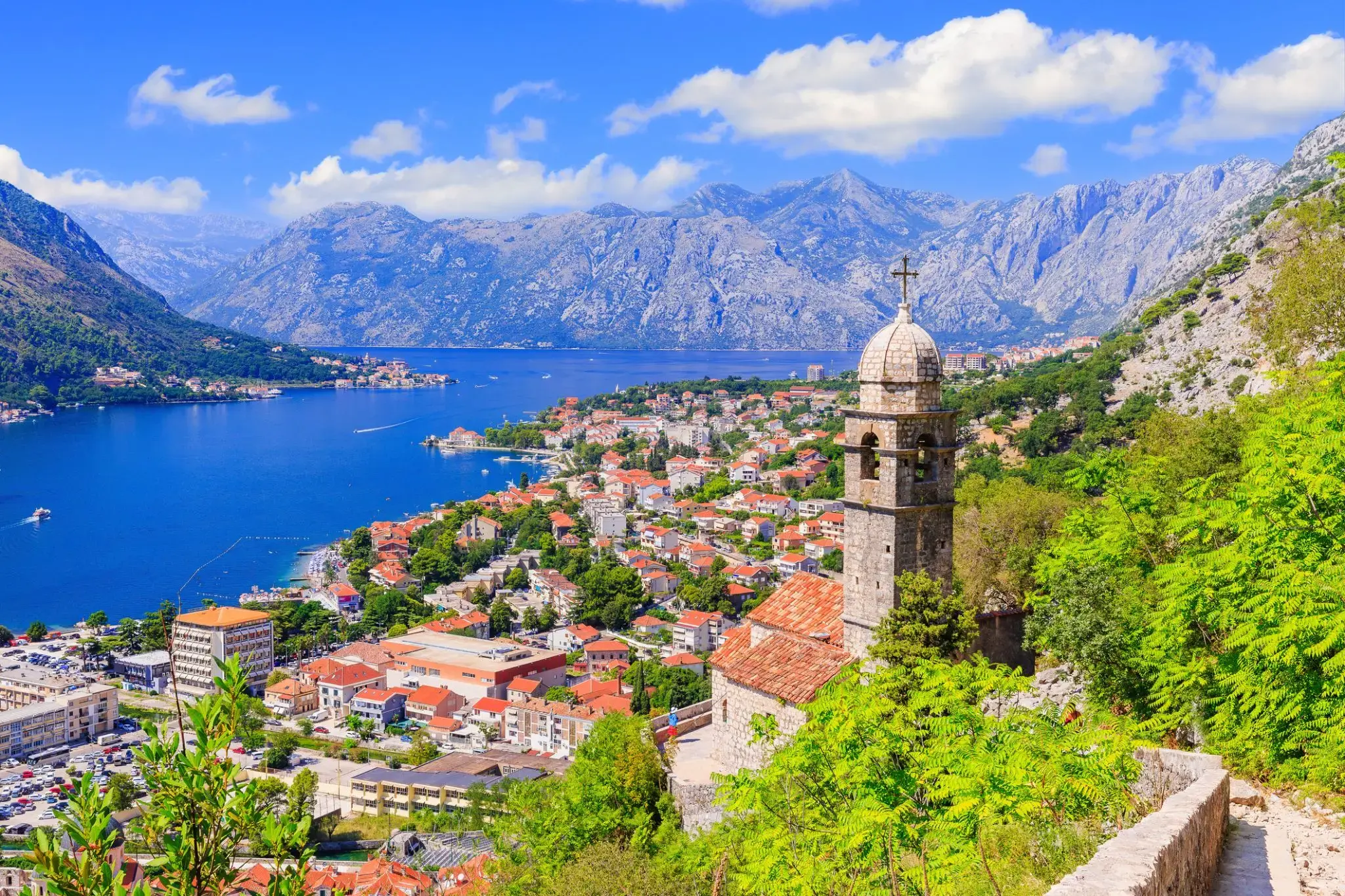
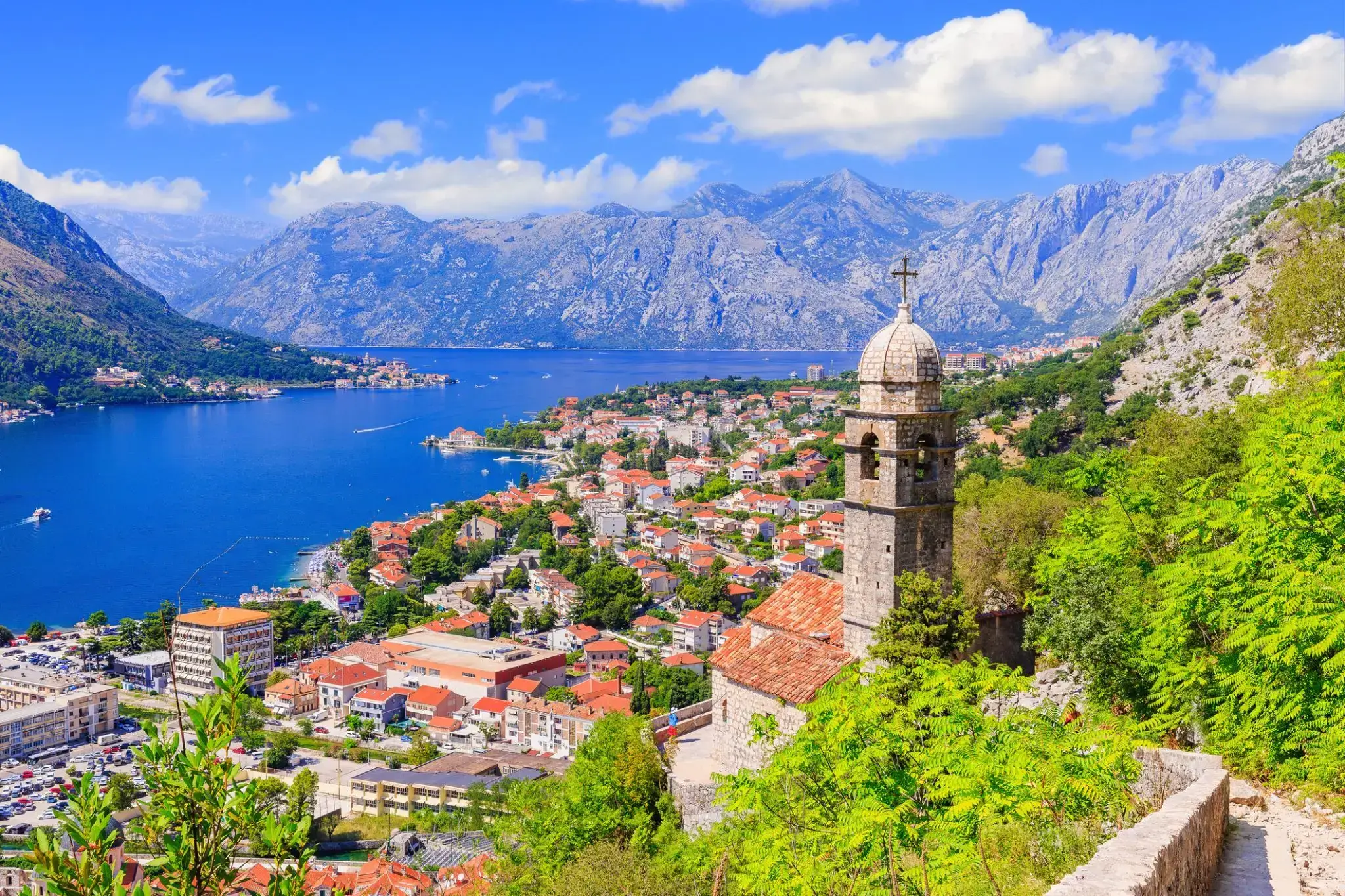
Kotor is a coastal town in Montenegro. It is located in a secluded part of the Gulf of Kotor. The city has a population of 13,510 and is the administrative center of Kotor Municipality.
The old Mediterranean port of Kotor is surrounded by fortifications built during the Venetian period. It is located on the Bay of Kotor (Boka Kotorska), one of the most indented parts of the Adriatic Sea. Some have called it the southern-most fjord in Europe, but it is a ria, a submerged river canyon. Together with the nearly overhanging limestone cliffs of Orjen and Lovćen, Kotor and its surrounding area form an impressive landscape.
Since the early 2000s Kotor has seen an increase in tourists , many of them coming by cruise ship. Visitors are attracted by the natural environment of the Gulf of Kotor and by the old town of Kotor. Kotor is part of the World Heritage Site dubbed the Natural and Culturo-Historical Region of Kotor.
The fortified city of Kotor was also included in UNESCO's World Heritage Site list as part of Venetian Works of Defence between 15th and 17th centuries: Stato da Terra – western Stato da Mar in 201
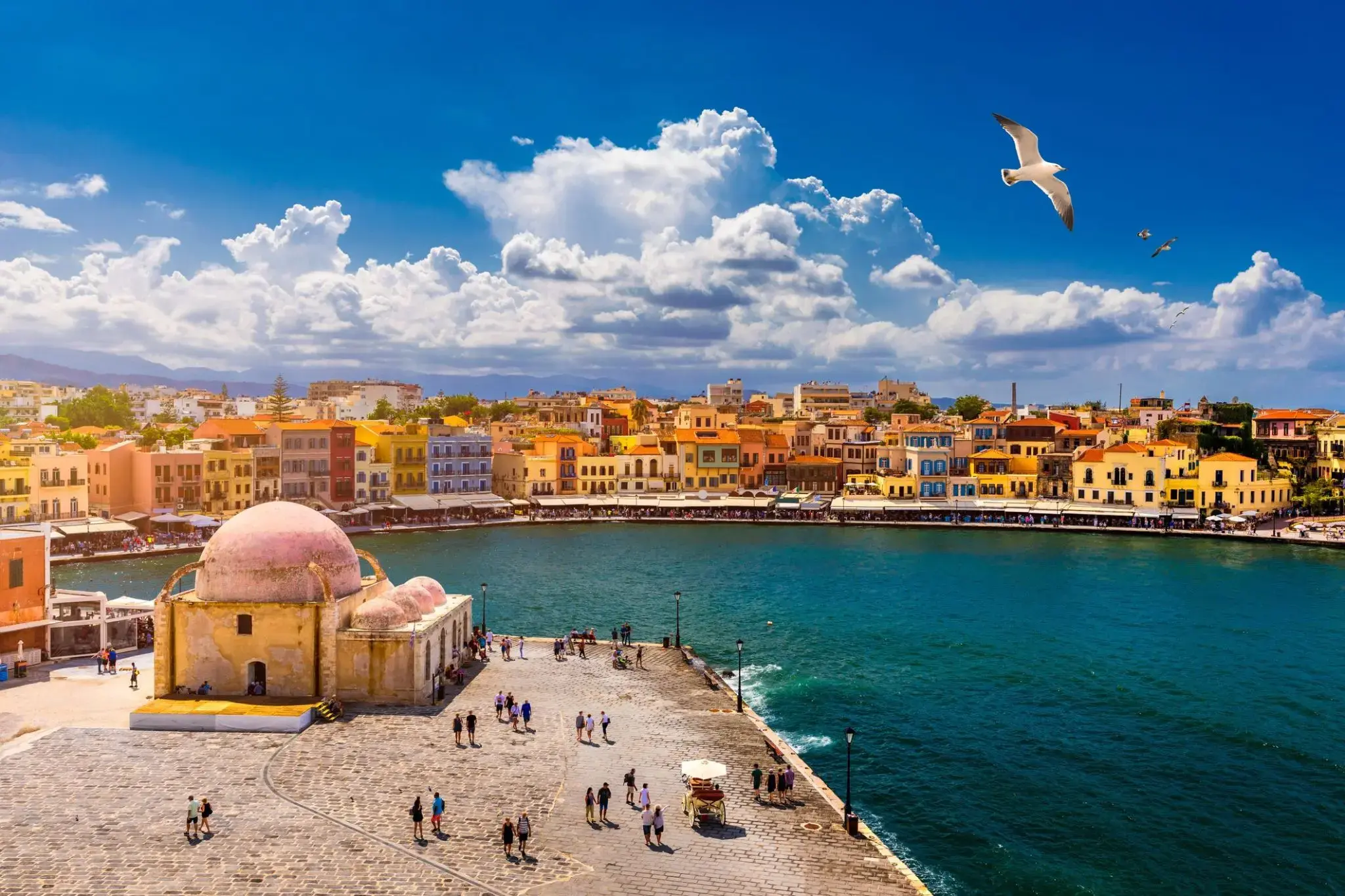
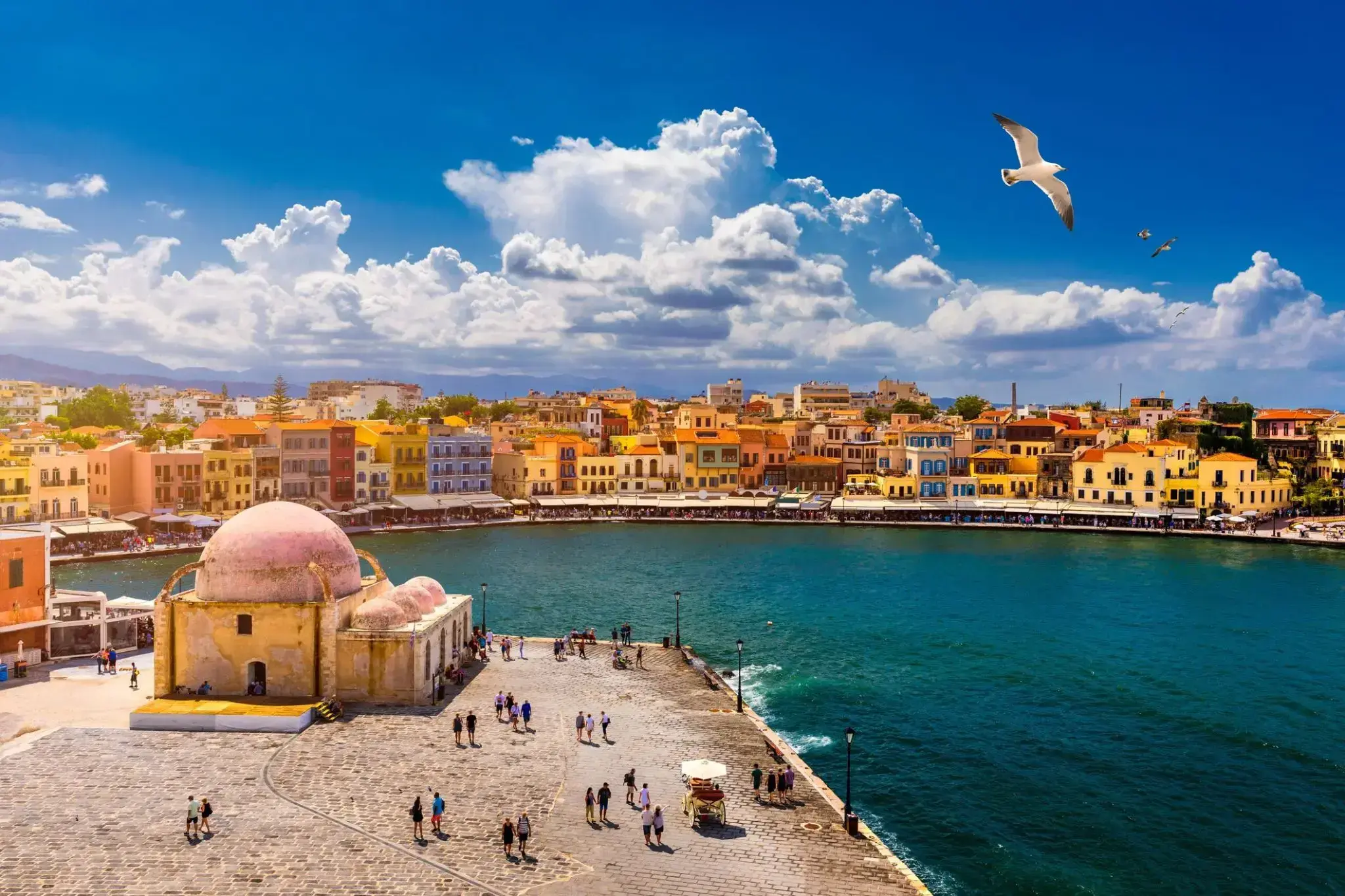
Chania (Souda), Kreta — Urok i historia
Chania, położona na północno-zachodnim wybrzeżu Krety, przyciąga podróżnych swoją historyczną atmosferą i malowniczym weneckim portem. Wąskie uliczki, budynki i przytulne kawiarnie tworzą unikalny urok, łącząc elementy architektury weneckiej i osmańskiej.
Souda to ważny port morski i promowy, położony w zatoce Souda, na wschód od Chanii. Port odgrywa kluczową rolę w sieci transportowej wyspy i ma strategiczne znaczenie dla regionu. W okolicach Chanii znajdują się stanowiska archeologiczne, w tym pozostałości starożytnych miast, a także atrakcje przyrodnicze, takie jak jaskinie i pomniki z czasów II wojny światowej.
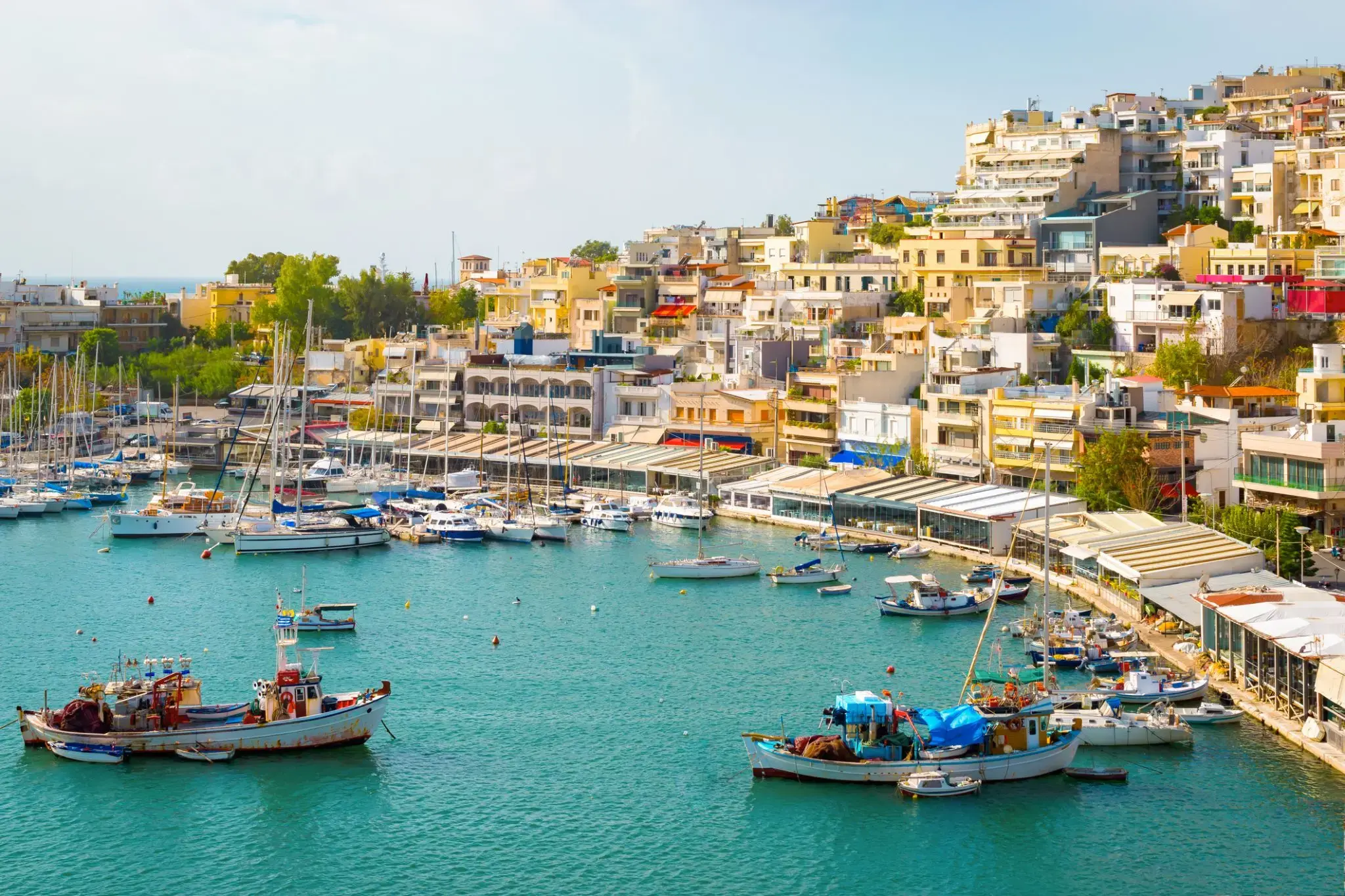
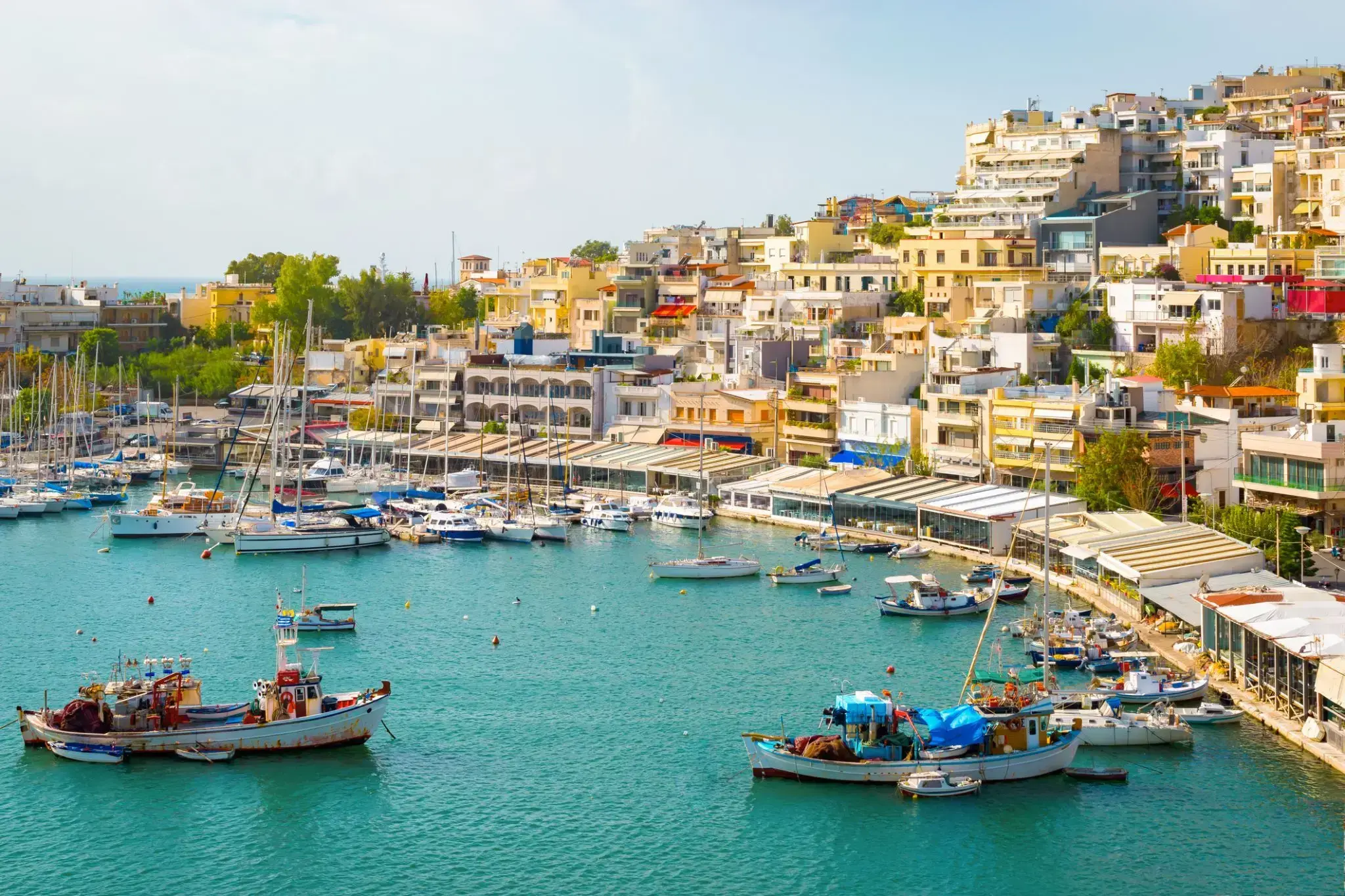
Pireus to stare miasto portowe, będące portem Aten i jednocześnie największym portem Grecji w dniu dzisiejszym. Pireus stanowi część wielkich Aten, które mogą poszczycić się bogactwem atrakcji, w tym unikalnymi zabytkami narodowej sztuki plastycznej.
Ponad dwieście muzeów i galerii, w tym Muzeum Historii Uniwersytetu, Muzeum Archeologiczne Keramejkos i wiele innych, gościnnie powita Państwa w swoich murach i zapozna z kulturą tej okolicy.