
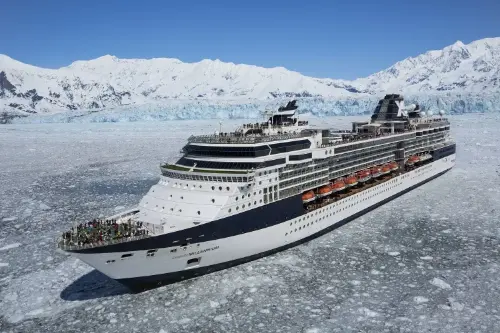
Sea cruise · 09.11.2028 – 23.11.2028 · 14 nights
14 nights, from Tokyo
Cabin prices and availabilityRoute and cruise information
| Date | Port | Arrival | Departure |
|---|---|---|---|
| 09.11.2028 |
Yokohama (Tokyo)
Japan
|
— | 16:30 |
| 10.11.2028 |
Nagoya
Japan
|
09:00 | 18:00 |
| 11.11.2028 |
Kyoto
Japan
|
11:59 | — |
| 12.11.2028 |
Kyoto
Japan
|
— | 17:00 |
| 13.11.2028 |
Day at sea
|
— | — |
| 14.11.2028 |
Okinawa
Japan
|
08:00 | 21:00 |
| 15.11.2028 |
Day at sea
|
— | — |
| 16.11.2028 |
Taipei
Taiwan
|
08:00 | 21:00 |
| 17.11.2028 |
Day at sea
|
— | — |
| 18.11.2028 |
Hong Kong
China
|
07:00 | 22:00 |
| 19.11.2028 |
Day at sea
|
— | — |
| 20.11.2028 |
Da Nang
Vietnam
|
07:00 | 18:00 |
| 21.11.2028 |
Day at sea
|
— | — |
| 22.11.2028 |
Day at sea
|
— | — |
| 23.11.2028 |
Singapore
Singapore
|
06:00 | — |
-
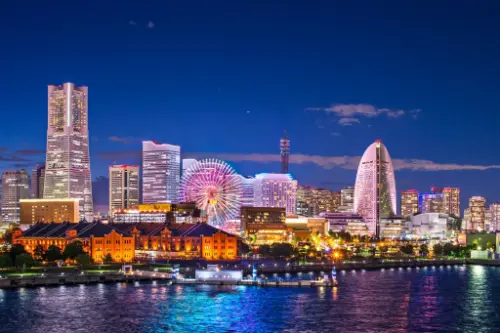 Day 1: 16:30
Yokohama (Tokyo) / Japan
Tokyo, officially Tokyo Metropolis, one of the 47 prefectures of Japan, has served as the Japanese capital since 1869. As of 2014, the Greater Tokyo Arearanked as the most populous metropolitan area in the world. The urban area houses the seat of the Emperor of Japan, of the Japanese government and of the National Diet. Tokyo forms part of the Kantō region on the southeastern side of Japan's main island, Honshu, and includes the Izu Islands and Ogasawara Islands. Tokyo was formerly named Edo when Shōgun Tokugawa Ieyasu made the city his headquarters in 1603. It became the capital after Emperor Meiji moved his seat to the city from Kyoto in 1868; at that time Edo was renamed Tokyo. Tokyo Metropolis formed in 1943 from the merger of the former Tokyo Prefecture and the city of Tokyo. Tokyo is often referred to as a city but is officially known and governed as a "metropolitan prefecture", which differs from and combines elements of a city and a prefecture, a characteristic unique to Tokyo.
The 23 Special Wards of Tokyo were formerly Tokyo City. On July 1, 1943, it merged with Tokyo Prefecture and became Tokyo Metropolis with an additional 26 municipalities in the western part of the prefecture, and the Izu islandsand Ogasawara islands south of Tokyo. The population of the special wards is over 9 million people, with the total population of Tokyo Metropolis exceeding 13.8 million. The prefecture is part of the world's most populous metropolitan area called the Greater Tokyo Area with over 38 million people and the world's largest urban agglomeration economy. As of 2011, Tokyo hosted 51 of the Fortune Global 500 companies, the highest number of any city in the world at that time. Tokyo ranked third (twice) in the International Financial Centres Development Index. The city is home to various television networks such as Fuji TV, Tokyo MX, TV Tokyo, TV Asahi, Nippon Television, NHK and the Tokyo Broadcasting System.
-
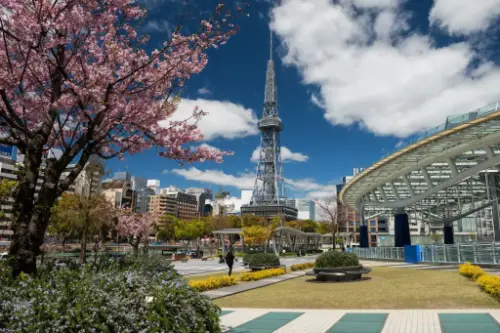 Day 2: 09:00–18:00
Nagoya / Japan
Nagoya is the largest city in the Chūbu region of Japan. It is Japan's fourth-largest incorporated city and the third-most-populous urban area. It is located on the Pacific coast on central Honshu. It is the capital of Aichi Prefectureand is one of Japan's major ports along with those of Tokyo, Osaka, Kobe, Yokohama, Chiba, and Kitakyushu. It is also the center of Japan's third-largest metropolitan region, known as the Chūkyō metropolitan area. As of 2015, 2.28 million people lived in the city, part of Chūkyō Metropolitan Area's 10.11 million people. It is also one of the 50 largest urban areas in the world.
-
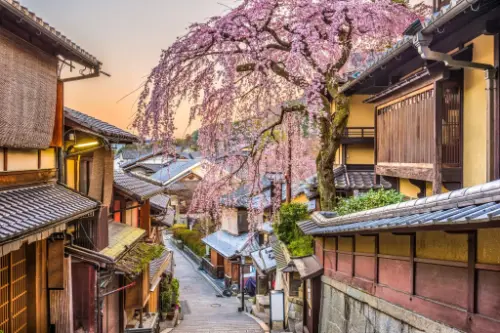 Day 3: 11:59
Kyoto / Japan
Kyoto, officially Kyoto City, is the capital city of Kyoto Prefecture, located in the Kansai region of Japan. It is best known in Japanese history for being the former Imperial capital of Japan for more than one thousand years, as well as a major part of the Kyoto-Osaka-Kobe metropolitan area.
-
Day 4: 17:00
Kyoto / Japan
Kyoto, officially Kyoto City, is the capital city of Kyoto Prefecture, located in the Kansai region of Japan. It is best known in Japanese history for being the former Imperial capital of Japan for more than one thousand years, as well as a major part of the Kyoto-Osaka-Kobe metropolitan area.
-
Day 5:
Day at sea / Sea
-
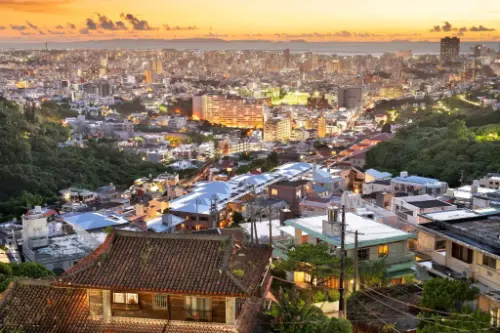 Day 6: 08:00–21:00
Okinawa / Japan
Velvety sand and turquoise waters greet everyone who steps onto Okinawa, where Japan reveals a different side — warm, tropical, and full of delightful discoveries. Here, you can stroll along the coast enjoying the ocean breeze, explore the ancient Ryukyu castle ruins, and in the evenings, try fresh seafood and local dishes like Okinawan soba and goya champuru.
For those who love active holidays, Okinawa offers diving at coral reefs, boat trips to secluded islands, and visits to Churaumi Park with one of the world's largest aquariums, where you can see giant whale sharks. It is a place where you can feel the rhythm of life by the sea, enjoy the beauty of tropical nature, and find peace in every moment of your vacation.
-
Day 7:
Day at sea / Sea
-
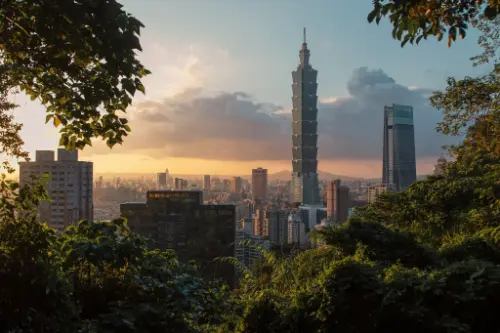 Day 8: 08:00–21:00
Taipei / Taiwan
Taiwan it is a state in East Asia. It includes the neighbors of the Republic of China and the Philippines to the south. It is not a member of the United Nations.
The island of Taiwan was formerly known as the island of mass migration. The island was annexed in 1683 by the Qing dynasty, the last dynasty. The Qing ceded Taiwan to Japan in 1895 after the Sino-Japanese War. The Republic of China (ROC) was established after the fall of the Qing dynasty. The following is the Japanese surrender to the Allies in 1945; However, it’s not a problem, but it’s not a problem. It has been up to 99% of its de facto territory. The United States of America is the United States of America in the United States of America until 1971, when it’s lost.
-
Day 9:
Day at sea / Sea
-
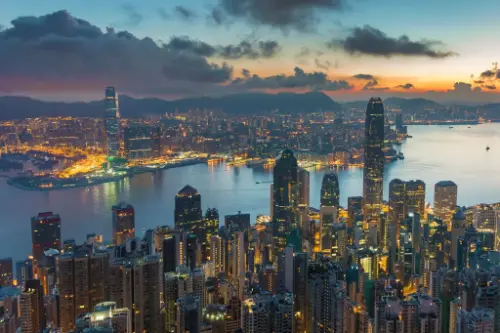 Day 10: 07:00–22:00
Hong Kong / China
Hong Kon, officially the Hong Kong Special Administrative Region of the People's Republic of China, is a special administrative region on the eastern side of the Pearl River estuary in southern China. With over 7.4 million people of various nationalities in a 1,104-square-kilometre (426 sq mi) territory, Hong Kong is the world's fourth most densely populated region.
Hong Kong became a colony of the British Empire after Qing China ceded Hong Kong Island at the end of the First Opium War in 1842. The colony expanded to the Kowloon Peninsula in 1860 after the Second Opium War, and was further extended when Britain obtained a 99-year lease of the New Territories in 1898. The territory was returned to China when the lease expired in 1997. As a special administrative region, Hong Kong's system of government is separate from that of mainland China and its people overwhelmingly identify as Hongkongers rather than Chinese.
Originally a sparsely populated area of farming and fishing villages, the territory has become one of the world's most significant financial centres and commercial ports. It is the world's seventh-largest trading entity, and its legal tender (the Hong Kong dollar) is the world's 13th-most-traded currency. Although the city has one of the highest per capita incomes in the world, it has severe income inequality.
The territory has the largest number of skyscrapers in the world, most surrounding Victoria Harbour. Hong Kong ranks seventh on the UN Human Development Index, and has the sixth-longest life expectancy in the world. Although over 90 per cent of its population uses public transportation, air pollution from neighbouring industrial areas of mainland China has resulted in a high level of atmospheric particulates.
-
Day 11:
Day at sea / Sea
-
 Day 12: 07:00–18:00
Da Nang / Vietnam
A warm sea breeze and soft sand make Da Nang the perfect place for those seeking seaside relaxation and lightness in every step. Here, modern cafés sit next to traditional markets, while the evening promenade fills with lights and the aroma of fresh seafood. You can enjoy long walks along My Khe and Non Nuoc beaches, ranked among Asia’s best, and discover cozy corners with Vietnamese coffee and the smiles of locals.
For lovers of history and nature, Da Nang offers unique routes to the Marble Mountains with caves and pagodas, providing breathtaking views of the coastline. From here, it is easy to reach the ancient town of Hoi An, preserving the atmosphere of the past, or to take a trip along the Hai Van Pass, where each turn reveals new panoramas of mountains and sea. The city combines a relaxing beach holiday with the chance to discover Vietnam’s beauty and breathe in the fresh sea air that fills you with energy and lightness.
-
Day 13:
Day at sea / Sea
-
Day 14:
Day at sea / Sea
-
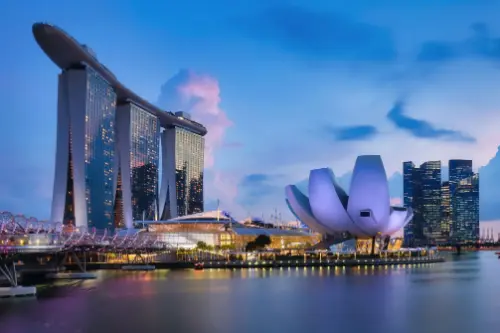 Day 15: 06:00
Singapore / Singapore
Сингапур довольно необычный город Азии — это город-государство, которое расположилось на островах в Индийском океане. Его колониальные кварталы, храмы, музеи, великолепны парки, аттракционы, современные небоскребы и крупнейший морской порт, придают городу уникальный колорит и неповторимость. Город получил важное экономическое и политическое значение среди стран Восточной Азии. Все основные достопримечательности сосредоточены в четырех районах города. Основными из них являются: здание Импресс-Плейс-Билдинг, армянская церковь Св. Грегора-Святителя, Концертный зал и театр Виктории, англиканский собор Св. Андрея, католический собор Гуд-Шеферд, здания Парламента, а так же много других памятников архитектуры, дворцов, храмов и просто интересных улиц и кварталов.
The YouTube video appears once you allow marketing cookies.
Please wait…
Frequently asked questions
We recommend flying in the day before the cruise begins.
- Arrive at the port 2–3 hours before departure.
- When booking an airport–port transfer, allow at least 5 hours between landing and the scheduled sailing.
Still have a question?
We'll help you choose a cruise and answer your questions.