


River cruise · 06.06.2027 – 20.06.2027 · 14 nights
A Portrait of Majestic France (2027)
Route and cruise information
- Bordeaux
- Cadillac-sur-Garonne
- Pauillac
- Blaye
- Libourne (Saint-Émilion)
- Libourne (Saint-Émilion)
- Bordeaux
- Bordeaux
- Vernon
- Rouen
- Caudebec-en-Caux
- Rouen
- Versailles
- Paris
- Paris
| Date | Port | Arrival | Departure |
|---|---|---|---|
| 06.06.2027 |
Bordeaux
France
|
— | — |
| 07.06.2027 |
Cadillac-sur-Garonne
France
|
— | — |
| 08.06.2027 |
Pauillac
France
|
— | — |
| 09.06.2027 |
Blaye
France
|
— | — |
| 10.06.2027 |
Libourne (Saint-Émilion)
France
|
— | — |
| 11.06.2027 |
Libourne (Saint-Émilion)
France
|
— | — |
| 12.06.2027 |
Bordeaux
France
|
— | — |
| 13.06.2027 |
Bordeaux
France
|
— | — |
| 14.06.2027 |
Vernon
France
|
— | — |
| 15.06.2027 |
Rouen
France
|
— | — |
| 16.06.2027 |
Caudebec-en-Caux
France
|
— | — |
| 17.06.2027 |
Rouen
France
|
— | — |
| 18.06.2027 |
Versailles
France
|
— | — |
| 19.06.2027 |
Paris
France
|
— | — |
| 20.06.2027 |
Paris
France
|
— | — |
-
 Day 1:
Bordeaux / France
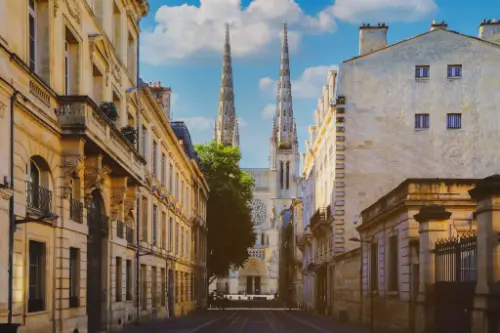
Bordeaux is a port city on the Garonne in the Gironde department in Southwestern France.
The municipality (commune) of Bordeaux proper has a population of 246,586 (2014). Together with its suburbs and satellite towns, Bordeaux is the centre of the Bordeaux Métropole. With 1,195,335 in the metropolitan area, it is the sixth-largest in France, after Paris, Marseille, Lyon, Toulouse, and Lille. It is the capital of the Nouvelle-Aquitaineregion, as well as the prefecture of the Gironde department. Its inhabitants are called "Bordelais" (for men) or "Bordelaises" (women). The term "Bordelais" may also refer to the city and its surrounding region.
Being at the center of a major wine-growing and wine-producing region, Bordeaux remains a prominent powerhouse and exercises significant influence on the world wine industry although no wine production is conducted within the city limits. It is home to the world's main wine fair, Vinexpo, and the wine economy in the metro area takes in 14.5 billion euros each year. Bordeaux wine has been produced in the region since the 8th century. The historic part of the city is on the UNESCO World Heritage List as "an outstanding urban and architectural ensemble" of the 18th century.[7] After Paris, Bordeaux has the highest number of preserved historical buildings of any city in France.
-
 Day 2:
Cadillac-sur-Garonne / France
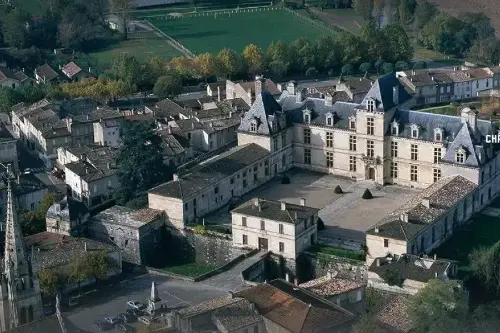
Tucked along the banks of the Garonne River, this small French town captivates with its authentic provincial charm. Cadillac-sur-Garonne is renowned for its vineyards, where the famous Cadillac wine is produced, a true pride of the region. Strolling through the ancient streets and majestic castles, one is transported into the atmosphere of medieval France, while the welcoming cafes along the river offer picturesque views of the Garonne waters.
Local markets and festivals often attract travelers who are eager to not only admire historical landmarks but also immerse themselves in the traditions of southwest France. Cadillac-sur-Garonne is the perfect spot for those who wish to escape the hustle and bustle of big cities and soak in the tranquility, drawing inspiration from the beauty of nature and French culture.
-
 Day 3:
Pauillac / France
-
 Day 4:
Blaye / France
-
 Day 5:
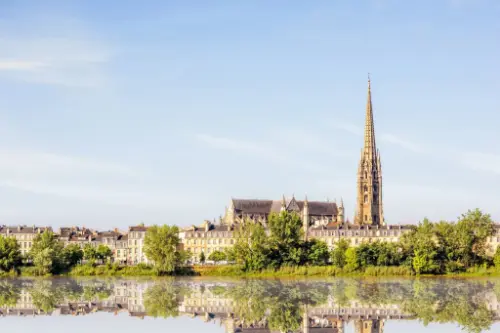
Libourne (Saint-Émilion) / France
-
Day 6:
Libourne (Saint-Émilion) / France
-
Day 7:
Bordeaux / France
Bordeaux is a port city on the Garonne in the Gironde department in Southwestern France.
The municipality (commune) of Bordeaux proper has a population of 246,586 (2014). Together with its suburbs and satellite towns, Bordeaux is the centre of the Bordeaux Métropole. With 1,195,335 in the metropolitan area, it is the sixth-largest in France, after Paris, Marseille, Lyon, Toulouse, and Lille. It is the capital of the Nouvelle-Aquitaineregion, as well as the prefecture of the Gironde department. Its inhabitants are called "Bordelais" (for men) or "Bordelaises" (women). The term "Bordelais" may also refer to the city and its surrounding region.
Being at the center of a major wine-growing and wine-producing region, Bordeaux remains a prominent powerhouse and exercises significant influence on the world wine industry although no wine production is conducted within the city limits. It is home to the world's main wine fair, Vinexpo, and the wine economy in the metro area takes in 14.5 billion euros each year. Bordeaux wine has been produced in the region since the 8th century. The historic part of the city is on the UNESCO World Heritage List as "an outstanding urban and architectural ensemble" of the 18th century.[7] After Paris, Bordeaux has the highest number of preserved historical buildings of any city in France.
-
Day 8:
Bordeaux / France
Bordeaux is a port city on the Garonne in the Gironde department in Southwestern France.
The municipality (commune) of Bordeaux proper has a population of 246,586 (2014). Together with its suburbs and satellite towns, Bordeaux is the centre of the Bordeaux Métropole. With 1,195,335 in the metropolitan area, it is the sixth-largest in France, after Paris, Marseille, Lyon, Toulouse, and Lille. It is the capital of the Nouvelle-Aquitaineregion, as well as the prefecture of the Gironde department. Its inhabitants are called "Bordelais" (for men) or "Bordelaises" (women). The term "Bordelais" may also refer to the city and its surrounding region.
Being at the center of a major wine-growing and wine-producing region, Bordeaux remains a prominent powerhouse and exercises significant influence on the world wine industry although no wine production is conducted within the city limits. It is home to the world's main wine fair, Vinexpo, and the wine economy in the metro area takes in 14.5 billion euros each year. Bordeaux wine has been produced in the region since the 8th century. The historic part of the city is on the UNESCO World Heritage List as "an outstanding urban and architectural ensemble" of the 18th century.[7] After Paris, Bordeaux has the highest number of preserved historical buildings of any city in France.
-
 Day 9:
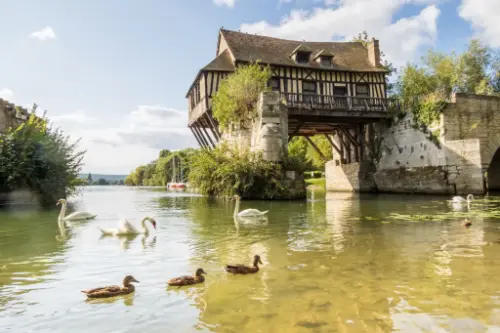
Vernon / France
Vernon is a small French town with a population of 25,000 people, located in the Eure department, which is part of the Upper Normandy region.
Vernon is an ancient town. Throughout its existence, it has played strategic roles and witnessed numerous battles. During World War II, Vernon was completely destroyed but was rebuilt literally from the ruins. The most famous landmark of Vernon is the Old Mill. It is a timber-framed and brick structure that rests on two piers of an old destroyed bridge across the Seine. The bridge was built in the 12th century, while the mill dates back to around the 16th century.
-
 Day 10:
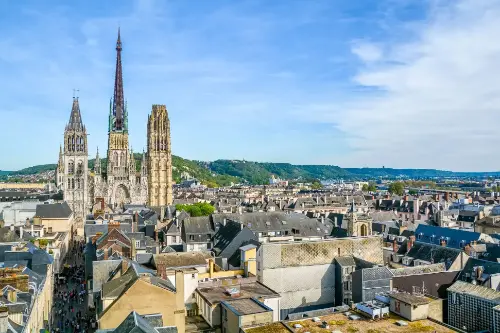
Rouen / France
Rouen is a city on the River Seine in the north of France. It is the capital of the region of Normandy. Formerly one of the largest and most prosperous cities of medieval Europe, Rouen was the seat of the Exchequer of Normandy during the Middle Ages. It was one of the capitals of the Anglo-Norman dynasties, which ruled both England and large parts of modern France from the 11th to the 15th centuries.
The population of the metropolitan area (in French: agglomération) at the 2011 census was 655,013, with the city proper having an estimated population of 111,557. People from Rouen are known as Rouennais.
-
 Day 11:
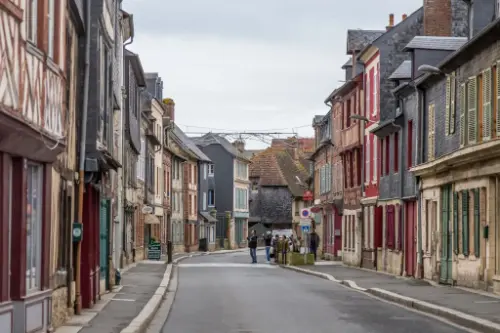
Caudebec-en-Caux / France
Caudebec-en-Caux is a former commune in the Seine-Maritime department in the Normandy region in northern France. On 1 January 2016, it was merged into the new commune of Rives-en-Seine.
-
Day 12:
Rouen / France
Rouen is a city on the River Seine in the north of France. It is the capital of the region of Normandy. Formerly one of the largest and most prosperous cities of medieval Europe, Rouen was the seat of the Exchequer of Normandy during the Middle Ages. It was one of the capitals of the Anglo-Norman dynasties, which ruled both England and large parts of modern France from the 11th to the 15th centuries.
The population of the metropolitan area (in French: agglomération) at the 2011 census was 655,013, with the city proper having an estimated population of 111,557. People from Rouen are known as Rouennais.
-
 Day 13:
Versailles / France
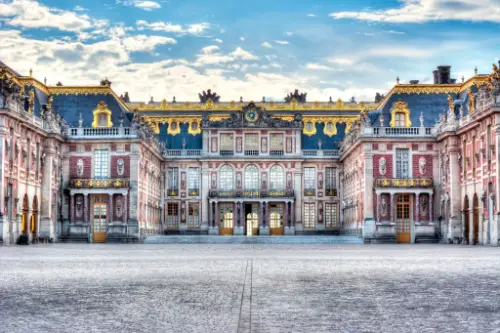
Luxurious avenues, geometrically precise gardens, and the brilliance of mirrors — here, the past of France comes alive in all its royal grandeur. The palace complex and its surroundings impress with the harmony of architecture and landscape, creating an atmosphere where every step recalls the former splendor of the monarchy.
Once a place where diplomatic agreements were signed and the fate of Europe was decided, it also hosted dazzling balls during the reign of Louis XIV. Today, it inspires thousands of travelers who come not only for the famous Hall of Mirrors but also to stroll through the grand gardens, row on the canal, or explore hidden corners of the park, away from the hustle of tourist crowds.
-
 Day 14:
Paris / France
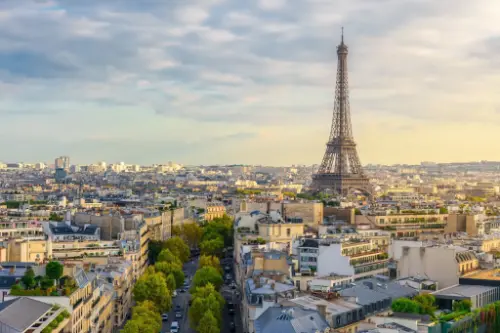
the capital of France, on the Seine River; population 2,203,817 (2006). Paris was held by the Romans, who called it Lutetia, and by the Franks, and was established as the capital in 987 under Hugh Capet. It was organized into three parts—the Île de la Cité (an island in the Seine), the Right Bank, and the Left Bank—during the reign of Philippe-Auguste 1180–1223. The city's neoclassical architecture dates from the modernization of the Napoleonic era, which continued under Napoleon III, when the bridges and boulevards of the modern city were built.
-
Day 15:
Paris / France
the capital of France, on the Seine River; population 2,203,817 (2006). Paris was held by the Romans, who called it Lutetia, and by the Franks, and was established as the capital in 987 under Hugh Capet. It was organized into three parts—the Île de la Cité (an island in the Seine), the Right Bank, and the Left Bank—during the reign of Philippe-Auguste 1180–1223. The city's neoclassical architecture dates from the modernization of the Napoleonic era, which continued under Napoleon III, when the bridges and boulevards of the modern city were built.
Still have a question?
We'll help you choose a cruise and answer your questions.