
Rejs morski · 29.01.2029 – 26.02.2029 · 28 nocy
Atlantycki i iberyjski urok
Cena i dostępność kajutTrasa i informacje o rejsie
Premium- Pireus (Ateny)
- Selcuk
- Bodrum
- Rodos
- Heraklion
- Valletta
- Messina, wł. Sycylia
- Salerno
- Rzym (Civitavecchia)
- Livorno
- Livorno
- Genua
- Marsylia
- Palamos
- Palma de Mallorca
- Cartagena (Bolívar)
- Alicante
- Walencja
- Barcelona
- Malaga
- Casablanka
- Agadir
- Arresife
- Santa Cruz, około. Teneryfa (Wyspy Kanaryjskie)
- Madera
- Lizbona
| Data | Port | Przypłynięcie | Wypłynięcie |
|---|---|---|---|
| 29.01.2029 |
Pireus (Ateny)
Grecja
|
05:00 | 17:00 |
| 30.01.2029 |
Selcuk
Turcja
|
08:00 | 18:00 |
| 31.01.2029 |
Bodrum
Turcja
|
08:00 | 18:00 |
| 01.02.2029 |
Rodos
Grecja
|
08:00 | 18:00 |
| 02.02.2029 |
Heraklion
Grecja
|
08:00 | 18:00 |
| 03.02.2029 |
Dzień na morzu
|
— | — |
| 04.02.2029 |
Valletta
Malta
|
10:00 | 19:00 |
| 05.02.2029 |
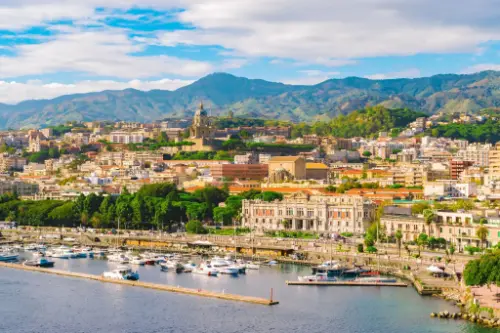
Messina, wł. Sycylia
Włochy
|
07:00 | 17:00 |
| 06.02.2029 |
Salerno
Włochy
|
07:00 | 17:00 |
| 07.02.2029 |
Rzym (Civitavecchia)
Włochy
|
07:00 | 17:00 |
| 08.02.2029 |
Livorno
Włochy
|
07:00 | — |
| 09.02.2029 |
Livorno
Włochy
|
— | 19:00 |
| 10.02.2029 |
Genua
Włochy
|
07:00 | 17:00 |
| 11.02.2029 |
Marsylia
Francja
|
09:00 | 19:00 |
| 12.02.2029 |
Palamos
Hiszpania
|
08:00 | 18:00 |
| 13.02.2029 |
Palma de Mallorca
Hiszpania
|
08:00 | 18:00 |
| 14.02.2029 |
Cartagena (Bolívar)
Kolumbia
|
09:00 | 19:00 |
| 15.02.2029 |
Alicante
Hiszpania
|
08:00 | 18:00 |
| 16.02.2029 |
Walencja
Hiszpania
|
08:00 | 18:00 |
| 17.02.2029 |
Barcelona
Hiszpania
|
07:00 | 17:00 |
| 18.02.2029 |
Dzień na morzu
|
— | — |
| 19.02.2029 |
Malaga
Hiszpania
|
07:00 | 17:00 |
| 20.02.2029 |
Casablanka
Morocco
|
09:00 | 17:00 |
| 21.02.2029 |
Agadir
Morocco
|
12:00 | 19:00 |
| 22.02.2029 |
Arresife
Hiszpania
|
10:00 | 19:00 |
| 23.02.2029 |
Santa Cruz, około. Teneryfa (Wyspy Kanaryjskie)
Hiszpania
|
07:00 | 16:00 |
| 24.02.2029 |
Madera
Portugalia
|
10:00 | 20:00 |
| 25.02.2029 |
Dzień na morzu
|
— | — |
| 26.02.2029 |
Lizbona
Portugalia
|
07:00 | 17:00 |
-
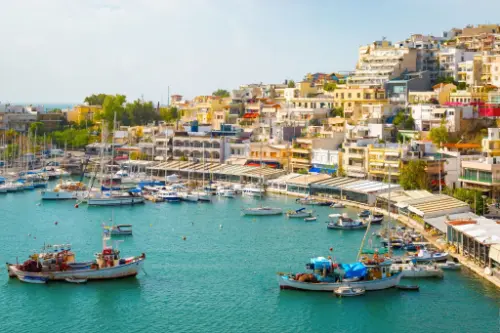 Dzień 1: 05:00–17:00
Pireus (Ateny) / Grecja
Pireus to stare miasto portowe, będące portem Aten i jednocześnie największym portem Grecji w dniu dzisiejszym. Pireus stanowi część wielkich Aten, które mogą poszczycić się bogactwem atrakcji, w tym unikalnymi zabytkami narodowej sztuki plastycznej.
Ponad dwieście muzeów i galerii, w tym Muzeum Historii Uniwersytetu, Muzeum Archeologiczne Keramejkos i wiele innych, gościnnie powita Państwa w swoich murach i zapozna z kulturą tej okolicy.
-
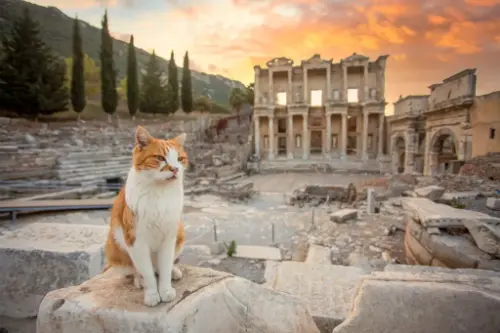 Dzień 2: 08:00–18:00
Selcuk / Turcja
Śródziemnomorskie słońce, zapach lawendy i wieki historii towarzyszą podróżnym przybywającym do Selçuk, małego tureckiego miasteczka położonego zaledwie kilka kilometrów od legendarnego Efezu. Miejsce to łączy urok anatolijskiego życia z antycznymi ruinami, gdzie każdy kamień opowiada historie z czasów Cesarstwa Rzymskiego i Bizancjum. To doskonała baza wypadowa do zwiedzania jednego z najsłynniejszych stanowisk archeologicznych w Turcji, ale samo miasteczko również zasługuje na uwagę: można tu znaleźć stare meczety, bizantyjską twierdzę i pozostałości akweduktów.
W Selçuk czas płynie powoli, pozwalając na spokojne odkrywanie muzeów i ulicznych targów z przyprawami oraz ręcznie robioną ceramiką. Wiosną odbywa się tu festiwal tulipanów, a w pobliżu znajduje się Dom Matki Bożej – miejsce pielgrzymek chrześcijan. To rzadkie połączenie starożytności, religijnej symboliki i nowoczesnego tureckiego życia sprawia, że Selçuk zostawia po sobie nie tylko zdjęcia, ale i głębokie wrażenia.
-
 Dzień 3: 08:00–18:00
Bodrum / Turcja
Bodrum is a famous Turkish resort on the Aegean Sea, located in the province of Mugla. The city is located in the extreme southwest of the country, on the coast of ancient Caria, which today is called the Turkish Riviera. Bodrum is perhaps the most international of all cities in Turkey. It is famous for its restaurants, night clubs, the atmosphere of eternal celebration and the bohemian lifestyle. This combination is especially attractive for young people from Europe and liberated Turks who come here in the summer to swim, soak up the sun, and “hang out” in open-air pubs, discos and bars. Curious tourists in these parts are attracted by the desire to get acquainted with the millenary history of the region, to see the ancient and medieval monuments located here.
-
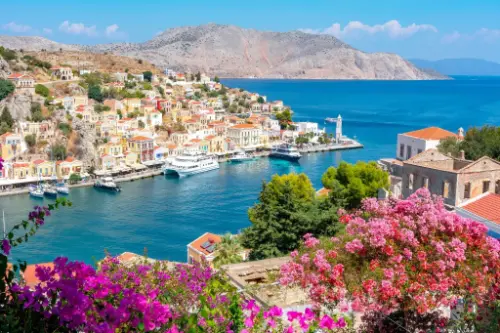 Dzień 4: 08:00–18:00
Rodos / Grecja
Rhodes is the largest of the Dodecanese islands of Greece and is also the island group's historical capital. Administratively the island forms a separate municipality within the Rhodes regional unit, which is part of the South Aegean administrative region. The principal town of the island and seat of the municipality is Rhodes. The city of Rhodes had 50,636 inhabitants in 2011. It is located northeast of Crete, southeast of Athens and just off the Anatolian coast of Turkey. Rhodes' nickname is The island of the Knights, named after the Knights of Saint John of Jerusalem, who once conquered the land.
Historically, Rhodes was famous worldwide for the Colossus of Rhodes, one of the Seven Wonders of the Ancient World. The Medieval Old Town of the City of Rhodes has been declared a World Heritage Site. Today, it is one of the most popular tourist destinations in Europe. The name of the U.S. state of Rhode Island is thought to be based on this island.
-
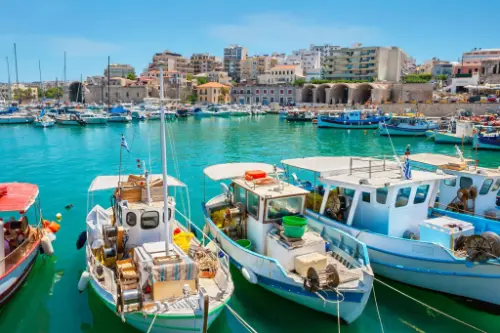 Dzień 5: 08:00–18:00
Heraklion / Grecja
Heraklion or Heraclion is the largest city and the administrative capital of the island of Crete. It is the fourth largest city in Greece. According to the results of the 2011 census, the population of the city proper was 166,209 inhabitants, the municipality's was 173,993 while the Heraklion urban area has a population of 225,574 and it extends over an area of 684.3 km2 (264.2 sq mi).
Heraklion is the capital of Heraklion regional unit.
The Bronze Age palace of Knossos, also known as the Palace of Minos, is located nearby.
-
Dzień 6:
Dzień na morzu / Morze
-
 Dzień 7: 10:00–19:00
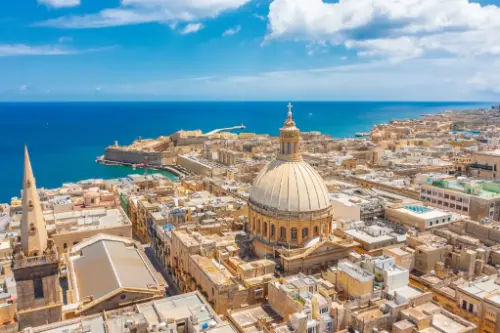
Valletta / Malta
The capital of Malta - Valletta , is the first and almost the only city in Europe, which was once designed by architects and built according to all the rules and norms of construction. Valletta is considered to be one of the most beautiful cities on the Mediterranean. Klaipeda is on the list of the few remaining fortified towns. The center of the city is the Palace of the Grand Master of the Order of Malta, and today the residence of the President of the country, here is the seat of the Maltese Parliament. The list of places to visit in Valletta includes the Castilla Palace, the Admiralty (where the National Museum of Fine Arts is now located, with the largest painting collection in the country), a charming place in the city - the beautiful Hastings Gardens, and this is not the whole list of the riches of the capital of Malta .
-
 Dzień 8: 07:00–17:00
Messina, wł. Sycylia / Włochy
-
 Dzień 9: 07:00–17:00
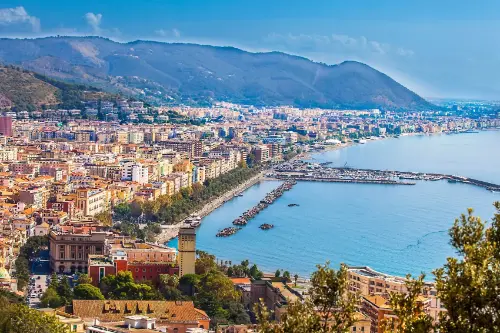
Salerno / Włochy
Salerno is one of the most popular seaside cities in Italy, intended for recreation at sea. The climate here is warm and mild, which is typical for all cities of the Neapolitan Riviera. Tourism in Salerno is at a high level, as the city is a rich historical and cultural center. Salerno contains many attractions interesting for lovers of history, art and culture.
-
 Dzień 10: 07:00–17:00
Rzym (Civitavecchia) / Włochy
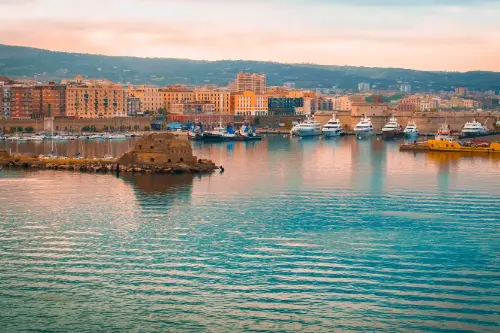
Rzym – jedno z najstarszych miast świata, niegdyś stolica Cesarstwa Rzymskiego, dziś stolica Włoch. Położony na siedmiu wzgórzach nad Tybrem, zachwyca pięknem i majestatem, którego nie da się oddać słowami – trzeba tu być. Każda rzeźba, fontanna czy budowla to dzieło sztuki pozostawione przez dawnych mistrzów. Najsłynniejsze atrakcje, które przyciągają turystów, to Koloseum – miejsce dawnych walk gladiatorów, Fontanna di Trevi, Schody Hiszpańskie, Bazylika św. Piotra – największy kościół Europy, a także Fora Cesarskie i Forum Romanum.
-
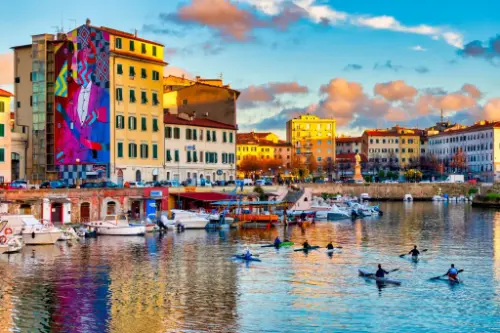 Dzień 11: 07:00
Livorno / Włochy
Livorno is a port city on the Ligurian Sea on the western coast of Tuscany, Italy. It is the capital of the Province of Livorno, having a population of 158,493 residents in December 2017. It has traditionally been known in English as Leghorn.
The origins of Livorno are controversial, although the place was inhabited since the Neolithic Age as shown by worked bones, pieces of copper and ceramic found on the Livorno Hills in a cave between Ardenza and Montenero. The construction of the Via Aurelia coincided with the occupation of the region by the Romans, who left traces of their presence in the toponyms and ruins of towers. The natural cove called Liburna, later transformed into Livorna, before becoming Livorno, is a reference to the type of ship, the liburna, used by Roman navy. Others ancient toponyms include: Salviano (Salvius), Antignano (Ante ignem) which was the place situated before Ardenza (Ardentia) where were the beacons for the ships directed to Porto Pisano.
The name Livorna is mentioned for the first time in 1017 as a small coastal village, the port and the remains of a Roman tower. In 1077, a tower was built by Matilda of Tuscany. The Republic of Pisa owned Livorno from 1103 and built a quadrangular Fort called Quadratura dei Pisani ("Quarter of the Pisans") to defend the port. Porto Pisano was destroyed after the crushing defeat of the Pisan fleet in the Battle of Meloria in 1284. In 1399, Pisa sold Livorno to the Visconti of Milan, in 1405 it was sold to the Republic of Genoa and on 28 August 1421 it was bought by the Republic of Florence.
Between 1427 and 1429, a census counted 118 families in Livorno, including 423 persons. Monks, Jews, military personnel, and the homeless were not included in the census. The only remainder of medieval Livorno is a fragment of two towers and a wall, located inside the Fortezza Vecchia.
-
Dzień 12: 19:00
Livorno / Włochy
Livorno is a port city on the Ligurian Sea on the western coast of Tuscany, Italy. It is the capital of the Province of Livorno, having a population of 158,493 residents in December 2017. It has traditionally been known in English as Leghorn.
The origins of Livorno are controversial, although the place was inhabited since the Neolithic Age as shown by worked bones, pieces of copper and ceramic found on the Livorno Hills in a cave between Ardenza and Montenero. The construction of the Via Aurelia coincided with the occupation of the region by the Romans, who left traces of their presence in the toponyms and ruins of towers. The natural cove called Liburna, later transformed into Livorna, before becoming Livorno, is a reference to the type of ship, the liburna, used by Roman navy. Others ancient toponyms include: Salviano (Salvius), Antignano (Ante ignem) which was the place situated before Ardenza (Ardentia) where were the beacons for the ships directed to Porto Pisano.
The name Livorna is mentioned for the first time in 1017 as a small coastal village, the port and the remains of a Roman tower. In 1077, a tower was built by Matilda of Tuscany. The Republic of Pisa owned Livorno from 1103 and built a quadrangular Fort called Quadratura dei Pisani ("Quarter of the Pisans") to defend the port. Porto Pisano was destroyed after the crushing defeat of the Pisan fleet in the Battle of Meloria in 1284. In 1399, Pisa sold Livorno to the Visconti of Milan, in 1405 it was sold to the Republic of Genoa and on 28 August 1421 it was bought by the Republic of Florence.
Between 1427 and 1429, a census counted 118 families in Livorno, including 423 persons. Monks, Jews, military personnel, and the homeless were not included in the census. The only remainder of medieval Livorno is a fragment of two towers and a wall, located inside the Fortezza Vecchia.
-
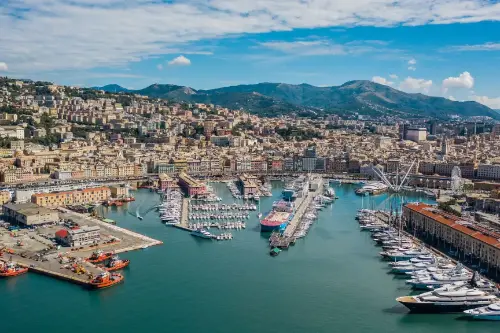 Dzień 13: 07:00–17:00
Genua / Włochy
Genua – portowe miasto w północnych Włoszech, położone w Zatoce Genueńskiej nad Morzem Liguryjskim. Już od czasów Imperium Rzymskiego przyciągało uwagę arystokracji i do dziś jest miejscem rezydencji wpływowych ludzi. Spacerując nadmorską promenadą, warto zajrzeć do jednej z licznych kawiarni i spróbować doskonałej kuchni morskiej przy kieliszku wina. Miłośnicy podwodnego świata mogą odwiedzić słynne akwarium, gdzie zobaczyć można ponad 500 gatunków ryb i ssaków morskich.
-
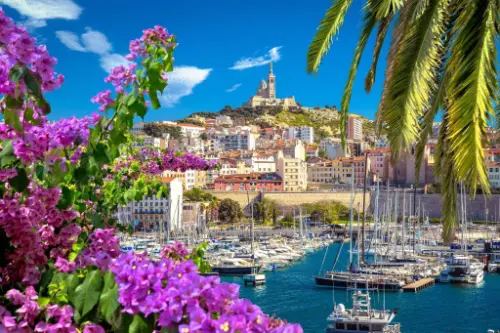 Dzień 14: 09:00–19:00
Marsylia / Francja
Witamy w gościnnym Prowansie! Bramą do tego regionu jest Marsylia – miasto „Marsylianki”, hymnu Francji, oraz słynnego Zamku If. Symbolem Marsylii jest bazylika Notre-Dame de la Garde. Latem można wziąć udział w oprowadzaniu po francusku (3 EUR), a dopłacając 5 EUR wejść na dach, skąd rozciąga się wspaniała panorama miasta. W pobliżu znajduje się opactwo św. Wiktora z ciekawymi katakumbami.
Rejs turystycznym statkiem na Wyspy Frioul pozwala zobaczyć Zamek If – znany z powieści o hrabim Monte Christo. Kulturalnym sercem Marsylii są Cours Julien i plac Jeana Jaurèsa – pełne księgarni, alternatywnych sklepów, klubów i kawiarni. Dwa razy w tygodniu odbywa się tu wielki targ (czwartek i sobota). Wśród atrakcji miasta znajdują się liczne muzea, galerie i dzieła architektury, a także malownicze zatoki zwane kalankami, uznawane za francuskie fiordy.
-
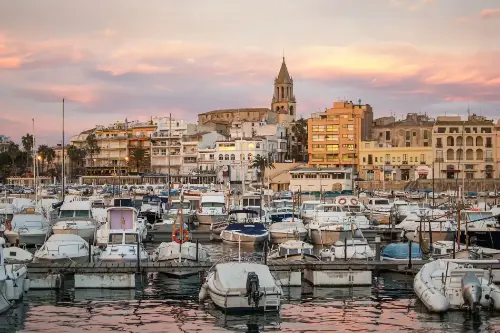 Dzień 15: 08:00–18:00
Palamos / Hiszpania
-
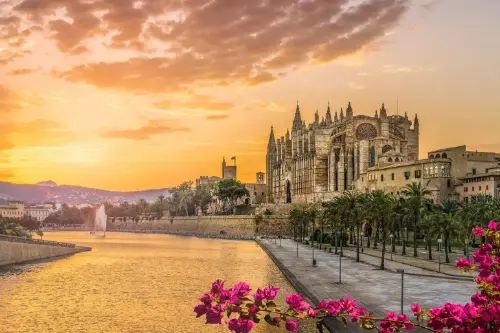 Dzień 16: 08:00–18:00
Palma de Mallorca / Hiszpania
Mallorca is the largest island in the Balearic Islands, which are part of Spain and located in the Mediterranean. The native language, as on the rest of the Balearic Islands, is Catalan, which is co-official with Spanish.
The capital of the island, Palma, is also the capital of the autonomous community of the Balearic Islands. The Balearic Islands have been an autonomous region of Spain since 1983. There are two small islands off the coast of Mallorca: Cabrera (southeast of Palma) and Dragonera (west of Palma). The anthem of Mallorca is "La Balanguera".
Like the other Balearic Islands of Menorca, Ibiza and Formentera, the island is an extremely popular holiday destination, particularly for tourists from Germany and the United Kingdom. The international airport, Palma de Mallorca Airport, is one of the busiest in Spain; it was used by 28.0 million passengers in 2017, increasing every year since 2012.
The name derives from Classical Latin insula maior, "larger island". Later, in Medieval Latin, this became Maiorica, "the larger one", in comparison to Menorca, "the smaller one".
-
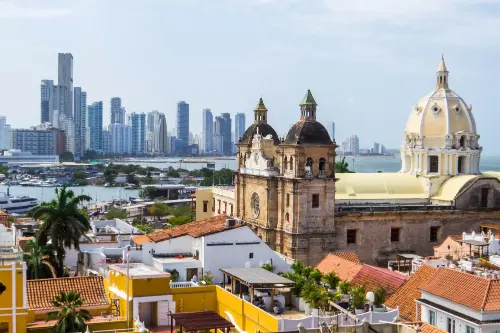 Dzień 17: 09:00–19:00
Cartagena (Bolívar) / Kolumbia
Starożytne mury forteczne, uliczni muzycy i karaibskie słońce tworzą niepowtarzalną atmosferę w Cartagenie (Bolívar) – perle kolumbijskiego wybrzeża. Miasto wpisane na listę światowego dziedzictwa UNESCO zachwyca kolonialną architekturą, uroczymi dziedzińcami i aromatem świeżo parzonej kawy z licznych kawiarni.
Zanurz się w tętniący życiem rytm Cartageny, spacerując brukowanymi uliczkami Starego Miasta, gdzie każdy zakątek kryje opowieści o piratach i hiszpańskich konkwistadorach. Zachód słońca przy starożytnej twierdzy Castillo San Felipe de Barajas to idealne zakończenie dnia pełnego kultury, historii i tropikalnego uroku.
-
 Dzień 18: 08:00–18:00
Alicante / Hiszpania
Alicante, or Alacant , both the Spanish and Valencian being official names, is a city and port in Spain on the Costa Blanca, the capital of the province of Alicante and of the comarca of Alacantí, in the south of the Valencian Community. It is also a historic Mediterranean port. The population of the city of Alicante proper was 330,525, estimated as of 2016, ranking as the second-largest Valencian city. Including nearby municipalities, the Alicante conurbation had 452,462 residents. The population of the metropolitan area (including Elche and satellite towns) was 757,085 as of 2014 estimates, ranking as the eighth-largest metropolitan area of Spain.
-
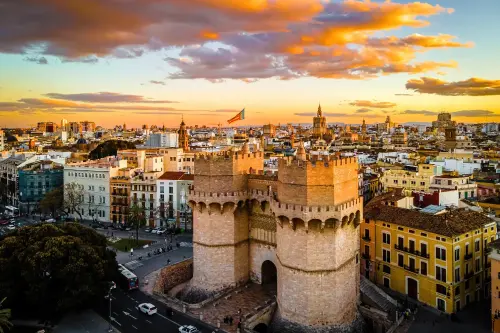 Dzień 19: 08:00–18:00
Walencja / Hiszpania
-
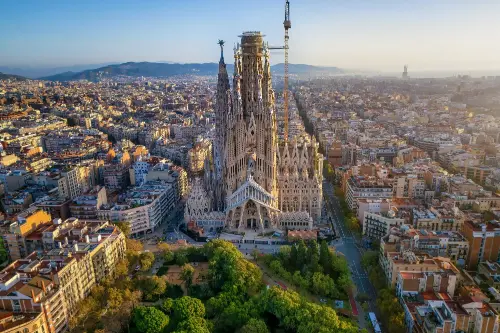 Dzień 20: 07:00–17:00
Barcelona / Hiszpania
Mając reputację jednego z najatrakcyjniejszych miast w Europie, Barcelona świętuje swoją rolę stolicy Katalonii. Kosmopolityczna i międzynarodowa atmosfera miasta sprawia, że jest to ulubione miejsce wielu ludzi na całym świecie. Miasto jest szczególnie znane ze swojej architektury i sztuki – podróżnicy z całego świata przybywają, aby zobaczyć słynną Sagrada Familia i inne modernistyczne zabytki zaprojektowane przez Gaudiego.
Barcelona to miasto z licznymi i oryginalnymi możliwościami spędzania czasu wolnego, które sprawiają, że chcesz tu wracać. Położona na wybrzeżu Morza Śródziemnego Barcelona słynie z arcydzieł Gaudiego i architektury secesyjnej: jest jednym z najbardziej stylowych miast europejskich.
Miasto jest ośrodkiem nowych trendów w świecie kultury, mody i gastronomii. Dopełnieniem kreatywności artystów i projektantów jest ostrożne podejście do tradycyjnych placówek. Barcelona łączy w sobie urok i spokój historycznego centrum z awangardowymi nowoczesnymi dzielnicami i intensywnym tempem życia w jednym z najczęściej odwiedzanych miast na świecie.
-
Dzień 21:
Dzień na morzu / Morze
-
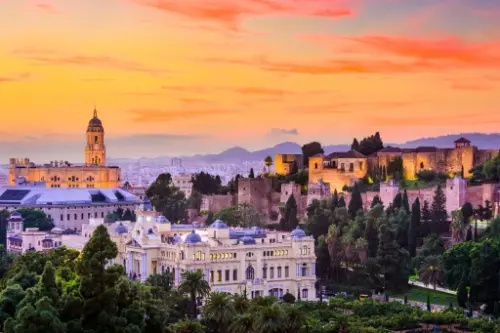 Dzień 22: 07:00–17:00
Malaga / Hiszpania
Málaga is a municipality, capital of the Province of Málaga, in the Autonomous Community of Andalusia, Spain. With a population of 569,130 in 2015, it is the second-most populous city of Andalusia and the sixth-largest in Spain. The southernmost large city in Europe, it lies on the Costa del Sol (Coast of the Sun) of the Mediterranean, about 100 kilometres (62.14 miles) east of the Strait of Gibraltar and about 130 km (80.78 mi) north of Africa.
Málaga's history spans about 2,800 years, making it one of the oldest cities in the world. According to most scholars, it was founded about 770 BC by the Phoenicians as Malaka From the 6th century BC the city was under the hegemony of Ancient Carthage, and from 218 BC, it was ruled by the Roman Republic and then empire as Malaca (Latin). After the fall of the empire and the end of Visigothic rule, it was under Islamic rule as Mālaqah for 800 years, but in 1487, the Crown of Castille gained control after the Reconquista. The archaeological remains and monuments from the Phoenician, Roman, Arabic and Christian eras make the historic center of the city an "open museum", displaying its history of nearly 3,000 years.
This important cultural infrastructure and the artistic heritage have culminated in the nomination of Málaga as a candidate for the 2016 European Capital of Culture.
The painter and sculptor Pablo Picasso, Hebrew poet and Jewish philosopher Solomon Ibn Gabirol and the actor Antonio Banderas were born in Málaga. The magnum opus of Cuban composer Ernesto Lecuona, "Malagueña", is named after the music of this region of Spain.
The most important business sectors in Málaga are tourism, construction and technology services, but other sectors such as transportation and logistics are beginning to expand. The Andalusia Technology Park (PTA), located in Málaga, has enjoyed significant growth since its inauguration in 1992. Málaga is the main economic and financial centre of southern Spain, home of the region's largest bank, Unicaja, and the fourth-ranking city in economic activity in Spain behind Madrid, Barcelona and Valencia.
-
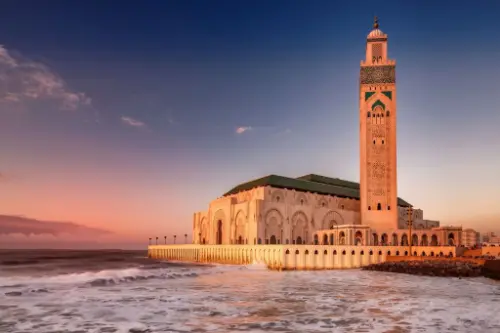 Dzień 23: 09:00–17:00
Casablanka / Morocco
Casablanca położona jest w centralno-zachodniej części Maroka i graniczy z Oceanem Atlantyckim. Jest największym miastem Maroka. To także największe miasto regionu Maghrebu, a także jedno z największych i najważniejszych miast Afryki pod względem gospodarczym i demograficznym.
Casablanca jest głównym portem Maroka i jednym z największych centrów finansowych na kontynencie. Według szacunków z 2014 roku miasto liczy około 3,35 miliona mieszkańców na obszarze miejskim i ponad 6,8 miliona w regionie Casablanca-Settat. Casablanca uważana jest za gospodarcze i biznesowe centrum Maroka, podczas gdy polityczną stolicą kraju pozostaje Rabat.
Wiodące marokańskie firmy oraz liczne międzynarodowe korporacje działające w kraju mają swoje siedziby główne i główne zakłady przemysłowe w Casablanca. Najnowsze dane przemysłowe pokazują, że Casablanca zachowuje swoją historyczną rolę głównej strefy przemysłowej kraju. Port w Casablanca jest jednym z największych sztucznych portów na świecie i drugim co do wielkości portem w Afryce Północnej po Tanger-Med, 40 km na wschód od Tangeru. Casablanca jest także główną bazą morską Królewskiej Marynarki Wojennej Maroka.
-
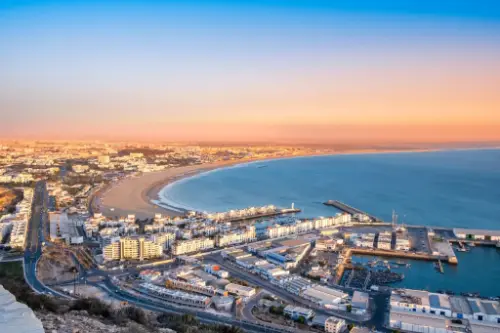 Dzień 24: 12:00–19:00
Agadir / Morocco
Agadir is the center of modern tourism in Morocco. Agadir Beach stretches for 10 km. The beautiful golden beach, surrounded by eucalyptus greenery and pine trees, is the most beautiful place among all Moroccan resorts. In Agadir, tourists will always find entertainment to their liking. Here you can ride camels or thoroughbred horses, play golf and tennis, smoke hookah, or experience all the delights of sea fishing. In the city's restaurants, you can taste the freshest and most delicious seafood, the assortment of which is simply magnificent: sea bass, sardines, tuna, shrimp, lobsters, crayfish. You can buy alcohol everywhere, but remember to do it before eight in the evening. And don't forget to visit the Medina of Agadir – a city built by an Italian architect. Inside the Medina, there are more than 30 shops and workshops.
-
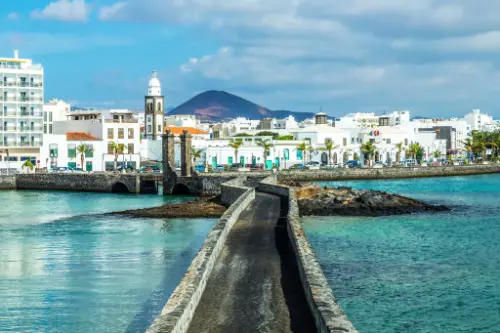 Dzień 25: 10:00–19:00
Arresife / Hiszpania
-
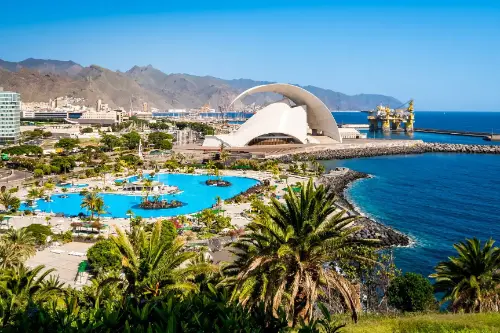 Dzień 26: 07:00–16:00
Santa Cruz, około. Teneryfa (Wyspy Kanaryjskie) / Hiszpania
-
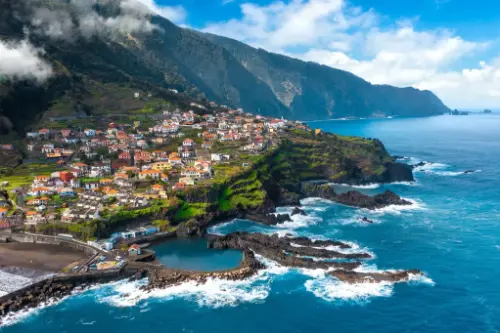 Dzień 27: 10:00–20:00
Madera / Portugalia
Madeira, officially the Autonomous Region of Madeira, is one of the two autonomous regions of Portugal (along with the Azores). It is an archipelago situated in the north Atlantic Ocean, southwest of Portugal. Its total population was estimated in 2011 at 267,785. The capital of Madeira is Funchal, which is located on the main island's south coast.
The archipelago is just under 400 kilometres (250 mi) north of Tenerife, Canary Islands. Bermuda and Madeira, a few time zones apart, are the only land in the Atlantic on the 32nd parallel north. It includes the islands of Madeira, Porto Santo, and the Desertas, administered together with the separate archipelago of the Savage Islands. The region has political and administrative autonomy through the Administrative Political Statue of the Autonomous Region of Madeiraprovided for in the Portuguese Constitution. The autonomous region is an integral part of the European Union as an outermost region.
-
Dzień 28:
Dzień na morzu / Morze
-
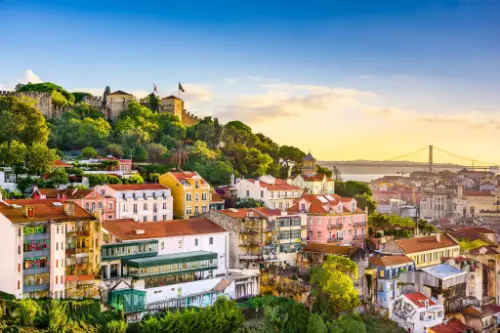 Dzień 29: 07:00–17:00
Lizbona / Portugalia
Lizbona jest stolicą i największym miastem Portugalii, z szacowaną populacją 505 526 mieszkańców w granicach administracyjnych na obszarze 100,05 km². Jej obszar miejski rozciąga się poza granice administracyjne miasta i liczy około 2,8 miliona mieszkańców, co czyni go jedenastym najbardziej zaludnionym obszarem miejskim w Unii Europejskiej. Około 3 milionów ludzi mieszka w aglomeracji lizbońskiej (która stanowi około 27% populacji kraju). Jest to najbardziej wysunięta na zachód stolica kontynentalnej Europy i jedyna położona nad Oceanem Atlantyckim. Lizbona leży na zachodnim Półwyspie Iberyjskim nad Oceanem Atlantyckim i rzeką Tag. Najbardziej wysunięte na zachód obszary jej aglomeracji tworzą najbardziej wysunięty na zachód punkt kontynentalnej Europy, znany jako Cabo da Roca, położony w górach Sintra.
Twój Świat w cenie
Dzięki Twojemu Światu w cenie, będziesz cieszyć się szeroką gamą udogodnień, zapewniających najwyższy komfort i wartość rejsów ultra-premium.
Niezapomniane doznania kulinarne w licznych, wykwintnych restauracjach — wszystko bez dodatkowych opłat.
Bezpłatne kawy specjalistyczne, napoje gazowane, świeżo wyciskane soki oraz woda gazowana i niegazowana Vero Water® serwowane na całym statku.
Nielimitowany, bezpłatny dostęp do Wi-Fi w apartamentach, kabinach i wszystkich pomieszczeniach ogólnodostępnych.
Posiłki serwowane w pokoju z doskonałym wyborem dań na ciepło i zimno.
Koktajle, koktajle mleczne, gelato i firmowe lody Humphry Slocombe — zawsze w cenie.
Grupowe zajęcia fitness w Aquamar® Spa + Vitality Center są bezpłatne.
Napiwki są wliczone w cenę dla Twojej wygody.
Pranie jest bezpłatne dla wszystkich gości.
Dzięki bezpłatnym pralniom samoobsługowym na pokładzie, a także usługom prania i prasowania dla kategorii Concierge i Suite, zawsze będziesz wyglądać olśniewająco. Oprócz naszej charakterystycznej, spersonalizowanej obsługi, zapewnimy Ci wzbogacający rejs bez ukrytych kosztów i prowizji.
Podnieś poziom swoich wrażeń
Kajuty Concierge Level Veranda oferują niezrównane połączenie luksusu, przywilejów i wartości. Bogactwo udogodnień i ekskluzywnych korzyści sprawi, że Twoje wrażenia będą jeszcze bardziej wzniosłe — od dań do wyboru z The Grand Dining Room, przez bezpłatne usługi pralnicze, po nieograniczony dostęp do tarasu Aquamar Spa.
Na pokładzie Oceania Marina i Oceania Riviera możesz również skorzystać z usług dedykowanego Concierge i ekskluzywnego dostępu do prywatnego salonu Concierge Lounge.
Kajuty Concierge Level Veranda, zlokalizowane w najbardziej pożądanych miejscach statku, to coś więcej niż tylko kabiny — to niezapomniane przeżycie.
Concierge Level Veranda — Ekskluzywne przywileje
Rozszerzone menu posiłków do pokoju na lunch i kolację z The Grand Dining Room
Usługi pralnicze — do 3 sztuk bagażu na kabinę
Ekskluzywny dostęp do prywatnego salonu Concierge Lounge na statkach Oceania Marina, Oceania Riviera, Oceania Vista i Oceania Allura za pomocą karty-klucza, oferujący bezpłatne napoje, kawę, przekąski i usługi dedykowanego Concierge'a
Powitalna butelka wyśmienitego włoskiego Prosecco
Priorytetowe rezerwacje online w restauracjach specjalistycznych
Nieograniczony dostęp do tarasu Aquamar Spa
Torba z logo Oceania Cruises
Kaszmirowe koce na kolana — idealne do relaksu i przytulania
Prasowanie odzieży po wejściu na pokład
Bezpłatna usługa czyszczenia butów
Stan na 01.11.2026
Depozyt i płatności – Oceania Cruises
Depozyt ogólny:
W przypadku apartamentów typu Owner’s, Vista i Oceania Suites wymagany jest depozyt w wysokości 20% ceny rejsu od osoby.
W przypadku wszystkich pozostałych kategorii apartamentów/kabin, depozyt wynosi 500 USD od osoby.
W przypadku Grand Voyages depozyt wynosi 1500 USD od osoby.
Terminy depozytu i płatności końcowej:
Rezerwacje dokonane na ponad 150 dni przed rejsem:
Depozyt w wysokości 20% w przypadku apartamentów typu Owner’s, Vista i Oceania Suites oraz 500 USD w przypadku wszystkich pozostałych kategorii wymagany jest w ciągu 5 dni od rezerwacji.
Rezerwacje dokonane na 90–120 dni przed rejsem:
Pełna płatność wymagana w ciągu 3 dni od rezerwacji.
Rezerwacje dokonane na 0–90 dni przed rejsem:
Pełna płatność wymagana w dniu rezerwacji.
Ważne:
Rezerwacje, które nie zostaną wpłacone lub opłacone w całości zgodnie z niniejszym harmonogramem, zostaną automatycznie anulowane. O ile nie zaznaczono inaczej, płatność końcowa musi wpłynąć do Oceania Cruises na 150 dni przed wypłynięciem w przypadku rejsów krótszych niż 15 dni oraz na 150 dni w przypadku rejsów trwających 15 dni lub dłużej.
Oceania Cruises zastrzega sobie prawo do anulowania rezerwacji, które nie zostały w pełni opłacone w momencie płatności końcowej.
Informacje dodatkowe:
Dane paszportowe i specjalne prośby dotyczące usług pokładowych należy przesłać w momencie płatności końcowej.
Płatności można dokonać czekiem osobistym, kartą American Express, Discover, MasterCard lub Visa.
Dla wygody płatność końcowa może zostać automatycznie pobrana z karty kredytowej użytej do wpłaty początkowej.
Oceania Cruises nie ponosi odpowiedzialności za opłaty walutowe ani opłaty transakcyjne pobierane niezależnie przez banki wystawiające karty. Opłaty te nie przysługują Oceania Cruises.
Płatności kartami kredytowymi osób trzecich są akceptowane wyłącznie po uzyskaniu ważnej autoryzacji od posiadacza karty.
Depozyt i płatność – rejsy 180-dniowe
W przypadku rejsów 180-dniowych wymagany jest depozyt w wysokości 20% ceny rejsu od osoby za wszystkie apartamenty i kabiny w ciągu 7 dni od rezerwacji.
Ostateczna płatność musi zostać otrzymana najpóźniej 181 dni przed wypłynięciem, wraz z danymi paszportowymi i wszelkimi specjalnymi prośbami o usługi na pokładzie.
W przeciwnym razie rezerwacja może zostać natychmiast anulowana, a naliczone zostaną stosowne kary.
Forma płatności (FORMA PŁATNOŚCI)
Oceania Cruises akceptuje płatności za rezerwacje kartą kredytową/debetową lub przelewem bankowym.
Niestety, czeki osobiste nie są akceptowane.
Karty kredytowe/debetowe:
Akceptowane są karty American Express, Visa i Mastercard.
Uwaga: Oceania Cruises nie ponosi odpowiedzialności za opłaty za wymianę waluty/transakcje naliczane przez bank wystawiający kartę.
Ceny podane w USD — orientacyjnie 1 USD ≈ 46,40 ₴ według kursu z dnia rezerwacji
Proszę czekać…
Częste pytania
Rekomendujemy przylot dzień przed rozpoczęciem rejsu.
- W porcie należy stawić się 2–3 godziny przed wypłynięciem.
- Zamawiając transfer lotnisko–port, zaplanuj co najmniej 5 godzin między lądowaniem a planowanym wypłynięciem.
Masz jeszcze pytania?
Pomożemy wybrać rejs i odpowiemy na Twoje pytania.